Downtown Chicago Housing: How Corporate Moves Shift Demand
How are corporate relocations shaping downtown Chicago housing demand?
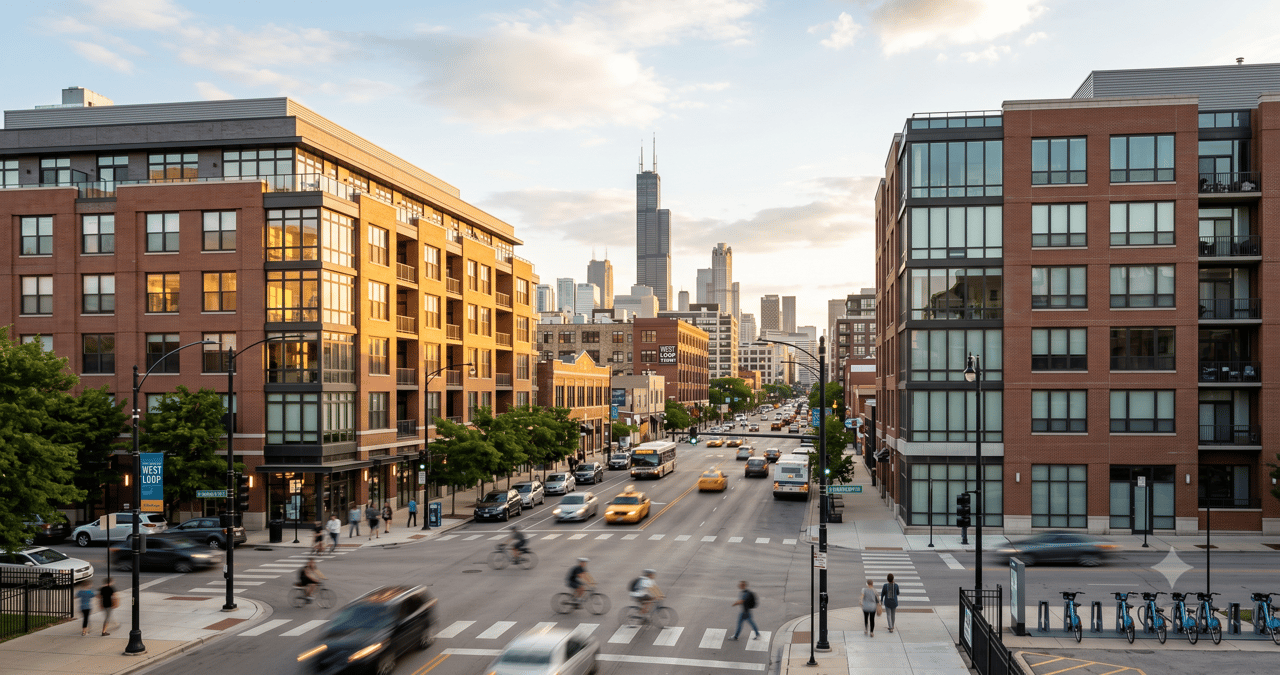
Companies are planting flags in River North, West Loop, and Fulton Market. And housing demand is following them into those exact same blocks.
THE SHORT ANSWER
Corporate relocations and expansions are concentrating buyer and renter demand in River North, the West Loop, and Fulton Market. At the same time, 35-plus office-to-residential conversion projects are pouring thousands of new units into downtown. Where the jobs go, the housing demand goes right after. That is the story of the 2026 market.
Why this matters right now
Here is the part most people miss.
When a company signs a big lease downtown, it is not just an office story. It is a housing story. Hundreds of employees suddenly need a place to live. And most of them want to be close to the desk.
Two forces are colliding in 2026. Employers are clustering into a handful of neighborhoods. And old office towers are being reborn as apartments and condos. Put those together and you get a market that looks very different depending on which block you are standing on.
Let's break it down.
Key Takeaways
- West Loop's median sale price sits at $330,000 with 61 days on market. River North runs $399,000 at 50 days. Streeterville hits $475,000 at 54 days. Neighborhood matters. A lot.
- Downtown leasing hit 1.4 million square feet in Q1 2026 alone, concentrated in the West Loop and River North. Same neighborhoods. Same demand.
- Downtown Chicago has the third-largest apartment conversion pipeline in the country, with at least 4,466 new units and $2.1 billion in play, according to The Real Deal.
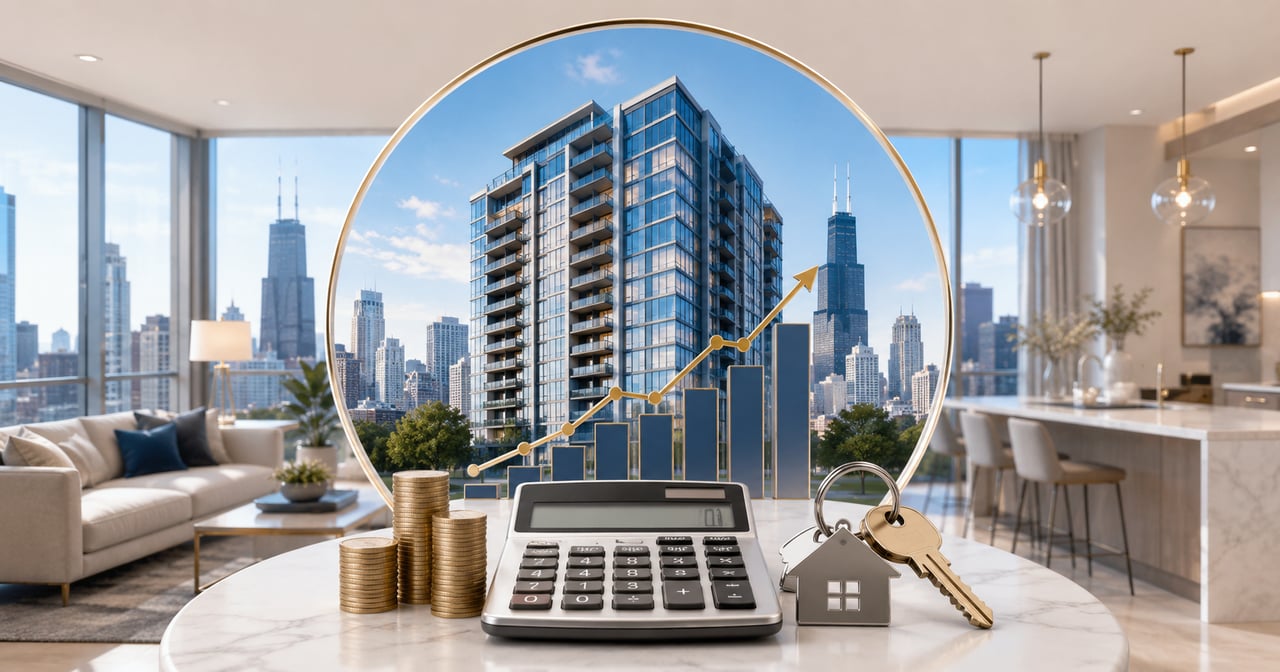
- Metro multifamily vacancy fell to 3.0% in Q2 2026, with absorption of 5,025 units far outpacing just 1,064 completions. Demand is structural, not a blip.
- No new downtown office construction is underway, while nearly 7 million square feet is slated for removal through conversions, per JLL. New residential product is genuinely scarce.
Which downtown neighborhoods are seeing the most employer activity?
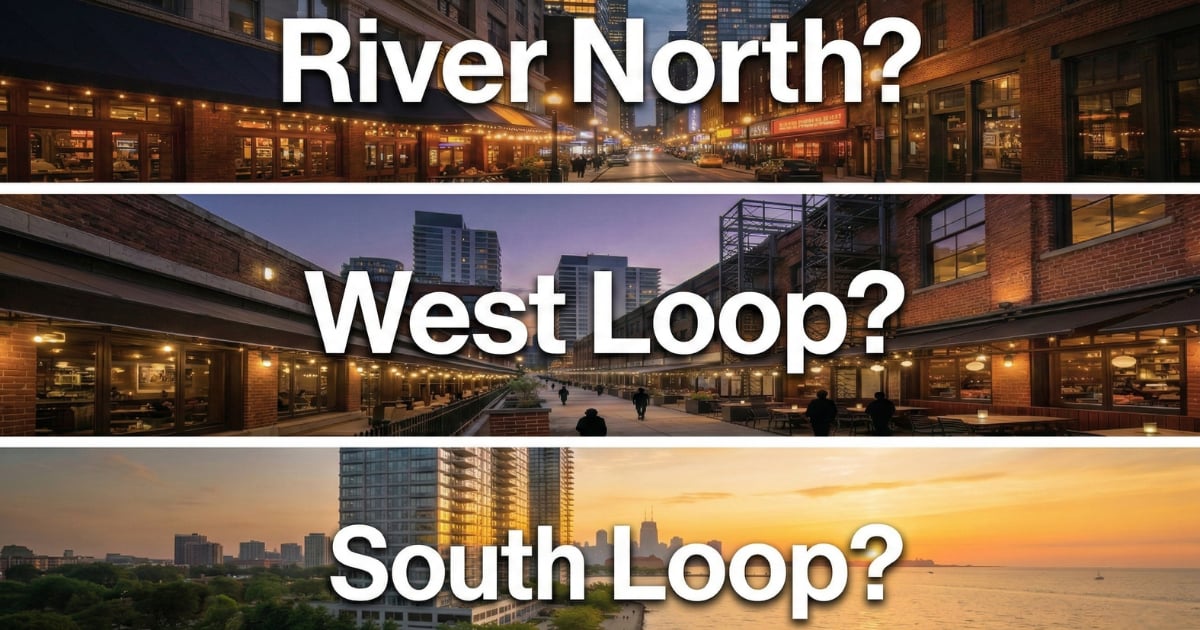
Three names. River North, West Loop, and Fulton Market.
That is where the hiring is happening. And it maps almost perfectly onto where housing demand is sharpest right now.
JLL calls River North the best-performing downtown office submarket of Q2 2026. Tech and finance are leading the charge, with expansions from names like Stripe and Radix. Logistics firm TransLoop is relocating and growing its Chicago headquarters into 44,457 square feet at 350 N. Orleans in River North. Berlin Packaging moved its global HQ to the Merchandise Mart, also River North.
These are not abstract office decisions. They are people. People who need somewhere to live, and who want a short walk to work.
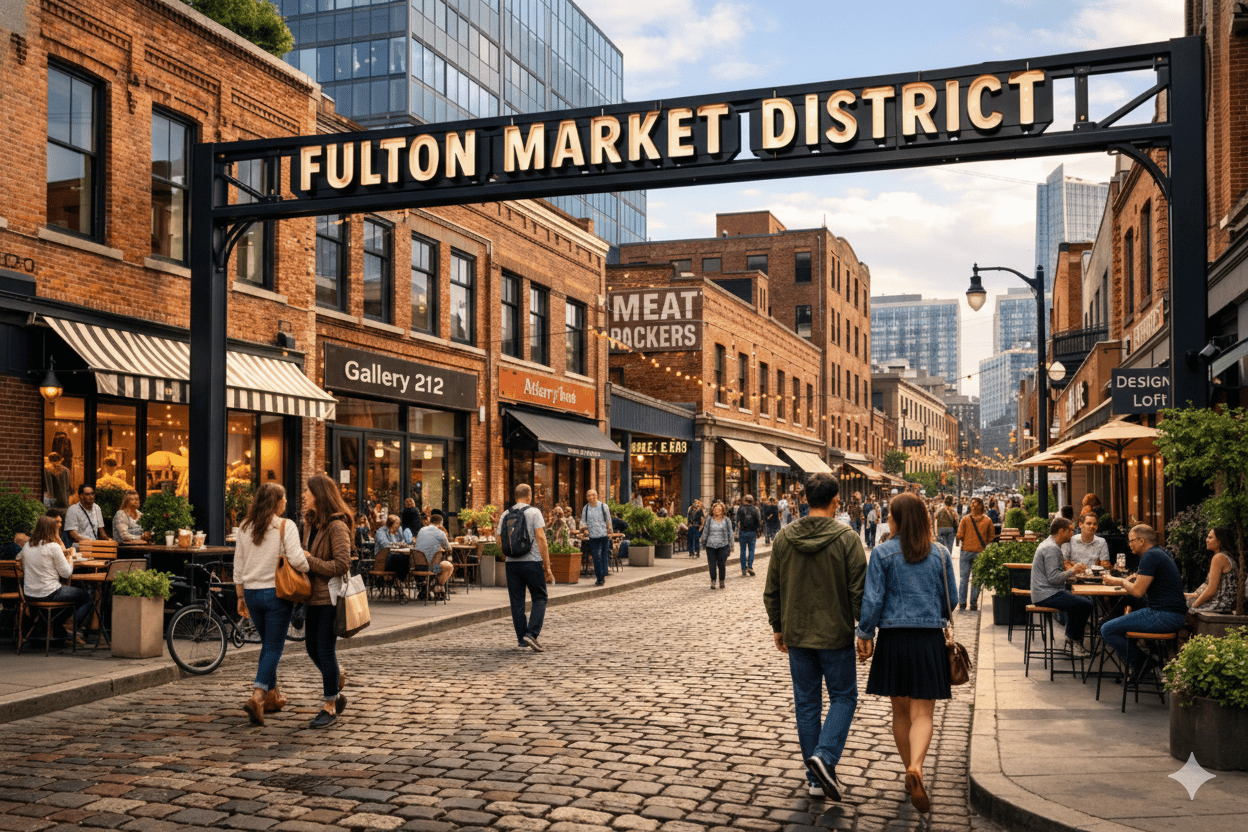
Head into Fulton Market and the West Loop and the pattern holds. Mars Snacking signed a new 169,816-square-foot headquarters lease at 400 N. Aberdeen. That is over 600 new jobs and $100 million in investment landing in one corridor.
The Bespoke Q1 2026 report put it perfectly. Downtown demand is "reallocated, not disappeared." Companies are trading up into better-located, higher-quality space. And the neighborhoods with that space are watching office and housing demand rise together.
In my experience working with buyers across these blocks, the employer story is one of the most underrated forces in the whole market. A company moves in. The ripple into nearby housing is real. And it moves faster than most people expect.
What about the Loop and the firms pulling back?
Fair question. The traditional Loop is a more complicated picture.
Some big names are shrinking. Citadel dramatically cut its Chicago footprint, keeping only about 50,000 square feet in River North after leaving its namesake tower, per Bisnow. Allianz and Baker Tilly moved into nicer space while trimming square footage, according to JLL.
But read the fine print. These moves are about hybrid work and fewer desks per person. They are NOT about fewer people living downtown.
Here is the distinction that matters. Firms cutting office space are usually trading up into better buildings in better locations. Their employees still want to live somewhere walkable, transit-rich, and close to the action. That is still a downtown Chicago story. It is not a goodbye.
How do office-to-residential conversions change your options?
This is the big one. The structural shift that will define downtown housing for years.
The Real Deal counts 35 office-to-residential conversion projects downtown, proposed, underway, or done. That is $2.1 billion in investment and at least 4,466 new residential units. REjournals runs a parallel count of 25 CBD projects adding nearly 4,000 units at roughly $1.8 billion. The numbers move around depending on who is counting. The direction does not.
Per Bradford Allen's research, Chicago now holds the third-largest apartment conversion pipeline in the entire country.
And here is the kicker. No new office construction is underway downtown. Meanwhile nearly 7 million square feet of office space is on the chopping block for conversion. New residential built from old office stock, with zero new office supply coming. That makes these units scarce inventory in an already tight market.
Where are the conversion projects happening?
A few are already on the radar of anyone watching this market:
- 105 W. Adams St. (Loop): Backed by $67 million in TIF funding, delivering roughly 400 residential units in the heart of the financial district.
- 111 W. Illinois St. (River North): Slated for 153 residential units, adding to River North's mixed-use character.
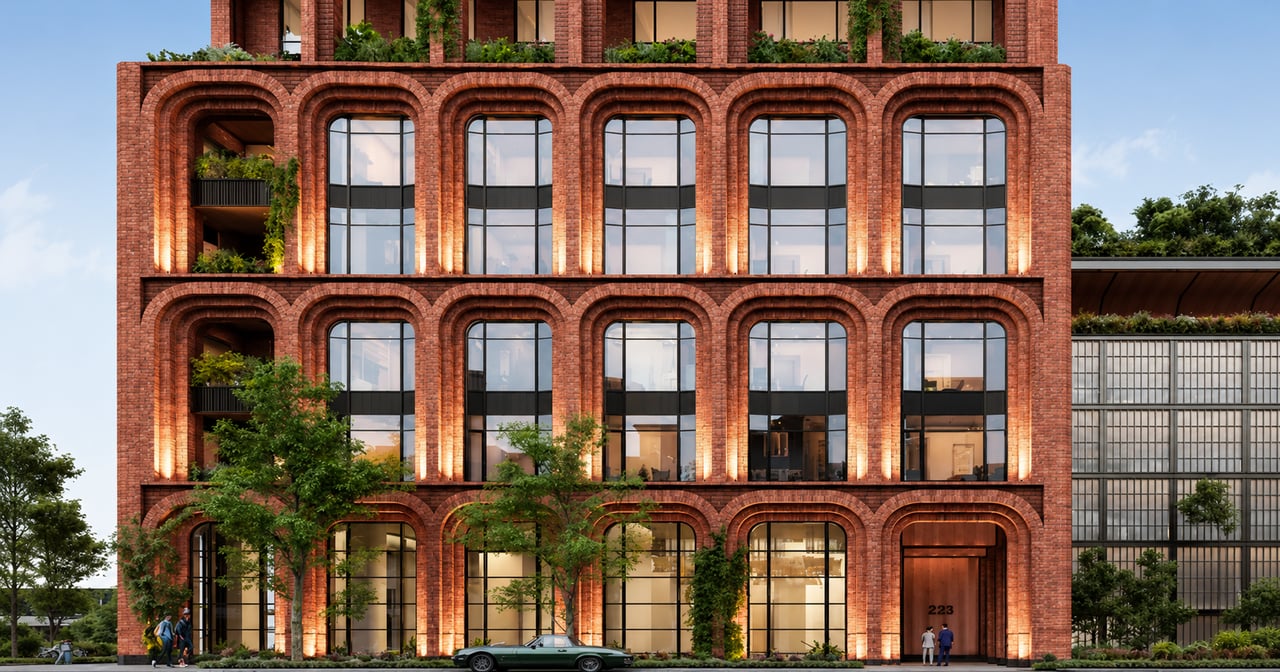
- 223 W. Erie St. (River North): Acquired for conversion into 66 residential units.
- 309 W. Washington St. (Loop): 84 units, part of a broader Loop repositioning push.
- Goose Island / Halsted St.: A smaller 31-unit project, proof that conversions are not just for headline towers.
City policy and private capital are both leaning in. As The Real Deal notes, the goals are to "re-inject life into downtown Chicago" and "ease housing costs." City leadership sees this pipeline as a long play on downtown vitality. Not a fad.
What buyers and renters should think about before a conversion building
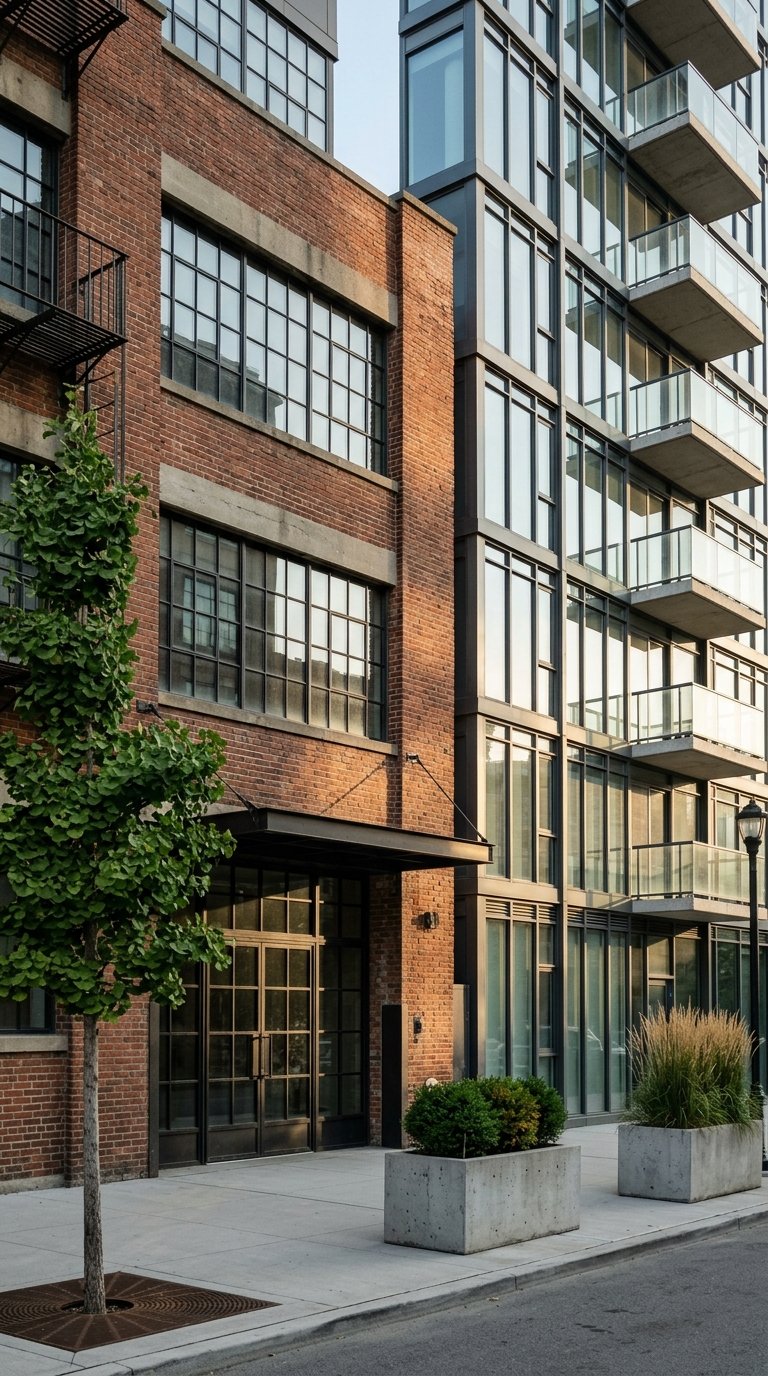
Conversion buildings can be a genuinely smart buy. Great locations. Interesting architecture. Competitive pricing as fresh inventory.
But they come with wrinkles a standard residential building does not have.
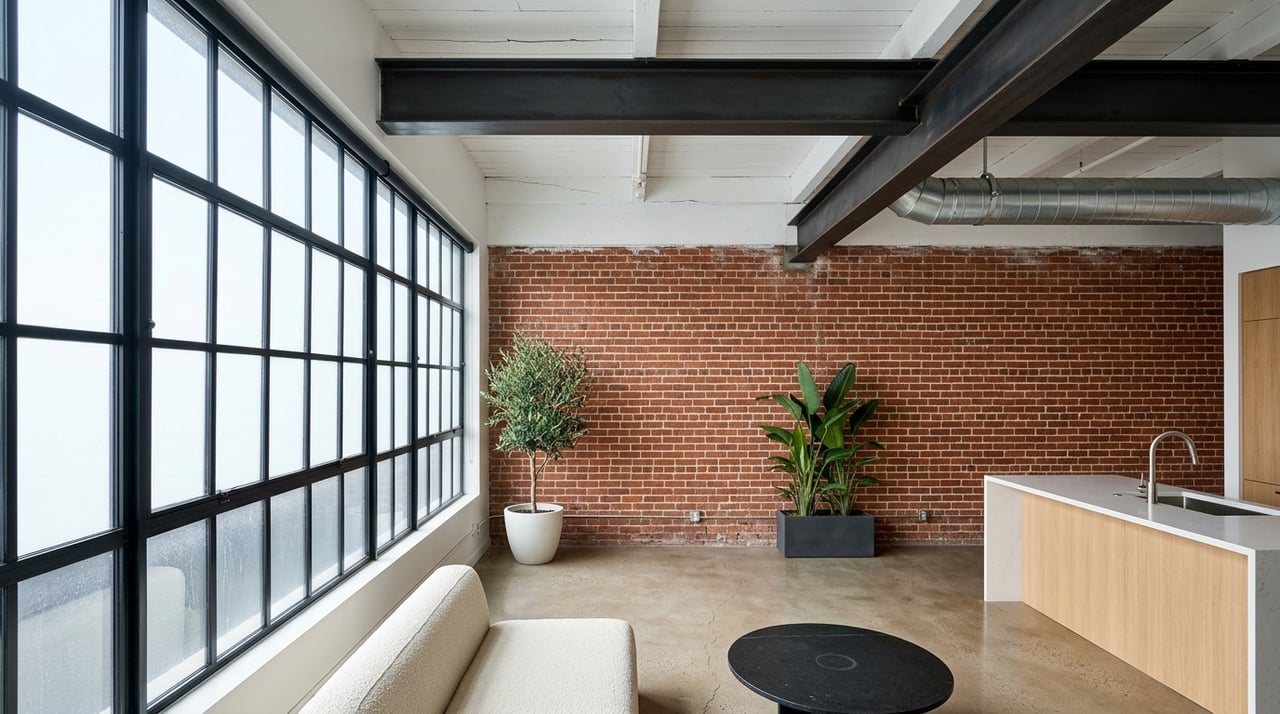
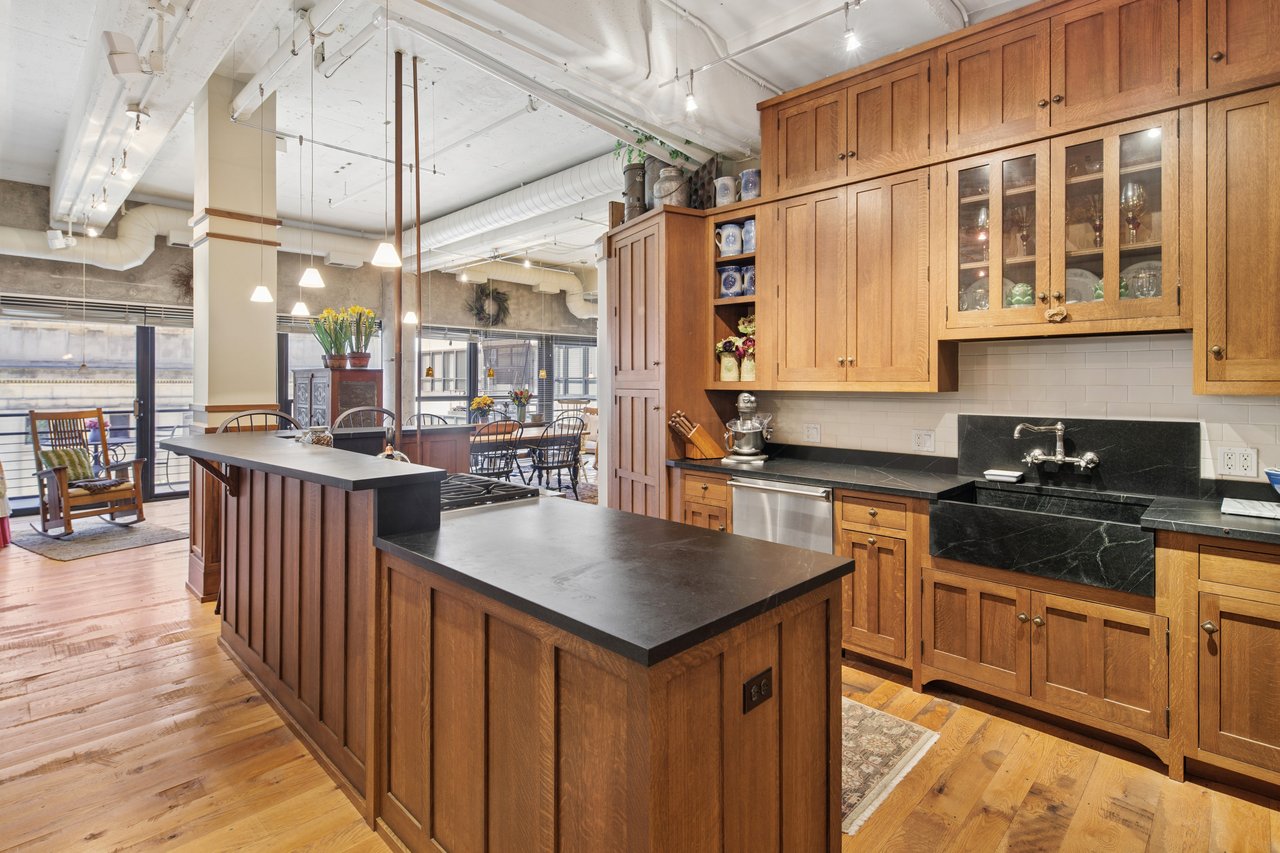
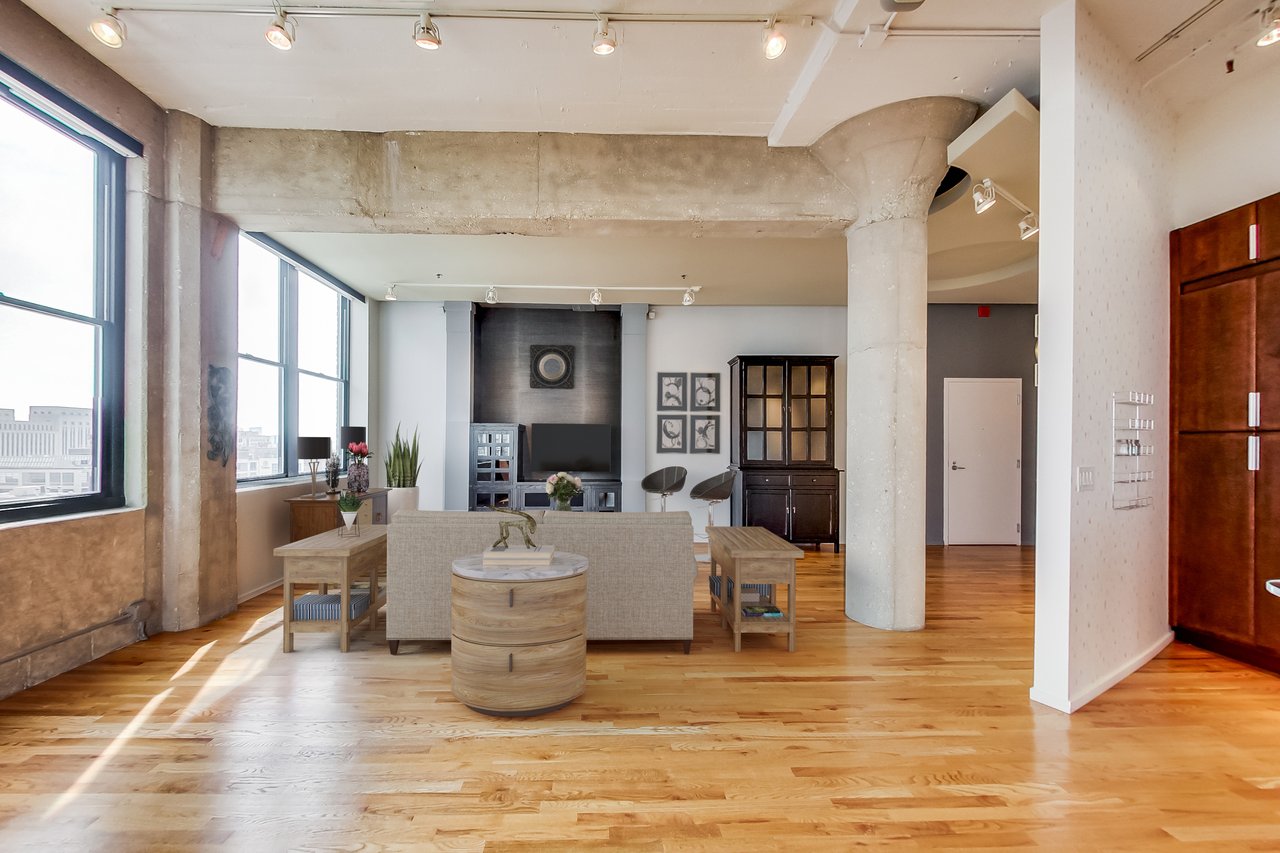
Floor plans can get weird. Big open office floors do not always chop cleanly into livable units. Natural light can be limited depending on the original window design. And in newer conversions, the HOA structure is sometimes still being built out.
So do your homework before you sign.
Read the association documents carefully. My post on downtown Chicago condo rental caps every buyer should know covers one issue that blindsides buyers all the time, rental restrictions that can box you in if your plans change. And if you are newer to this market, my complete guide to buying a condo in downtown Chicago walks you through the whole process.
Buy, rent, or wait? The right call depends on your timeline, your specific building, and what the surrounding submarket looks like the day you decide. That is exactly the kind of analysis I walk clients through before they commit.
What this means for pricing and positioning
Here is the current snapshot for the neighborhoods most affected by employer moves and the conversion pipeline:
Area | Median Sale Price | Median Days on Market |
|---|---|---|
West Loop | $330,000 | 61 |
River North | $399,000 | 50 |
Streeterville | $475,000 | 54 |
Lincoln Park | $900,000 | 33 |
Source: Recent local market data, aggregated public listing data, trailing roughly 90 days as of September 2026. These are area-level medians. An individual home's value varies by condition, street, build year, and timing.
Look at River North. A $399,000 median with 50 days on market tells you the submarket is genuinely active. And the employer story is a big part of why. When TransLoop, Berlin Packaging, and Stripe are all signing leases in the same neighborhood, the case for living nearby gets stronger. That shows up in price and in speed.
Neighborhood-level data drives Downtown Chicago condo values far more than citywide averages.
If you are selling
The employer relocation story is a real positioning tool. But it only works if you get specific.
"Close to River North's expanding tech and logistics corridor" is a real selling point backed by real data. Vague talk about "downtown's recovery" is not. Downtown Chicago rewards neighborhood-level data over citywide averages every single time. The employer story is one of the cleanest ways to tell a neighborhood-specific story with actual substance behind it.
If you are buying
New product is coming. But new does not automatically mean right for you.
And do not bank on a price crash from all that new supply. Metro multifamily vacancy sits at 3.0% as of Q2 2026, with average rents up 4.03% year over year to $2,198. That tells you demand is structural. It is not going anywhere. Waiting for conversion supply to soften prices may not play out the way you hope, especially in the submarkets where employers are hiring hardest.
The Bottom Line
The corporate relocation story in downtown Chicago is real. It is submarket-specific. And it is moving fast.
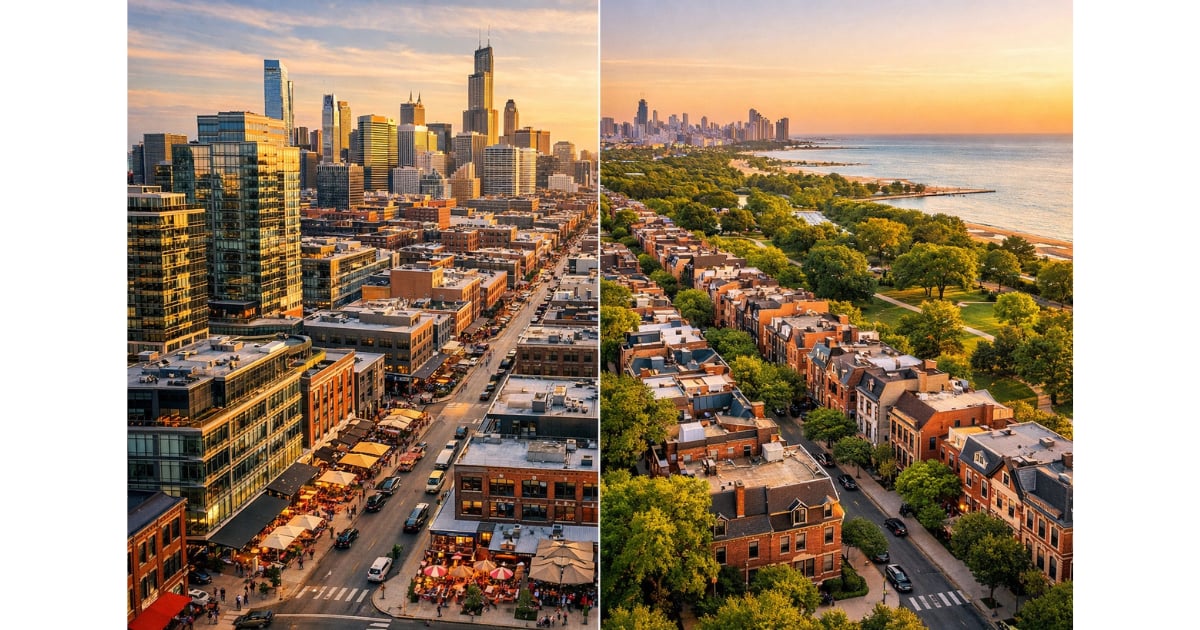
Where you buy or sell inside downtown matters more than ever. River North is not the West Loop. The West Loop is not the Loop. The employer map is redrawing the demand map block by block, and the conversion pipeline is rewriting what inventory even looks like.
Your specific situation is where the general market story stops being useful and a real analysis begins. What you are buying. Where. At what price. That is the conversation worth having before you move in either direction.
Frequently Asked Questions
How are employer relocations affecting condo and apartment demand in the Loop and River North?
Relocations into River North, West Loop, and Fulton Market are directly supporting housing demand in those same submarkets, because employees prefer living near walkable, transit-connected neighborhoods close to the office. JLL's Q2 2026 report names River North the top-performing submarket, driven by tech and finance expansions. The traditional Loop is more mixed, with some firms shrinking, but conversion projects are working to reposition it as a residential destination too.
Are the office-to-residential conversions creating rental units, condos, or a mix?
The pipeline is predominantly rental-focused, though the mix varies by project. The Real Deal reports at least 4,466 new residential units across 35 projects, with city-supported projects like 105 W. Adams (roughly 400 units) structured as rental. Some conversions may include for-sale components, so verify the ownership structure and HOA formation for any specific building before you buy, since newer conversions sometimes have association documents that are still being finalized.
If a major employer leaves downtown, does that hurt property values in nearby buildings?
A single departure rarely moves residential values on its own, especially in a submarket with diverse demand drivers. The better question is whether new employers are filling the gap, and in River North and West Loop they are. The Bespoke Q1 2026 report describes demand as "reallocated, not disappeared." Citadel's Loop reduction is real, but it is happening right alongside major new HQ leases from Mars Snacking, TransLoop, and Berlin Packaging in adjacent submarkets.
Which downtown neighborhoods are seeing the most employer activity right now?
River North, West Loop, and Fulton Market are the three hotspots in 2026. REjournals and JLL both point to River North as the standout for office leasing, with Fulton Market pulling in major HQ tenants like Mars Snacking. The traditional Loop is more split, still significant, but with more firms trading into higher-quality space elsewhere while older buildings get repositioned for residential use.
Will more conversions ease rents downtown, or just attract higher-income tenants?
The pipeline is designed in part to ease housing costs, but the Matthews Q2 2026 report shows metro rents up 4.03% year over year even as absorption stays strong. Structural demand is keeping pace with new supply. City-backed projects like 105 W. Adams include affordable components tied to TIF funding, but most conversion units will be market-rate. More supply should ease pressure over time, but near-term buyers and renters should not count on major price relief from conversions alone.
Ready to talk numbers?
If you want to know exactly how these shifts affect your specific property or your search, let's talk it through together. Call or text Christine Hancock at 312-296-9300 to talk about your unit's value, or what it would take to get you to the closing table.
ABOUT THE AUTHOR
Christine Hancock is a Chicago Realtor with @properties Christie's International Real Estate, bringing more than 25 years of experience and over $200 million in closed sales in the downtown condo market. With 97 five-star Zillow reviews, Christine is recognized for her commitment to client satisfaction and market expertise.
She specializes in high-rise and luxury condominium sales in West Loop, South Loop, River North, and Streeterville, helping buyers and sellers navigate complex transactions with data-driven pricing strategies and deep neighborhood insight.
Christine partners with clients to evaluate market trends, position properties competitively, and make confident, informed decisions in Chicago's vibrant downtown housing market.
Call or text 312-296-9300 to discuss current market conditions or your real estate goals.