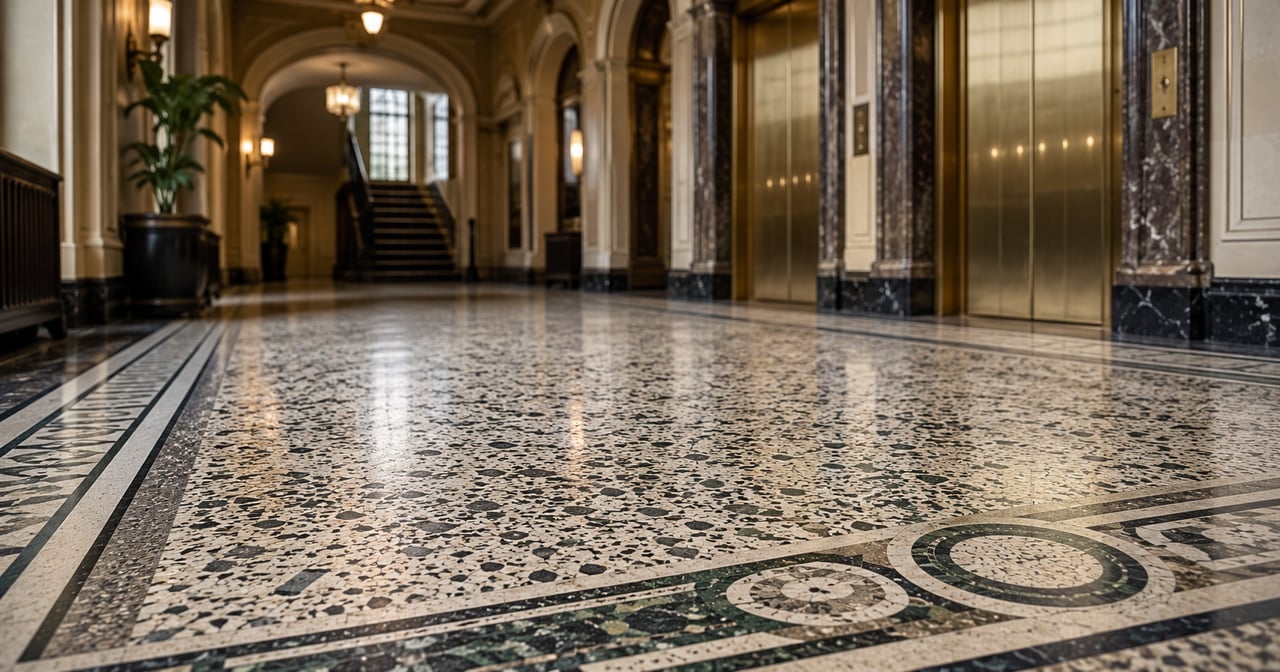
Walk into Italian Village on Monroe Street and you're stepping into a dining room that has fed the Loop since 1927. Pressed-tin ceilings, murals, four generations of the Capitanini family running the show. It's the last place you'd expect to find a coffee counter built for people rushing to a 9 a.m. meeting. And yet that's exactly what opened there this June.
That single detail says more about where the Loop is headed than any list of new restaurant openings could on its own. The neighborhood's food scene isn't just growing. It's being rebuilt around the person who's already here on a Tuesday, not the visitor who shows up on a Saturday.
A Family That Knows the Neighborhood's Rhythm
Café Pisolino, the espresso bar Italian Village added on its ground floor at 71 W. Monroe St., is open mornings into early afternoon, Tuesday through Saturday. That's a weekday schedule stapled onto a restaurant that has spent nearly a century running on dinner-and-a-show hours. Jonathan Capitanini, the fourth-generation co-owner, put it plainly when the café opened: it exists to reimagine how a legacy restaurant serves the city throughout the day, not just at dinner.
A business doesn't survive 99 years in the same location by guessing wrong about its neighborhood. When a family that has watched Monroe Street evolve since the Roaring Twenties decides the smart bet is a weekday coffee counter aimed at commuters and downtown residents, that's a read on the market worth paying attention to, whether or not you ever set foot inside.
The Corridor Is Being Built by the Numbers
Café Pisolino isn't an isolated bet. A few blocks away at 33 S. Wabash Ave., the Mediterranean café concept Prasino opens its doors on August 25 with hours running 7 a.m. to 7 p.m., every day of the week. The company built the roughly 3,300-square-foot space explicitly to serve office workers, students, commuters and downtown residents, according to the press materials announcing the launch. It's Prasino's first of three planned Chicago locations, with a second café slated to open this summer at 200 N. Aberdeen St. in the West Loop to serve nearby residents, offices and the fitness and lifestyle crowd in that neighborhood.
That kind of all-day, every-day hour structure only makes financial sense if the operator believes there's steady foot traffic on a Wednesday afternoon, not just a rush on Friday night. And the physical evidence backs that belief up. David Broz, a Gensler principal and vice president of the Chicago Loop Alliance board, has pointed out that Wabash Avenue had just a couple of sidewalk café seats a few years ago. After the Loop Alliance's Sidewalk Café Program took hold, that number passed 200. A street that couldn't support outdoor seating a handful of years ago now has room for hundreds of people to sit outside and eat lunch on a workday.
A few more entries worth knowing if you're walking this stretch regularly:
- Prasino, 33 S. Wabash Ave. — opens August 25, all-day café, 7 a.m. to 7 p.m. daily
- Café Pisolino, 71 W. Monroe St. — inside Italian Village, mornings into early afternoon, Tuesday through Saturday
- Fatback, 176 W. Wacker Dr. — sandwich shop and butcher counter from chef Charlie McKenna of Lillie's Q, opened in March, using custom bread from West Town Bakery
Fatback is a useful data point on its own. It's not a destination dinner spot. It's a lunch counter, built around the idea that the biggest opportunity on a Loop block is the person who already works there and needs something better than a desk sandwich.
Chicago Loop Alliance's own tracking of new businesses shows the same pattern on a smaller scale. Bagel & Bean opened at 111 W. Jackson Blvd. Bru Chicago opened at 180 W. Washington St. Neither is built around a dinner crowd or a weekend line. Both are breakfast-and-lunch operations aimed at the same person walking the same four or five blocks every weekday morning.
The Storefront That Finally Made Sense
The clearest sign that this shift is about daily use rather than tourist dollars sits inside Trump Tower at 401 N. Wabash Ave. The building's 70,000 square feet of riverfront retail space had sat empty since the tower opened in 2009, one of downtown's most stubborn vacancies for 17 years running. Multiple attempts to fill it with big-name tenants had gone nowhere.
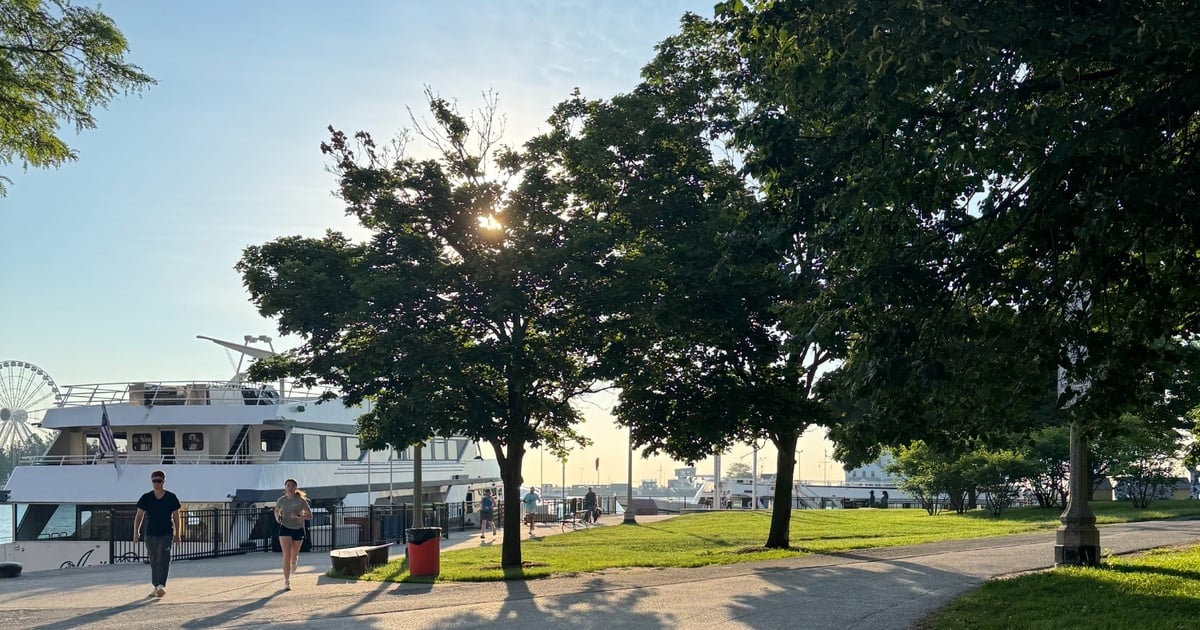
The lease that finally landed there in 2026 went to Prasino, the same all-day café chain opening on Wabash this week. Owner Ted Maglaris said the site's appeal wasn't the Trump name or the tourist foot traffic from Michigan Avenue. It was the water taxi stop, the Riverwalk foot traffic and the daily walkability of the location. That café is slated to open in the first quarter of 2027, with roughly 60 indoor seats and 50 more on an outdoor patio.
"I've always been drawn to this area because of the energy, walkability and connection to the water," Maglaris said of the site. "There is something about being near the river that naturally complements that atmosphere and lifestyle."
A retail space that couldn't find a taker for nearly two decades finally moved once an operator started thinking about the person walking to work every day instead of the person visiting once a year. That's not a small shift in how downtown real estate gets valued. It's a different lens entirely, and it's the same lens showing up in every one of these openings.
What This Actually Means If You Live Here
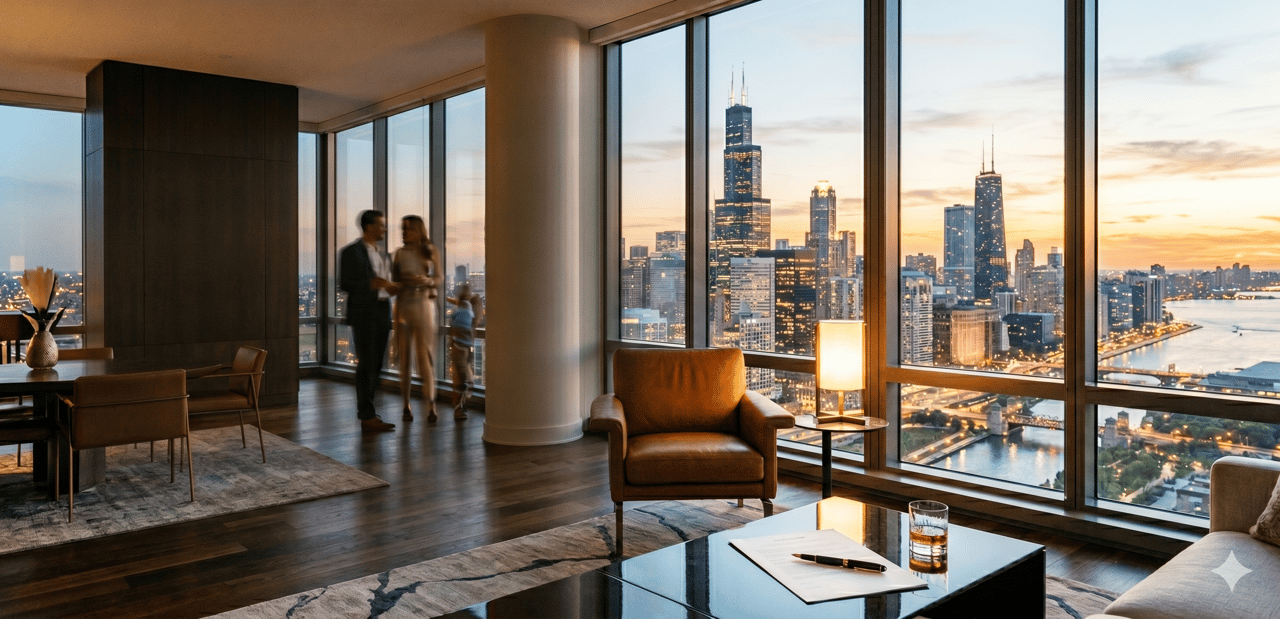
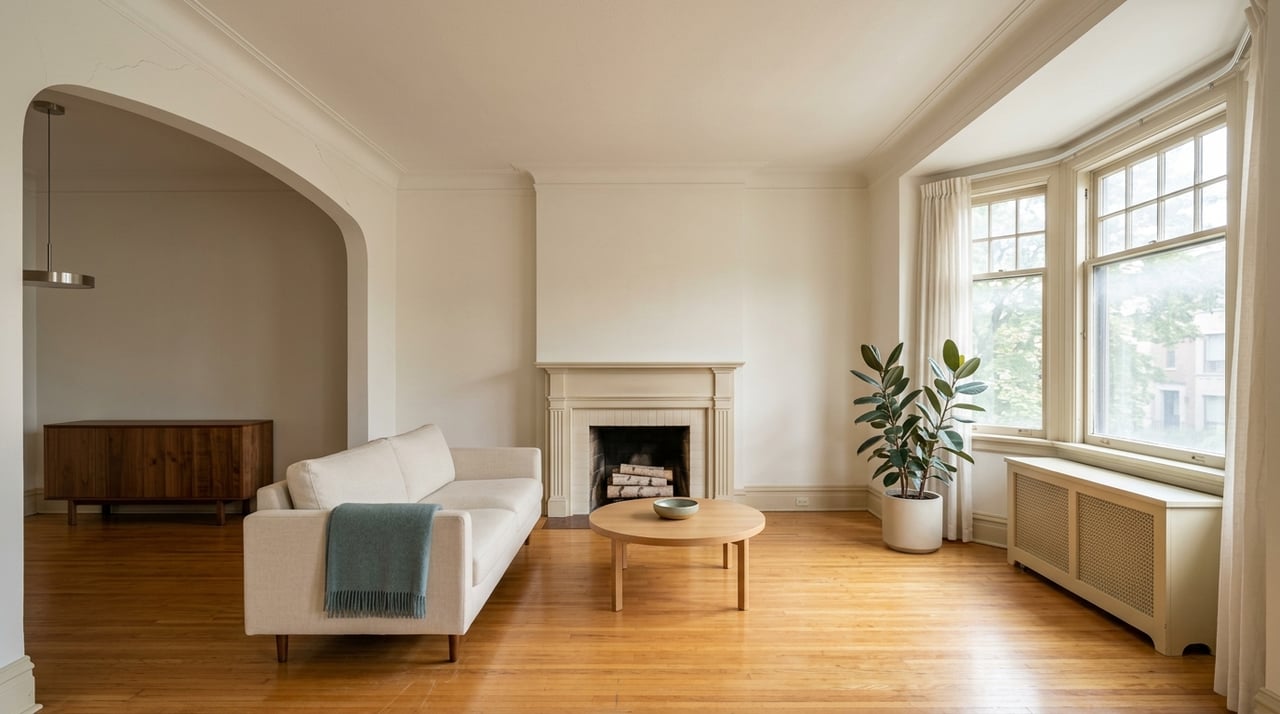
None of this is a pitch to visit downtown. If you already live in the Loop or nearby, most of it is a five or ten minute walk from your building, the kind of walk you're already taking on an ordinary Tuesday morning. The useful thing to understand is what these choices tell you about the block you're on.
When a 99-year-old family restaurant redesigns its ground floor around commuter hours, when a café chain opens seven days a week with commuter-length hours before it's even opened its second location, and when a landlord finally fills a 17-year vacancy by betting on a water taxi stop instead of a tourist attraction, that's not random. It's every operator in the neighborhood arriving at the same conclusion about who's actually here and when.
If you're the kind of resident who notices these things because you're paying attention to how your own building or block is changing, that instinct is worth trusting. The Hancock Group tracks these same shifts building by building across West Loop, River North, Near North, Old Town and the Loop, because the small stuff, a new espresso counter, a filled vacancy, a lunch counter opening two blocks over, tends to show up in property values long before it shows up in a headline. If you're curious what any of it means for your own building, request your home valuation and we'll walk you through what we're seeing on your specific block.