Do Downtown Chicago sellers need a pre-listing home inspection?
THE SHORT ANSWER
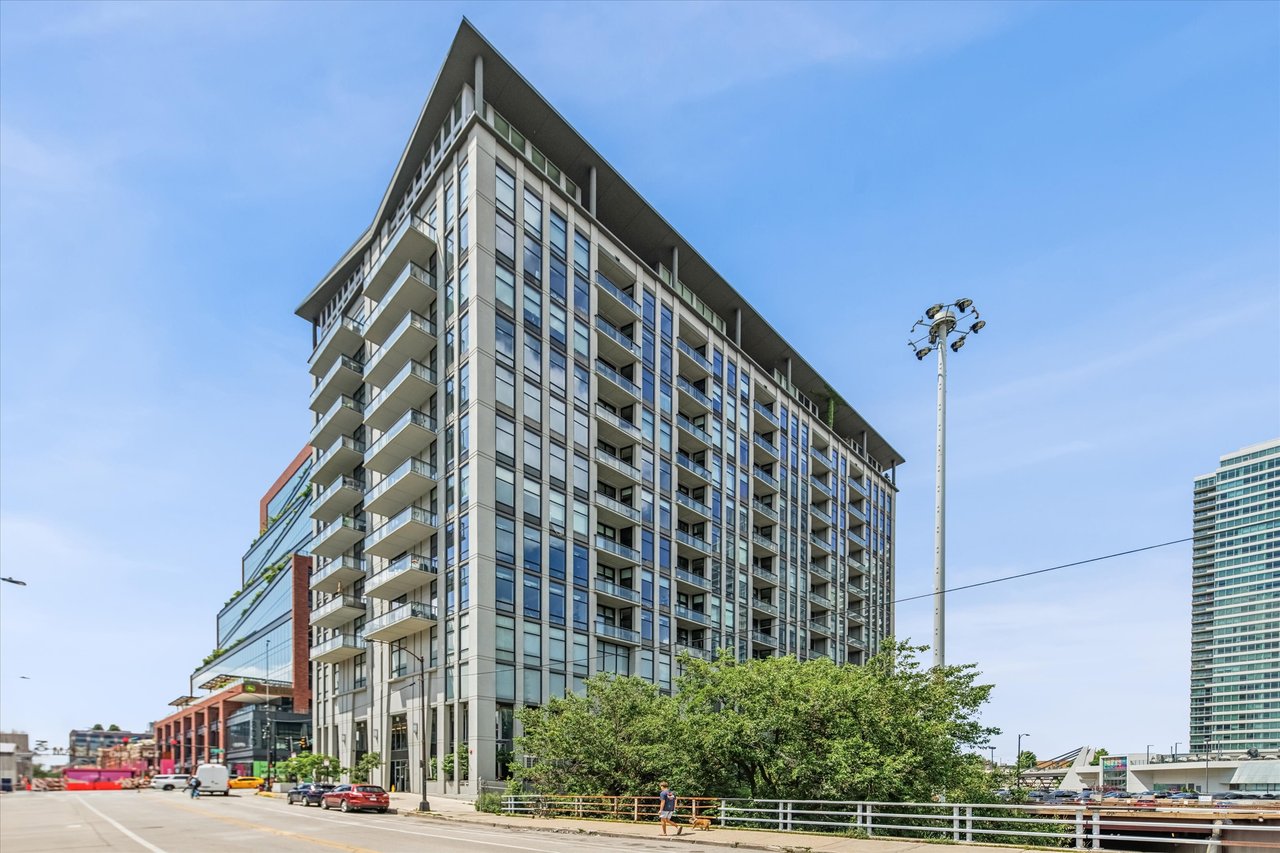
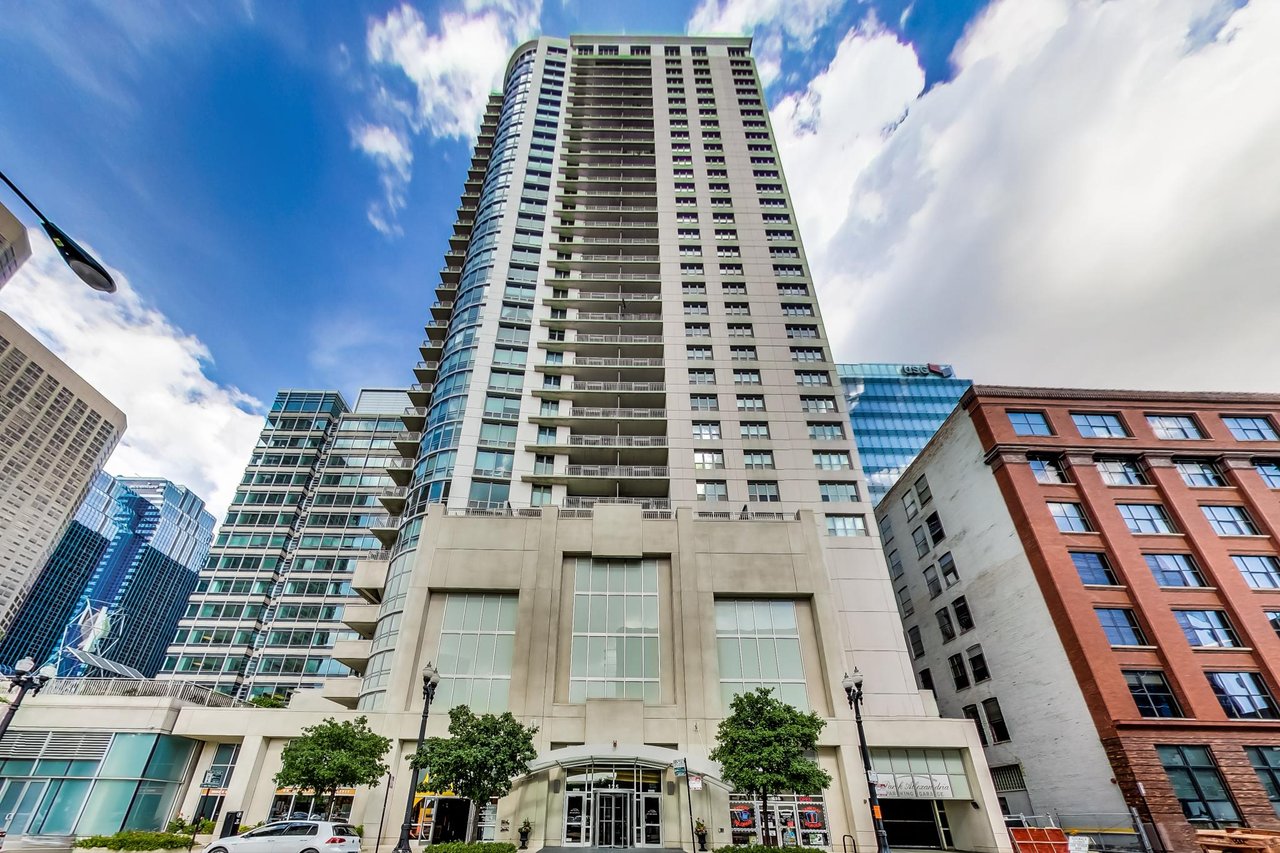
No Illinois law requires sellers to order a pre-listing inspection, but it's one of the most strategically useful things you can do before putting a Downtown Chicago condo or loft on the market. A pre-listing inspection gives you control over the narrative: you find the issues first, decide how to handle them, and walk into negotiations without surprises. In older buildings, that control is worth a lot. Think West Loop loft conversions, River North high-rises, and South Loop warehouse rehabs.
What does Illinois require sellers to disclose?
Before you decide whether to order an inspection, you need to understand what you're already on the hook to disclose. First, know what you're already on the hook for. The Illinois Residential Real Property Disclosure Act governs you as a seller. It requires you to disclose known material defects, structural issues, water intrusion, HVAC problems, and more, on a standardized form. The key word is known. You disclose what you're aware of.
That cuts both ways. If you order a pre-listing inspection and it surfaces a problem, you now know about it and must disclose it. If you don't inspect and genuinely didn't know, you can't disclose what you don't know. But here's the practical reality: buyers in Downtown Chicago almost always order their own inspection during the attorney review and inspection period. If their inspector finds something significant that a reasonable seller should have known about, it creates leverage, and sometimes litigation risk. Getting ahead of that is the whole point of a pre-listing inspection.
Radon Disclosure in Illinois
Illinois has a specific radon disclosure requirement under the Illinois Radon Awareness Act. Sellers must provide buyers with the Illinois Emergency Management Agency's radon disclosure pamphlet. If you've had a radon test done, you must disclose those results. If you haven't tested, you disclose that fact. Own a ground-floor or garden unit in a South Loop or West Loop loft building? Test for radon before you list. It's cheap, and it kills a common buyer objection before it ever comes up.
Lead Paint Disclosure for Pre-1978 Buildings
A large share of Downtown Chicago's character buildings were built before 1978. Loft conversions in the West Loop. Greystones in Old Town. Vintage walk-ups in Lincoln Park. Federal law under the HUD/EPA Lead Paint Disclosure Rule requires sellers of pre-1978 properties to disclose known lead-based paint hazards and provide buyers with the EPA's lead hazard pamphlet. Buyers also get a 10-day window to conduct a lead paint inspection or risk assessment. This is a federal requirement, not optional, and it applies regardless of whether you order a pre-listing inspection.
The Real Case For (and Against) a Pre-Listing Inspection
I walk my clients through this decision on every listing. There's no universal right answer. But once I see the unit and the building, the call is usually obvious.
Reasons to order one
- You control the repair narrative. If the inspector finds a water heater at end-of-life or a cracked flue liner, you can repair it before listing, price through it transparently, or disclose it proactively, instead of getting hit with a buyer's repair demand at the worst possible moment in negotiations.
- It supports confident pricing. I believe sellers deserve full transparency into the numbers behind every pricing recommendation. A clean inspection report is part of that picture. It tells me, and the market, that the list price reflects a property in known, documented condition.
- It reduces buyer leverage during attorney review. In Illinois, the attorney review and inspection period typically follows the accepted offer. A buyer whose inspector finds a long list of deferred items has grounds to renegotiate or walk. A pre-listing inspection that you've already addressed, or disclosed cleanly, shrinks that list considerably.
- It signals quality to serious buyers. A polished, professionally marketed listing signals value before a buyer ever walks in. Attaching a clean pre-listing inspection report to your disclosures sends the same message: this seller has nothing to hide.
- Older condos and loft conversions have more exposure. Many Downtown Chicago buildings have shared mechanical systems, aging common-area infrastructure, or original building components that interact with individual units in ways buyers flag. Knowing about those issues before you list is almost always better than learning about them mid-deal.
Reasons to think twice
- Disclosure obligations expand. Once you know, you must disclose. If the inspection surfaces something you'd rather not deal with, you can't un-know it. This is the most common reason sellers hesitate, and it's a legitimate concern, though in my experience, it's usually better to know.
- It doesn't replace the buyer's inspection. Most buyers will still order their own inspection regardless. Your pre-listing report won't necessarily satisfy their lender, their attorney, or their own peace of mind. Think of it as a complement, not a substitute.
- Cost without guaranteed return. You're spending money upfront with no guarantee it changes the outcome. For a well-maintained newer unit in a building with a strong reserve fund, the risk profile may already be low enough that a pre-listing inspection adds little.
How much does a condo inspection cost in Downtown Chicago?
Inspection pricing in Chicago varies based on unit size, building type, and the scope of the inspection. According to the International Association of Certified Home Inspectors (InterNACHI), condo inspections are generally priced lower than single-family home inspections because inspectors typically evaluate the unit itself rather than shared building systems. In Downtown Chicago, a standard condo inspection generally runs in the range that most sellers describe as a few hundred dollars, with larger loft units and townhomes at the higher end of that range. Specialized add-ons cost extra.
Here's a breakdown of what a pre-listing inspection scope typically covers and what add-ons are commonly relevant for Downtown Chicago properties:
Inspection Type | What It Covers | Relevance for Downtown Chicago |
|---|---|---|
Standard condo inspection | HVAC, plumbing, electrical, windows, doors, interior finishes, in-unit systems | Core scope for any downtown listing |
Radon test | Radon gas levels in the unit | Most relevant for ground-floor and garden units; required disclosure if results exist |
Sewer scope | Condition of the drain line from unit to building stack | Older loft conversions and vintage buildings; can reveal root intrusion or deterioration |
Mold / air quality | Mold spores, moisture levels, air quality indicators | Relevant in buildings with known water intrusion history or older HVAC |
Lead paint test | Presence of lead-based paint on surfaces | Required disclosure for pre-1978 buildings; testing adds specificity to the disclosure |
For context on the market you're entering: recent Zillow market data for the West Loop shows a median sale price of $360,000 and a median of 46 days on market. With 57 homes sold in the past 90 days and 26 active listings, it's a market where condition and presentation genuinely move the needle. The difference between a clean, inspection-backed listing and one that triggers a long buyer repair list can show up in both your final price and your time on market.
The National Association of Realtors consistently finds that condition-related issues are among the top reasons transactions fall through or get renegotiated after an accepted offer. A pre-listing inspection is one of the more direct ways to reduce that risk.
Your specific situation depends on your building's age, your unit's condition, your HOA's reserve fund health, and your timeline. That's exactly the kind of question I walk my clients through before we even list.
Do loft conversions need extra inspection attention?
West Loop and South Loop loft conversions deserve a separate mention. These buildings were originally industrial or commercial, and their conversion to residential use sometimes left behind quirks: exposed original plumbing, unconventional HVAC configurations, concrete subfloors with drainage issues, or electrical panels that have been modified multiple times. A buyer's inspector in one of these buildings is going to look hard. Getting there first is almost always the right call.
If you're selling in a building where the City of Chicago Department of Buildings has any open violations or permits, that's also something a good pre-listing review will surface, and something you'd want to resolve before a buyer's attorney finds it during due diligence.
"I've closed more than 300 West Loop transactions, including 85+ at Haberdasher Square Lofts alone. I know exactly where a buyer's inspector is going to look in these buildings."
For more on what buyers are looking at when they evaluate a downtown listing, my post on 10 Questions Downtown Chicago Condo Sellers Ask First covers the full picture of what comes up before and during a sale.
Frequently Asked Questions
Is a pre-listing home inspection required by law in Illinois?
No. Illinois law does not require sellers to obtain a pre-listing inspection. The Illinois Residential Real Property Disclosure Act requires sellers to disclose known material defects, but it does not mandate that sellers go looking for them through a formal inspection. The decision to inspect before listing is a strategic one, not a legal obligation.
If I get a pre-listing inspection and it finds problems, do I have to disclose them?
Yes. Once you have actual knowledge of a material defect, Illinois disclosure law requires you to disclose it. That's the trade-off sellers weigh when deciding whether to inspect: you gain information and control, but you also expand your disclosure obligations. In most cases, knowing and disclosing proactively is better than a buyer discovering the issue mid-deal and using it as leverage.
What is Illinois's radon disclosure requirement for home sellers?
Under the Illinois Radon Awareness Act, sellers must provide buyers with the Illinois Emergency Management Agency's radon disclosure pamphlet. If radon testing has been performed on the property, those results must be disclosed. If no test has been done, that fact is disclosed instead. Ground-floor and garden-level units in Downtown Chicago buildings are the most common context where sellers consider proactive radon testing.
Do condo sellers in Chicago need to disclose lead paint?
If your unit is in a building constructed before 1978, yes. Federal law under the HUD/EPA Lead Paint Disclosure Rule requires sellers to disclose any known lead-based paint hazards and provide buyers with the EPA's lead hazard information pamphlet. Buyers are entitled to a 10-day window to conduct their own lead paint inspection or risk assessment. This applies regardless of whether you order a pre-listing inspection.
Will a buyer still order their own inspection if I provide a pre-listing report?
Almost always, yes. Most buyers and their attorneys will still conduct an independent inspection during the Illinois attorney review and inspection period, regardless of what you provide upfront. Your pre-listing report doesn't eliminate that step, but it does reduce the likelihood of a long repair list and positions you as a transparent seller, which tends to keep negotiations on track.
A pre-listing inspection isn't right for every Downtown Chicago seller, but for older condos, loft conversions, and any property where condition questions are likely to come up, it's one of the smartest investments you can make before going to market. The first two weeks on market are your strongest leverage, and walking in with a clean, documented property is how you protect that window.
If you're weighing whether a pre-listing inspection makes sense for your specific unit, I'm happy to walk through it with you.
Call or text me at 312-296-9300 and we'll look at your building, your timeline, and what a well-prepared listing strategy looks like for your situation.
Equal Housing Opportunity. Christine Hancock is a licensed Broker Associate affiliated with @properties Christie's International Real Estate, a member of the Chicago Association of Realtors. This article is general information only and does not constitute legal, tax, or financial advice. Disclosure requirements, inspection norms, and transaction costs vary by property and circumstance. Confirm your specific obligations and numbers with your real estate attorney, tax advisor, lender, or closing officer.