Downtown Chicago Condo Pricing: Why Neighborhood Data Wins
Why does neighborhood data matter more than the citywide average when you price a downtown Chicago home? Because the Chicago median describes a city of 2.7 million people and thousands of property types. It does not describe your unit.
THE SHORT ANSWER
Downtown Chicago is not one market. It is six or seven markets stacked next to each other. As of August 2026, median sale prices across downtown neighborhoods run from $330,000 in the West Loop to $810,000 in Lincoln Park, and median days on market range from 27 to 57. Pricing from neighborhood-level comps, filtered by community area, building type, and recent closed sales, is what drives shorter market times and stronger offers.
Every week a seller sits across from me and says the same thing.
"I looked up the Chicago median price online."
I get it. The number is right there. It's free. It feels official.
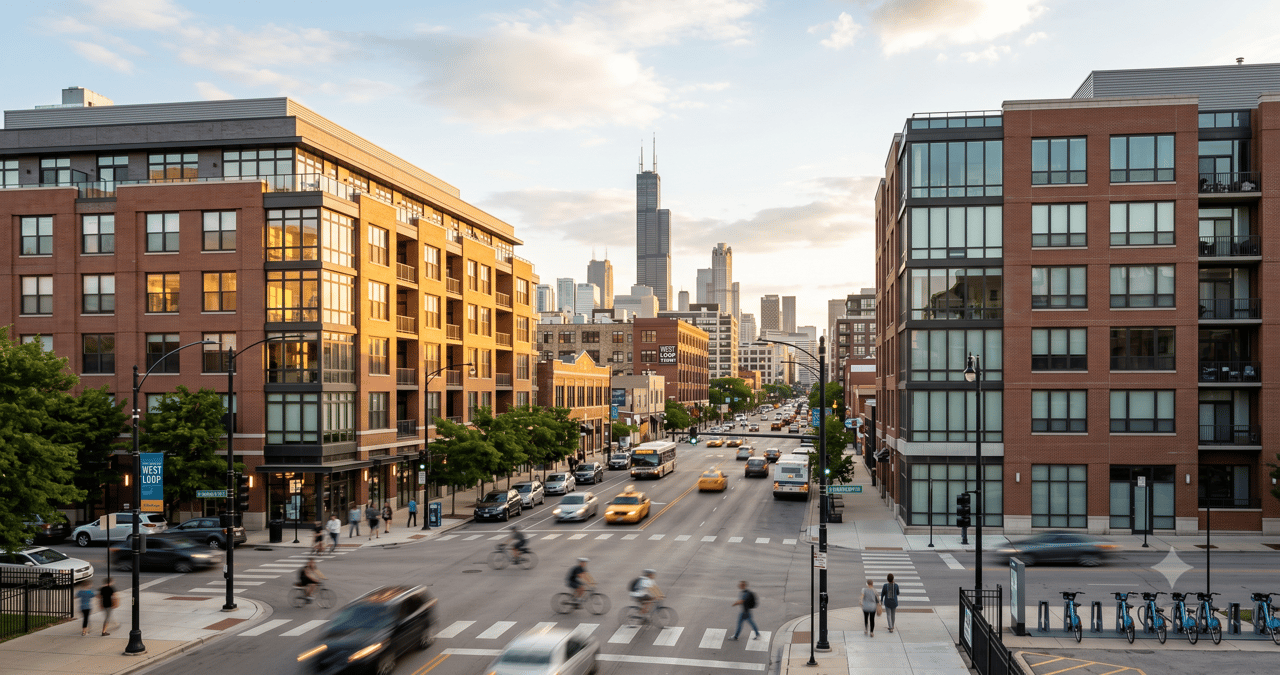
But pricing a downtown condo from a citywide average is like navigating the West Loop with a map of Illinois. The map is real. It just won't tell you where you're standing.
How Far Apart Are Downtown Chicago Neighborhoods Really?
Look at what recent Zillow market data shows for the trailing 90 days as of August 2026, across the neighborhoods I work in every day.
Area | Median Sale Price | Median Days on Market |
|---|---|---|
West Loop | $330,000 | 44 |
River North | $380,000 | 57 |
South Loop | $412,000 | 29 |
Streeterville | $476,500 | 40 |
Gold Coast | $525,000 | 57 |
Lincoln Park | $810,000 | 27 |
These are area-level medians. Your individual value still depends on condition, floor, building, and timing.
But look at the spread. Lincoln Park's median is more than double the West Loop's. South Loop condos are moving in 29 days. River North and Gold Coast are sitting for 57.
Average all of that together and you get a number that accurately describes NONE of them.
That's why I work from neighborhood-specific comps instead of a blended "downtown Chicago" figure. The Chicago Association of Realtors publishes community-area level data for exactly this reason. The market is too granular for one city number to be useful at the transaction level.
What Does Days on Market Actually Tell You?
Days on market is not trivia. It's a pricing signal.
South Loop and Lincoln Park are moving fast. That tells me buyers are finding value at current price points and acting on it.
River North tells a different story. Recent Zillow data shows 201 active listings and 90 new listings in the last 30 days alone, against 242 sales in the trailing 90 days. Buyers there have choices.
And when buyers have choices, an ambitious list price does not create urgency. It creates a longer marketing period.
Here's what happens next. The listing sits. The leverage shifts to the buyer. Then you're reducing from a position of weakness instead of launching from a position of strength.
What Data Actually Drives an Accurate Price?
When I build a comparative market analysis for a downtown Chicago condo seller, I never start with a city average. Here's what I actually pull:
- Closed sales in the same community area. Not "downtown." Near North, Near West, the Loop. The specific one.
- Building type and era. A 1990s high-rise and a 2015 luxury tower are different products, even on the same block. Buyers price them differently, so you should too.
- Comparable floor plans. National Association of Realtors research consistently shows buyers favoring efficiently laid out units. In the Loop especially, layout matters as much as square footage.
- Active and under-contract listings. This is your competition RIGHT NOW, not six months ago.
- Sale-to-list ratios. How close to ask are homes actually closing? That gap varies by neighborhood and tells me exactly how much negotiation room buyers expect.
Five inputs. Zero guesswork.
When Does Building Data Beat Neighborhood Data?
Sometimes your building tells a stronger story than your neighborhood does.
Think older high-rises with significant special assessments, ongoing facade work, or heavy monthly dues. In those buildings, the sales history inside your own walls predicts your outcome better than the broader comp set.
Buyers of those units run the operating math before they write an offer. Elevated monthly assessments show up in offer prices whether you account for them or not.
That's the part sellers miss. The building's financial story is already in the buyer's spreadsheet. You just get to decide whether it's in yours.
What Do Rents Have to Do With Your List Price?
More than you'd think, if your building attracts investors.
As of early 2026, advertised one-bedroom rents across downtown neighborhoods ranged from about $2,490 in the West Loop to roughly $3,335 in greater downtown, with Streeterville near $3,255 and River North around $3,181.
Investor buyers use those spreads to back into yield. Translation? They may pay more per square foot in Streeterville or River North when the rent picture supports it. And they'll expect a discount where it doesn't.
If investors are part of your buyer pool, that math belongs in your pricing conversation.
What Do Chicago Sellers Need to Disclose?
Illinois sellers complete a Residential Real Property Disclosure Report. Depending on the property, you may also need a Lead Paint Disclosure for pre-1978 units, a Radon Disclosure, and potentially a heating cost disclosure for certain Chicago residential properties.
Your real estate attorney prepares and delivers those forms. But as your listing agent, I want to see everything you're required to disclose BEFORE we set a price.
Known issues don't vanish at closing. They get priced in. Either by us upfront, or by buyers during inspection.
One more line item: the City of Chicago Real Property Transfer Tax is set by ordinance at $5.25 per $500 of transfer price. That rate is fixed. Who pays it is a contract negotiation your attorney will walk you through as part of your net proceeds planning.
Key Takeaways
- Downtown Chicago median prices range from $330,000 to $810,000 depending on the neighborhood. A citywide average describes none of them.
- Days on market varies from 27 to 57 across downtown, which changes how aggressively you can price.
- The five inputs that matter: community-area closed sales, building type and era, floor plan, active competition, and sale-to-list ratios.
- In buildings with heavy assessments or high operating costs, building-level history beats neighborhood data.
- Overpricing does not create urgency in a high-inventory neighborhood. It creates a price reduction.
What Should You Do Before You Pick a Number?
Before you pick a number, do this.
Pull the current neighborhood report for your area. Then look at what actually closed in your building in the last three to six months, not what's listed. List prices are opinions. Closed sales are facts.
Then compare your unit honestly against the active listings buyers will tour on the same Saturday you do. Floor. Exposure. Parking. Finishes. Dues.
That's your real competitive set. Price against THAT.
Why Block-Level Knowledge Matters Downtown
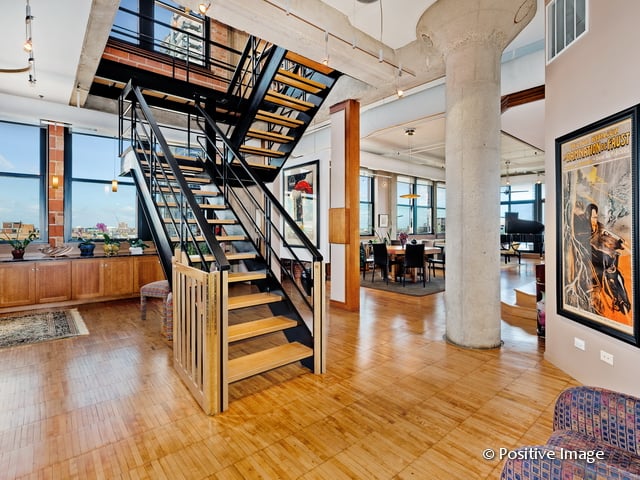
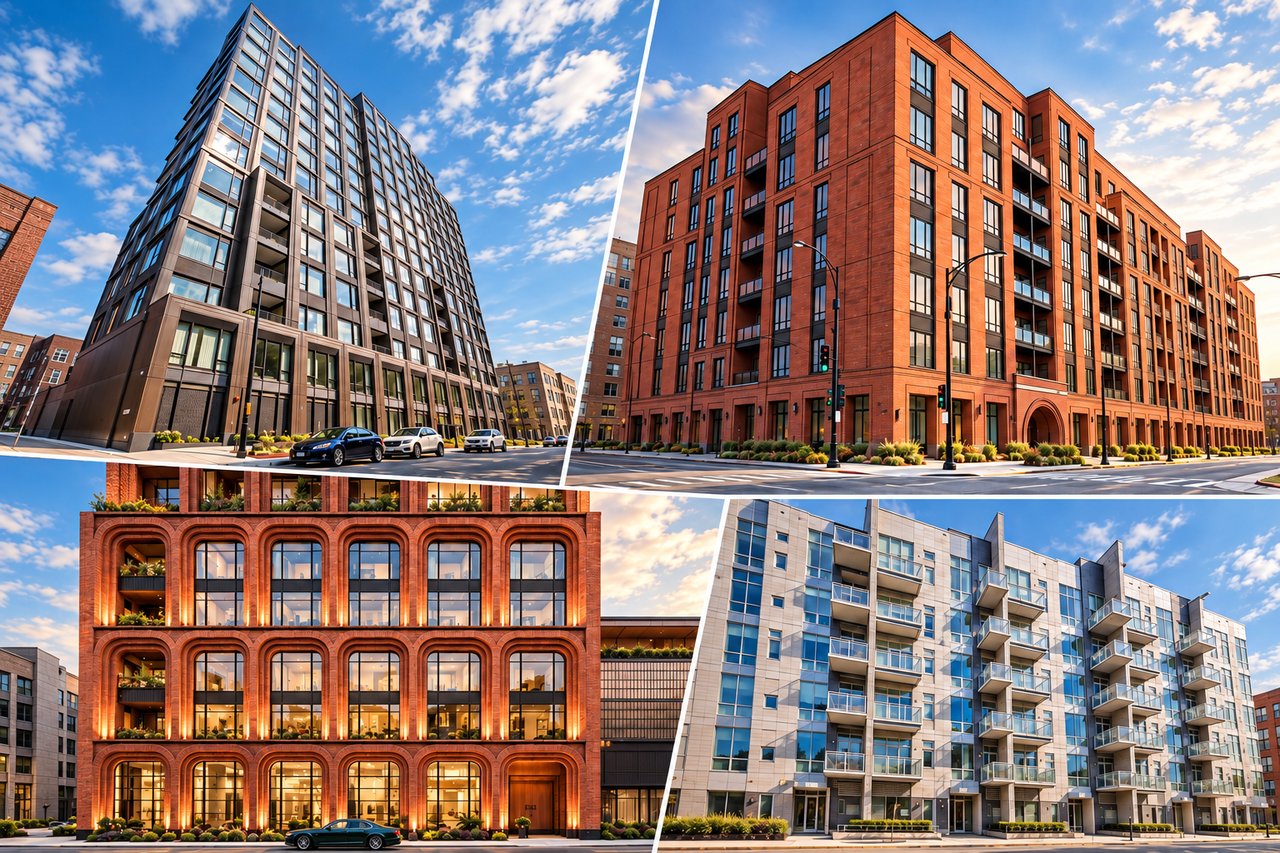
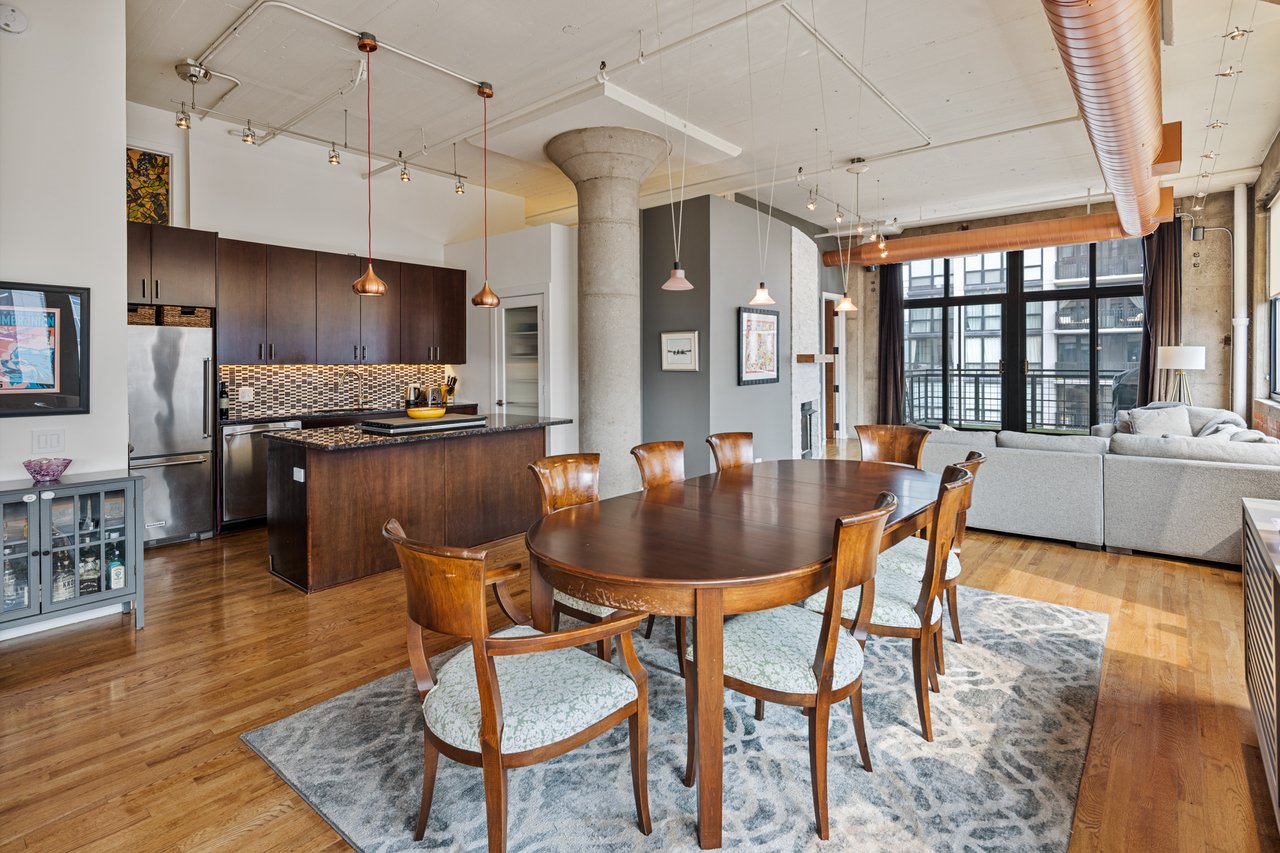
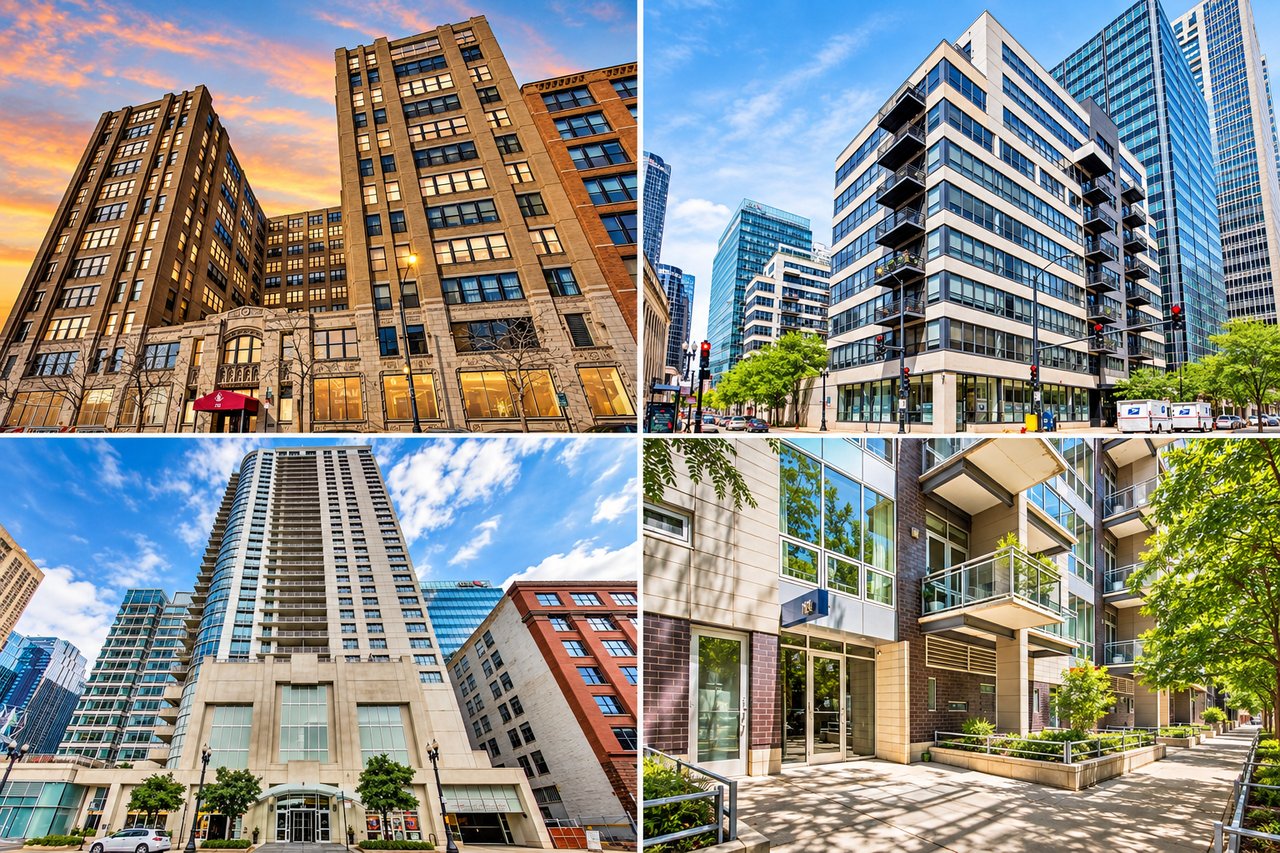
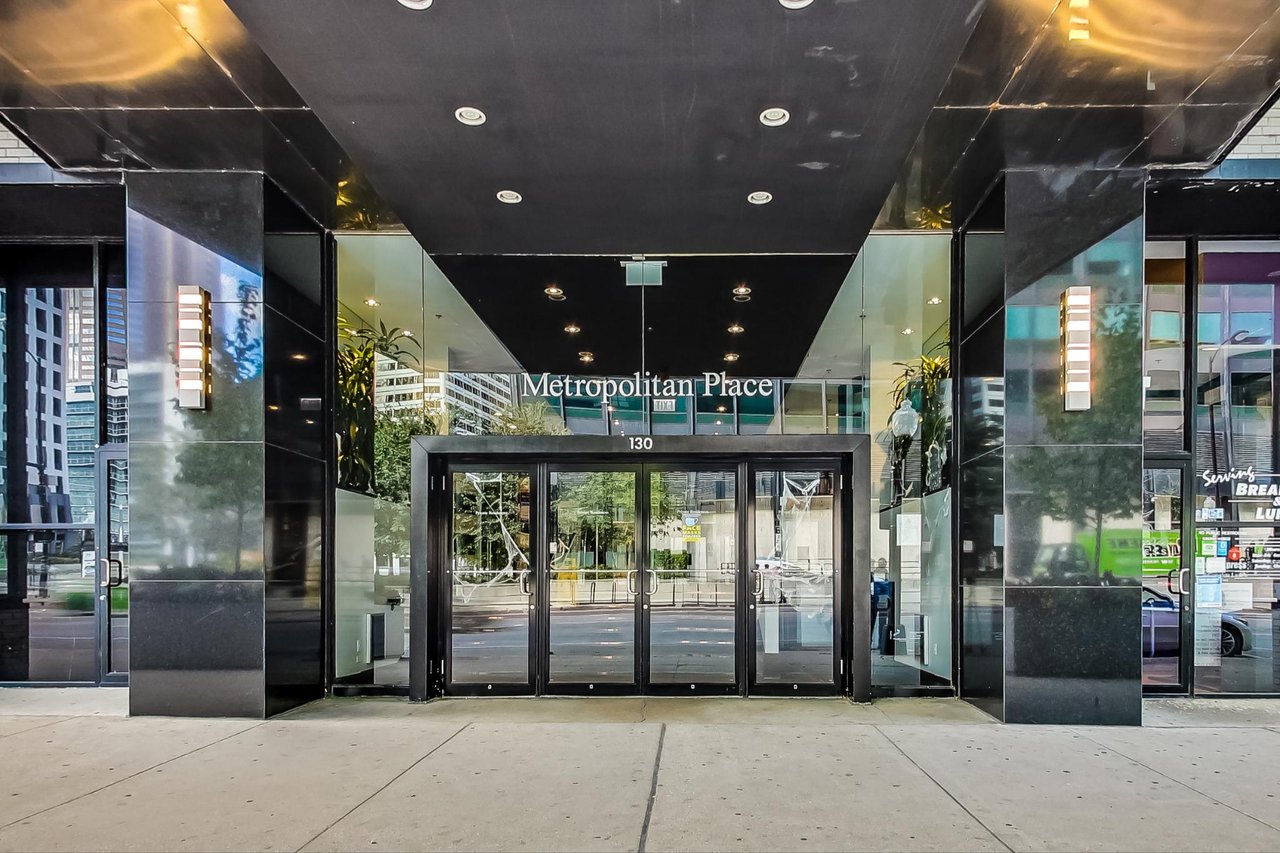
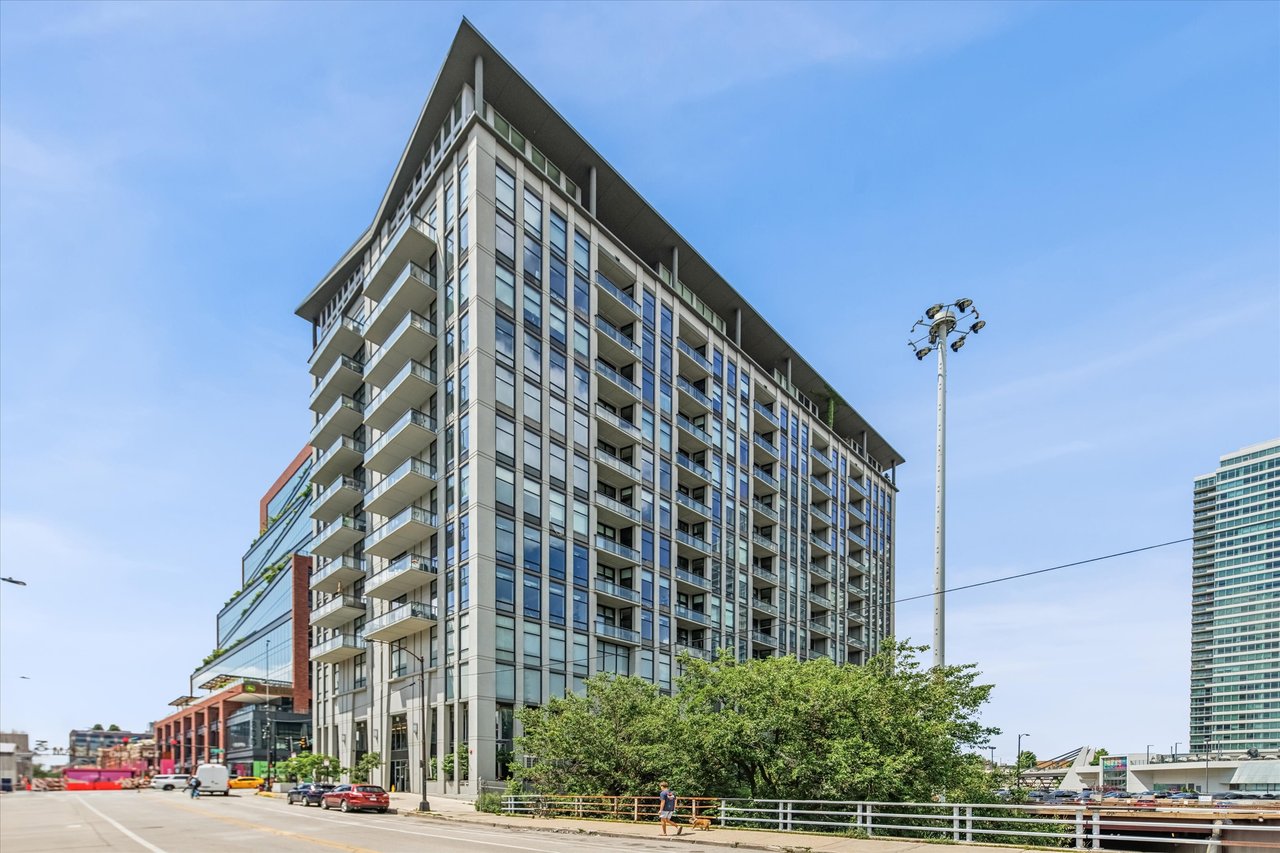
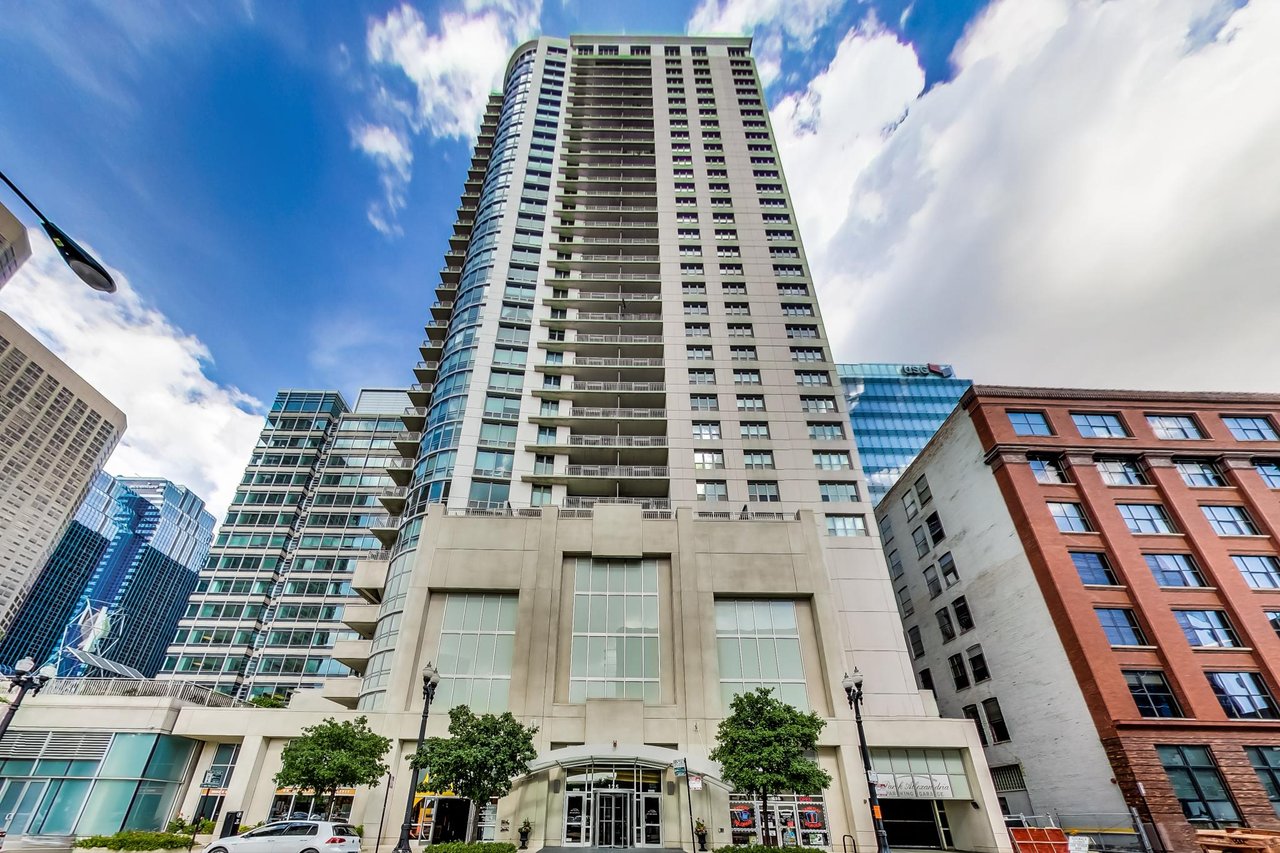
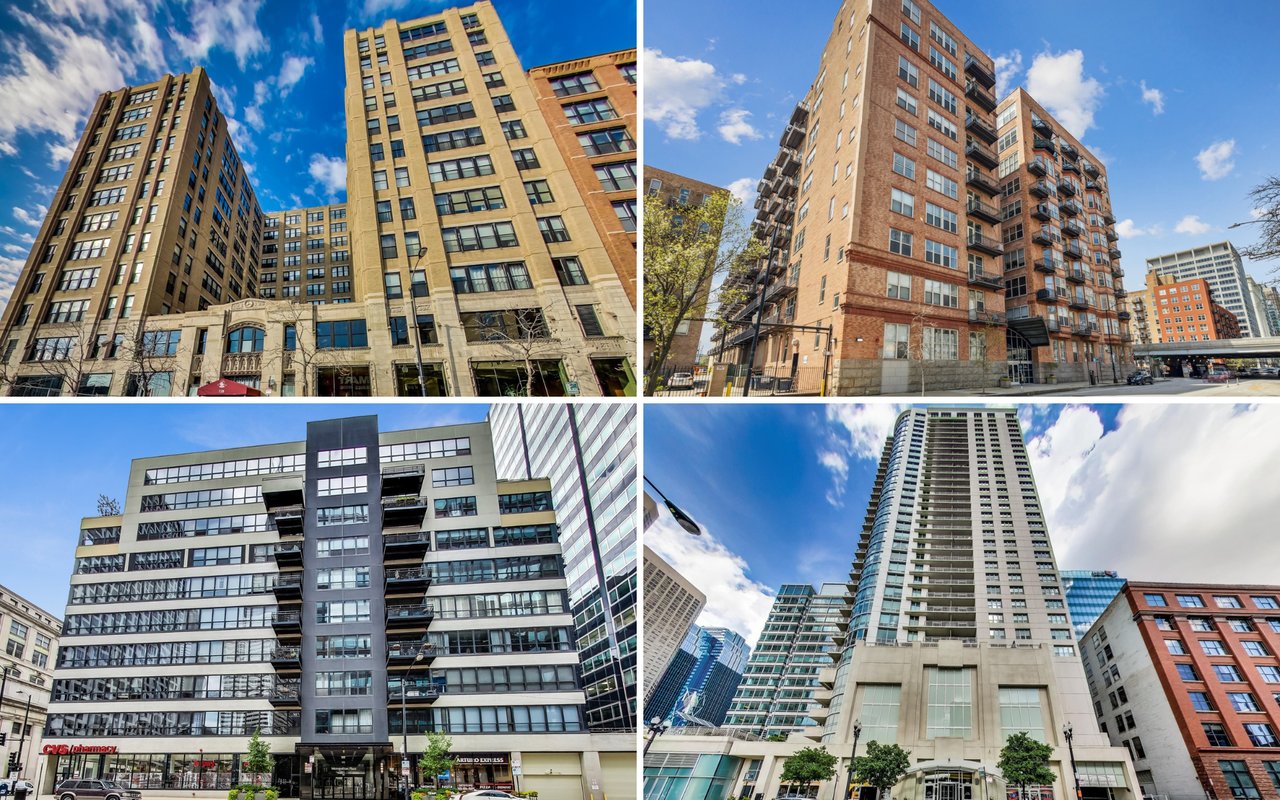
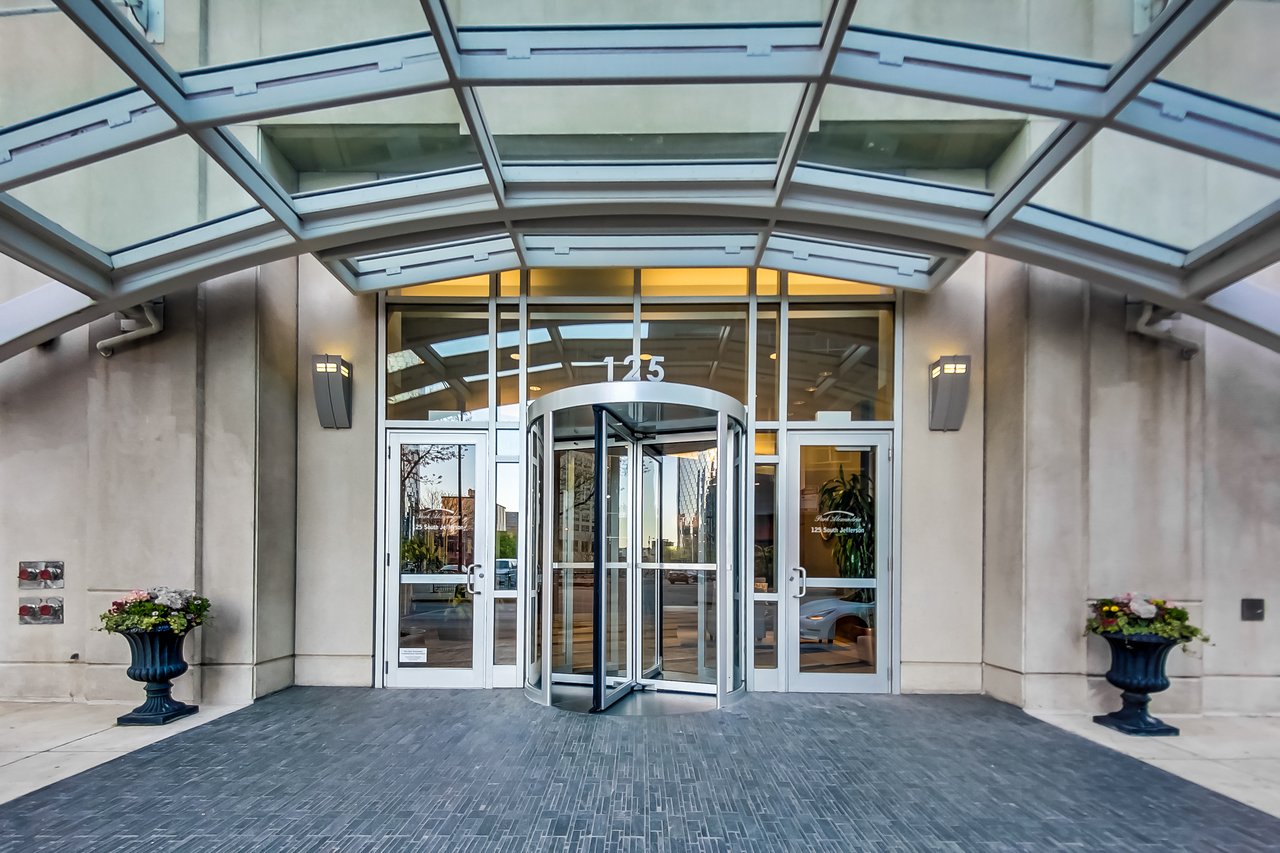
I've spent more than two decades in Downtown Chicago condos and lofts, with over 300 transactions in the West Loop alone. Buildings like Metropolitan Place at 130 S. Canal, Park Alexandria at 125 S. Jefferson, and Haberdasher Square Lofts at 728 W. Jackson each have their own pricing patterns, their own buyer pool, and their own rhythm.
In the West Loop, outdoor space and garage parking move the number more than square footage alone. In Streeterville, the view corridor and the floor band do the heavy lifting. In River North, inventory depth is the story right now.
Same downtown. Completely different pricing conversations.
The Bottom Line
Your list price is not a number you look up. It's a position you take in a specific competitive set, in a specific building, in a specific week.
Pricing is also one piece of a larger selling plan that includes preparation, photography, and launch timing. But it's the piece that decides how the rest of it performs.
Get the neighborhood right, get the building right, and the market comes to you.
Call or text Christine Hancock at 312-296-9300 to talk about your unit's value, or what it would take to get you to the closing table.
Frequently Asked Questions
How much do condo prices differ between West Loop, River North, and other downtown neighborhoods?
The difference is substantial. As of August 2026, the West Loop median sale price is $330,000 and River North's is $380,000, while Gold Coast sits at $525,000 and Lincoln Park reaches $810,000, all within a few miles of each other. A citywide Chicago average blends thousands of property types across 77 community areas and tells you almost nothing about where your unit lands.
What data should I look at to price my downtown Chicago condo?
Start with closed sales in your community area from the last three to six months, filtered for comparable unit types and building ages. Layer in active and under-contract listings to see your current competition, then check sale-to-list ratios. If your building has a history of special assessments, its own sales history may be more predictive than the neighborhood comp set.
Why are homes in some downtown neighborhoods selling faster than others?
Speed tells you one thing: whether buyers think the price is fair. South Loop and Lincoln Park are both moving in under 30 days as of August 2026. River North, with 201 active listings and a 57-day median, gives buyers more choices, so sellers there need to price precisely to stand out.
How do sale-to-list ratios affect my pricing strategy?
They tell you how much negotiating room buyers expect. Where homes close at or above list price quickly, you have flexibility to price at the top of the comp range. Where market times are longer and sales close below ask, pricing above the range typically extends your time on market and forces a reduction.
Does it matter whether my condo is in the Loop versus Near North Side for appraisal purposes?
Yes, significantly. Appraisers pull comps from the same or a similar neighborhood, and they adjust for location. It's a major factor, not a footnote. A Loop condo and a Near North Side condo are not interchangeable comps, even at similar size and finish level, because buyer demand and price per square foot differ between those markets.
For more of the questions downtown sellers ask first, see 10 Questions Downtown Chicago Condo Sellers Ask First.
ABOUT THE AUTHOR
Christine Hancock is a Chicago Realtor with @properties Christie's International Real Estate, bringing more than 25 years of experience and over $200 million in closed sales in the downtown condo market. With 97 five-star Zillow reviews, Christine is recognized for her commitment to client satisfaction and market expertise.
She specializes in high-rise and luxury condominium sales in West Loop, South Loop, River North, and Streeterville, helping buyers and sellers navigate complex transactions with data-driven pricing strategies and deep neighborhood insight.
Christine partners with clients to evaluate market trends, position properties competitively, and make confident, informed decisions in Chicago's vibrant downtown housing market.
Call or text 312-296-9300 to discuss current market conditions or your real estate goals.
Equal Housing Opportunity. Christine Hancock is a licensed Broker Associate affiliated with the Chicago Association of Realtors. This article is general market information only and does not constitute legal, tax, or financial advice. Please confirm your specific numbers and transaction details with your real estate attorney, tax advisor, or lender. Broker fees and commissions are fully negotiable and not set by law.