Selling a Downtown Chicago Condo: Costs and Timeline
Plan on a few weeks of prep, then 30 to 60 days from accepted offer to closing. Your costs fall into seven clear categories, and many of them are negotiable.
The Short Answer: Selling a Downtown Chicago condo usually takes several weeks of preparation, then 30 to 60 days from accepted offer to closing, depending on buyer financing, your condo association, and contract terms. Seller costs fall into seven categories: brokerage, attorney, title and closing, transfer taxes, association charges, prep work, and prorations. Your strongest leverage comes in the first two weeks on market.
Here's the truth. Most sellers don't lose money at the closing table. They lose it weeks earlier, by listing before they're ready.
I'm Christine Hancock with @properties Christie's International Real Estate. After 25+ years selling Downtown Chicago condos, this is the exact roadmap I walk every seller through.
Key Takeaways
- Chicago condo supply is tight. City condo inventory was down about 24.6% year over year in July 2026, according to Illinois REALTORS®.
- Every Downtown submarket runs at its own speed. South Loop condos recently sold in a median of 32 days. Gold Coast condos took 59.
- Request your condo association's resale package early. Missing documents are one of the most common reasons Downtown closings slip.
- Illinois sellers generally use the state's official disclosure form to share known problems with the unit.
- Your first two weeks on market are your biggest leverage window, but only if everything is ready on launch day.
How long does it take to sell a condo in Downtown Chicago?
Think of it in four stages.
- Prep: several weeks. Pricing, repairs, staging, photography, your attorney, and your association's resale package.
- Launch: the first two weeks. Buyer interest peaks here. Your best showings, feedback, and offers usually show up now.
- Contract and attorney review. Both attorneys review and negotiate terms. The buyer's inspection happens.
- Closing: commonly 30 to 60 days after an accepted offer. Buyer financing, association responsiveness, and contract terms set the pace.
Where do most delays start? Stage one. Skip the prep, and it catches up with you in stage four.
What is the Chicago condo market doing right now?
The Chicago condo market is tight, and prices are up. According to the Illinois REALTORS® August 2026 Housing Market Forecast, here's what happened from July 2025 to July 2026 in the City of Chicago:
- Condo and townhome prices rose 11.4%.
- Closed condo sales grew about 3.3%.
- The inventory of for-sale condos fell about 24.6%.
- Condos sold 7 days faster than the year before.
What about this fall? The same report projects condo sales will follow seasonal trends and drop about 26% between July and October. Condo prices are projected to dip about 3.8% from August to October, but still land about 9.6% above October 2025.
So what does that mean for you? Fewer buyers this fall. But fewer competing listings, too. The sellers who launch ready still win.
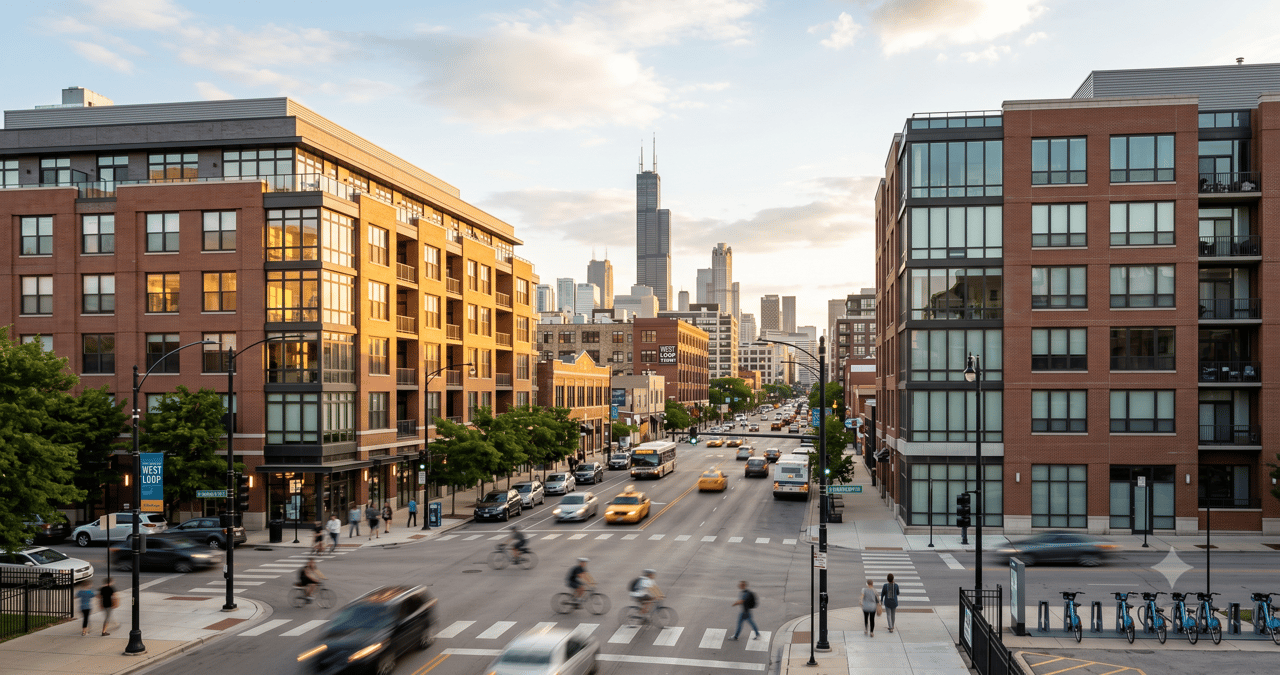
Citywide numbers only go so far, though. Here's how the Downtown submarkets compare, based on aggregated public listing data for the trailing 90 days as of October 2026:
Area | Median Sale Price | Median Days on Market |
|---|---|---|
West Loop | $500,000 | 51 |
River North | $410,000 | 41 |
South Loop | $405,000 | 32 |
Streeterville | $492,500 | 37 |
Gold Coast | $457,000 | 59 |
Your unit's value will vary by condition, floor, views, assessments, parking, and building amenities.
How do I prepare a Downtown Chicago condo for sale?
Prep is where you build leverage. Or give it away.
Start with a pricing strategy built on your building
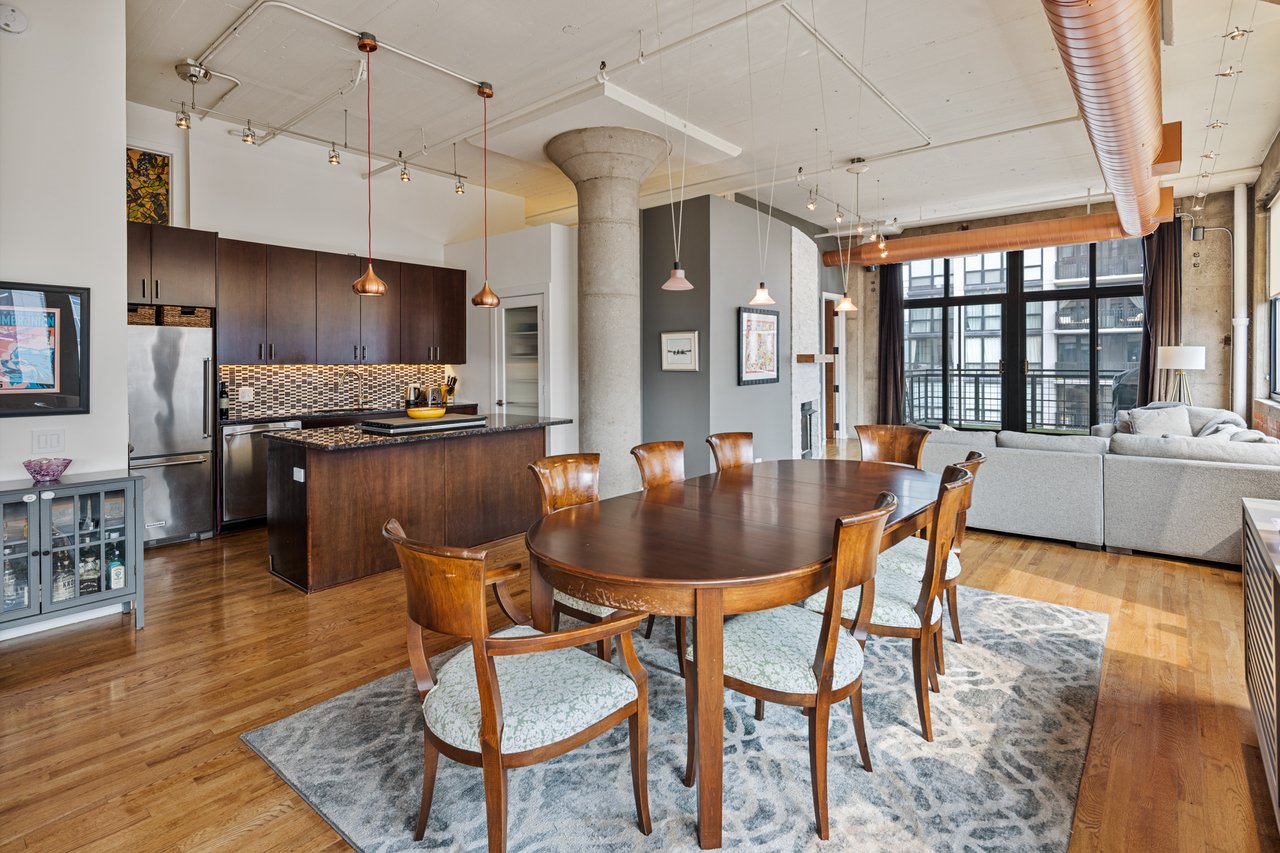
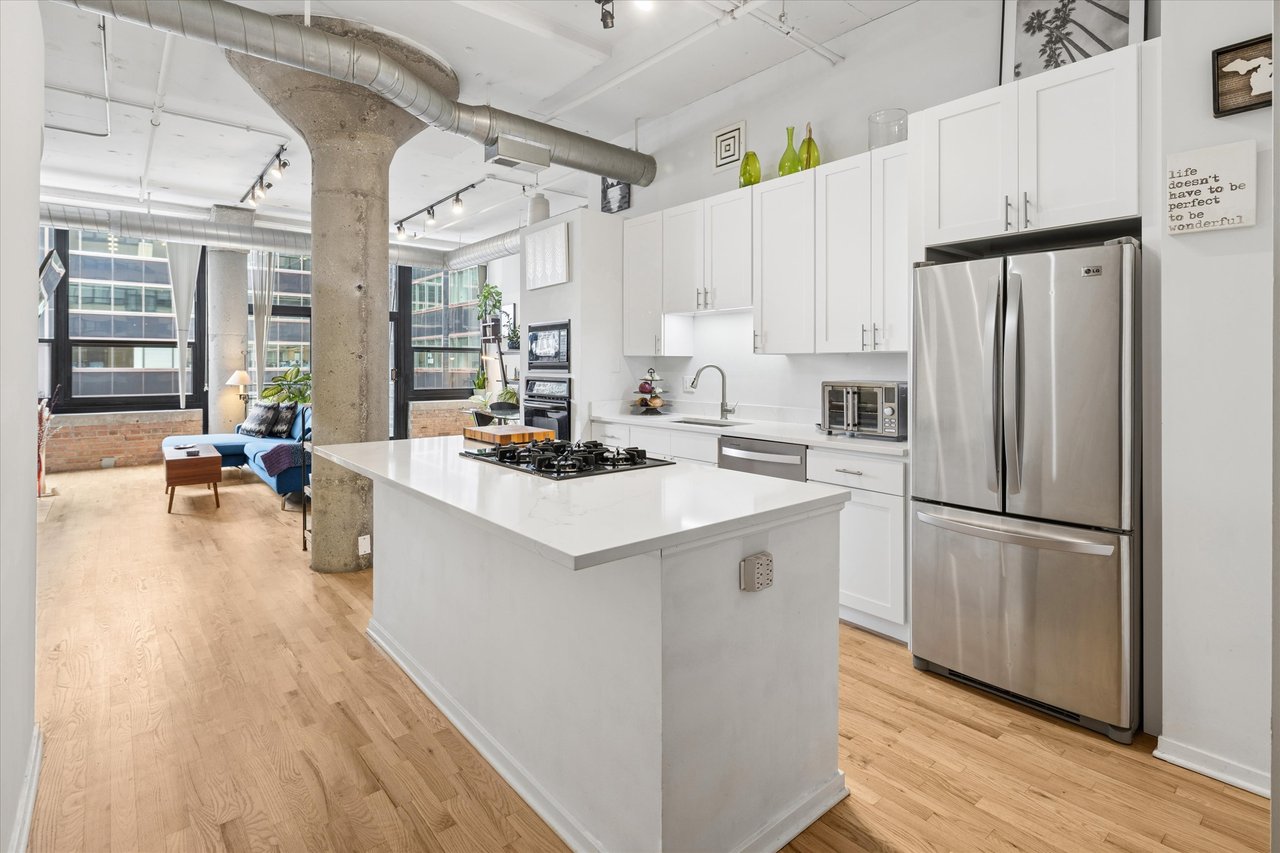
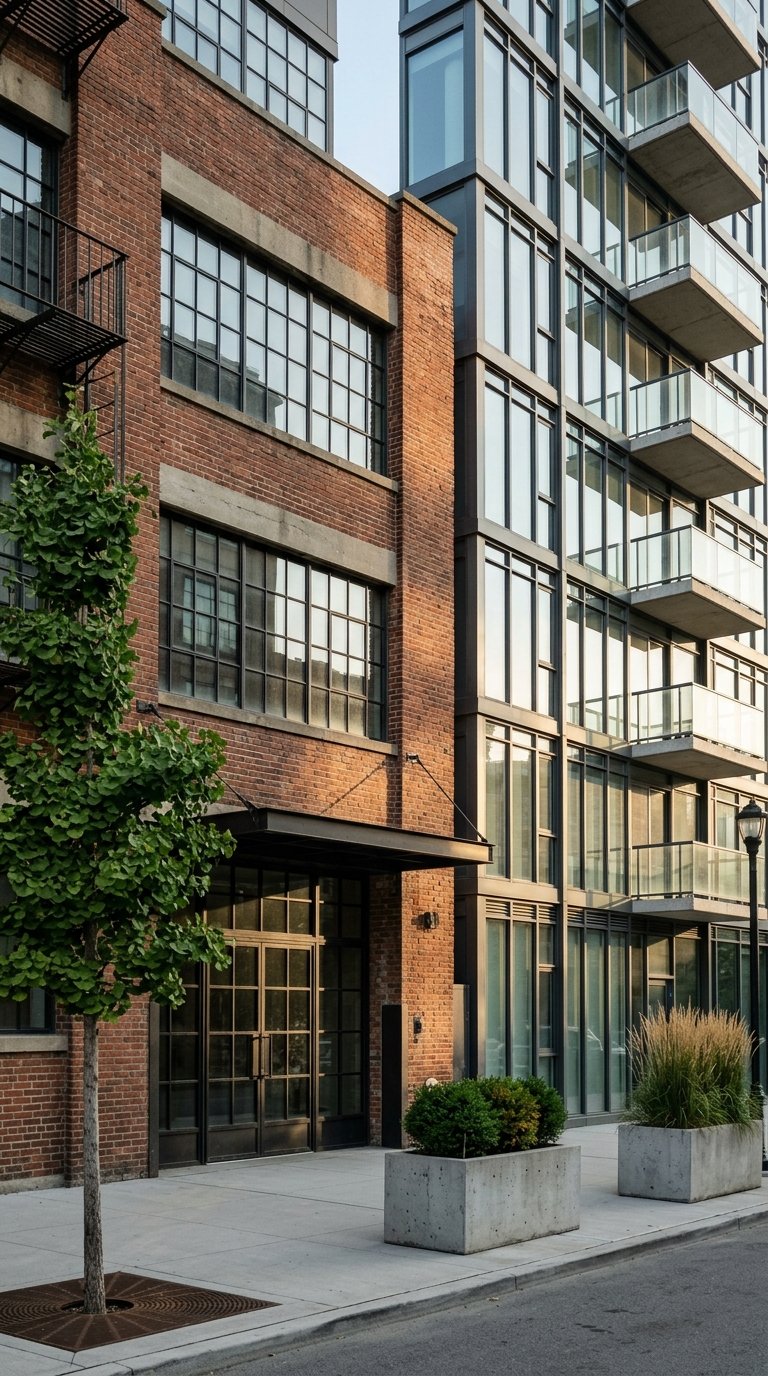
A River North high-rise with parking and lake views draws a different buyer than a West Loop loft with exposed brick and no doorman. So why price them off the same citywide average?
Compare your unit to the right buildings, floor plans, assessments, parking, and current competition. I break this down in my guide to pricing a Downtown Chicago condo to attract serious buyers.
Fix what shows, then what inspects
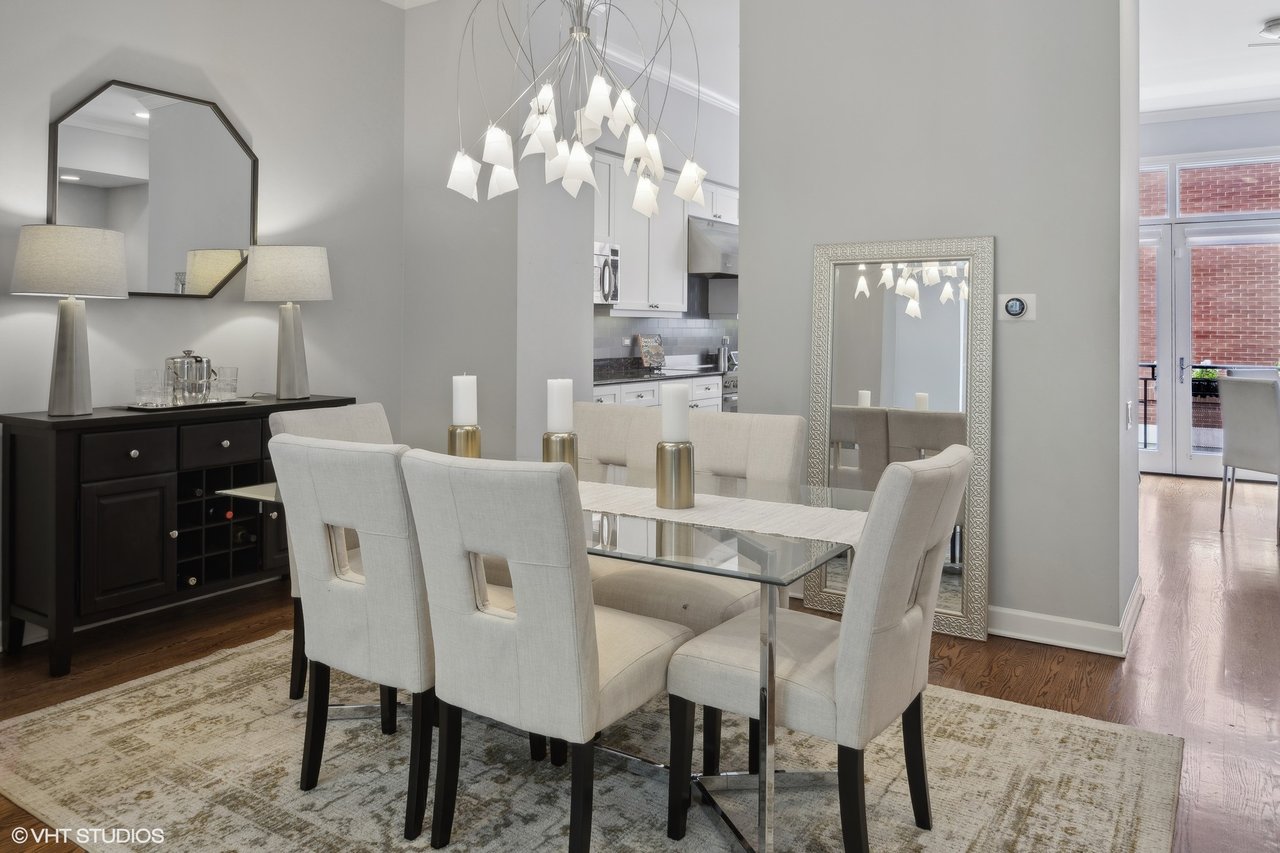
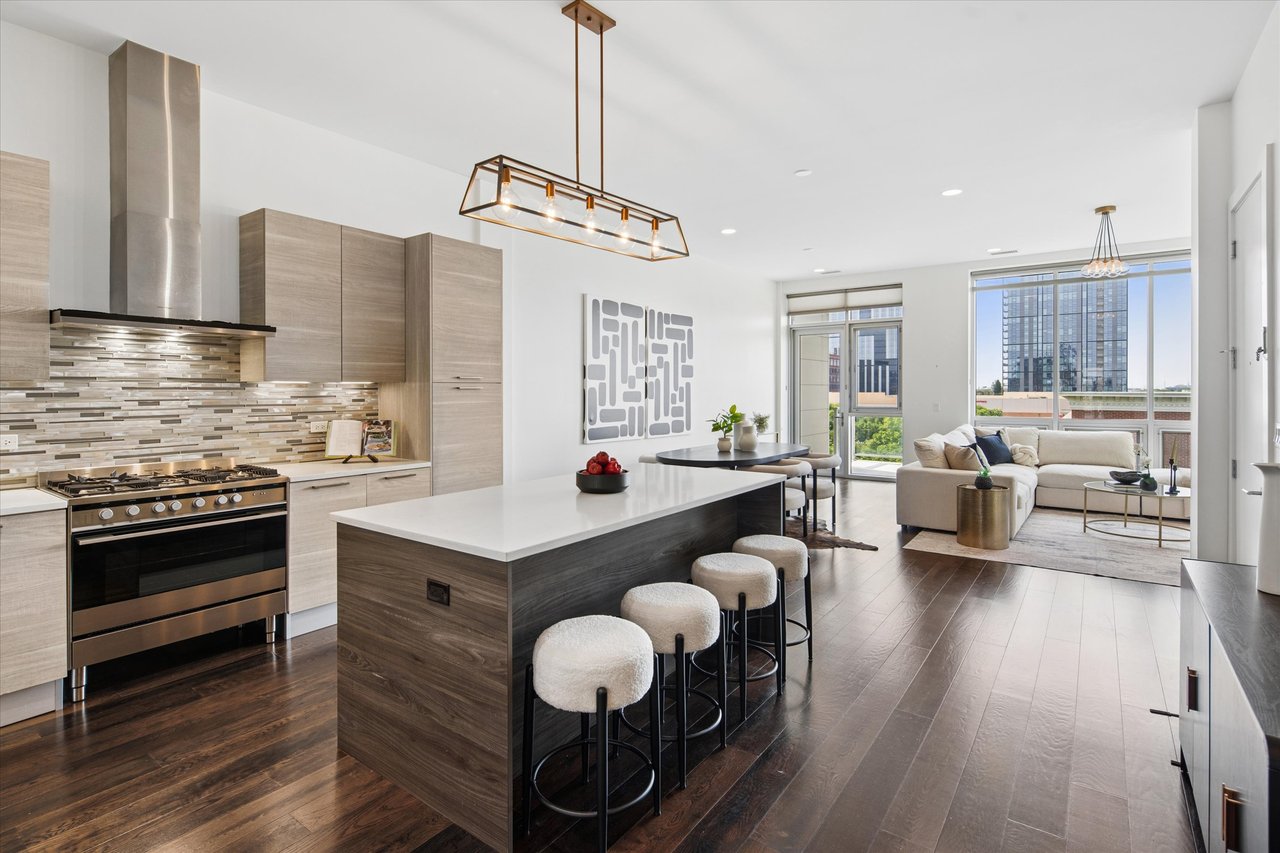
Start with what shows up in photos: neutral paint, clean grout, updated hardware, and clear counters. Then handle what an inspector will flag: HVAC filters, caulk around tubs and windows, and any deferred maintenance.
Staging matters most in buildings where buyers tour several units in one afternoon. Here's a breakdown of how much staging costs for a Downtown Chicago condo.
Invest in photography and a real launch plan
Buyers scroll dozens of listings before they book a single showing. Professional photos and a floor plan do the heavy lifting.
Then comes the launch: targeted digital campaigns, broker outreach, and showing access timed to your first weekend. Listing and hoping is NOT a strategy.
What paperwork does a Downtown Chicago condo seller need?
This is the part sellers underestimate most. It's also where delays start.
Illinois seller disclosures
Illinois sellers of property with one to four units, including an individual condo, generally use the Residential Real Property Disclosure Report. You use it to share known problems before the buyer is locked into the contract. The governing law is the Illinois Residential Real Property Disclosure Act, 765 ILCS 77.
Not sure what counts? Here's what Illinois sellers have to disclose.
Was your building constructed before 1978? Federal law generally requires you to share known lead-based paint information, available records, and the federal lead pamphlet before the buyer is obligated. The EPA's real estate lead disclosure guidance explains what's required and when.
Your condo association's resale package
This is the piece that catches Downtown sellers off guard. Your association provides governing documents, financials, meeting minutes, paid-assessment information, and any pending special assessments. Lenders need much of it before they'll approve a buyer's loan.
Request it before you accept an offer. While you're at it, confirm move-out procedures, elevator reservations, transfer fees, and any buyer approval steps.
Your real estate attorney
Illinois law doesn't strictly require an attorney. But in Chicago, it's standard practice for the buyer and seller to each have their own. Your attorney handles the contract, attorney review, the title company, and the closing statement.
Hire yours early. Do it the same week you request the association documents
How much does it cost to sell a condo in Downtown Chicago?
I won't publish a net sheet here. Your numbers depend on your unit, your mortgage payoff, your association, your contract, and your closing date. But here are the seven categories, so nothing surprises you at the closing table.
- Brokerage compensation. Fully negotiable and not set by law. You set it in your listing agreement. Any compensation you choose to offer a buyer's agent is optional and negotiated separately.
- Attorney fees. You hire yours. The buyer hires theirs. Fees vary by attorney and how complex the deal is.
- Title and closing charges. Title insurance, closing fees, and related charges. Some are negotiable in the contract. Others are set by the title company or lender.
- Transfer taxes. Illinois, Cook County, and the City of Chicago each have transfer tax requirements. Who pays what depends on local custom and your contract. For the city tax, the City of Chicago Department of Finance says the buyer generally covers the larger city portion and the seller covers the CTA portion. I explain every stamp in my guide to Chicago transfer tax stamps.
- Association charges. Resale package fees, move or elevator fees, transfer fees, and any outstanding assessments. These are building-specific, so find them early.
- Prep costs. Repairs, staging, photography, and marketing Your attorney and title company figure your property taxes, assessments, and mortgage payoff right down to your closing date. The amount depends on your unit's condition and the scope you choose.
- Prorations and payoff items. Your attorney and title company handle the math.
How do I make the first two weeks on market count?
Your listing will never be newer than it is on day one. Here's my launch-day checklist:
- Price set from comparable buildings and units, not citywide medians.
- Professional photos and a floor plan live on day one.
- Disclosures complete and ready to share.
- Association resale package requested.
- Attorney engaged.
- Easy showing access, cleared with building management and door staff.
Slow showings in week one? That's data. It can point to price, condition, photos, access, assessments, or competing inventory. Launch ready, and you can read that data clearly instead of guessing. I walk through it step by step in my plan for the first two weeks of a Downtown Chicago listing launch.
Why does building-level experience matter in Downtown Chicago?
Every Downtown building runs its own playbook. Different management companies. Different resale package turnaround times. Different move rules and elevator reservations.
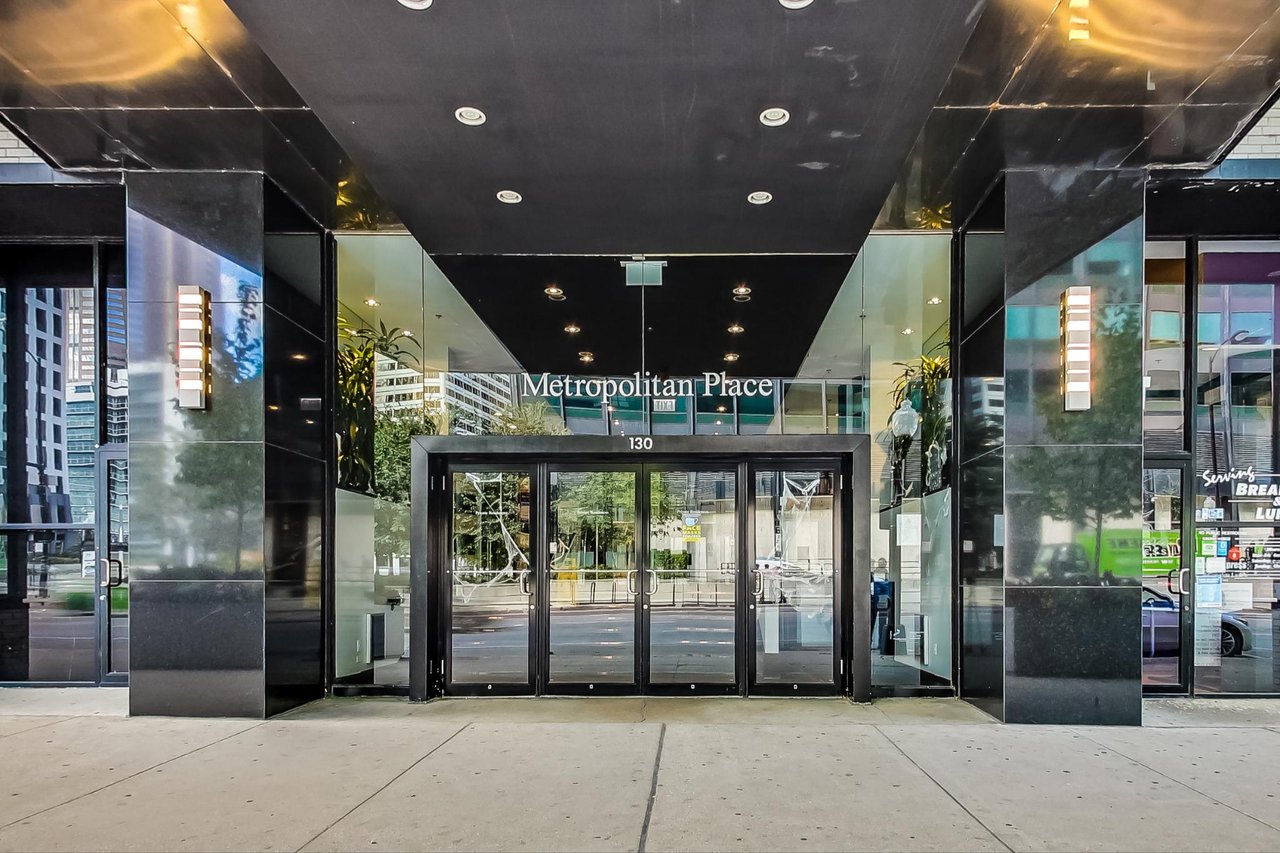
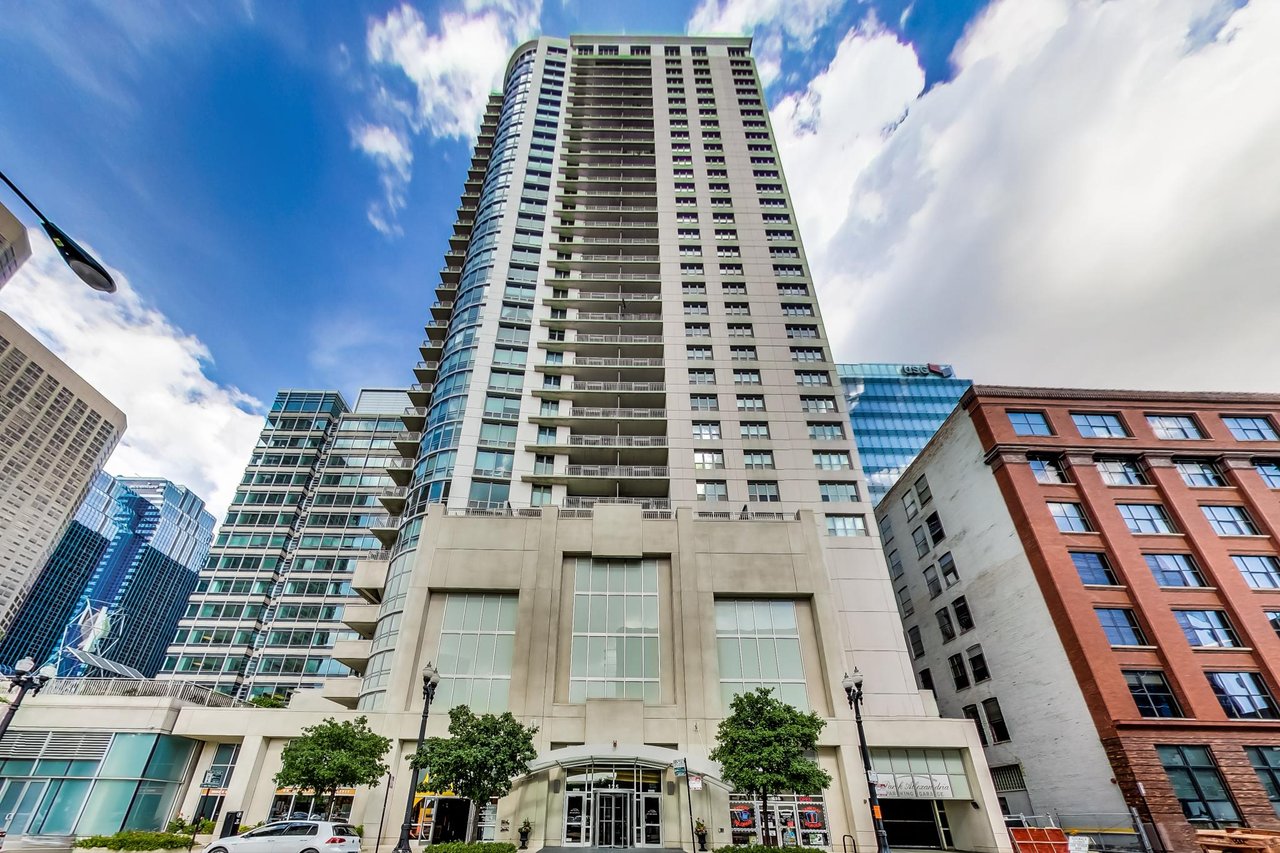
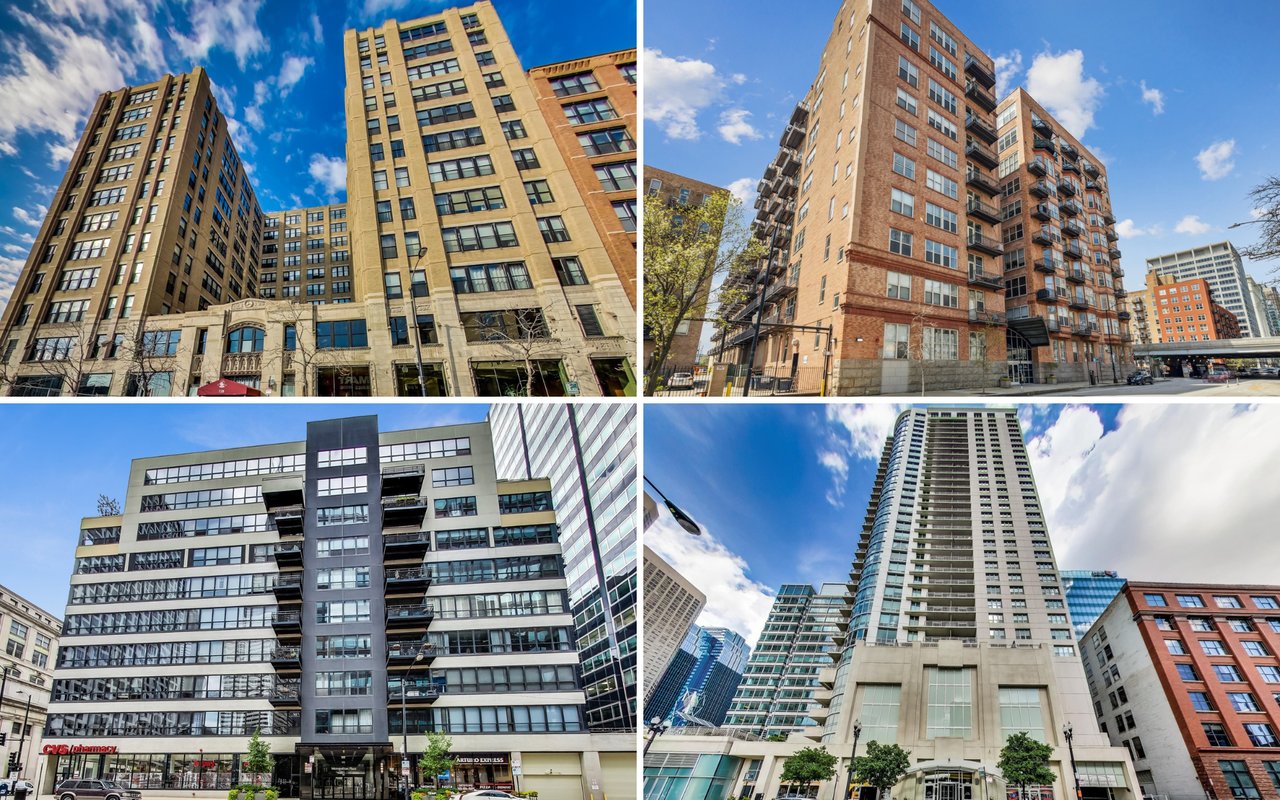
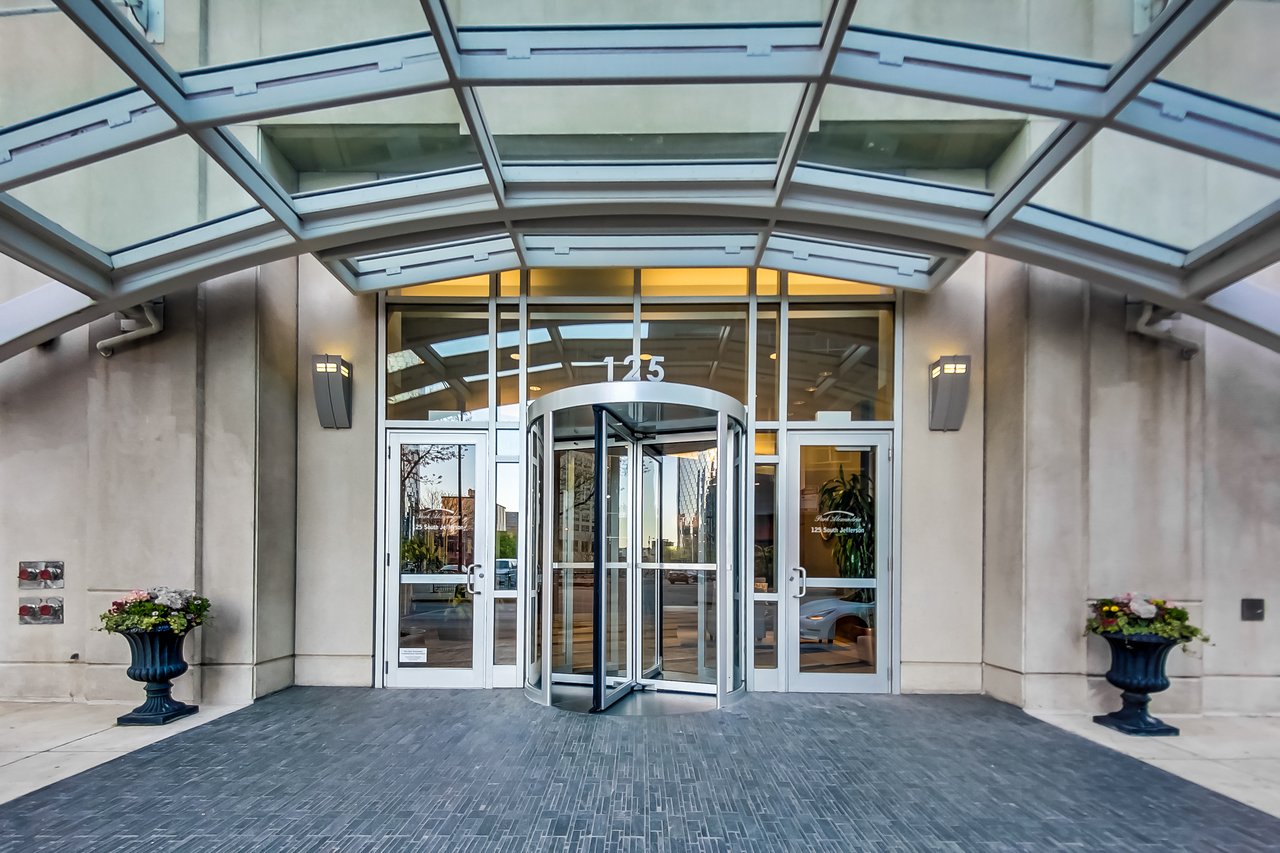
I've handled 85+ sales at Metropolitan Place (130 S. Canal), 90+ at Park Alexandria (125 S. Jefferson), and 87+ at Haberdasher Square Lofts (728 W. Jackson). That repetition means I know which comps matter and what the association needs before we list.
Near Union Station in the West Loop? In a River North high-rise? In a Streeterville tower with 24-hour door staff? Building-level knowledge is what turns a clean launch into a strong sale.
The Bottom Line
Selling a Downtown Chicago condo is a multi-stage process. The sellers who come out ahead treat prep as strategy, not overhead.
Your building, your unit's condition, your timeline, and your competition all shape the right plan. So start with one question: where does your unit sit in today's Chicago condo market?
Frequently Asked Questions
Do I need an attorney to sell my Downtown Chicago condo?
Illinois law doesn't strictly require one, but in Chicago it's standard practice for both buyer and seller to have their own real estate attorney. Your attorney handles the contract, attorney review, title coordination, and closing. Hire one before you accept an offer.
What documents does my condo association provide before closing?
Typically governing documents, financials, meeting minutes, paid-assessment letters, pending special assessments, and move and transfer rules. Lenders often need these to approve a buyer's financing. Request the resale package as early as possible.
Who pays transfer taxes when selling a Chicago condo?
Illinois, Cook County, and the City of Chicago each have transfer tax requirements, and allocation follows local custom and your contract. For the city tax, the buyer generally covers the larger portion. Confirm current rates with official sources and your attorney, not with what a neighbor paid.
Should I stage my Downtown Chicago condo before listing?
In most cases, yes. Downtown buyers often tour several units in one afternoon, and staged units photograph better online, where first impressions happen. Staging helps buyers picture living there instead of cataloging flaws.
How long does it take to close on a Chicago condo?
Commonly 30 to 60 days from accepted offer, depending on buyer financing, association responsiveness, and contract terms. Missing association documents are one of the most common causes of delay.
Ready to Talk?
Call or text Christine Hancock at 312-296-9300 to talk about your unit's value, or what it would take to get you to the closing table.
Equal Housing Opportunity. This article is general information only and is not legal, tax, or financial advice. Confirm your specific costs and obligations with your real estate attorney, tax advisor, or lender.
ABOUT THE AUTHOR
Christine Hancock is a Chicago Realtor with @properties Christie's International Real Estate, bringing more than 25 years of experience and over $200 million in closed sales in the downtown condo market. With 97 five-star Zillow reviews, Christine is recognized for her commitment to client satisfaction and market expertise.
She specializes in high-rise and luxury condominium sales in West Loop, South Loop, River North, and Streeterville, helping buyers and sellers navigate complex transactions with data-driven pricing strategies and deep neighborhood insight.
Christine partners with clients to evaluate market trends, position properties competitively, and make confident, informed decisions in Chicago's vibrant downtown housing market.
Call or text 312-296-9300 to discuss current market conditions or your real estate goals.