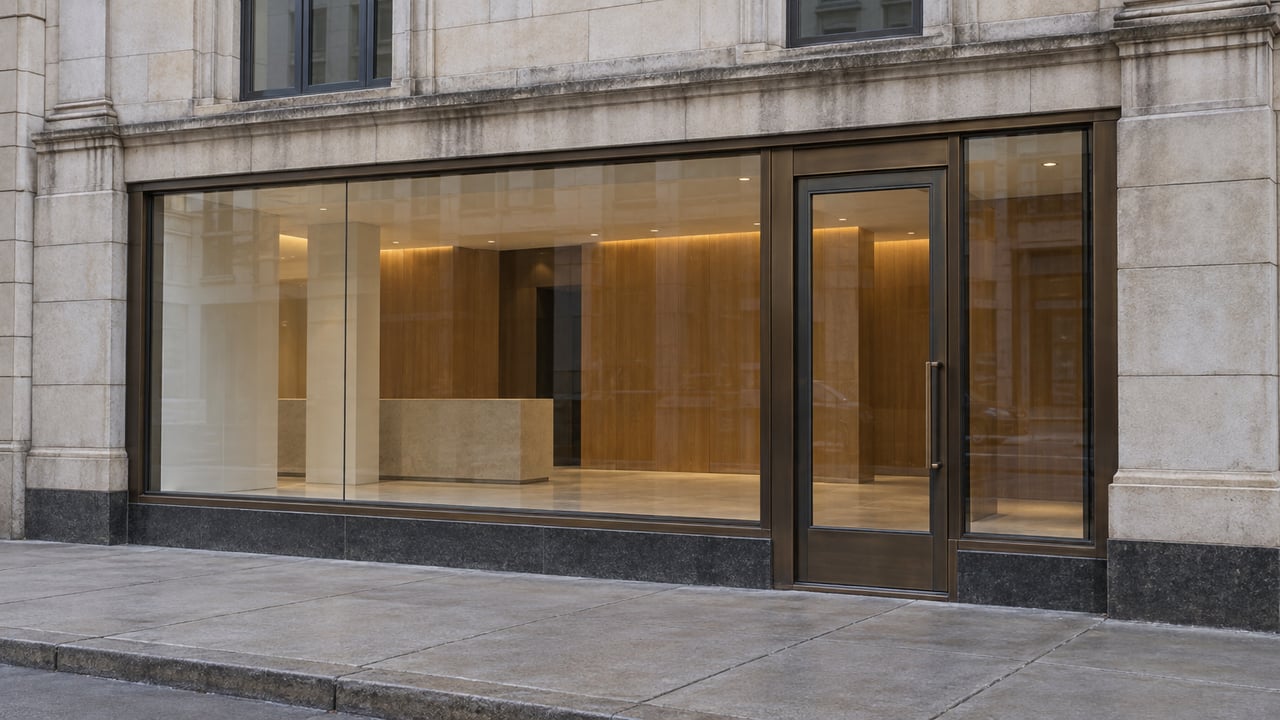
"The fall programming will be aligned with a bigger unveiling of the arts district as a destination," Ariella Gibson, director of marketing and communications for Chicago Loop Alliance, told Block Club Chicago back in March. At the time it read like standard organizational language. Six months later, with September closing out and no Sundays on State on the calendar for the first time since 2021, it reads more like an explanation.
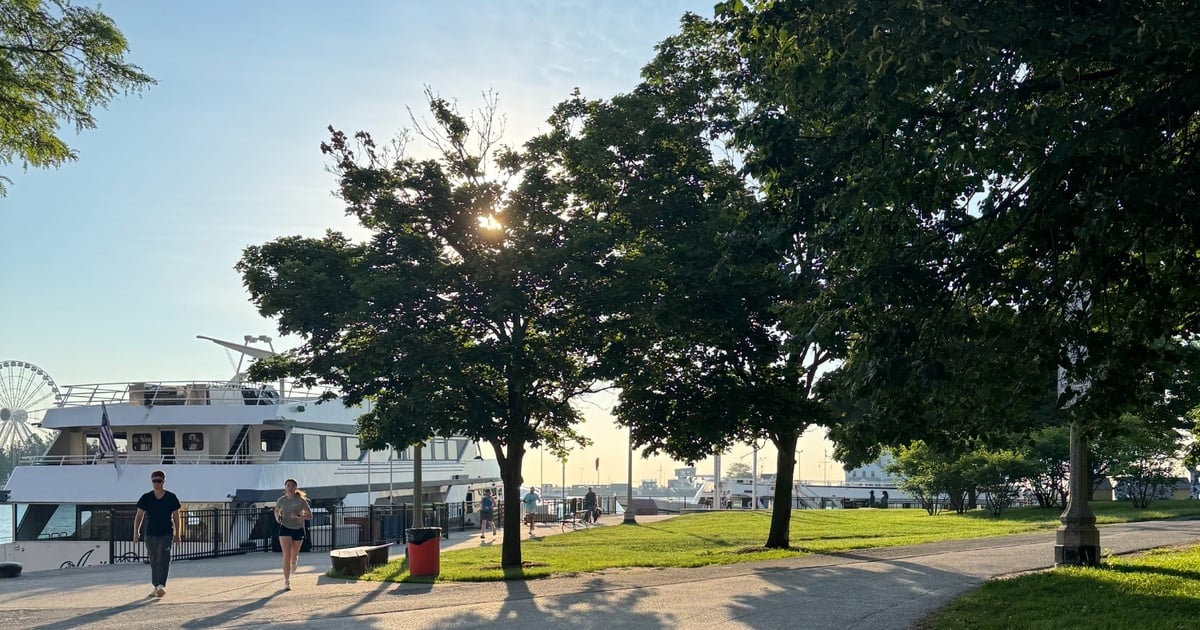
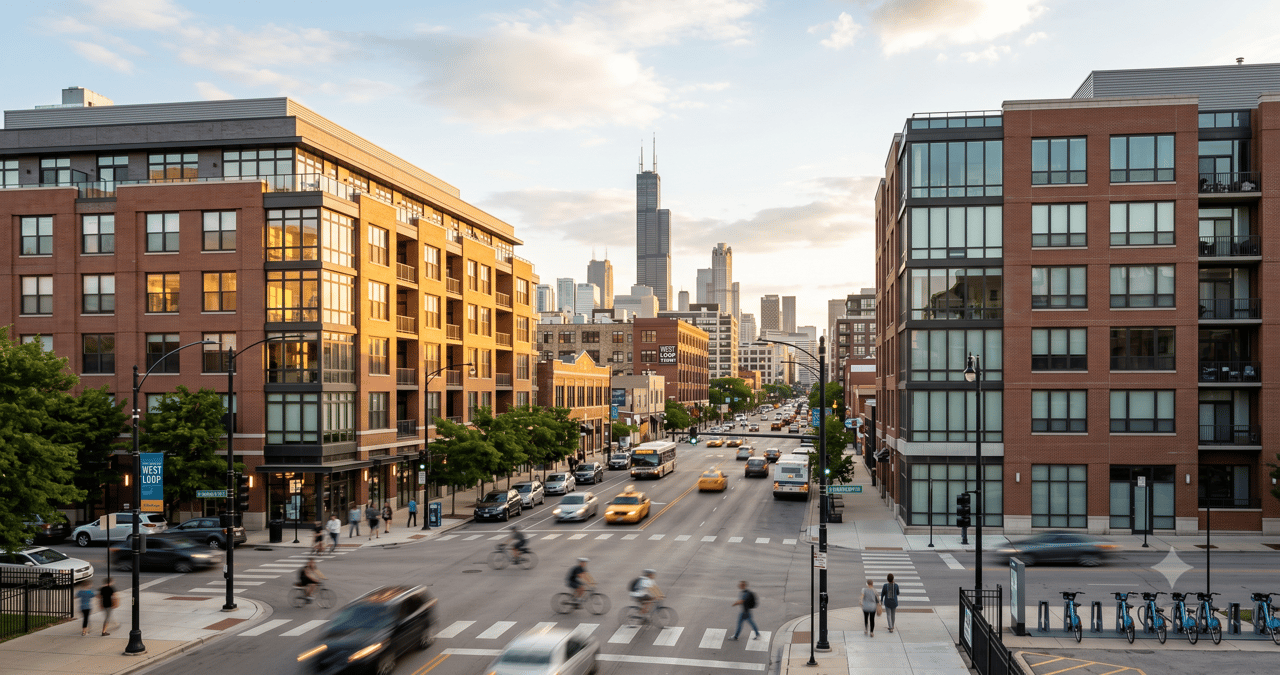
If you've lived in the Loop through any of the last several autumns, you know the rhythm. State Street closes to cars between Randolph and Jackson on a couple of Sunday afternoons, Chicago Loop Alliance sets up stages and vendor tents, and for a few hours the city's most iconic commercial strip turns into something closer to a block party. Since it launched in 2021, the series drew more than a million people to that stretch of State Street. Two years running, the fall dates landed on the first Sunday of September and the first Sunday of October.
Not this year. And the reason isn't budget, weather, or a scheduling conflict. Chicago Loop Alliance made a deliberate choice to stop running a recurring series and instead concentrate everything into a single day, three weeks from now, built around a different idea of what the Loop is trying to be.
What actually happened to Sundays on State
The decision surfaced publicly at Chicago Loop Alliance's annual meeting on February 27, 2026, held at Convene Willis Tower in front of nearly 500 stakeholders. Alongside the announcement that Sundays on State would not return, the Alliance unveiled something new: the Loop Arts District, backed by a coalition the organization calls the Loop Arts District Caucus, made up of close to 90 arts and cultural organizations with a footprint in the neighborhood. Kemena Brooks, the Alliance's board chair, described the goal as reshaping State Street into a corridor that connects the Loop's theaters and museums with anchors like Millennium Park and the Chicago Riverwalk, rather than treating each as a separate destination.
The timing wasn't incidental. Longtime Chicago Loop Alliance president and CEO Michael Edwards announced he would step down at the end of March, meaning the pivot away from Sundays on State landed at the same moment as a leadership transition. The organization framed the shift as intentional rather than reactive: fewer, bigger moments instead of a recurring calendar fixture.
The numbers behind the decision
None of this happened in a vacuum. In June 2026, Chicago Loop Alliance released the results of an economic impact study it commissioned from Sound Diplomacy, working alongside Arts Alliance Illinois. The findings gave the Alliance something Sundays on State never quite proved on its own: a dollar figure for the Loop's arts and culture sector as a whole. The study found that the Loop's creative economy generates $14.3 billion a year and supports more than 66,000 jobs, accounting for roughly 16 percent of all employment in the district.
The same study broke down the fourth quarter of 2025 specifically. Performing arts and cultural institutions drew more than 1.4 million visitors to the Loop in those three months, generating an estimated $575 million in economic impact, the highest quarterly figure the Alliance has tracked. Visitors to the Loop for cultural reasons spend an average of about $162 a day on food, drink, shopping, transportation, and lodging, according to the same report. Over that same quarter, vacant storefronts on State Street dropped nearly 14 percent, and more than 40 new restaurants, cafes, and retail stores opened or announced plans to open.
Put together, those numbers reframe what looked like the loss of a beloved event into something closer to a strategic reallocation. Chicago Loop Alliance is using this data to support an application to establish a formal business improvement district for the Loop, which would let it collect dedicated funding from commercial property owners and expand its reach well beyond the State Street special service area that has funded its work until now. A single, high-visibility flagship day gives the Alliance a cleaner story to tell funders and city officials than a recurring series ever did. Frequency built loyalty. Concentration builds a case.
What's actually happening on October 17
The replacement is called Loop Arts Fest, and it runs once this year: Saturday, October 17, from noon to 6 p.m. State Street will close to vehicle traffic between Jackson Boulevard and Madison Street for the day, a shorter stretch than Sundays on State typically used but timed to overlap with two other things already on the fall calendar.
A few details worth building your day around:
- The festival is scheduled in conjunction with Open House Chicago, the Chicago Architecture Center's annual event that opens more than 200 sites across the city that are normally closed to the public, several of them within a short walk of State Street.
- As part of Loop Arts Fest's off-site programming, the Joffrey Ballet is opening a rehearsal to the public, giving visitors a look at the company's process rather than a finished performance.
- The Alliance has said more details on street-level activations and participating venues are coming, but the closure window and the pairing with Open House Chicago are confirmed.
If you're used to two separate Sundays spread across September and October, one Saturday might feel like less. But packed against Open House Chicago's building access and timed to the same weekend the Goodman Theatre is deep into its 101st season, currently running 12 productions including an extended engagement of The 7 Fingers' newest show through October 11, the day is built to give you more reasons to be on State Street at once rather than fewer reasons spread thin.
The rest of the neighborhood is telling the same story
Walk a few blocks from the Loop Arts Fest closure this month and you'll notice the identity shift extends past the festival calendar. At the corner of Clark and Monroe, the long-dark weather bell that's topped the Rector Building since the 1950s came back to life this past summer. The acrylic bell, which used to change color to signal coming weather changes for passersby without a forecast app, sat dormant for at least a decade before developers restored its lighting and controls as part of a $64 million conversion of the building into residential units. It has a new name to match: the Bellwether, echoing the building's new identity as The Bellwether Residences. The project is one of six conversions the city is backing through its LaSalle Street Corridor Revitalization initiative, which is working to turn stretches of underused office space into housing.
None of these moves happened because one office decided to try something new. They're part of the same recalibration: an organization and a corridor betting that the Loop's future identity rests less on being a commuter business district and more on being a place people choose to spend a Saturday, walk past a restored landmark, or catch a rehearsal they weren't expecting to see. The street party didn't disappear. It got condensed into a single afternoon designed to prove a bigger point about what the neighborhood is worth.
If you're planning your October 17 around Loop Arts Fest, the closure runs Jackson to Madison, and Open House Chicago's site list is worth checking before you go so you know which buildings on your route will actually be open.
The Hancock Group keeps track of what's changing on the ground in Downtown Chicago, from festival calendars to the buildings quietly changing names above your head. If you spot something on State Street before we do, we'd like to hear about it.