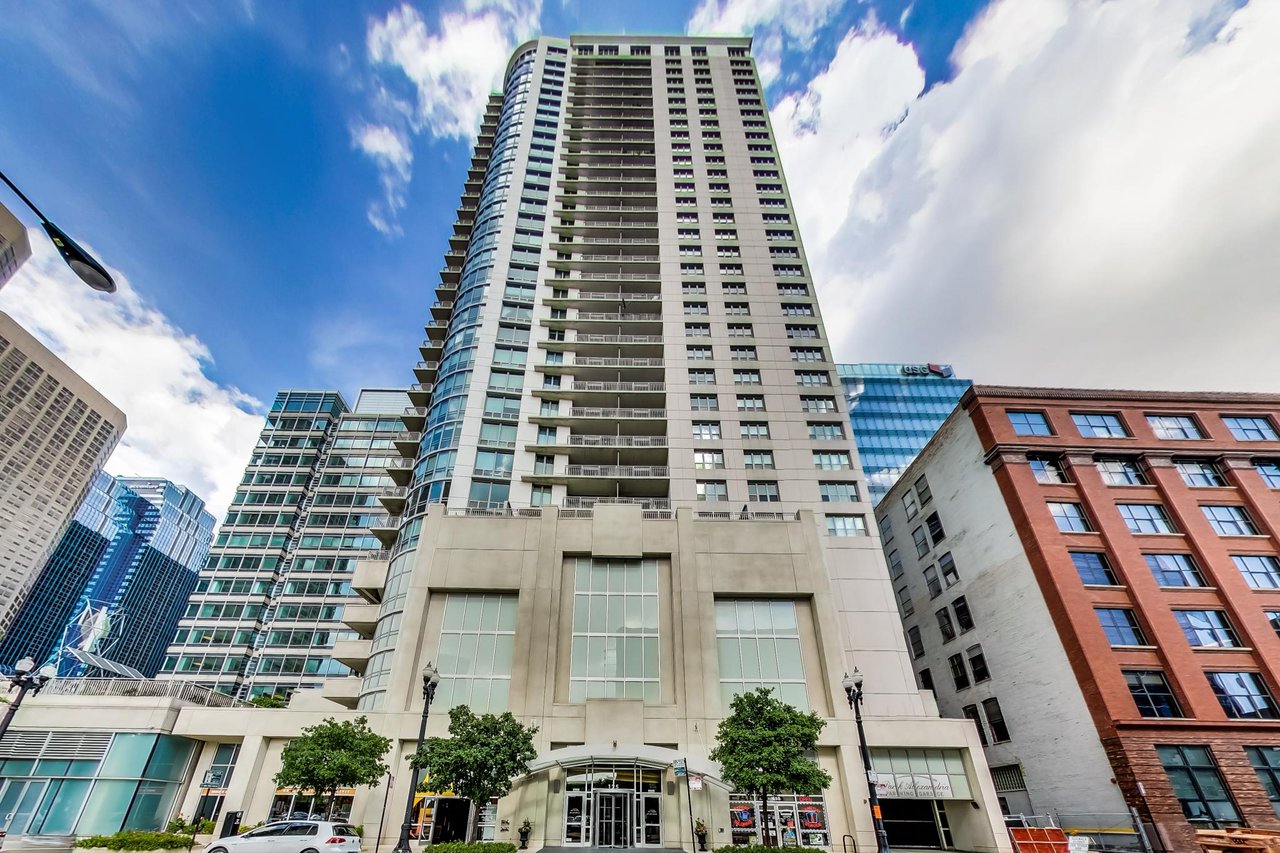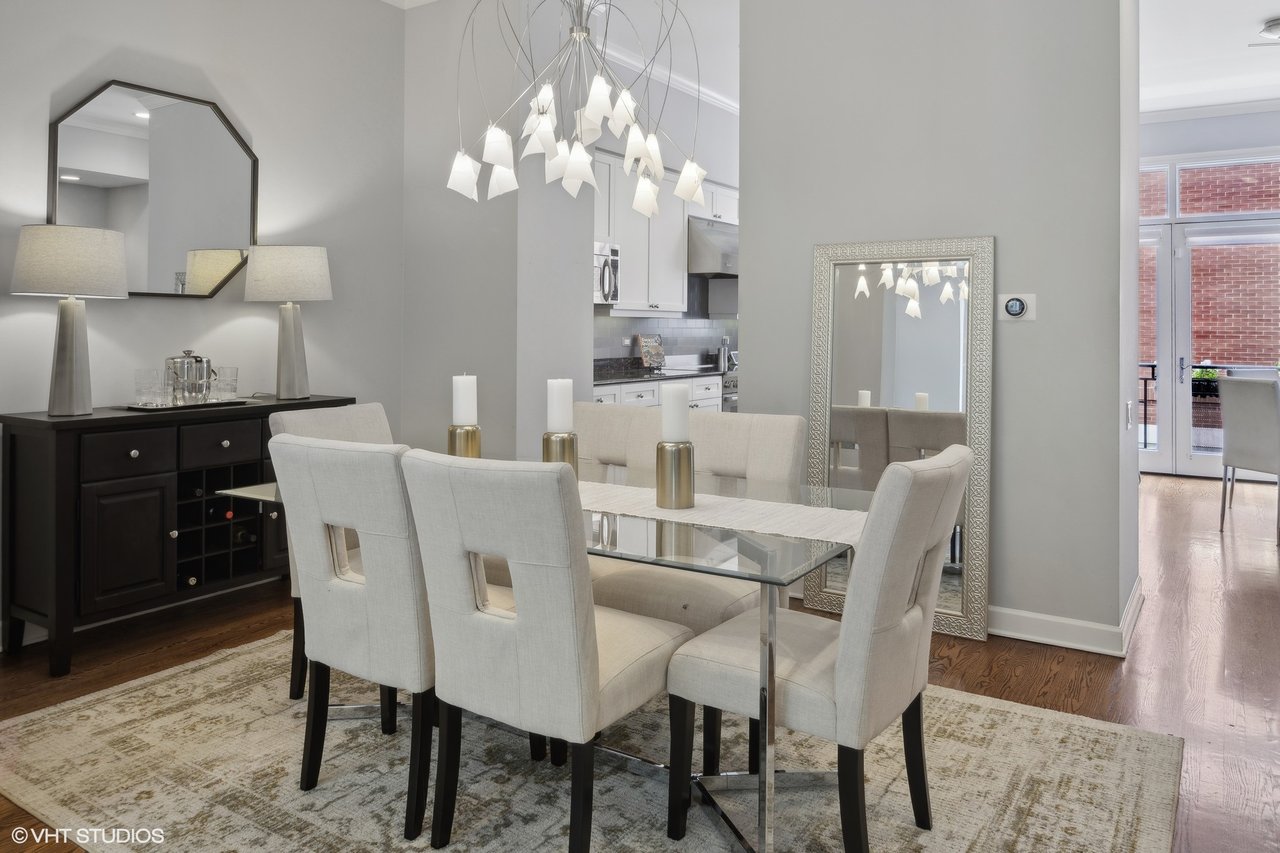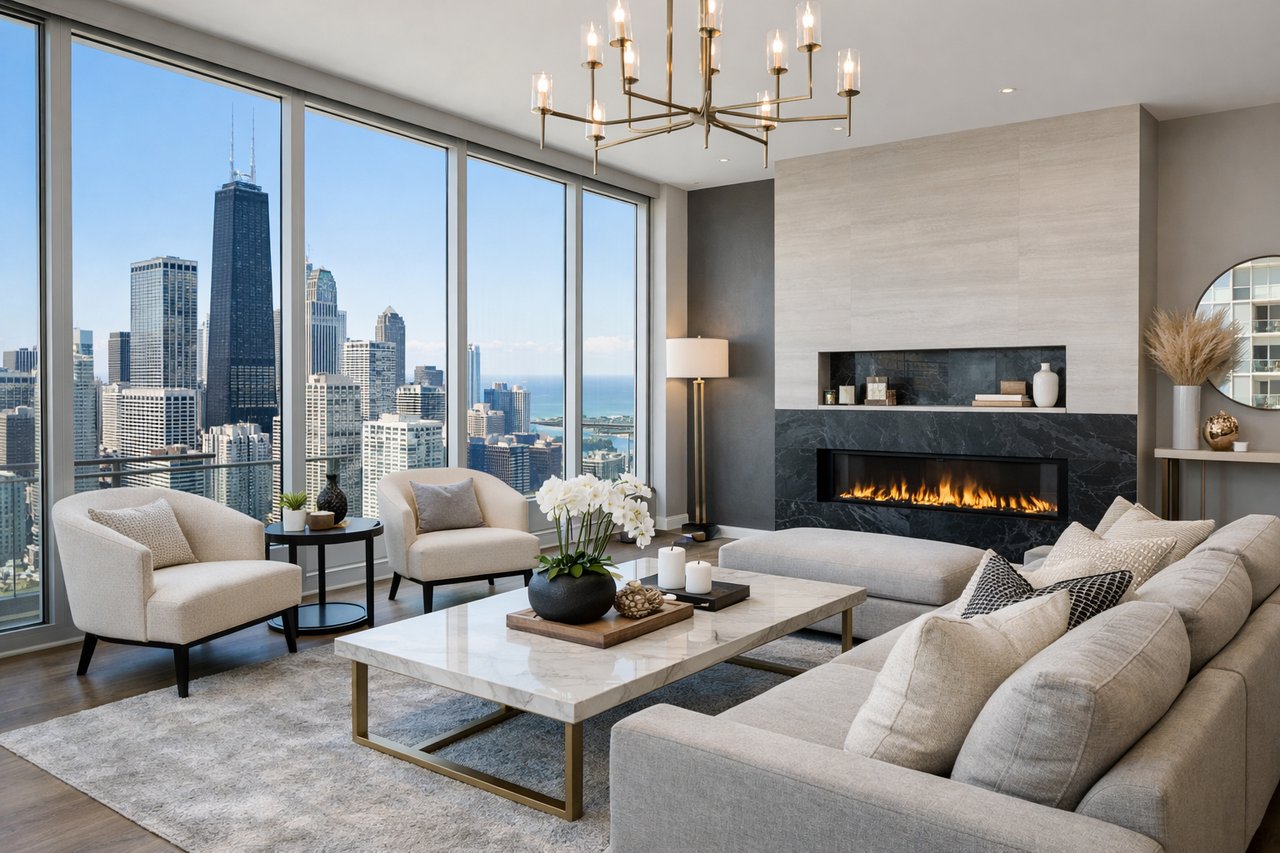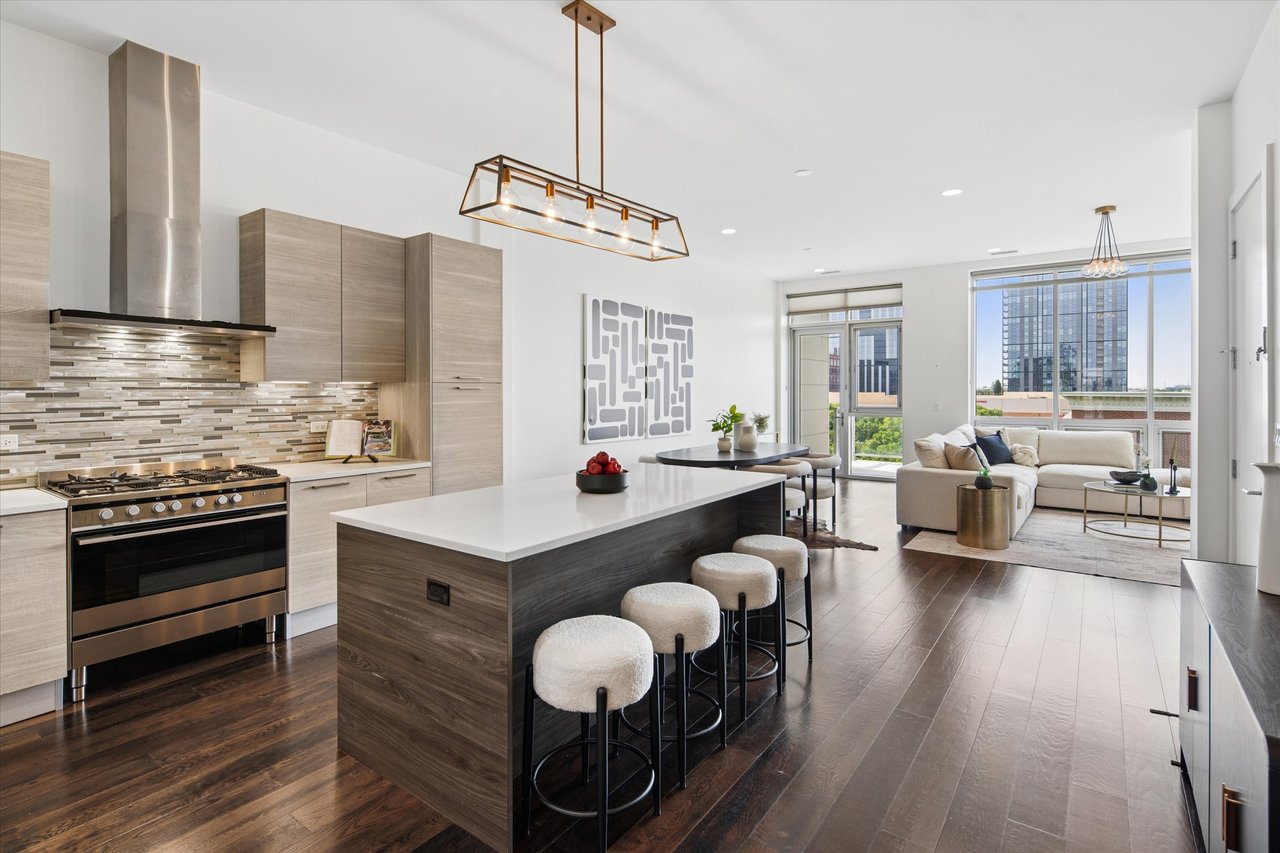
Start by figuring out which of four things is holding your listing back: price, preparation, presentation, or building paperwork. Fix the one the evidence points to instead of cutting the price by reflex. A condo that sits usually has one fixable problem, and the sooner you find it, the better your position.
Why Do West Loop Condos Sit on the Market?
West Loop condos sit when the asking price, the condition, the photos, or the building paperwork gives buyers a reason to wait. Price is the first thing I check, but it is rarely the only cause. The fix is to work out which of the four is the problem and change that one thing, rather than reacting with a blind price cut.
Key Takeaways
- Across the wider West Loop market, homes that sold in roughly the last 90 days took a median of 26 days to go under contract, so a condo sitting well past that is telling you something.
- Days on market only measures homes that sold, so a fair comparison has to separate condos that sold from their first listing from condos that came off the market before selling.
- Few showings points to price or photos, showings with no offers points to condition or price, and deals that fall apart late often point to association paperwork.
- Illinois law (Section 22.1 of the Condominium Property Act) requires the unit owner to obtain and make available the association's resale information on a buyer's demand.
- HOA dues are a building-specific fact, and buyers react far more to unclear dues, parking, or assessments than to the number itself.
How Do You Tell Why a West Loop Condo Is Sitting?
Compare your listing against two groups: condos that sold from their first listing, and condos that came off the market before selling. The gap between them shows what the market punished.
What I compare in MRED
When I run this analysis in MRED, I keep the two groups strictly separate. I define the observation period, the geography, the property type, and the sample size before I look at a single average. Then I compare days on market and the sale price measure for each group.
Two details matter more than people expect:
- Days on market only counts homes that sold. A withdrawn listing has no sale price and no clean time-to-sale. I never fold withdrawn units into the sold group, and I never describe one as having a price unless it later sold and I can identify that later sale.
- First-listing price has to stay first-listing price. If a condo is relisted after a withdrawal, I preserve the original ask, the revised ask, both listing dates, and the eventual closed price. Otherwise a relisted unit can make a price correction look like a strategy that worked the first time.
For your own unit, the useful number is the distance between your original ask and where comparable condos in similar buildings actually closed. I'd rather build that comparison for your building and price tier in a consultation than quote a generic figure here.
What the area-wide numbers can and can't tell you
For context only: recent local market data for the wider West Loop market shows a median of 26 days from listing to going under contract for homes sold in roughly the last 90 days. The same data shows 28 homes sold in that window, 30 homes for sale now, and 13 new listings in the last 30 days.
Those figures cover all home types across the whole area. They are not a benchmark for your specific unit, because your building, floor plan, finishes, and parking change the picture. In downtown Chicago, neighborhood-level and building-level data matters far more than any area-wide average. I use the 26 days as a rough yardstick for when to start asking questions, not as a deadline.
Here is how I read the signals:
- Few showings from the start: price above what comparables support, or photos that don't earn the click.
- Showings but no offers: condition, dated finishes, or price.
- Offers that fall apart after attorney review: association paperwork or assessment surprises.
If you want to see how I structure the early weeks of a launch, my post on why some West Loop condos sell fast and others sit goes deeper.
What Can Sellers Change to Get a West Loop Condo Moving?
Change the thing the signals point to: price if buyers aren't coming, preparation and presentation if they come and leave, paperwork if deals die late. Here is how each signal maps to a fix.
What you're seeing | Likely cause | What to change |
|---|---|---|
Few showings from day one | Ask above what comparables support, or weak photos | Re-run comparables for your building and tier, then reshoot if needed |
Showings but no offers | Visible wear, dated look, or price | Repair defects, refresh paint and lighting, revisit price against comparables |
Buyers keep asking about dues and parking | Details missing from the listing | State the monthly assessment, what it covers, parking, and storage up front |
Deals fall apart after attorney review | Association documents arrive late or reveal surprises | Know whats in the 22.1 package before launch |
Pricing: set it against the right comparables
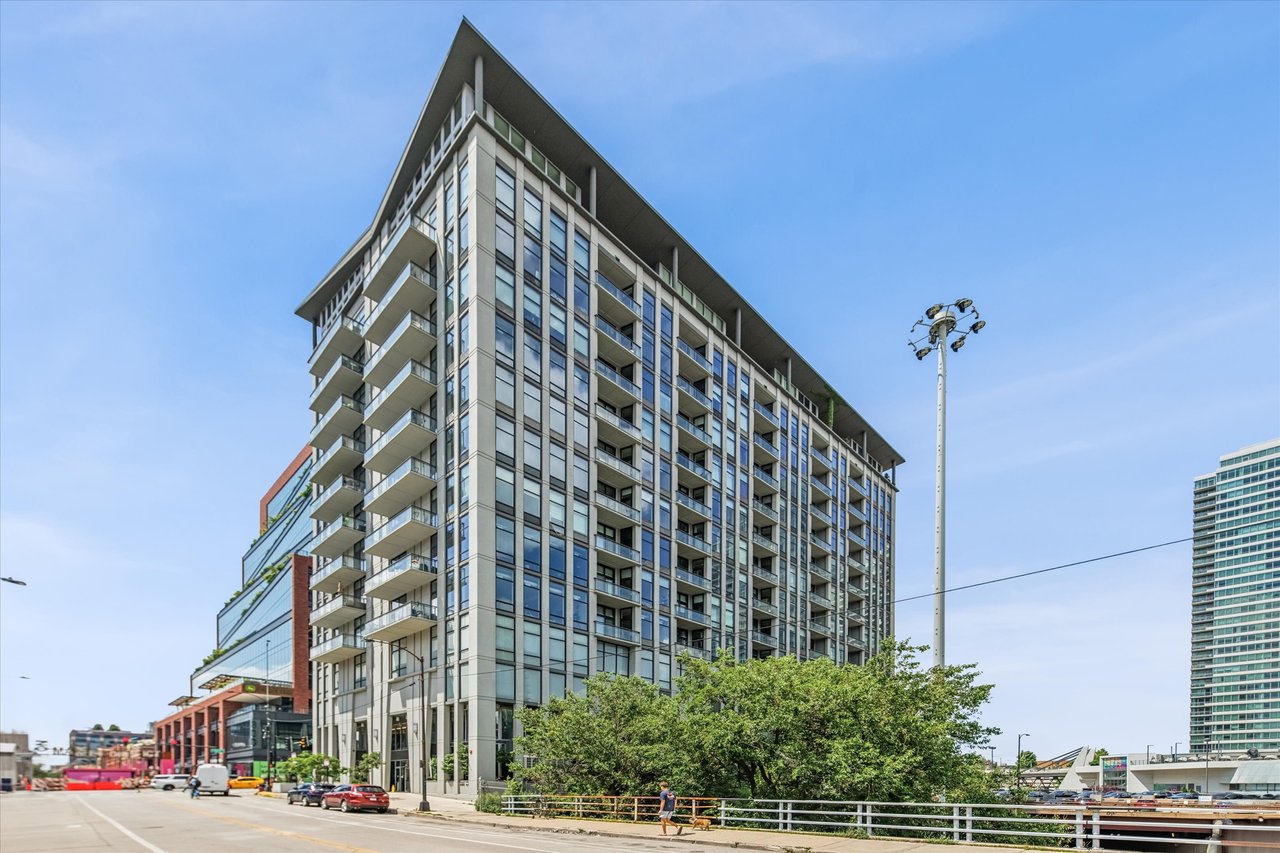
Price against condos in your building and similar buildings, not against the neighborhood headline. A West Loop loft and a high-rise unit with amenities can sit in the same neighborhood and trade very differently. When a seller pushes for a number the comparables don't support, the listing tends to go stale before the market ever tests the right price. I walk sellers through the numbers behind every pricing recommendation so you can see exactly why I land where I do.
The first two weeks on market are your strongest leverage, so I plan the launch before the listing goes live. Once buyers have seen a listing and scrolled past, you're no longer launching it, you're relaunching it.
Preparation and presentation: fix what buyers see first
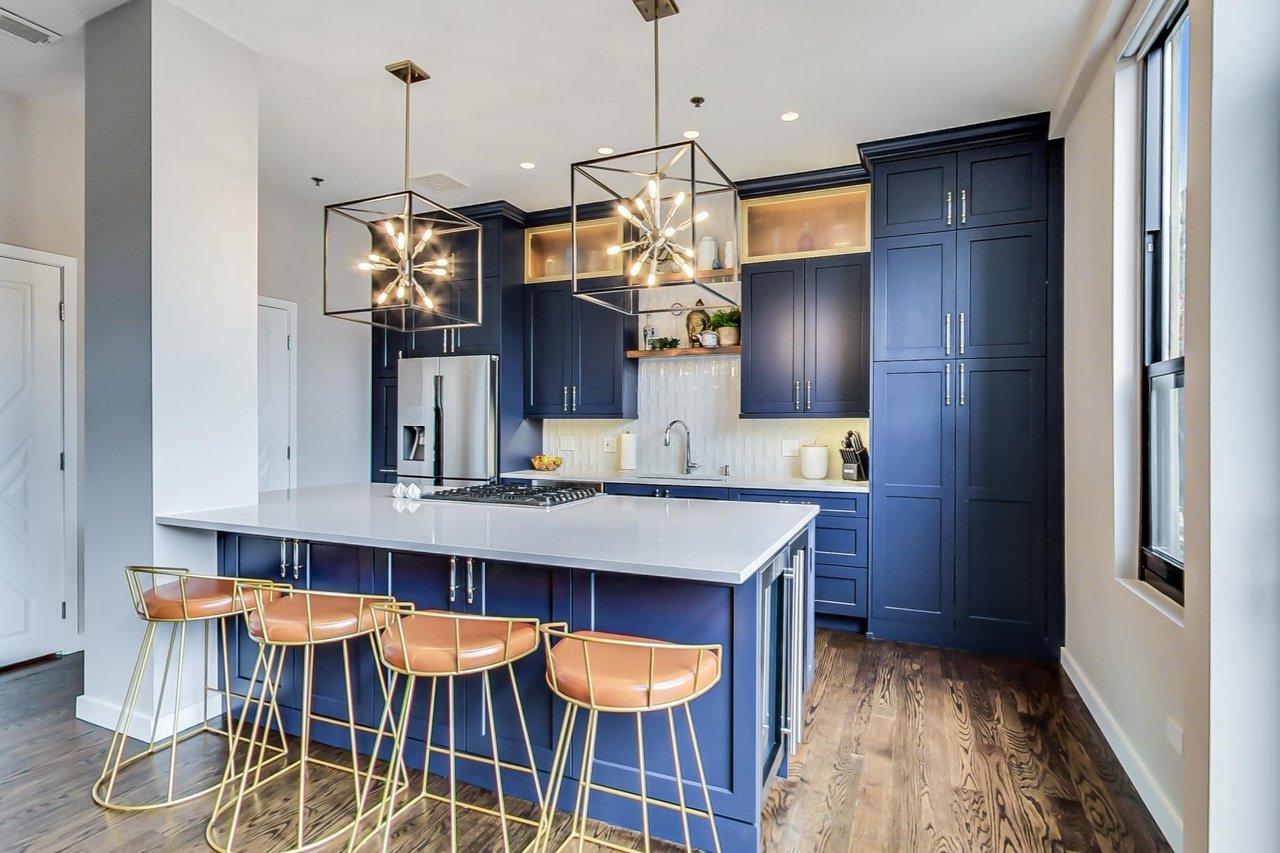
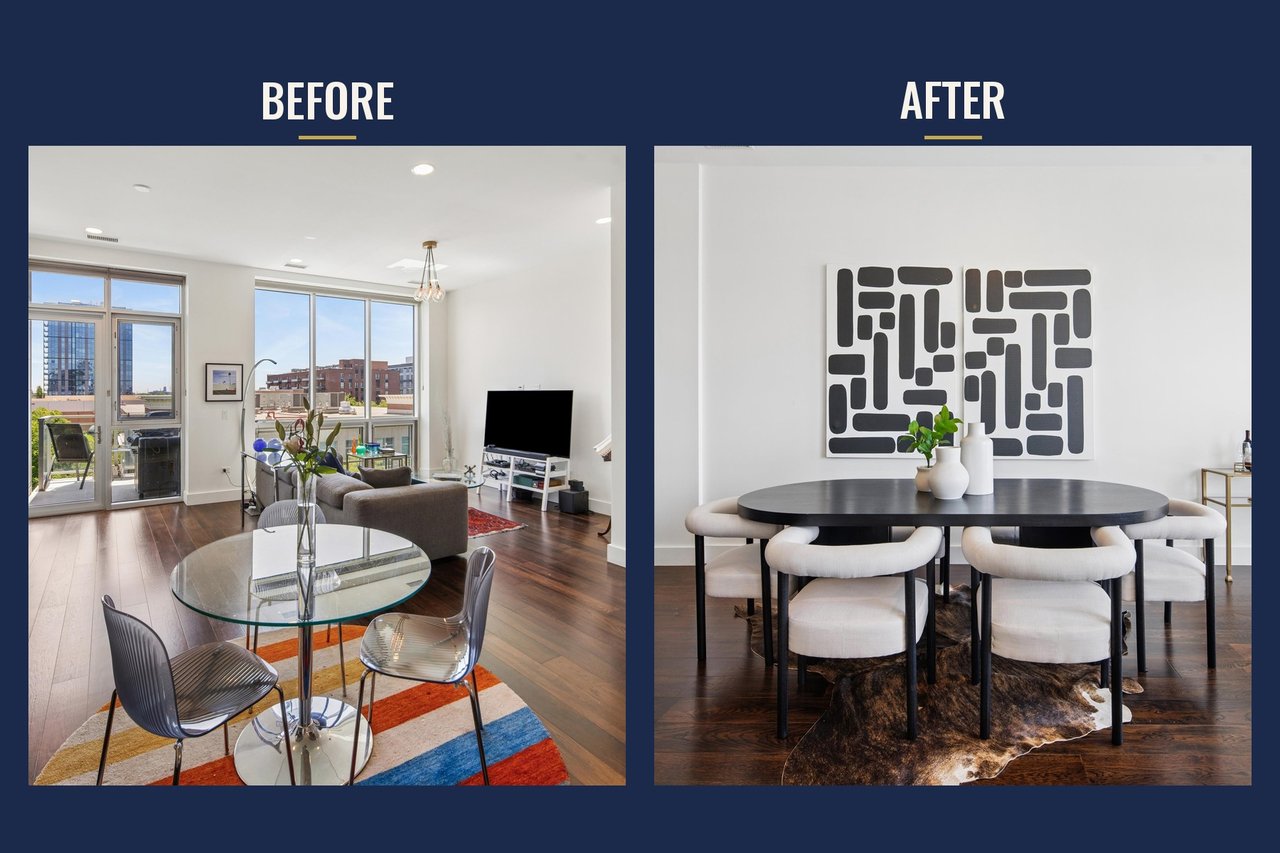
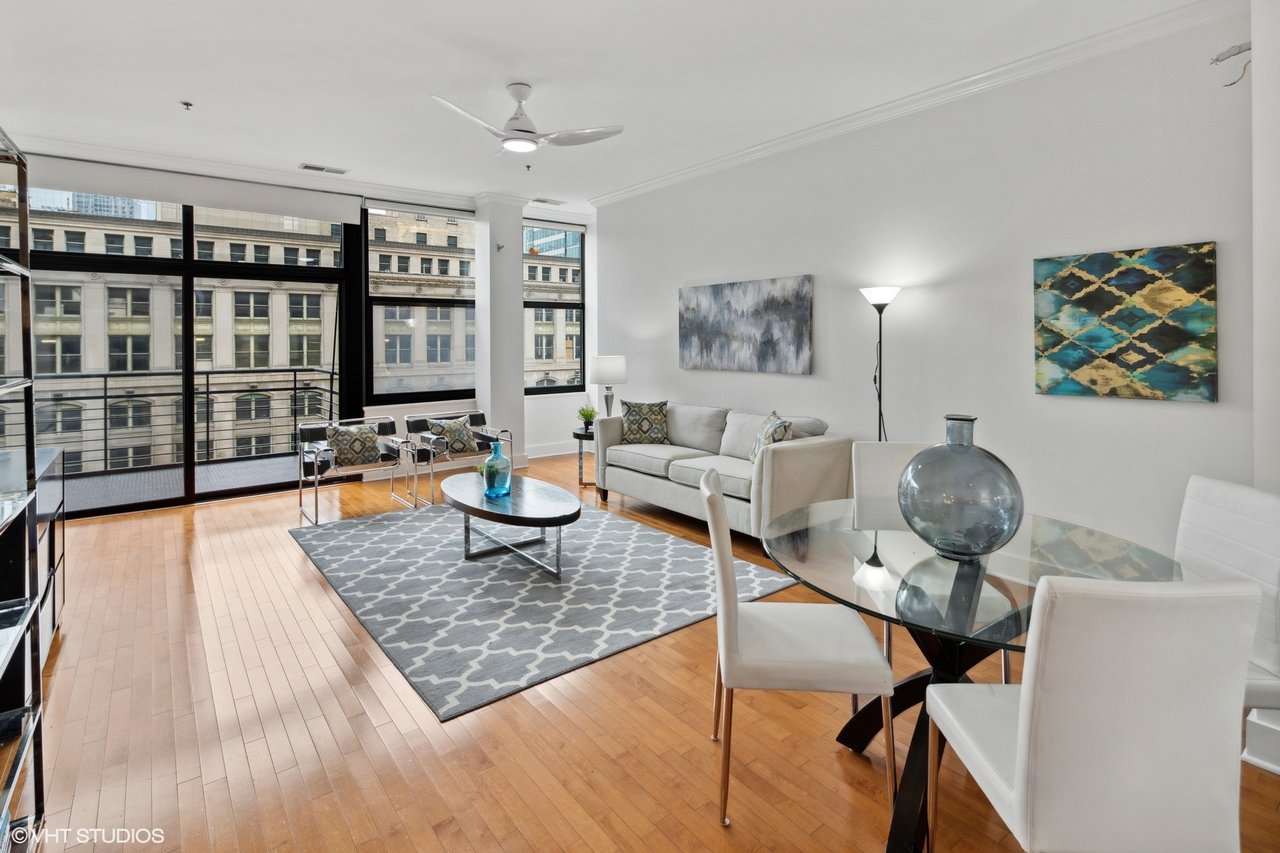
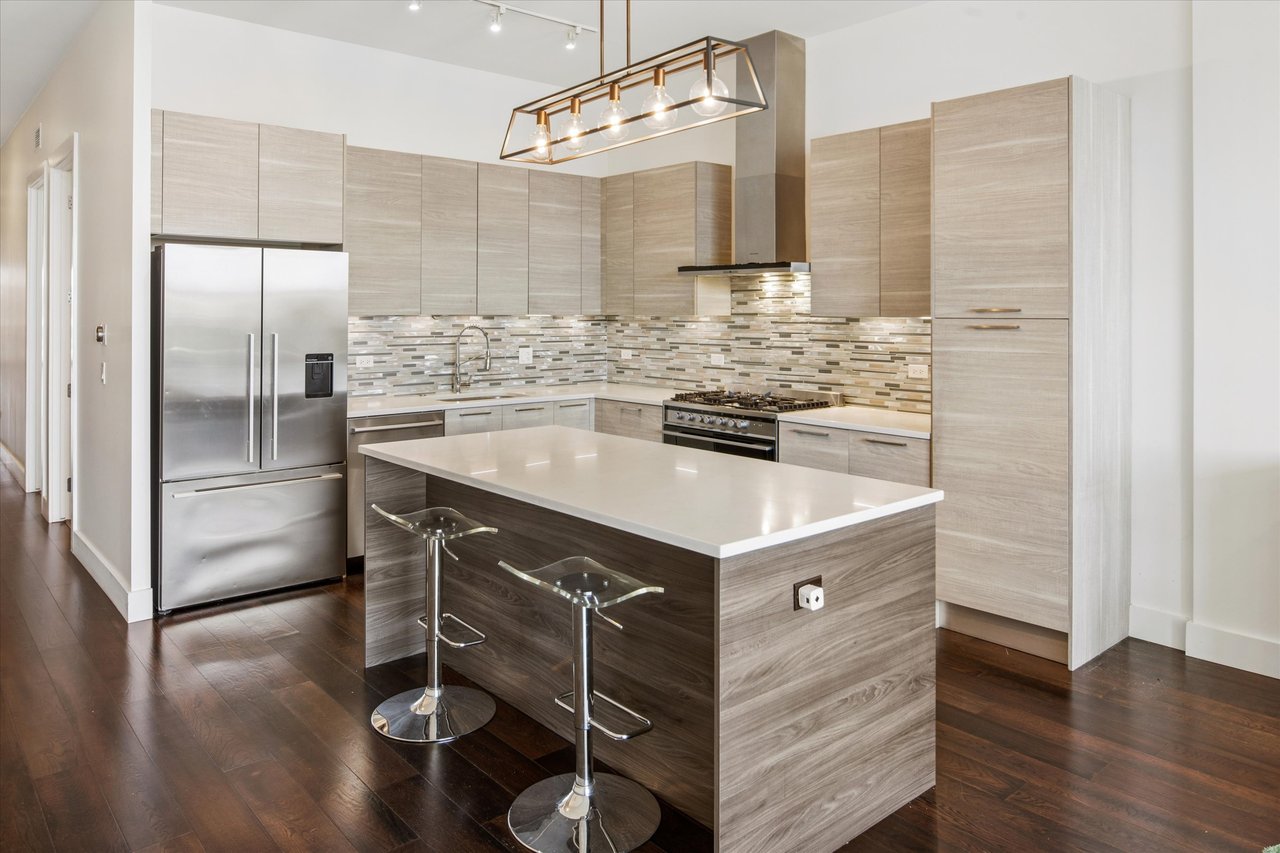
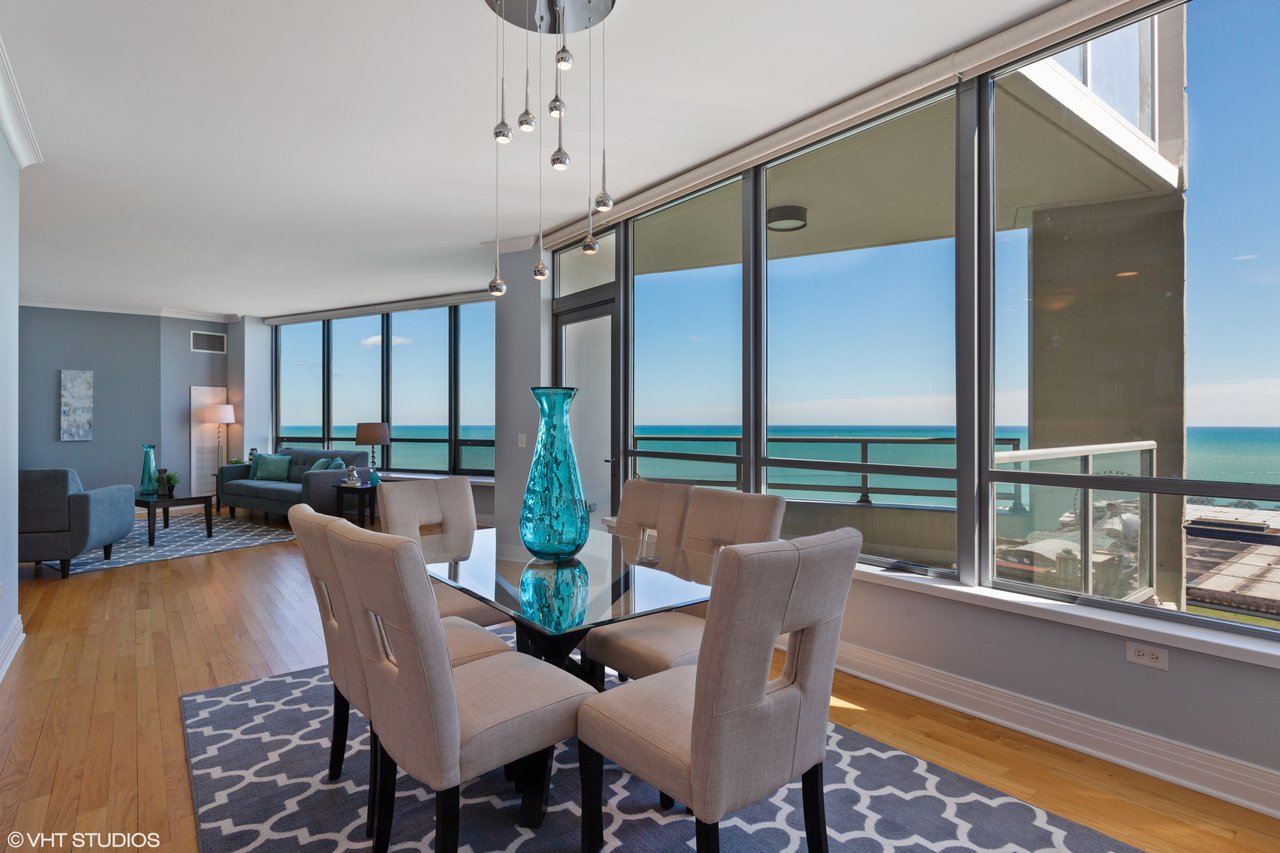
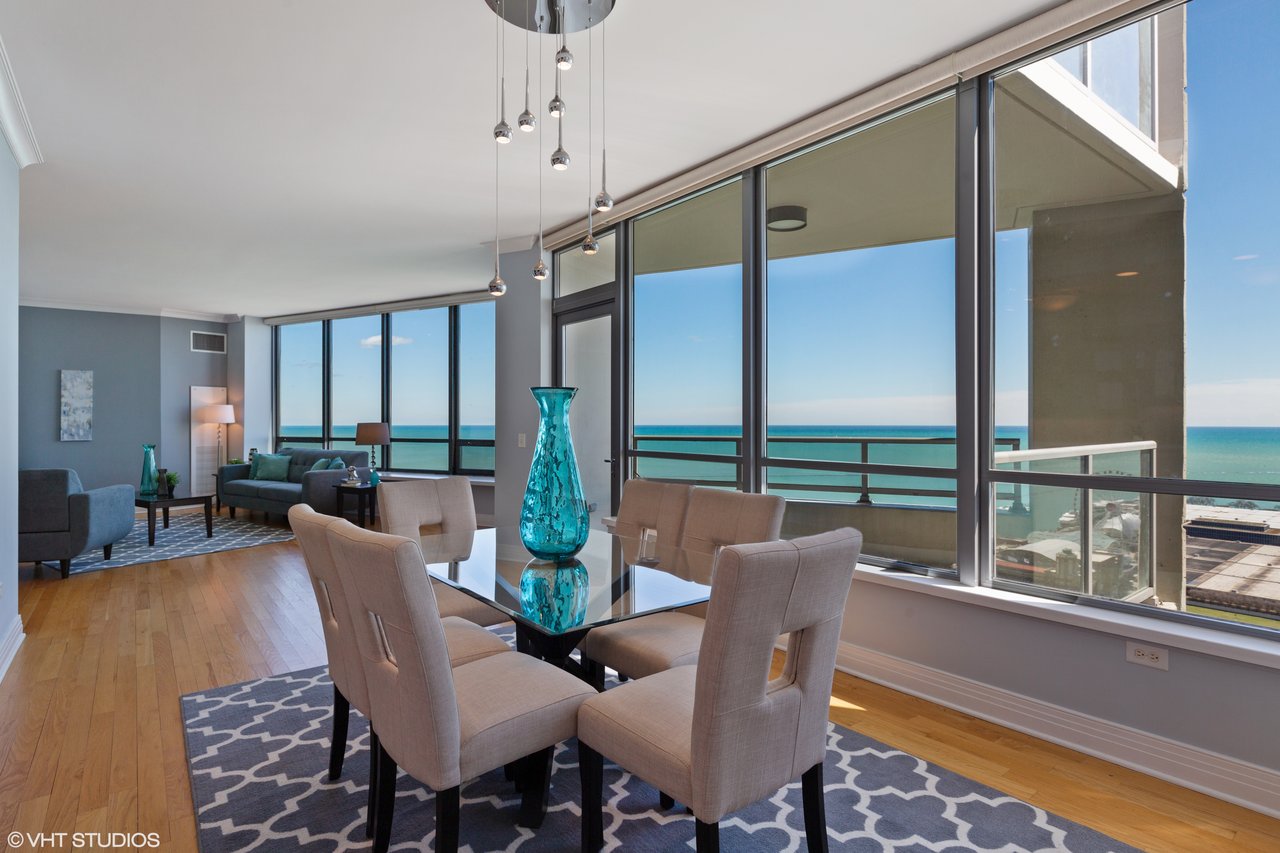
Most of what keeps a condo on the market is visible in the photos and in the first minute of a showing. These are recommendations, not guarantees that any one change speeds up a sale, but they are where I look first:
- Repair visible defects, from scuffed walls to sticking doors and burned-out bulbs.
- Declutter and depersonalize so buyers can picture their own furniture.
- Fix lighting and paint condition, since both show up immediately in photos.
- Make the unit photo-ready before the photographer arrives, not after.
- Prepare an accurate floor plan with room dimensions.
- Spell out parking and storage details so buyers don't have to ask.
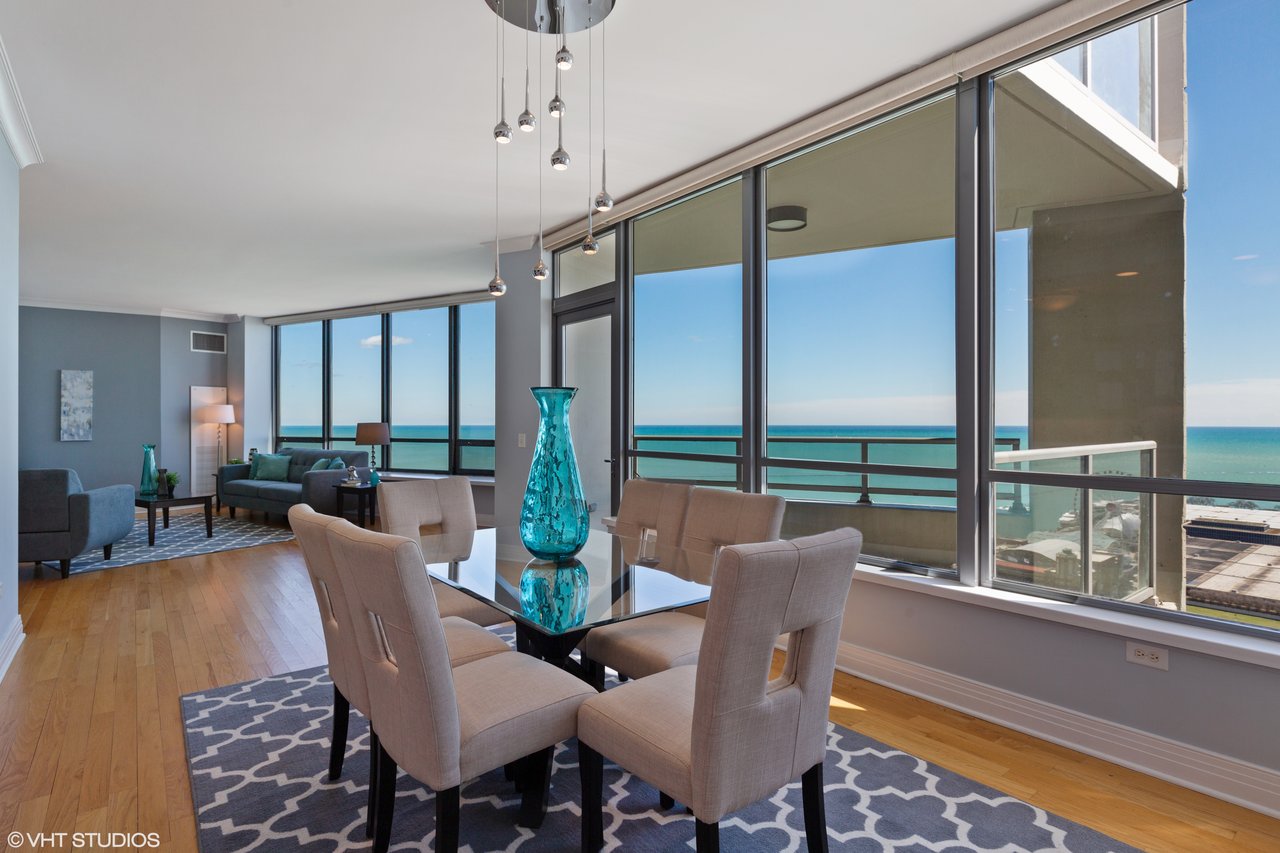
A polished, professionally marketed listing signals value before a buyer walks in. The reverse is also true. Weak photos are one of the quickest ways West Loop condos sit, even when well priced, while buyers tour the competition first. For a step-by-step view of the full process, see my West Loop condo selling steps.
How Do HOA Dues and the 22.1 Package Affect a West Loop Condo Sale?
Dues alone rarely sink a sale. Surprises do, and the Section 22.1 package is where buyers find them, so you want to know what's in it before they do.
Present HOA dues as a building-specific fact
I never quote a neighborhood-wide dues range, because dues vary building by building. What matters is a clear breakdown, and buyers want these items separated:
- The monthly assessment and what it covers.
- Separately billed utilities.
- Parking charges.
- Move-in and move-out fees.
- Any special assessment, approved or pending.
- Fees tied to amenities.
When these details are muddy in the listing, buyers fill the gaps with worst-case assumptions and move on to the next unit.
What the Section 22.1 package contains
Under Section 22.1 of the Illinois Condominium Property Act, the unit owner must obtain and make available, on a prospective purchaser's demand, specified association information. That includes the declaration, bylaws, and other condominium instruments, plus rules and regulations. It also covers unpaid assessments and other charges, anticipated capital expenditures, reserve-fund information, the association's financial statement, pending suits or judgments, and association-provided insurance information. The Illinois Department of Financial and Professional Regulation also publishes the full Condominium Property Act if you want to read the surrounding provisions.
FAQ
Should I lower my condo's price after the first two weeks?
Look at showing activity and buyer feedback before you touch the price. If showings are strong but offers aren't coming, a price adjustment may be right, but condition or presentation could be the real issue. I review the evidence with sellers first so a cut targets the actual problem.
How can I tell whether my asking price is too high for my West Loop building?
Compare your ask to what similar units in your building and comparable buildings actually closed for, not to other asking prices. Weak showing traffic from day one is the clearest warning sign. A building-level comparable analysis is the reliable way to confirm it.
Do professional photos and staging really affect condo showings?
Yes, because photos and presentation decide which listings buyers choose to tour. I can't promise a specific result from any one change, but weak photos and a cluttered unit give buyers an easy reason to skip yours.
What does a buyer receive in a Chicago condo 22.1 disclosure, and who orders and pays for it?
The buyer receives the association's governing documents and financial information, including unpaid assessments, anticipated capital expenditures, reserves, litigation, and insurance details. The unit owner is responsible for obtaining the package from the board, and the statute lets the association charge the seller a reasonable fee, adjusted annually by the applicable CPI-U change, for the direct out-of-pocket cost of providing and copying it. See the statute text for the exact language.
Can high HOA dues or a pending special assessment prevent my condo from selling?
They can slow a sale, but the bigger problem is usually a lack of clarity. A pending special assessment needs to be explained accurately and factored into pricing strategy. Buyers weigh dues against what the building offers, so a clear, honest breakdown works better than hoping nobody asks.
If your condo has been sitting, the core takeaway is this: diagnose before you discount. Price, preparation, presentation, and paperwork each leave a different trail, and each has a different fix. If you want that diagnosis done for your unit and building, you can schedule a consultation with me and we'll go through the comparables, the listing, and the association documents together. If you're still deciding on representation, my post on how to pick the right agent for your West Loop condo is a good place to start, and what 300+ West Loop condo sales have taught me about timing the market covers the timing side.
Equal Housing Opportunity. Christine Hancock, Broker Associate, regulated by the Chicago Association of Realtors. This article is general information, not legal, tax, or financial advice. Confirm your own numbers with your real estate attorney, tax advisor, or lender.