What are the 3 types of parking you can buy with a Chicago condo?
Deeded, limited common element (LCE), and assigned. Each one changes who owns the space, who pays the taxes, and how it gets sold.
The Short Answer: In Downtown Chicago condo buildings, parking usually comes one of three ways. Deeded parking is real property with its own deed and tax bill. Limited common element parking is tied to your unit through the condo declaration, and assigned parking is a space the association hands out but you don't own.
Parking questions come up in almost every West Loop, South Loop, and River North condo deal I work on. Buyers ask, "Is the spot included?" Sellers ask, "Can I sell it separately?" The honest answer is always the same.
It depends on how the space is held.
What Is Deeded Parking?
Deeded parking is real estate. The space has its own legal description, its own deed, and its own Property Index Number (PIN) from Cook County.
That means a separate property tax bill. Illinois Property Tax Appeal Board decisions on Chicago condo garages show each deeded space carrying its own individual PIN. You can look up any PIN through the Cook County Clerk.
What it means for you:
- You own it outright, just like your unit.
- You pay a separate tax bill, and often a separate monthly assessment.
- You can usually sell it with the unit or on its own.
- Many declarations limit who can buy it, often to owners in the same building. Read that section.
Deeded parking is the cleanest to sell. Buyers understand it. Lenders understand it. Appraisers can price it.
What Is Limited Common Element (LCE) Parking?
An LCE belongs to the building. But the declaration says only YOUR unit gets to use it.
You don't get a separate deed. You don't get a separate tax bill. The space is tied to your unit and goes with it when you sell.
Can you move it to another owner? Yes, but only one way. Under Section 26 of the Illinois Condominium Property Act, an LCE transfer requires an amendment to the declaration, signed by the owners involved and recorded.
What it means for you:
- Exclusive use of your space, protected by the declaration.
- No separate tax bill. The cost is baked into your unit.
- It follows the unit automatically at closing.
- Selling it separately takes a recorded amendment, not a handshake.
What Is Assigned Parking?
Assigned parking means the association gives you a space to use. You don't own it. It's still a common element controlled by the board.
Sometimes it's free. Sometimes it's a monthly rental or license. Sometimes it comes with a waitlist.
Here's the catch. If the board can assign it, the board can often reassign it, change the fee, or change the rules. That's exactly what happened in the CooperatorNews case above.
What it means for you:
- The lowest upfront cost.
- The least control.
- Usually no transfer to a buyer. The next owner may go to the back of the line.
- Rules live in the declaration and the board's rules and regulations. Get both.
Deeded vs. LCE vs. Assigned: How Do They Compare?
Deeded | Limited Common Element | Assigned | |
|---|---|---|---|
Do you own it? | Yes, as real property | Exclusive use right, tied to the unit | No, the association controls it |
Own PIN and tax bill? | Yes | No | No |
Goes with the unit at sale? | Only if conveyed in the contract and deed | Yes, automatically | Usually not |
Can you sell it separately? | Usually, subject to declaration limits | Only by recorded amendment | No |
Can the board take or change it? | No | Not without amending the declaration | Often yes |
Resale strength | Strongest | Strong | Weakest |
Data Support: What Do Chicago Parking Spaces Sell For?
It varies by building and location, so treat these as examples, not a price list.
In a 2022 appeal involving a heated, indoor Lakeview condo garage, an appraisal valued the spaces at about $19,400 per space as of January 2021, based on recent sales of deeded parking spaces. In a 2019 appeal for a 348-unit Chicago tower with 170 spaces, the county's assessment, which the owners appealed, reflected a market value of roughly $53,800 per space.
The takeaway? A space downtown can be a real line item. Price it like one.
Practical Strategy: What Should You Do Before You Buy or Sell?
If you're buying:
- Ask the listing agent, in writing, which type the parking is.
- Get the space number and the PIN if it's deeded.
- Read the declaration and plat. They control, not the MLS remarks.
- Make sure the contract names the space and how it conveys.
- Ask about monthly fees, waitlists, and EV charging rules.
If you're selling:
- Pull your deed and tax bills. Are there two PINs or one?
- If it's deeded, decide early: sell together, or sell the space separately.
- If it's LCE, confirm the plat or declaration shows it tied to your unit.
- If it's assigned, say so clearly. Overpromising parking kills deals at the attorney review stage.
- Market it right. "Deeded heated garage parking" is a feature. Use it.
Local Expertise: How Parking Plays Out in Downtown Chicago Condos
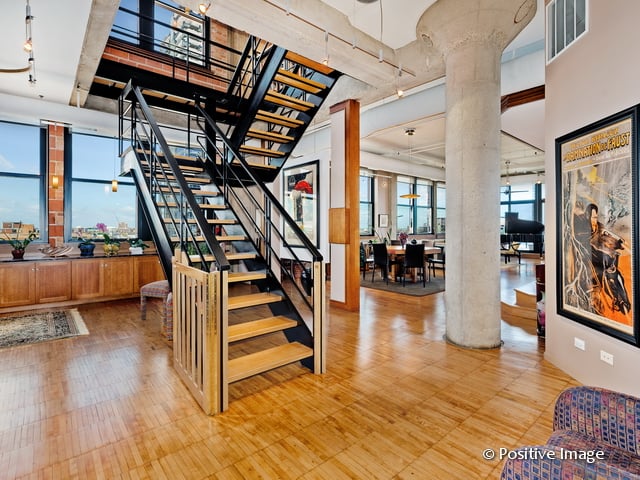
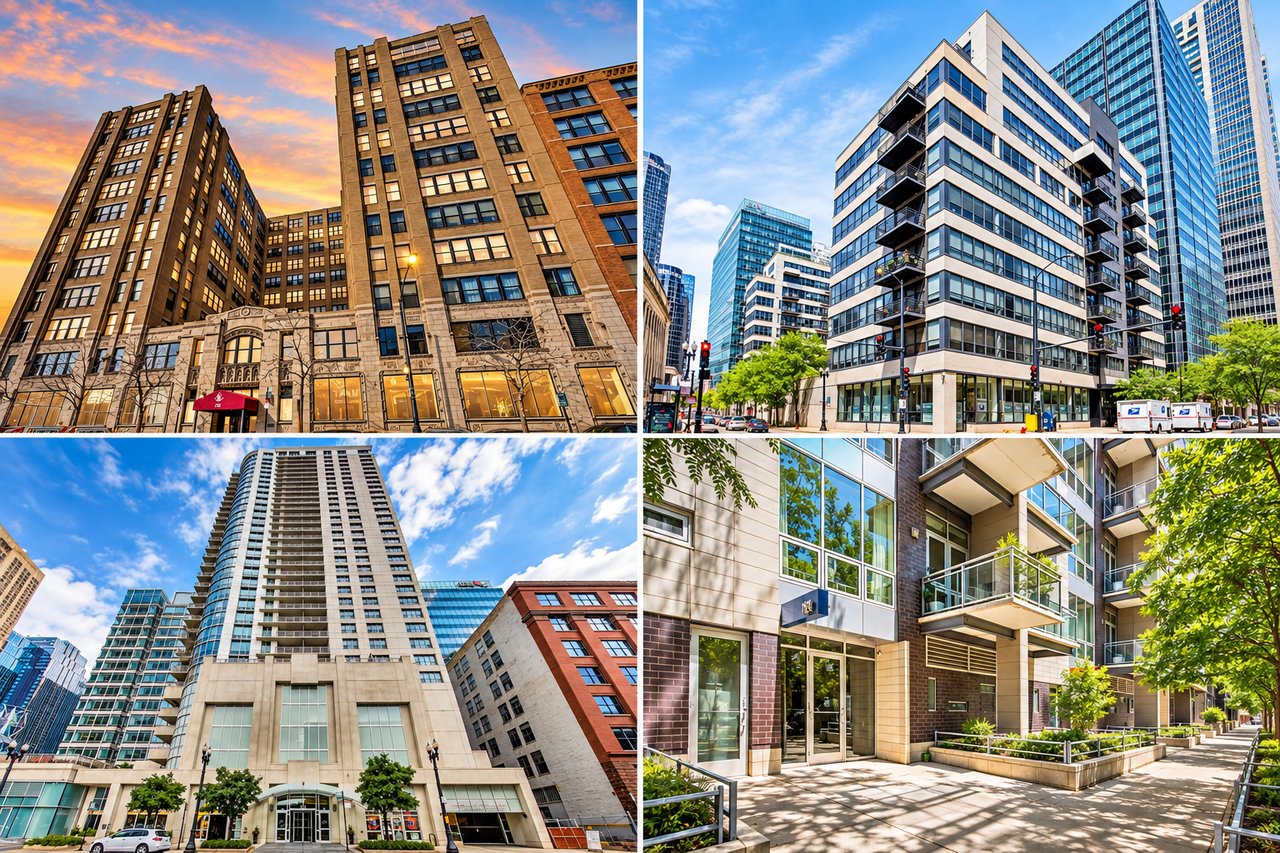
In West Loop loft conversions, parking is often limited and every space is valuable. In newer River North and South Loop high-rises, you'll see all three types, sometimes in the same garage.
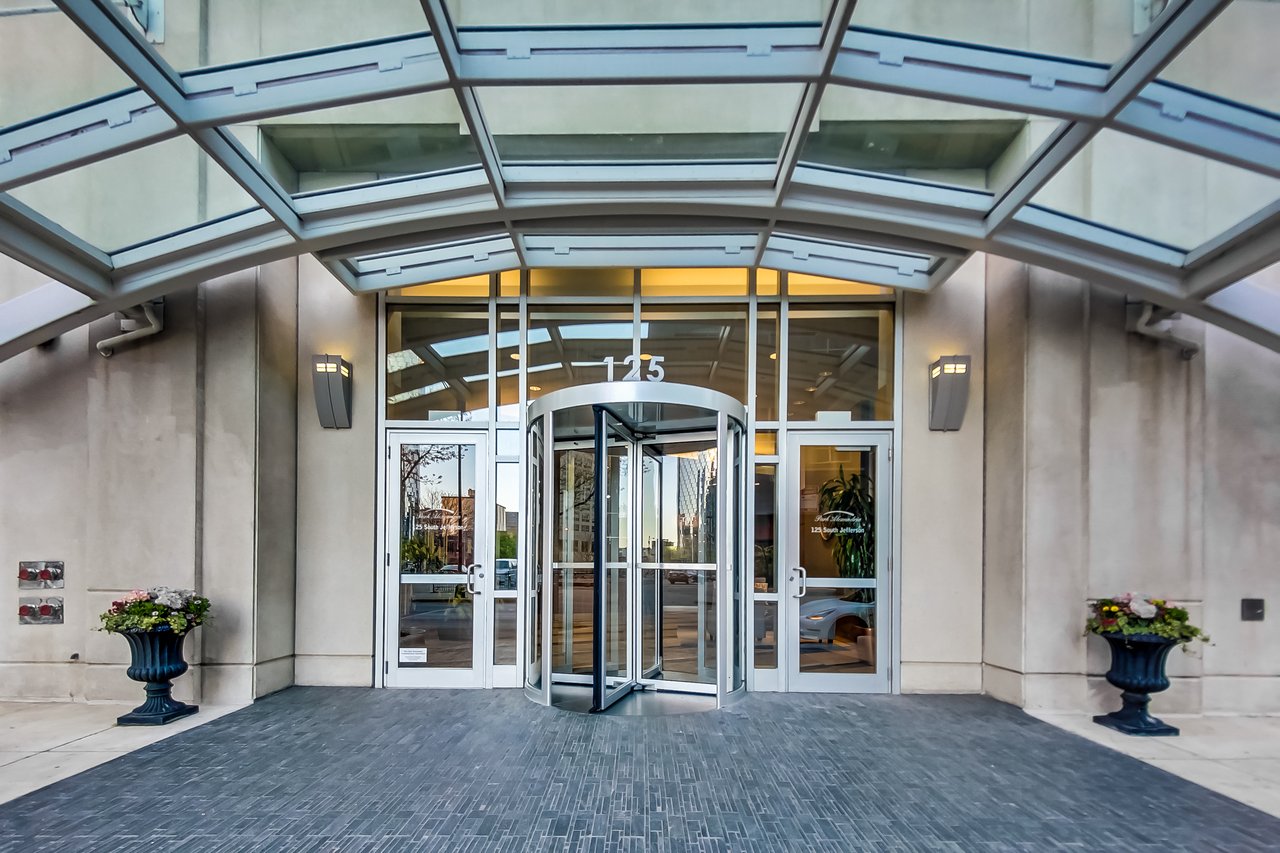
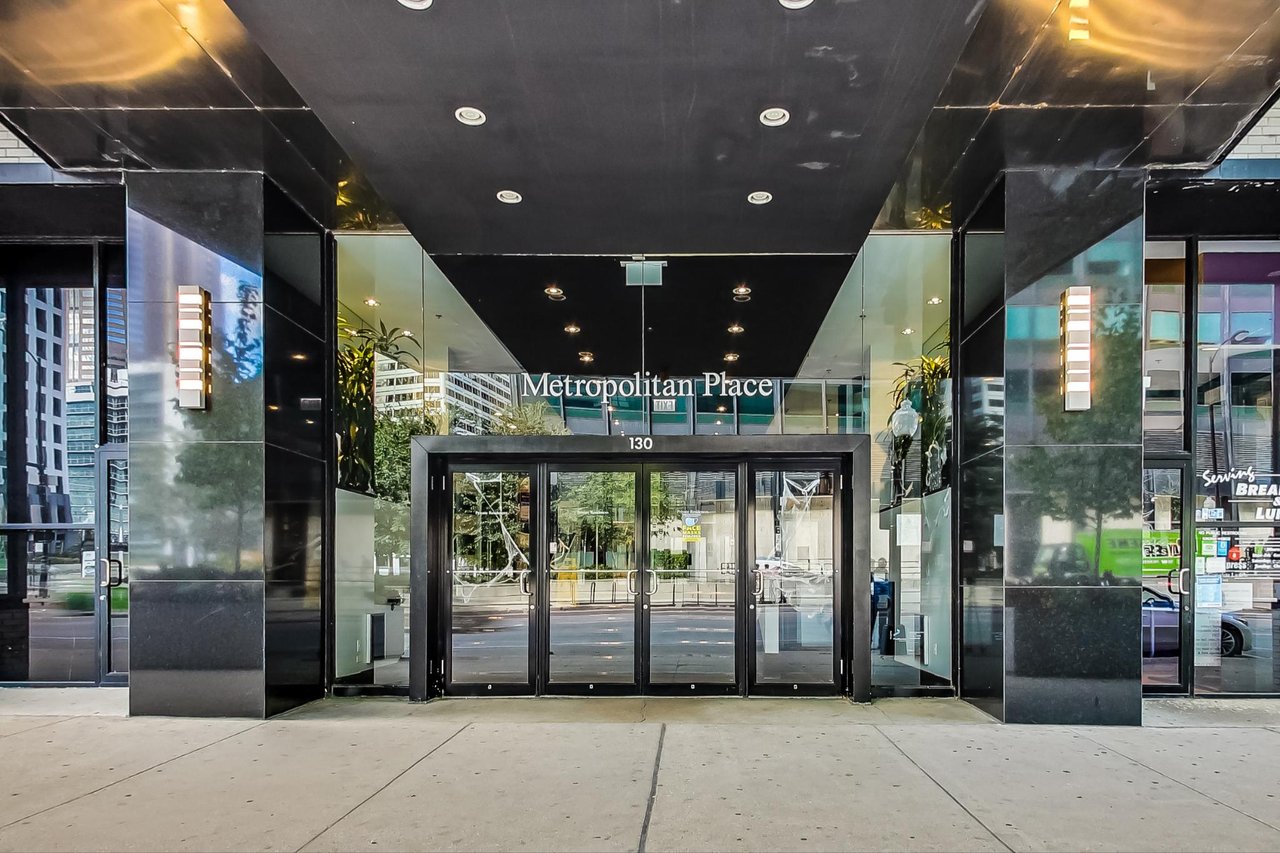
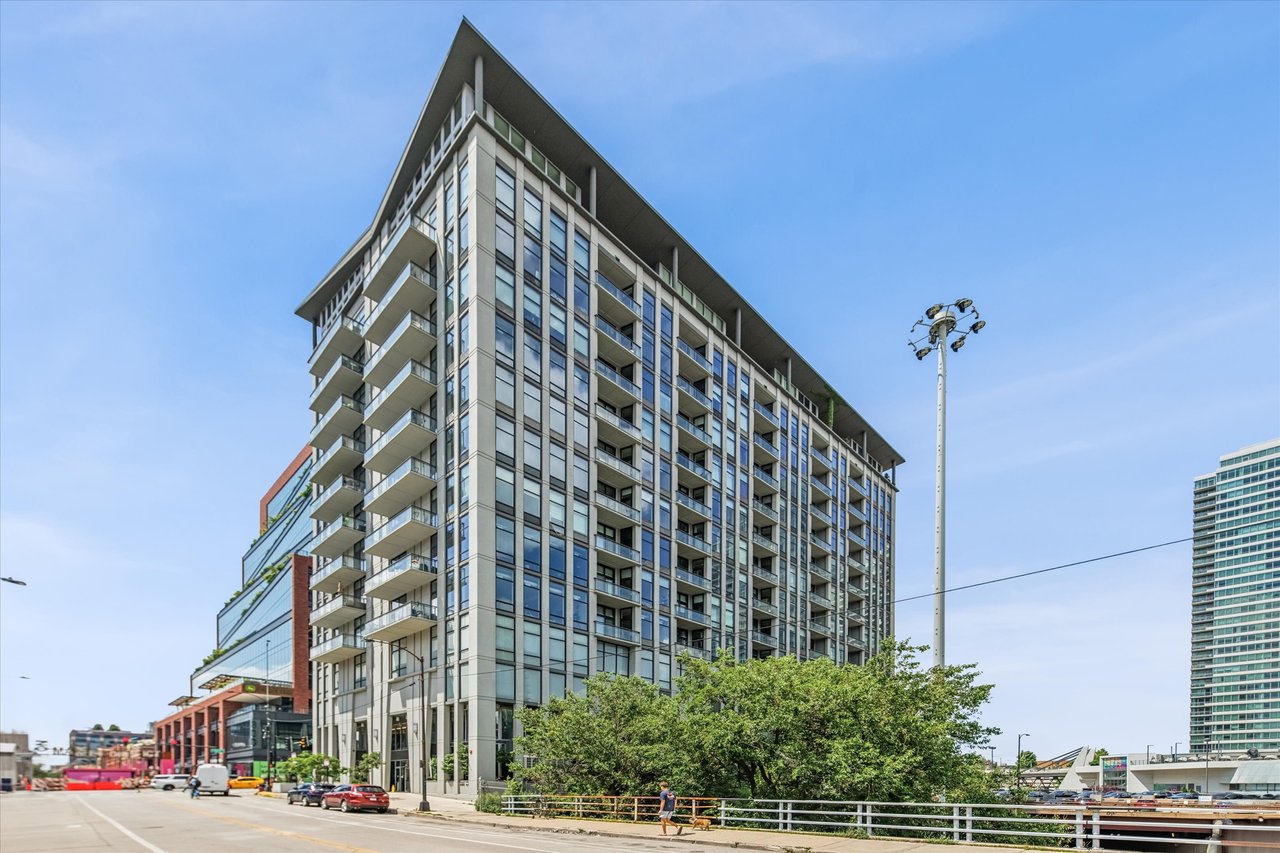
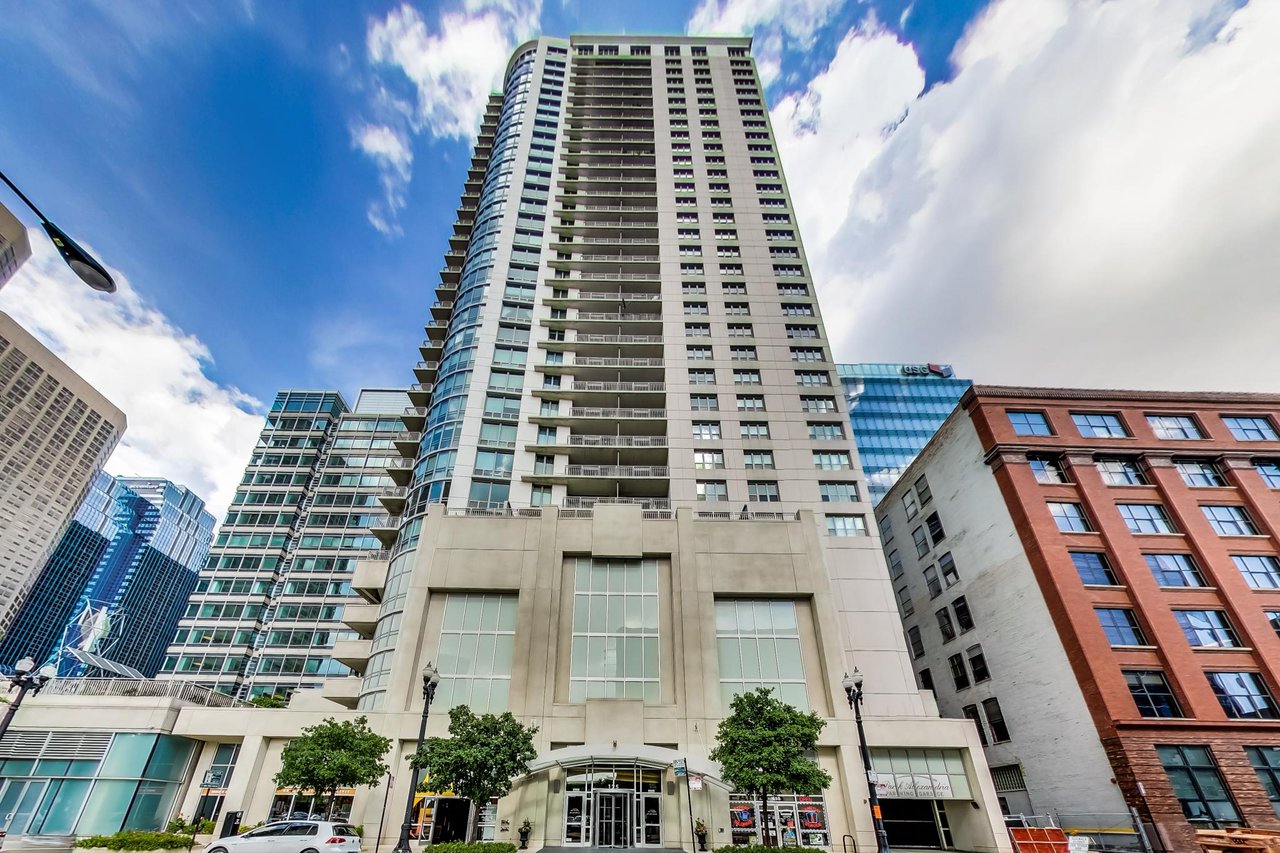
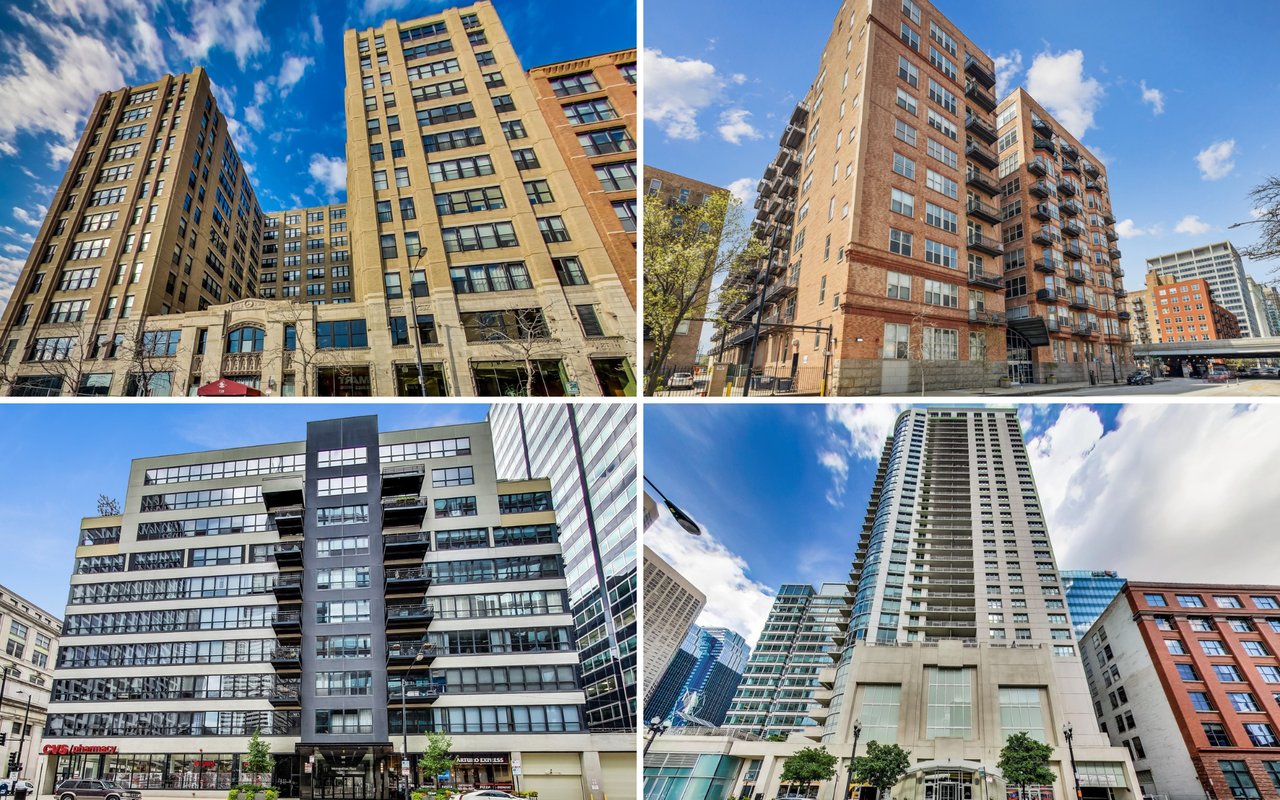
I have sold units in Metropolitan Place at 130 S. Canal, Park Alexandria at 125 S. Jefferson, and Haberdasher Square Lofts at 728 W. Jackson. In every building, the first parking question is the same. Is paking included?
Near the Blue Line, Union Station, and Ogilvie, some buyers skip a car entirely. That changes how you price a West Loop unit with parking versus one without. Knowing your buyer pool matters as much as knowing your PIN.
Key Takeaways
- Deeded parking is real property with its own PIN and tax bill. Most flexible, easiest to sell.
- Limited common element parking is reserved for your unit by the declaration and goes with the unit automatically.
- Assigned parking is controlled by the association. Cheapest, but the board can often change it.
- The declaration and plat decide what you own, not the listing remarks.
- Moving an LCE space to another owner requires a recorded amendment under Illinois law.
The Bottom Line
Parking in Downtown Chicago condos isn't just a perk. It's property, a right, or a privilege. Those are three very different things.
If you're selling, knowing your parking type helps you price right and avoid surprises at attorney review. If you're buying, it protects you from paying for a space you don't really get. Read the declaration. Then make your move.
FAQ
Can I sell my deeded parking space separately from my Chicago condo? Usually, yes. Many declarations limit buyers to owners in the same building, so check yours before you list the space.
Do I pay property taxes on a limited common element parking space? Not separately. An LCE space has no PIN of its own, so its cost is part of your unit's share of the building.
Can the condo board take away my assigned parking space? Often, yes. Assigned spaces stay common elements, so the board's rules and the declaration control use, fees, and reassignment.
How do I find out what kind of parking my condo has? Check your deed and tax bills for a second PIN. Then read the declaration and plat, which identify LCE spaces by unit number.
Is deeded parking worth more than LCE parking? Often, because it can be sold on its own and lenders and appraisers price it clearly. Value still depends on the building, the garage, and local demand.
Ready to Talk Parking, Pricing, or Your Next Move?
Call or text Christine Hancock at 312-296-9300 to talk about your unit's value, or what it would take to get you to the closing table.
ABOUT THE AUTHOR
Christine Hancock is a Chicago Realtor with @properties Christie's International Real Estate, bringing more than 25 years of experience and over $200 million in closed sales in the downtown condo market. With 97 five-star Zillow reviews, Christine is recognized for her commitment to client satisfaction and market expertise.
She specializes in high-rise and luxury condominium sales in West Loop, South Loop, River North, and Streeterville, helping buyers and sellers navigate complex transactions with data-driven pricing strategies and deep neighborhood insight.
Christine partners with clients to evaluate market trends, position properties competitively, and make confident, informed decisions in Chicago's vibrant downtown housing market.
Call or text 312-296-9300 to discuss current market conditions or your real estate goals.