Downtown Chicago Condos: Why Your First Price Matters
Why is your first listing price so important when you sell a Downtown Chicago condo?
Buyers pay the MOST attention in your first days online. Price from your building's real comps, not citywide averages, and you give yourself the best shot at offers instead of price cuts.
Here's the truth.
Your condo only gets ONE debut.
The day it hits the market, saved-search alerts fire. Buyers who've been waiting book showings. Every buyer shopping your price range sees you at the same time.
So what do they do?
They compare. Fast. Your unit gets lined up against every other condo in your building and the building next door. If your number doesn't fit, they don't argue. They just scroll.
That's why your first listing price is crucial. You can change a price later. You can't redo a launch.
Key Takeaways
- The City of Chicago had 3,541 homes for sale in August 2026, down 23.3% from August 2025. Fewer choices mean the units competing with yours matter MORE.
- In September 2026, 16.3% of Chicago listings had a price reduction, compared with 20.8% nationally.
- The wider West Loop market shows 28 active listings and 38 homes sold in roughly 90 days. That's a thin pool of comps.
- City of Chicago home prices rose 5.7% year over year in Q2 2026. Nice trend. But it can't tell you what YOUR unit will sell for.
- Closed sales show what buyers paid. Active and pending listings show what they're choosing between now. You need both.
What Does Your First Listing Price Do to Buyer Demand?
It sets the first impression. For EVERY buyer who sees your home.
And buyer attention is never stronger than at launch. Price it to fit the market and you get showings and offers while your listing is fresh. Miss the mark? Buyers scroll right past.
Think of it like a movie on opening weekend. That's when the crowd shows up.
Here's how buyers actually shop:
- They search by price range. Price outside their bracket and they never even see you.
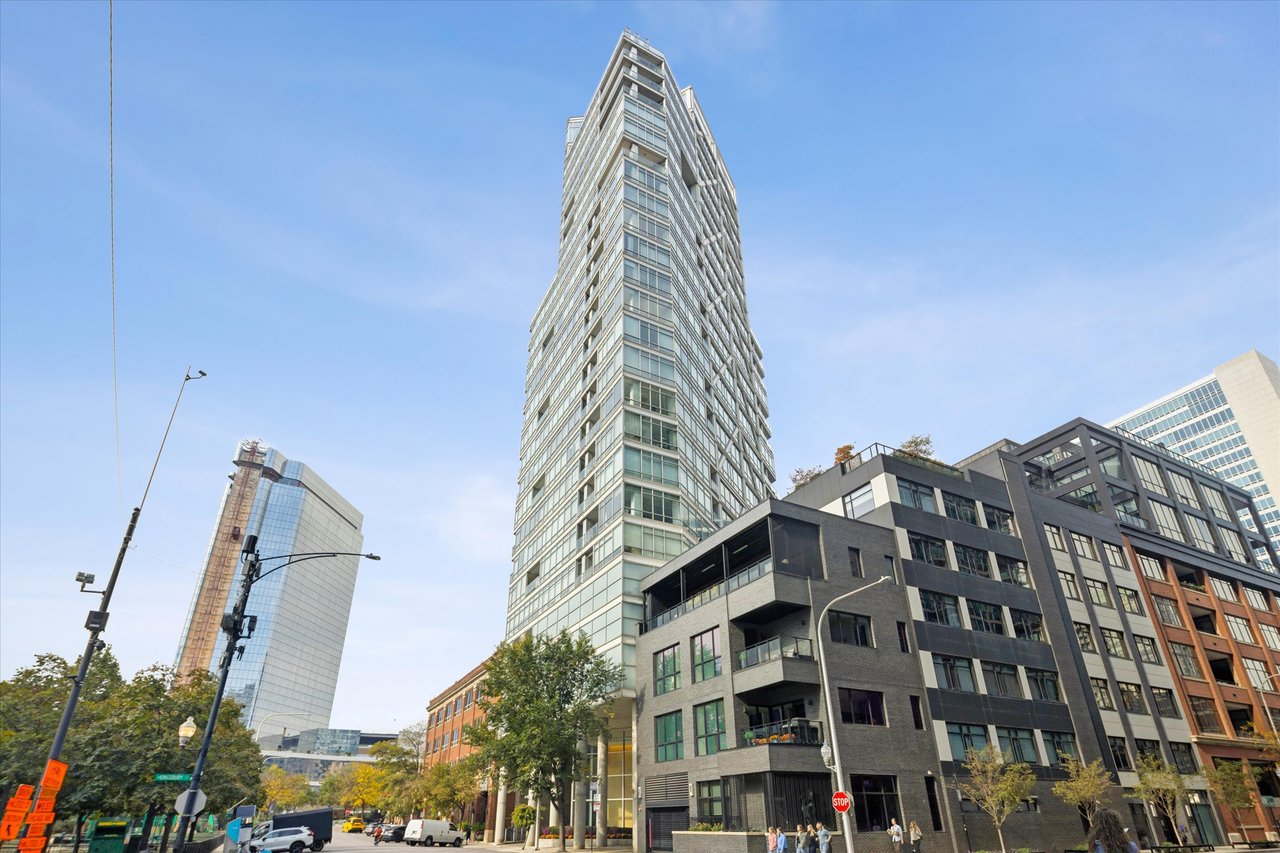
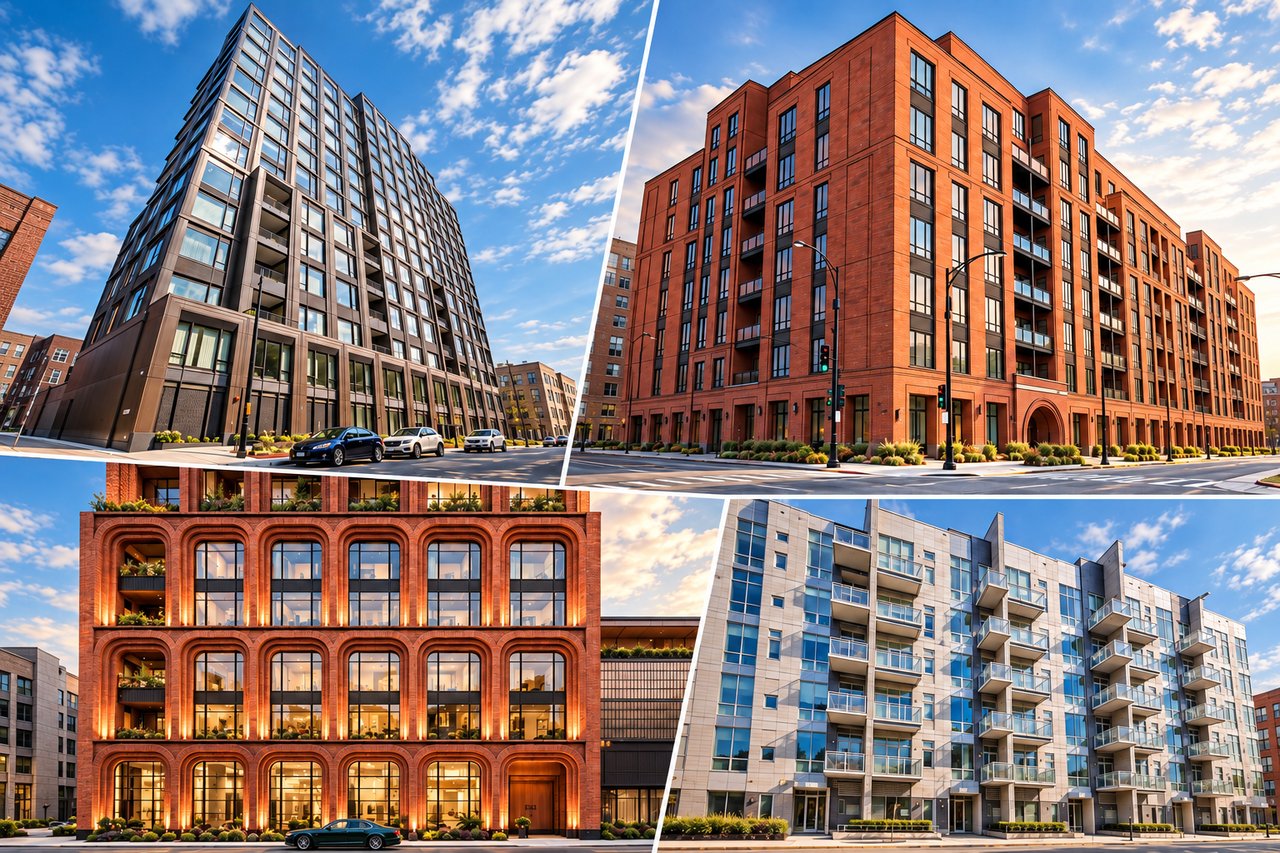
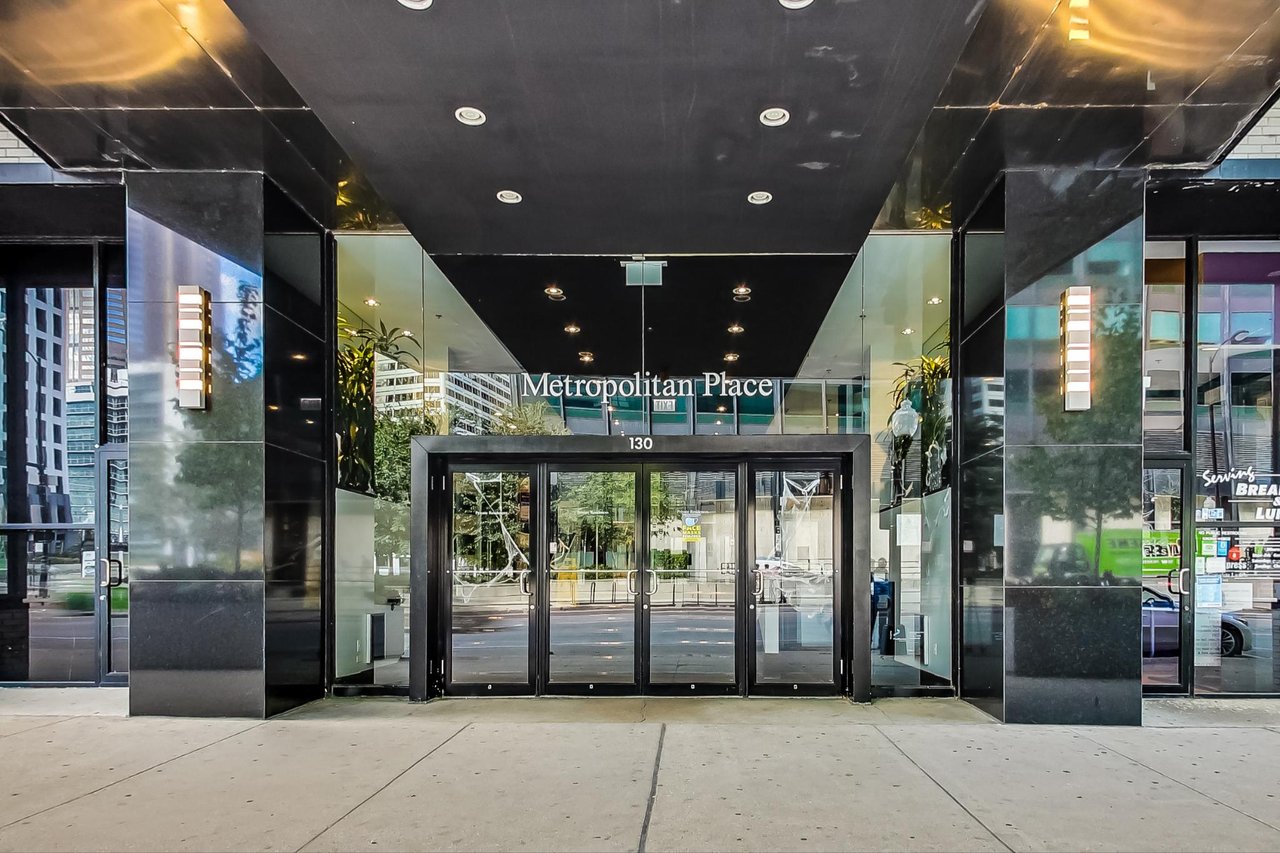
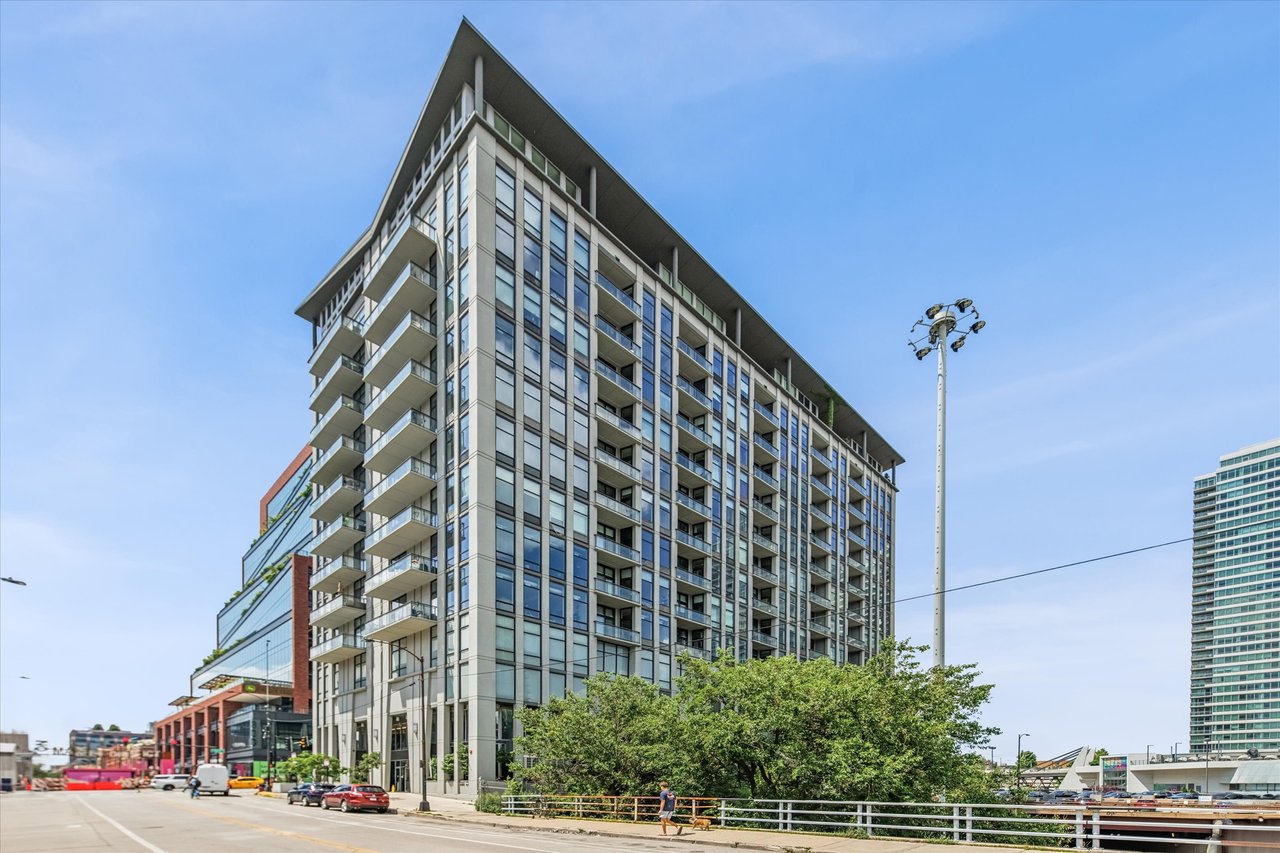
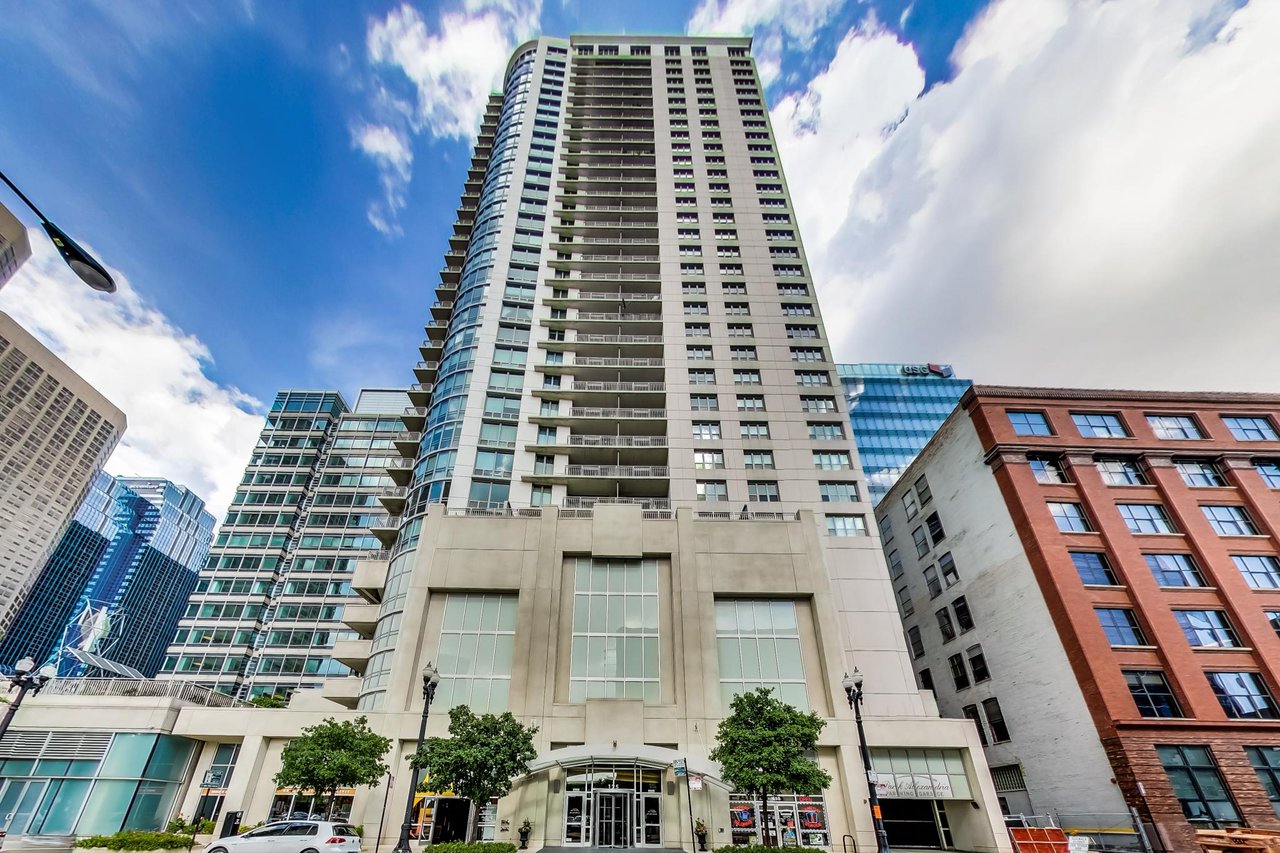
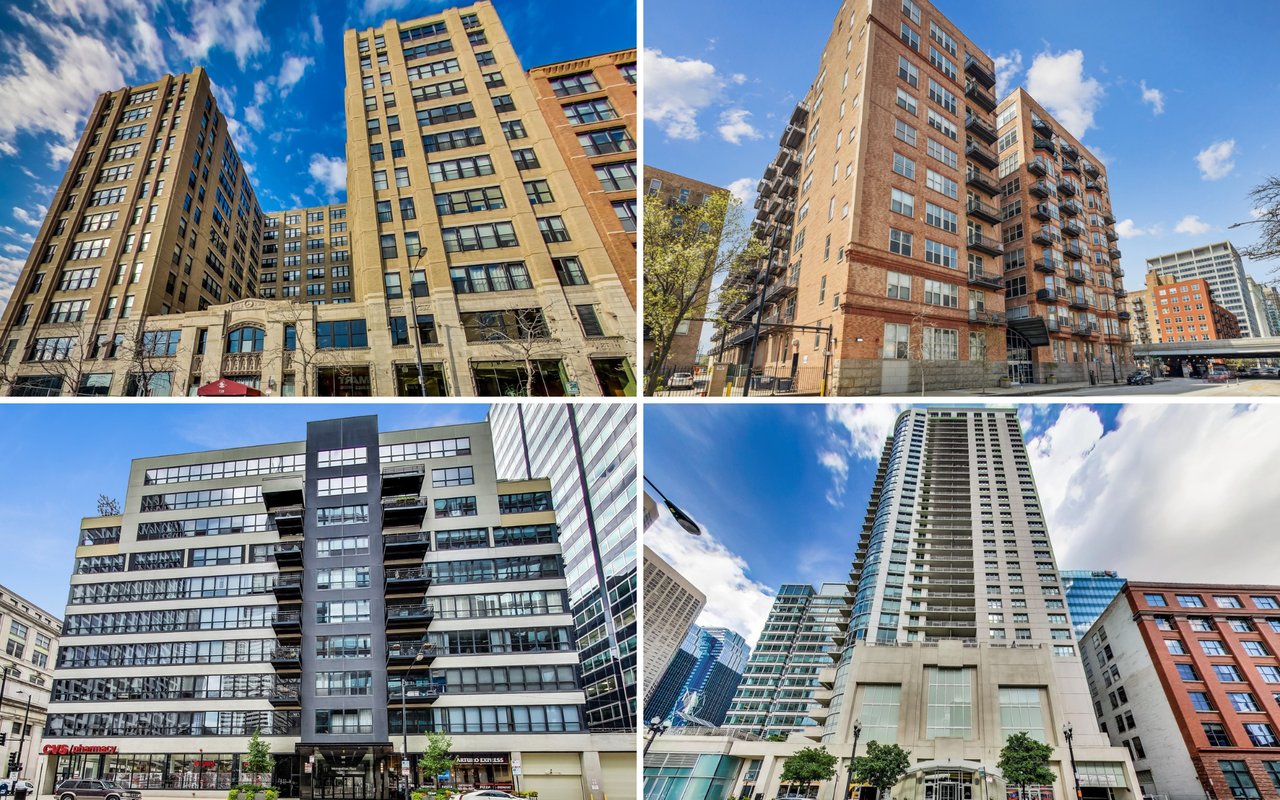
- They compare everything. In buildings like Metropolitan Place at 130 S. Canal or Park Alexandria at 125 S. Jefferson, floor plans stack floor after floor. A buyer can see what the last three units in your tier sold for in seconds.
- They move on. If your number looks high, they don't call to negotiate. They book a showing at the next listing.
After 300+ West Loop sales, I can tell you the first two weeks are your strongest leverage. That's why I plan the launch BEFORE the listing goes live. I break it all down in my post on why the first two weeks win for Downtown Chicago listings.
Your launch only happens once. Make it count.
What Does a Price Reduction Really Tell You?
A price cut is a signal. Not proof of one single cause.
According to Realtor.com's September 2026 Chicago market report, 16.3% of Chicago listings had a price reduction that month. Nationally? 20.8%.
But that data doesn't say WHY any listing got cut. It could be:
- An ambitious starting price
- Condition or presentation
- Buyer financing limits
- A special assessment
- An unusual floor plan
- New competition down the hall
So what's the one piece you control 100% before launch?
Your starting price.
What Local Data Should Set Your Downtown Chicago List Price?
Start with closed sales in YOUR building. Then the closest competing buildings. Then layer in active and pending listings.
Citywide and neighborhood medians? Context only. Never the pricing tool. I dig into why in my post on neighborhood data vs. city averages.
Why Do Building-Level Comps Matter Most?
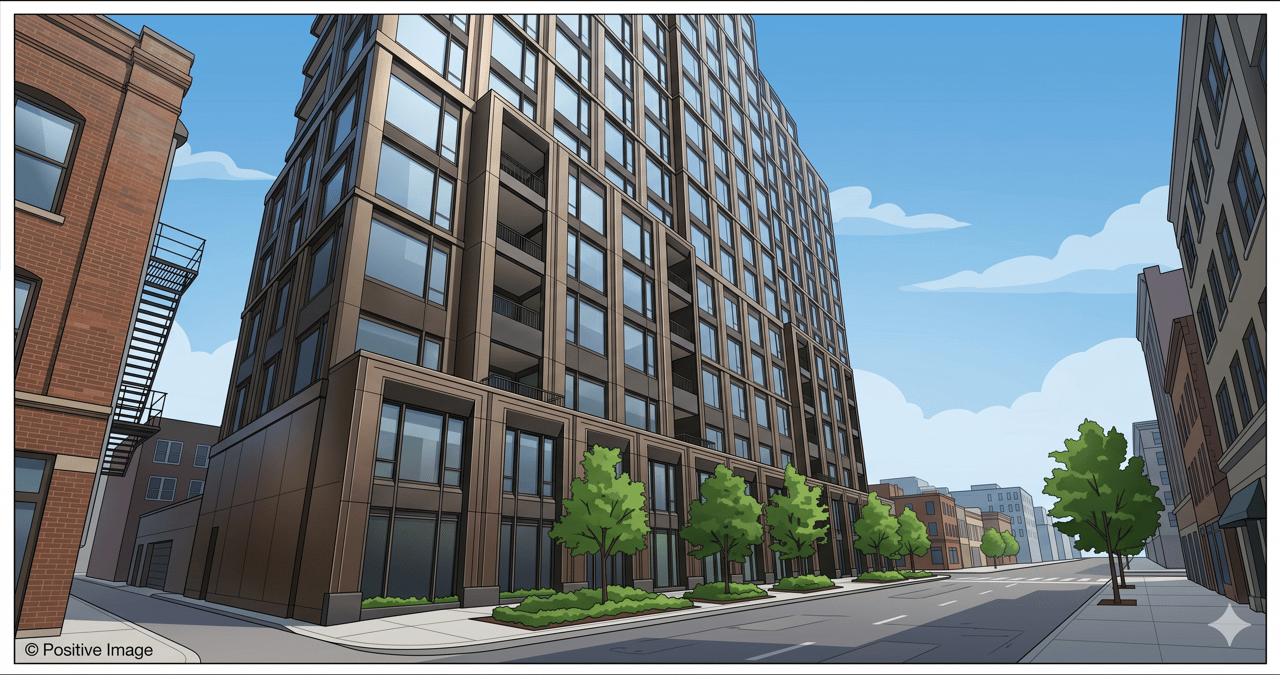
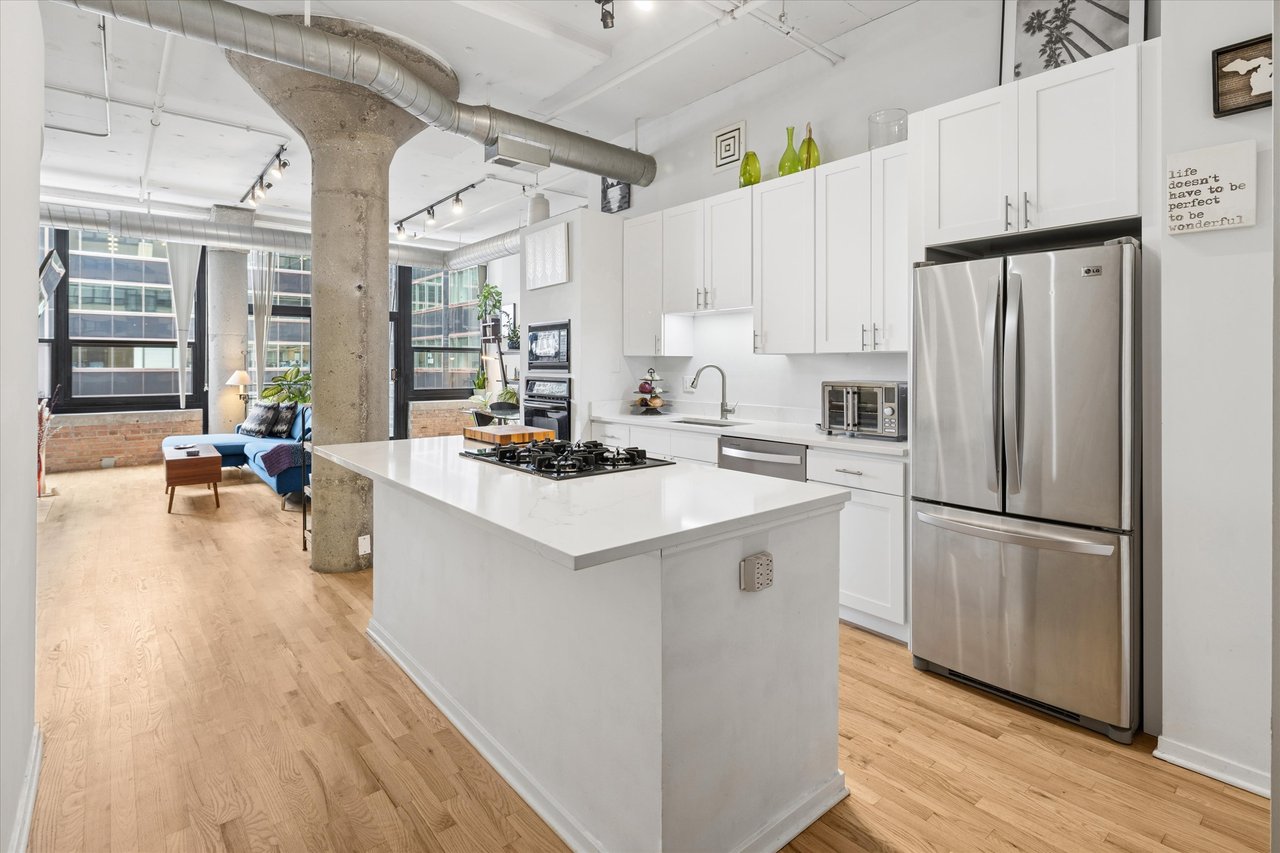
Downtown Chicago condo values swing by building, floor, exposure, view, parking, assessments, taxes, renovation level, and amenities. Two units in the same neighborhood can be miles apart in value.
So I start with what actually closed in your building. Not enough recent sales? I widen to buildings buyers would realistically compare. Then we adjust for what makes your unit different.
And you see ALL of it. Every comp. Every adjustment. Every reason the number moved.
Why Look at Active and Pending Listings Too?
Because closed sales only tell half the story.
- Closed sales show what buyers paid.
- Active listings show what buyers can choose TODAY.
- Pending listings show which price and feature combos are getting offers right now.
This matters even more when inventory is tight. According to Illinois REALTORS®, the City of Chicago had 3,541 homes for sale in August 2026, down 23.3% from August 2025. The same report counted 1,907 Chicago home sales that month, a 2.7% drop from a year earlier. Those numbers cover single-family homes and condos.
Fewer choices mean the handful of units competing with yours shape how buyers see your price.
How Should You Use Citywide and Metro Numbers?
As background. And always label the time period.
- The August 2026 figures cover August 1 to 31.
- The Institute for Housing Studies at DePaul University reports City of Chicago prices rose 5.7% year over year in Q2 2026 (April through June).
- The September reduction figure covers a later window.
Illinois REALTORS® also counted 14,028 homes for sale across the nine-county Chicago metro in August 2026, down 11.0% from a year earlier. That's WAY broader than Downtown. I don't use it to price a condo. It just confirms supply is tighter than last year.
Big-picture numbers set the mood. Your building sets the price.
How Different Are Downtown Chicago Submarkets?
VERY different. Look at these area-level medians for the trailing 90 days. These are area-wide numbers, not a price for your home. Days on market counts homes that sold, not time to go under contract.
Area | Median Sale Price | Median Days on Market |
|---|---|---|
West Loop | $330,500 | 58 |
River North | $390,000 | 52 |
South Loop | $380,000 | 53 |
Streeterville | $478,000 | 44 |
Gold Coast | $500,000 | 57 |
Source: trailing 90 days, as of October 2026.
Now zoom in on the West Loop. Recent local data from christinehancock.com shows 28 active listings, 15 new listings in the last 30 days, and 38 homes sold in about 90 days.
That's a SMALL pool.
One unusual sale can move a median. One overpriced competitor can change how your home looks next to it. An area median can't tell you which units belong in your comp set.
Your building, floor, view, and condition can.
What Happens If You Price Too High or Too Low?
Too high? You risk a stale listing and a cut later. Too low? You may leave money on the table.
The goal is a number the market can CONFIRM. Not one it has to be talked into.
What Does Overpricing Cost You?
You lose the launch window.
Buyers who would have toured in week one see a number they can't justify against the comps. So they pass. By the time you adjust, your listing has sat. And buyers can see that history.
Some sellers want to "test the market" with a high number. Sounds safe, right? It isn't. I've walked a lot of clients away from that plan, and I explain exactly why in my post on why testing the market costs you money.
Should You Price Below Market to Get Multiple Offers?
Sometimes. But a low price is NOT a magic trick.
Multiple offers come from three things working together:
- A price that looks like a clear opportunity
- Strong presentation
- Marketing that puts your listing in front of the right buyers fast
A low number with weak marketing? That just gives away value. Here's how I set up competition the right way in my Multiple Offers on a Chicago Condo playbook.
Want to see all three strategies side by side? Read my post on pricing above, at, or below market value.
The right strategy depends on your building, your competition, and your goals. That's a conversation we have with the comps on the table.
Does the Right Price Change for a Condo, Loft, or House?
The method stays the same. Start with the closest comps. Adjust for real differences.
What changes is what counts as a comp:
- Condo: other units in your building, plus the buildings buyers weigh against it.
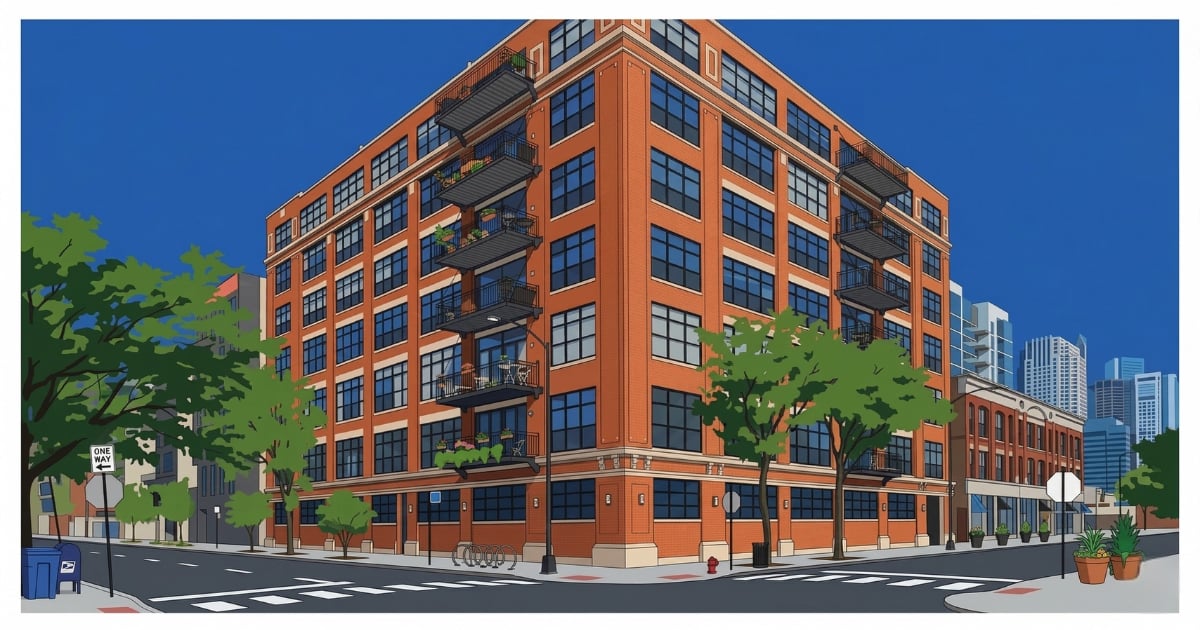
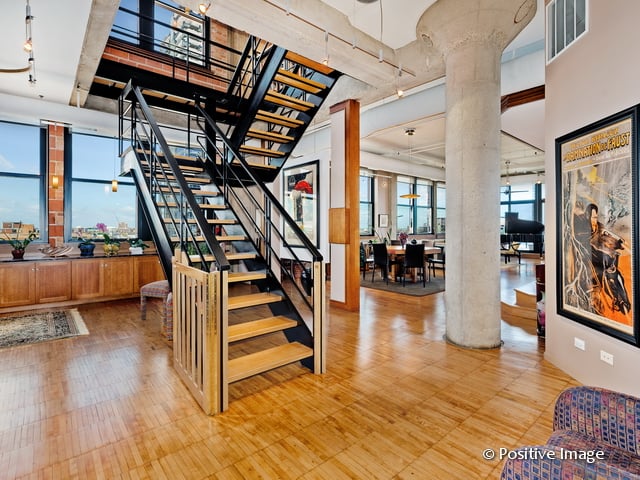
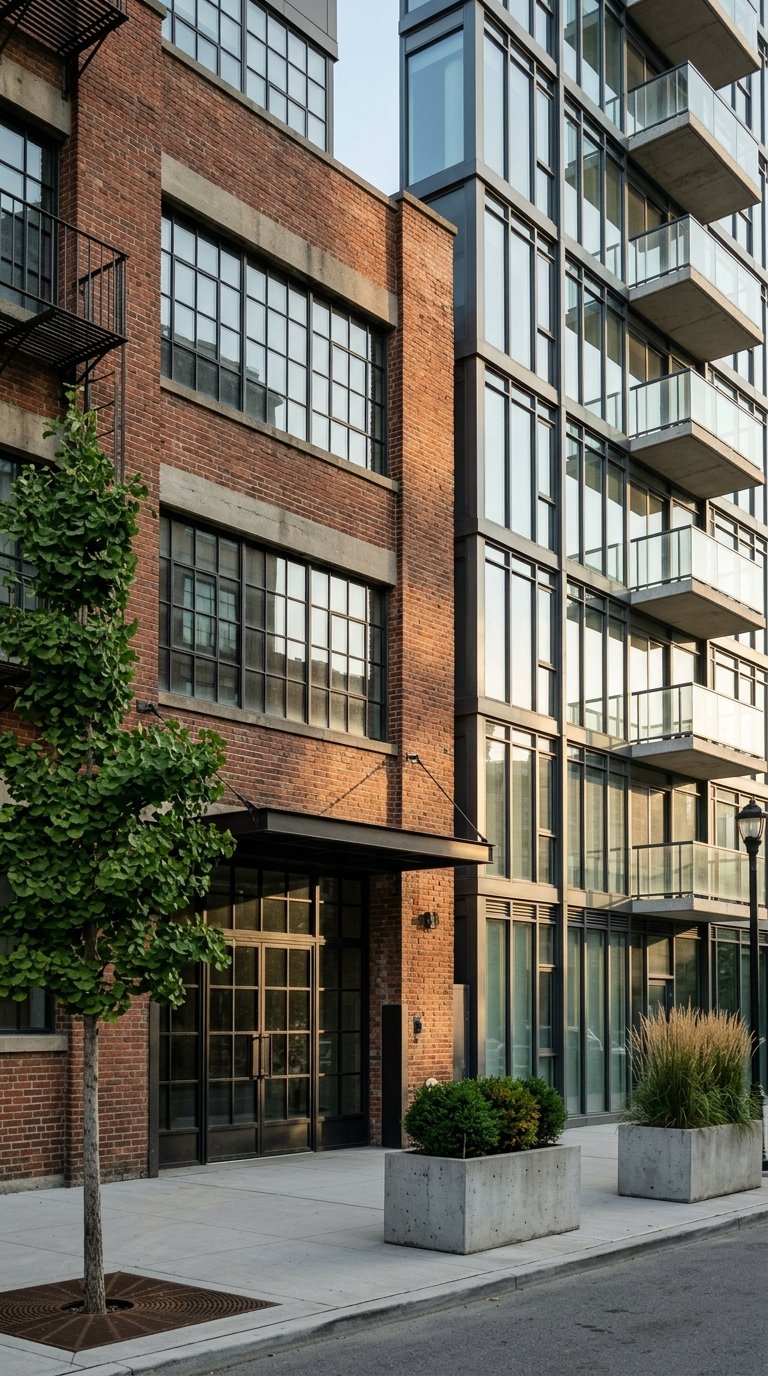
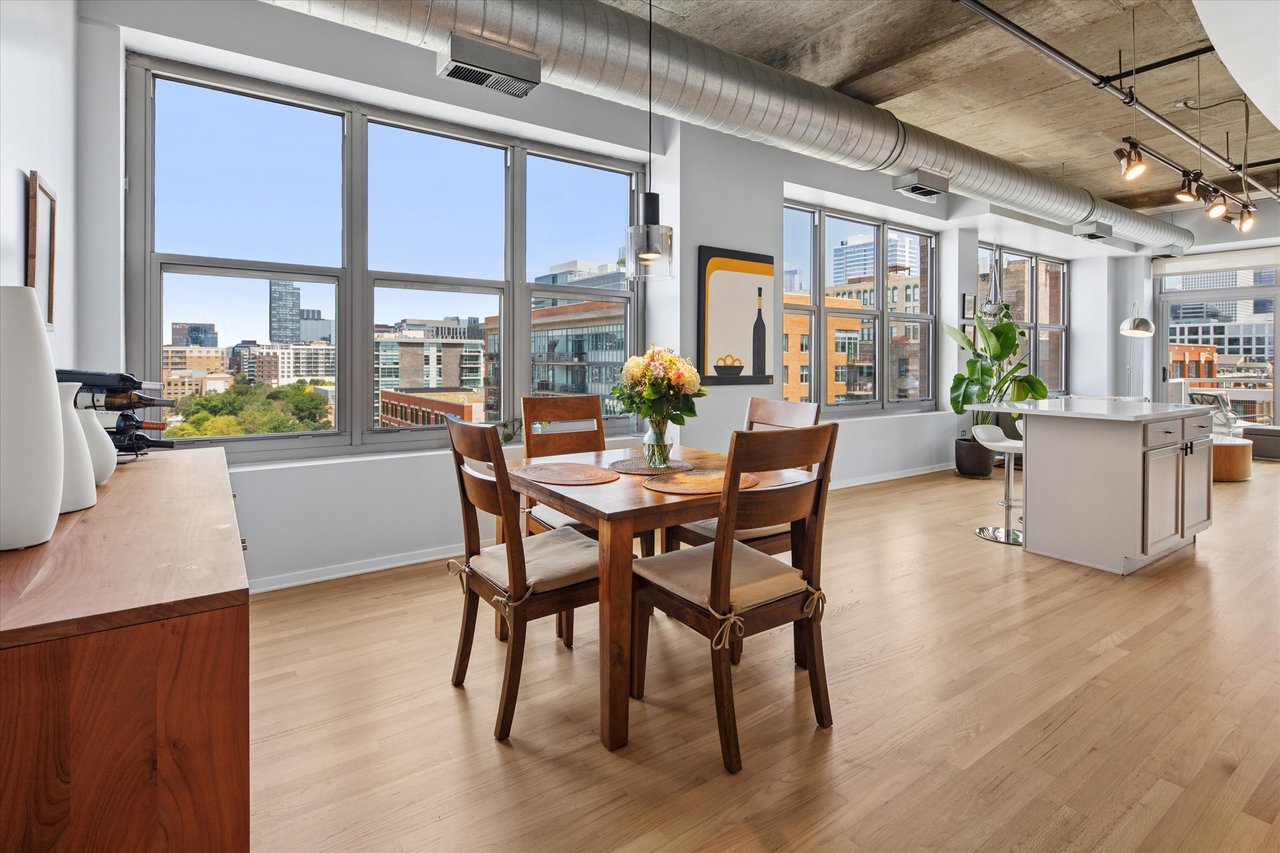
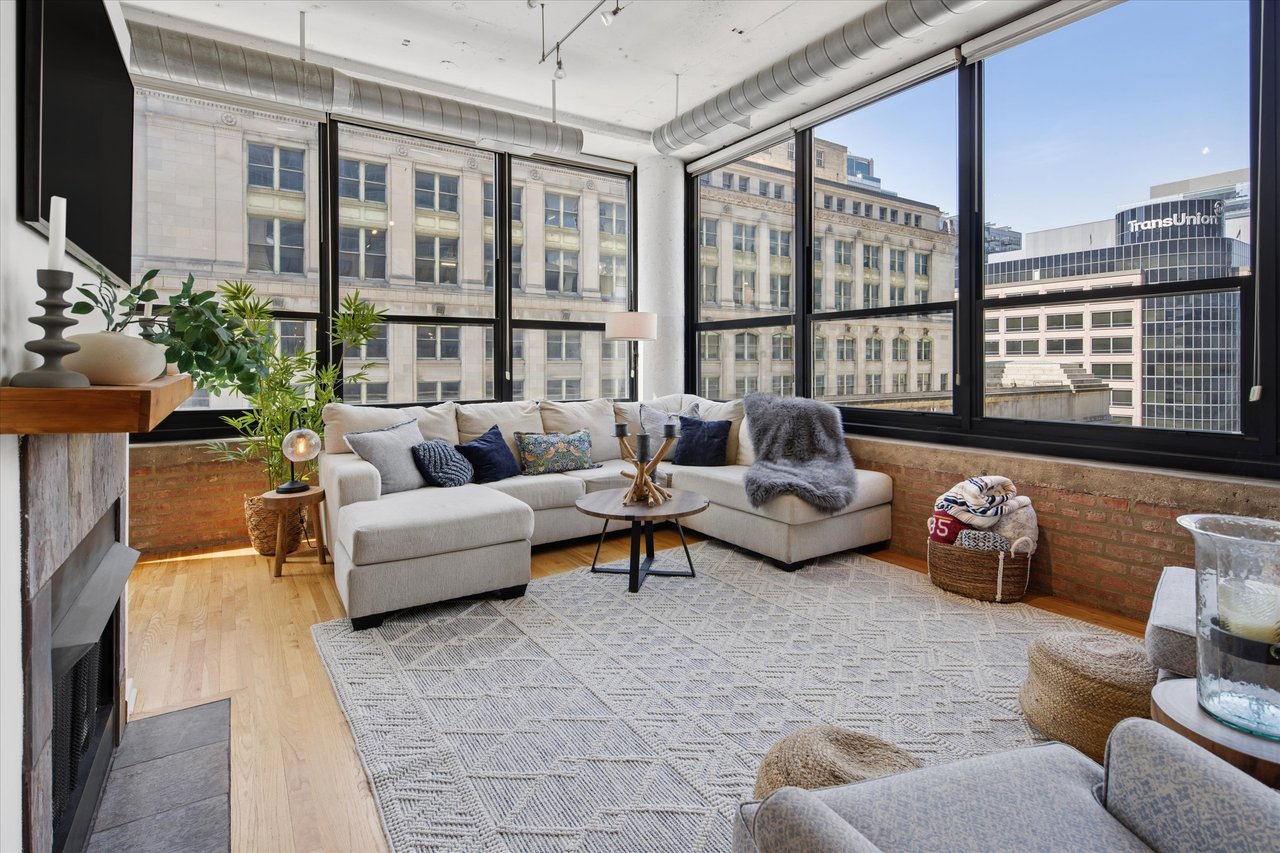
- Loft: your building, plus the character and layout that set it apart. At a building like Haberdasher Square Lofts at 728 W. Jackson, two lofts with the same square footage can price very differently.
- Single-family home: nearby sales with similar size, age, and condition.
Same playbook. Different comps.
What Should You Do Before You Set Your Price?
Get a pricing plan built on YOUR comps before you commit to a number. Here's the exact order I follow with my sellers:
- Pull closed sales from your building and the closest competing buildings.
- List the active and pending units buyers will compare you against this month.
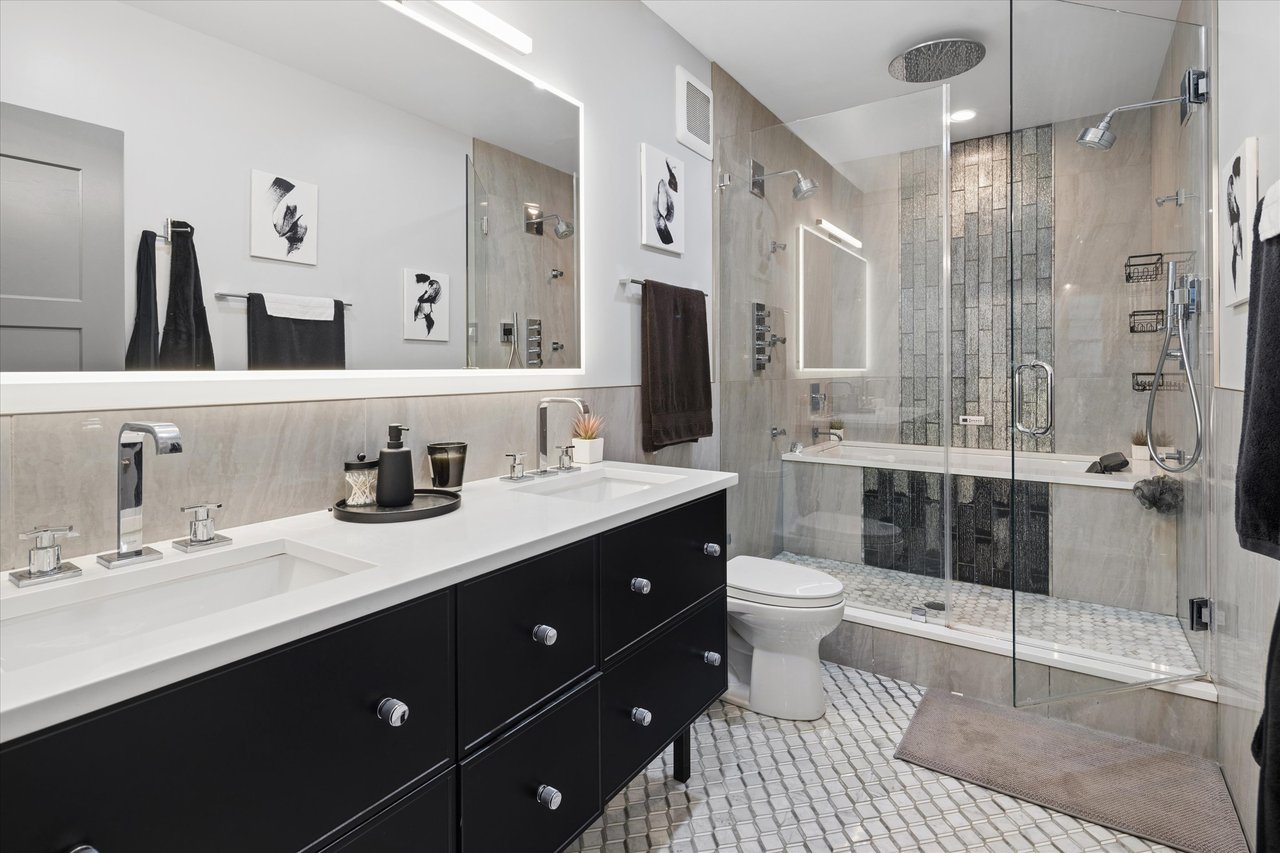
- Adjust for your unit's features: floor, exposure, view, parking, renovation level, assessments, and taxes.
- Set checkpoints before launch so we both know what we'll look at if showings or offers are slower than expected.
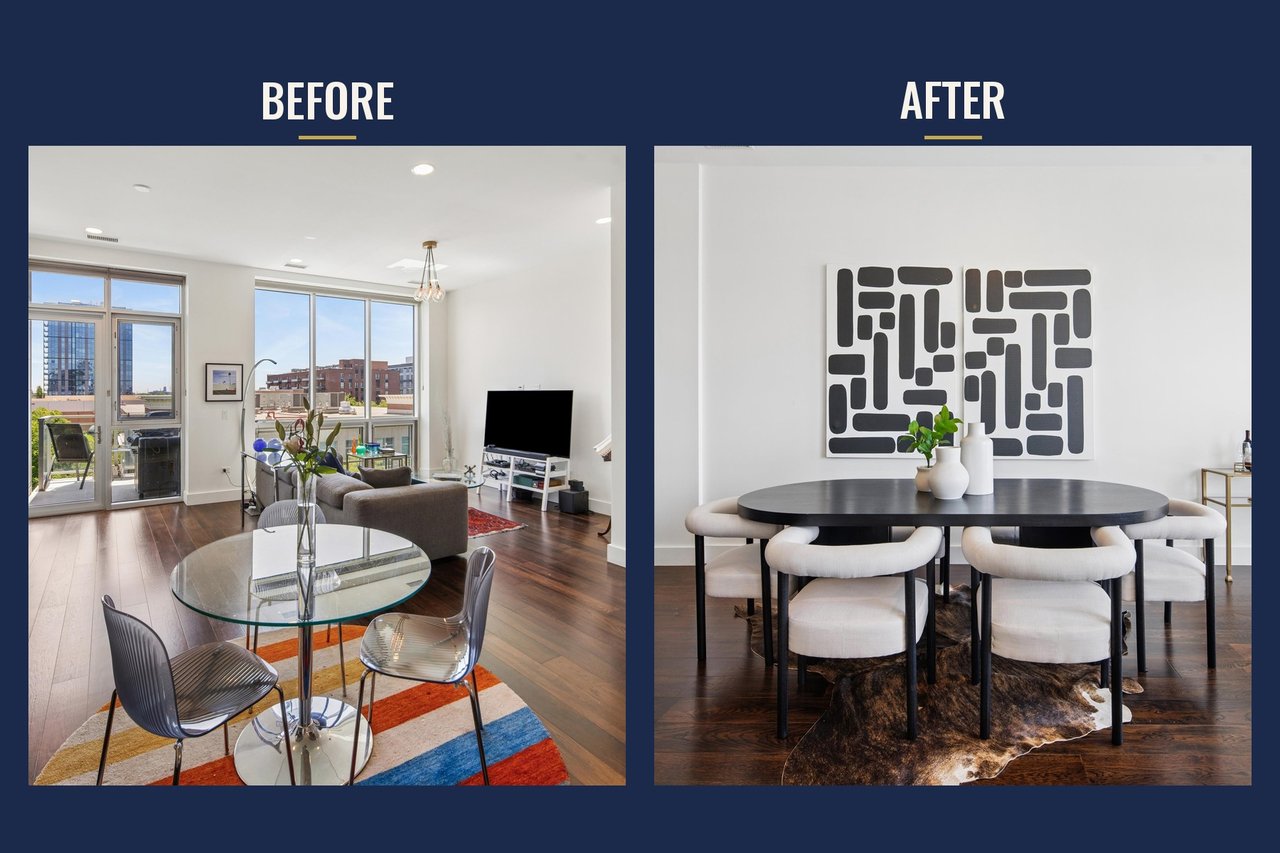
- Prep the home and the marketing so buyers see a price that's backed up by what's in front of them.
Your number depends on your unit, your building, and what's competing with you right now.
That's not a guess. That's a local market analysis.
Frequently Asked Questions
How do I choose the right list price for my Downtown Chicago condo?
Start with recent closed sales in your own building. Then add similar buildings and the active listings you'll compete with. Adjust for floor, view, exposure, parking, renovation level, assessments, and taxes.
Should I price below market value to attract multiple offers?
Not automatically. A sharp price can create competition, but it works best with strong presentation and marketing behind it. It depends on your building, your competition, and your timing.
What happens if I list my Chicago condo too high?
You risk missing the launch window, when buyer attention peaks. Buyers compare your home with every other option, and a number that doesn't match the comps often leads to a cut. In September 2026, 16.3% of Chicago listings had a price reduction.
How quickly should I reduce the price if there are no offers?
There's no universal timeline. Set your checkpoints BEFORE you launch. Then look at showing activity, buyer feedback, and how competing listings are moving.
Should I use sold units in my building or broader Downtown Chicago comps?
Your building first. It's the closest match on amenities, assessments, and layout. Not enough sales? Widen to buildings buyers would realistically compare.
Ready to Set a Price You Can Defend?
Your first listing price shapes how buyers see your home from day one. The best number comes from your building's real comps.
Thinking about selling? I'll build your pricing analysis WITH you and show you the numbers behind every recommendation.
Call or text Christine Hancock at 312-296-9300. Let's talk about what your unit is worth and the fastest path to the closing table.
About Christine Hancock
Christine Hancock is a seller-first Broker Associate with @properties Christie's International Real Estate. She has nearly 25 years in Downtown Chicago real estate and $200M+ in closed sales. She specializes in condos and lofts across the West Loop, River North, South Loop, Streeterville, Gold Coast, and Old Town, with deep building expertise at Metropolitan Place, Park Alexandria, and Haberdasher Square Lofts.
@properties Christie's International Real Estate · 312-296-9300
Equal Housing Opportunity. Christine Hancock, Broker Associate, @properties Christie's International Real Estate. This article is general information, not legal, tax, or financial advice. Confirm your own numbers with your real estate attorney, tax advisor, or lender.