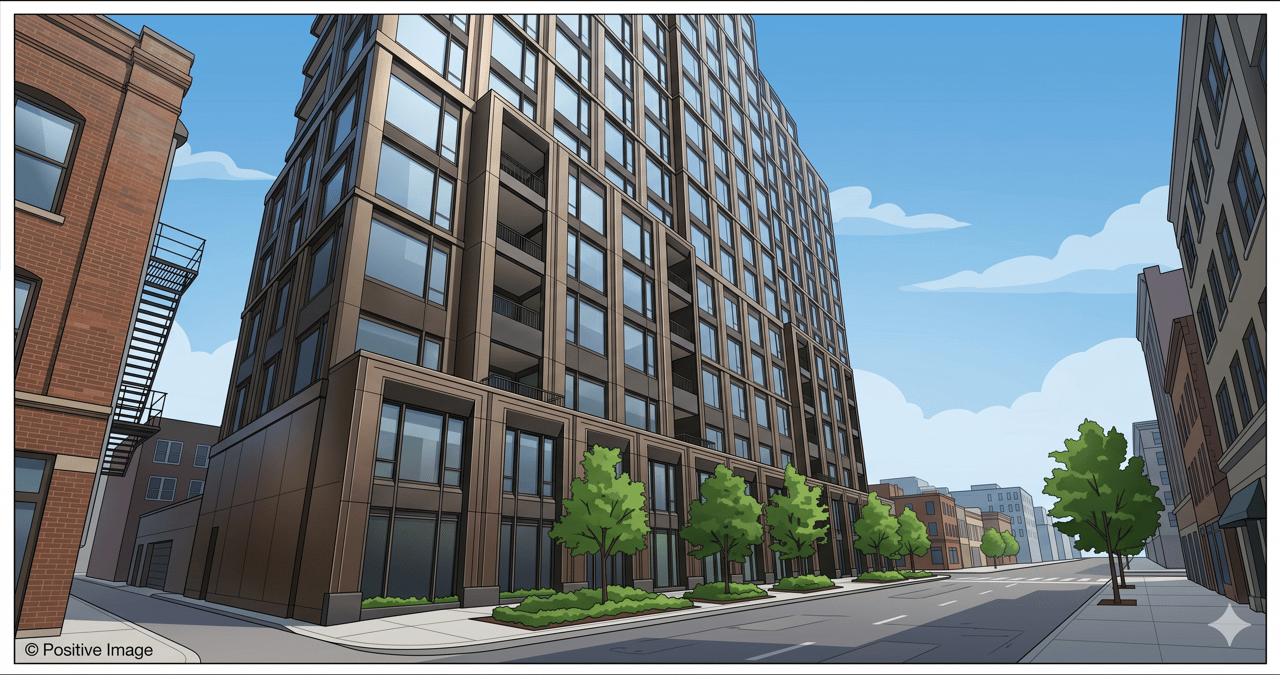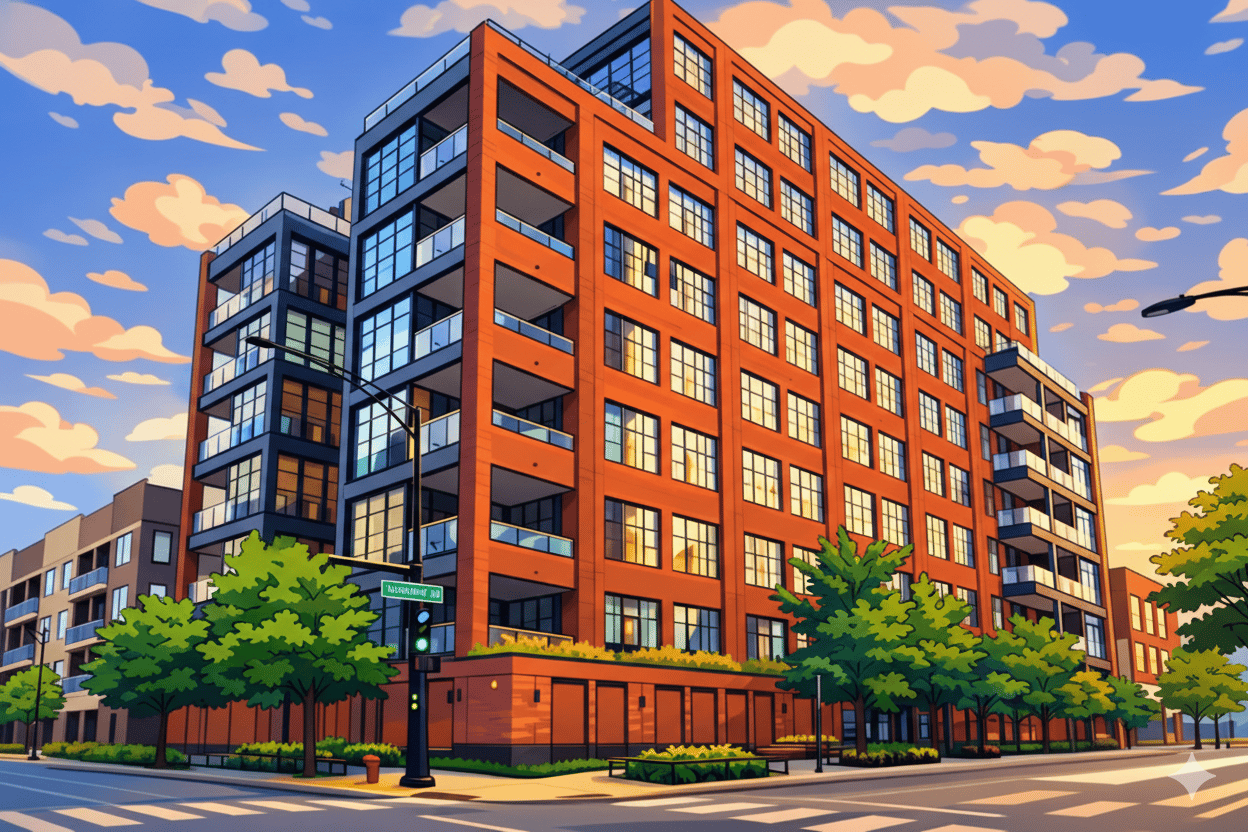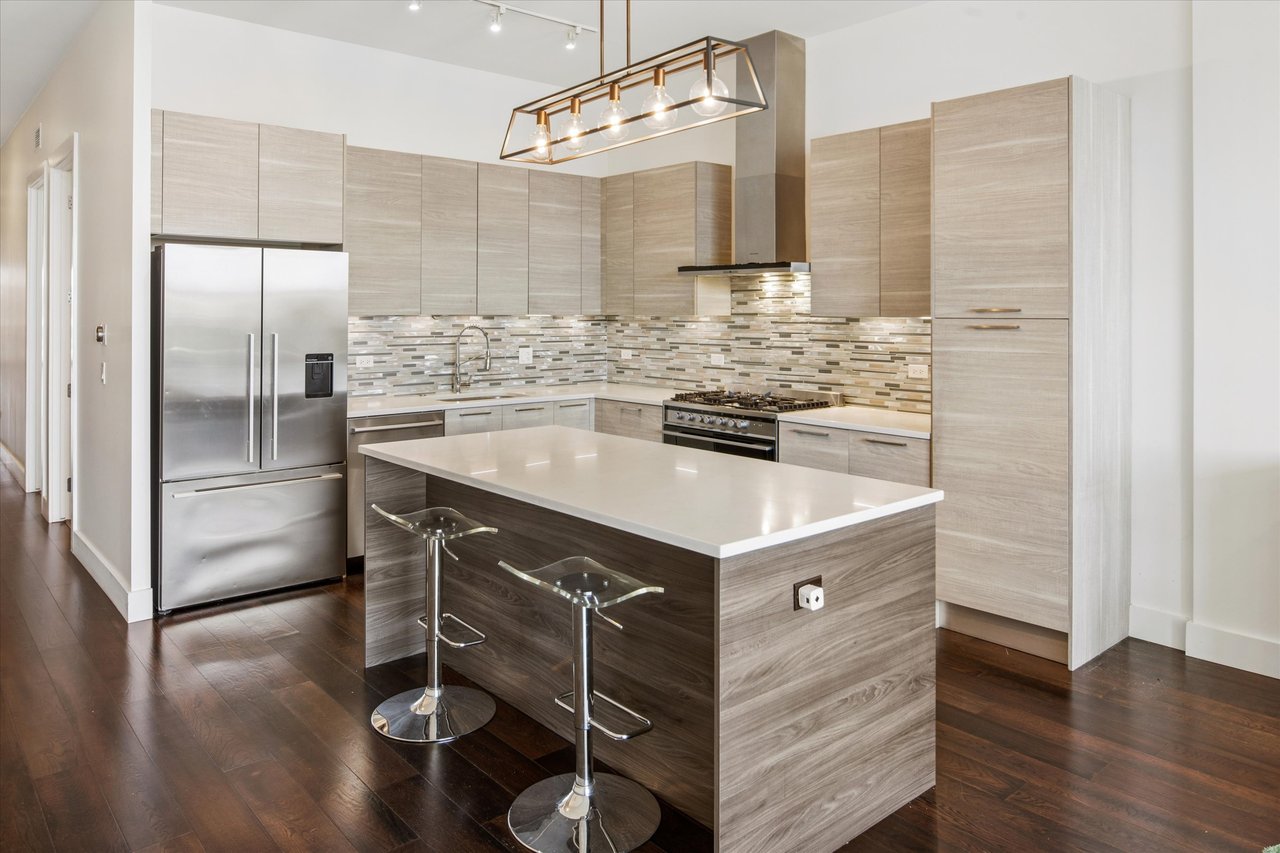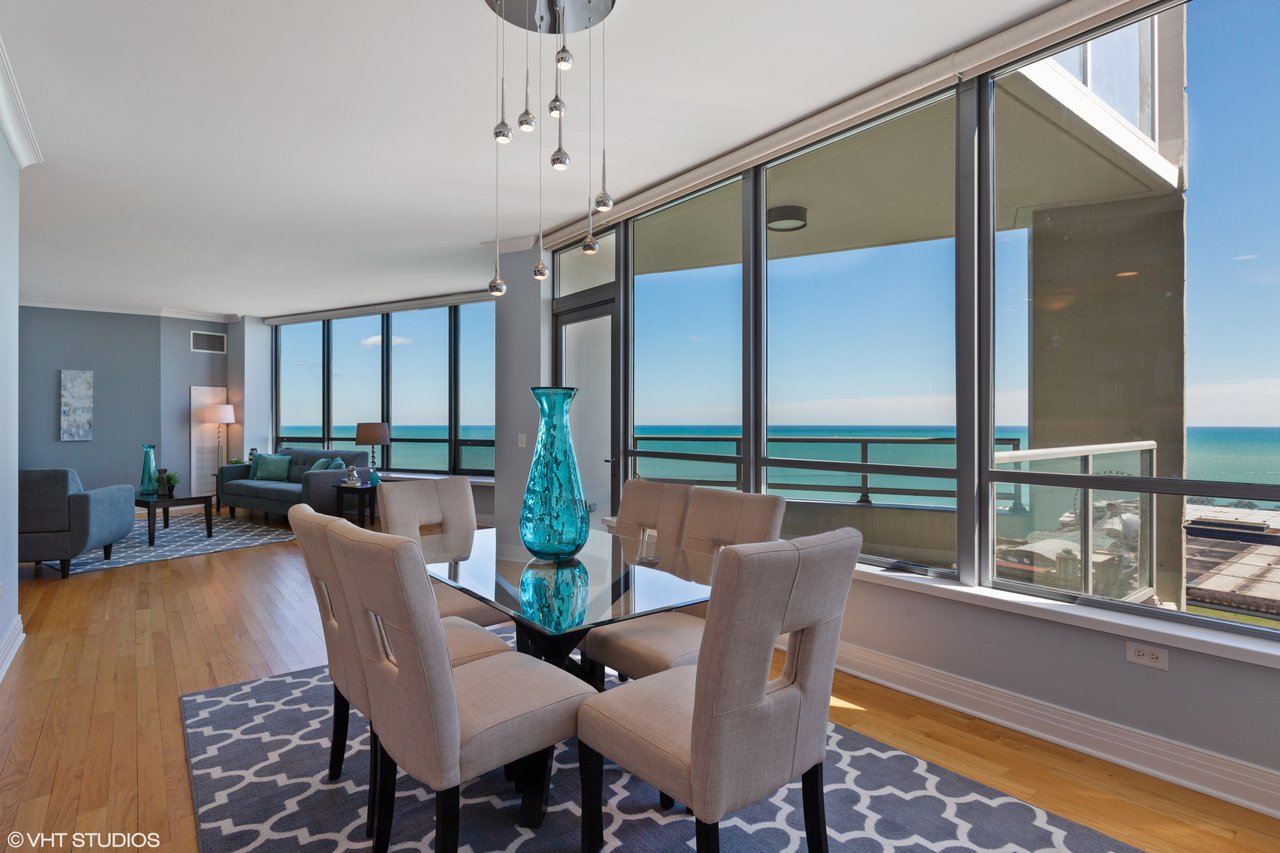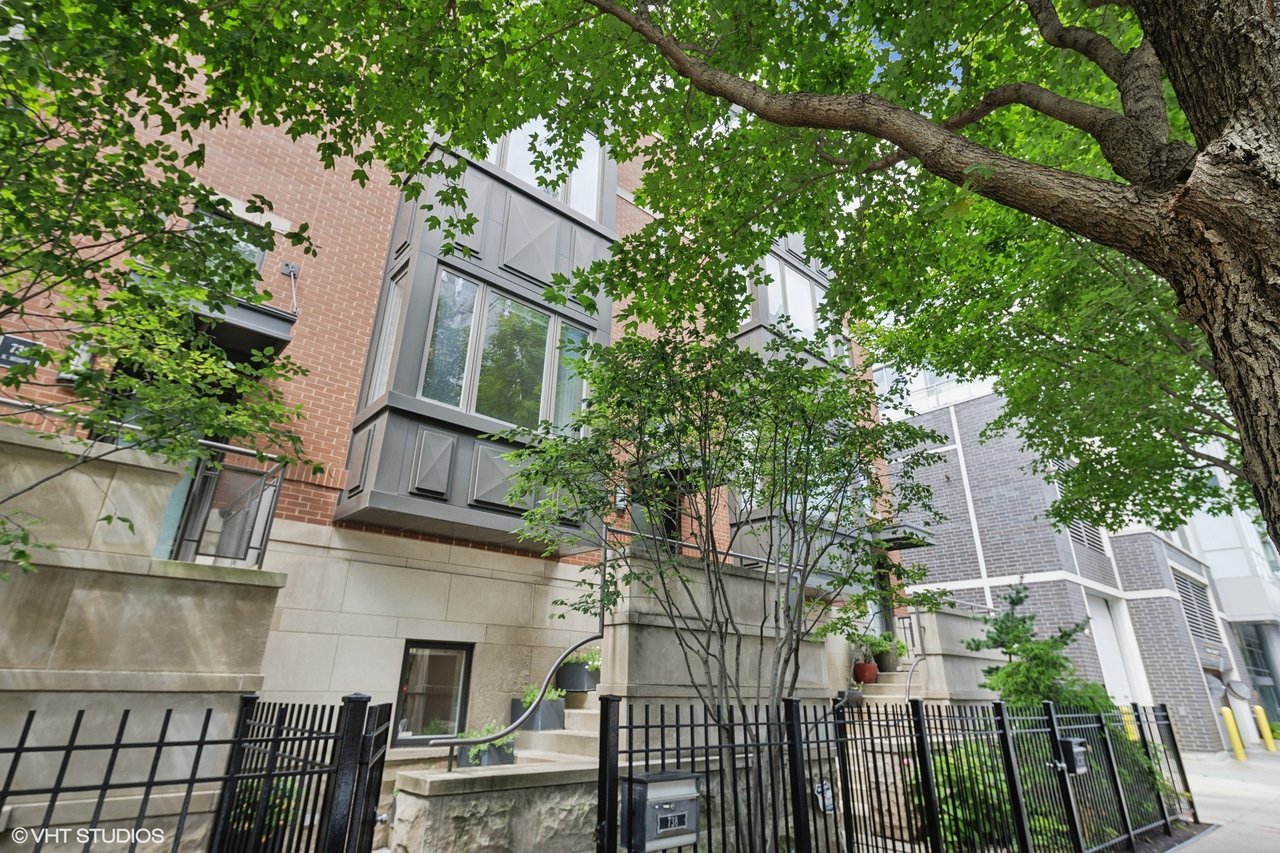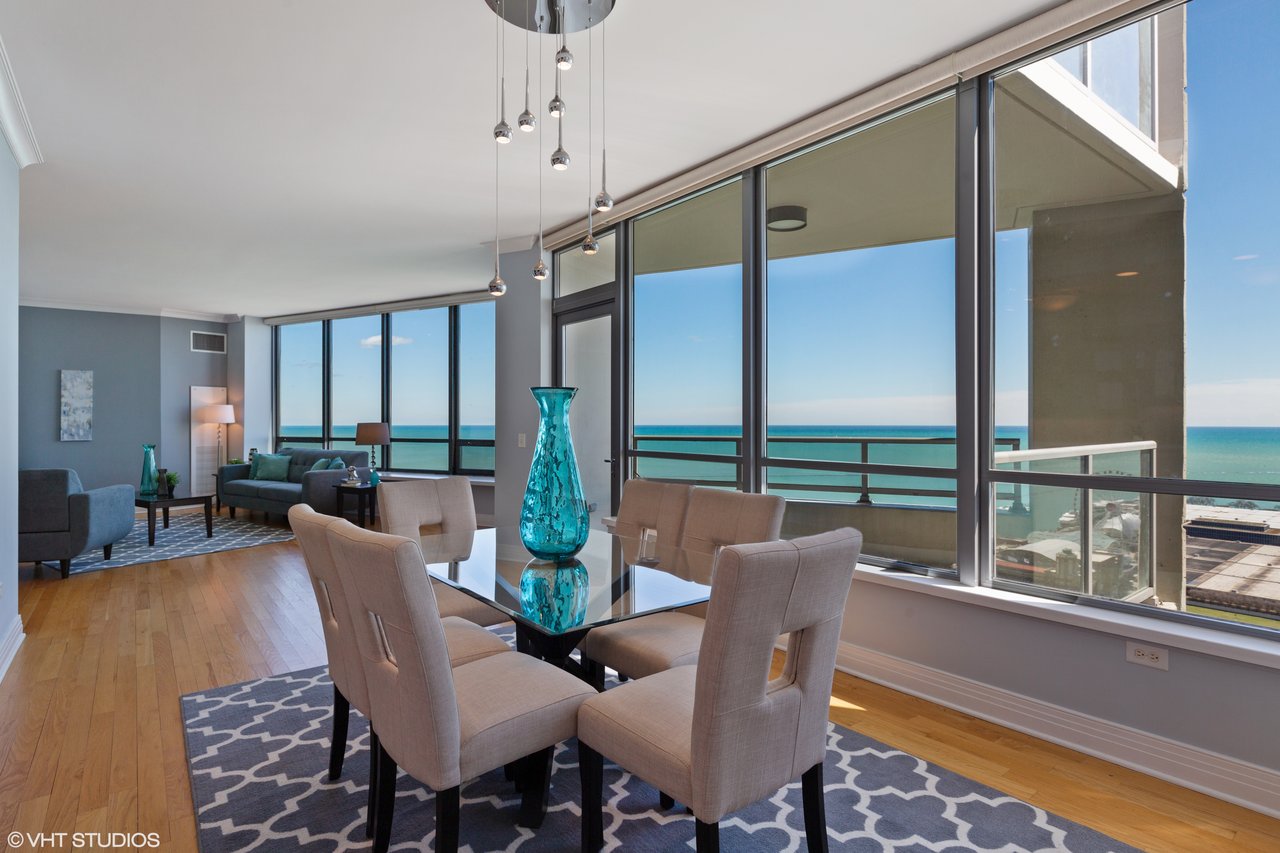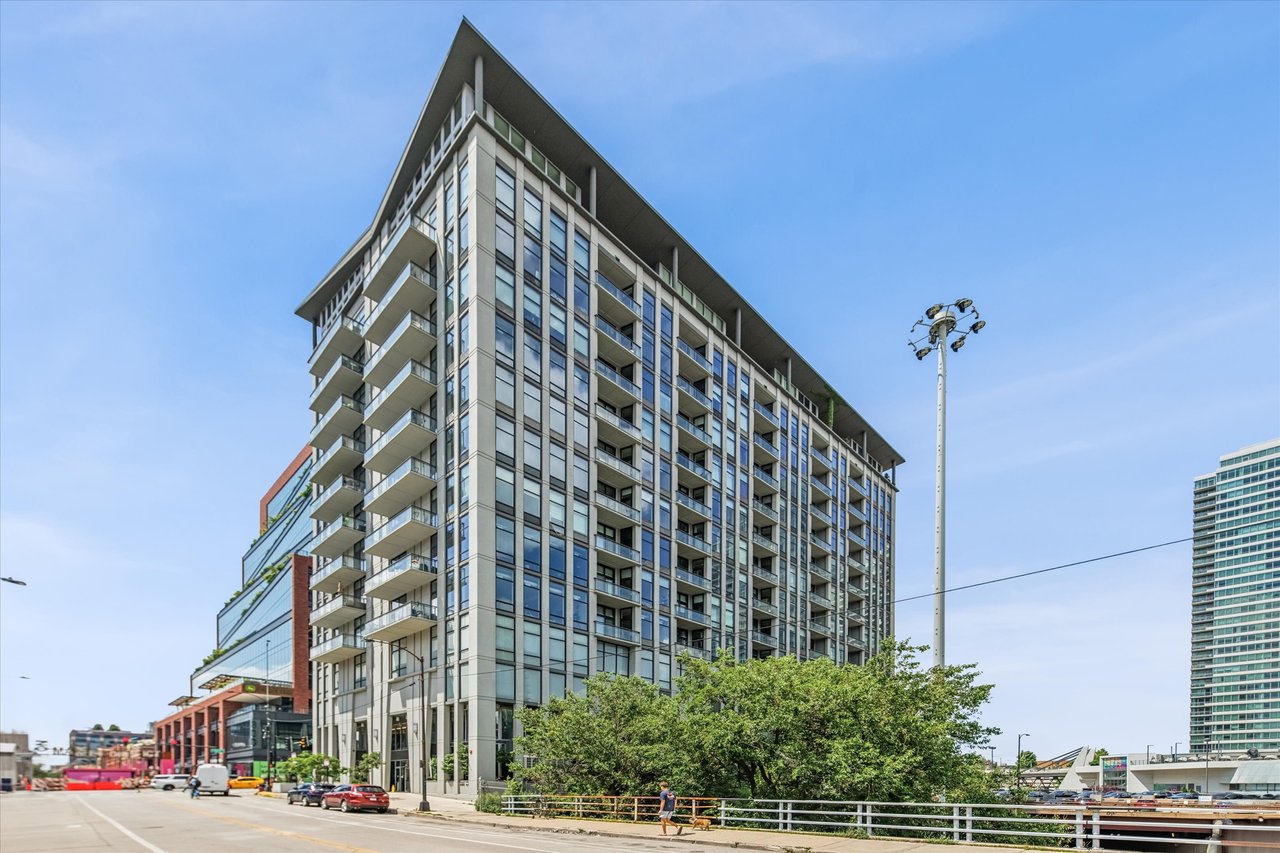
Before you touch the number, sort your listing’s results into four buckets: online views, showings, second showings, and offers. Where the activity stops tells you whether you have a price problem or a presentation problem. Fix the right one first, and a reduction, if you need one, works the first time.
Should You Lower Your Asking Price in Downtown Chicago?
Meta description: Thinking about lowering your asking price in Downtown Chicago? Learn how to tell a price problem from a presentation problem before you cut, from condo specialist Christine Hancock.
The Short Answer
Lower your asking price in Downtown Chicago only when the evidence points to price as the obstacle. If buyers are seeing the listing, showings are happening, and buyer agents keep saying the unit costs more than it feels worth next to comparable condos, a reduction is warranted. If views or showings are thin, fix presentation and exposure first, because a lower number on a listing nobody notices just becomes a lower number nobody notices.
Key Takeaways
- Across the wider West Loop market, homes that sold in roughly the last 90 days went under contract in a median of 26 days. That’s area-wide context, not a benchmark for your specific unit.
- Where buyer activity stops (online views, showings, second showings, or offers) tells you whether the problem is price, presentation, or deal structure.
- The best comparison for a Downtown condo is a competing unit in the same building, because buyers weigh assessments, parking, floor height, and renovations side by side.
- Illinois REALTORS® historical analysis found Chicago’s October median sale price from 2021 through 2025 was typically about 10% lower than June, so late-fall buyers tend to expect negotiation.
- Any reduction should come with a clear read on why it is happening and a fresh push in the marketing, not just a quiet edit to the price field.
I get this question from sellers who are tired of waiting, and I understand the pull to just change the number. After 25+ years and 300+ West Loop sales, I’ve learned one thing. The price isn’t always the problem. It’s the fastest lever you have. It’s also the one that’s hardest to undo, so I want you to pull it for the right reason.
How do you know if your asking price is the problem?
You know it’s a price problem when buyers see your listing, tour the unit, and keep choosing something else. If the activity dies before the showing stage, the issue is usually somewhere else.
Here’s how I read the signals with my clients. Each one points to a different first move.
What you’re seeing | What it usually points to | First move |
|---|---|---|
Few online views | Presentation or exposure gap | Review lead photo, headline, floor plan, listing completeness, and portal feed accuracy |
Online views but few showings | Price positioning or access friction | Compare against competing listings and review showing restrictions and access instructions |
Showings but no second showings or offers | Condition or value concerns | Gather recurring buyer-agent comments |
Offers or repeated requests for concessions | Price or deal structure | Compare proposed terms to recent comparable sales and active competition |
Low online engagement
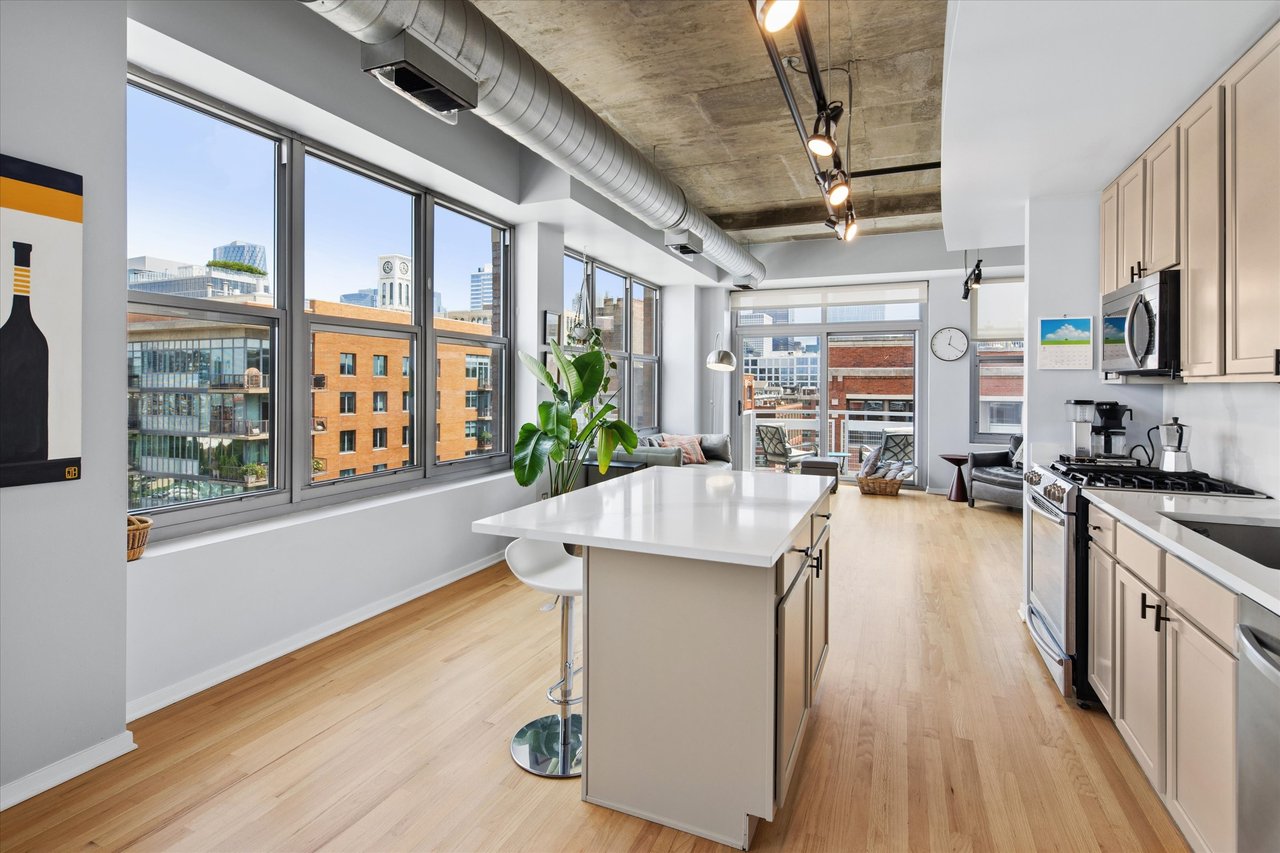
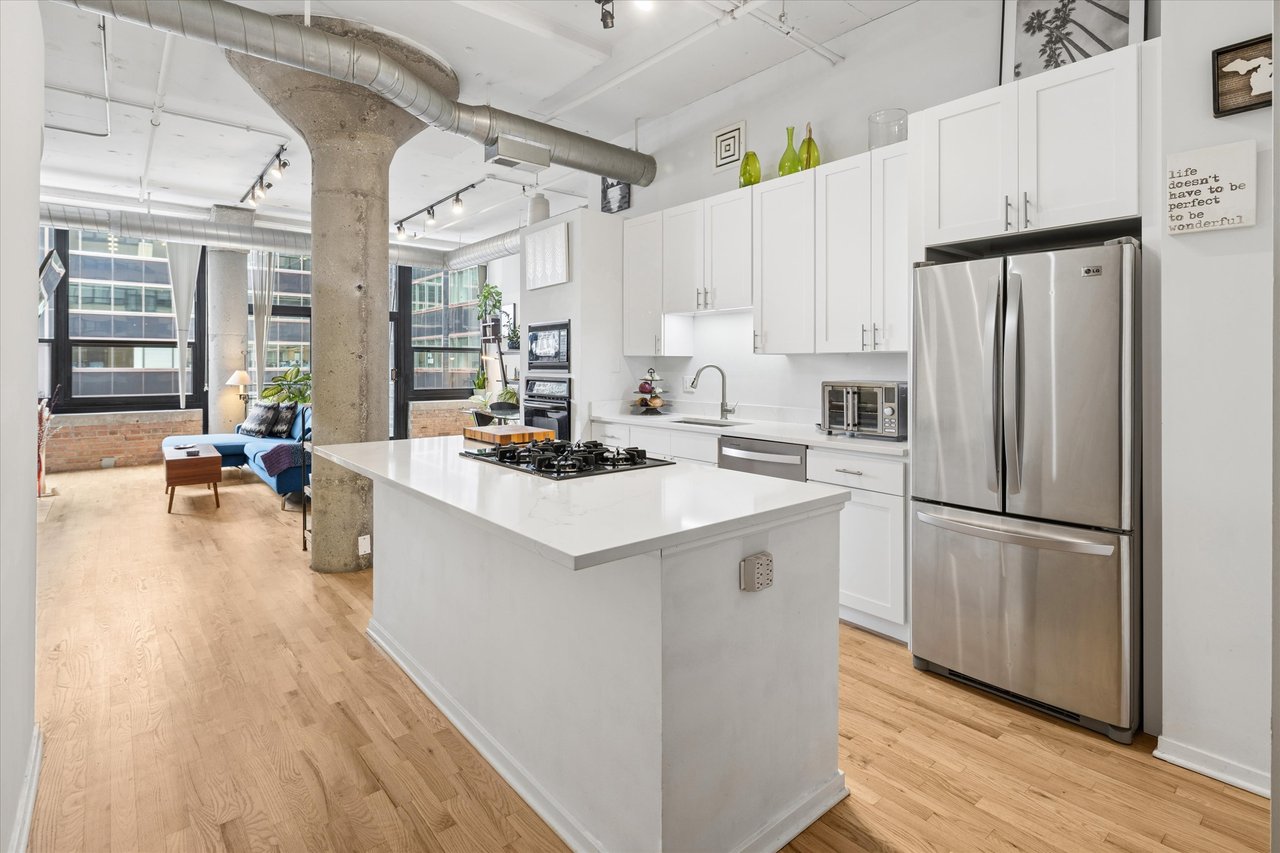
If people aren’t clicking, price is rarely the first suspect. Look at the first photo, the room order, the headline, and the floor plan. Check that the listing is complete and shows up correctly on the portals buyers use.
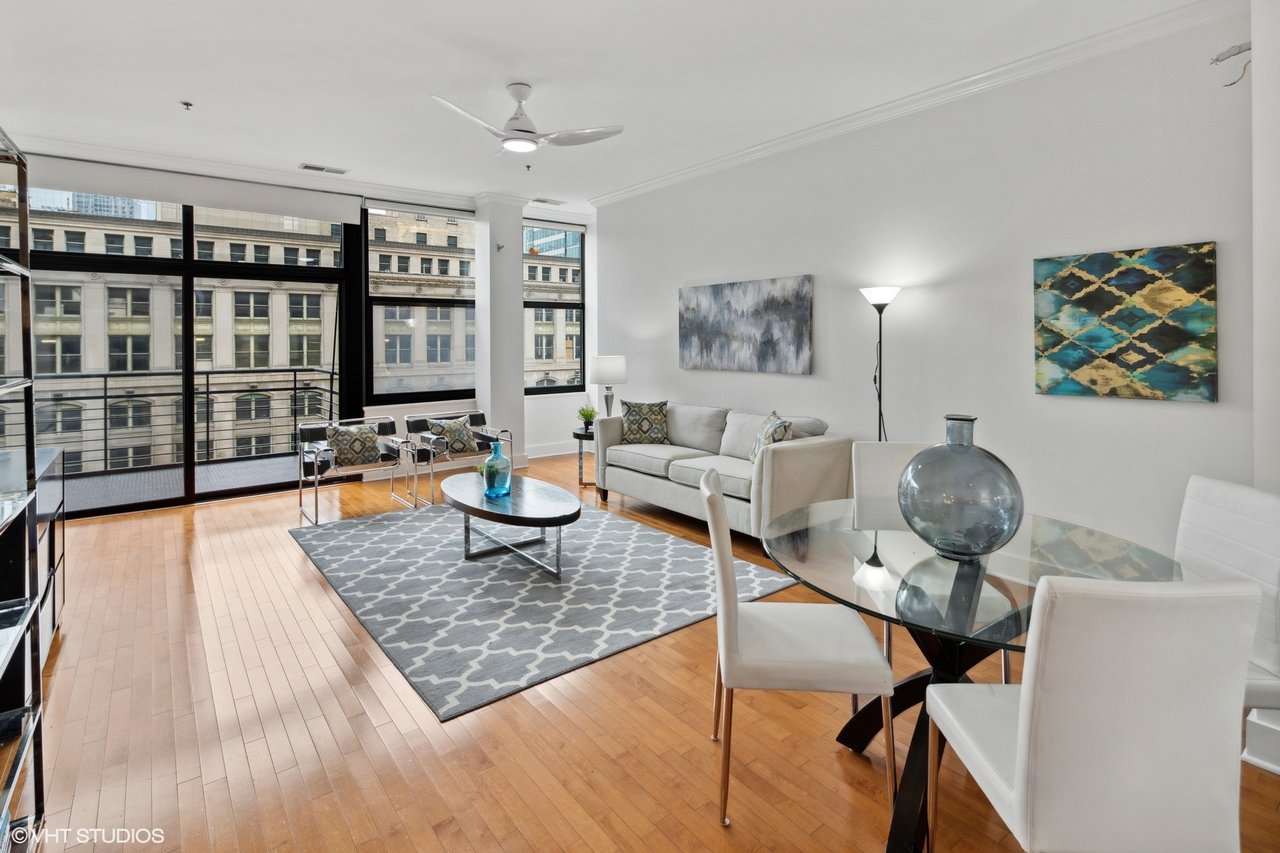
A polished, professionally marketed listing tells buyers the unit is worth their time before they ever walk in. A weak first photo does the opposite, whatever the price is.
Online views but few showings
This is the gray zone. Buyers are curious but not booking. That can mean the price sits above what the unit seems to offer, or it can mean the photos promise something the room doesn’t deliver. It can also mean showings are hard to schedule.
Check the access instructions and any restrictions. Pets, tenants, and limited showing windows quietly cut your tour count.
Showings but no second showings or offers
Now you have real buyer feedback, and it’s the most valuable data you’ll get. Listen for patterns. If several buyer agents mention the same thing, whether it’s noise, layout, condition, assessments, taxes, or parking, that’s the market talking.
One comment is an opinion. Four of the same comment is a pricing signal.
Offers or repeated requests for concessions
An offer, even a low one, means the unit has demand. Before you reduce, compare the terms to recent comparable sales and what’s actively competing. Sometimes the issue is deal structure, not the number on the listing.
What should you check before changing your asking price in Downtown Chicago?
Check your competitive set, your market-time history, and your presentation, in that order. Tie every price change to evidence. These three checks give it to you.
How do you compare your listing with competing condos?
Compare it with the units buyers are actually weighing against yours, starting with other listings in your own building. Downtown Chicago is not one market. Results can differ a lot among the Loop, River North, Streeterville, the South Loop, and the West Loop, and a citywide average won’t tell you what a buyer sees across two units on different floors of the same tower.
Build your comparison from:
- Current active listings
- Pending listings, when your agent can see them
- Recently withdrawn or expired listings
- Closed sales from comparable units
Then control for building, bedroom count, approximate size, parking, renovations, view, floor, assessment level, and whether the unit is occupied. Buyers compare monthly assessments and parking directly, so you should too. I walk my clients through this comparison before we ever discuss a reduction. If you want the longer version, I cover it in why your Downtown Chicago condo is sitting.
How should you read days on market?
Read it carefully, because days on market can mislead. Market-time statistics usually describe homes that already sold. Your unsold listing keeps accumulating exposure, and a relisting can reset the count on the portals while the true history stays in the MLS.
For area-wide context only, recent local market data for the wider West Loop area shows that homes sold over roughly the last 90 days went under contract in a median of 26 days. There are 30 homes for sale right now, and 13 new listings hit in the last 30 days. That tells you the area is moving, but it doesn’t tell you how your condo should perform. Your unit’s number depends on its building, price tier, condition, and timing.
The broader numbers have the same limit. Illinois REALTORS® reported 7,326 closed sales across the Chicago metro area in September 2026. That’s a metro figure and says nothing about your building. For local statistics, the Chicago Association of REALTORS® statistics page publishes market-time and price data for Chicago, and your listing’s own MLS history shows your price changes and exposure.
What presentation fixes come before a price cut?
If exposure is low, work through this list first:
- Professional photography, with the strongest image leading
- Accurate measurements and a usable floor plan
- Complete amenity and assessment information
- Clear showing availability and easy access instructions
- Clean, staged rooms
- Prominent mention of parking or storage, if the unit has it
Every one of these costs far less than a price cut. The biggest mistake I see is sellers skipping this step and going straight to the price. If you’re still deciding how much to invest before listing, my post on whether you should remodel before selling your Chicago condo walks through that call.
How do you lower the asking price in Downtown Chicago the right way?
Make the reduction large enough that buyers and agents notice it, tie it to your evidence, and relaunch the listing with fresh energy. A token cut rarely changes behavior, and a quiet one often goes unseen.
Does late fall change the decision?
It can, mostly through buyer expectations. A Chicago Sun-Times report from October 2026 cites Illinois REALTORS® historical analysis finding that Chicago’s median sale price in October from 2021 through 2025 was typically about 10% lower than in June. That’s a citywide seasonal pattern, not a Downtown forecast and not a rule for your unit.
The same report notes that sellers whose properties are still without offers into October may become more willing to accept below-list offers, reduce the asking price, or provide concessions. Practically, that means buyers touring now may assume there’s room to negotiate. It’s one more reason to know your evidence before you respond to them.
Should you lower the price or offer a buyer credit?
Lower the price when the issue is perceived value across the board. Consider a credit when one specific item keeps coming up, like an outdated feature or a one-time cost a buyer is worried about.
A price cut changes how your listing appears in searches and alerts. A credit mostly helps once a buyer is already at the table. Lender rules on seller concessions vary by loan type, so confirm the details with a lender, and have your real estate attorney review any contract language before you agree to terms.
What does a smart reduction look like?
Base it on evidence. Several signals should point the same way: adequate exposure and showings, stronger activity on comparable units, and repeated buyer feedback about value.
Do it once, decisively. A series of small cuts signals a seller who’s chasing the market. I lay out why in how sellers lose money by overpricing Downtown Chicago condos.
Relaunch the marketing. Refresh the lead photo, update the description, and tell the buyer agents who’ve already toured.
Know your starting point. How you first priced the unit shapes everything after, which I cover in pricing your Downtown Chicago home right from day one.
Your specific number depends on your building, your unit, and how it stacks up against what’s competing right now. That’s where a local market analysis earns its keep.
FAQ
How long should I wait before lowering the price on a Downtown Chicago condo?
There’s no fixed waiting period that fits every unit. What matters is whether you’ve had enough exposure to judge. If your listing has been live with strong marketing, steady online views, and open access for showings, and buyers still aren’t responding, the evidence is ready. If exposure was weak, fix that first and reassess.
How many showings should I get before I consider a reduction?
There’s no magic number, because it depends on your building, price tier, and competing inventory. Compare your showing count to similar units in your own building and nearby. If comparable condos are drawing more tours and yours isn’t, that points toward price or presentation.
What does it mean if my listing gets online views but no showings?
It means buyers are interested enough to click but not convinced enough to book. Common causes are a price that looks high against competing listings, photos that don’t match the in-person experience, or showing restrictions that make a tour hard to schedule. Check access and presentation before assuming it’s the price.
Should I lower the price or offer a buyer credit?
Lower the price if buyers broadly feel the unit is overvalued, and consider a credit if one specific issue keeps coming up. Credits depend on the loan type and contract terms, so confirm them with your lender and have your real estate attorney review the language.
The core takeaway is simple: diagnose before you discount. If you’re unsure whether your asking price in Downtown Chicago is the real obstacle, I’ll go through your showing activity, buyer feedback, and competing listings with you. You’ll get a straight answer, along with the numbers behind it. Call or text me at 312-296-9300 to schedule a consultation, and we’ll look at your listing together.
About Christine Hancock
Christine Hancock is a seller-first real estate expert with The Hancock Group at @properties Christie’s International Real Estate. She helps Chicago homeowners strengthen their market position through strategic preparation, data-driven pricing, and marketing that builds real demand, with a focus on the West Loop, River North, South Loop, Old Town, and Streeterville, and a track record of sales throughout Downtown Chicago.
@properties · 312-296-9300
Equal Housing Opportunity. Christine Hancock, Broker Associate, licensed by the Illinois Department of Financial and Professional Regulation. This article is general information, not legal, tax, or financial advice. Confirm your own numbers with your real estate attorney, tax advisor, or lender.