Downtown Chicago Listings: Why the First Two Weeks Win
Why do the first two weeks on market matter so much for a Downtown Chicago listing? Because that is when buyer attention peaks. Serious buyers watch for new inventory, agent networks are primed, and the market has not formed an opinion about your condo yet.
THE SHORT ANSWER
The first two weeks are the highest-leverage window in any Downtown Chicago listing. A coordinated launch, accurate pricing, professional media, and pre-market exposure are what separate listings that draw competitive offers from listings that go stale. Recovering from a stale listing is far harder than launching correctly the first time.
You get one launch.
Not two. One.
And here is the part most sellers underestimate: the work that determines how those first two weeks go happens before the listing ever goes live. By the time your condo hits the MLS, the outcome is already largely set.
So let's talk about what actually goes into that window, and what the Downtown Chicago numbers say about why it matters more here than almost anywhere else in the city.
What do the days on market numbers really tell Downtown Chicago sellers?
Start with the citywide picture. According to Realtor.com's July 2026 Chicago market update, the citywide median days on market sits at 35 days, roughly three weeks faster than the national median of 57 days that same month.
That sounds like a seller's market. For much of Chicago, it is.
Downtown is a different animal.
A report from The Real Deal in April 2026 noted that downtown properties, spanning Gold Coast through the South Loop, carried a median of 91 days on market as recently as February 2026, compared with a citywide median of 69 days that month. That gap has been narrowing. It has not closed.
And the spread inside downtown is just as wide:
Area | Median Sale Price | Median Days on Market |
|---|---|---|
River North | $399,000 | 10 |
Streeterville | $475,000 | 42 |
Lincoln Park | $775,000 | 16 |
These are area-level medians from aggregated public listing data, trailing roughly 90 days as of August 2026. Any individual condo's value and timeline depend on condition, floor, building, and how the launch is executed.
Read that table again.
River North and Lincoln Park are clearing in under three weeks at the median. Streeterville is closer to six. Same downtown. Same city. Completely different sale timelines.
If your building or your price point sits in a slower-moving segment, a deliberate launch strategy is not a nice-to-have. It is the entire game.
How do you build a launch that creates real demand?
Here is the framework I run with every Downtown Chicago condo seller, in order.
1. Price it to perform from day one
This is the single variable that determines whether everything else works.
Downtown Chicago buyers are informed. In higher-HOA-fee buildings and Streeterville's luxury tiers especially, they scroll past anything that feels mispriced without a second look.
According to Redfin's Downtown Chicago market data, homes are going pending in around 53 days on average, down from 62 days a year earlier. That is real improvement. It also means buyers still have room to be selective.
Local agents, myself included, treat days 14 through 21 as the natural checkpoint. If showings and online engagement are soft by then, the cause is almost always price. Not the marketing. Not the photography. Price.
The time to calibrate that is before launch, not after you have already spent your best two weeks finding out.
2. Treat the presentation as the product
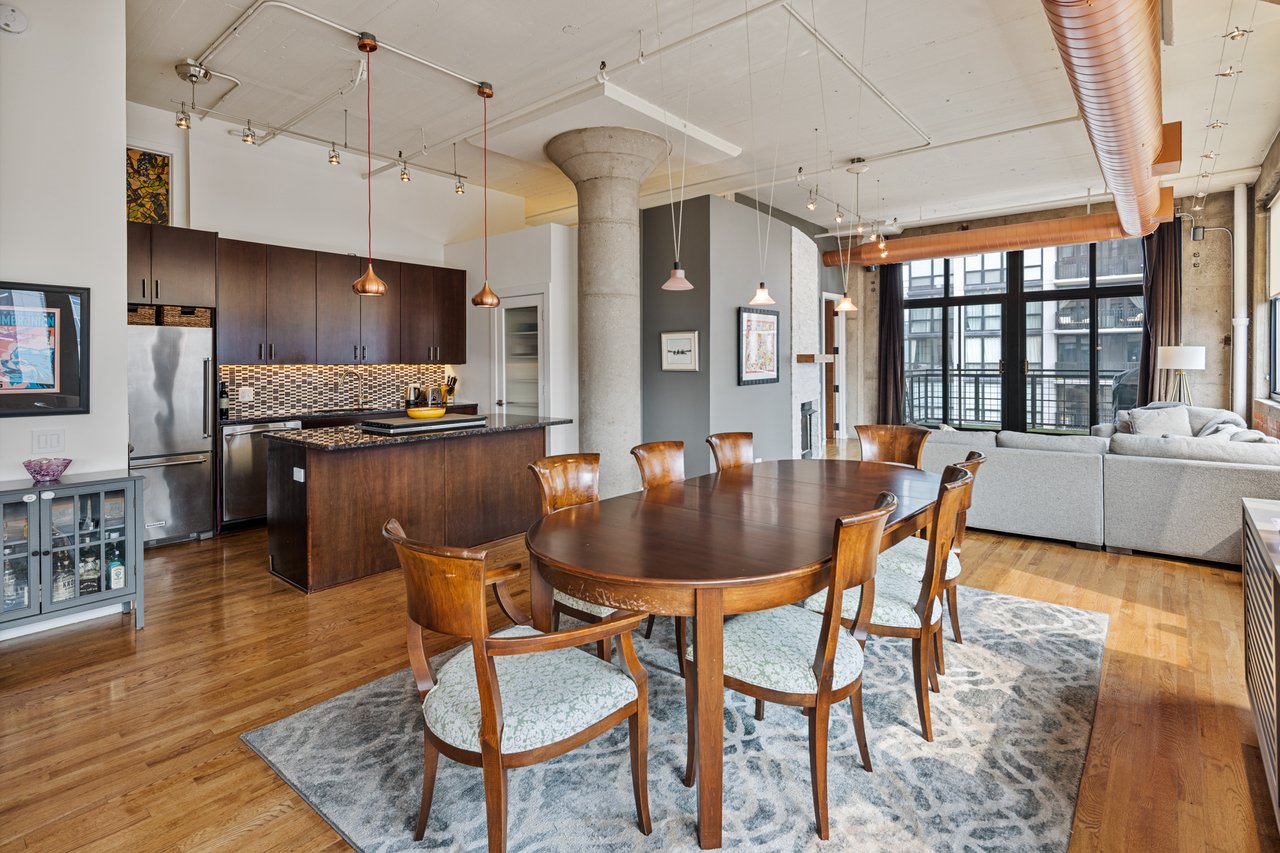
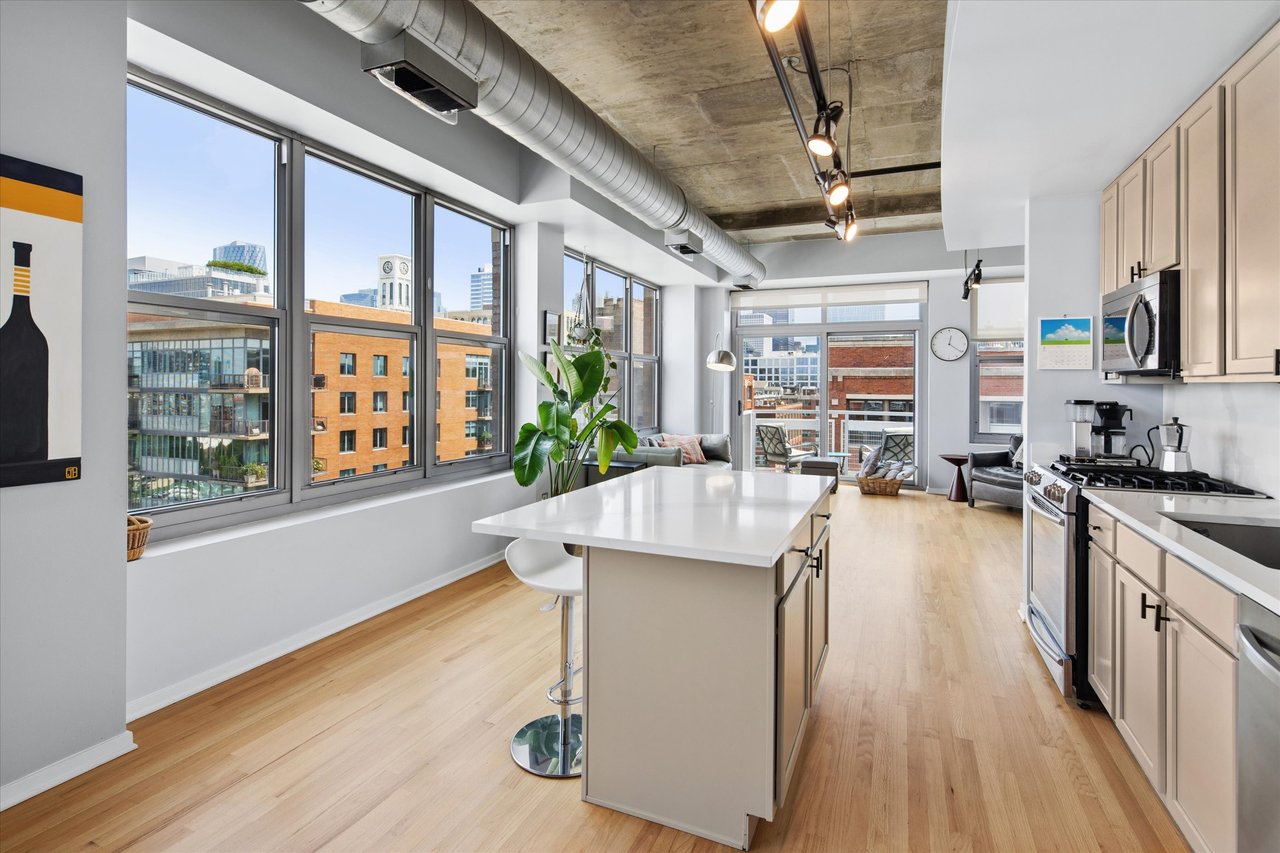
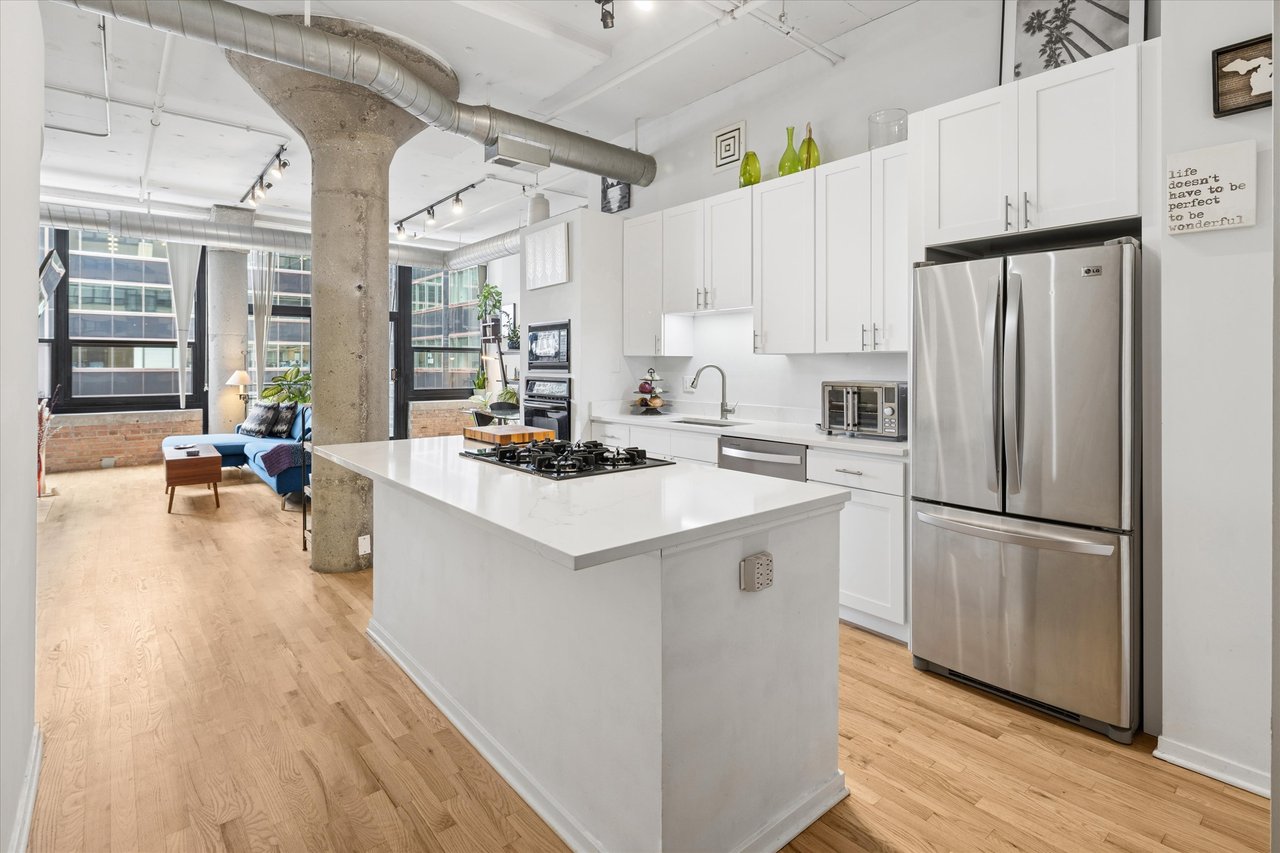
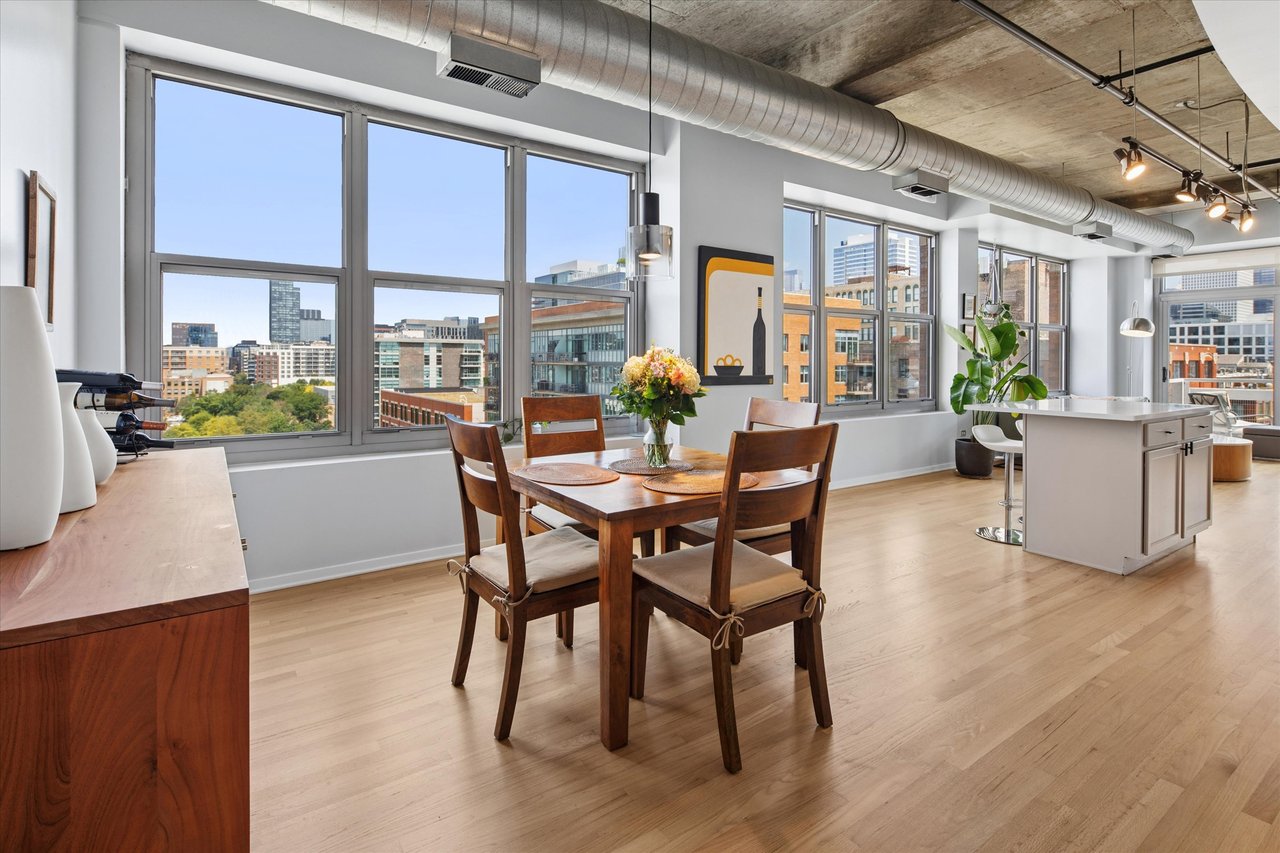
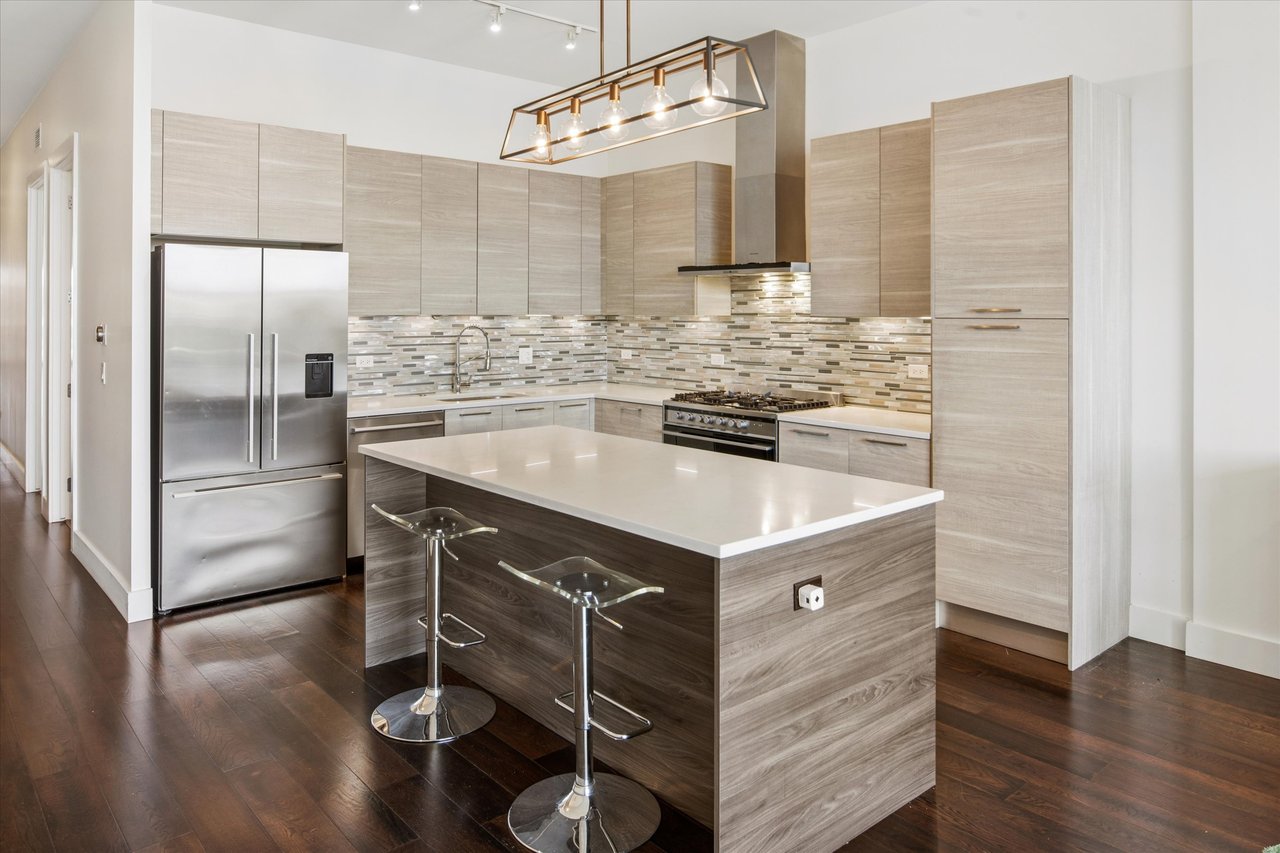
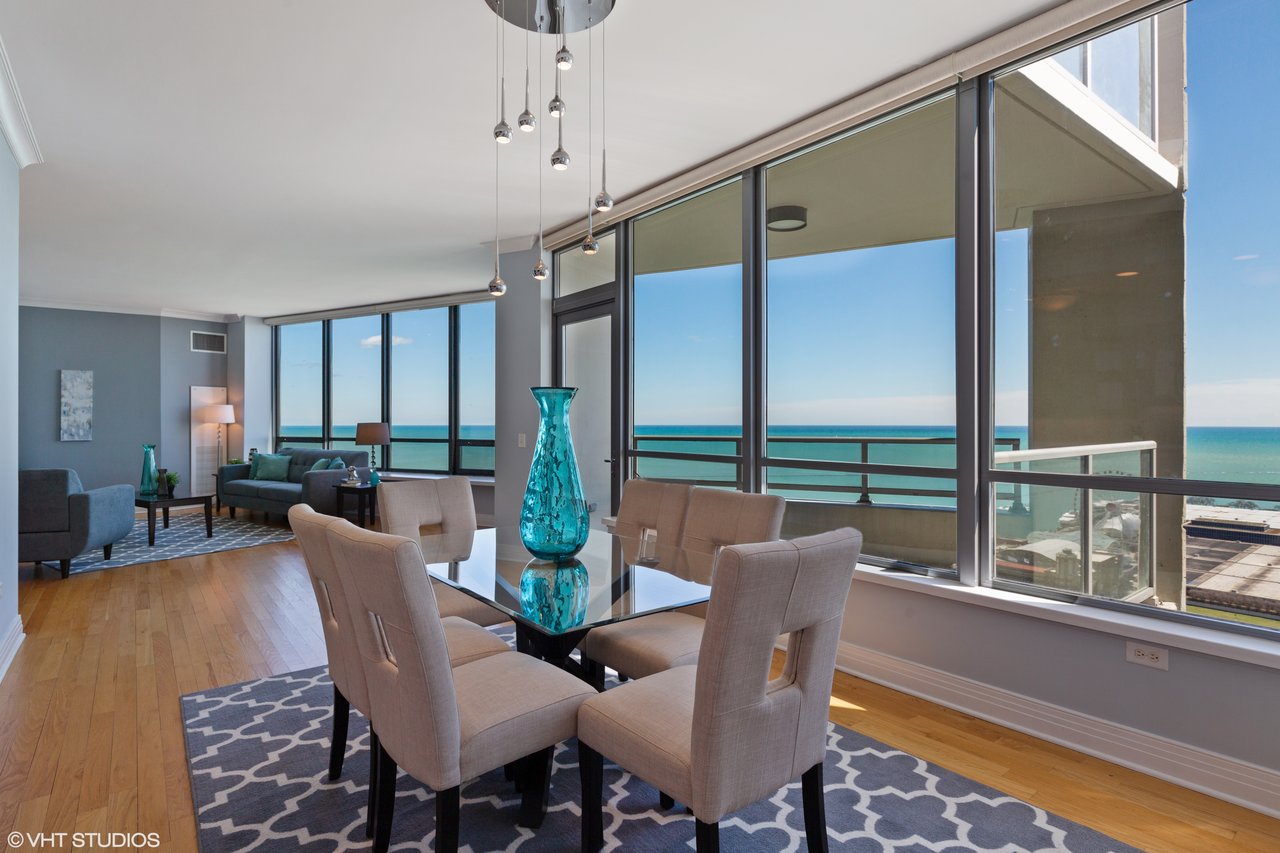
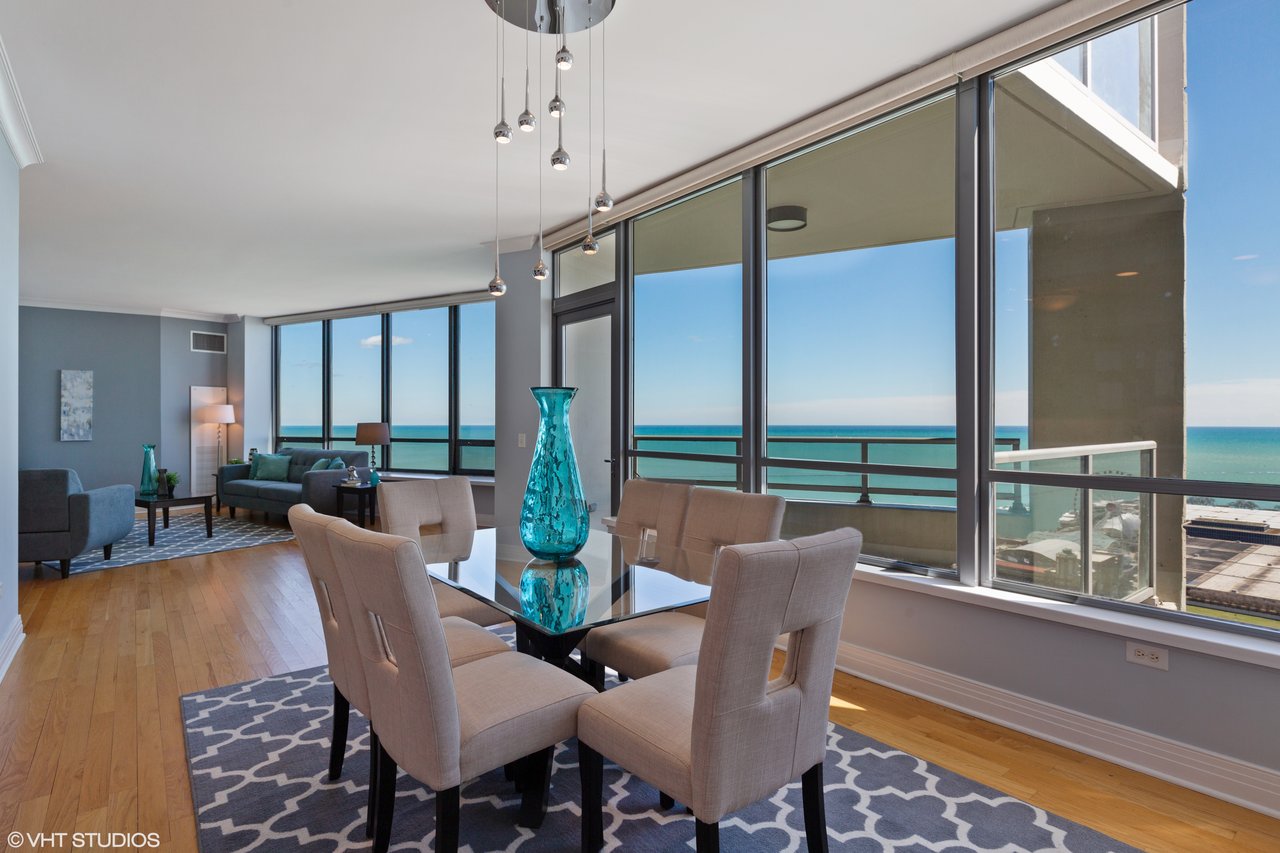
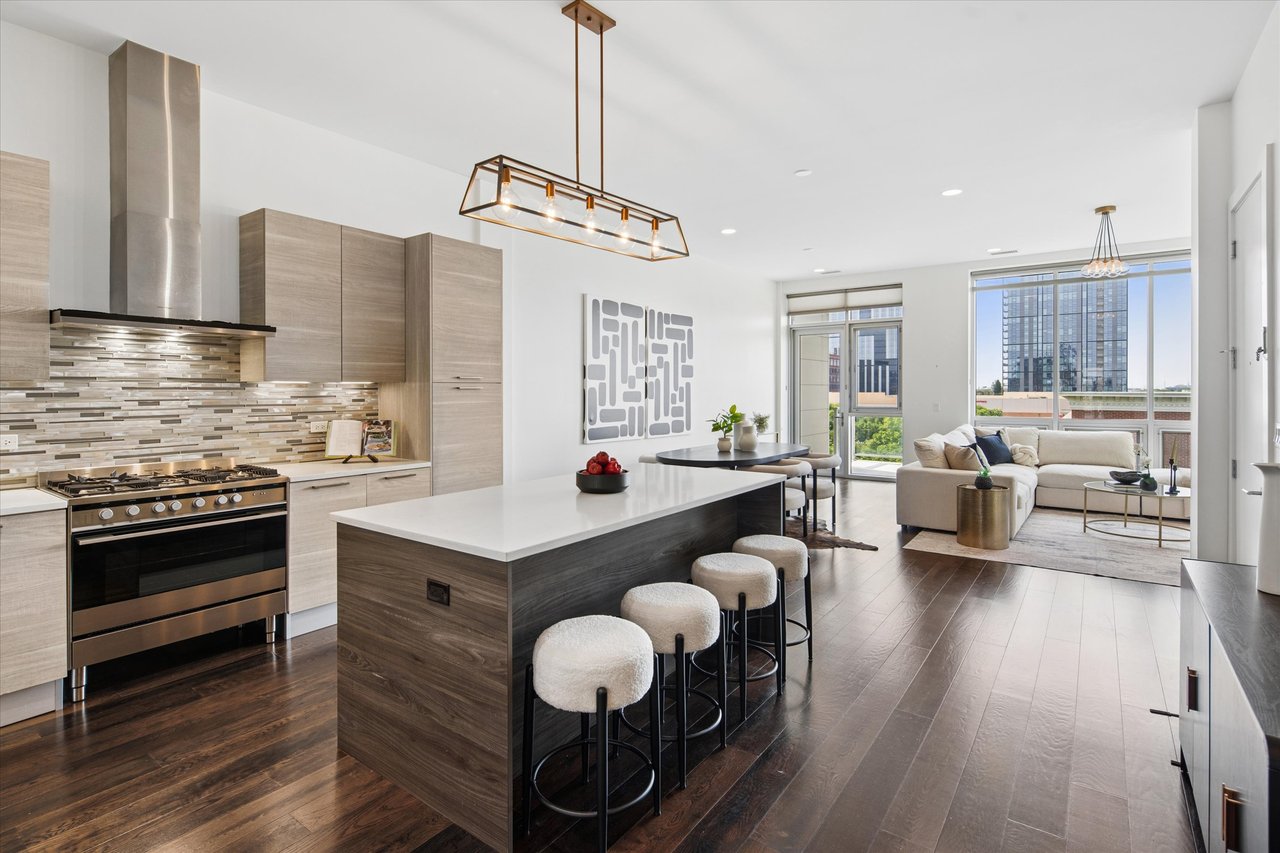
In a condo-heavy market, buyers are comparing your unit against several others in the same building or on the same block. What they see in the photos and on the first showing either builds confidence or kills it on the spot.
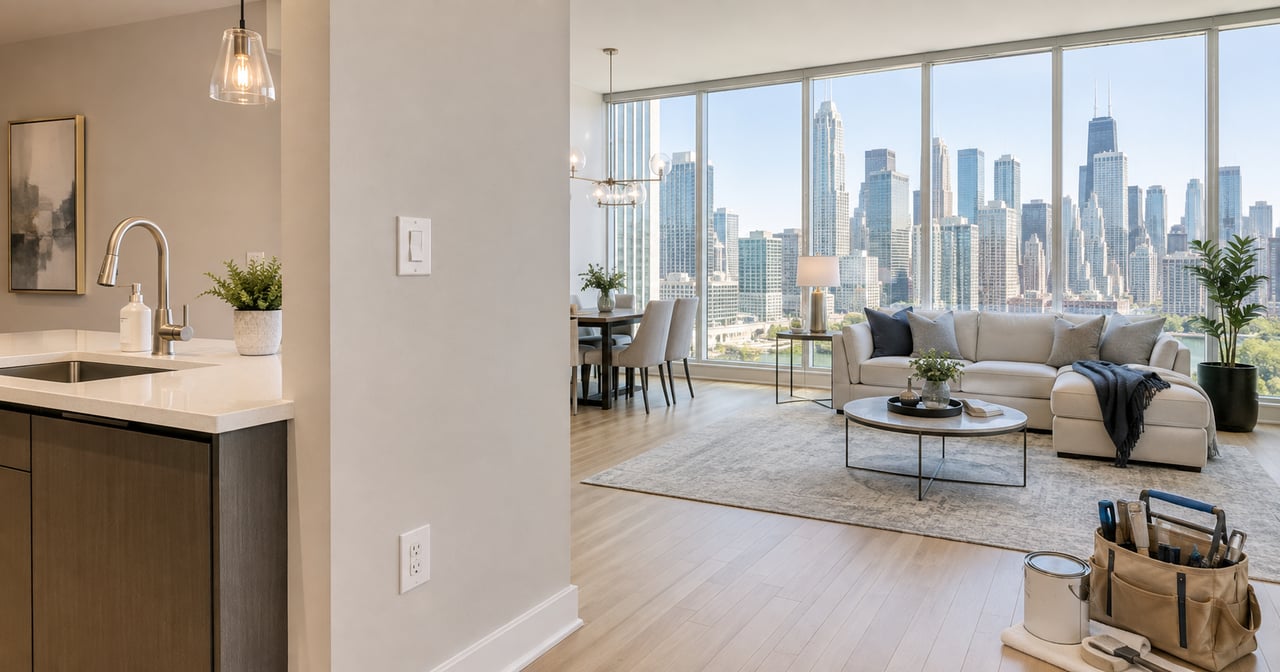
Professional photography is not optional. Neither is decluttering. Even a partial stage of the living room and primary bedroom moves the needle on how long a listing sits active.
The return on prep almost always outweighs the cost. In a market where a buyer can pull up three competing listings on their phone before they have made it back to the elevator, presentation is leverage.
3. Launch across every channel at the same time
The MLS is the foundation. It is not the strategy.
A strong Downtown Chicago launch typically includes:
- A coming-soon campaign to build pre-market interest
- A broker open in week one to get agent eyes on the unit early
- Targeted digital advertising aimed at buyers actively searching your price range and neighborhood
- Social content that treats the listing like a brand, not a classified ad
The goal is simple. Buyers should already know about your condo before it officially hits the market, so the first weekend produces real showing volume. That early traffic signals value to every buyer who views the listing afterward.
Momentum is contagious. So is silence.
4. Have your paperwork ready before you need it
Downtown Chicago condo transactions move through several disclosure and documentation requirements, and having everything prepared in advance keeps an accepted offer from stalling.
Under the Illinois Residential Real Property Disclosure Act (765 ILCS 77), sellers of one-to-four-unit residential property must provide an Illinois Residential Real Property Disclosure Report covering known material defects.
For buildings constructed before 1978, which covers a significant share of Gold Coast, Near North Side, and Loop inventory, federal law requires a Lead-Based Paint Disclosure and delivery of the EPA pamphlet before a buyer is obligated under a contract.
Illinois also requires sellers to provide the Illinois Emergency Management Agency radon pamphlet, and if any radon testing has been performed on the property, those results must be disclosed.
For larger high-rises, the City of Chicago's Energy Benchmarking Ordinance means building energy usage data may be available. For energy-conscious buyers, that can be a marketing asset when it reflects a well-managed building.
Then there are the association documents: budgets, bylaws, rules, and meeting minutes. Many Downtown Chicago buildings have specific move-out scheduling and elevator reservation policies that affect closing timelines. Your buyer's attorney will ask for all of it. Having it organized in advance keeps the deal moving.
Speaking of attorneys. In Illinois, a real estate attorney handles contract review, title, closing documents, and contingency management. Your agent does not. The standard Chicago-area contract includes an attorney review period, typically five business days, during which your attorney can approve or modify terms.
Identify your attorney before you list. Scrambling to find one after an offer lands costs you momentum at the worst possible moment.
5. Watch the early signals and act on them
Listings that generate strong early showing activity and online engagement close faster and closer to list price. Listings that do not tend to accumulate days on market.
And in Downtown Chicago, buyers start reading a listing as stale around the 30-day mark and get openly skeptical past 60. That perception is very hard to reverse without a price adjustment.
I review showing feedback and traffic metrics with my sellers at the end of week one, then again at the end of week two. Strong signals? We hold. Weak signals? We diagnose the cause, whether it is price, presentation, or an exposure gap, and adjust while we still have leverage.
That is what the first two weeks are for. Active management, not waiting.
Key Takeaways
- Downtown Chicago moves slower than the city as a whole, which makes a precise launch more important here, not less.
- Price is the primary driver of early traction. Marketing cannot rescue a number the market rejects.
- Professional photography and even partial staging measurably improve showing volume and time on market.
- Coordinated pre-market exposure produces first-weekend showing volume, and that volume signals value to every buyer after.
- Days 14 through 21 is the decision window. Waiting past it usually costs more than an early, smaller adjustment would have.
Frequently Asked Questions
Will most of my showings really happen in the first two weeks?
Yes. The first two weeks typically generate the highest concentration of showings and online engagement of the entire listing period. Buyers waiting on new inventory move quickly, and agent networks are most active around a fresh listing. With Downtown Chicago homes averaging around 53 days to go pending, the early weeks set the trajectory for everything that follows.
What is the typical days on market for a Downtown Chicago condo, and how do I beat it?
Downtown Chicago condos have been averaging roughly 43 to 53 days on market in 2026 depending on sub-neighborhood and price point, versus a citywide median closer to 35 days per Realtor.com's July 2026 data. Beating that average comes down to three things: pricing accurately from day one, presenting the unit with professional photography and staging, and launching with coordinated multi-channel exposure instead of going live on the MLS and waiting.
How do I know if my price is wrong if I have no offers in the first 10 to 14 days?
Look at what kind of activity you are getting. Showings but no offers usually points to condition or presentation. No showings at all almost always points to price, because buyers are filtering you out before they ever schedule a visit. I build a formal week-two review into every listing plan specifically to answer this question with data.
Is professional photography and staging worth it if downtown inventory is tight?
Consistently, yes. Downtown buyers compare your unit against several others, often on a phone before they ever schedule a showing. Listings with professional photography and partial staging draw more showing requests, hold attention longer online, and tend to close faster. The 2026 inventory picture is more balanced than it was a few years ago, and buyers have become selective again.
If my listing has no traction after two weeks, when should I adjust price?
Days 14 through 21 is the window to evaluate and act. Waiting longer lets the listing pile up days on market, which buyers and their agents absolutely notice, and that staleness typically requires a larger reduction to overcome than an earlier, smaller one would have. Make the data-driven decision while you still have leverage, not after the damage is done.
The Bottom Line
In Downtown Chicago, the first two weeks are not simply the start of your listing. They are your best and cheapest shot at creating genuine competitive demand.
Every decision you make before launch either builds that opportunity or quietly limits it. The photography. The prep. The paperwork. And above everything else, the price.
Get the launch right, and the market comes to you.
Call or text Christine Hancock at 312-296-9300 to talk about your unit's value, or what it would take to get you to the closing table.
ABOUT THE AUTHOR
Christine Hancock is a Chicago Realtor with @properties Christie's International Real Estate, bringing more than 25 years of experience and over $200 million in closed sales in the downtown condo market. With 97 five-star Zillow reviews, Christine is recognized for her commitment to client satisfaction and market expertise.
She specializes in high-rise and luxury condominium sales in West Loop, South Loop, River North, and Streeterville, helping buyers and sellers navigate complex transactions with data-driven pricing strategies and deep neighborhood insight.
Christine partners with clients to evaluate market trends, position properties competitively, and make confident, informed decisions in Chicago's vibrant downtown housing market.
Call or text 312-296-9300 to discuss current market conditions or your real estate goals.
Equal Housing Opportunity. Christine Hancock is a licensed Broker Associate, Chicago Association of Realtors. This article is general information only and does not constitute legal, tax, or financial advice. Please confirm your specific situation with your real estate attorney, tax advisor, or lender.