A mortgage rule that took full effect on August 3, 2026 now shapes how smoothly an Old Town condo sale closes, and the deciding factor has almost nothing to do with the unit itself. It comes down to how many units sit in the building around it. Cross a line at ten units and the financing path changes completely, regardless of the buyer's credit score or down payment.
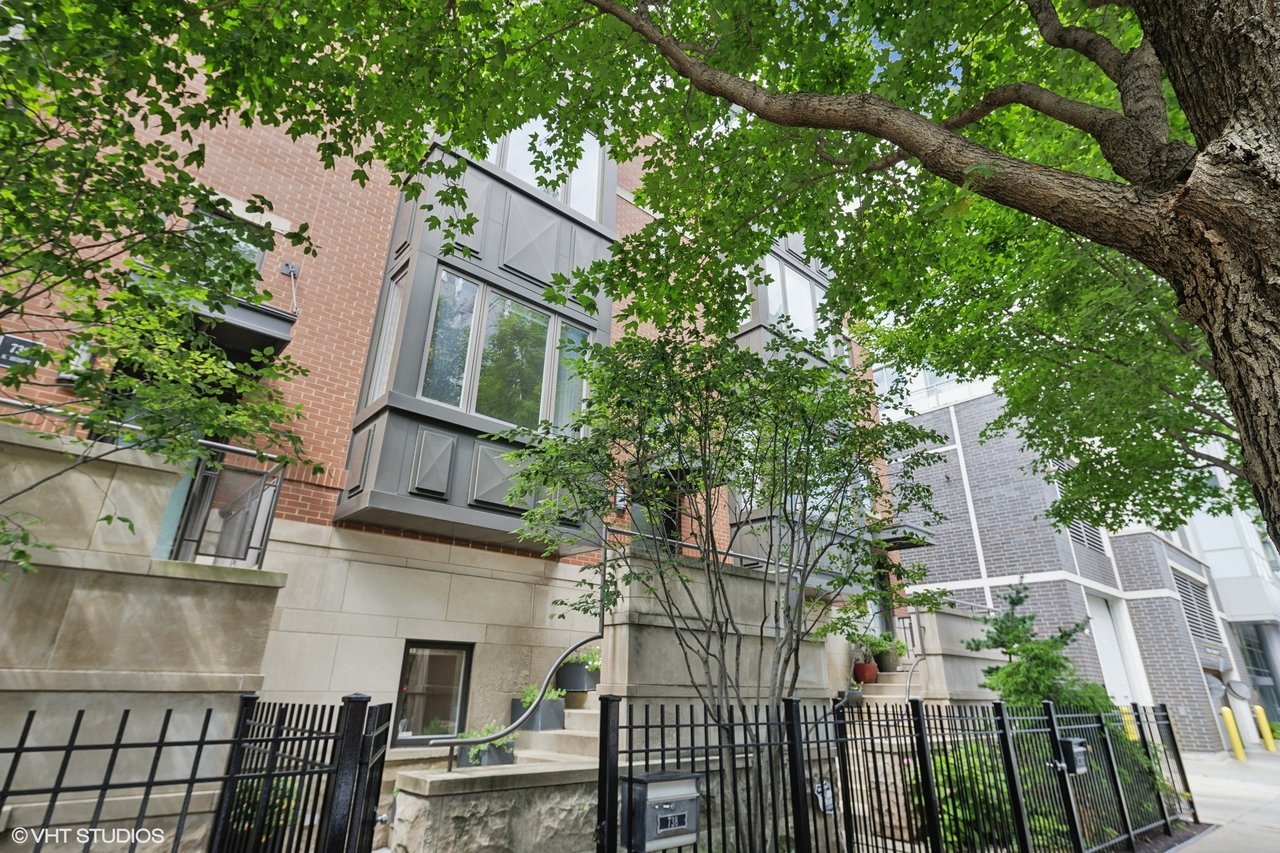
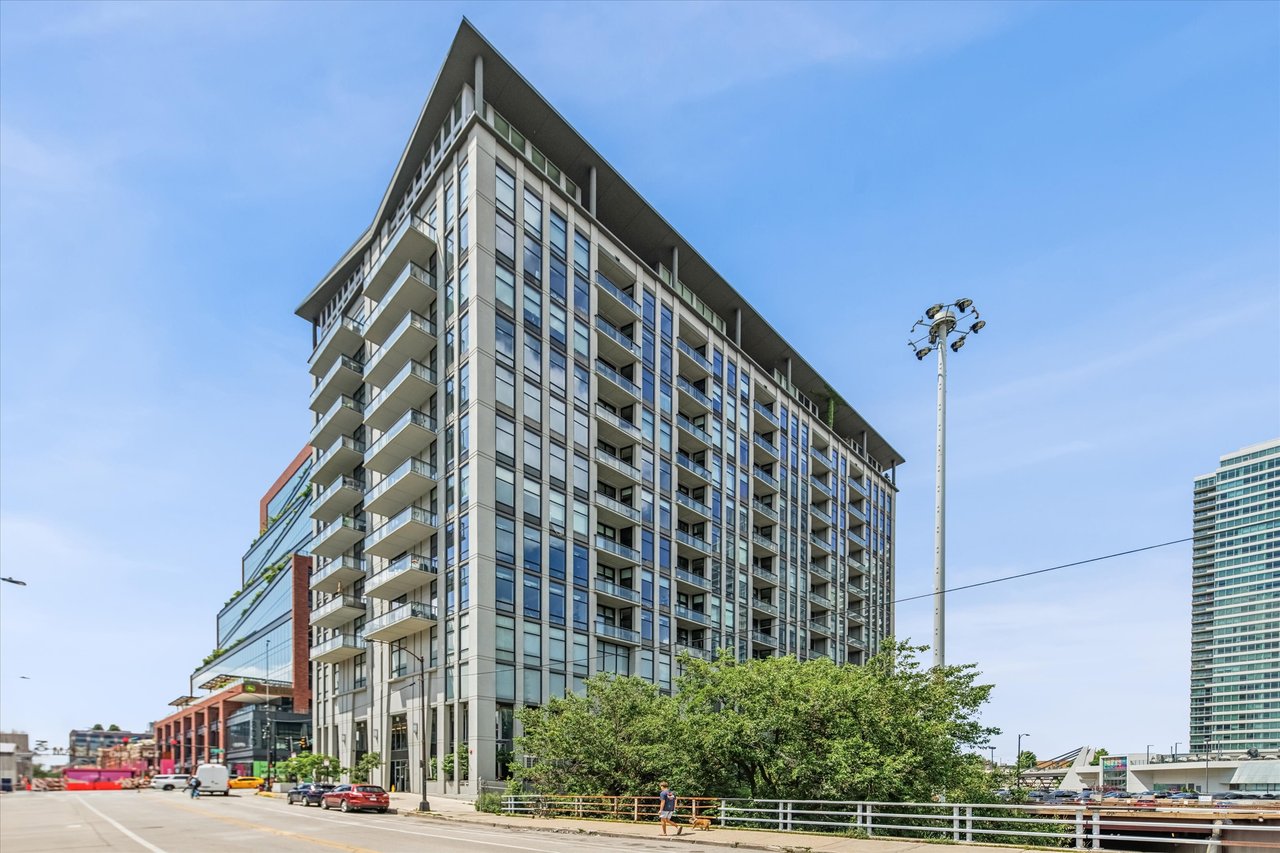
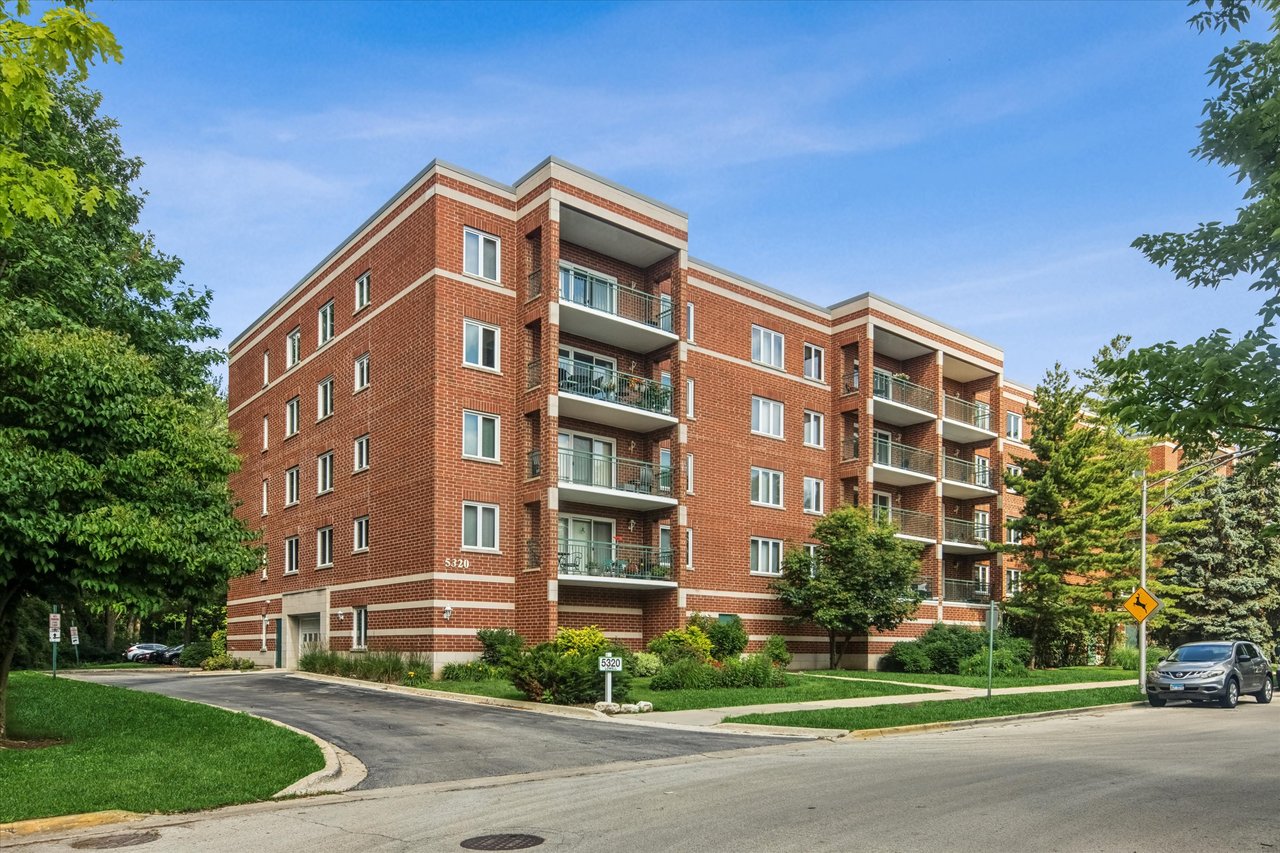
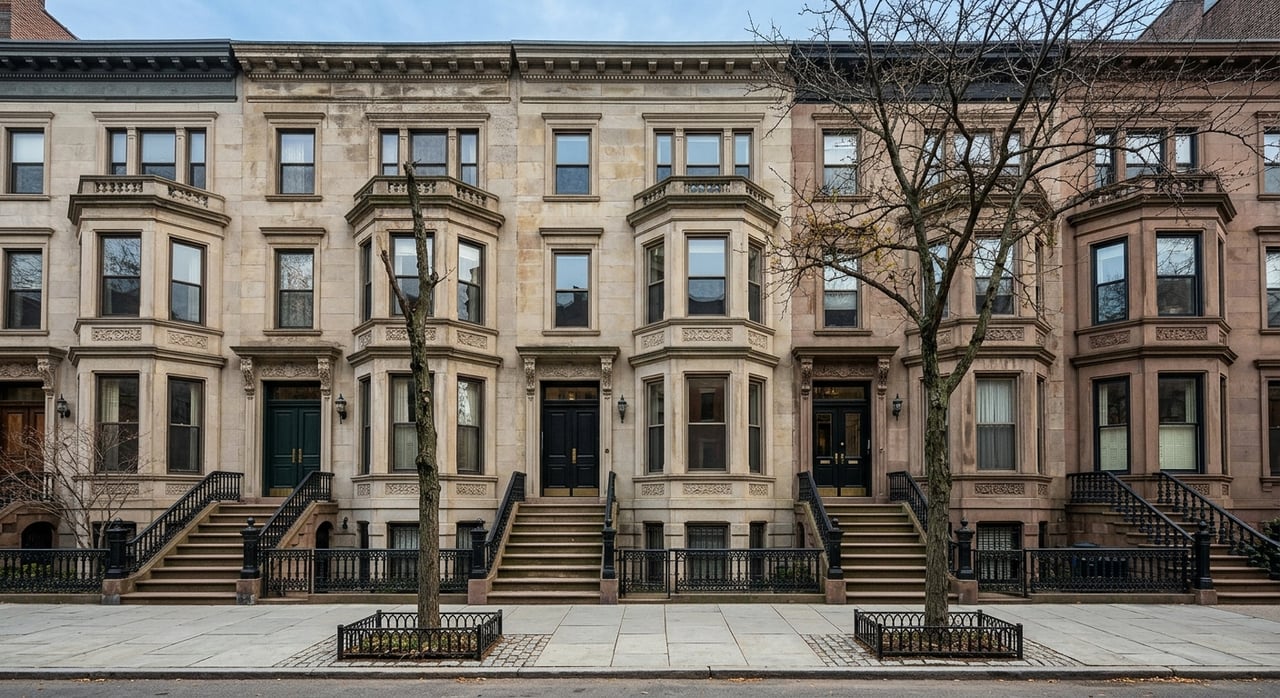
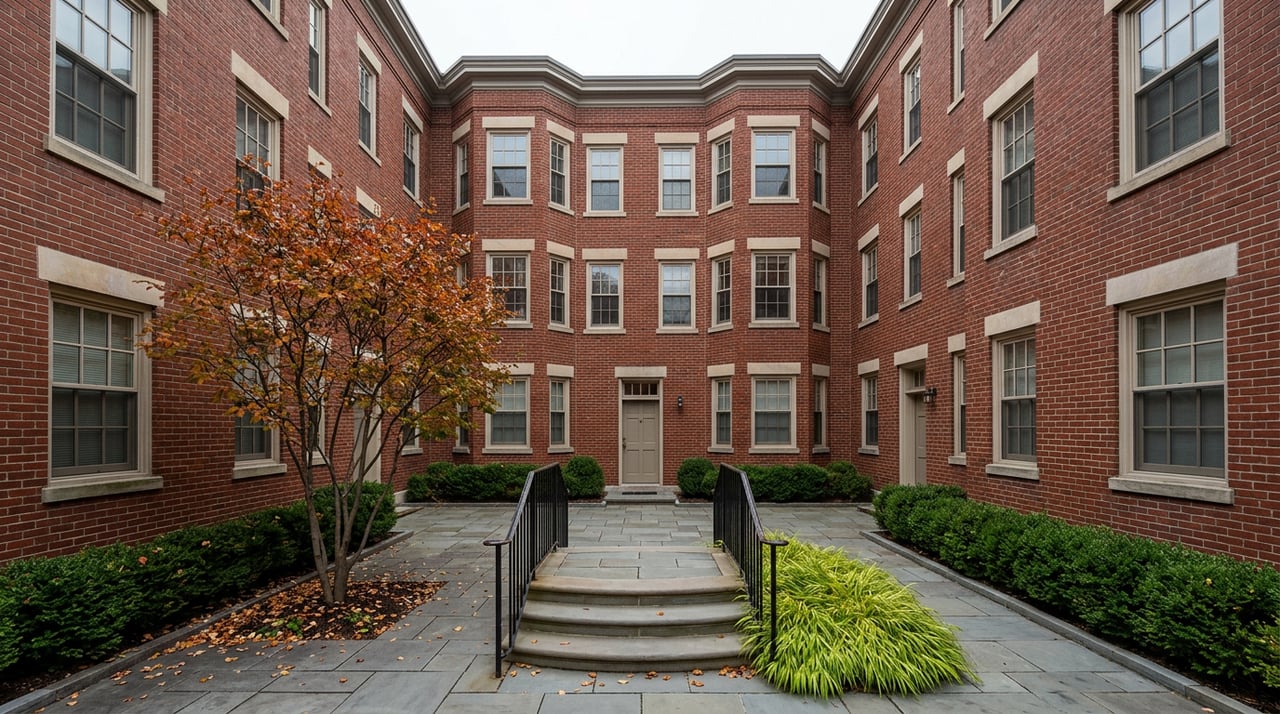
That line matters more here than in most downtown Chicago neighborhoods. Old Town isn't a corridor of full-service high-rises with in-house engineers and professional management on retainer. It's a patchwork of vintage courtyard buildings, converted three- and four-flats, mid-rise walk-ups, and a smaller number of newer developments along North Avenue and Division. Two buildings on the same block, built in the same decade, can now face entirely different underwriting outcomes because one has nine units and the other has fourteen.
What Changed on August 3
On March 18, 2026, Fannie Mae issued Lender Letter LL-2026-03 and Freddie Mac released a matching bulletin, retiring the streamlined review pathways that had quietly carried a large share of condo financing for years. Fannie Mae's Limited Review and Freddie Mac's Streamlined Review let a buyer with a strong down payment, typically 10 percent or more on a primary residence, get approved without the lender digging into the building's finances at all. According to the Community Associations Institute, that shortcut accounted for roughly 40 percent of all condo project reviews before it disappeared.
For loan applications dated August 3, 2026 or later, that shortcut is gone. Any condo project with more than ten units now automatically requires a Full Review, no matter how much the buyer puts down or how clean their credit looks. The GSEs have said plainly that the change is about shifting risk analysis from the borrower to the building, a response to the pattern of underfunded reserves and deferred structural repairs that drew national attention after the Champlain Towers South collapse in Surfside in 2021.
The Break Old Town's Smallest Buildings Just Got
There's a genuine upside buried in this change, and it lands squarely on Old Town's housing stock. Alongside the Full Review mandate, the GSEs expanded the Waiver of Project Review from buildings of four units or fewer to buildings of ten units or fewer. A qualifying building skips the underwriting review entirely, as long as it isn't part of a larger master association and clears basic insurance and standing checks.
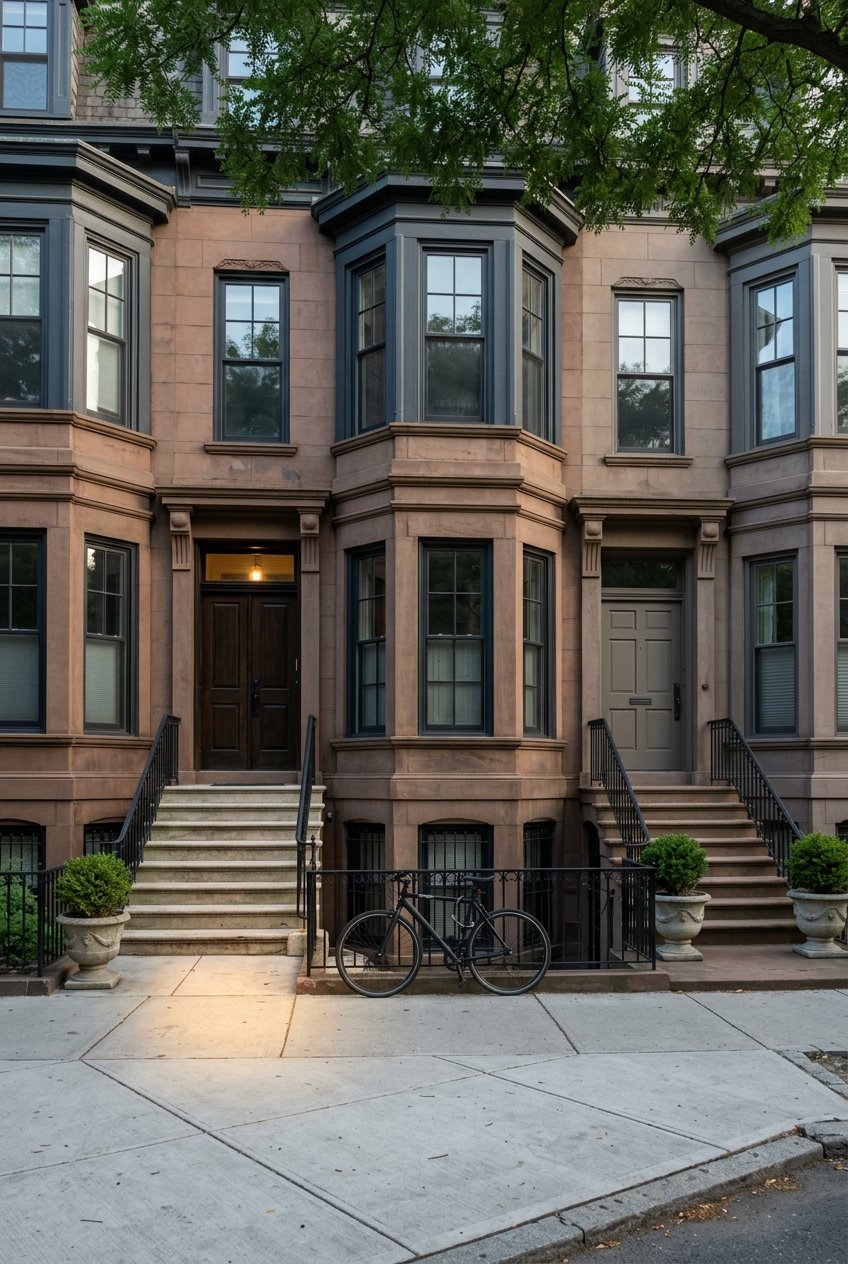
Old Town has a meaningful number of buildings that fall into exactly that range: converted coach houses, small courtyard buildings, and three- and four-flats turned condo. For sellers in those buildings, this is one less thing standing between an accepted offer and a closed sale.
The Full Review Old Town's Midsize Buildings Now Face
The other side of that same rule is less forgiving. A building with eleven units, or forty, gets no exemption. Every buyer's lender must now confirm the building's financial health before the loan can close.
| 10 Units or Fewer (Waiver Eligible) | 11+ Units (Full Review Required) | |
|---|---|---|
| Down payment exemption | Available, if not part of a master association | None, regardless of down payment |
| Documentation lenders request | Basic eligibility and insurance confirmation | Budget, reserve study, board minutes, delinquency report, litigation disclosure |
| Master policy deductible cap | $50,000 per unit, per occurrence | $50,000 per unit, per occurrence |
| Minimum reserve allocation | Not applicable under the waiver | 10% now, rising to 15% for applications dated January 4, 2027 or later |
That documentation list is the part that catches sellers off guard. A downtown high-rise in River North or Streeterville usually has a management company that produces a current reserve study and clean financials as a matter of course. A self-managed vintage building in Old Town, run by a volunteer board and a part-time treasurer, may not have a reserve study on file at all, or one that's several years old. Under the new rule, that gap doesn't just slow down a lender's questionnaire. It can make the entire building temporarily non-warrantable for conventional financing, which affects every owner trying to sell or refinance, not just the unit under contract.
The Insurance Detail That Bites in July, Not August
A separate change took effect earlier in the summer and is easy to miss because it predates the headline date. Starting with loan applications dated July 1, 2026, the maximum allowable per-unit deductible on a condo association's master insurance policy is capped at $50,000. If a building's association carries a higher deductible to keep premiums down, which many older associations do, individual unit owners are now required to carry a personal HO-6 policy that bridges that gap.
For a vintage building where the board negotiated a high deductible years ago as a straightforward way to control monthly assessments, this is a real project. It means confirming the current master policy's deductible, and if it's above the new cap, making sure buyers understand they'll need to add coverage before their loan can close.
The Reserve Number Moving Again in January
The 10 percent minimum reserve allocation isn't done changing. For loan applications dated January 4, 2027 or later, Fannie Mae is raising that baseline to 15 percent of a building's annual budgeted assessment income. Associations that have been contributing the old minimum will need to either raise it in their next budget cycle or lean on a professional reserve study that recommends a higher figure.
For an Old Town seller listing this fall or into winter, that date is closer than it looks. A buyer whose loan application lands in early January could be evaluated under the higher standard, even if the building's current budget was built around the old one.
What This Means If You're Listing This Fall
None of this is a reason to delay a sale. It's a reason to have the paperwork ready before a lender asks for it, since Illinois already requires sellers to disclose known pending assessments to buyers, and a Full Review simply asks for more of the underlying financial picture behind that disclosure. Before listing an Old Town condo in a building with more than ten units, it's worth pulling together:
- The association's most recent reserve study or full financial audit, even if it's handled by a volunteer treasurer rather than a management company
- A written insurance certificate showing the master policy's current per-unit deductible
- The last 12 to 24 months of board meeting minutes, since lenders will ask about any upcoming capital projects
- A read on the building's delinquency rate among owners, since persistent nonpayment is one of the flags a Full Review is built to catch
- Confirmation of whether the building has been through a Full Review recently, and what the outcome was
A building that has this ready before an offer comes in can move through underwriting close to the old timeline. A building that scrambles to produce it after a contract is signed risks the exact kind of stall that used to be rare in condo sales and is now becoming common.
A Few Questions Worth Answering Directly
Does this affect cash buyers? No. Full Review only applies when a buyer needs a conventional loan backed by Fannie Mae or Freddie Mac. A cash sale sidesteps it entirely, though most buyers in Old Town's price range do finance, so a building's review status still affects how wide the buyer pool is.
My building has nine units. Am I automatically fine? The waiver removes the underwriting review for buildings of ten units or fewer, but only if the building isn't part of a larger master association and meets baseline insurance and standing requirements. It's a lighter path, not a free pass on having basic records in order.
If my building already passed a Full Review for a past sale, does that carry forward? Not reliably. Project reviews are generally tied to a specific loan file and can expire, and since the underlying standards themselves changed this year, a new buyer's lender will likely want updated financials rather than relying on an earlier approval.
Financing rules like this rarely make headlines outside the industry, but they decide whether a contract closes on schedule or drags into a second round of lender questions. If you're weighing when to list a condo in Old Town, or you want a clear read on how your building's size and paperwork stack up under the new review standard, The Hancock Group can walk through your building's specifics and help you get ahead of it. Request Your Home Valuation and we'll start with what a lender will actually ask.