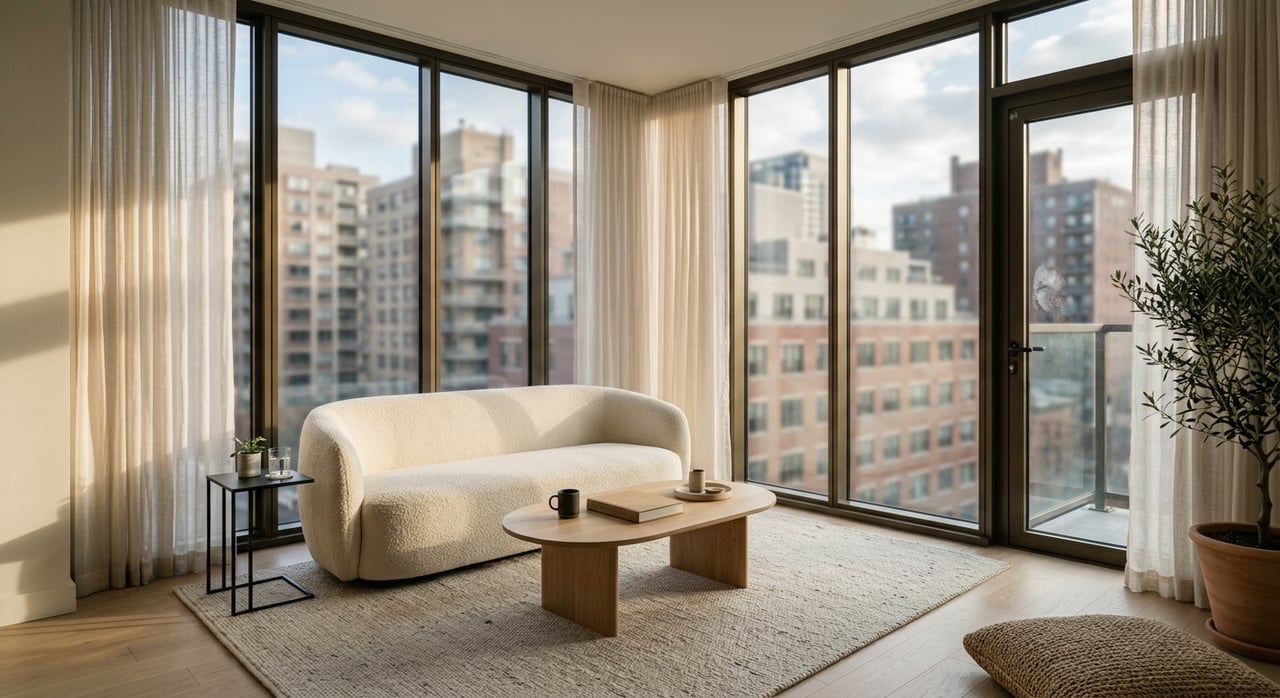
You can feel Old Town before you can define it. One block gives you quiet, tree-lined streets and historic brick buildings, and the next puts you near Wells Street, where restaurants, shops, comedy, and everyday errands keep the neighborhood moving. If you are wondering what condo living in Old Town Chicago actually feels like, this guide will help you picture the rhythm, housing choices, and day-to-day lifestyle that shape the experience. Let’s dive in.
Old Town has a distinct city feel
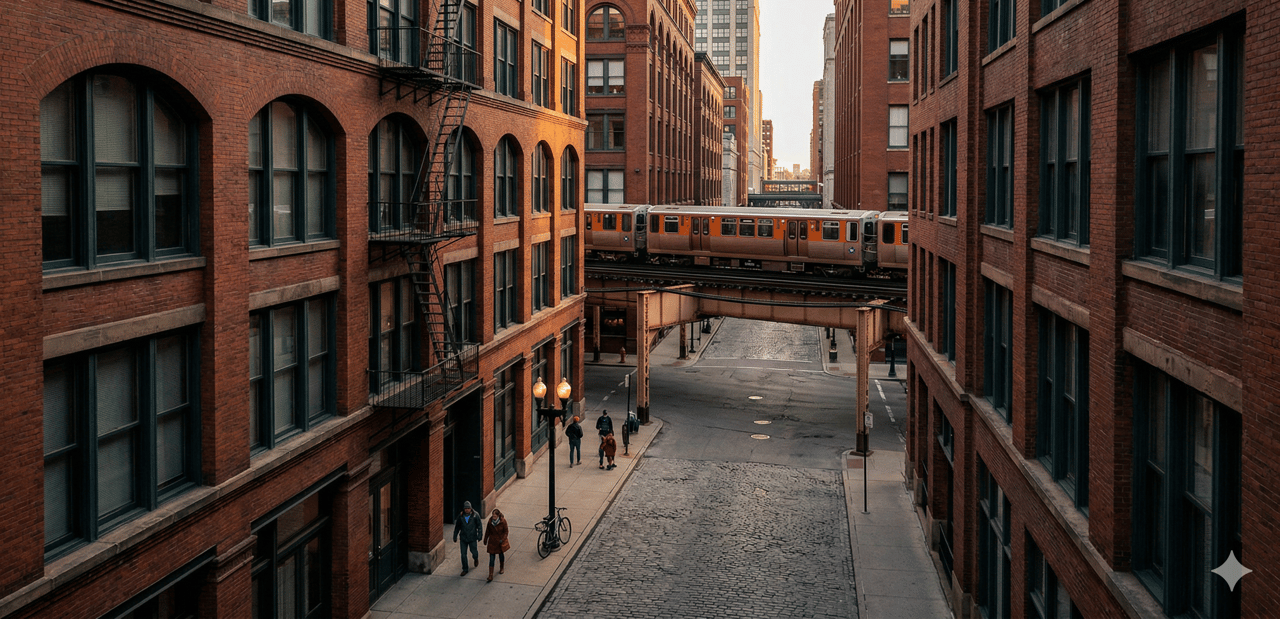
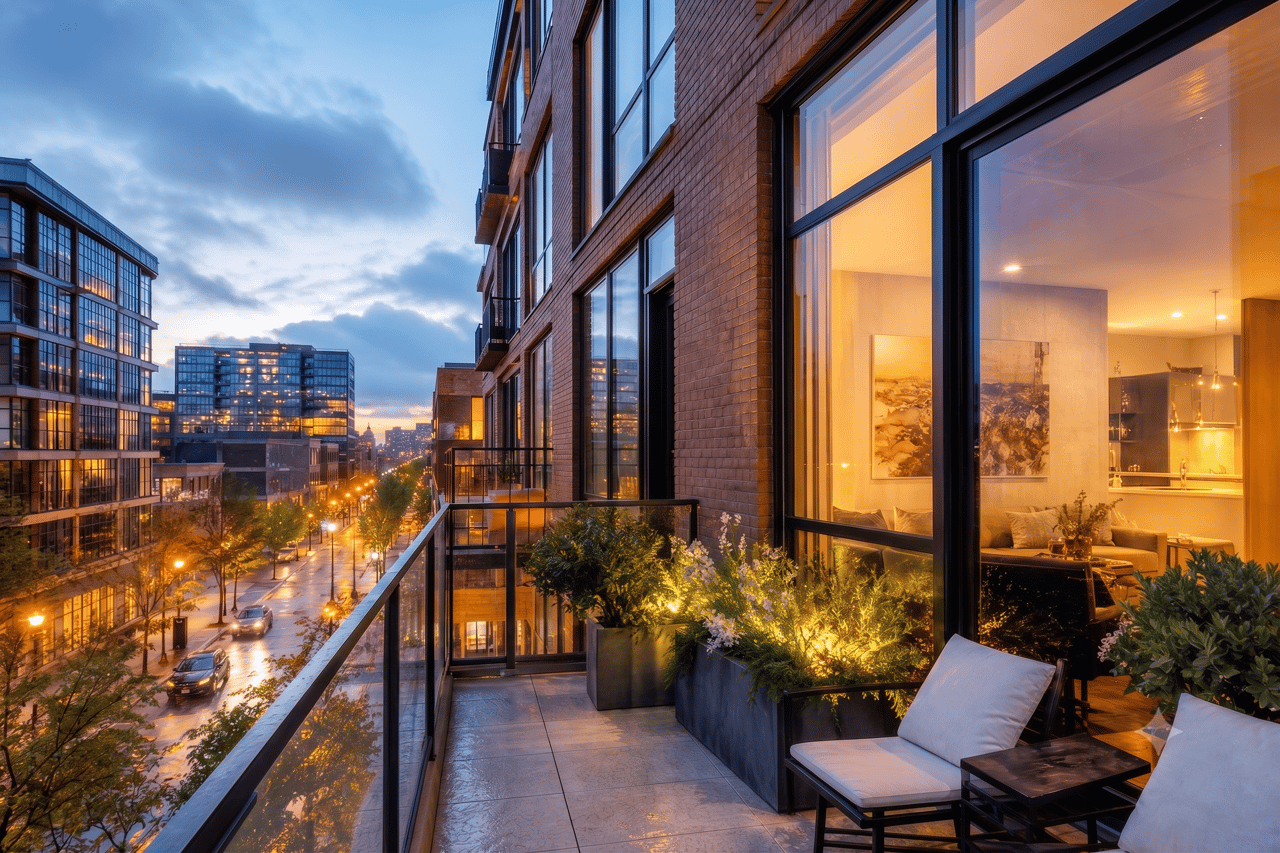
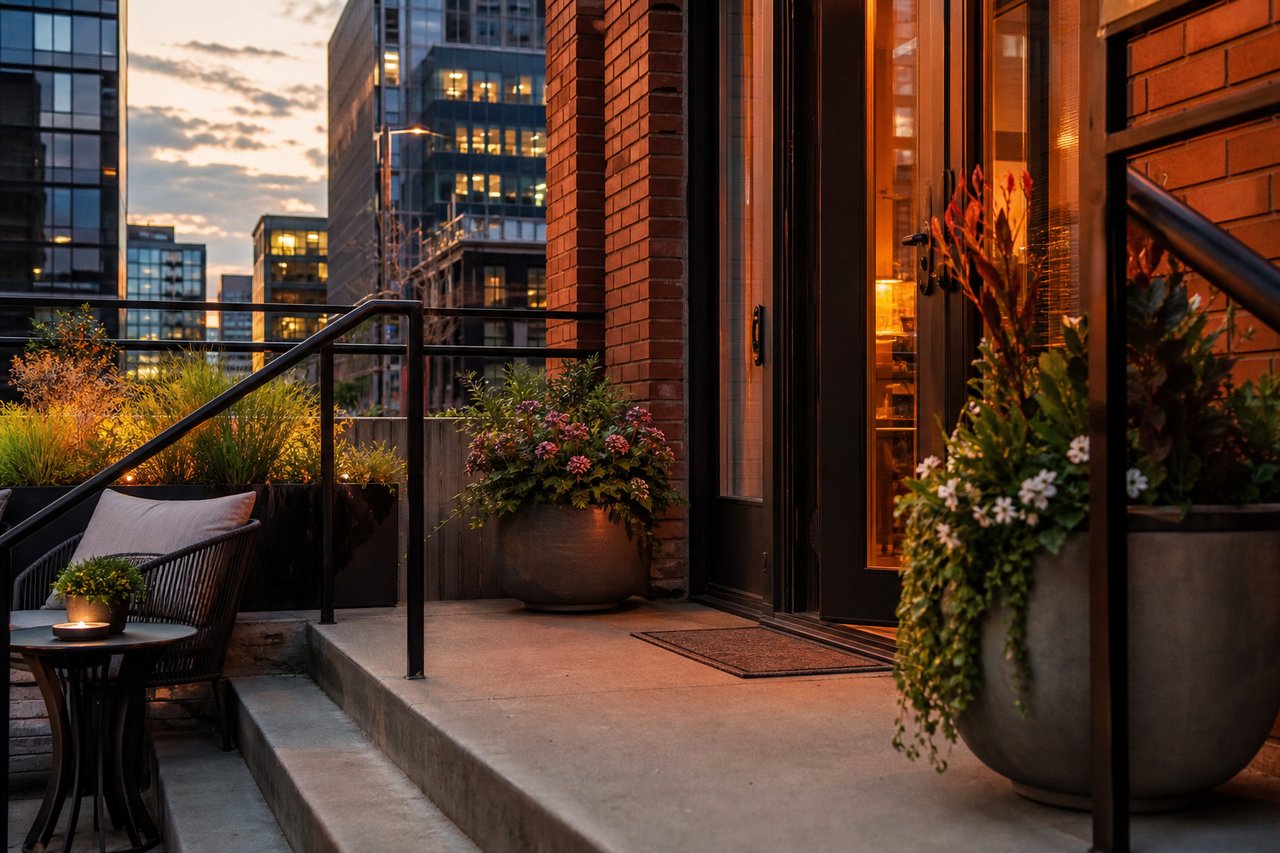
Old Town stands out because it feels historic and active at the same time. City of Chicago landmark materials describe the Old Town Triangle as a district with narrow, tree-lined streets and preserved architectural character, which gives parts of the neighborhood a calm, established feel.
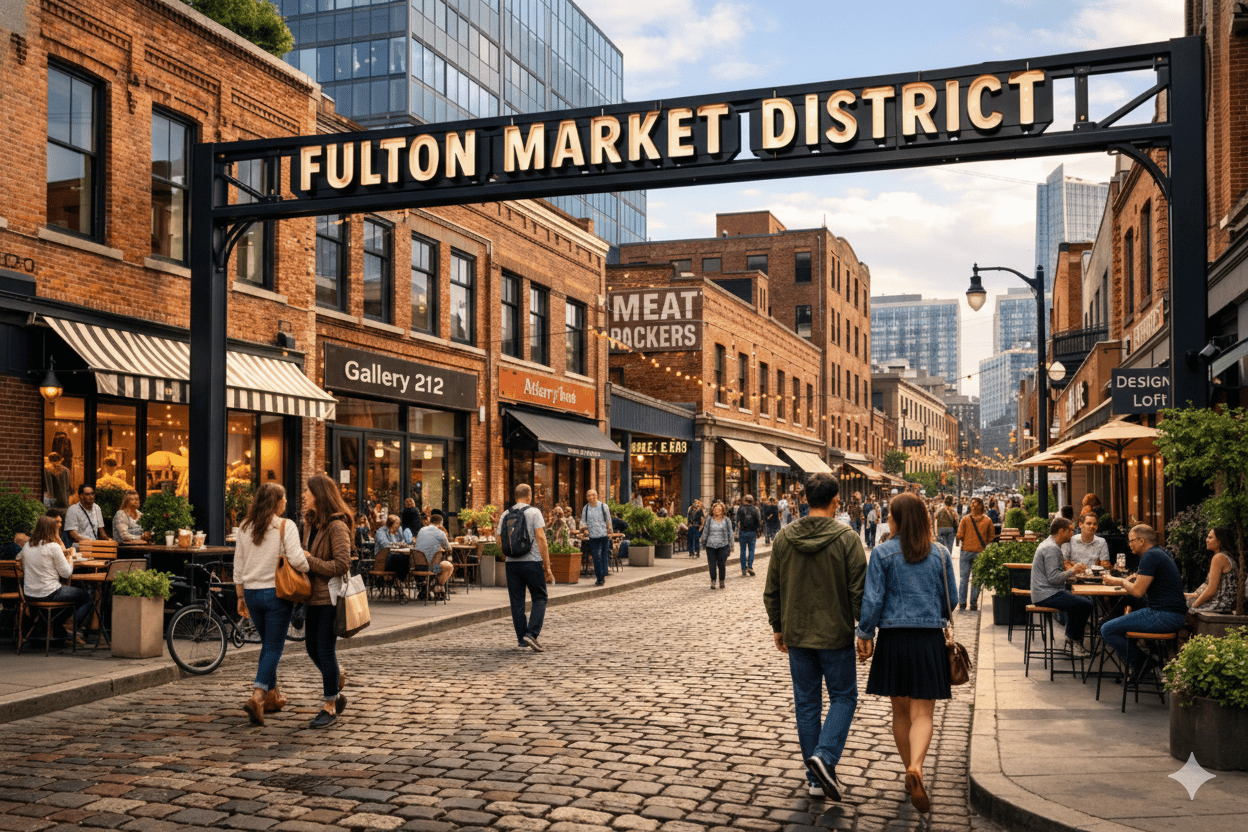
At the same time, Old Town is not sleepy. The Old Town Merchants & Residents Association points to the Wells Street corridor as a center for retailers, wellness services, restaurants, bars, comedy clubs, independent theater, and community organizations. That mix creates a neighborhood where daily life often happens close to home.
For many people, that balance is the appeal. You get a residential setting with a strong sense of place, but you are still in a part of Chicago that feels connected, social, and easy to navigate.
Condo options feel varied, not one-note
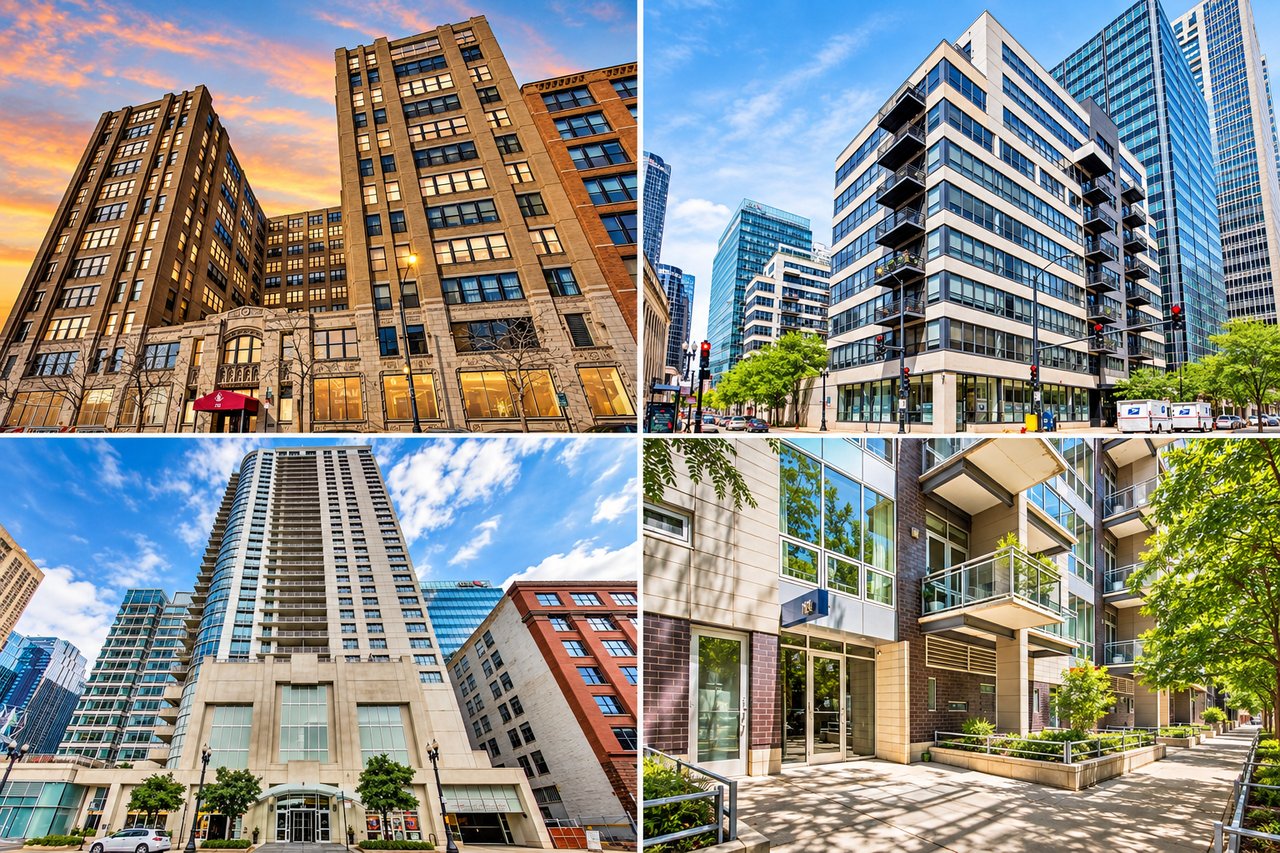
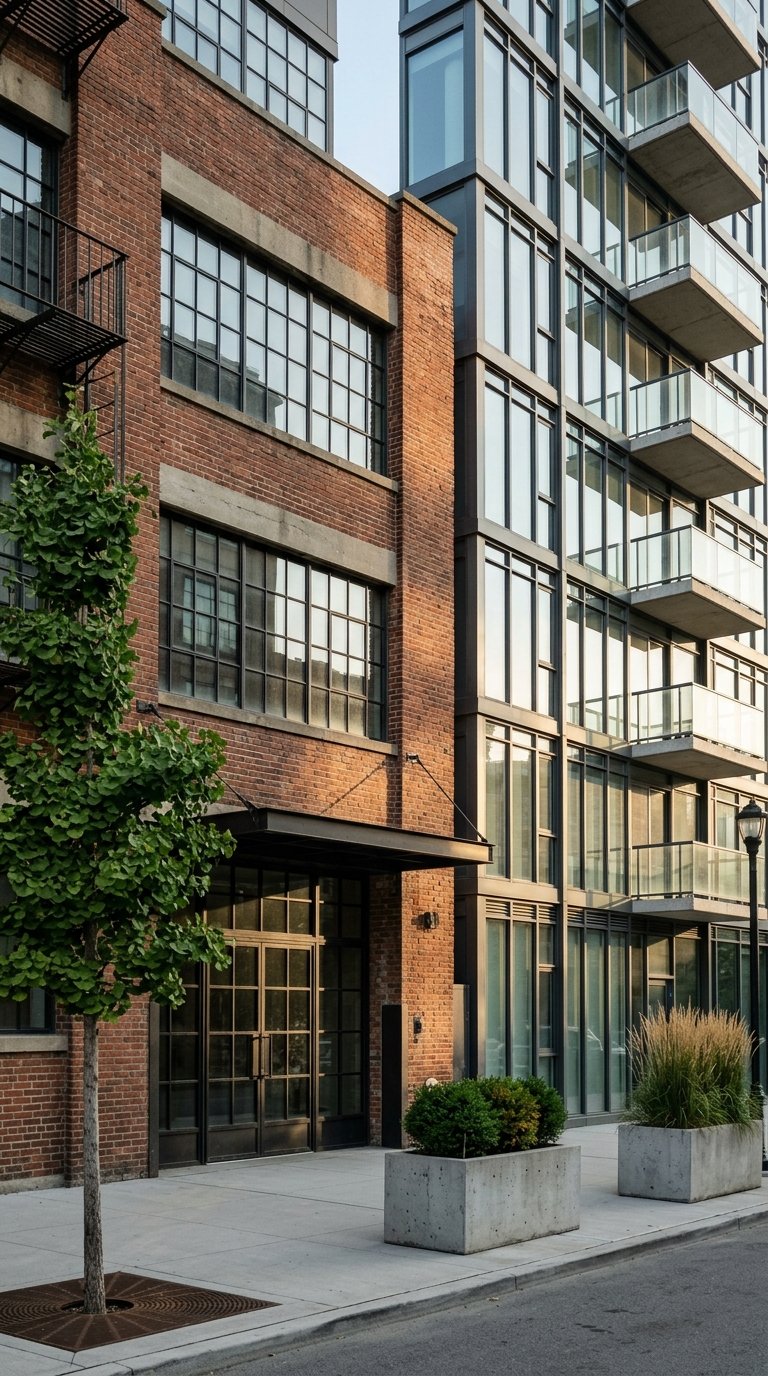
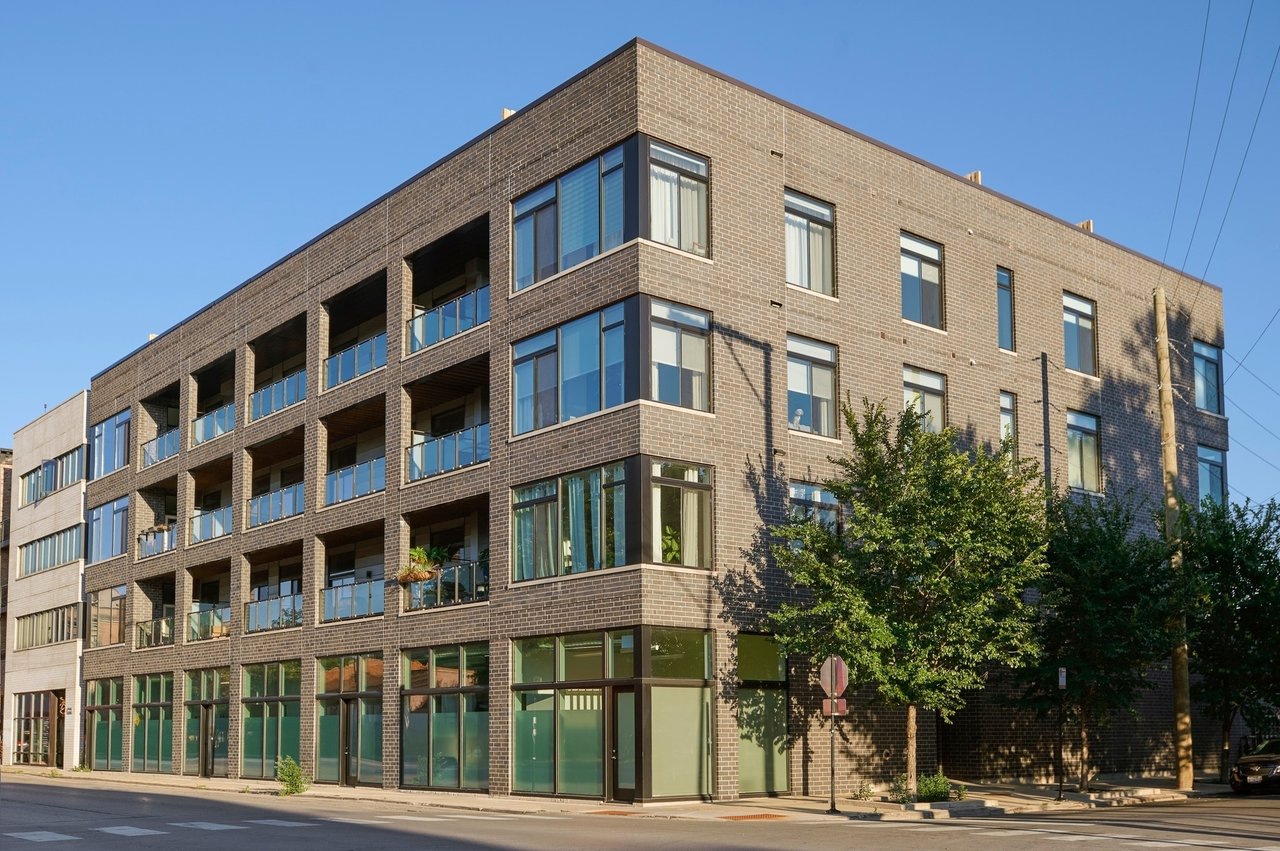
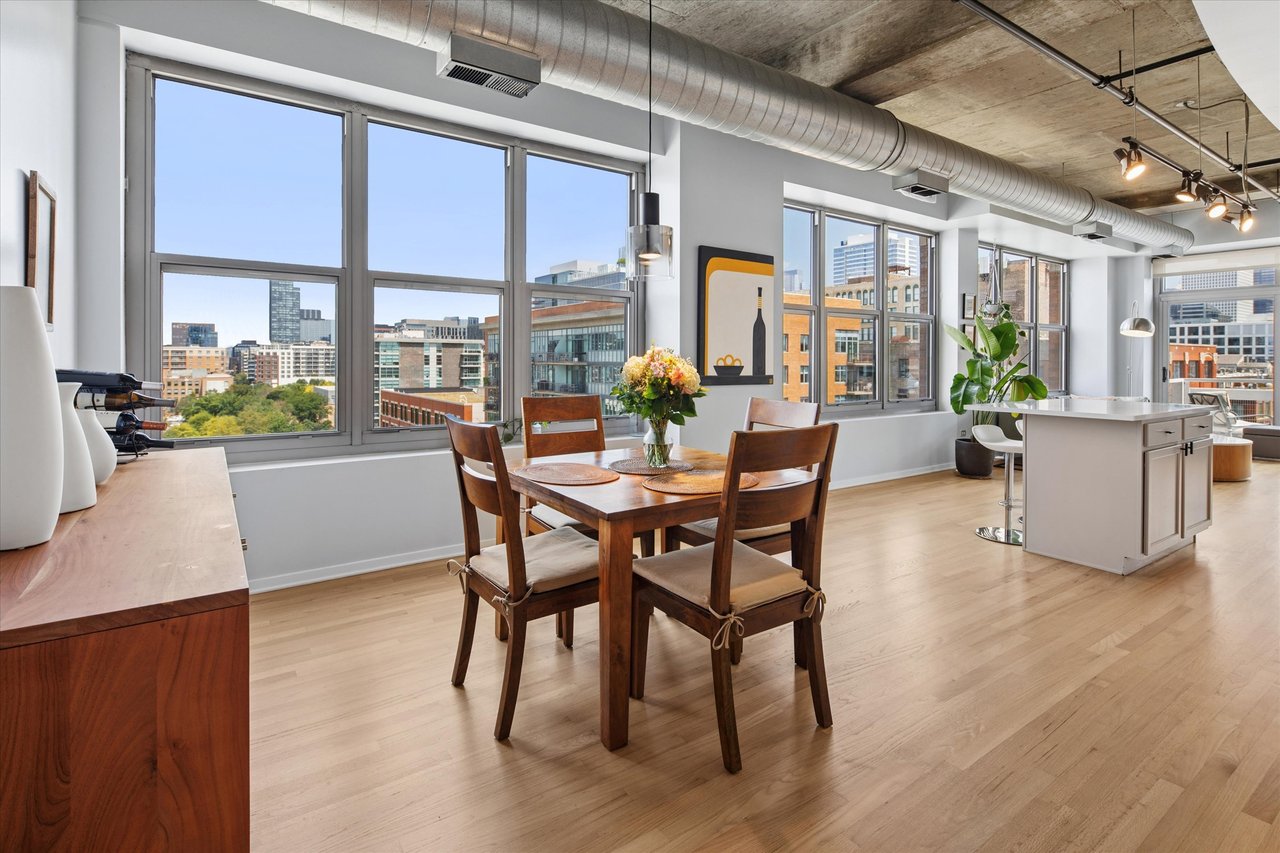
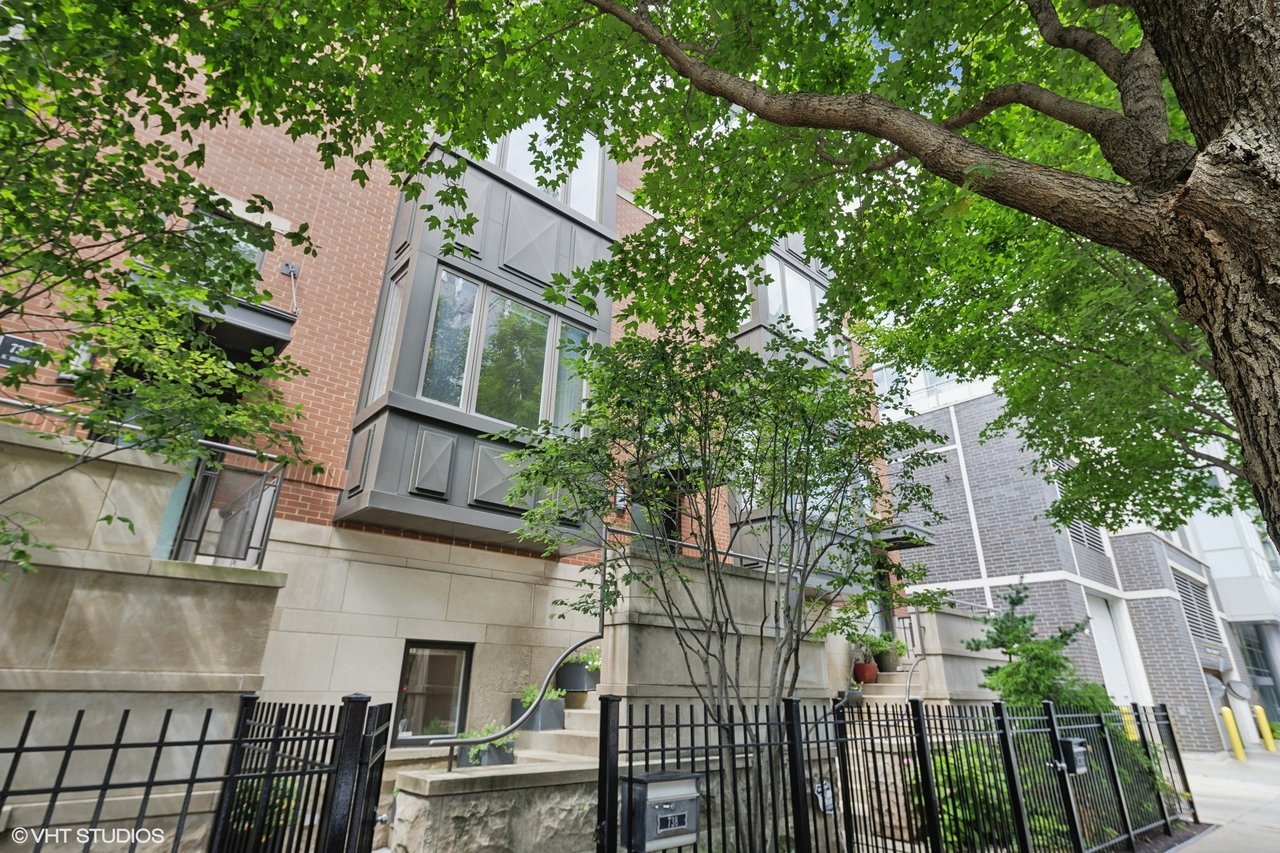
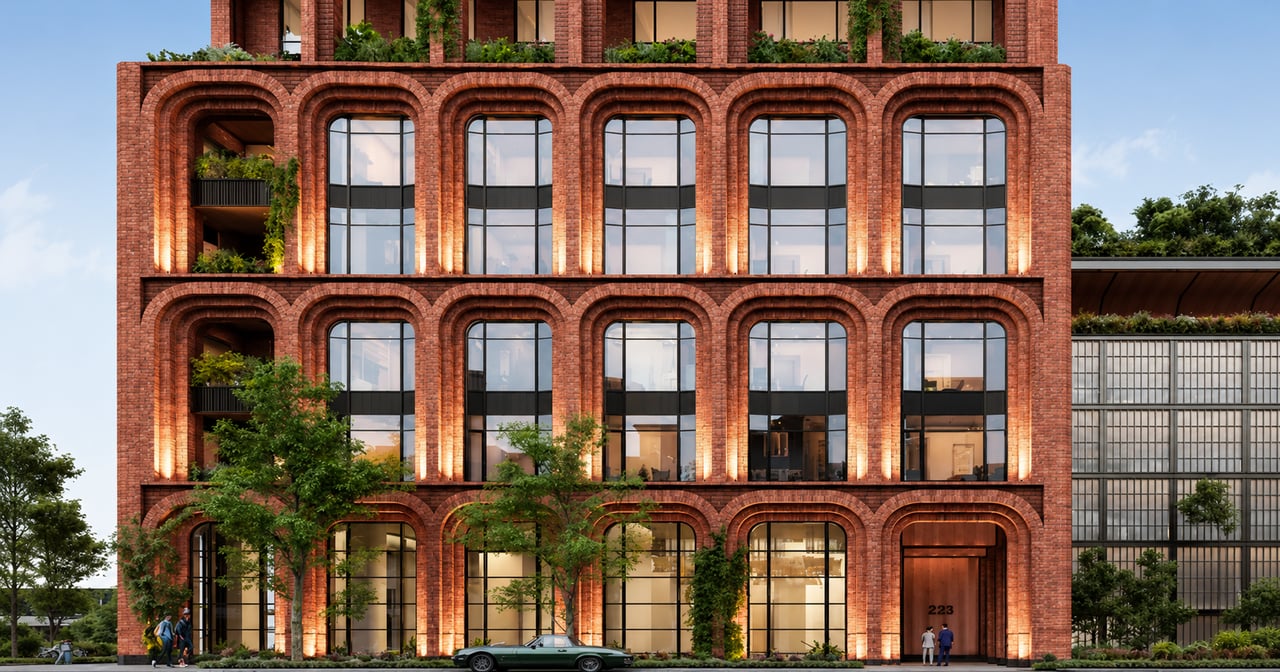
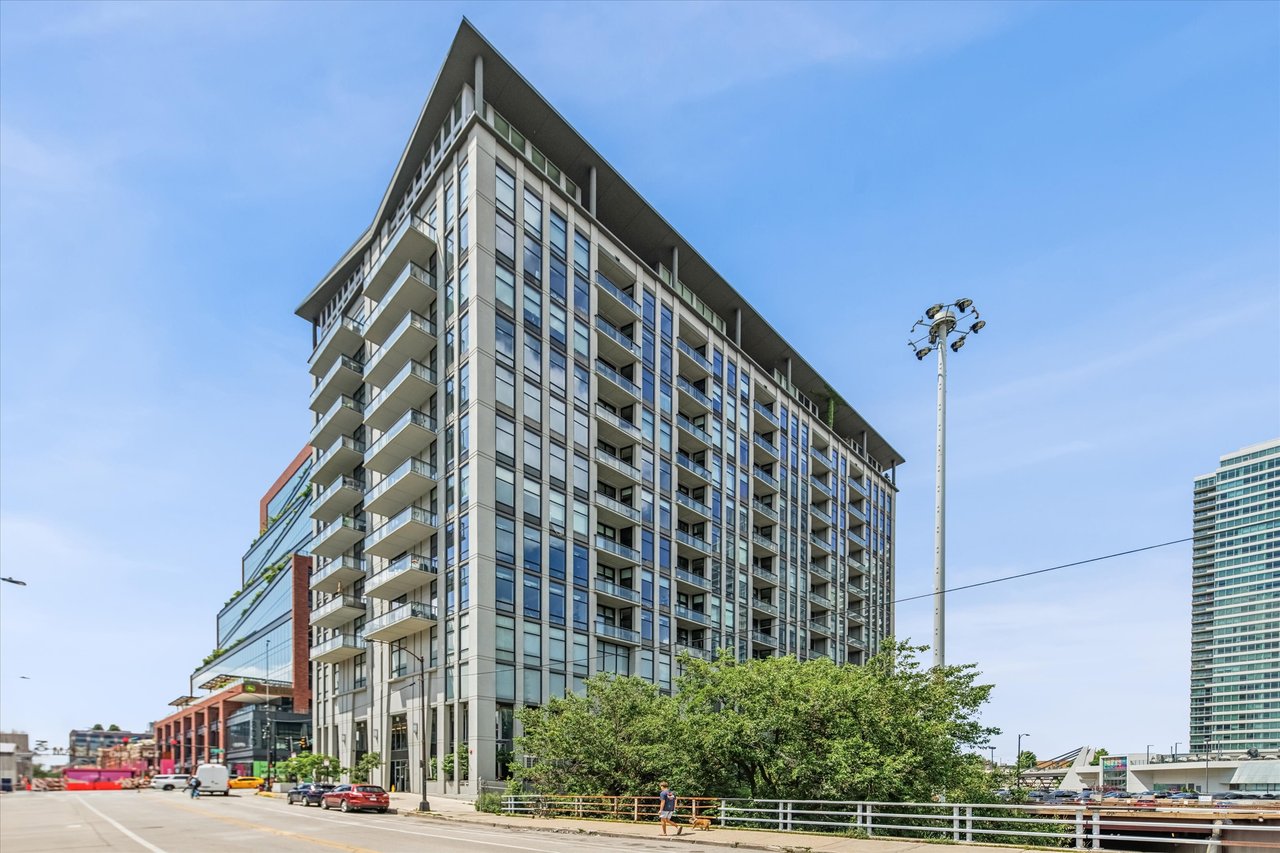
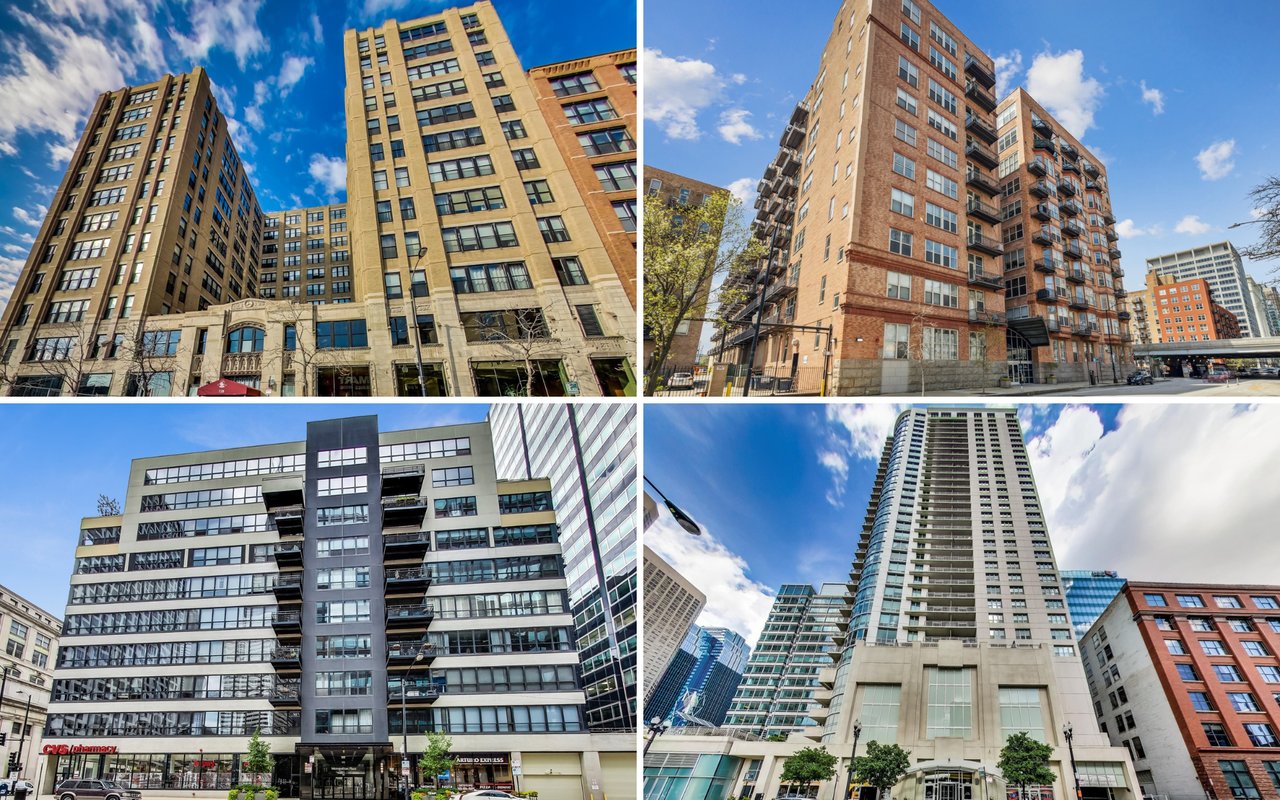
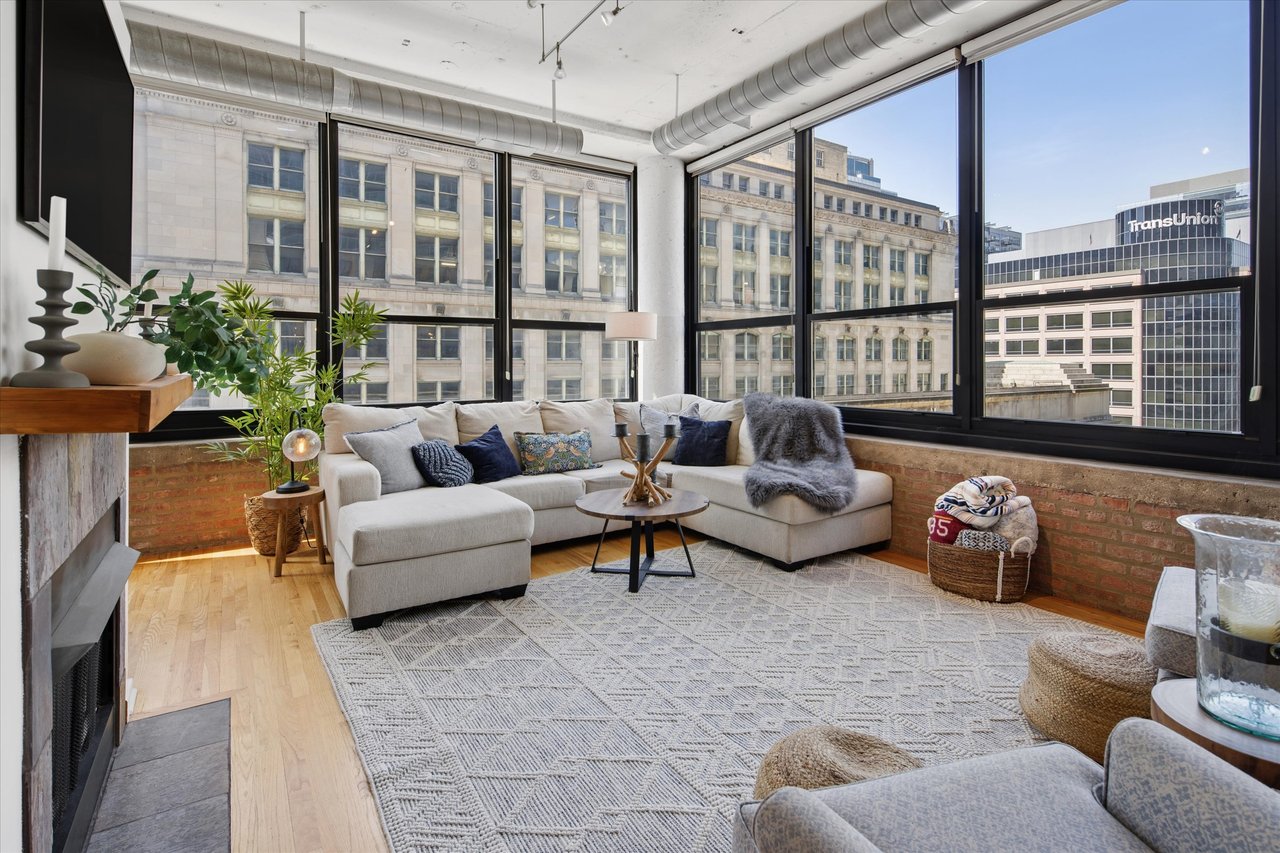
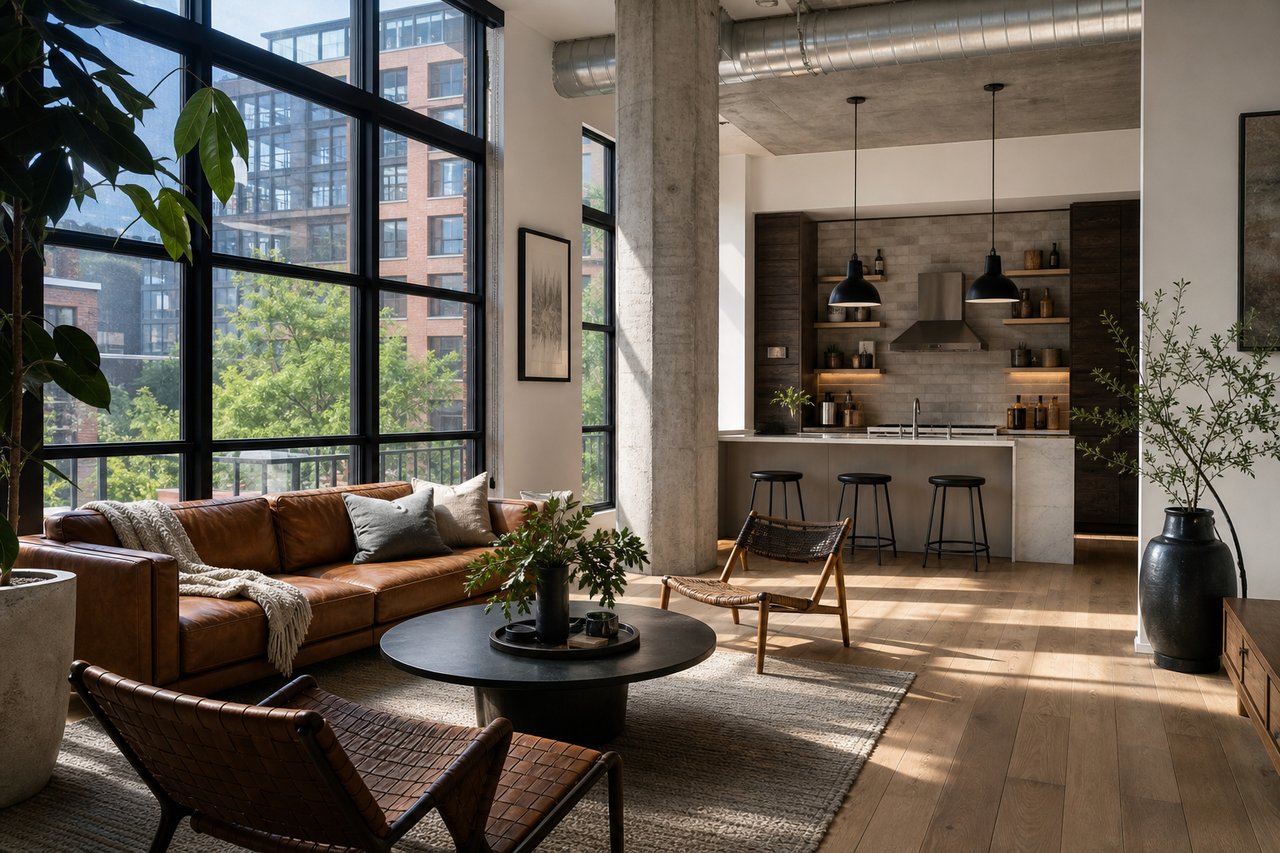
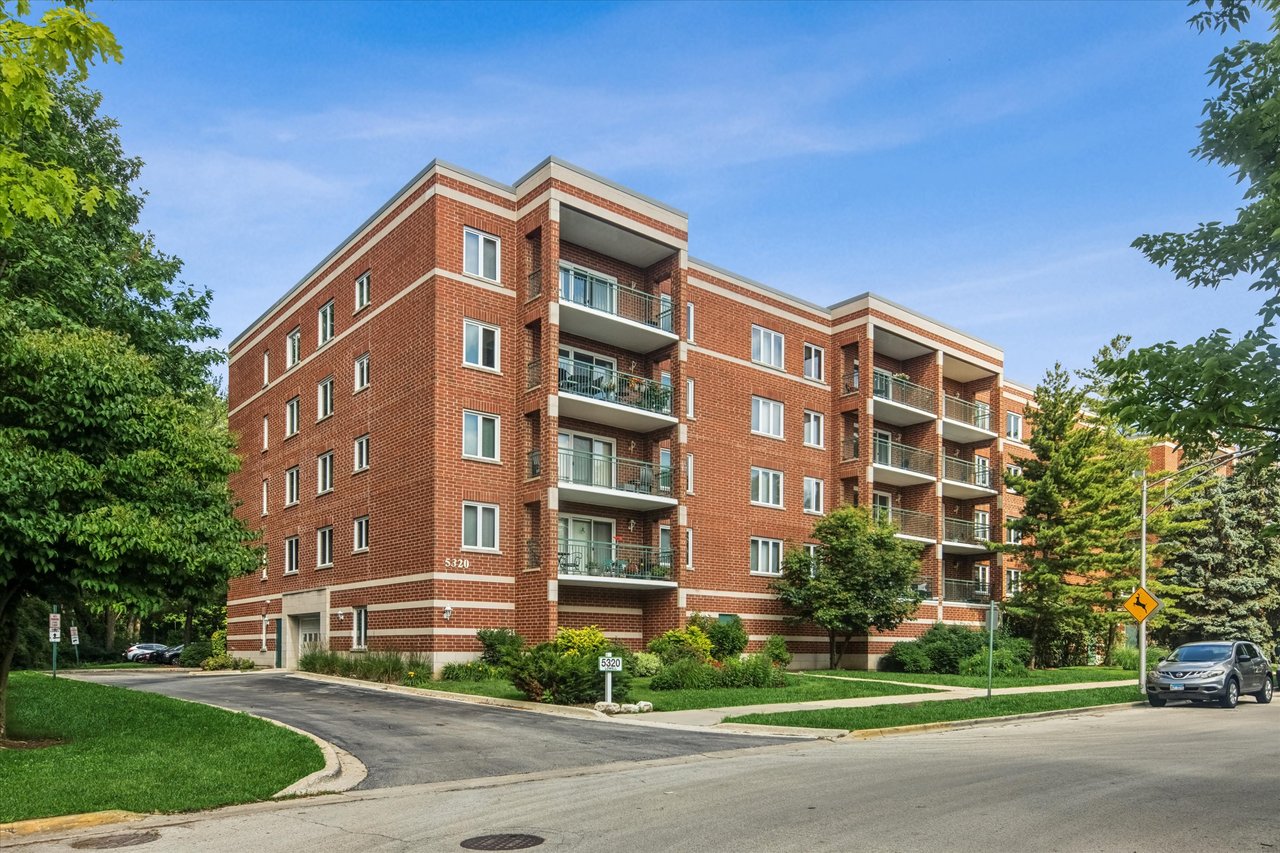
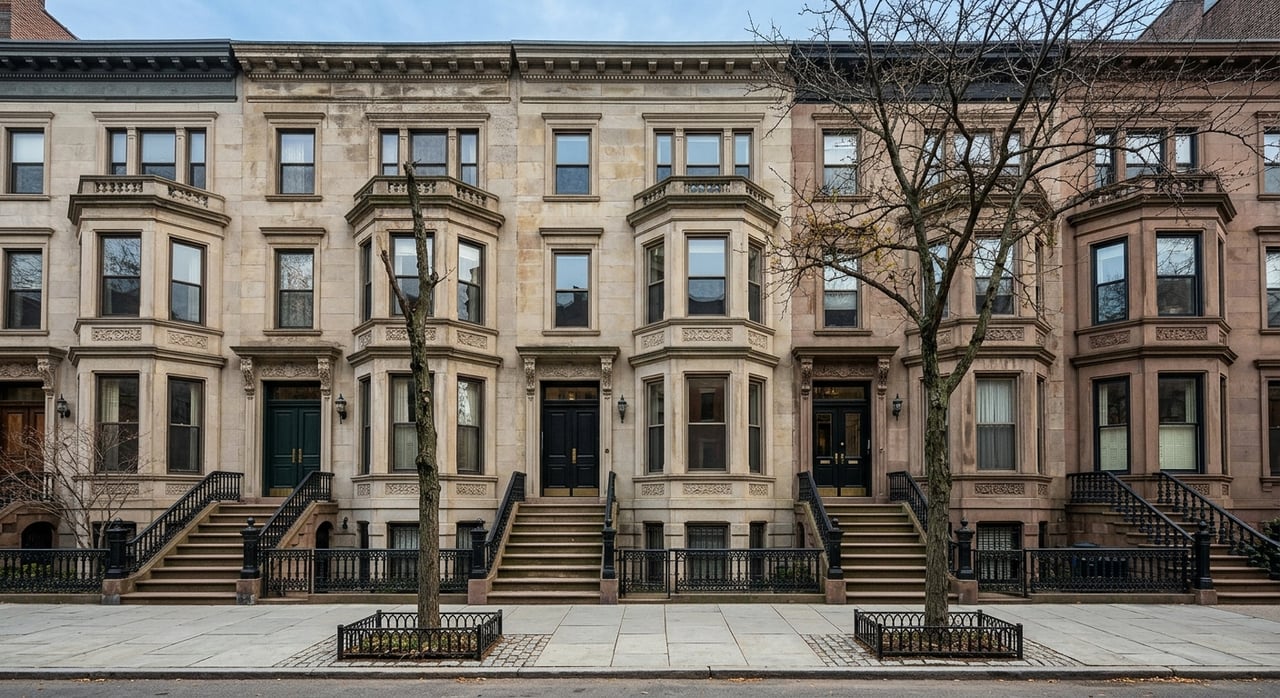
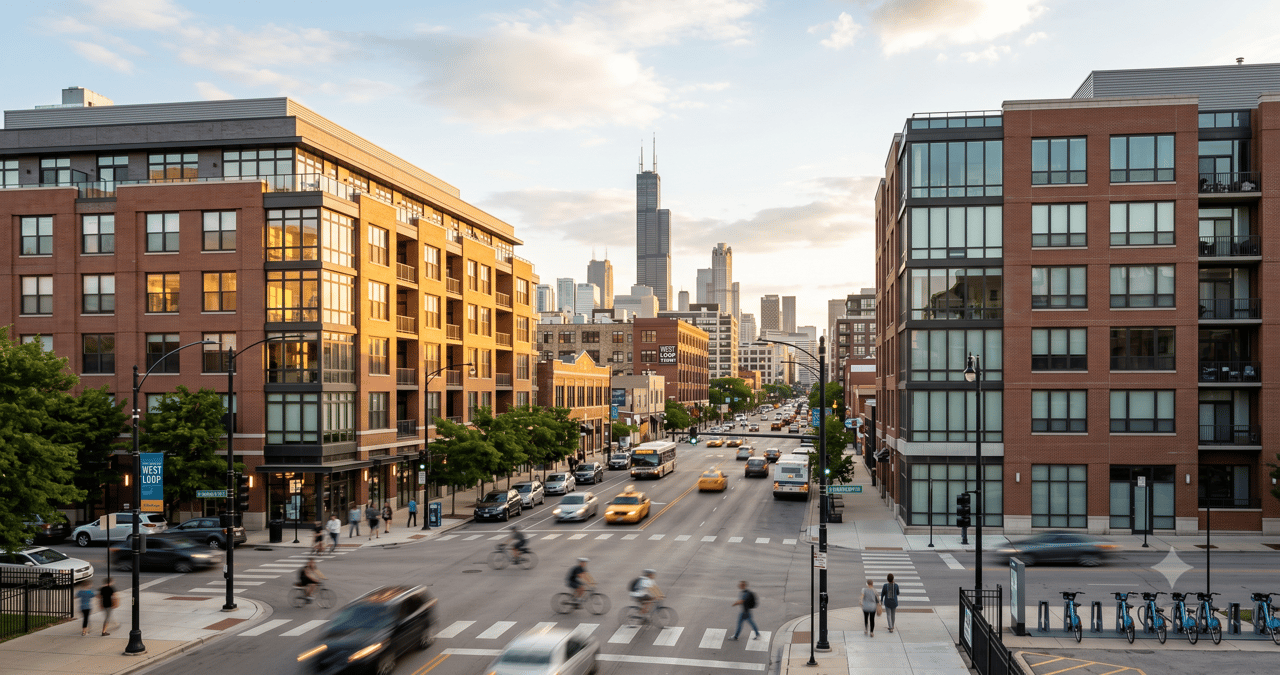
One of the biggest differences in Old Town is that condo living does not come in just one style. The neighborhood includes older brick and stone buildings, rowhouses, apartment buildings, and newer condominium development, especially farther west. That variety changes the feel from one block to the next.
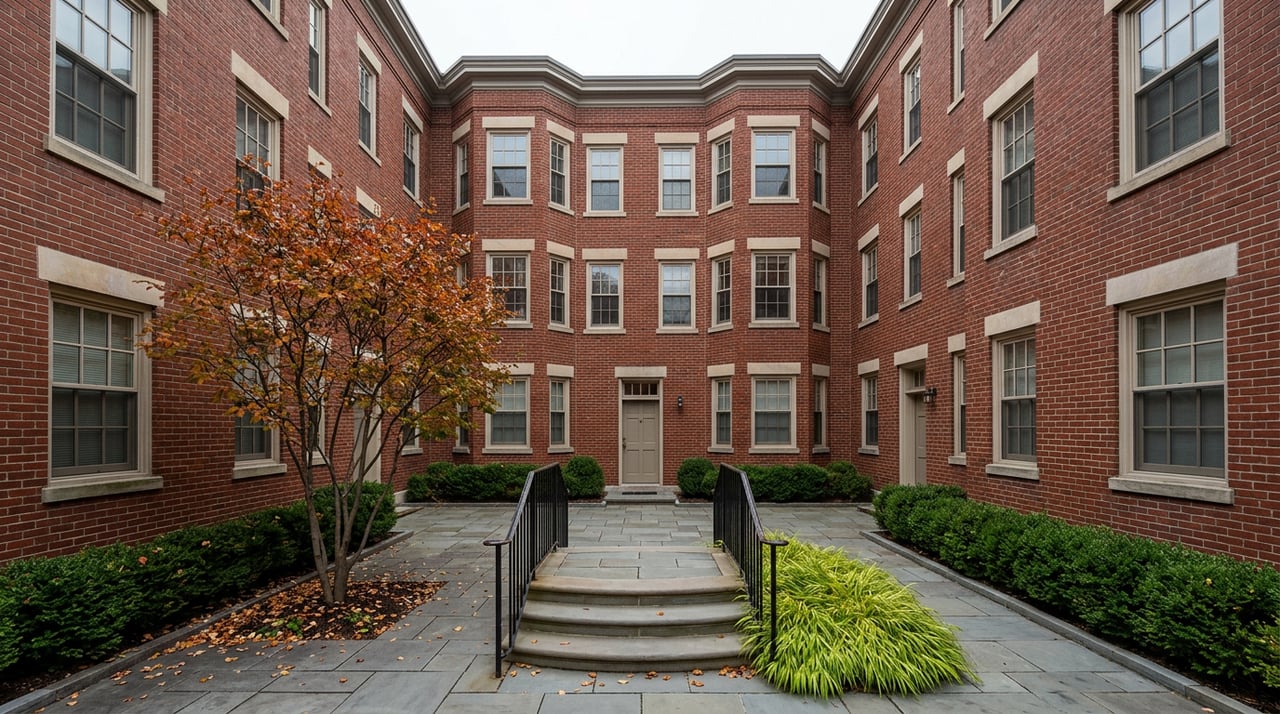
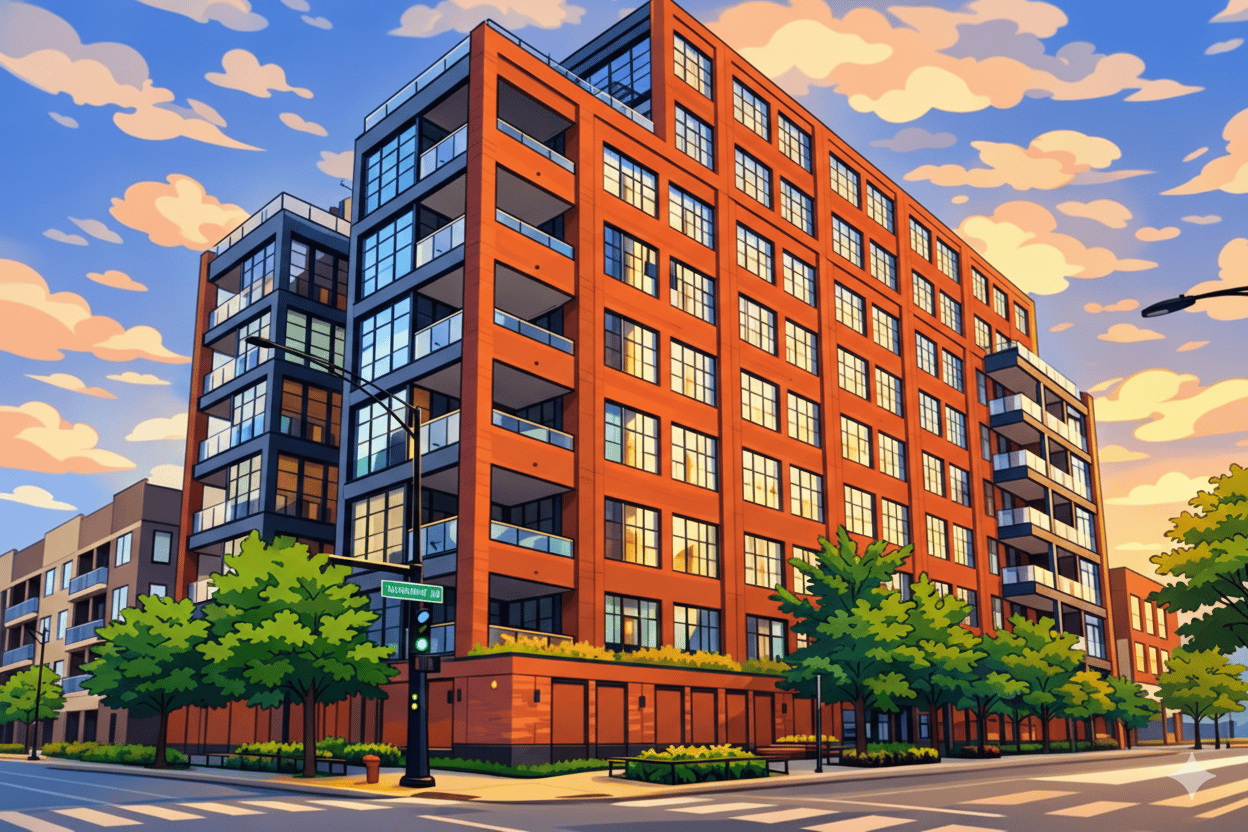
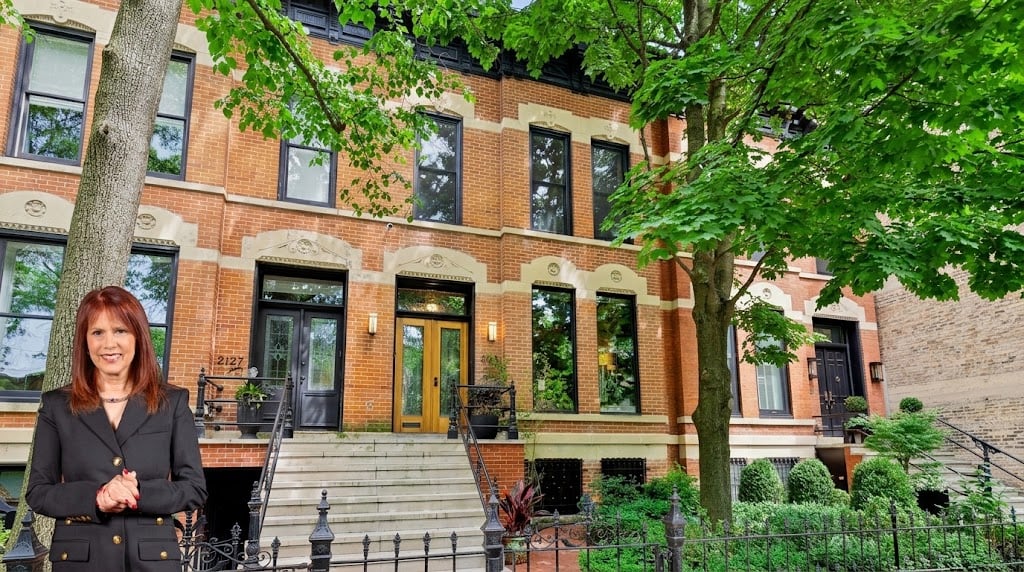
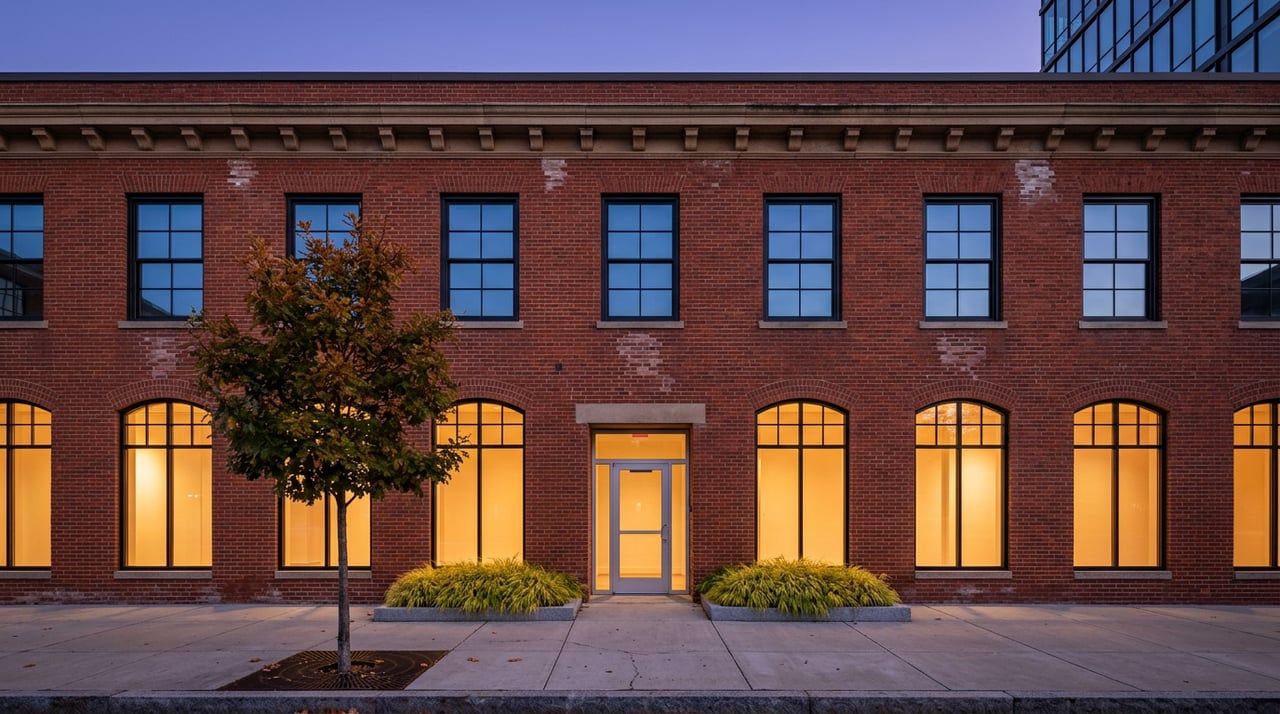
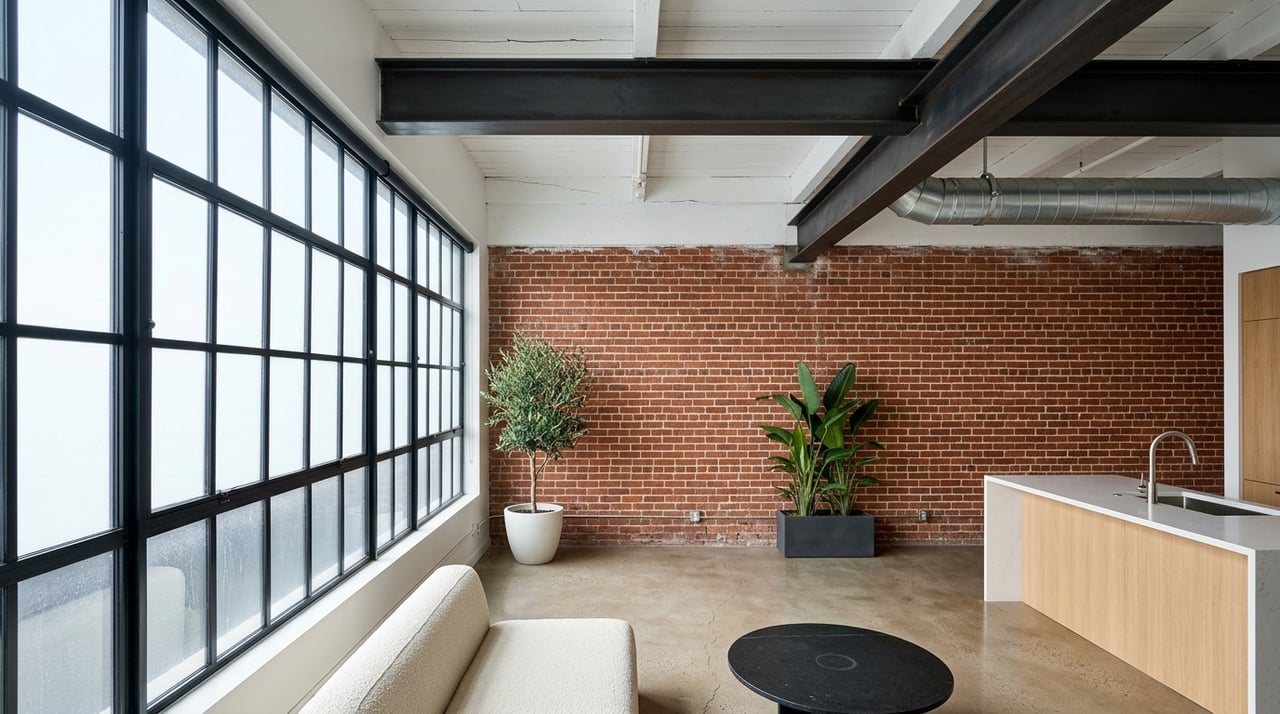
If you like architectural character, Old Town offers plenty of it. The area rebuilt after the Great Chicago Fire with brick and stone construction, and parts of the neighborhood developed with rowhouses and apartment buildings. You can still see that layered history in the built environment today.
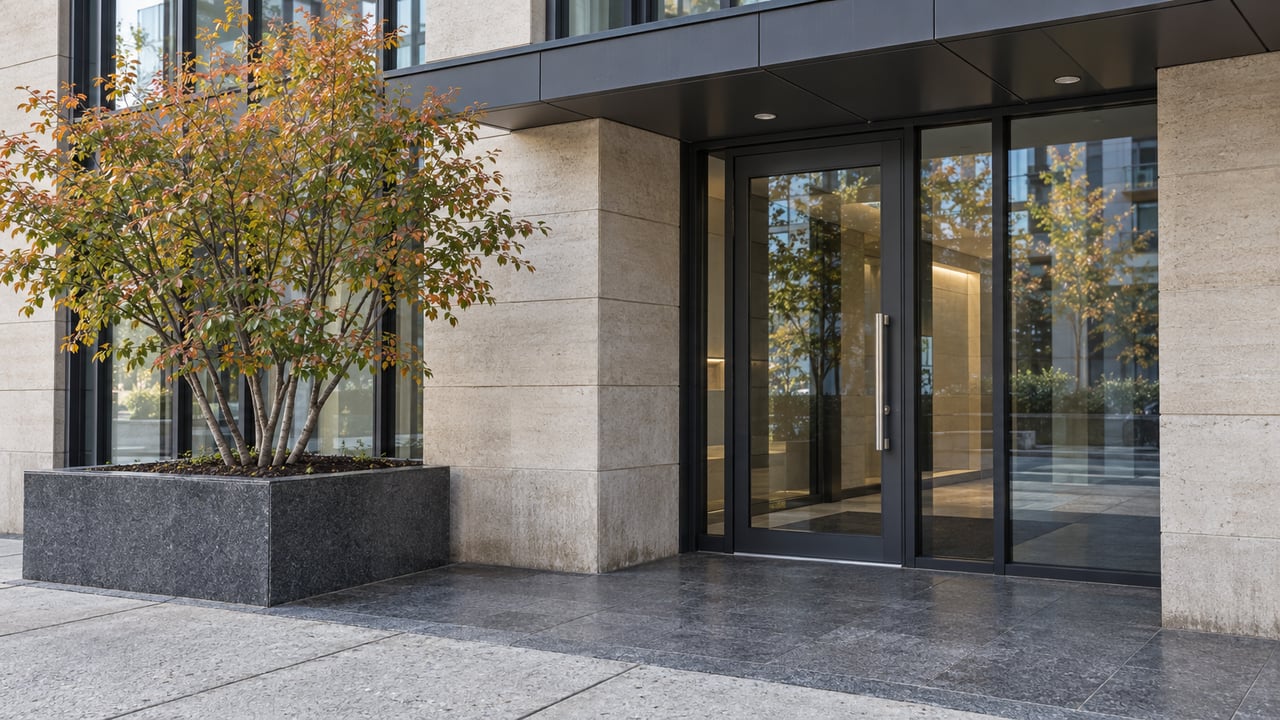
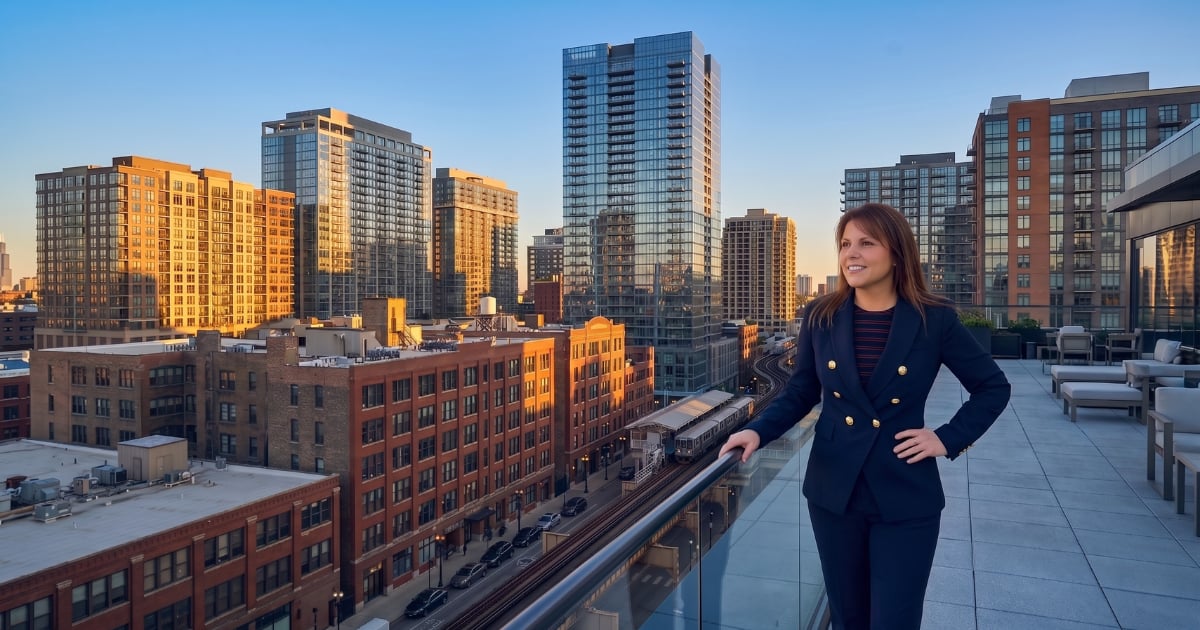
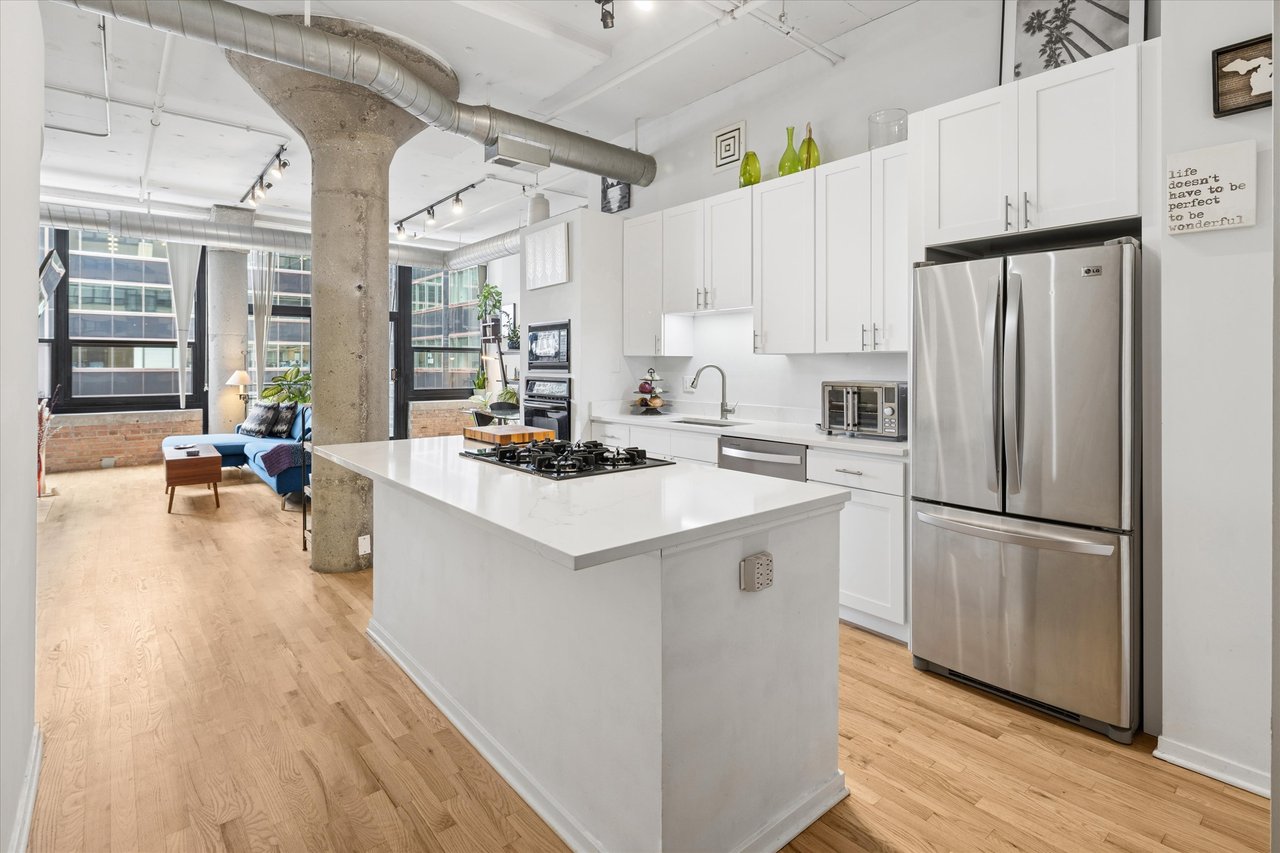
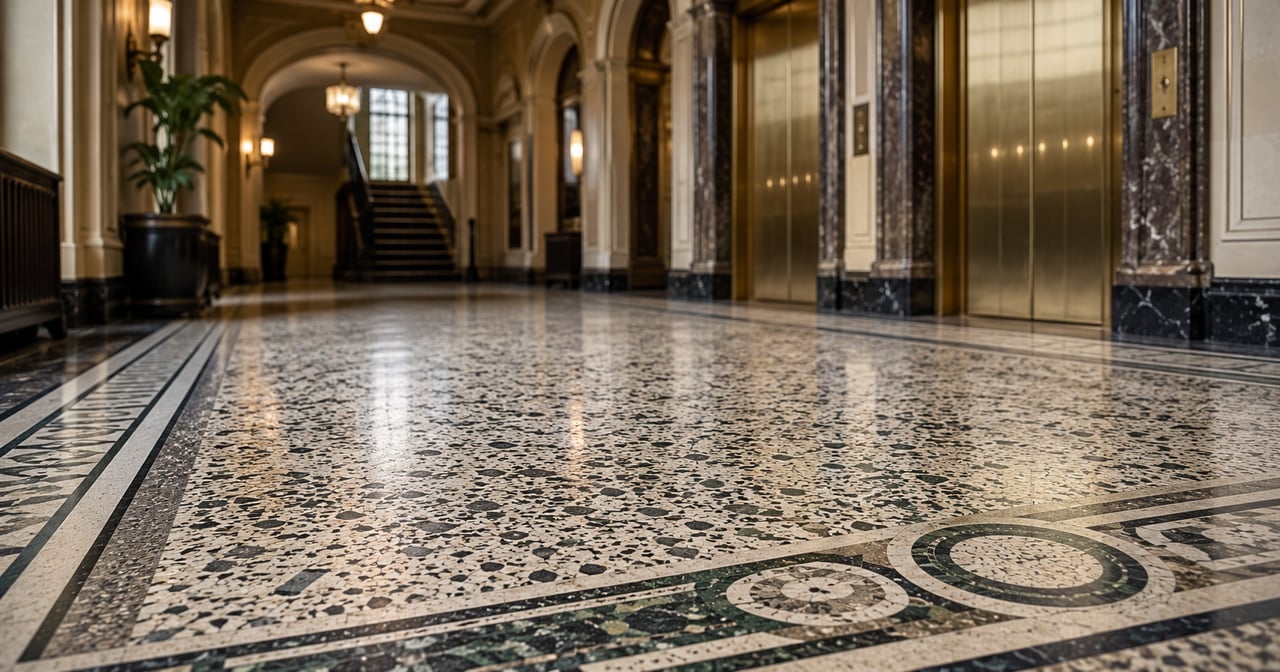
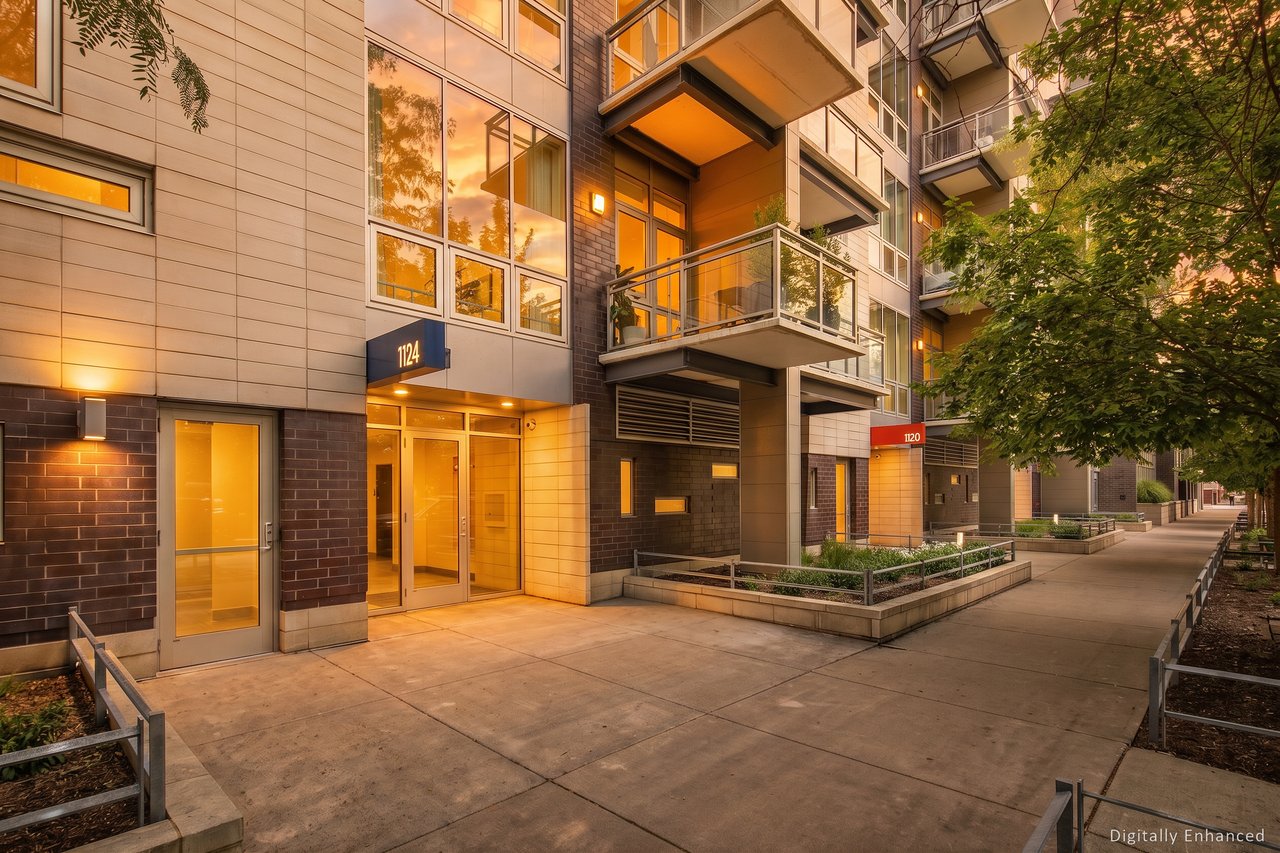
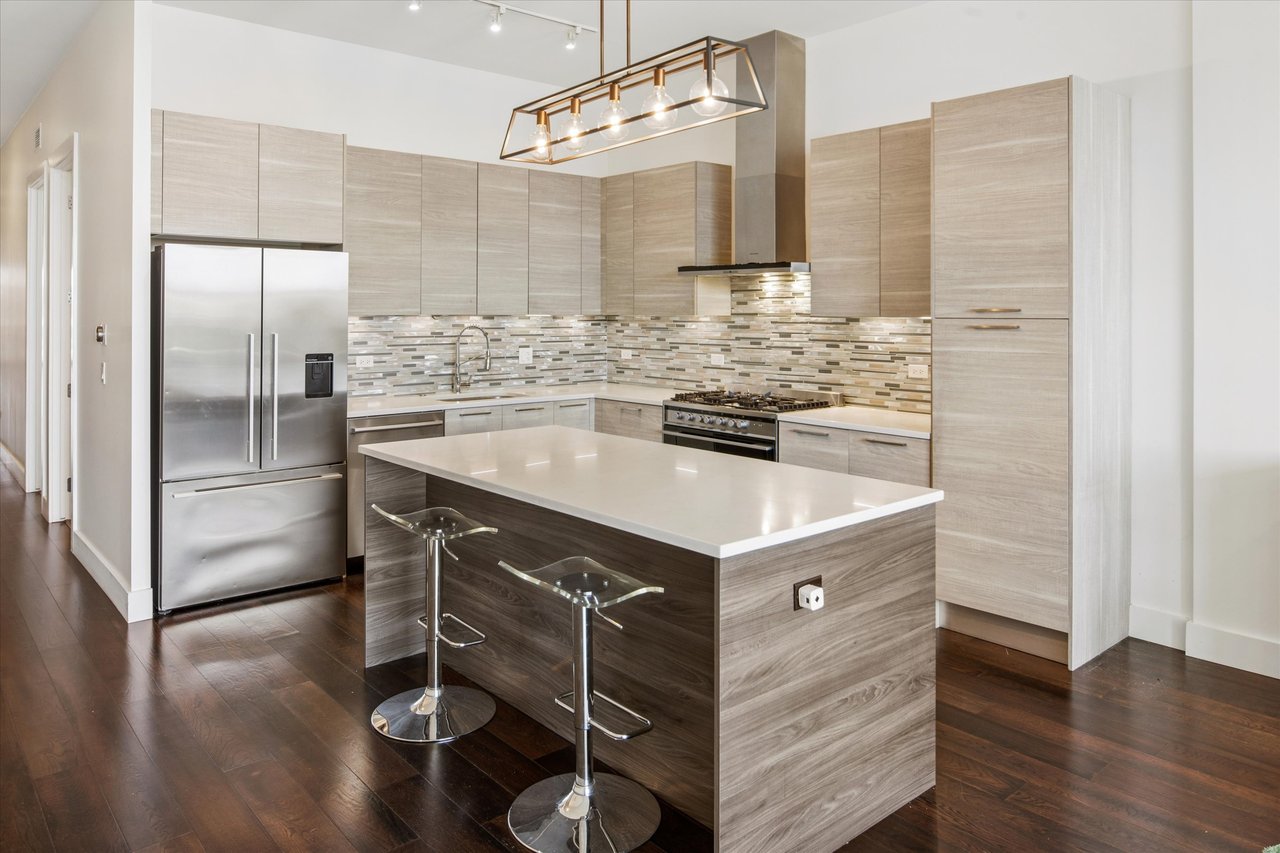
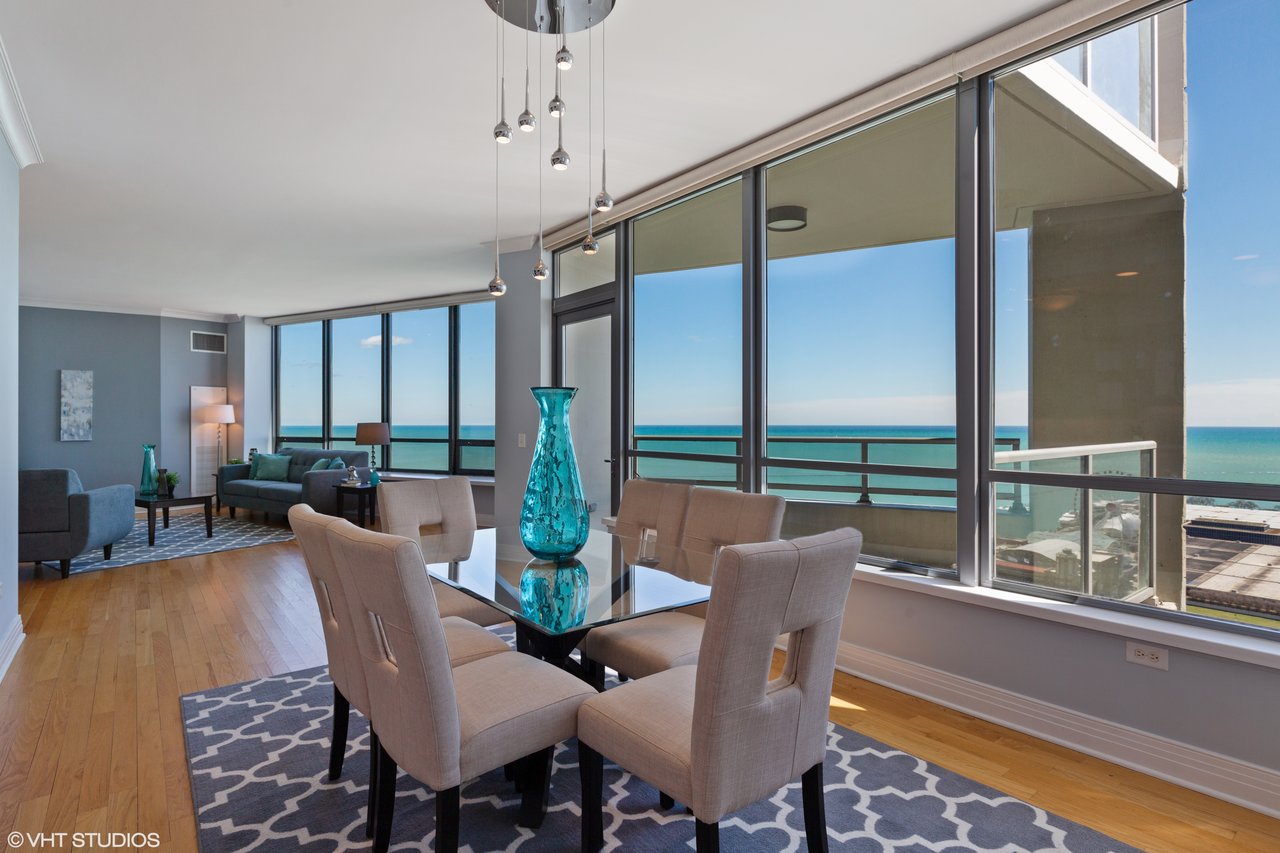
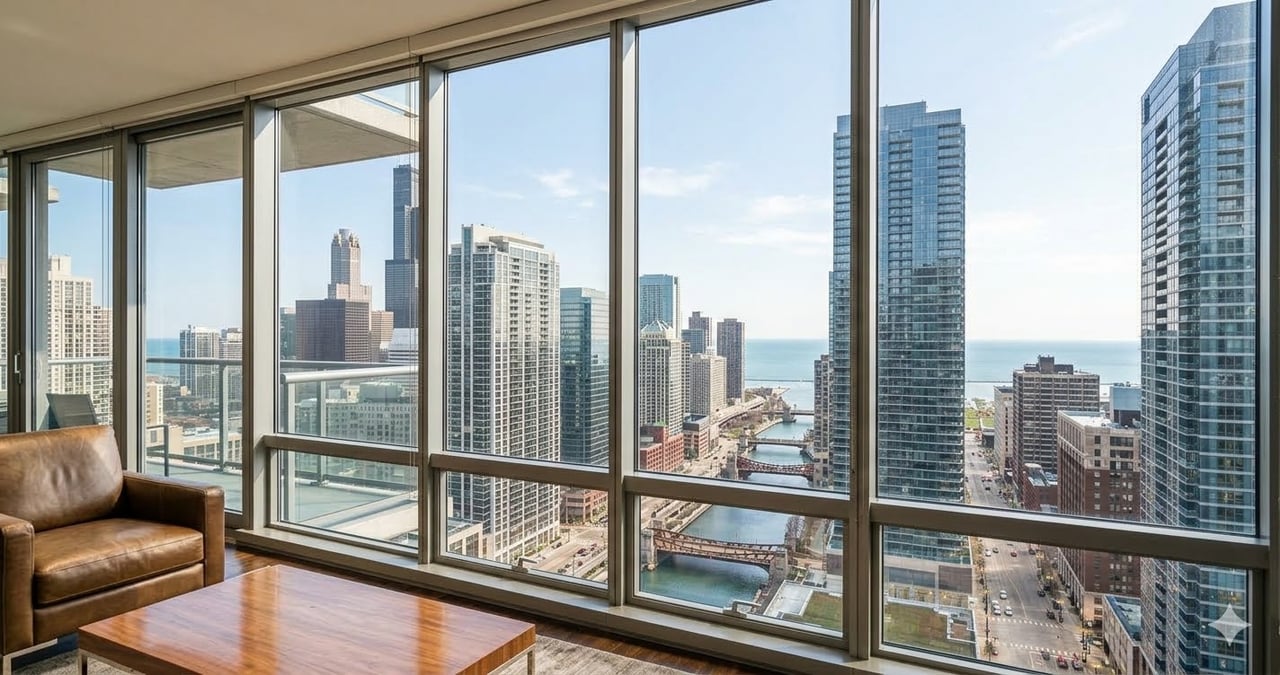
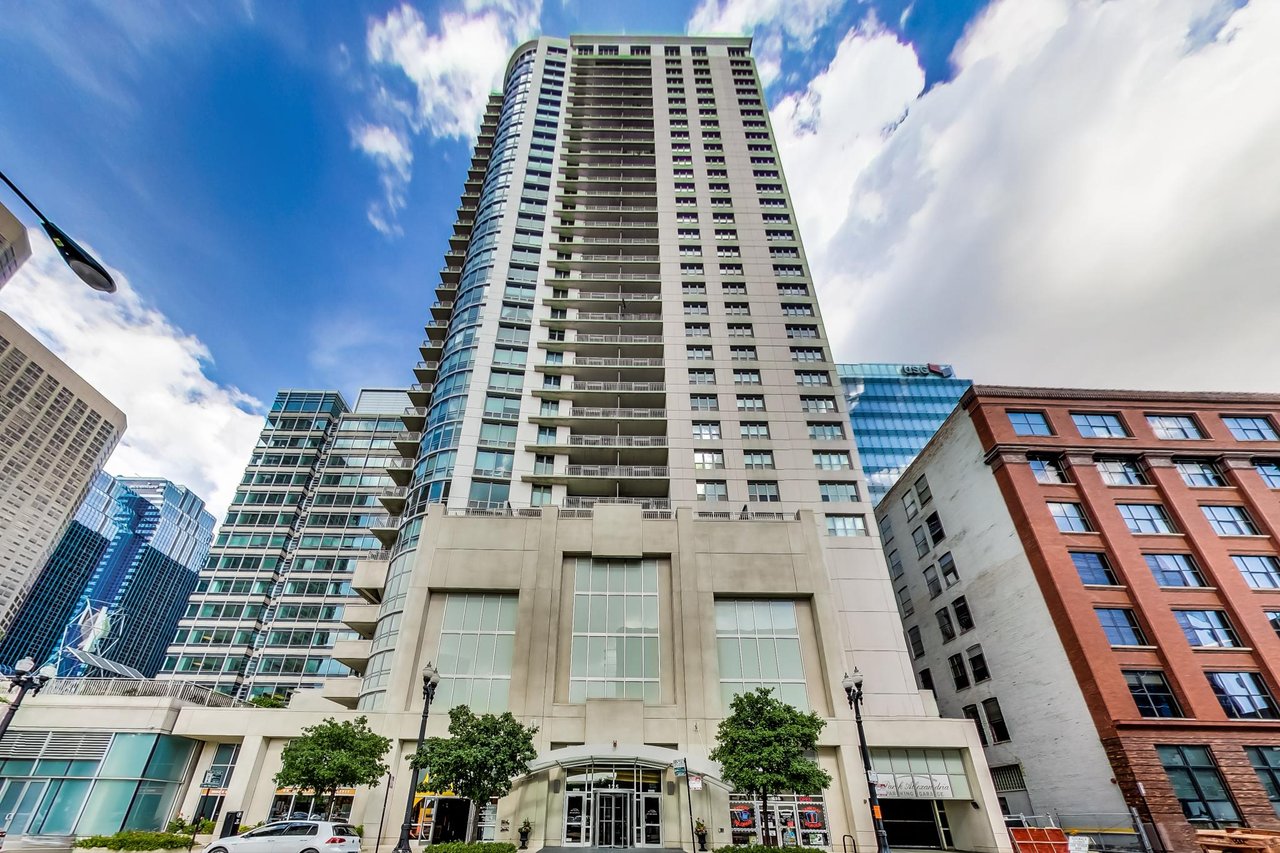
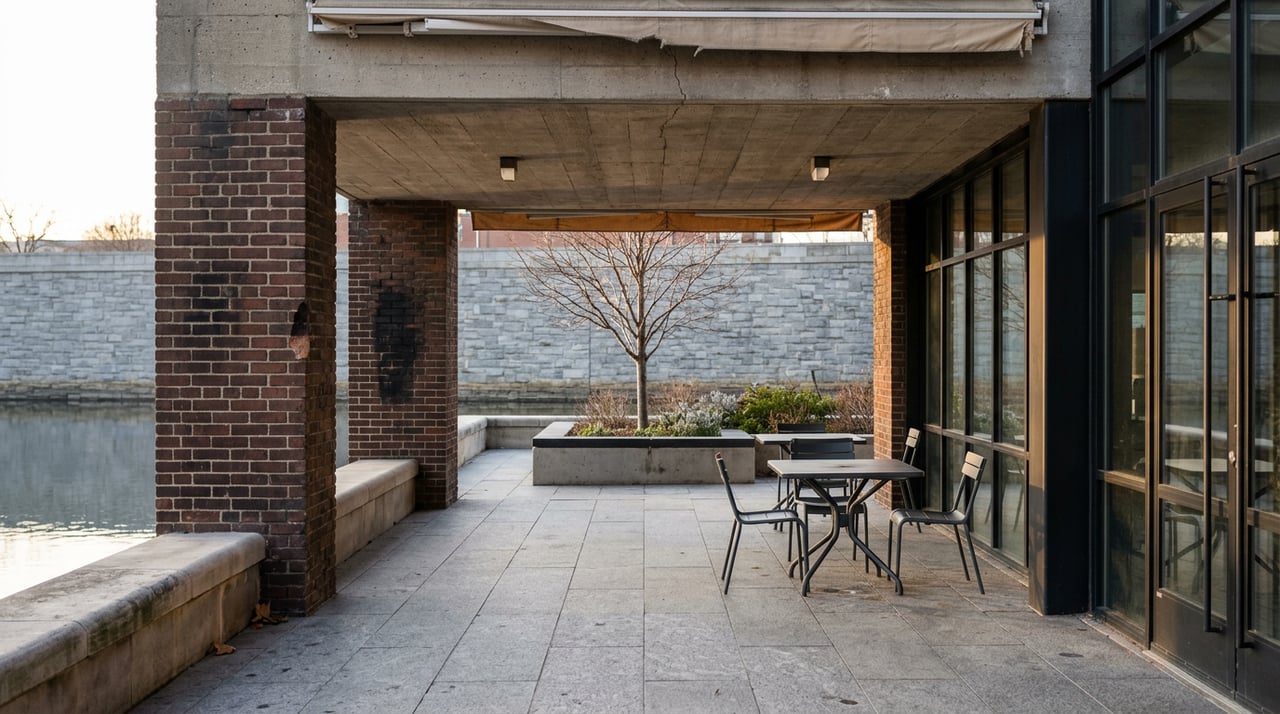
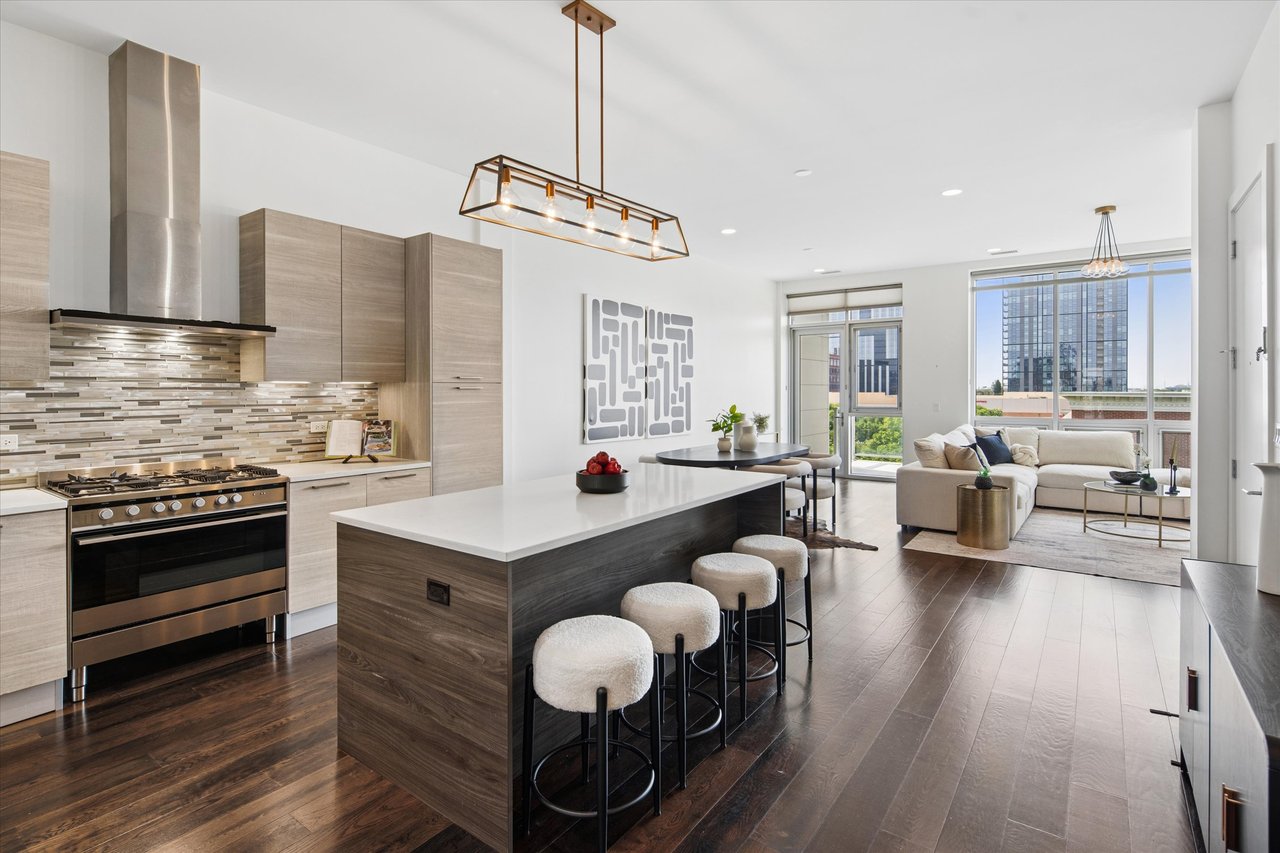
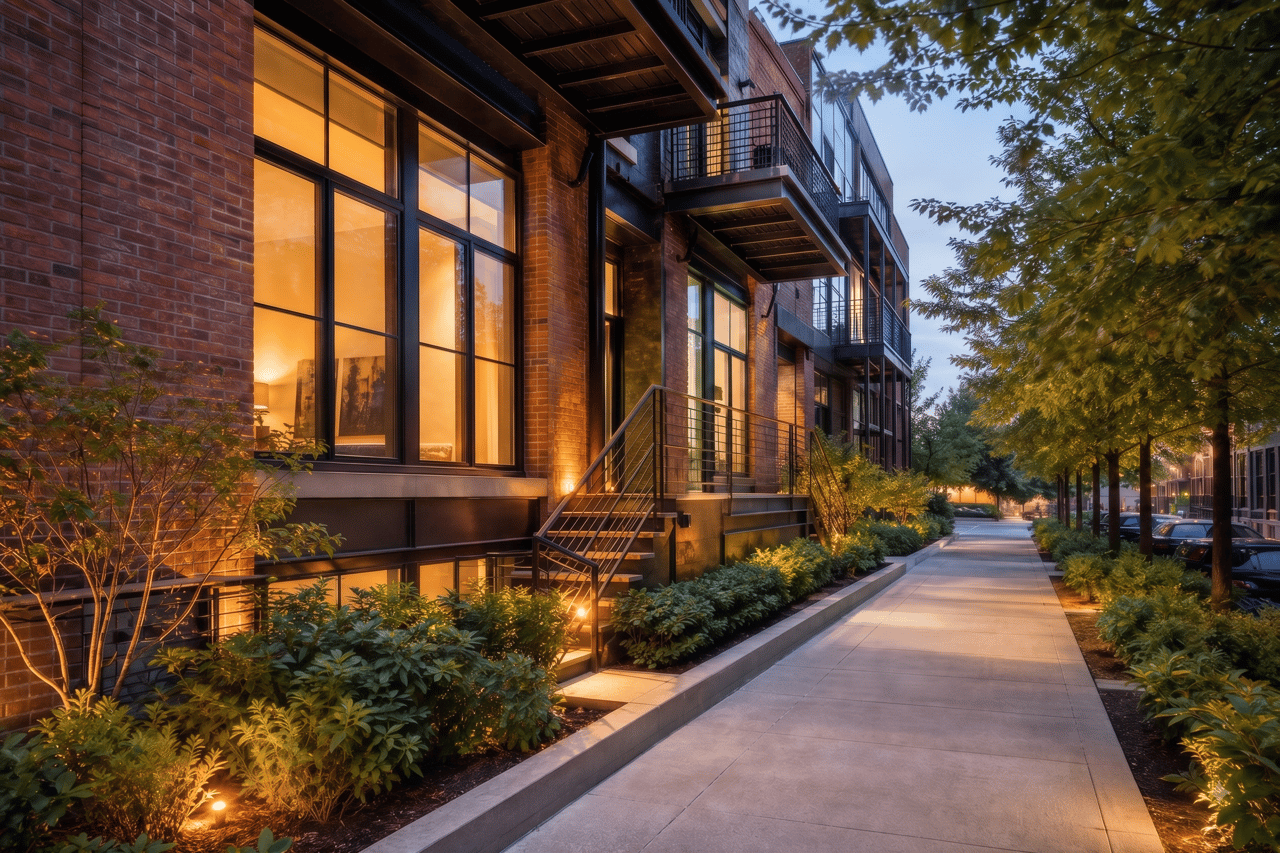
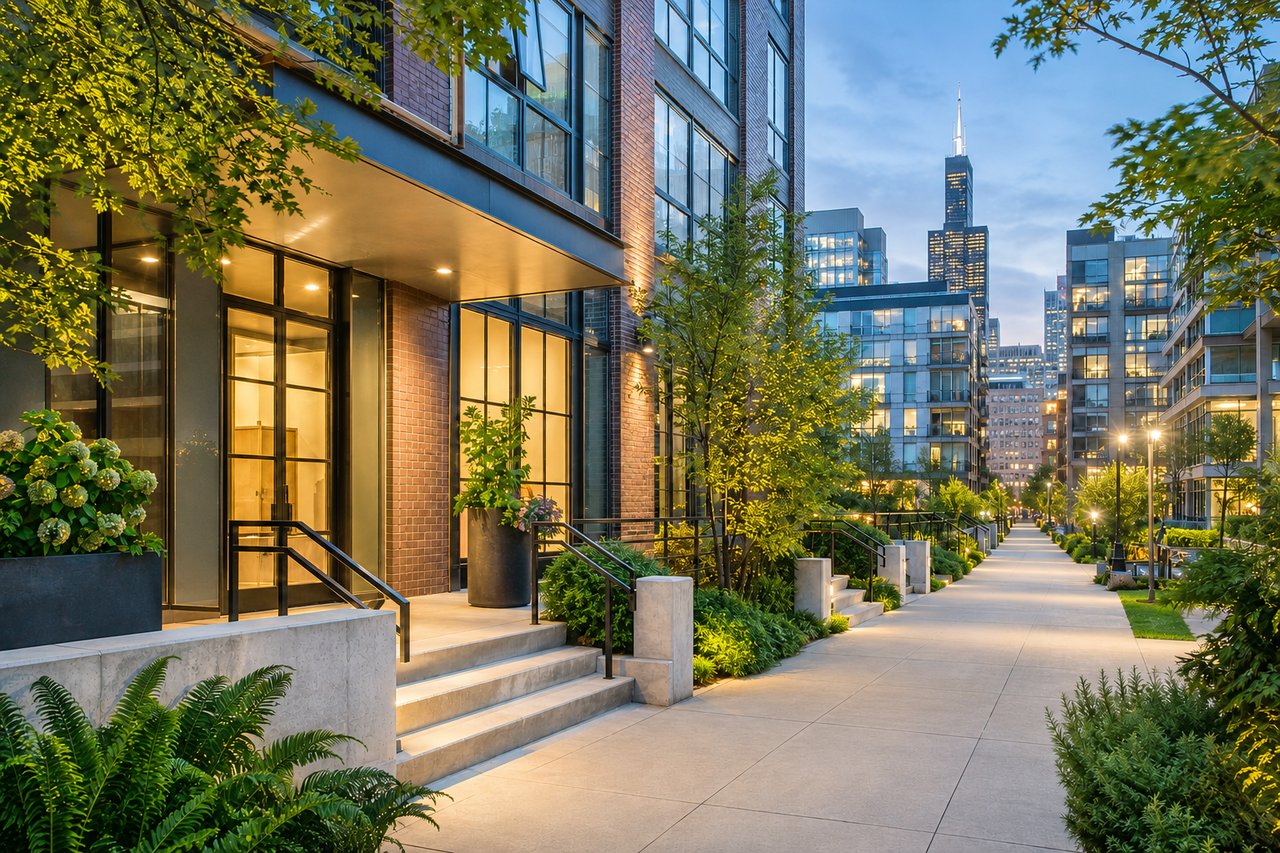
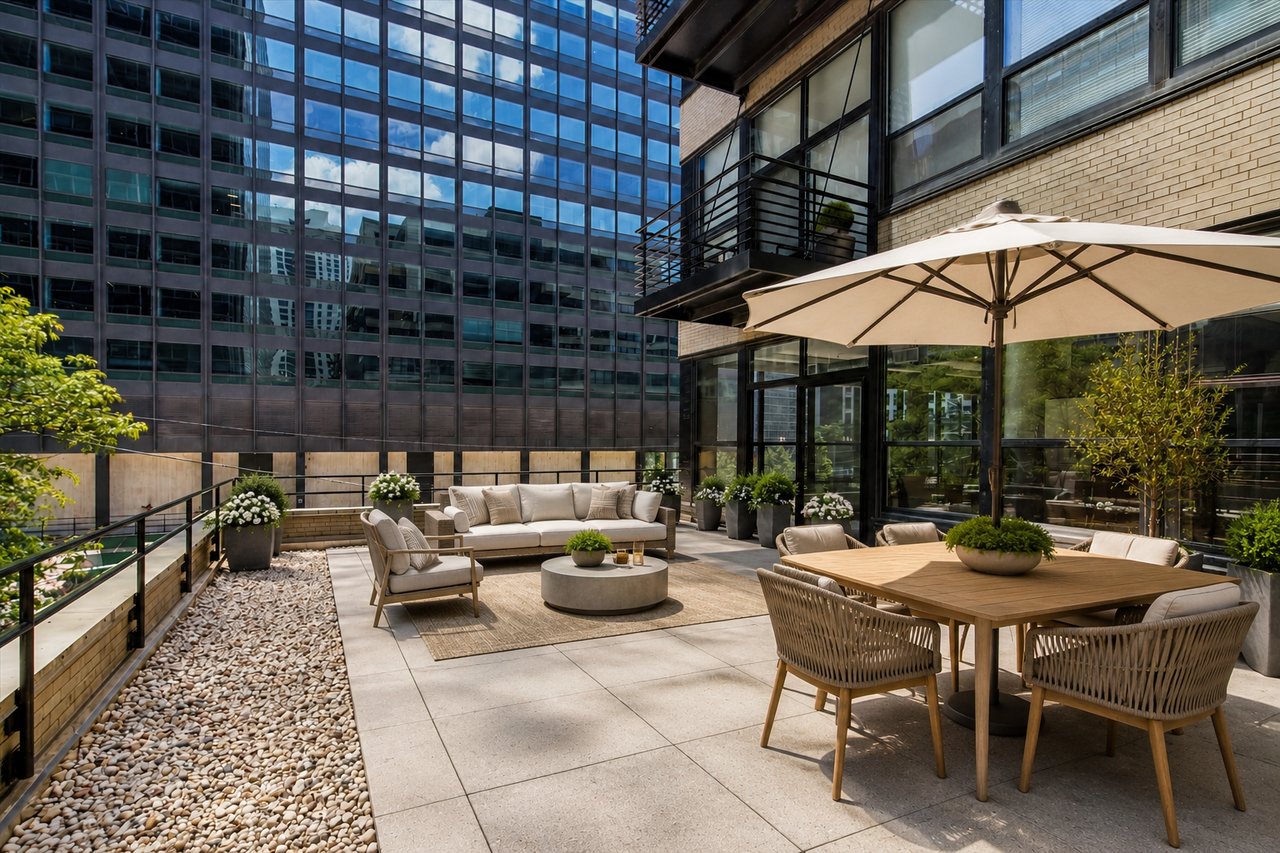
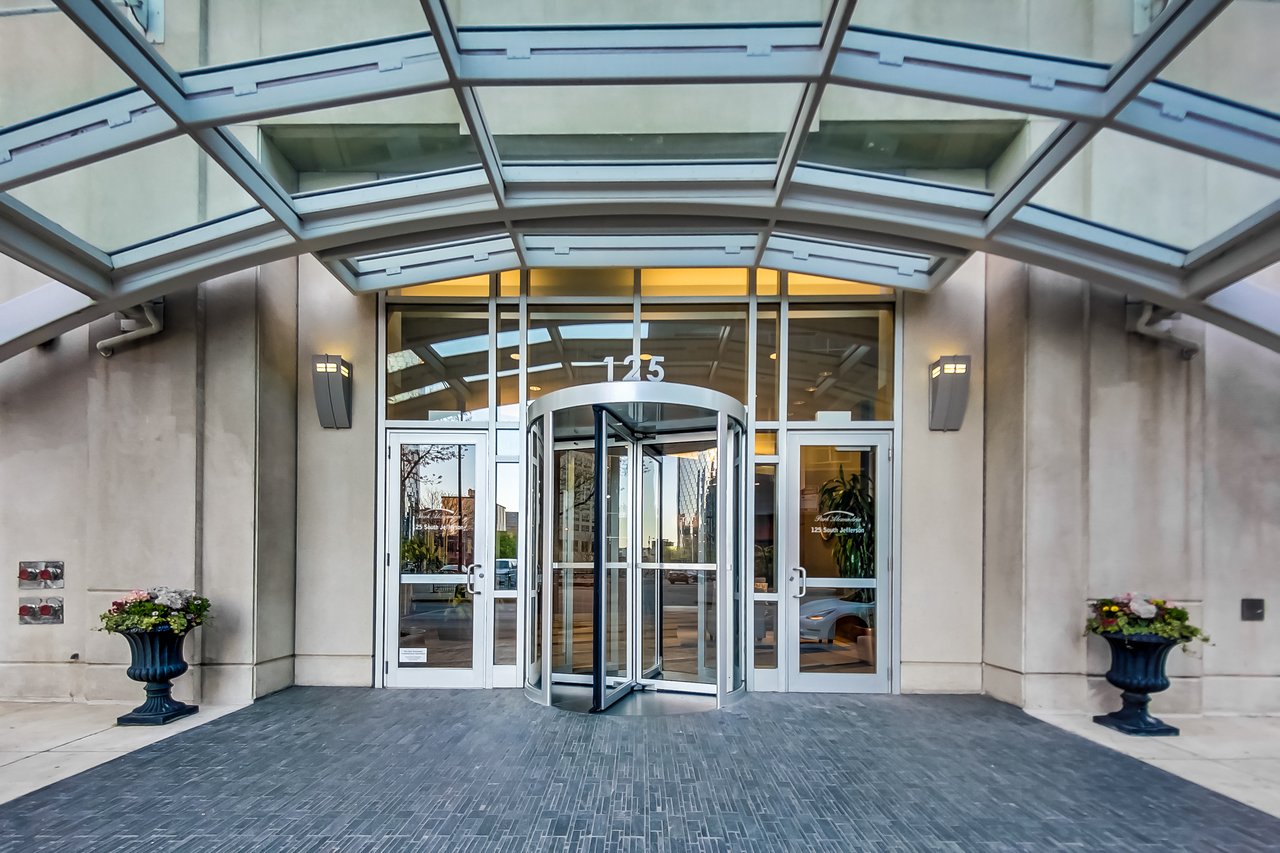
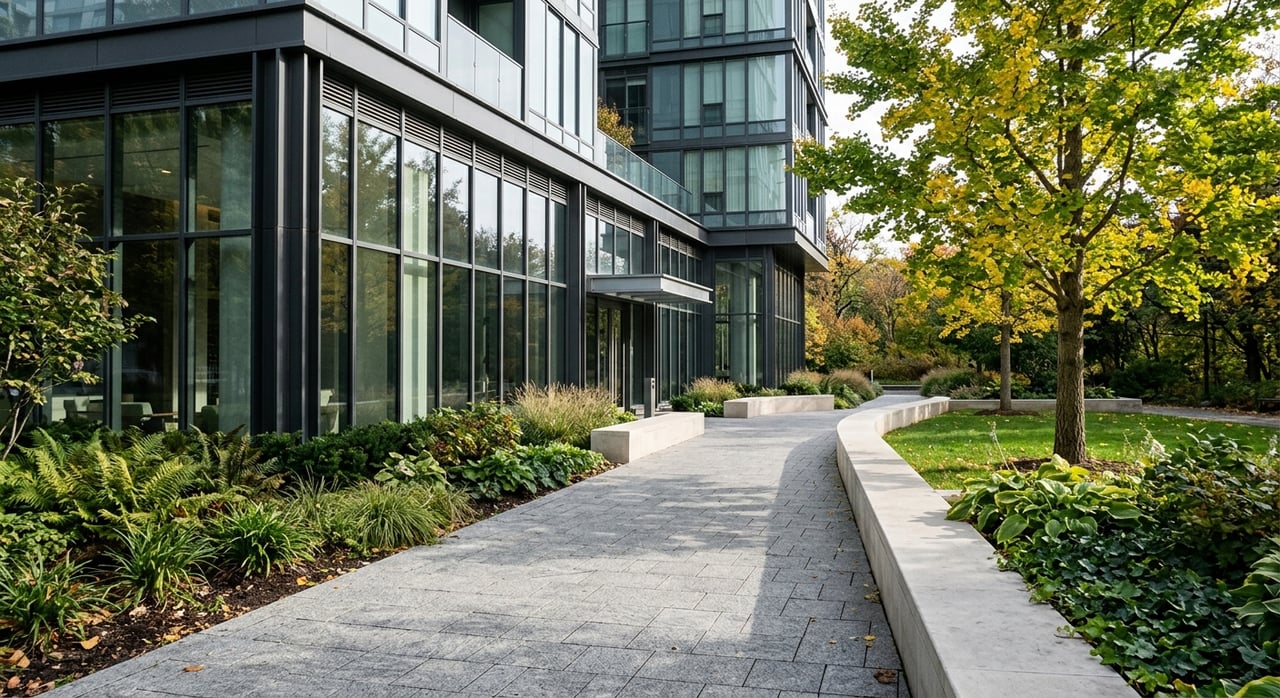
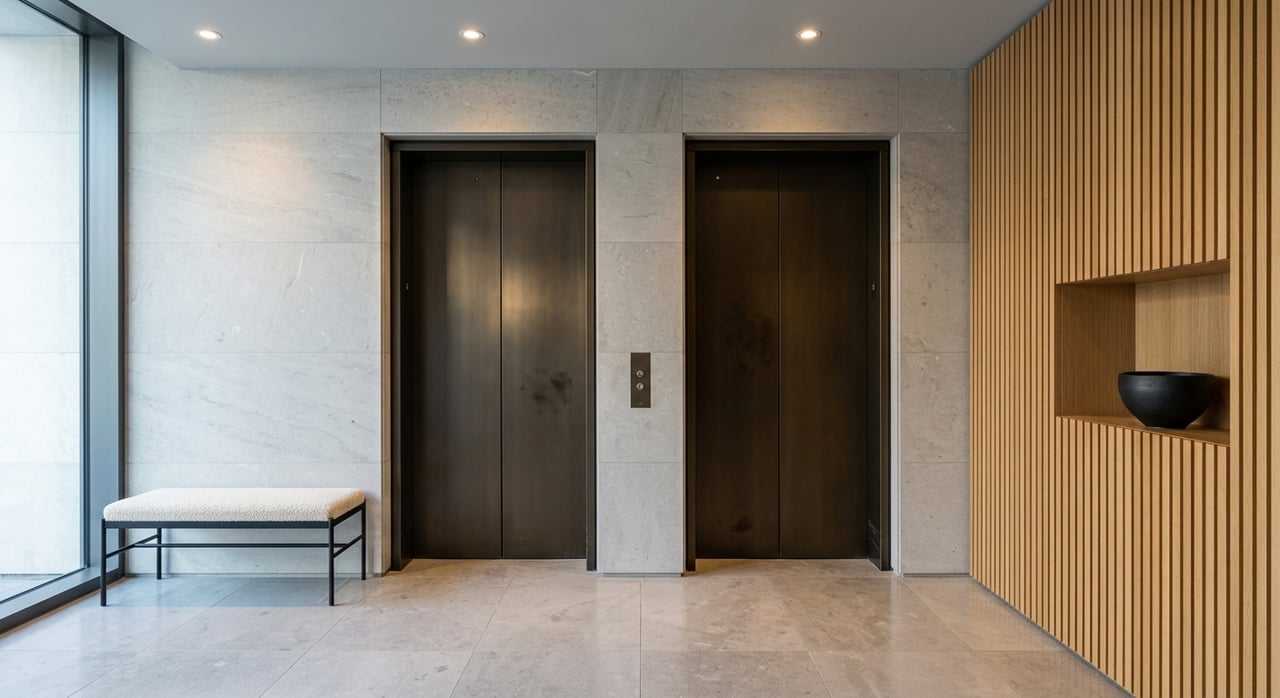
If you prefer a more polished, full-service setup, you can find that too. Boutique mid-rise condos and larger amenity buildings add options like elevators, door staff, parking, fitness spaces, roof decks, storage, bike rooms, and common outdoor areas in some buildings.
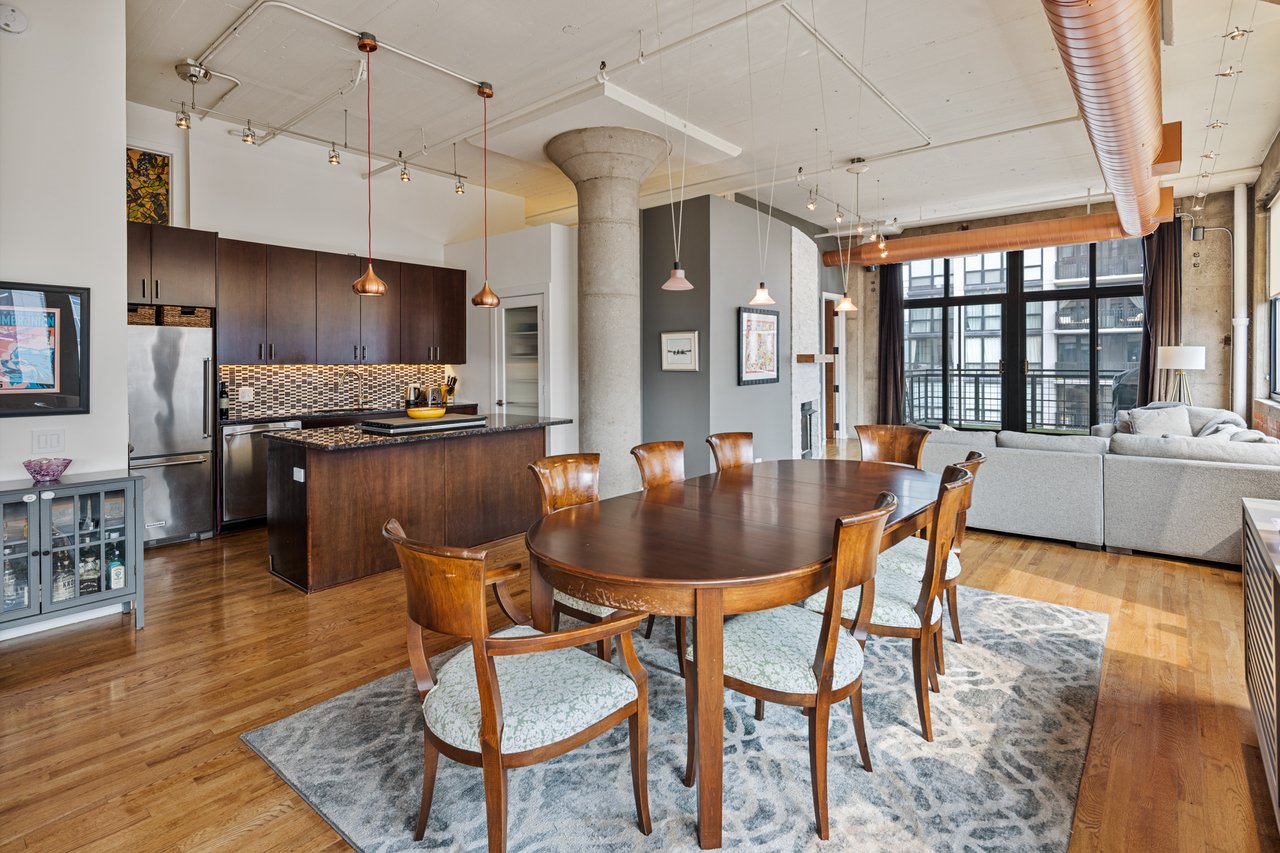
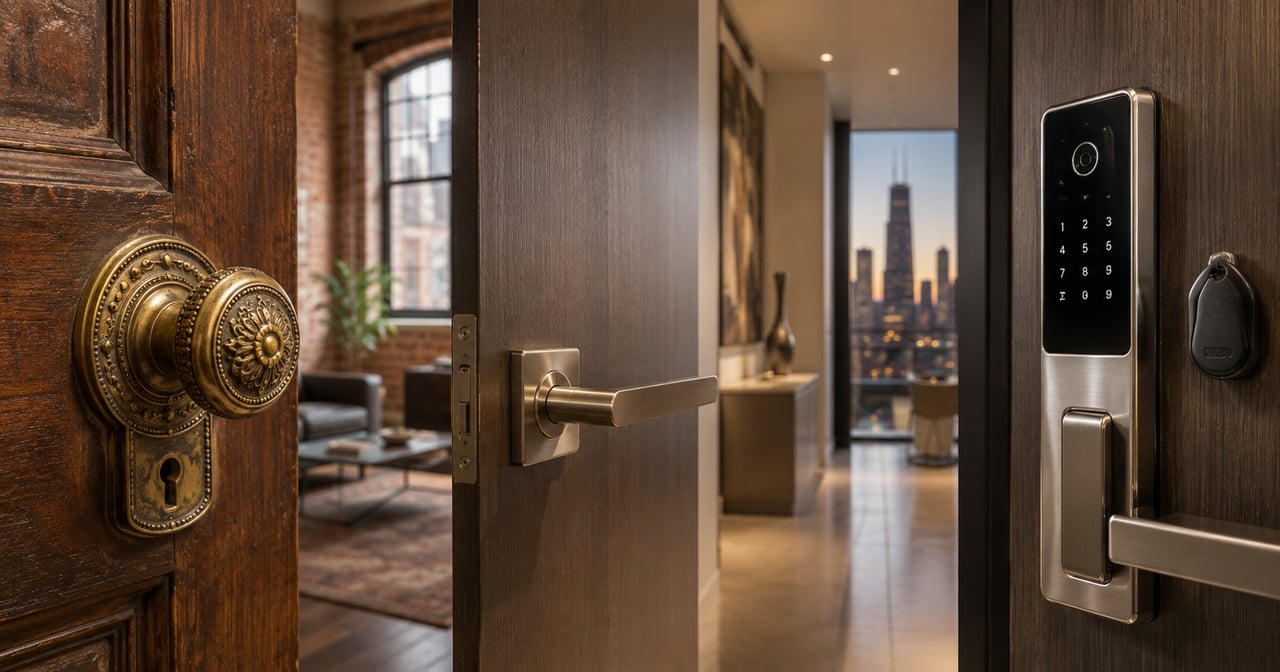
That mix gives Old Town an unusual range. A condo here can feel classic and intimate, or modern and service-oriented, depending on the building and the specific pocket of the neighborhood.
Vintage buildings offer character and charm
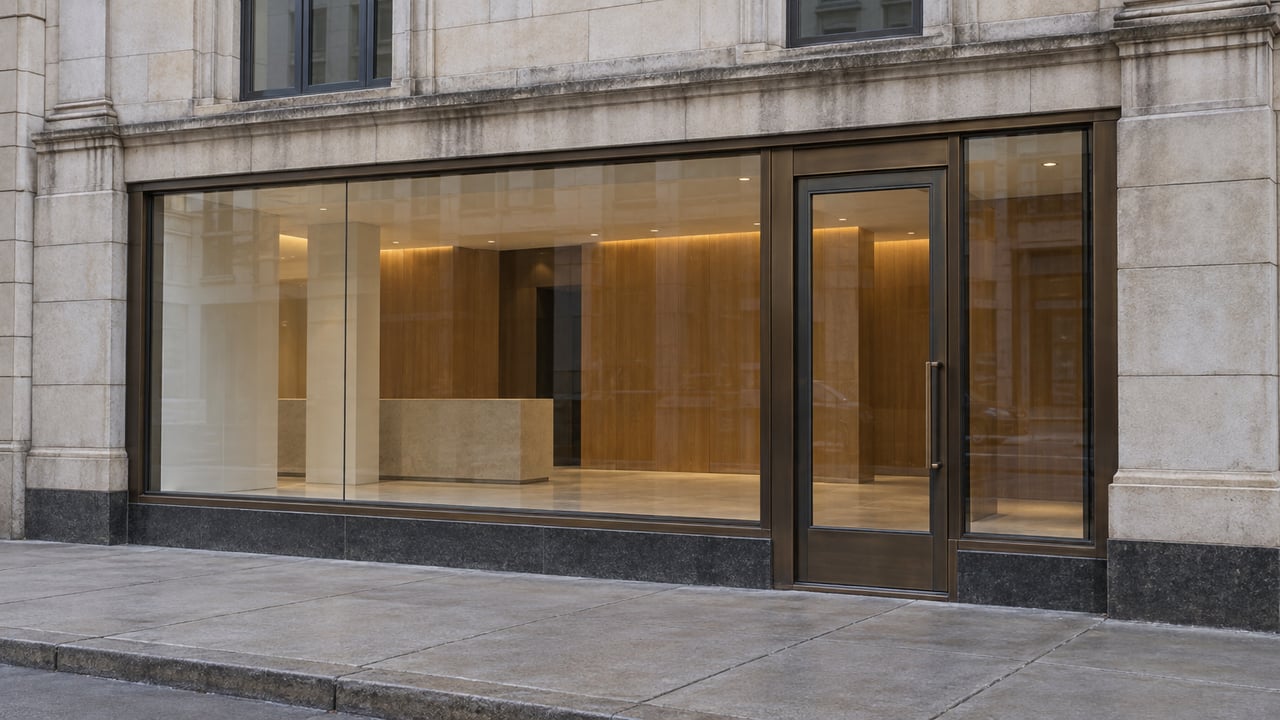
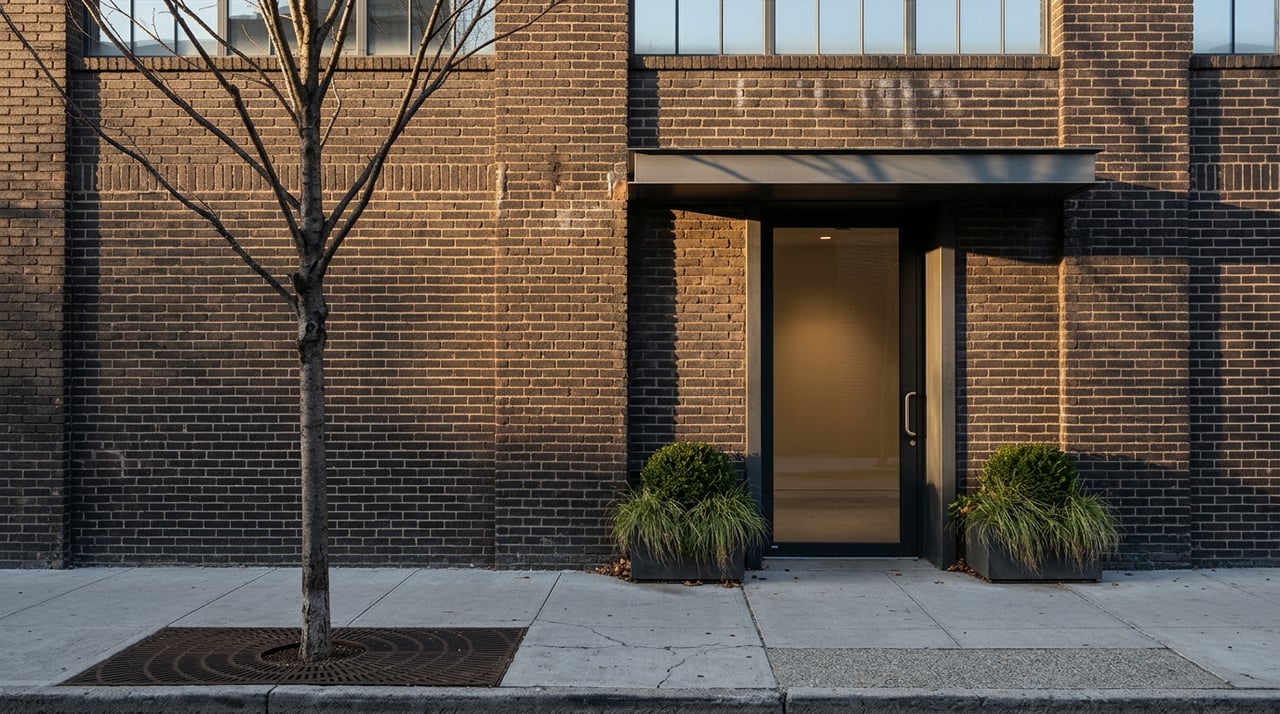
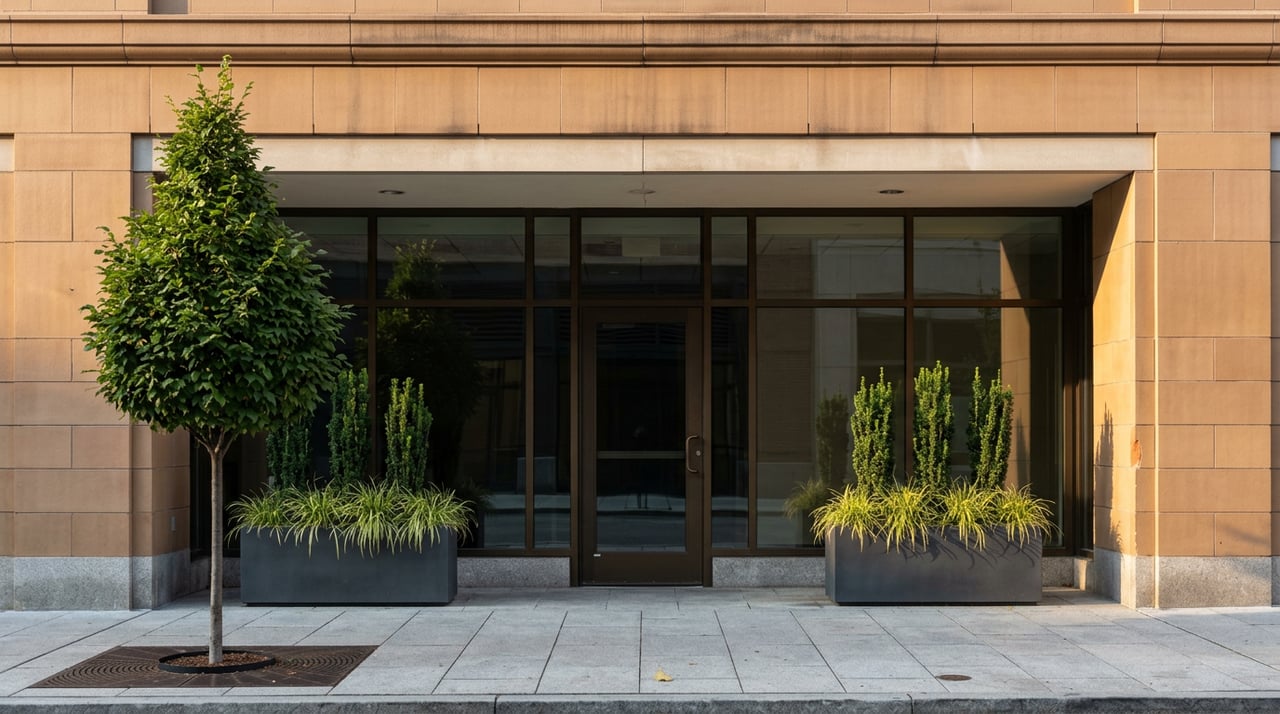
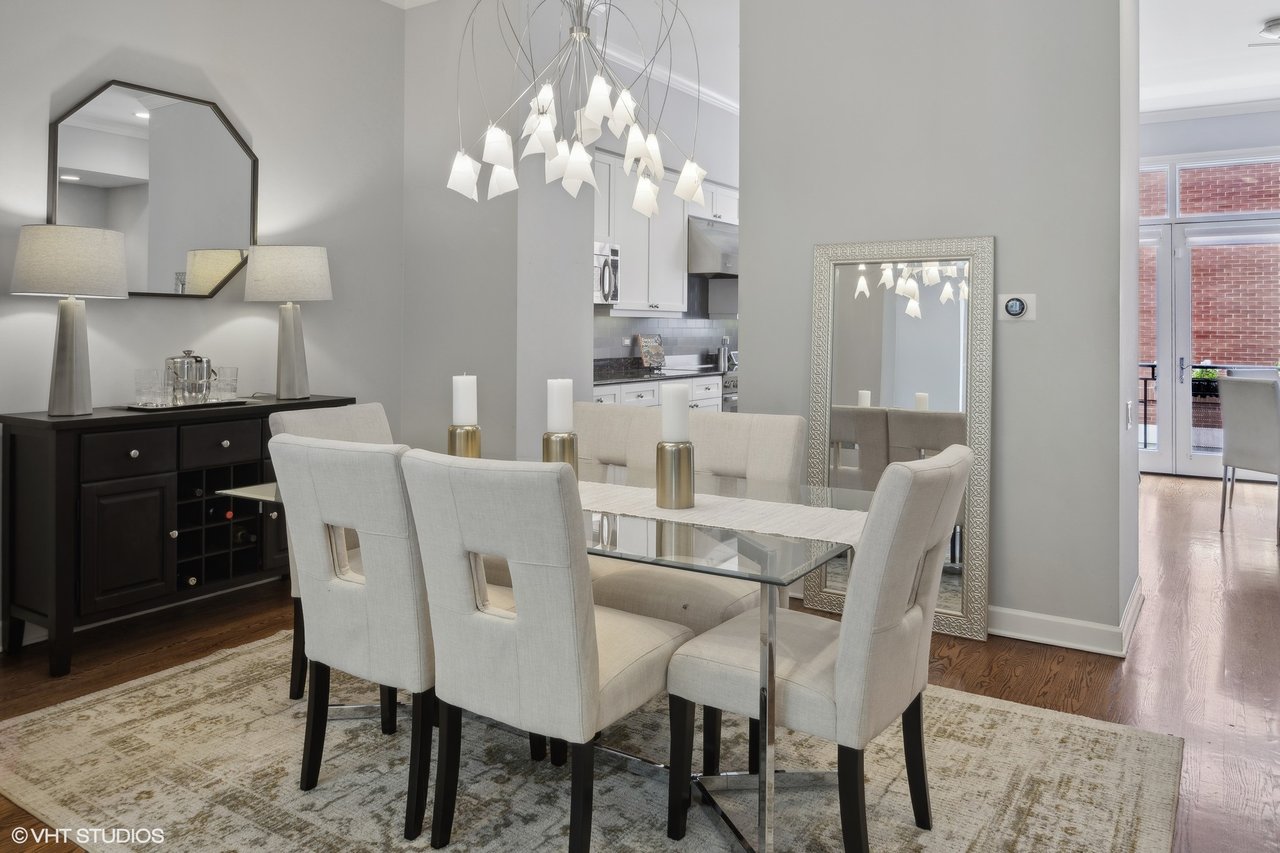
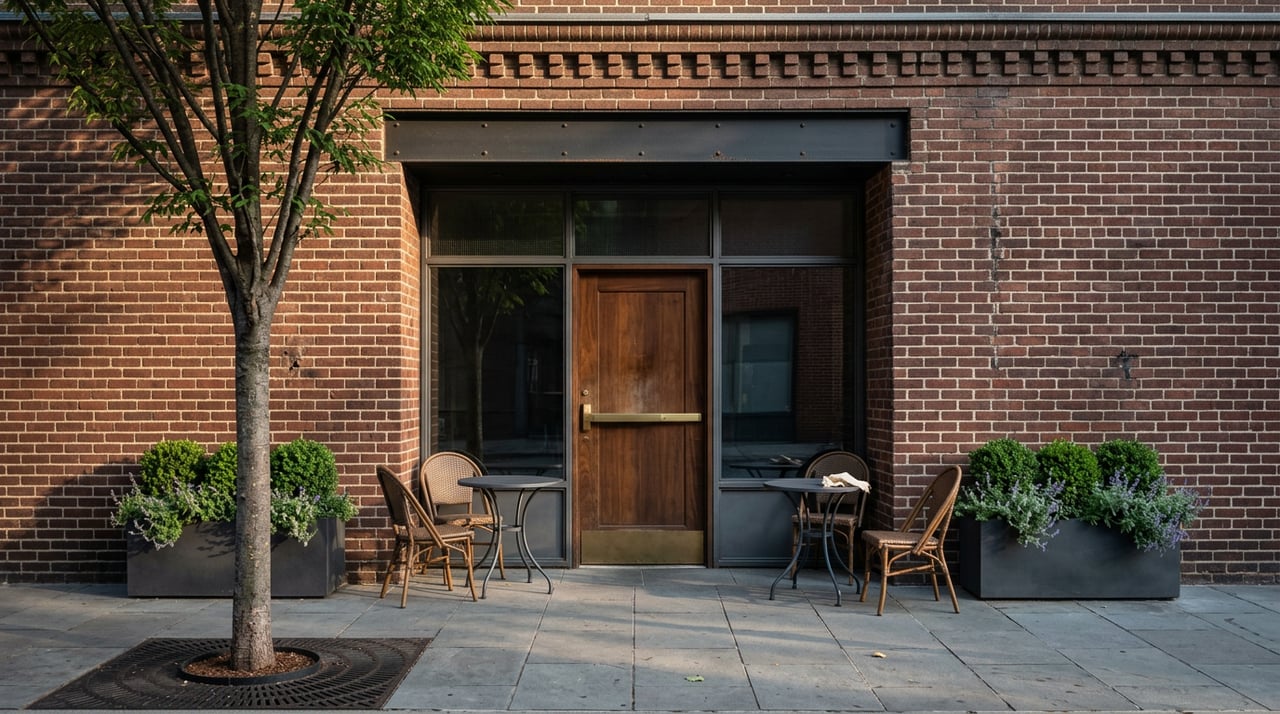
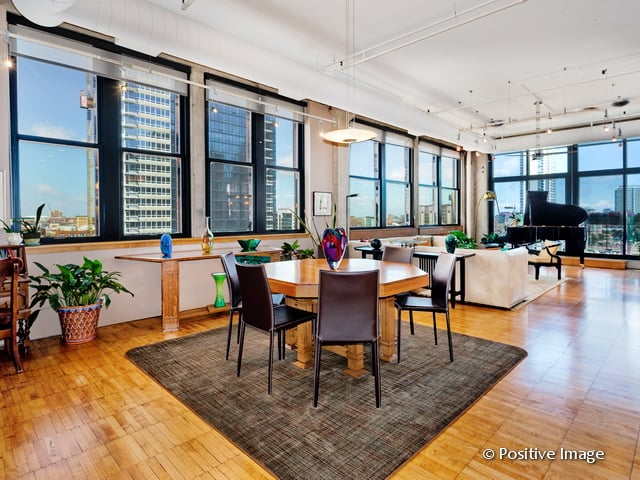
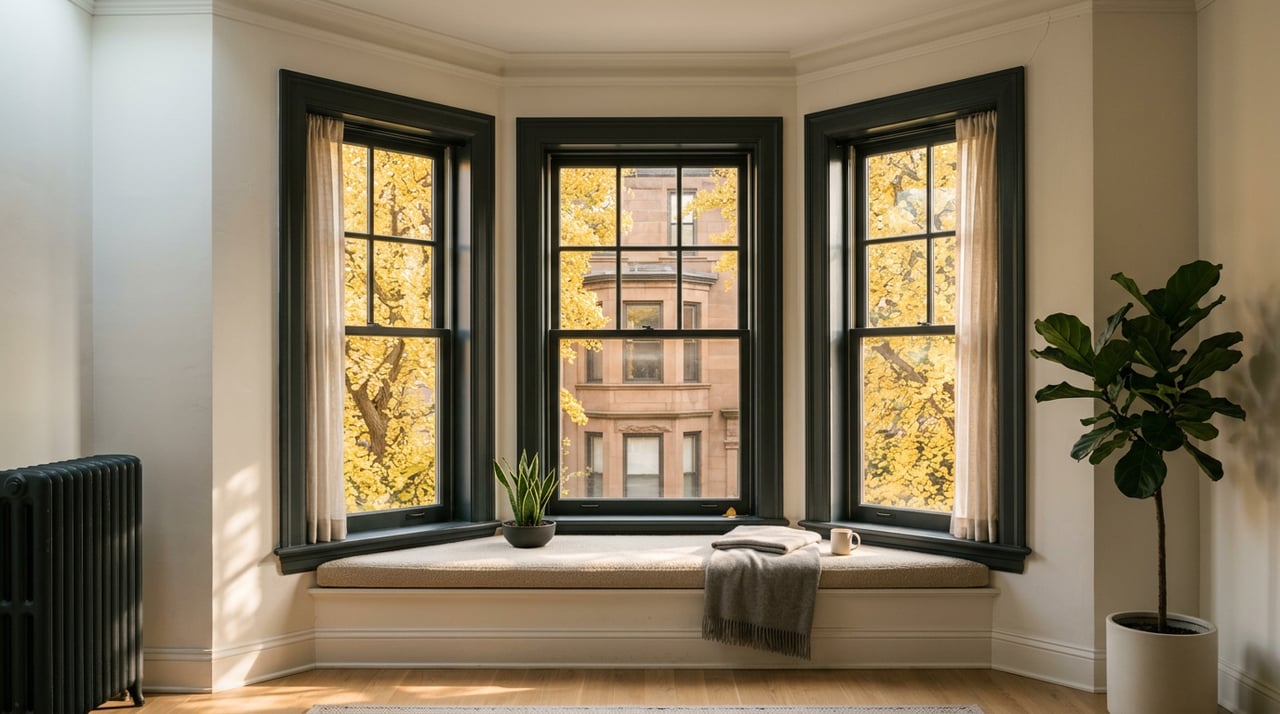
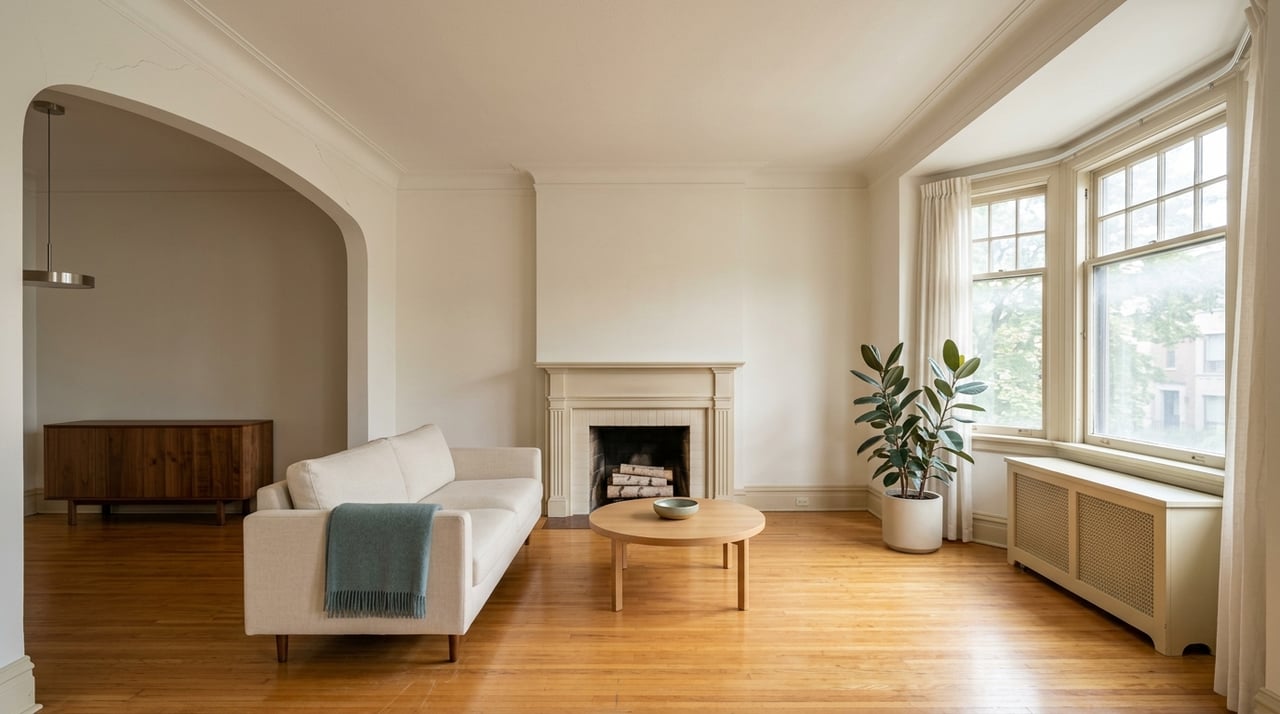
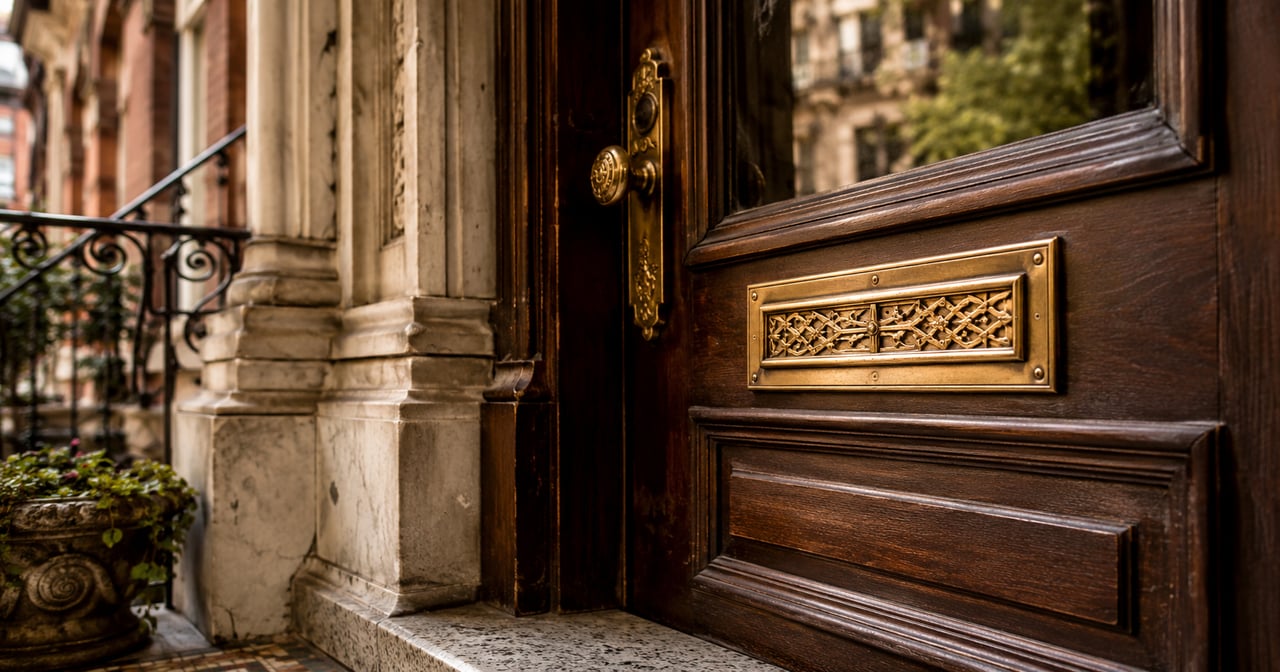
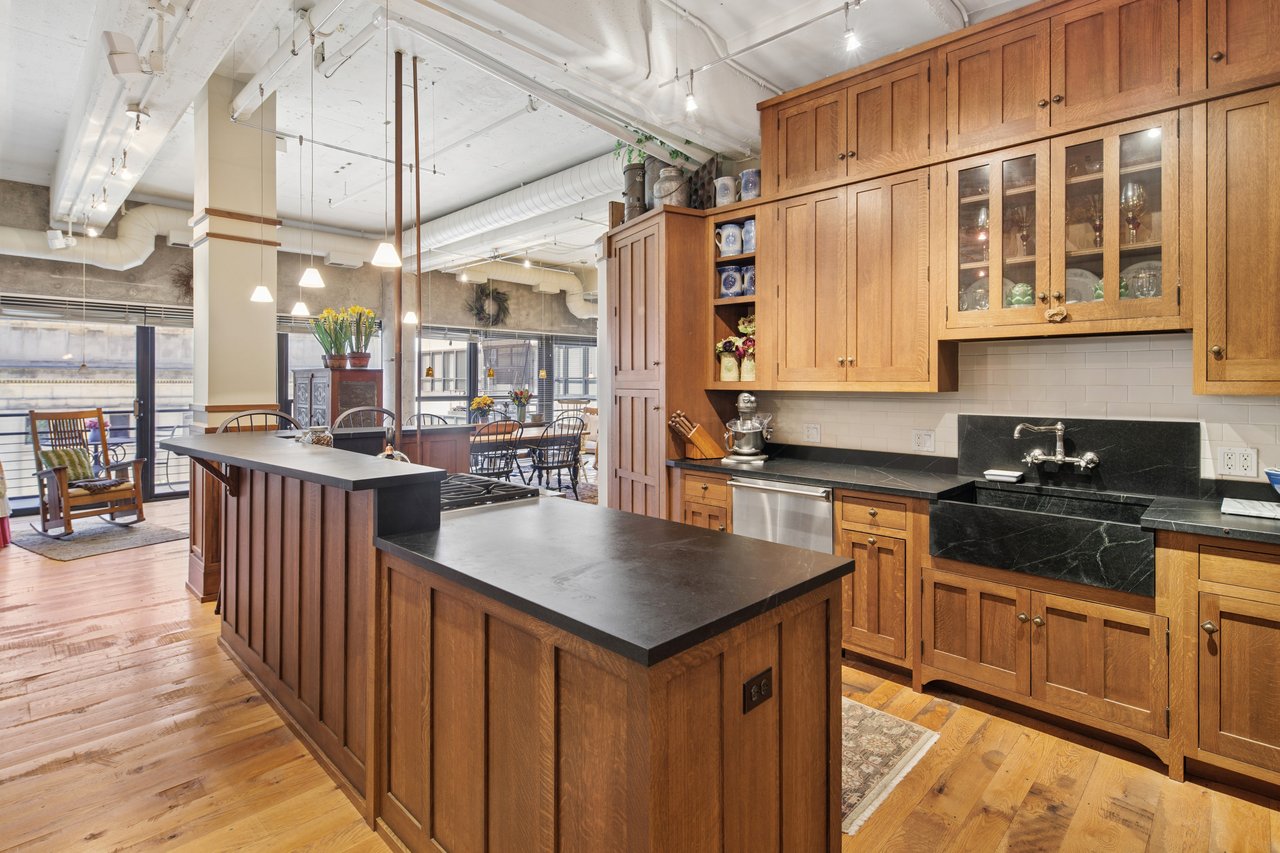
In a vintage or character-rich building, condo living often feels more architectural and personal. You may notice details like masonry facades, older layouts, stoops, rowhouse rhythms, and a stronger connection to the historic streetscape.
For some buyers, that is the whole point of Old Town. The appeal is not just having an address near downtown. It is living in a neighborhood where the buildings help create the identity of the place.
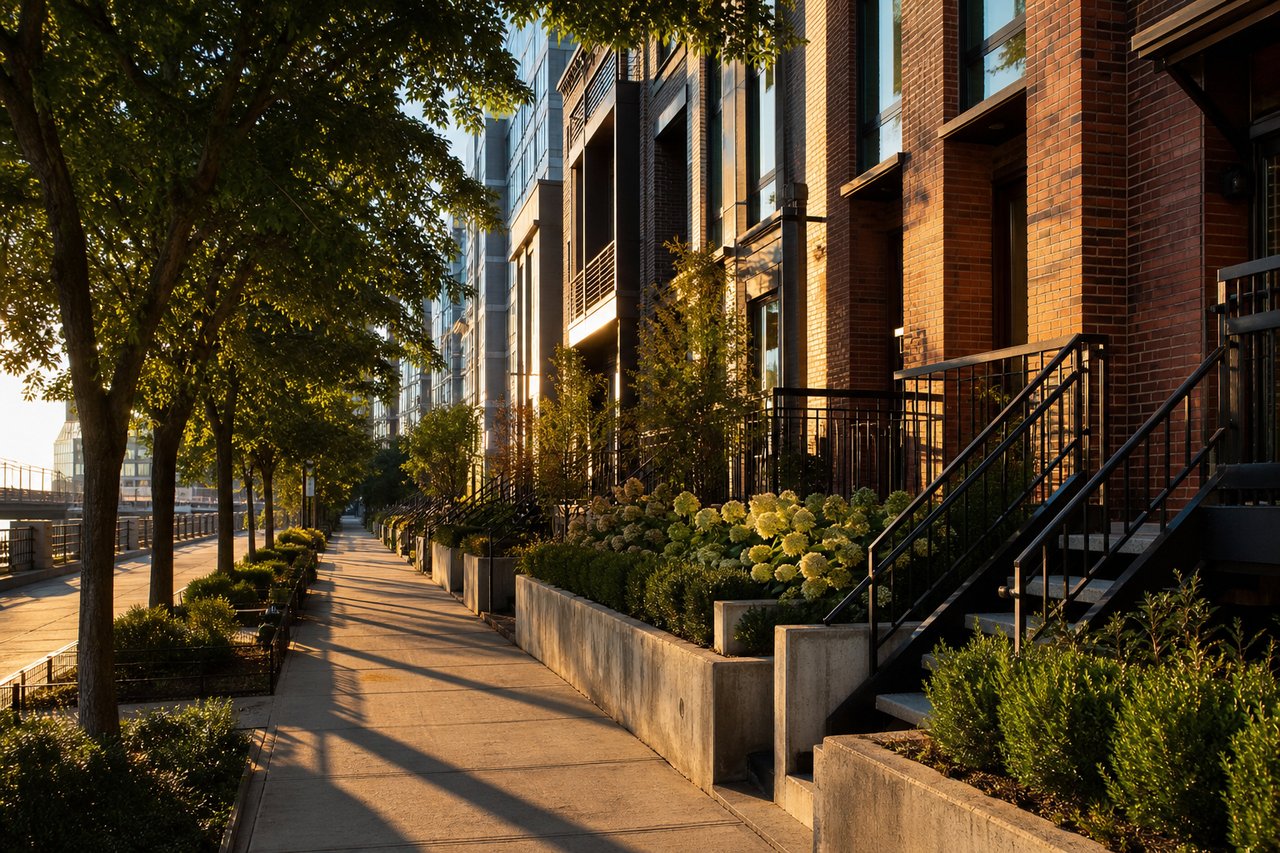
This type of condo living can feel quieter and more rooted in the block itself. When you step outside, the experience is often shaped by mature trees, older facades, and a streetscape that feels distinct from newer downtown towers.
Newer buildings add convenience and amenities
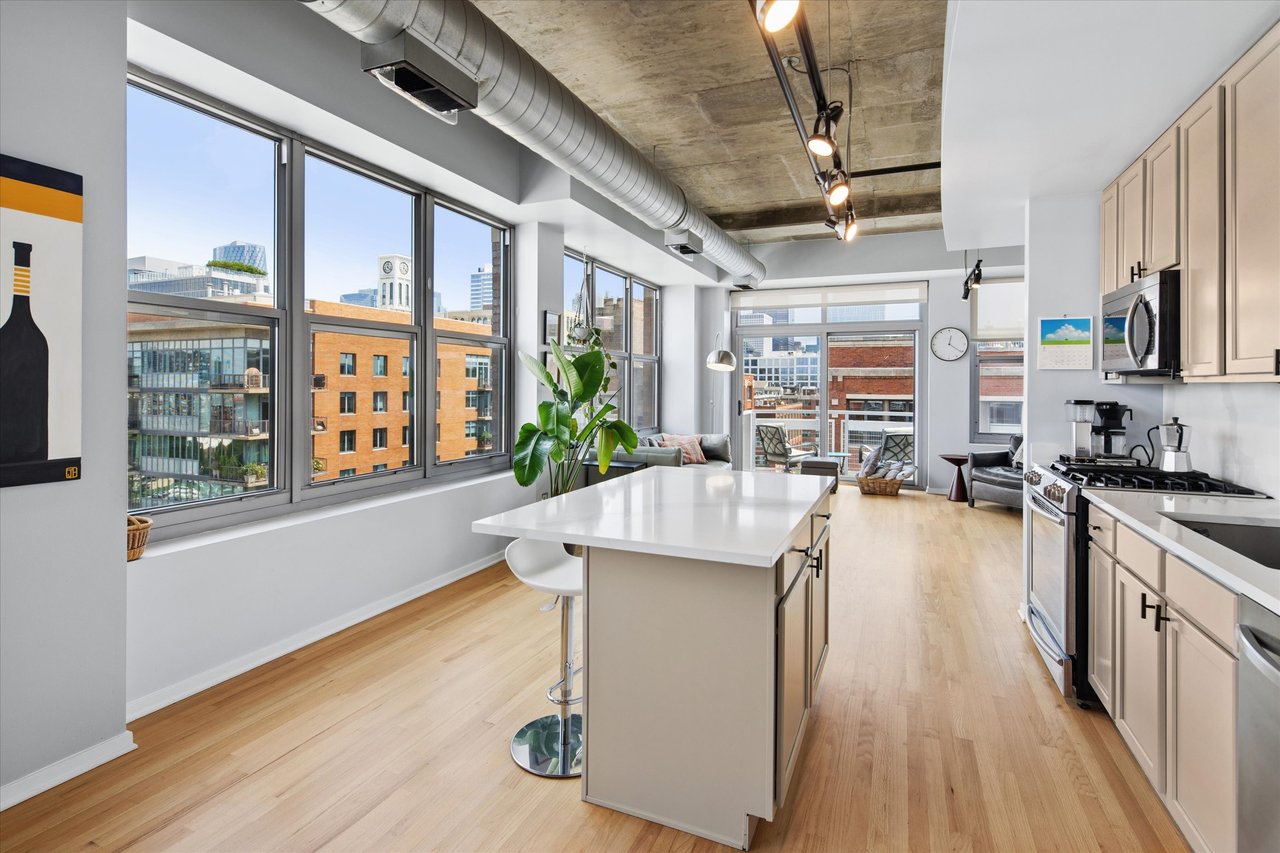
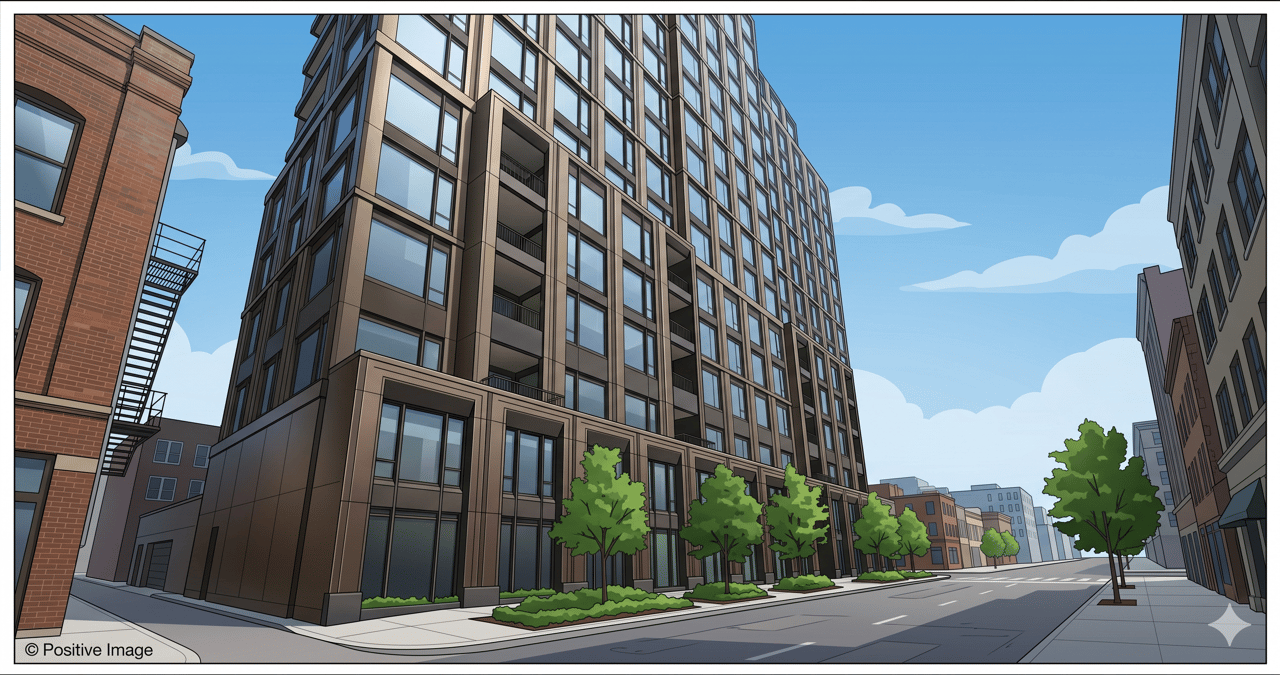
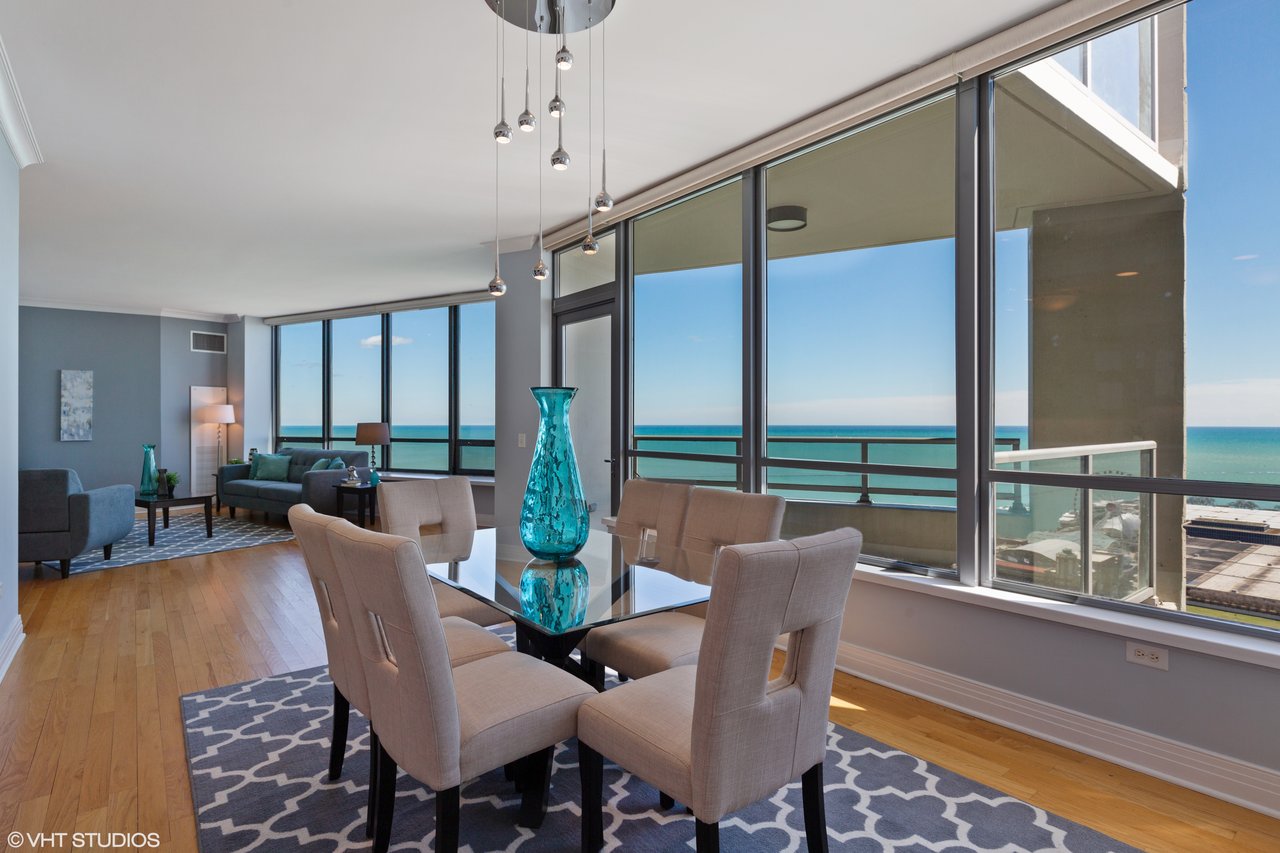
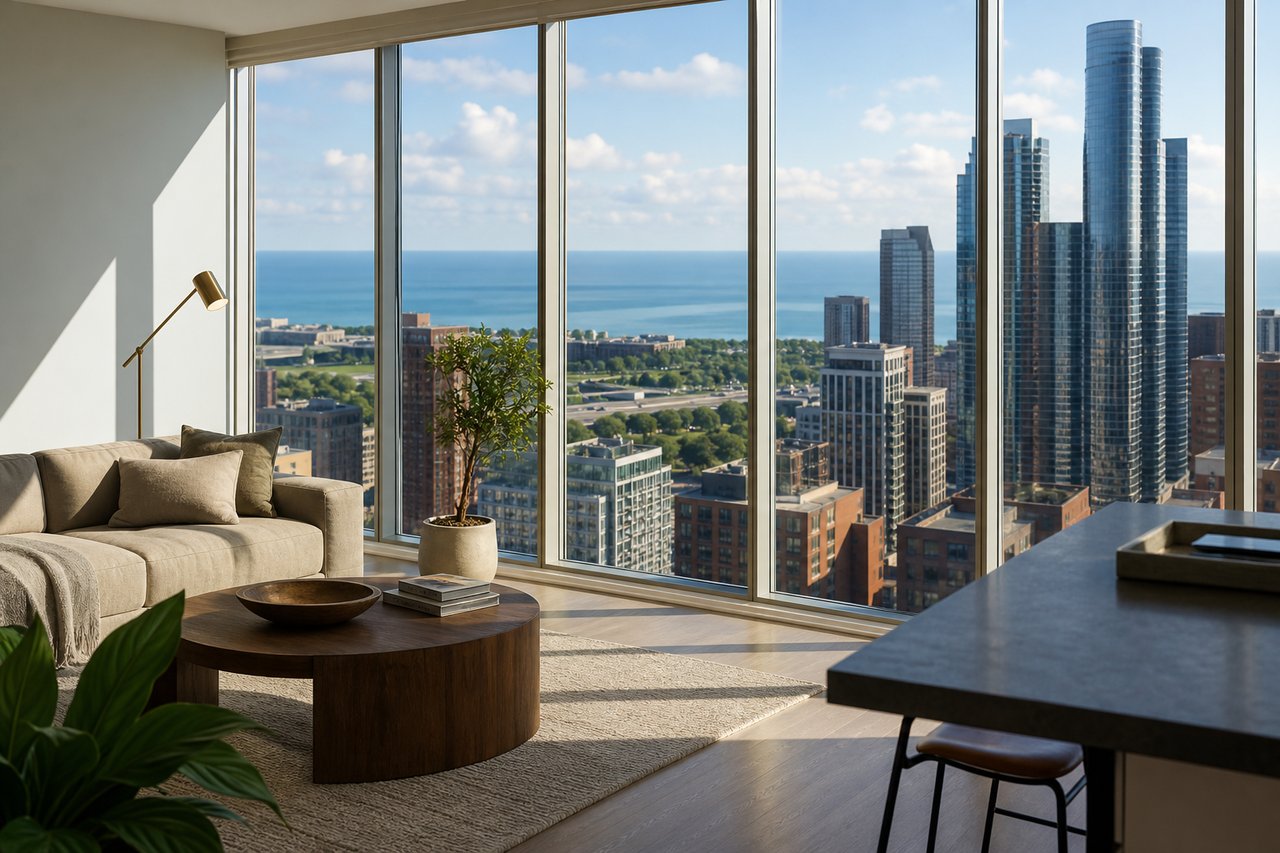
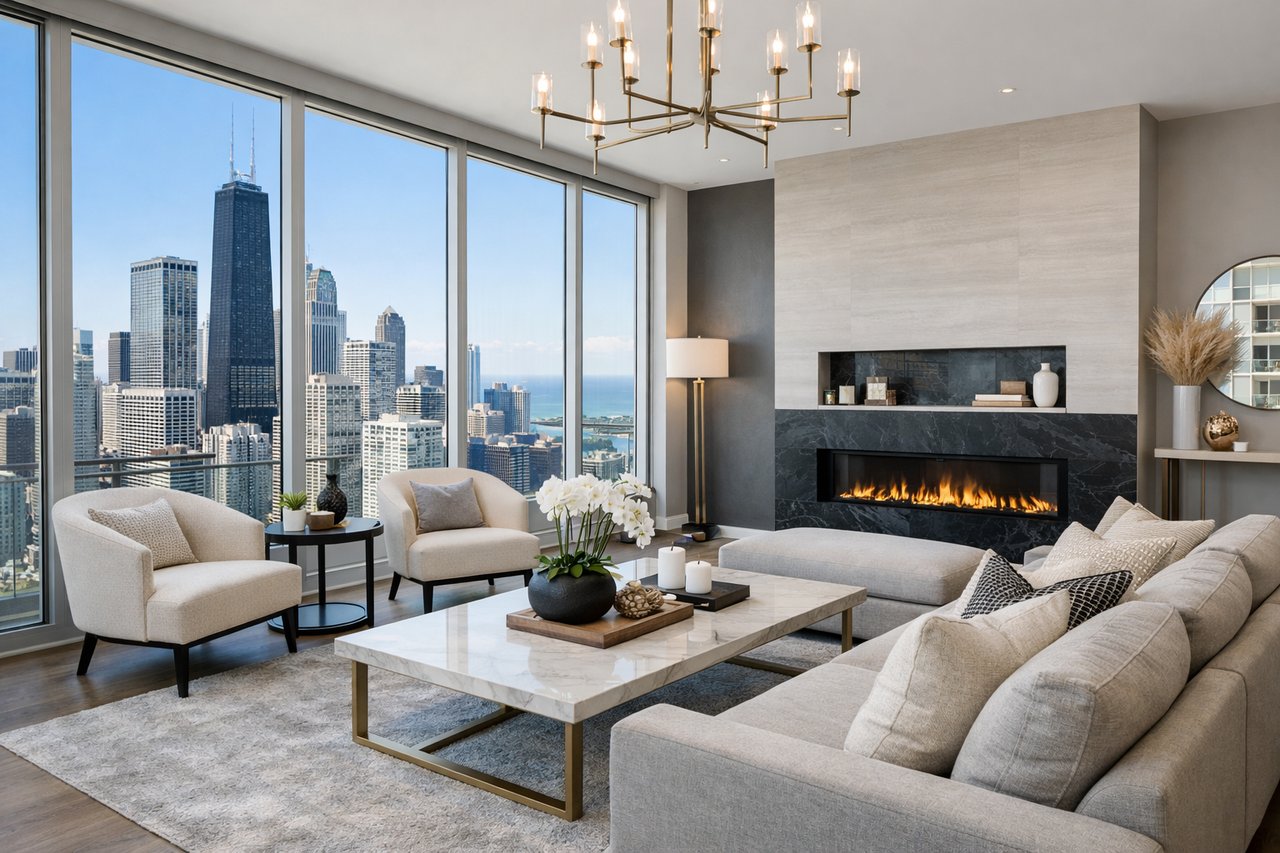
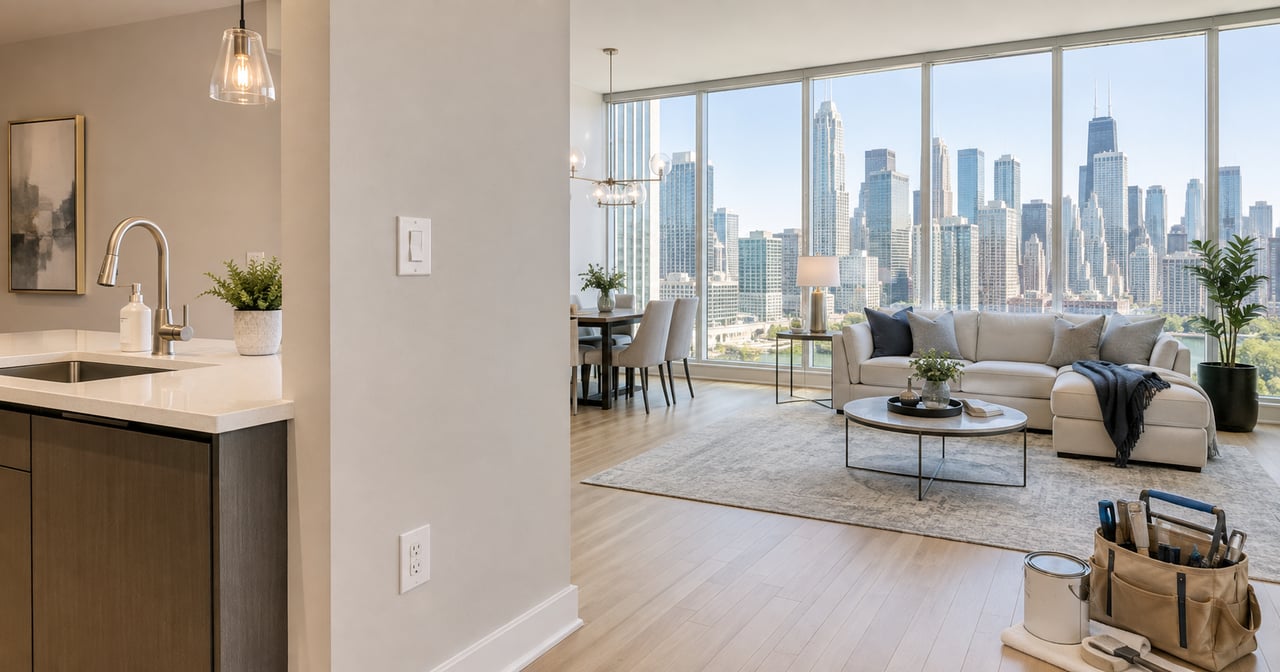
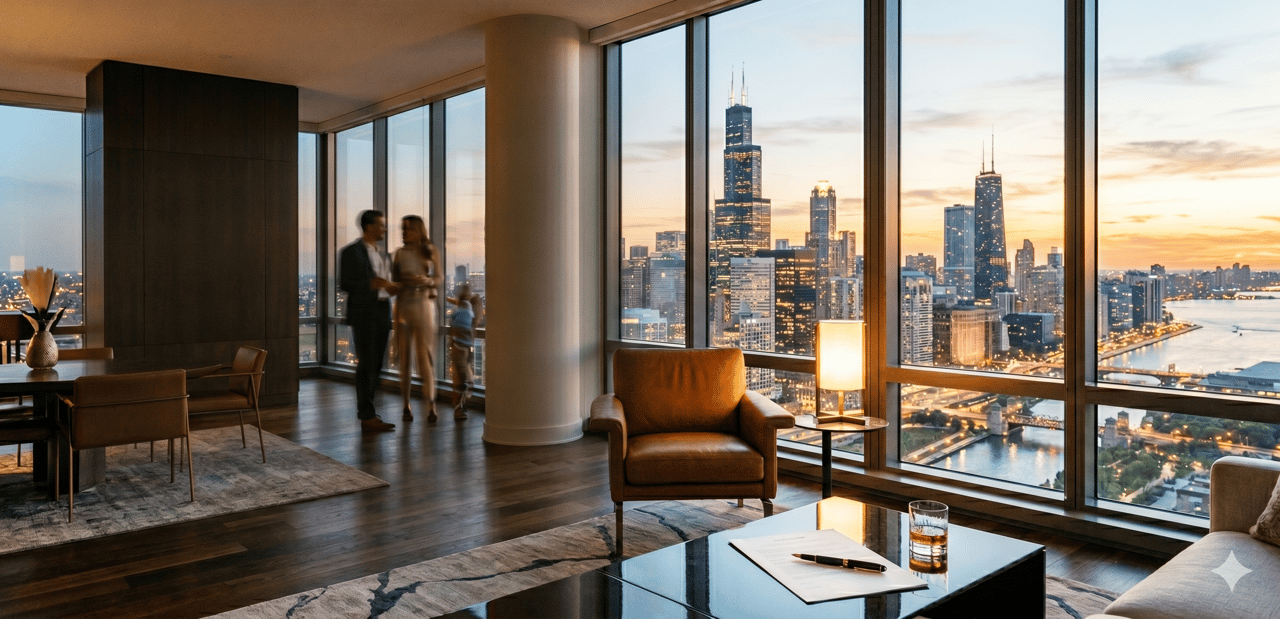
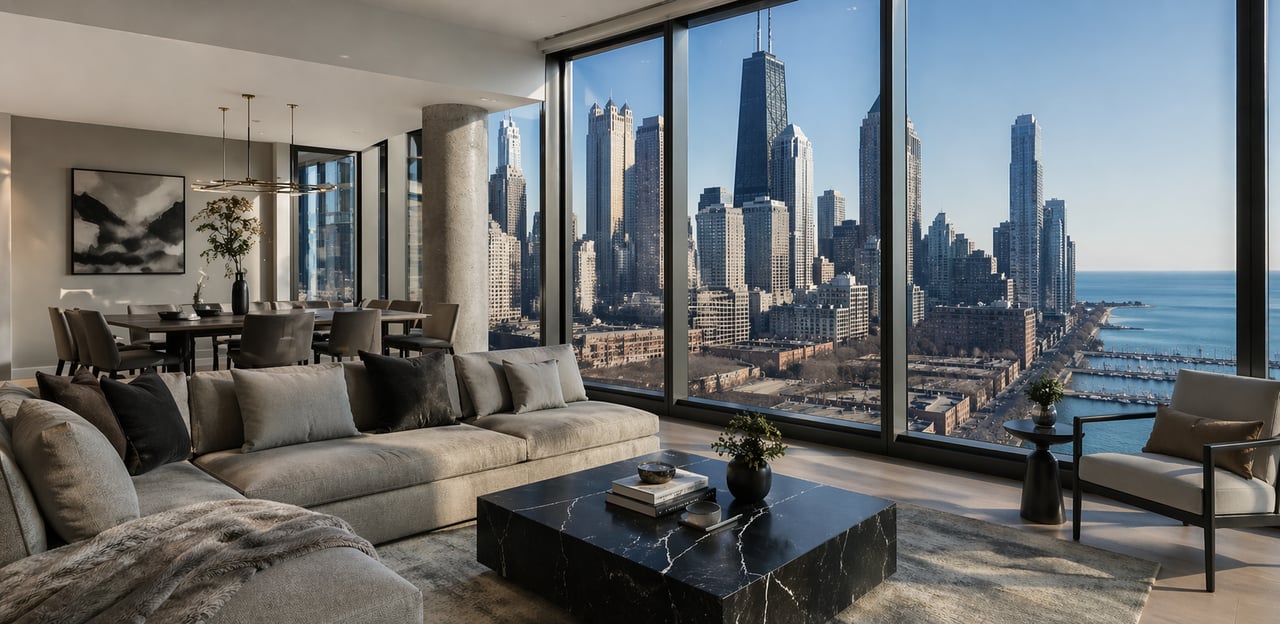
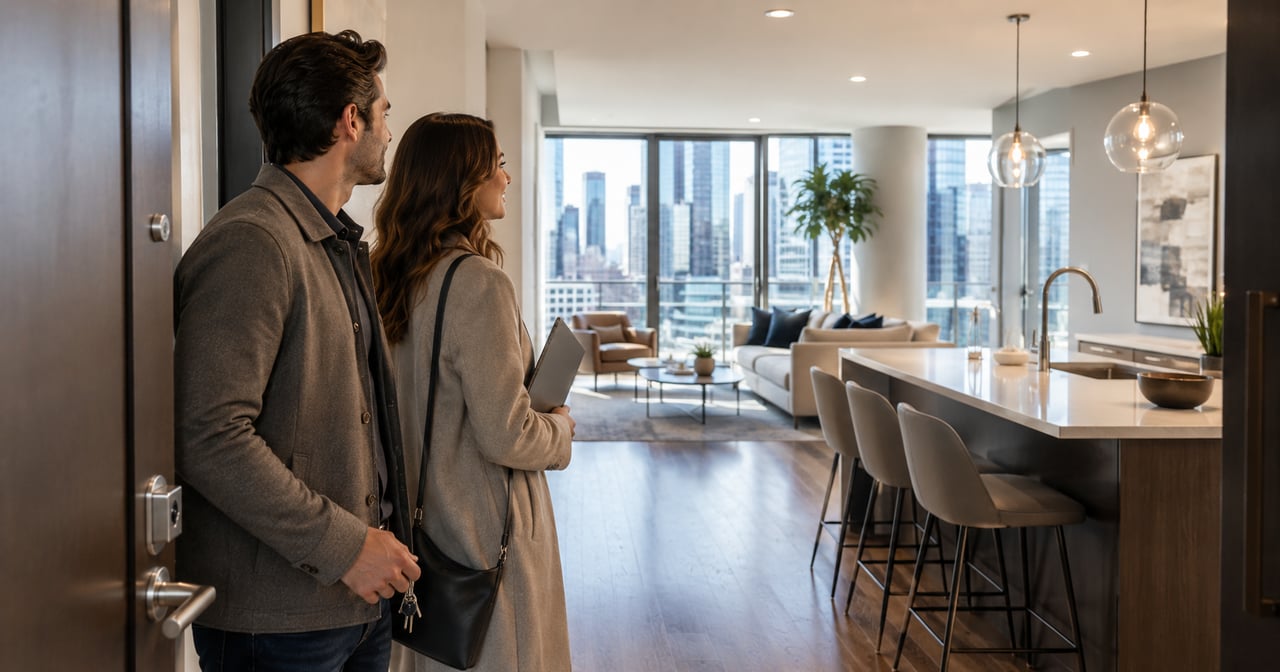
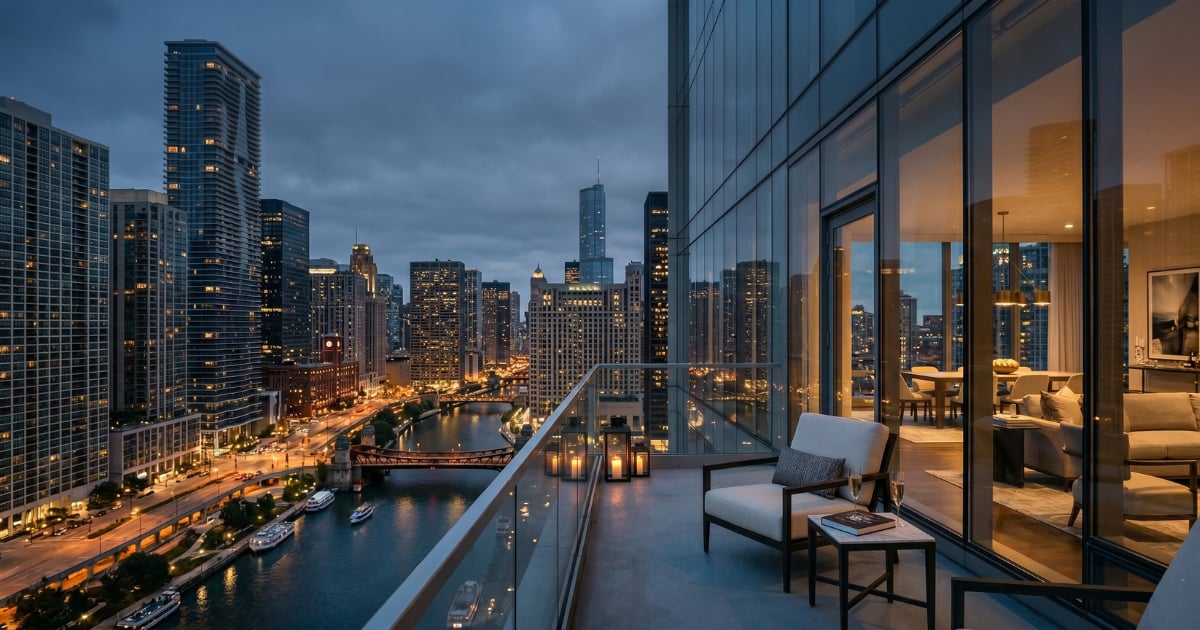
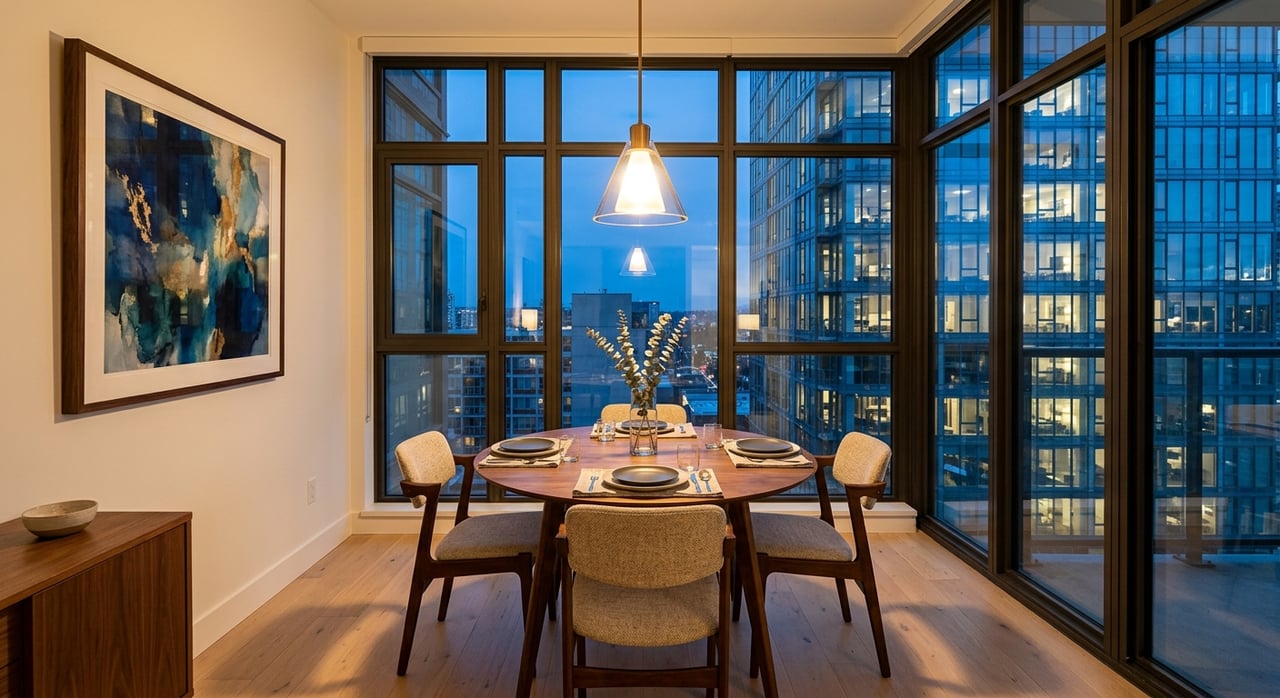
In newer boutique or high-rise condo buildings, the feeling can be very different. These homes often appeal to buyers who want a lock-and-leave lifestyle, extra convenience, and shared amenities that support a busy city routine.
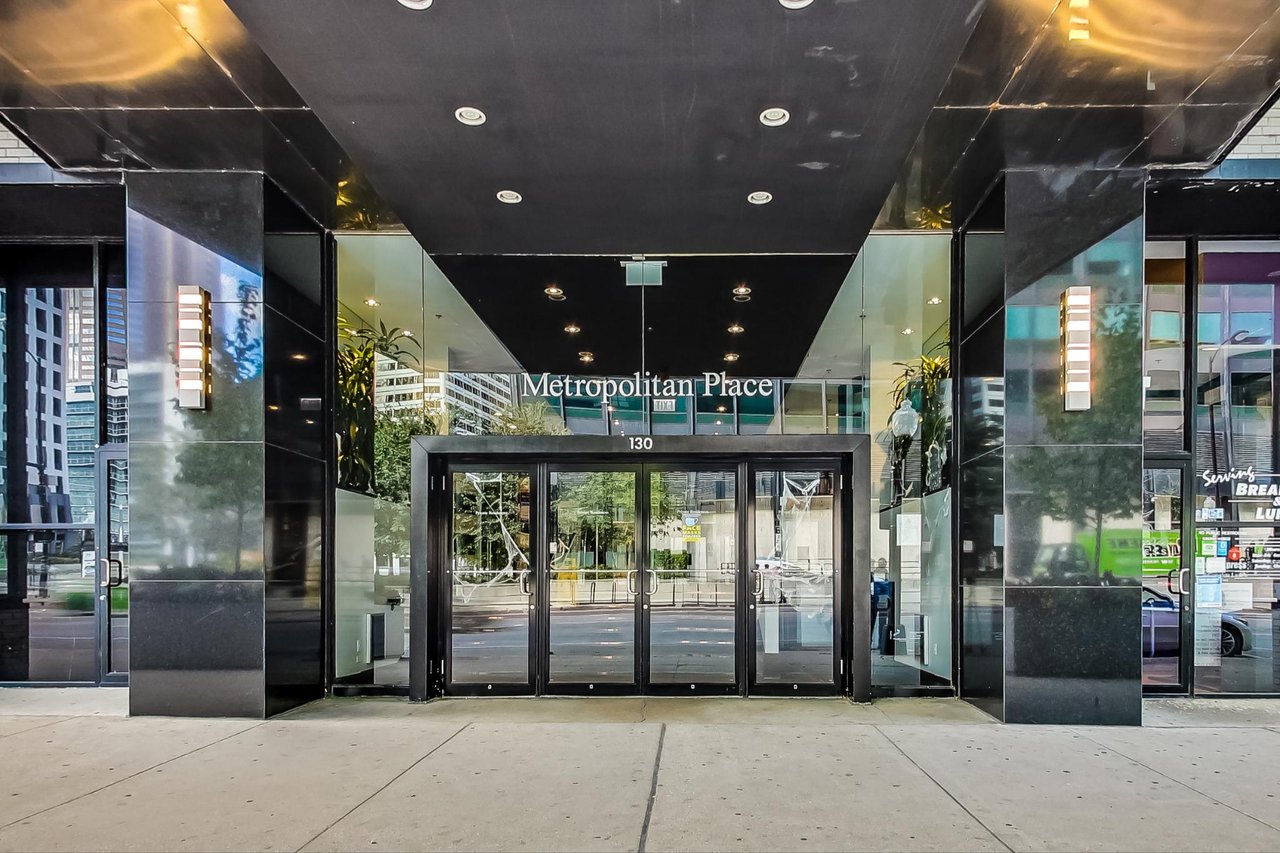
Some Old Town condo buildings include features like doormen, attached or garage parking, fitness centers, bike storage, rooftop decks, pools, and social spaces. If your daily life is fast-paced, that kind of setup can make city living feel more streamlined.
This is one reason Old Town draws a wide range of condo buyers. You can prioritize historic character, newer finishes, building services, or some combination of all three without leaving the neighborhood.
Walkability shapes everyday life
Old Town is a neighborhood many residents experience on foot. Wells Street acts as a major commercial spine, and that makes it easier to weave errands, dining, and entertainment into your normal routine.
Choose Chicago describes the corridor as a place for boutiques, long-standing restaurants, and late-night energy. The neighborhood is also known for cultural anchors like The Second City, the Old Town Art Fair, the Old Town Ale House, and The Fudge Pot, all of which add to the area’s everyday identity.
What that means in practical terms is simple. You are not just living in a condo building. You are living near a set of streets and businesses that give the neighborhood a steady pulse throughout the week.
Transit helps Old Town feel connected
For many condo owners, one of Old Town’s biggest strengths is how connected it feels without requiring a car for every trip. CTA says Sedgwick serves the Brown Line and Purple Line Express during weekday rush periods, while Clark/Division is an accessible Red Line station with bus connections.
That transit access can make the neighborhood feel close to downtown while still maintaining a more residential identity. If your work, social plans, or daily routine take you across the city, that convenience becomes part of what condo living here feels like.
It also supports the kind of lifestyle many urban buyers want. You can move between home, the Loop, nearby neighborhoods, and other parts of Chicago with more flexibility.
Outdoor time extends beyond your block
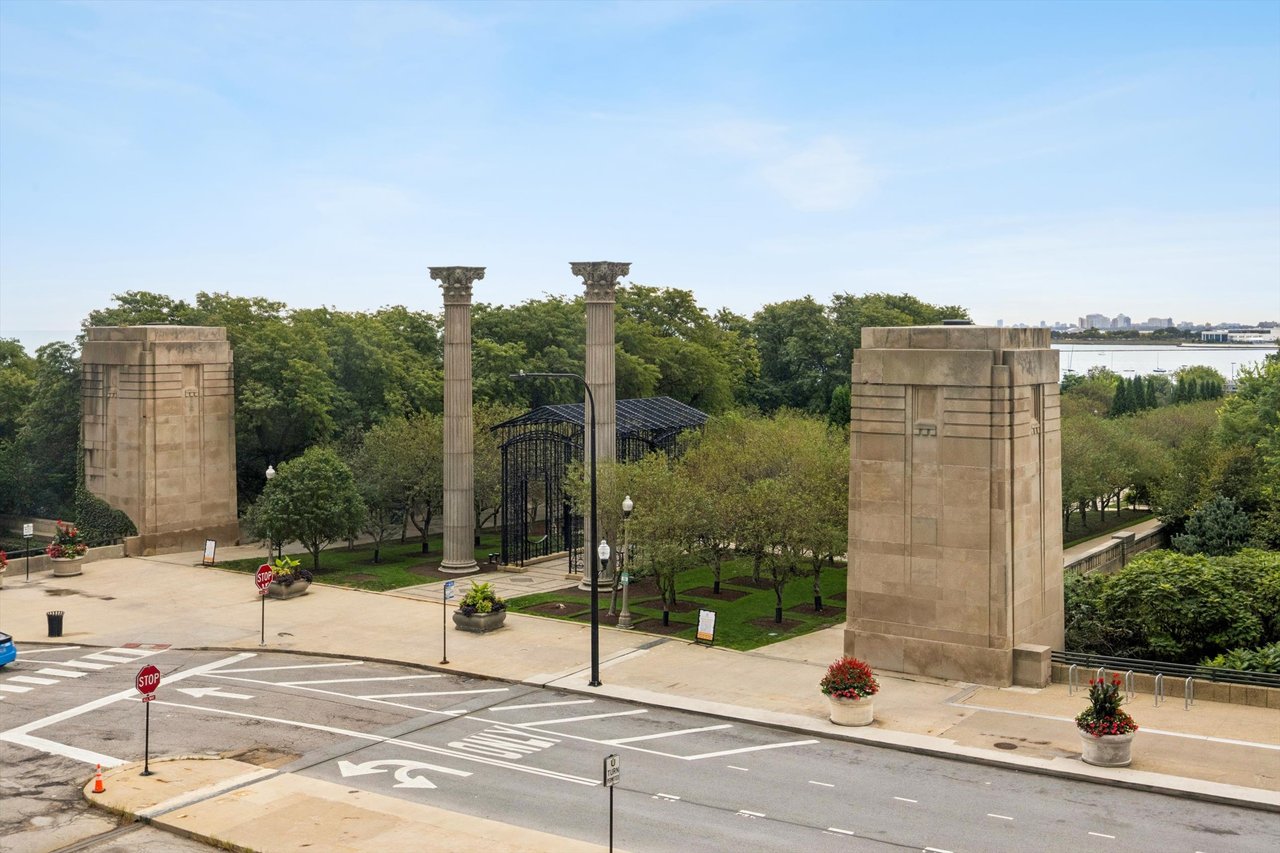
Old Town itself is more street-oriented than beach-oriented, but outdoor access still plays a big role in the lifestyle. Seward Park in Near North offers gyms, athletic fields, a playground, programs, and special events, which gives residents a nearby local park option.
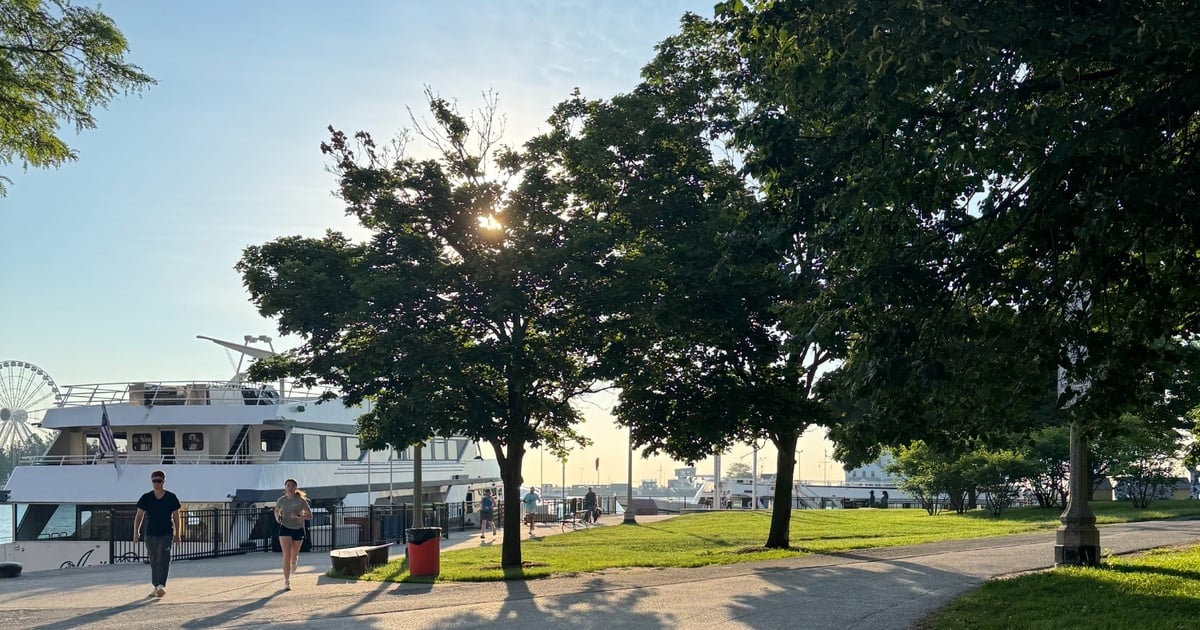
The broader lakefront system expands that routine even more. The Chicago Park District says Chicago’s public lakefront includes 26 miles of shoreline, 18 miles of recreational trails, and 29 beaches.
That means condo living in Old Town often includes two kinds of outdoor time. One is neighborhood-based, with parks and walkable streets. The other reaches toward the lakefront, Lincoln Park, the Lakefront Trail, and North Avenue Beach when you want more open space.
Old Town feels central without feeling generic
A big part of Old Town’s appeal is that it feels central, but not interchangeable. It connects well to downtown, Lincoln Park, and the lakefront, yet it keeps a recognizable neighborhood identity that many buyers value.
That identity comes from both the physical setting and the street life. Historic streets, a strong local corridor, and a mix of preserved and newer buildings help Old Town feel like a real neighborhood first, not just a convenient place to sleep near downtown.
For buyers, that often translates into a more personal connection to the area. For sellers, it creates a clear story around lifestyle, setting, and everyday convenience.
Why this matters if you are buying
If you are considering a condo in Old Town, it helps to think beyond square footage and finishes. The building type, block, and distance to transit or Wells Street can all shape how the home feels day to day.
Some buyers want the energy of being close to the neighborhood’s commercial core. Others prefer a quieter residential stretch with historic character. Neither is better. They simply create different versions of Old Town living.
This is why building-level and block-level context matters. In a neighborhood with this much variety, the right fit often comes down to how you want your daily routine to feel.
Why this matters if you are selling
If you own a condo in Old Town, the lifestyle story around your property matters just as much as the unit itself. Buyers are often responding to a combination of architecture, walkability, transit access, and the neighborhood’s reputation for being historic yet active.
That means effective marketing should do more than list features. It should show how your specific building fits into the broader Old Town experience, whether that means character, amenities, location near Wells Street, or access to transit and the lakefront.
For condo sellers, that kind of positioning can help your home feel more specific and more memorable. In a neighborhood with a broad mix of inventory, clarity is an advantage.
Old Town condo living appeals to people who want a recognizable Chicago neighborhood with real texture. It can feel polished, convenient, energetic, historic, and residential all at once, which is a rare combination in the city. If you are preparing to buy or sell in Old Town, understanding that mix is the key to making a smart move with confidence.
If you are thinking about selling an Old Town condo and want a strategy built around neighborhood and building-level positioning, connect with Christine Hancock - Hancock Group.
FAQs
What does condo living in Old Town Chicago feel like day to day?
- Condo living in Old Town often feels walkable, connected, and neighborhood-driven, with a mix of quiet residential streets and active areas near Wells Street.
What kinds of condo buildings are common in Old Town Chicago?
- Old Town includes vintage brick and stone buildings, rowhouse-style homes, boutique mid-rise condos, and larger amenity buildings with features like parking, fitness spaces, and roof decks.
What makes Old Town Chicago different from a generic downtown condo area?
- Old Town stands out for its preserved architectural character, active local corridor, strong transit access, and central location near downtown, Lincoln Park, and the lakefront.
Is Old Town Chicago a walkable neighborhood for condo owners?
- Yes. Daily life in Old Town is often shaped by walking to restaurants, shops, entertainment, services, and nearby transit stations.
How does transit affect condo living in Old Town Chicago?
- Transit helps Old Town feel highly connected, with access to the Brown Line, Purple Line Express during weekday rush periods, and the Red Line through nearby stations.
Why is Old Town Chicago appealing for condo sellers?
- Old Town gives sellers a strong lifestyle story because the neighborhood blends historic streets, urban energy, transit convenience, and a broad range of condo styles.