Buying a Condo As-Is in Downtown Chicago: What It Means
"As-is" is not a warning label. It is not a signal that the unit is falling apart. And it is not you signing away your rights. It simply means the seller is conveying the condo in its current condition and does not intend to fix things or offer credits for what an inspection turns up.
Think about it the way you'd think about buying a used car. The seller isn't promising to replace the tires. But you can still take it to a mechanic before you hand over a dime. Real estate works the same way, and the National Association of Realtors makes this point clearly in its consumer guide on inspections: an as-is sale means the seller won't make repairs, not that you can't inspect.
THE SHORT ANSWER
The Short Answer A private listing network is not a premium, exclusive upgrade. It is a smaller pond. Selling on the open MLS puts your condo in front of every agent and every buyer at once, and more competition among buyers is what drives your price up. Private listings make sense in a few narrow situations, but for most sellers the open market gives you the best shot at a faster sale and more money.
Does "As-Is" Mean You Can't Inspect? No.
This is where buyers leave money and peace of mind on the table.
Your inspection rights and the "as-is" language live in two completely separate parts of the contract. One describes condition. The other protects you. An as-is label does not cancel your inspection contingency, and in a Chicago condo deal that inspection window matters more than most buyers realize.
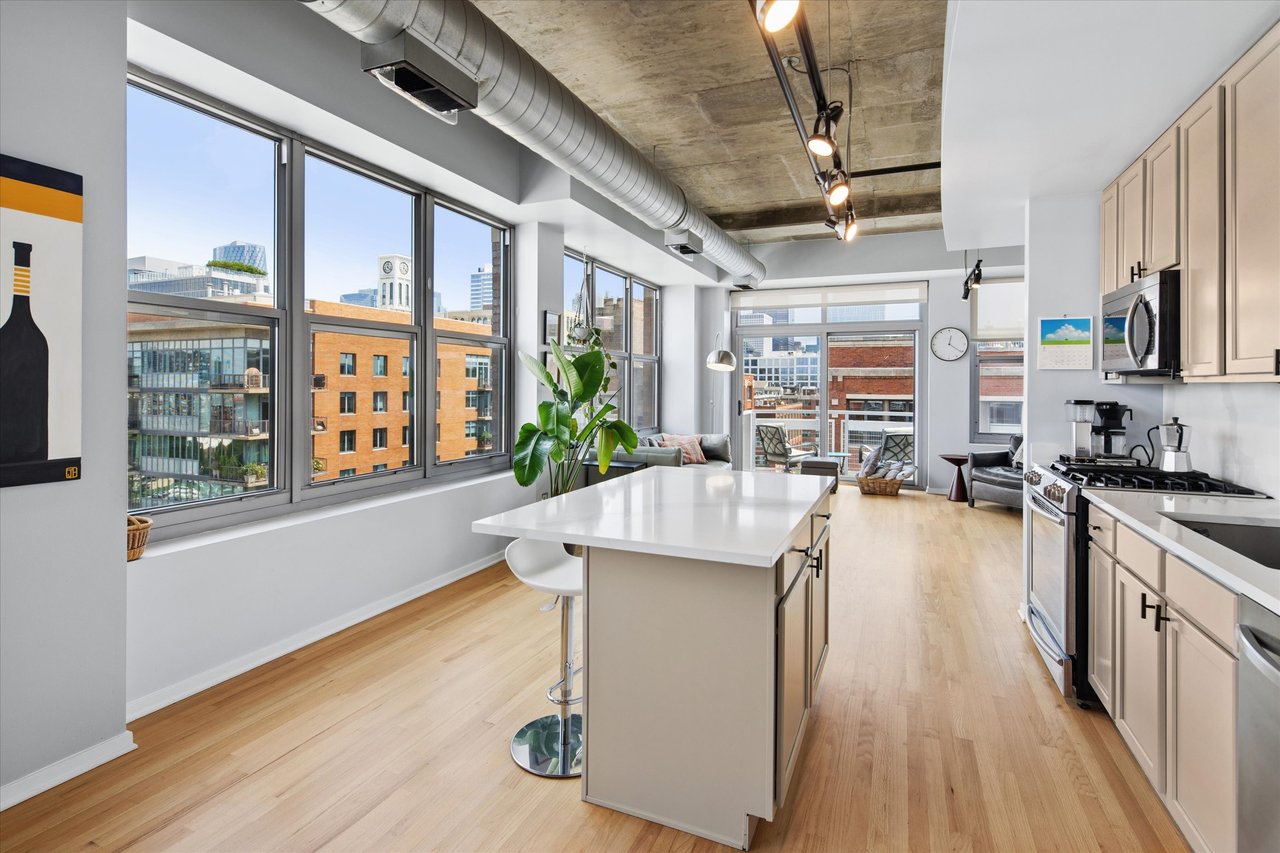
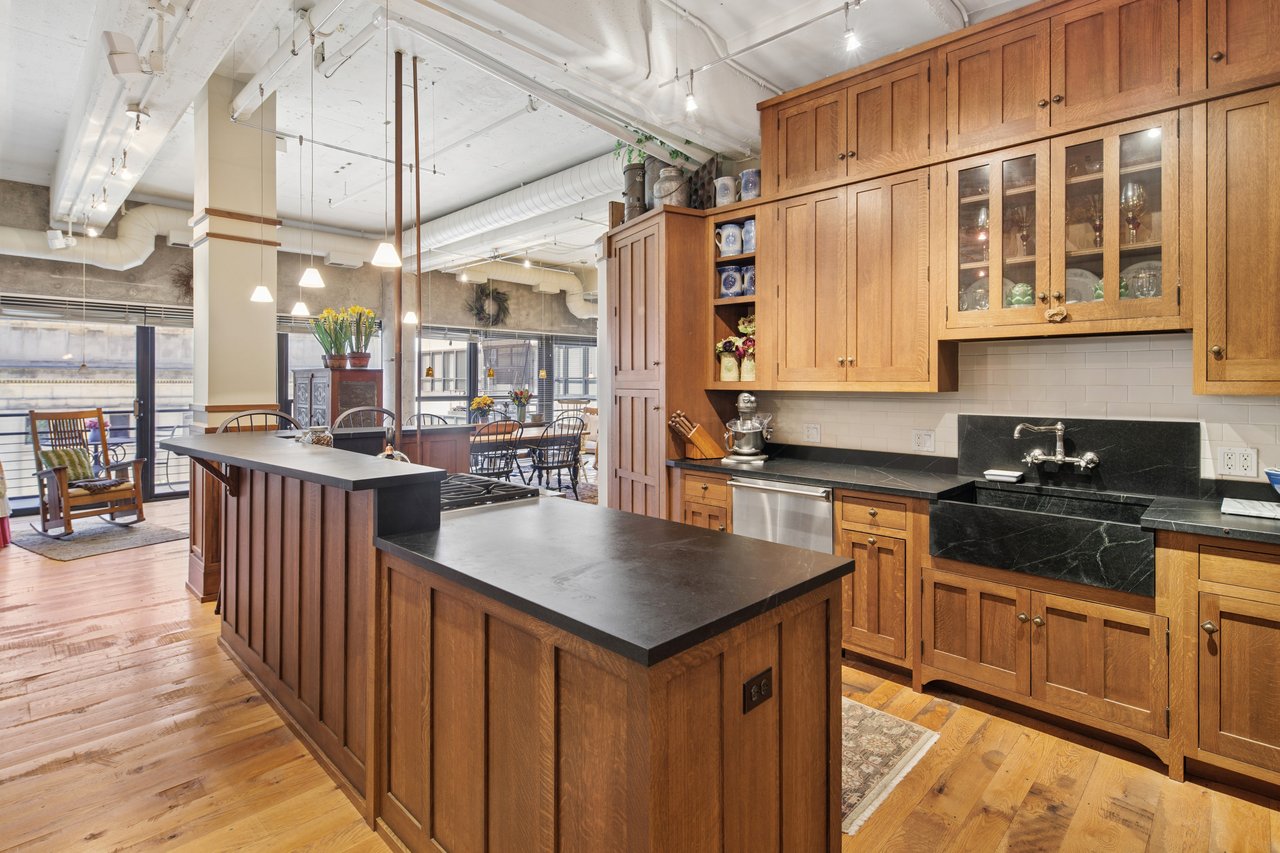
A good inspection on a high-rise or a converted loft can surface things photos never will. Aging HVAC. Window seals gone bad. Plumbing quirks common in older Printer's Row and West Loop loft conversions. You want to know all of it before you're committed, not after.
What Still Protects You in an As-Is Condo Purchase
Here in Illinois, "as-is" runs into several protections that don't disappear just because of two words in a listing.
- Seller disclosures. Illinois still requires sellers to complete a residential property disclosure covering known material defects. As-is does not equal "no disclosures."
- The 22.1 condo disclosure. Under the Illinois Condominium Property Act, the association must make key documents available to you before closing. That includes the budget, reserve information, pending special assessments, and any litigation. This is your window into whether the building is financially healthy or quietly heading for a big bill.
- Attorney review and inspection periods. Standard Illinois contracts include time for your attorney to review terms and for you to inspect. As-is doesn't remove those built-in checkpoints.
None of that vanishes. So the picture is very different from the "take it or leave it, no questions asked" story buyers tell themselves.
The Numbers: What As-Is Really Costs
As-is condos often come at a discount, and that discount is exactly why the strategy matters.
Nationally, as-is homes tend to sell somewhere in the range of 5 to 20 percent below comparable move-in-ready homes, depending on condition and buyer type. That spread is your opportunity and your risk in one number. Buy smart and the discount is real value. Buy blind and the discount just becomes the repair bill you didn't budget for.
The inspection is how you tell those two outcomes apart before you're locked in.
How to Buy As-Is Without Getting Burned
Here's the part most buyers get backward, and it costs them.
The order of your moves is everything. If your inspection turns up something significant, you generally have two honest paths: accept the unit as it stands, or step back based on what you found. And stepping back first, before you start asking for money, keeps you in the stronger seat. Neither side has shown they're committed yet.
Compare that to the buyer who skips the inspection response and immediately asks for a credit. That buyer may be quietly telling the seller they plan to close no matter what the answer is. Same request. Very different signal.
So do it in this order:
- Inspect thoroughly.
- Review the 22.1 documents and the building's financials.
- Decide, based on facts, whether this is still your condo.
- Then, and only then, open any conversation about price or terms.
Timing your move can change the whole negotiation.
Downtown Chicago Buildings: Why As-Is Hits Different Here
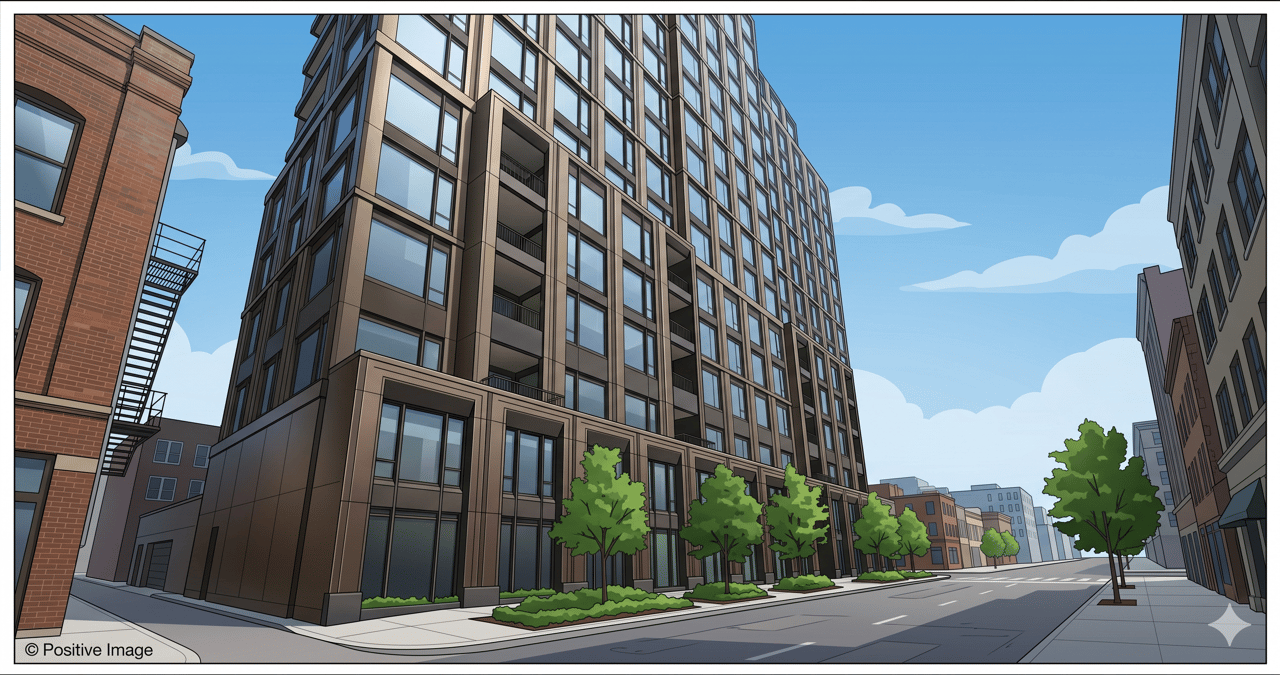
In the Downtown Chicago condo market, "as-is" isn't only about the unit. It's about the building behind it.
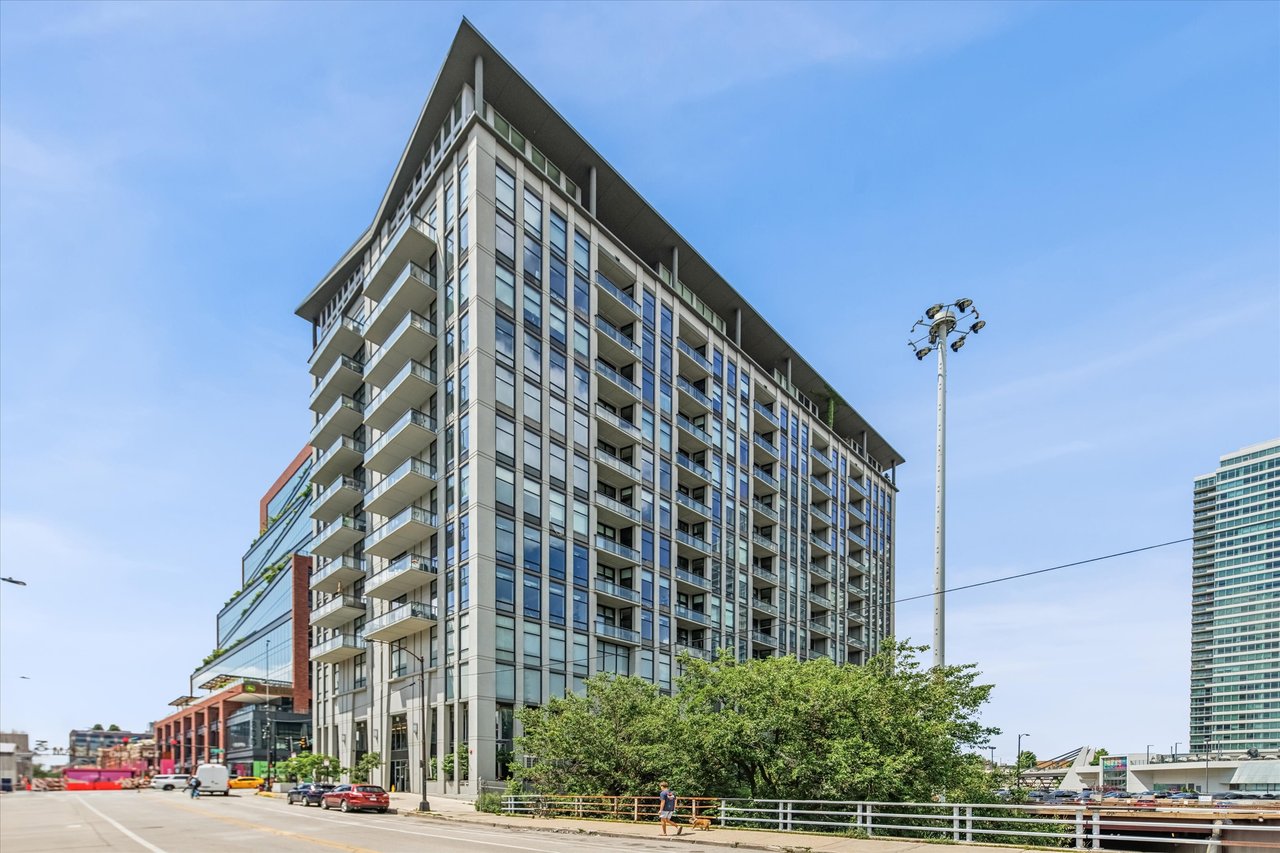
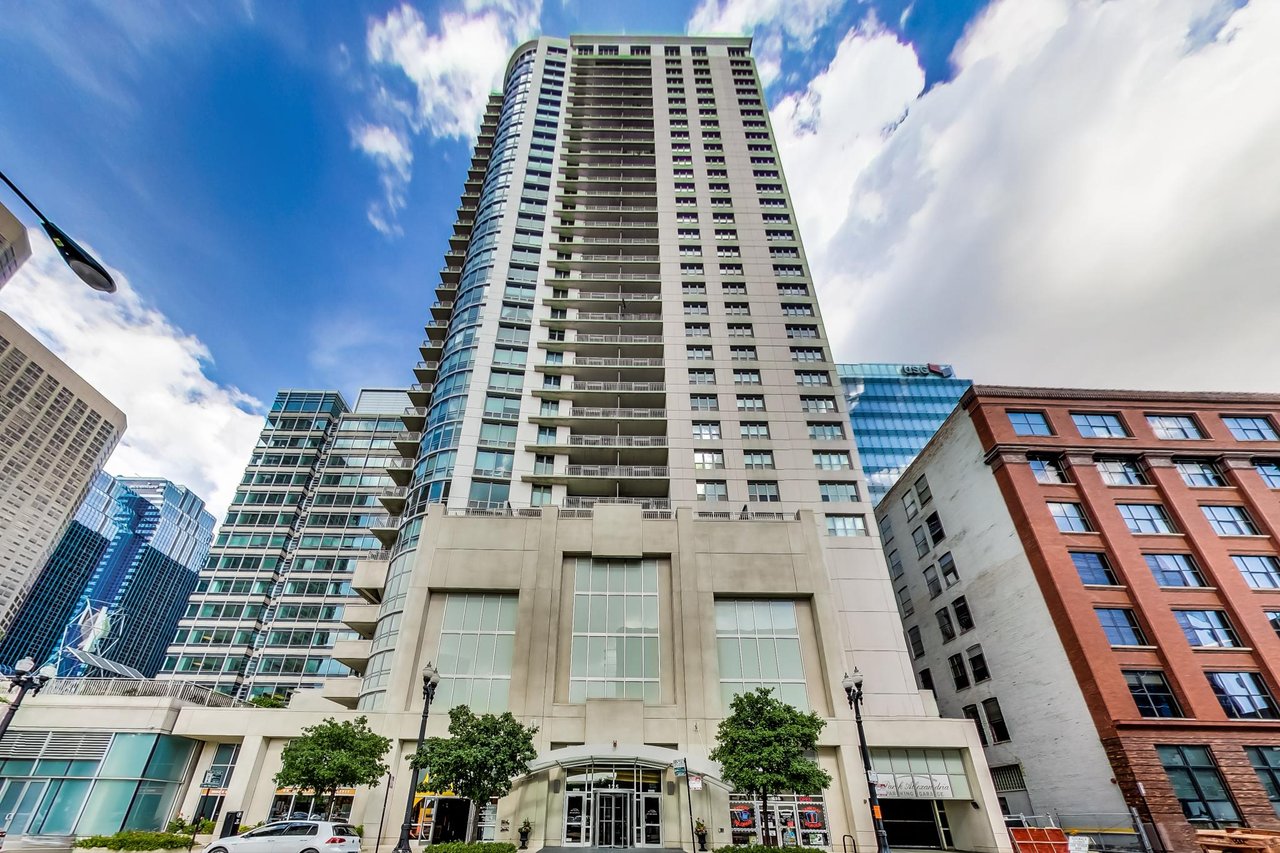
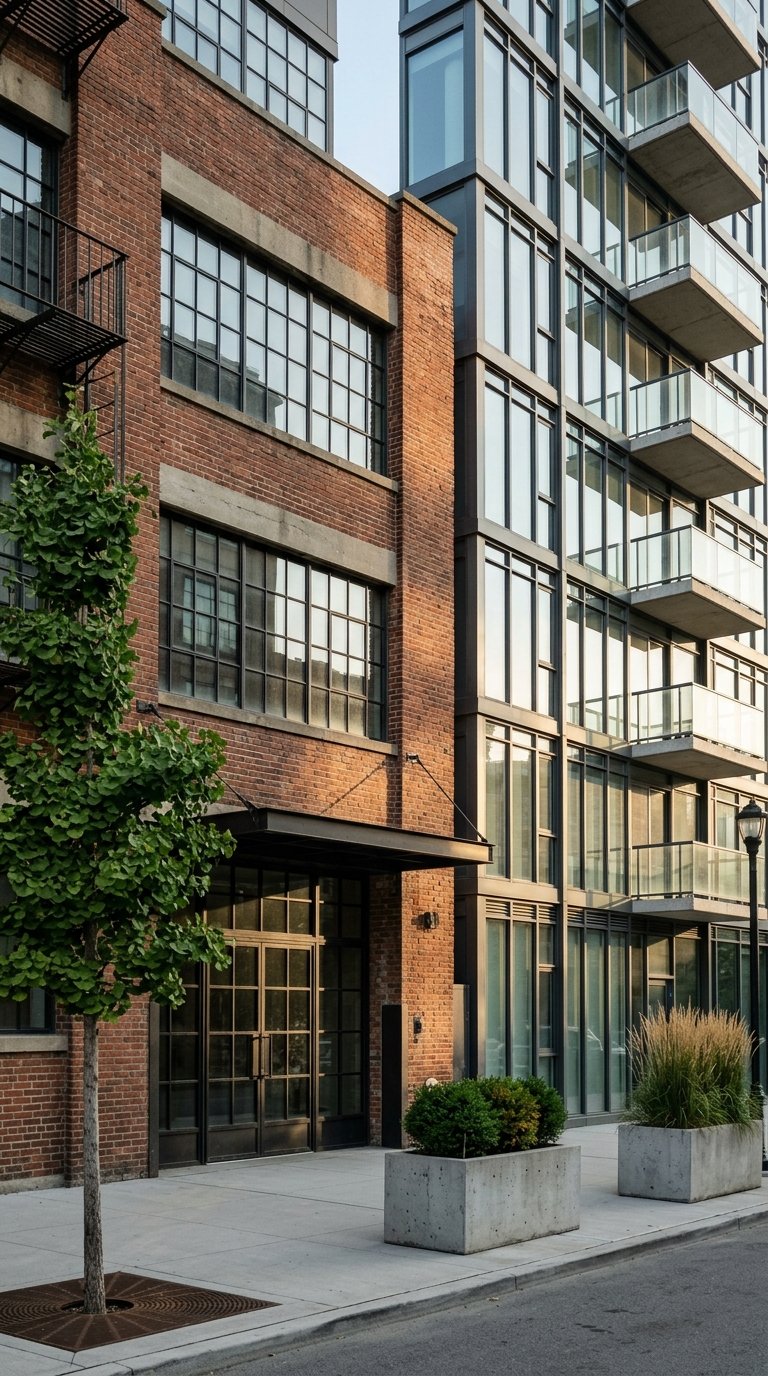
A gorgeous South Loop high-rise can hide a thin reserve fund. A charming Gold Coast vintage co-op can be one vote away from a major facade assessment. A West Loop loft with beautiful timber ceilings can sit in an association that's been deferring roof work for years. The unit passes your eye test. The balance sheet is the real story.
That's why in Streeterville, River North, and the West Loop, I read the building before I fall in love with the condo. Deferred maintenance today often becomes a buyer-paid special assessment tomorrow. An as-is unit in a well-run association can be a genuinely smart buy. That same unit in a cash-strapped building is a different decision entirely, and you only see the difference when you dig.
Key Takeaways
- "As-is" means the seller won't make repairs. It does not mean you can't inspect or negotiate.
- Your inspection rights and the as-is language are separate parts of the contract.
- In Illinois, seller disclosures and the 22.1 condo document handoff still apply.
- As-is homes often sell 5 to 20 percent below move-in-ready comps, so the discount is real, and so is the risk.
- Inspect and review the building first. Decide second. Talk price last.
Buying a Downtown Chicago condo as-is is not a trap, and it's not a green light to skip your homework.
It's a condition, not a surrender. The buyers who win with as-is are the ones who inspect hard, read the building's finances closely, and move in the right order so they never tip their hand too early.
Do that, and an as-is condo in West Loop, River North, or the Gold Coast can be one of the smartest buys on the market.
FAQ
Can I still get an inspection on an as-is condo? Yes. As-is describes the seller's position on repairs. It does not waive your right to inspect. In a Chicago condo purchase, that inspection window is one of your most important tools.
Does as-is mean the seller doesn't have to tell me about problems? No. Illinois sellers still complete a residential disclosure of known material defects, and the association still has to provide required building documents before closing.
Can I negotiate on an as-is condo? Often, yes. As-is doesn't guarantee the seller will say yes, but it doesn't take negotiation off the table either. How and when you raise it matters as much as what you ask for.
Why are as-is condos priced lower? Because the buyer is taking on the repair and condition risk. That trade-off usually shows up as a discount, which can be real value if you've done your due diligence.
Is buying as-is a bad idea? Not at all. It just requires more diligence. A well-inspected as-is unit in a financially healthy building can be an excellent buy.
Call or Text Christine
Thinking about an as-is condo in Downtown Chicago and want to know whether the discount is a deal or a warning sign? I've read hundreds of these buildings from the inside. Call or text Christine Hancock at 312-296-9300 and let's pressure-test the unit and the building before you make a move you can't take back.
ABOUT THE AUTHOR
Christine Hancock is a Chicago Realtor with @properties Christie's International Real Estate, bringing more than 25 years of experience and over $200 million in closed sales in the downtown condo market. She specializes in high-rise and luxury condominium sales in West Loop, South Loop, River North, and Streeterville, helping buyers and sellers navigate complex transactions with data-driven pricing strategies and deep neighborhood insight.
Christine partners with clients to evaluate market trends, position properties competitively, and make confident, informed decisions in Chicago's vibrant downtown housing market.