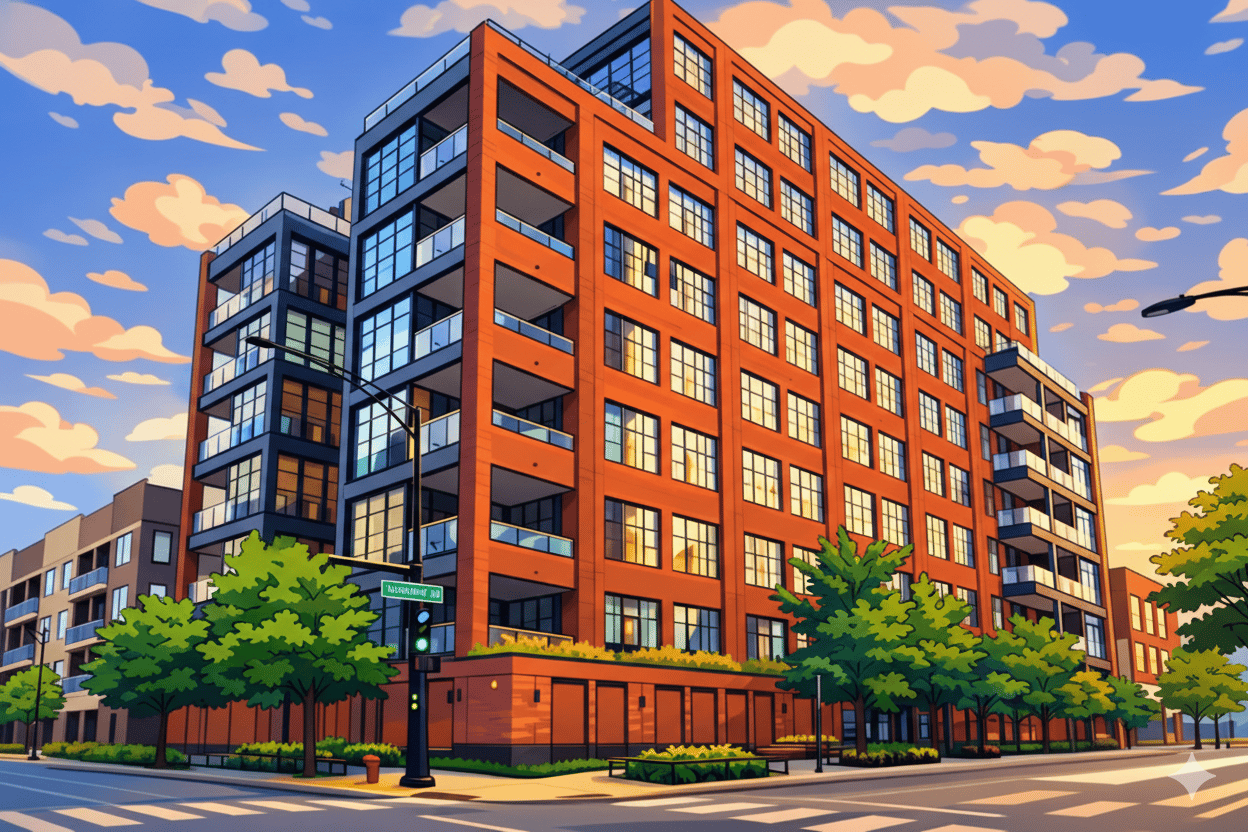
How to Sell a Condo in Downtown Chicago: 5 Steps That Work
How do you sell a condo in Downtown Chicago?
To sell a condo in Downtown Chicago, price from same-building sales, order association documents early, stage for light and views, launch with a plan, and close with your real estate attorney.
Here’s the truth most sellers learn too late. Your building matters more than the citywide market.
Two units a block apart can land in totally different places. Assessments, amenities, construction quality, and the last sale on your floor all shape your number. A citywide average can’t see any of that.
So what does a smart Downtown Chicago sale look like? Five steps. In order. Let’s walk through them.
Key Takeaways
- Across the wider West Loop market, recent local market data (trailing 90 days, as of October 2026) shows a median of 62 days on market for homes that sold.
- Streeterville’s median was 37 days. The South Loop’s was 79. Downtown isn’t one market. It’s several.
- Pricing starts with sales in your own building, then competing buildings with similar amenities and assessments.
- Order the association’s resale package before you list.
- Chicago’s transfer tax has a city portion and a CTA portion. Your contract and your attorney have the final word on who pays what.
Step 1: How Should You Price a Downtown Chicago Condo?
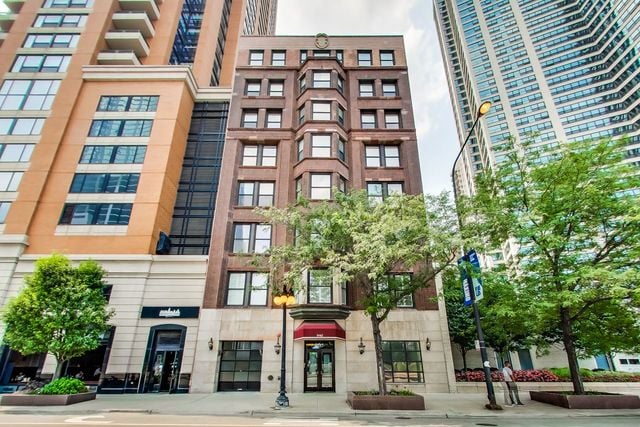
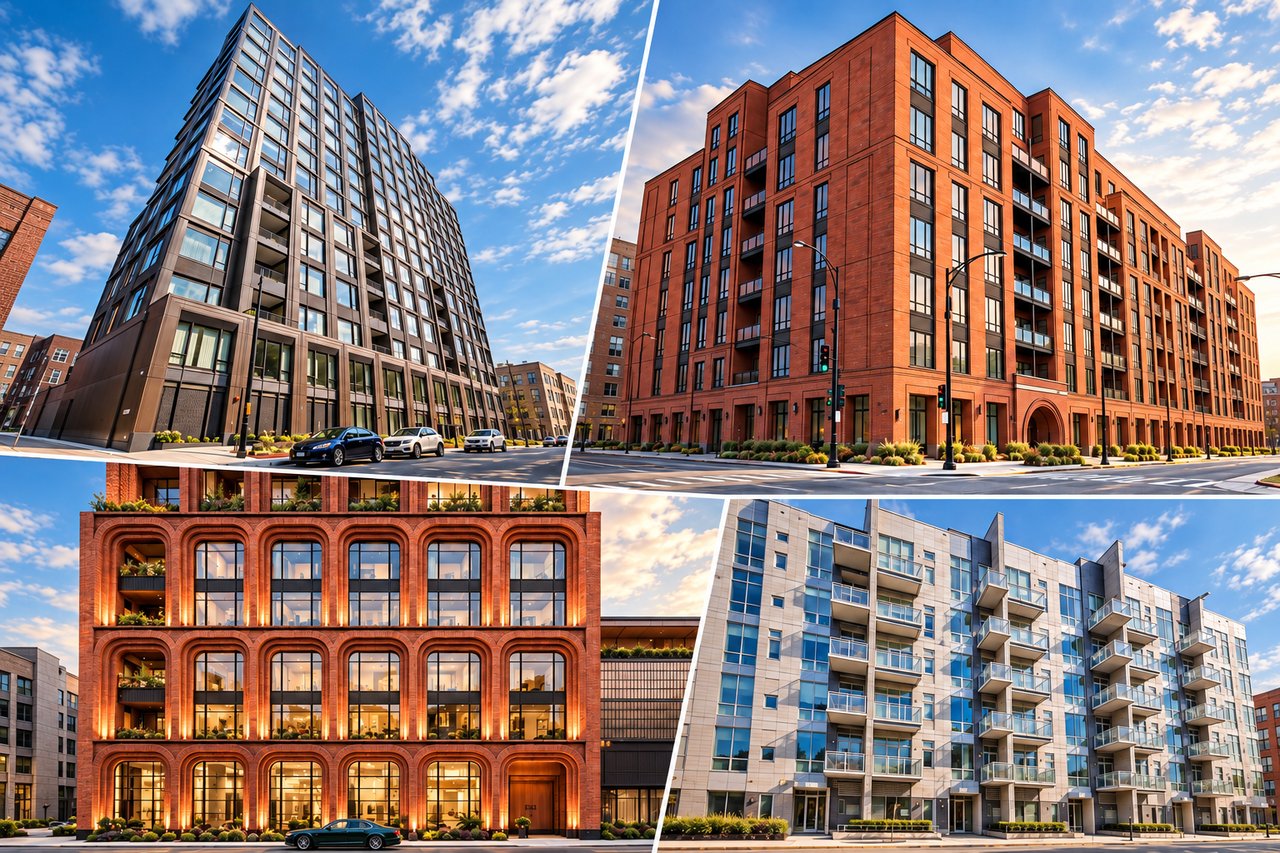
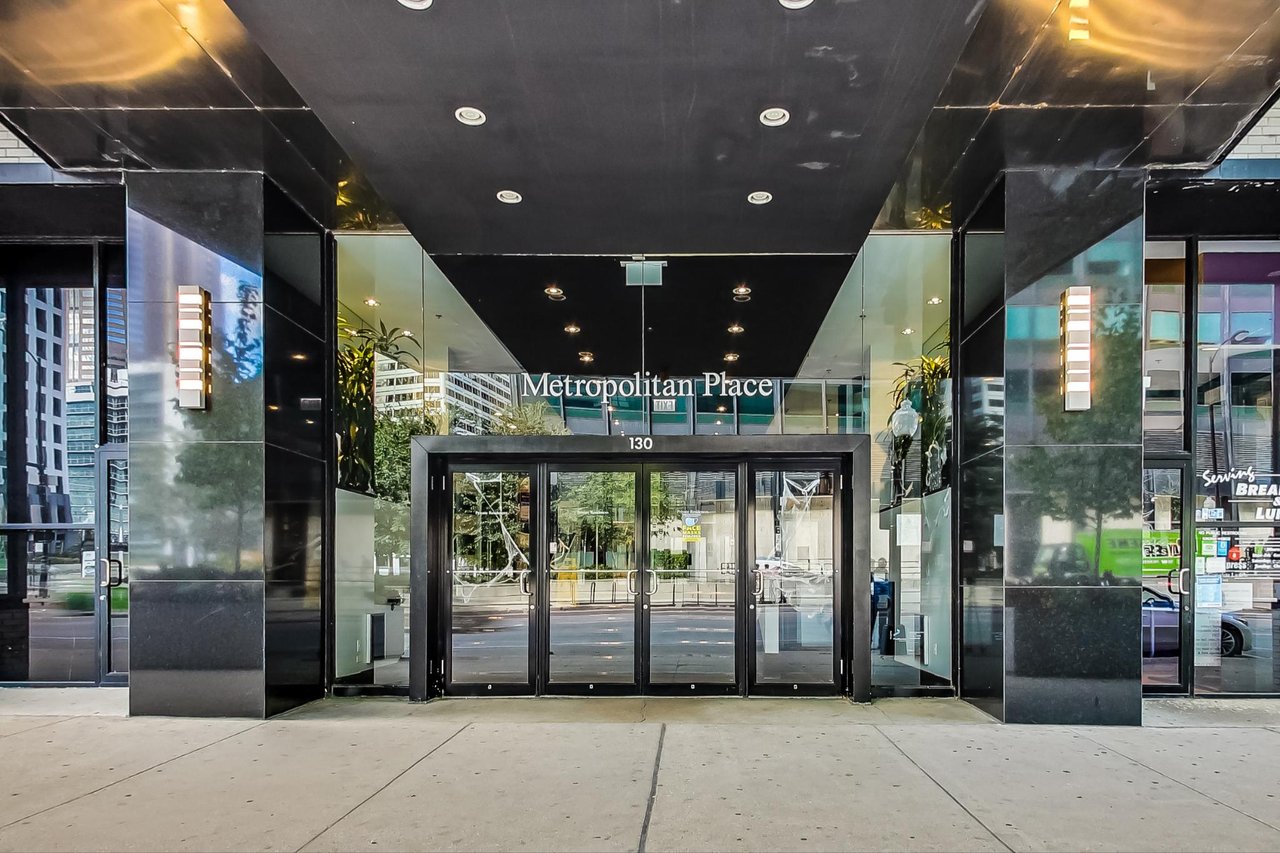
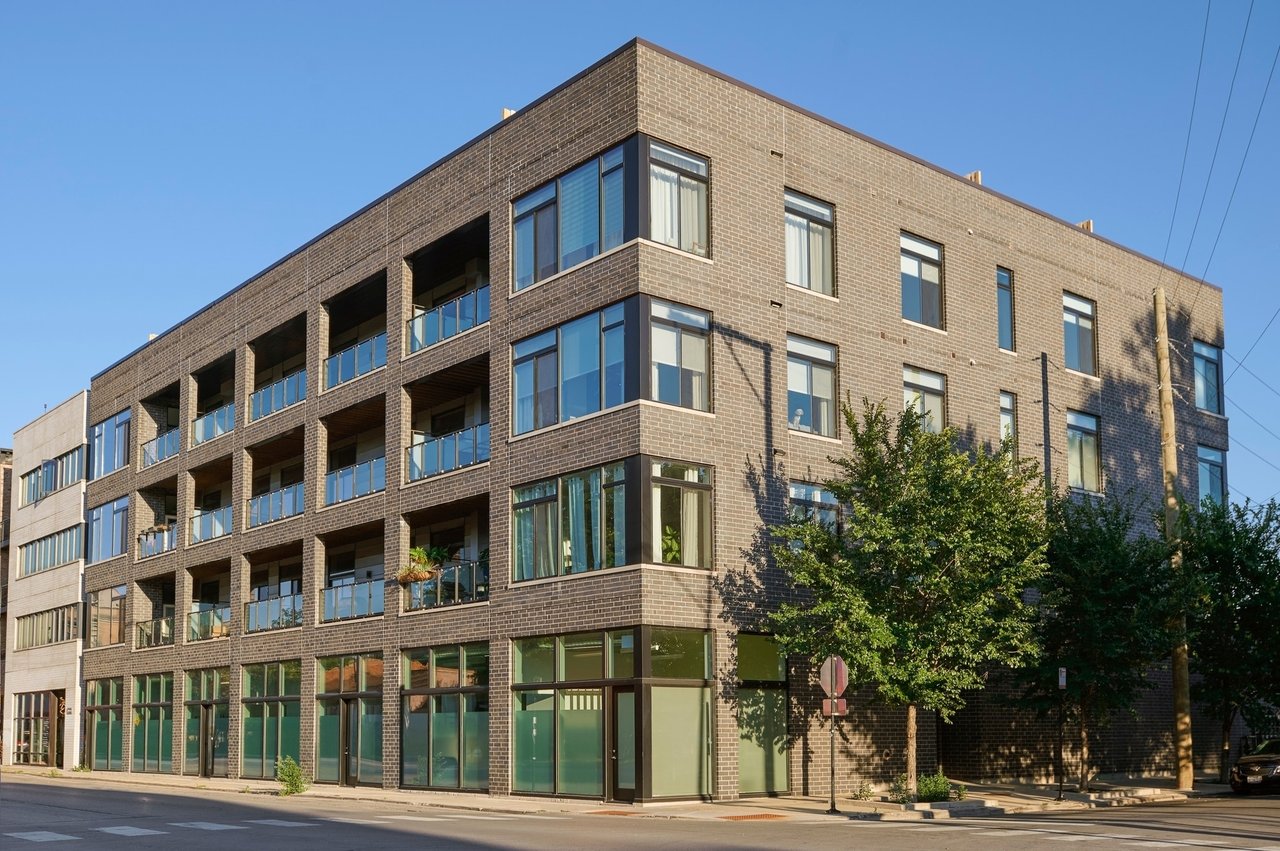
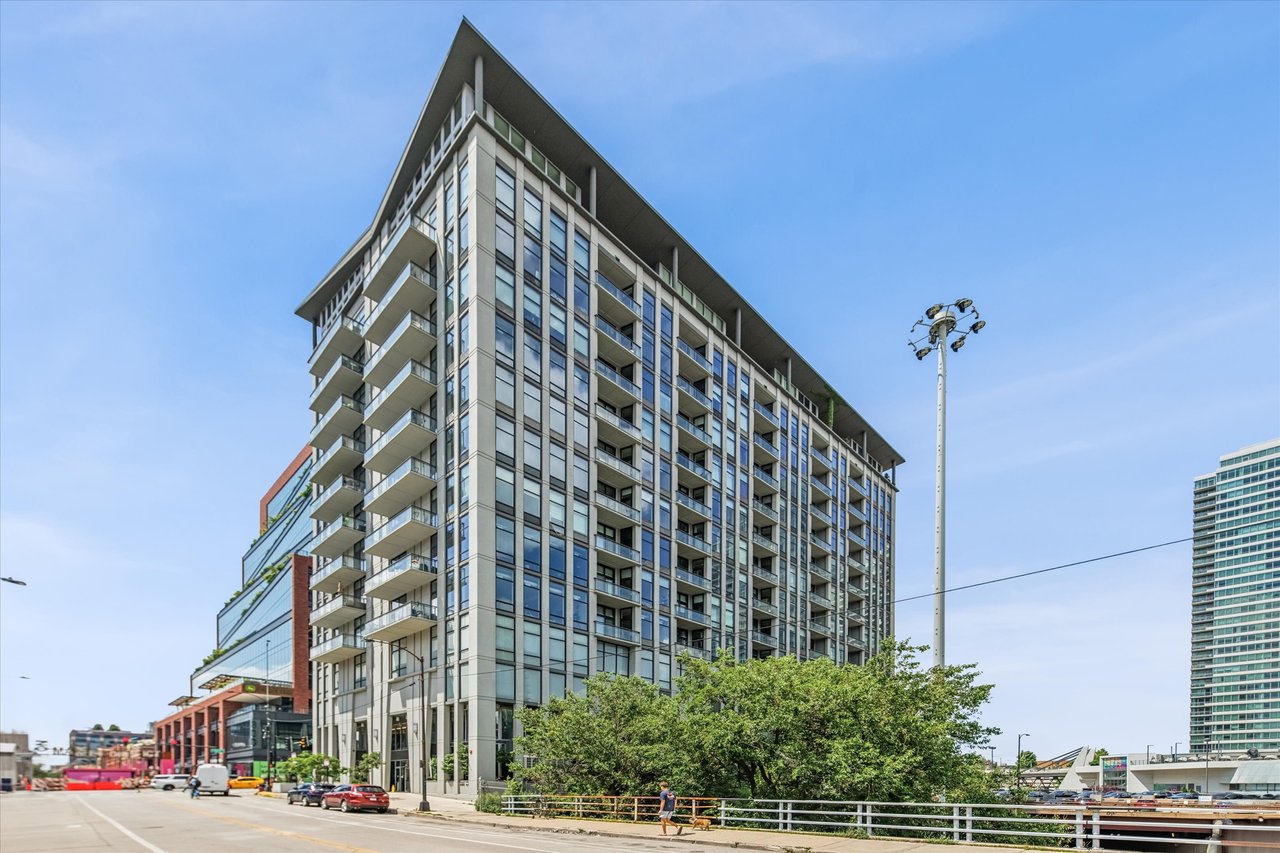
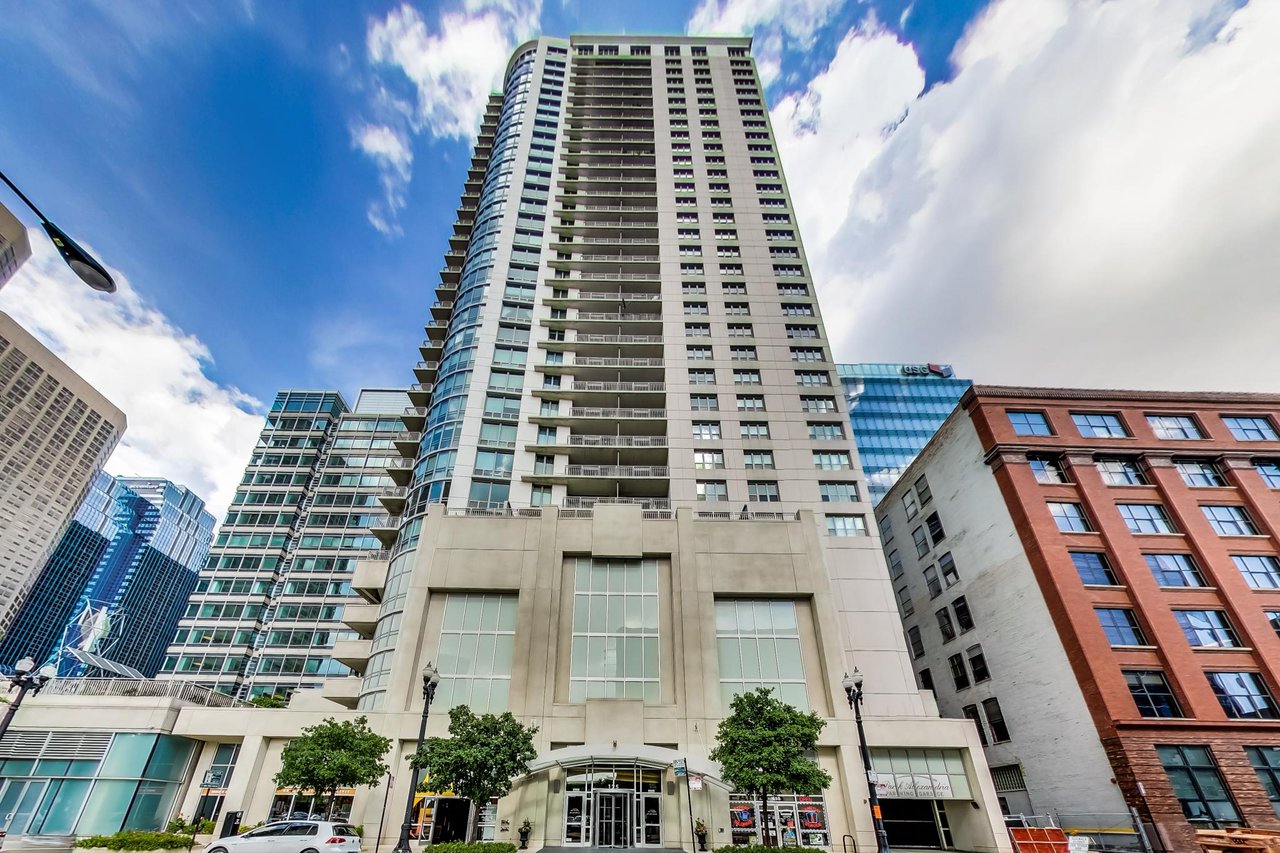
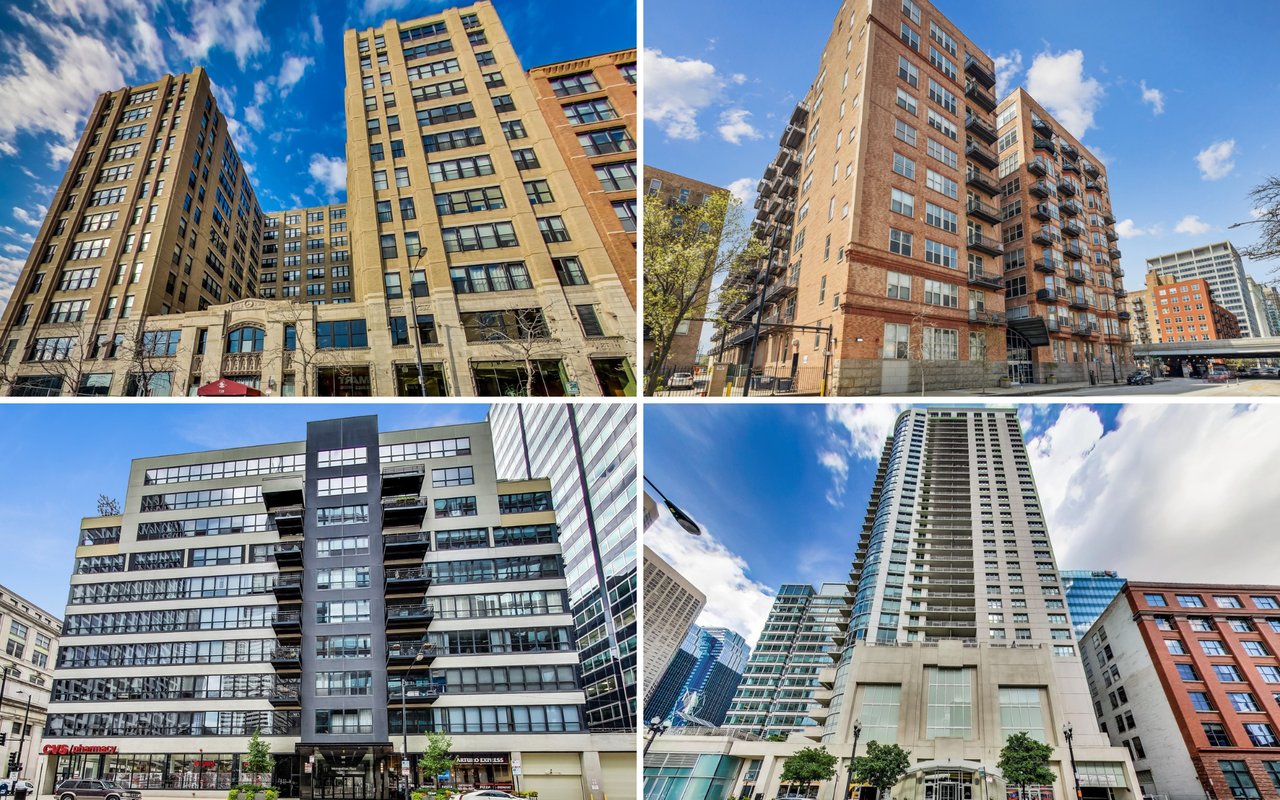
Start with recent sales in your own building. Then compare against nearby buildings competing for the same buyer. It’s why I know buildings like Metropolitan Place, Park Alexandria, and Haberdasher Square Lofts unit by unit.
Pricing off an area average? That’s how sellers land too high, or leave money on the table.
For every comparable sale, I adjust for:
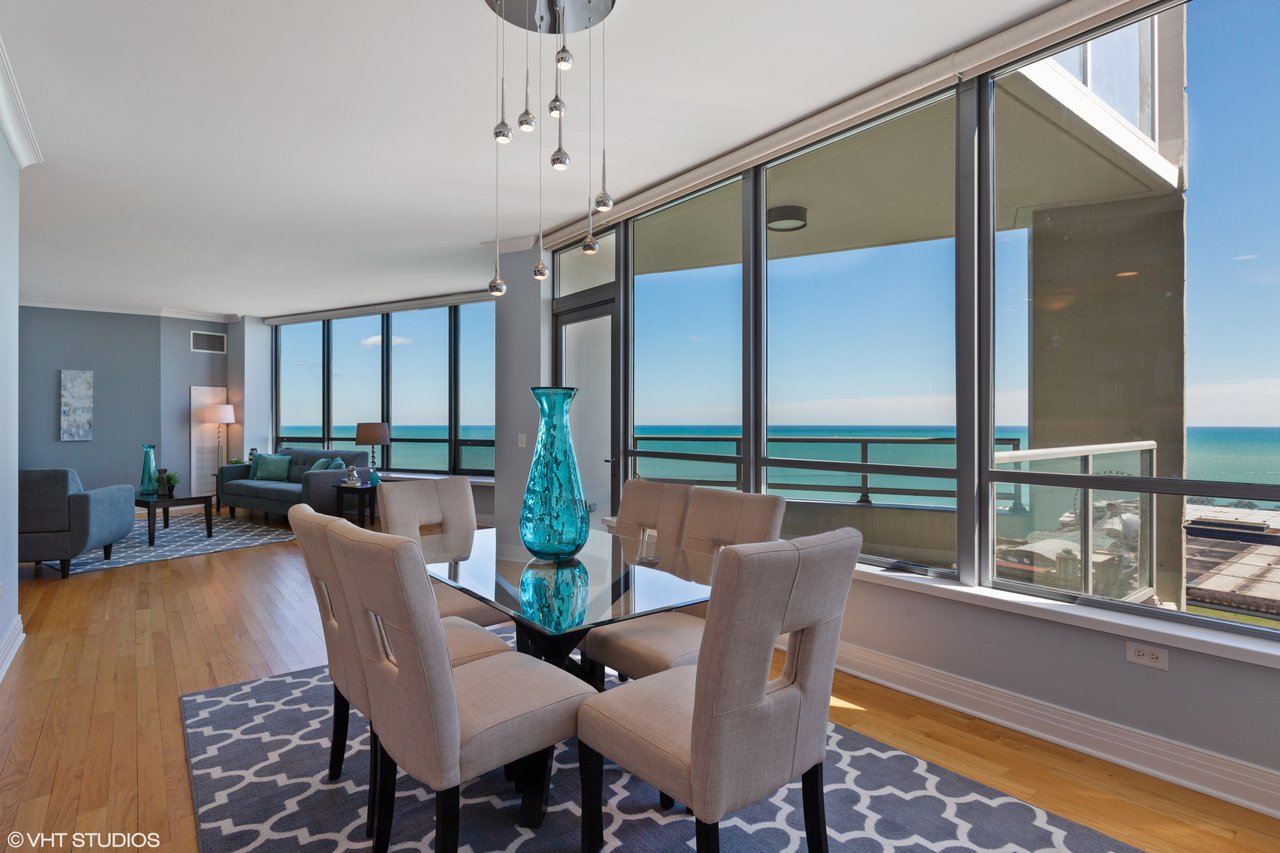
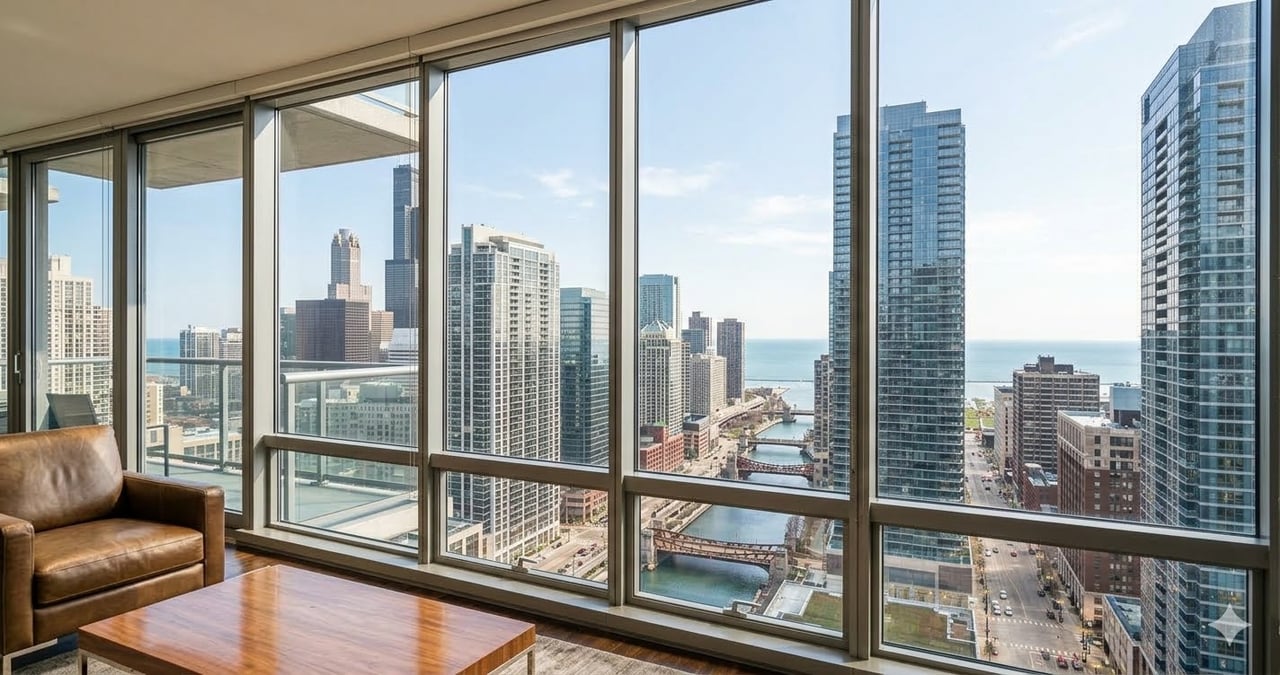
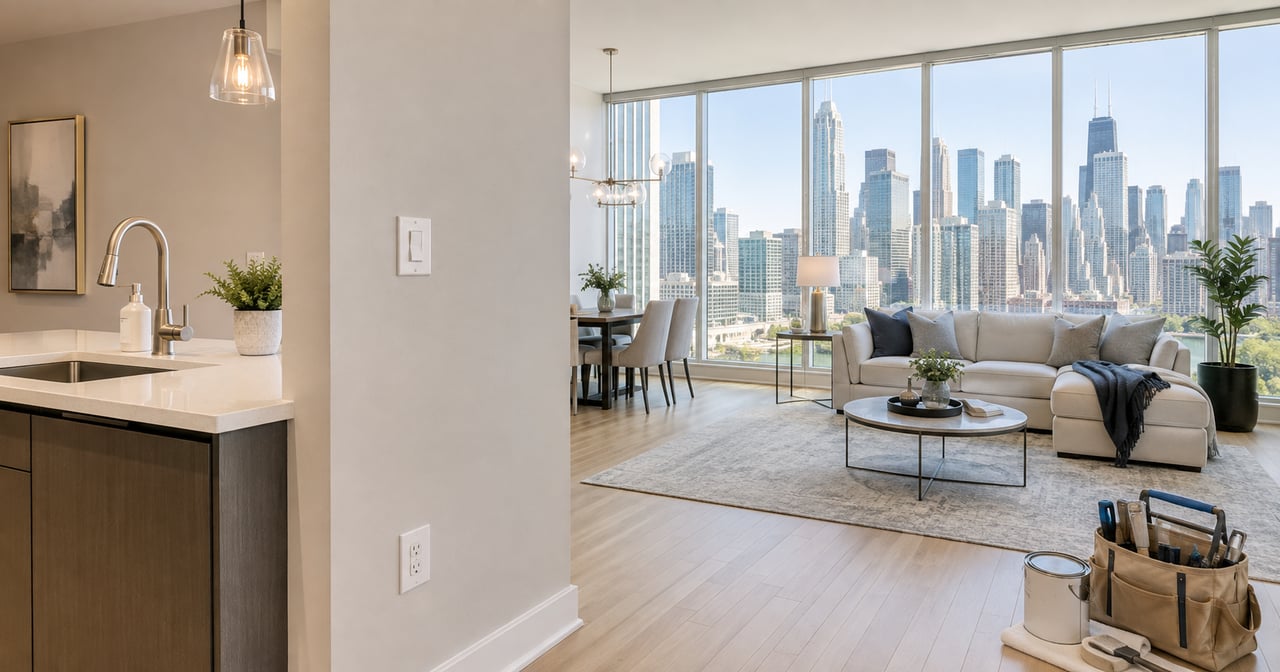
- Floor and exposure, including lake, river, or skyline views
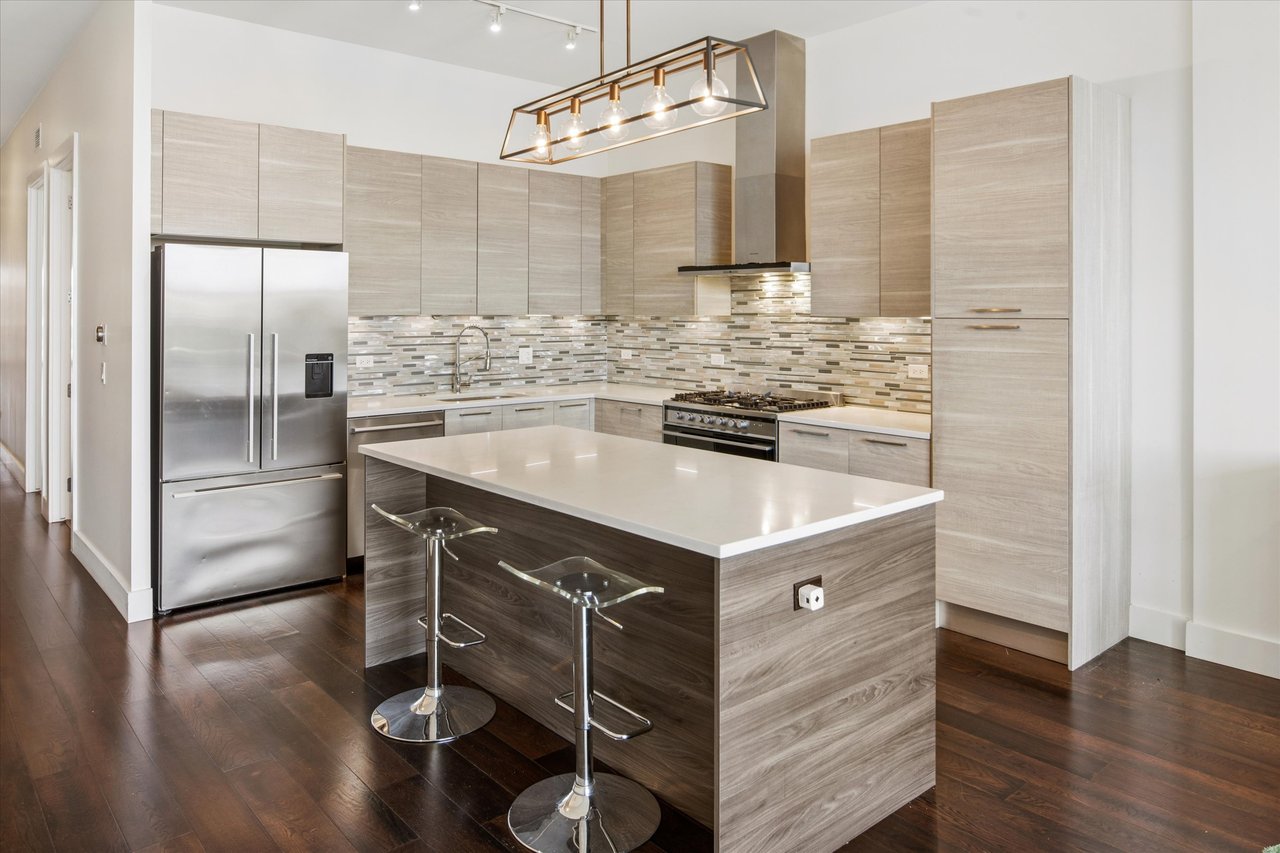
- Condition and renovations, especially kitchen, baths, and flooring
- Parking and storage, and whether they’re deeded or leased
- Monthly assessment and what it covers
- Timing, because a sale from a year ago isn’t last month’s sale
Even units stacked in the same tier can sell for very different numbers. Here’s why two condos in one building sell differently.
How Do Downtown Neighborhoods Compare?
Here’s the area-wide picture from recent local market data. These are medians, and the homes I list often sit in a different price band. Treat this as background only.
Area | Median Sale Price | Median Days on Market |
|---|---|---|
West Loop | $350,000 | 62 |
River North | $395,000 | 49 |
South Loop | $365,000 | 79 |
Streeterville | $488,750 | 37 |
Gold Coast | $495,000 | 57 |
Source: aggregated public listing data, trailing 90 days, as of October 2026. Days on market counts homes that sold. It doesn’t show how fast a home went under contract.
Want the bigger neighborhood story? See how River North, West Loop, and South Loop compare for today’s buyers.
Across the wider West Loop market, that same data shows 31 active listings, 13 new listings in the last 30 days, and 39 homes sold in roughly 90 days. That’s a thin pool. One competing unit in your building can change your whole position.
Step 2: Which Association Documents Do You Need Before You List?
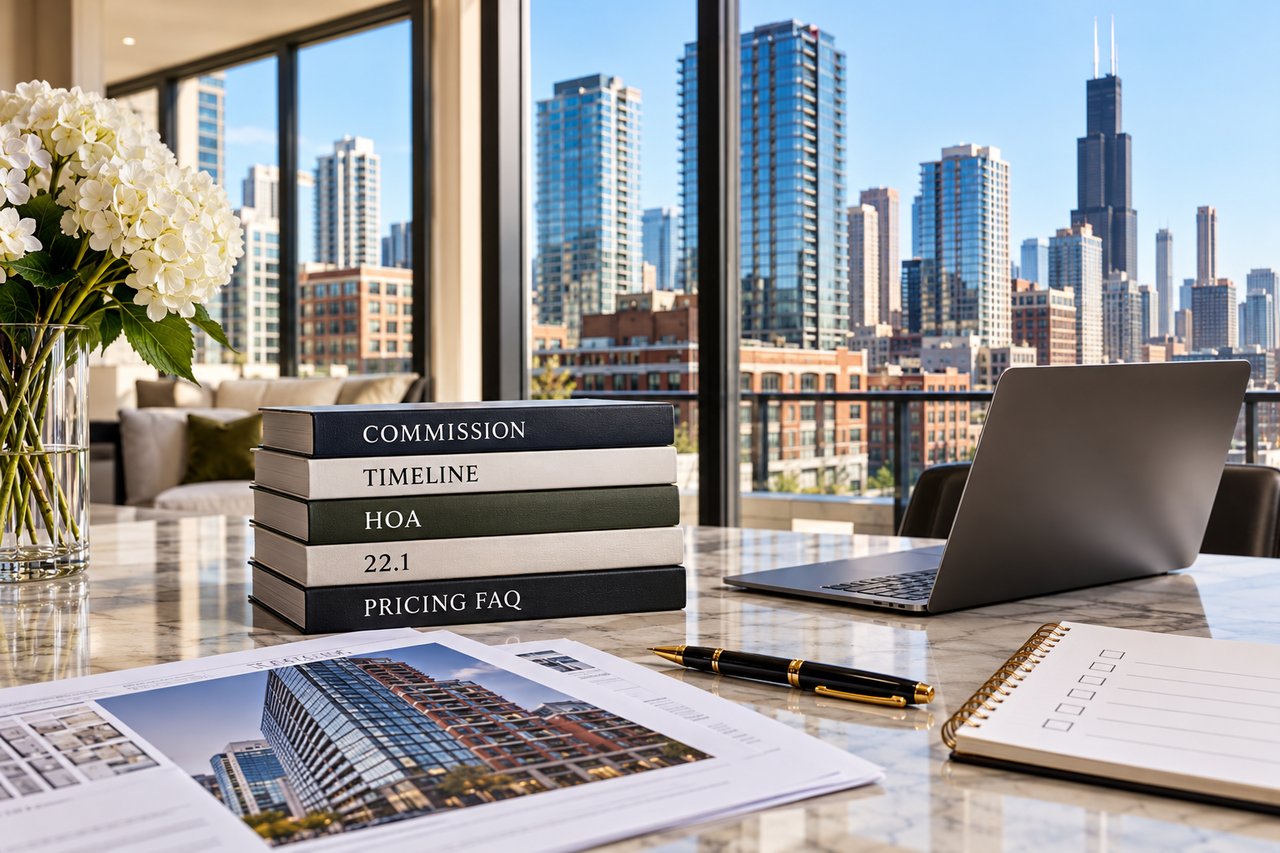
Request your condo association’s resale package before you list. Buyers, lenders, and attorneys will all ask for it. A gap in the paperwork slows a deal at the worst possible moment.
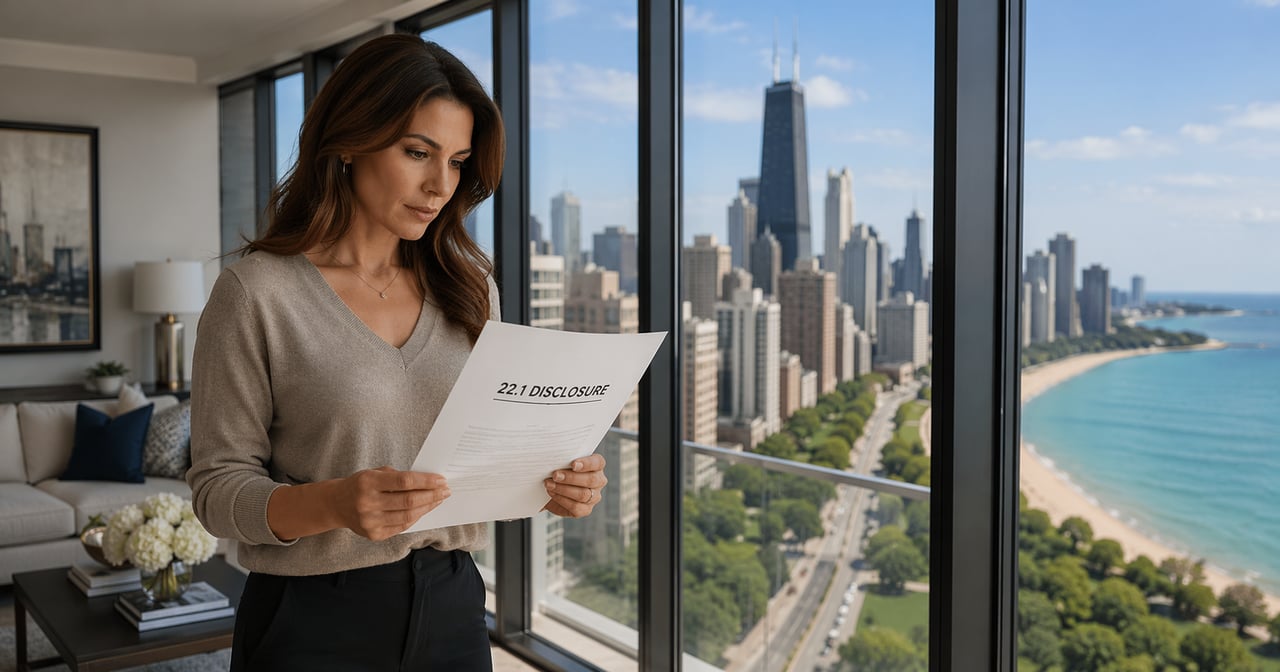
Most packages pull from the declaration, bylaws, rules, recent board minutes, budget, reserves, and insurance. Contents and timing vary by association, so call your property manager early. Here’s more on the 22.1 disclosure Chicago condo sellers provide.
I also screen every building for issues that affect demand and financing:
- Pending or recently approved special assessments
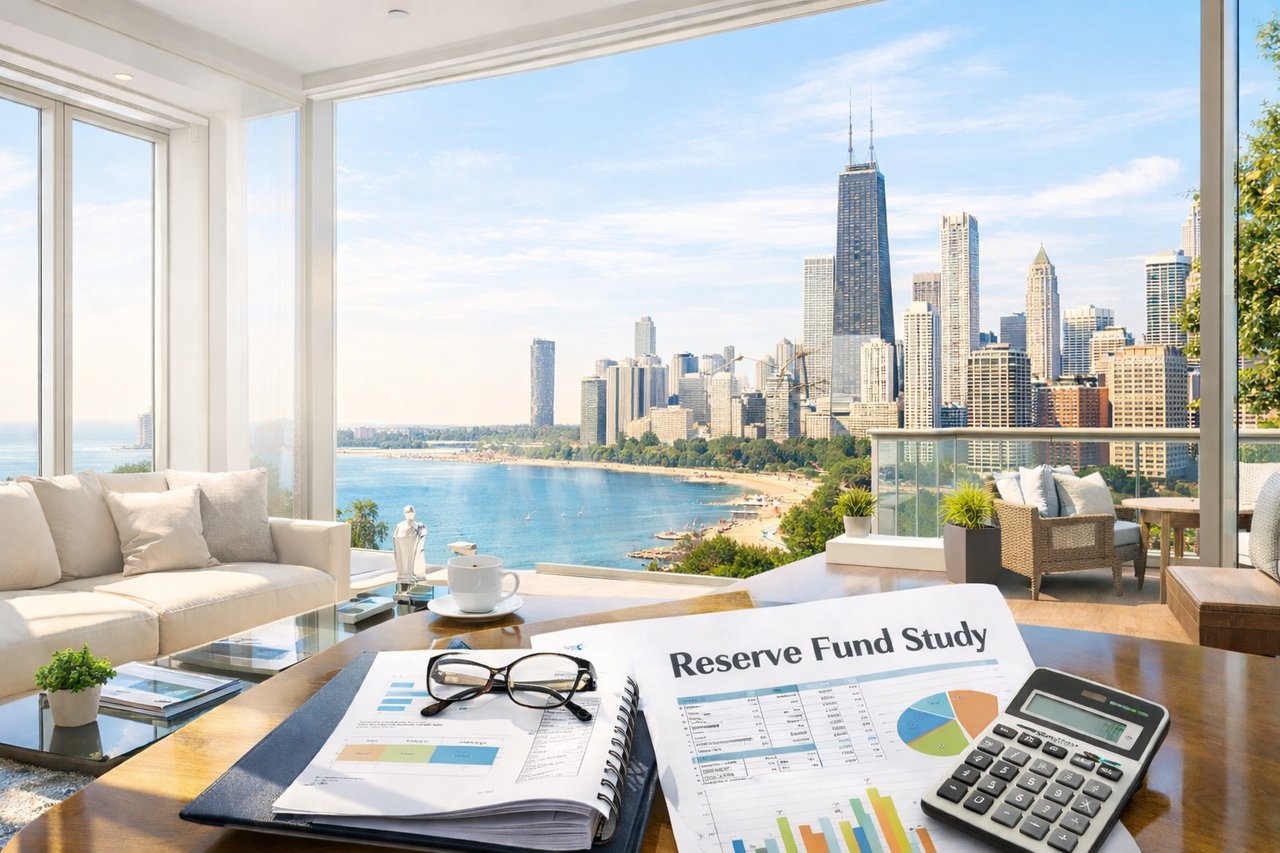
- Reserve funding levels
- Litigation involving the association
- Insurance changes
- Rental and pet restrictions
- Move-in and move-out procedures
Is something on that list a concern? I’d rather you hear it from me before you list than from a buyer’s lender after you’re under contract.
No surprises. That’s how you protect a deal.
Step 3: How Should You Stage a Downtown Chicago Condo?
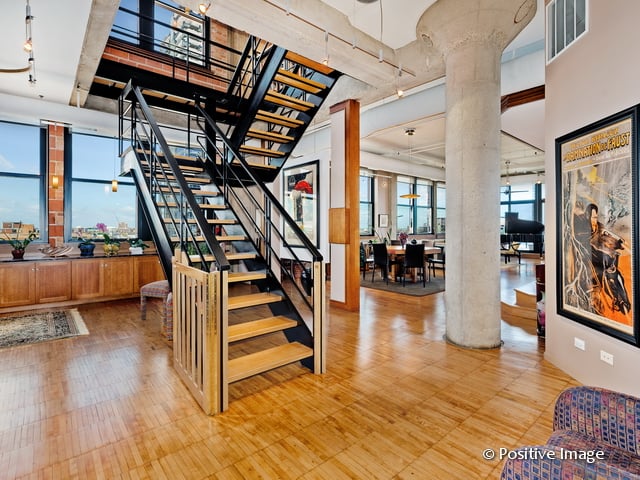
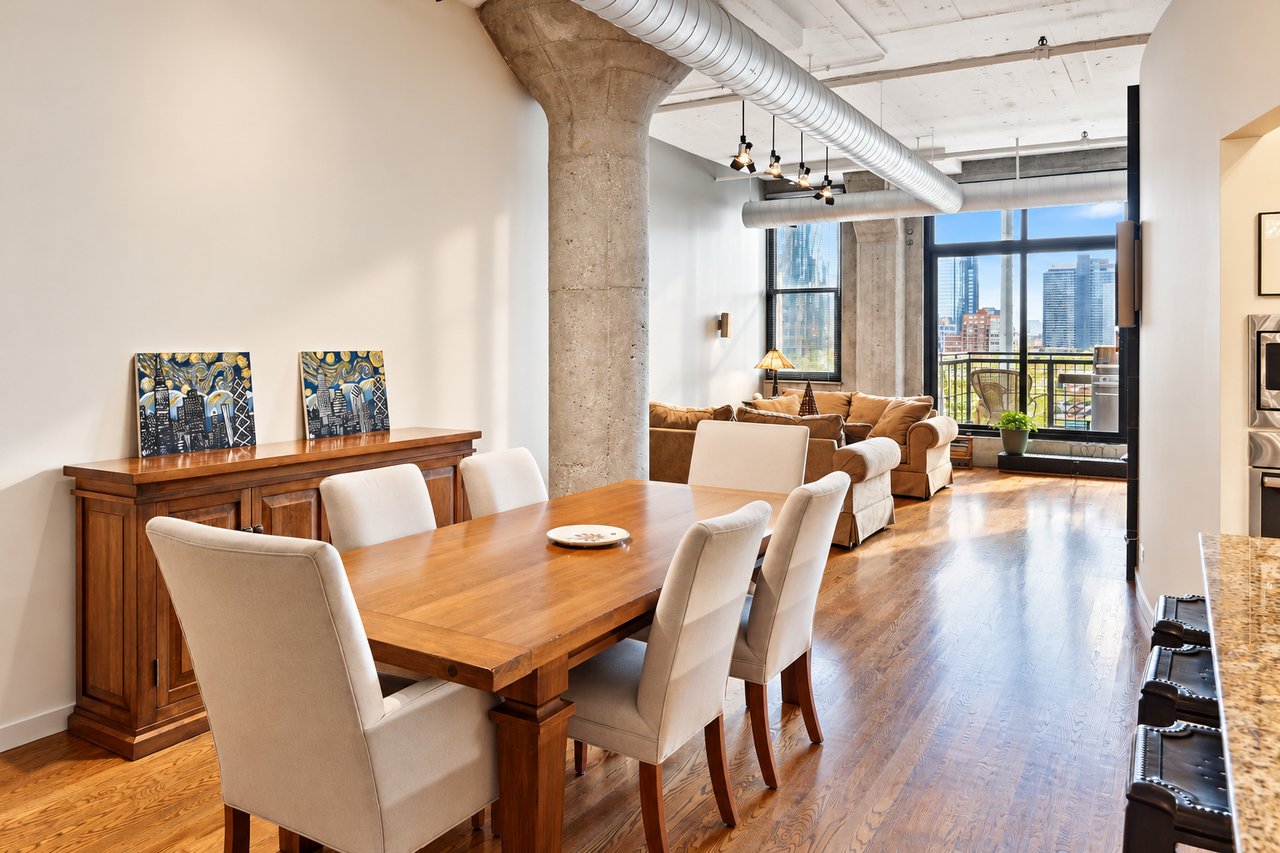
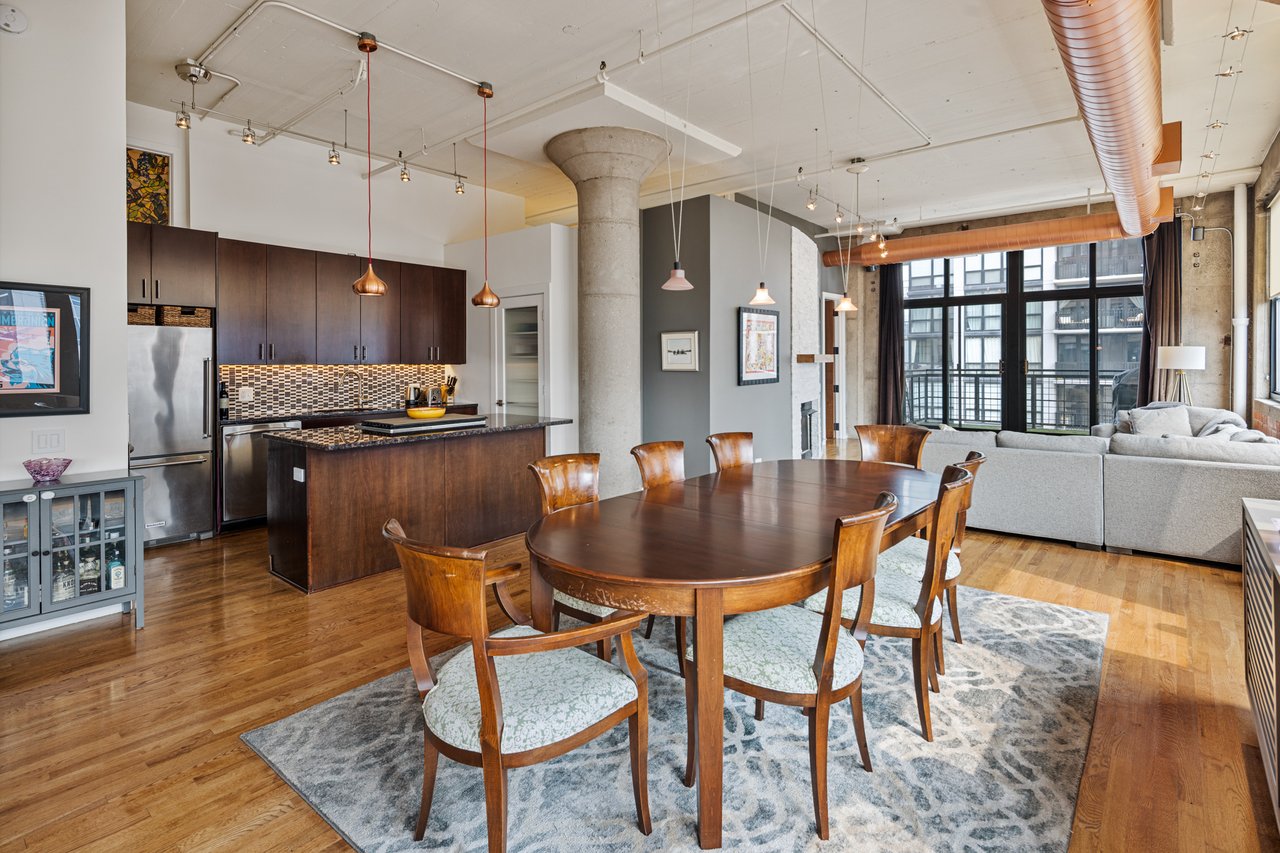
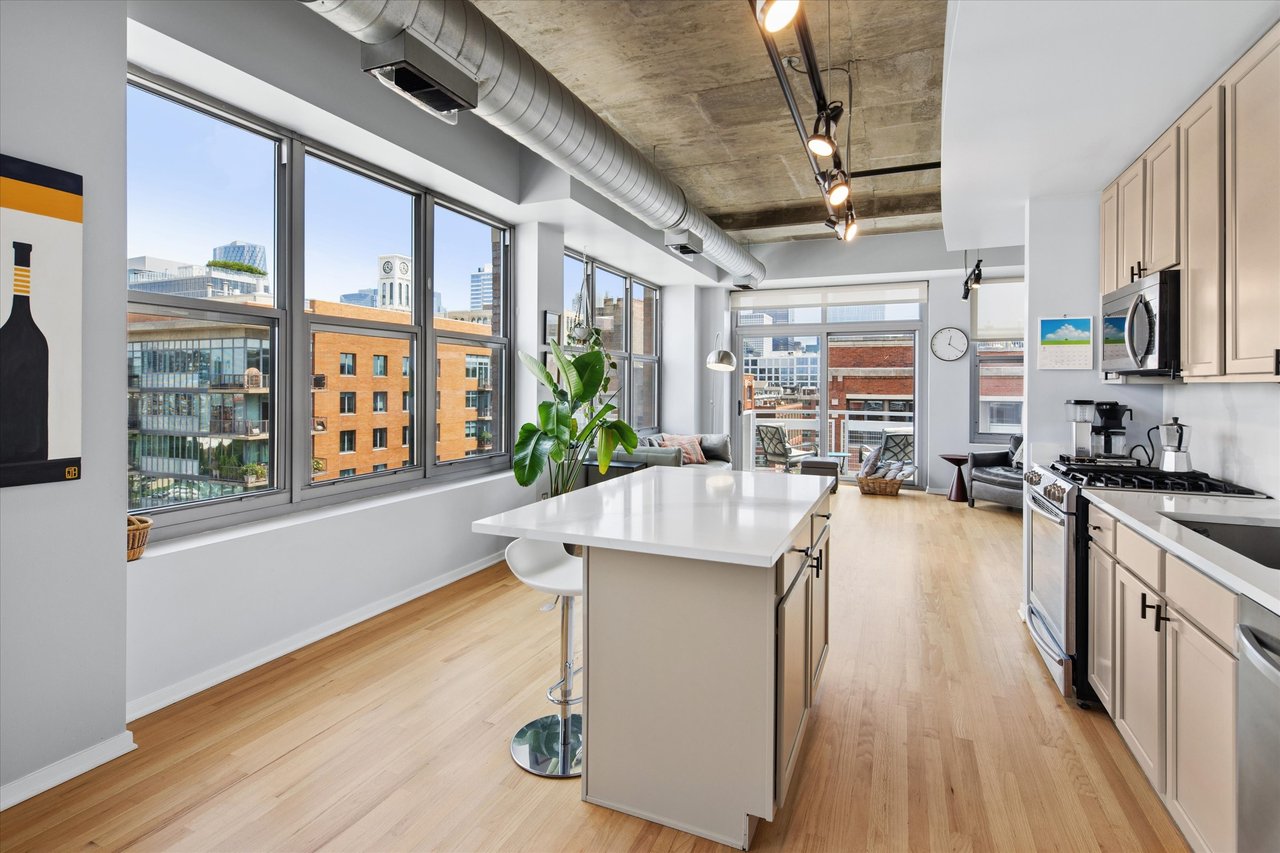
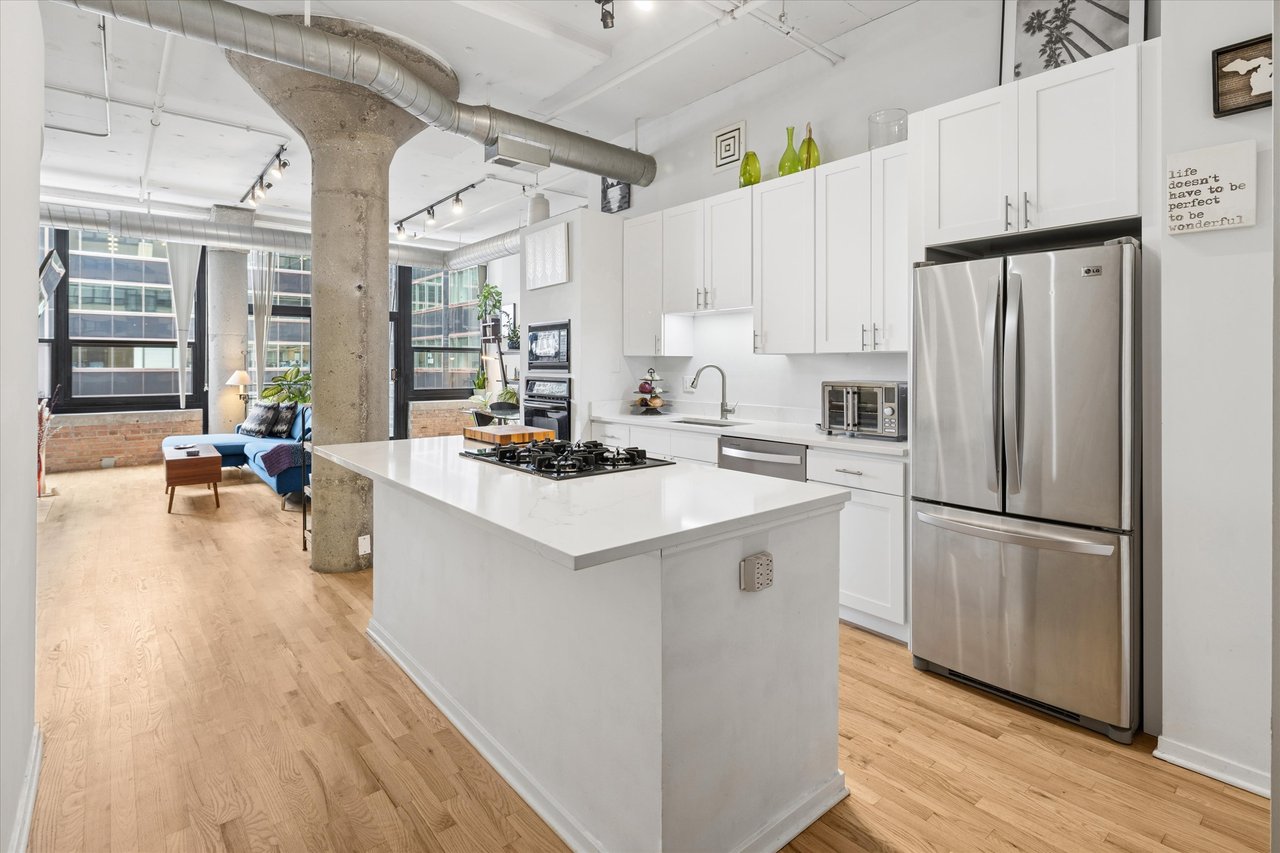
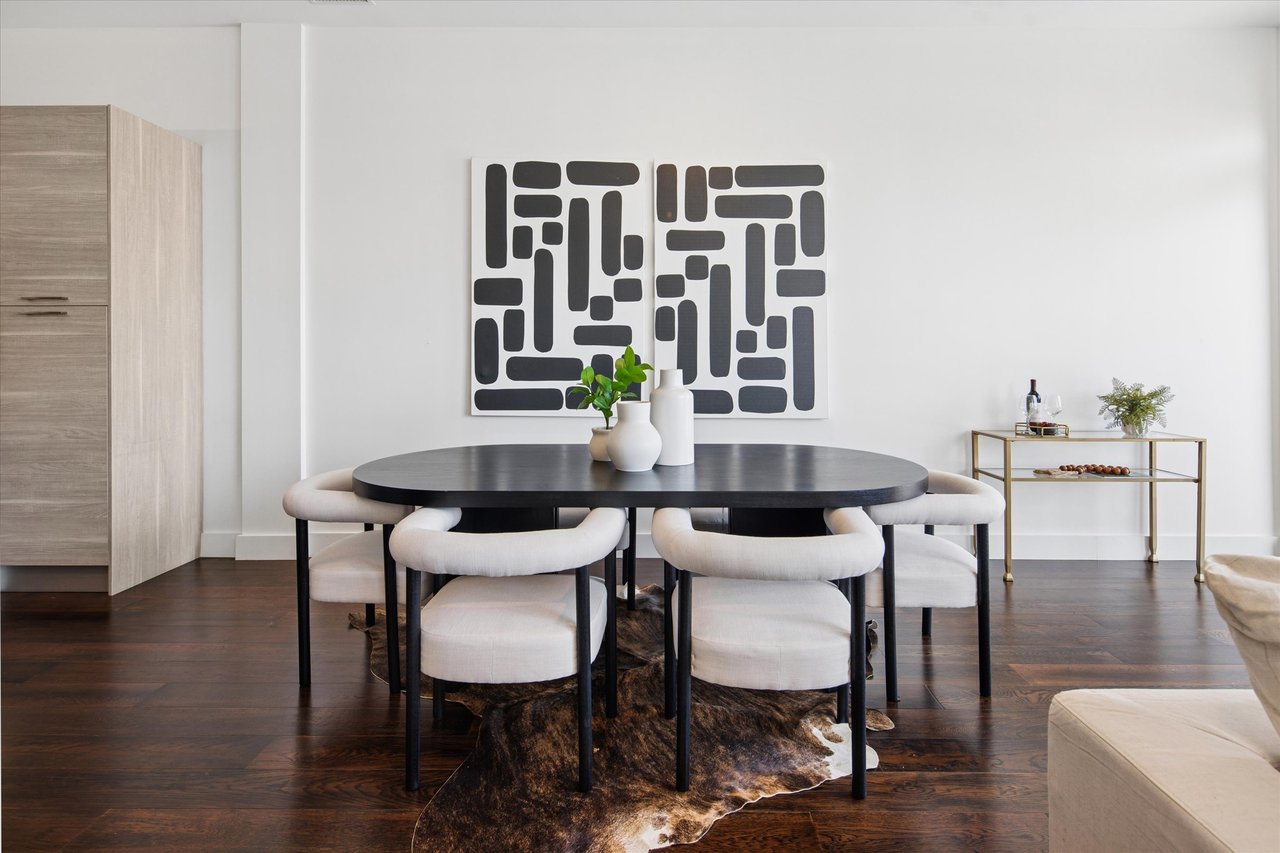
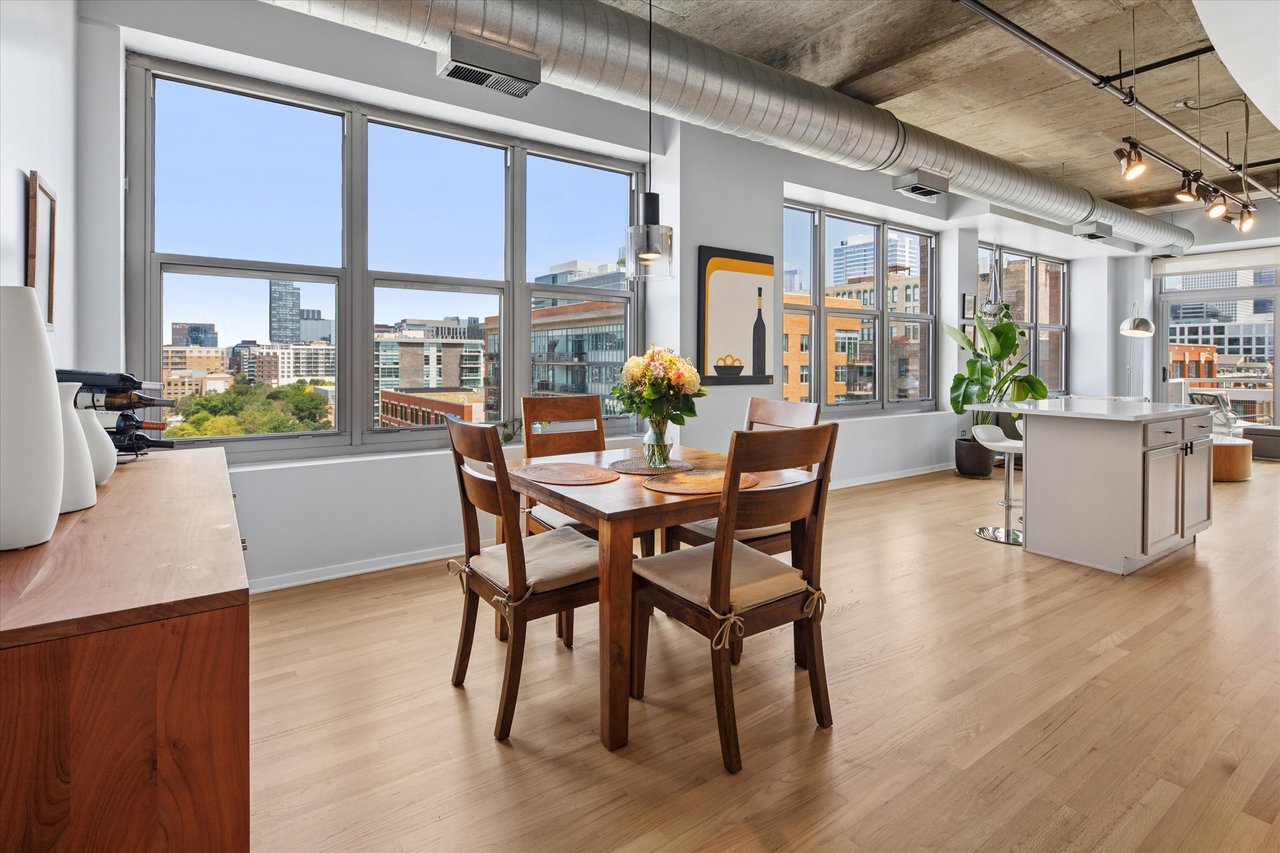
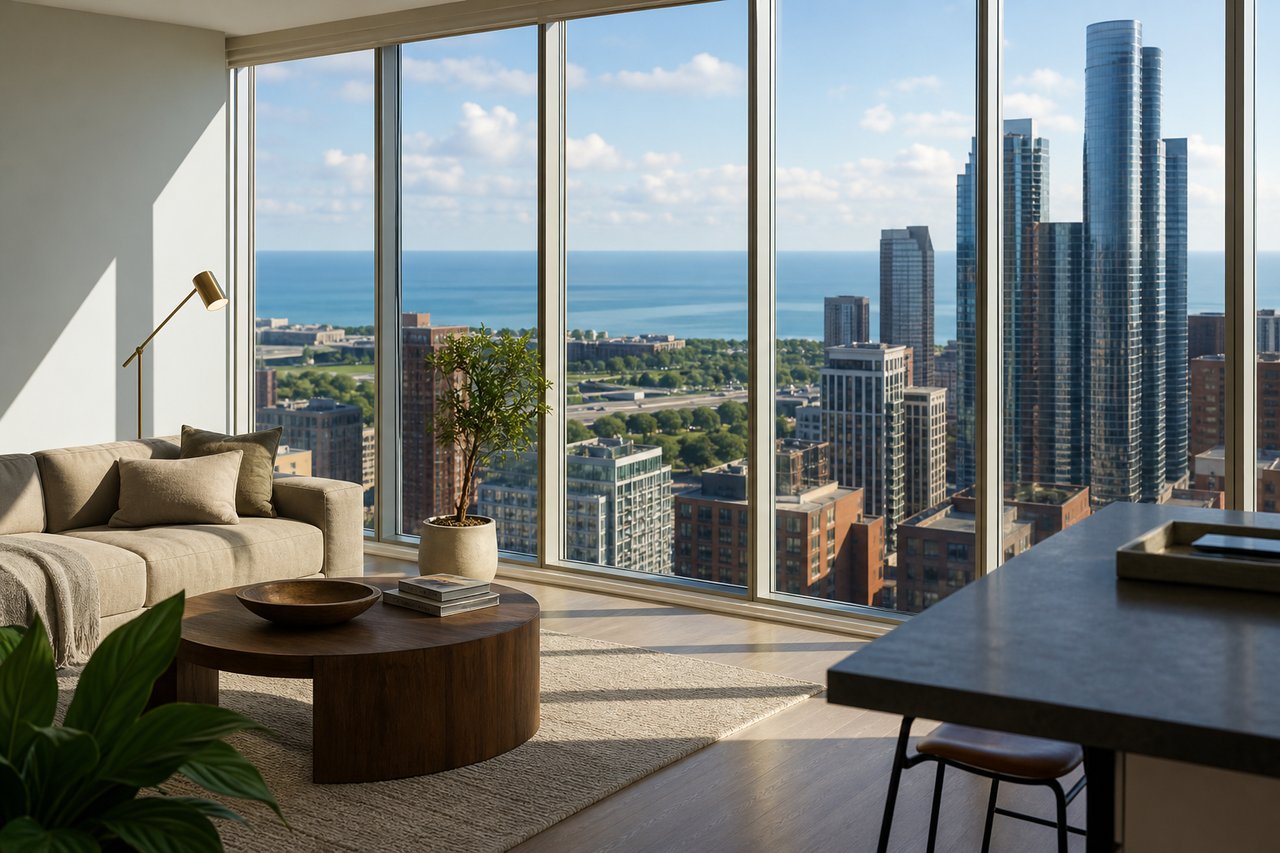
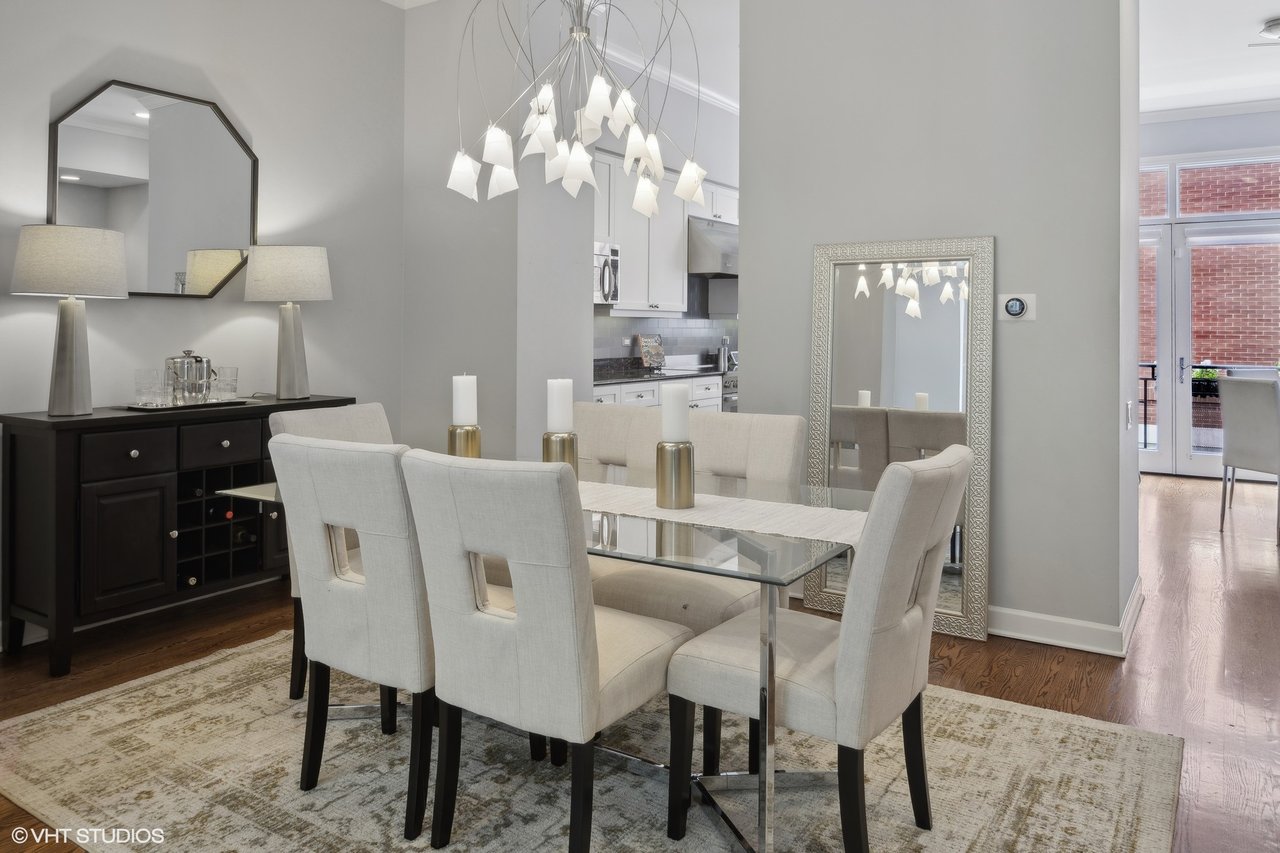
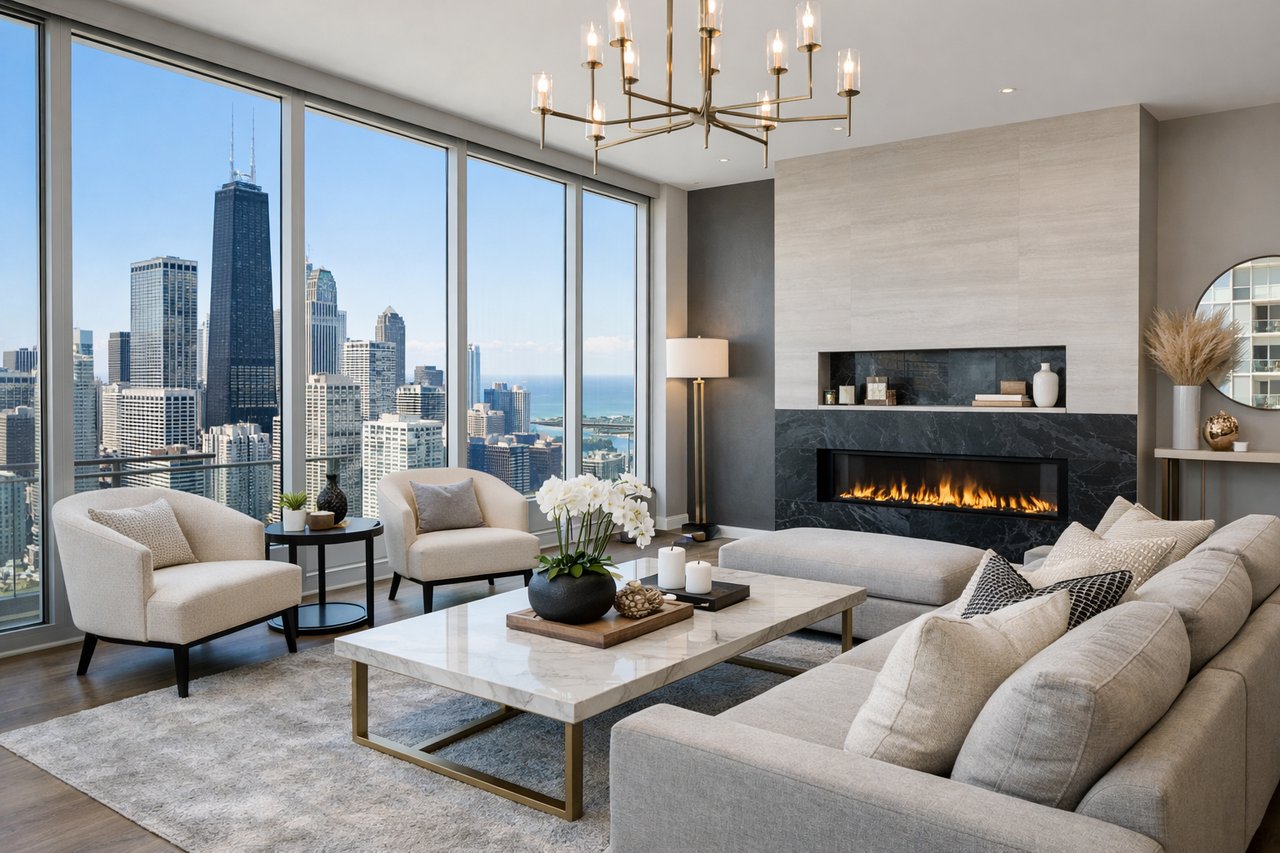
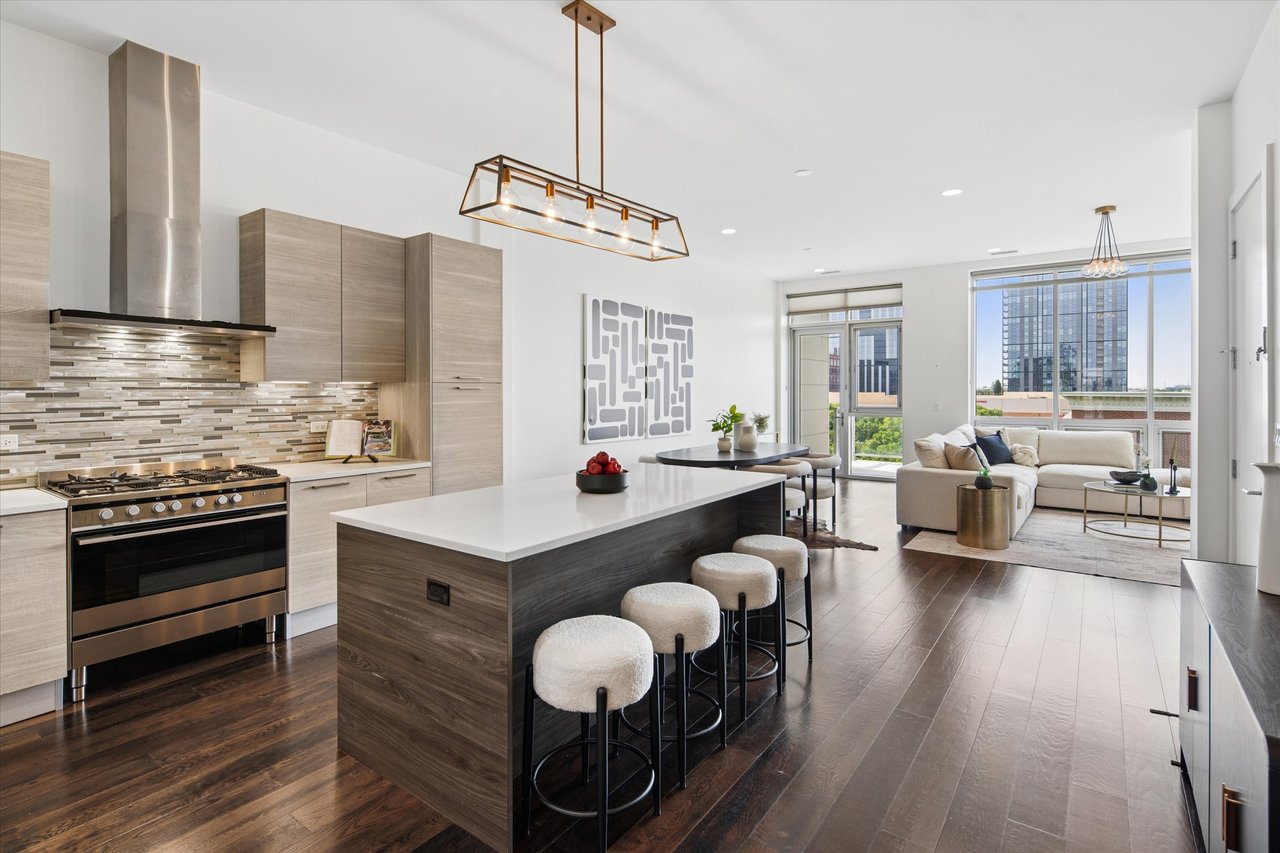
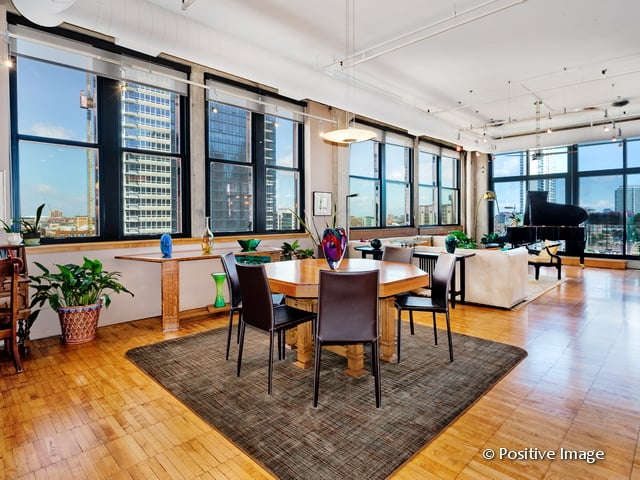
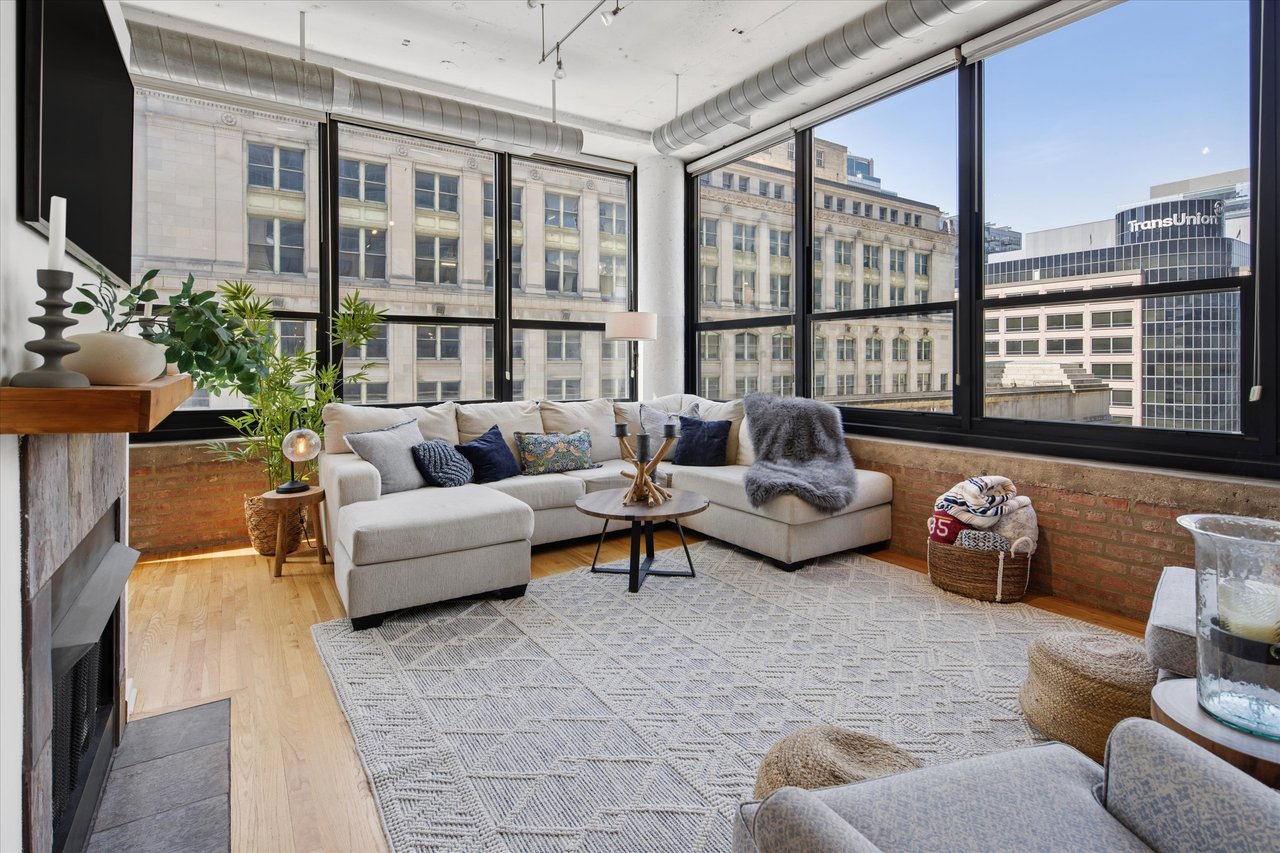
High-rise buyers decide fast. Compact floor plans punish clutter. So stage to show off what Downtown buyers are paying for.
- Edit your furniture. Remove extra pieces and keep the scale right for the room.
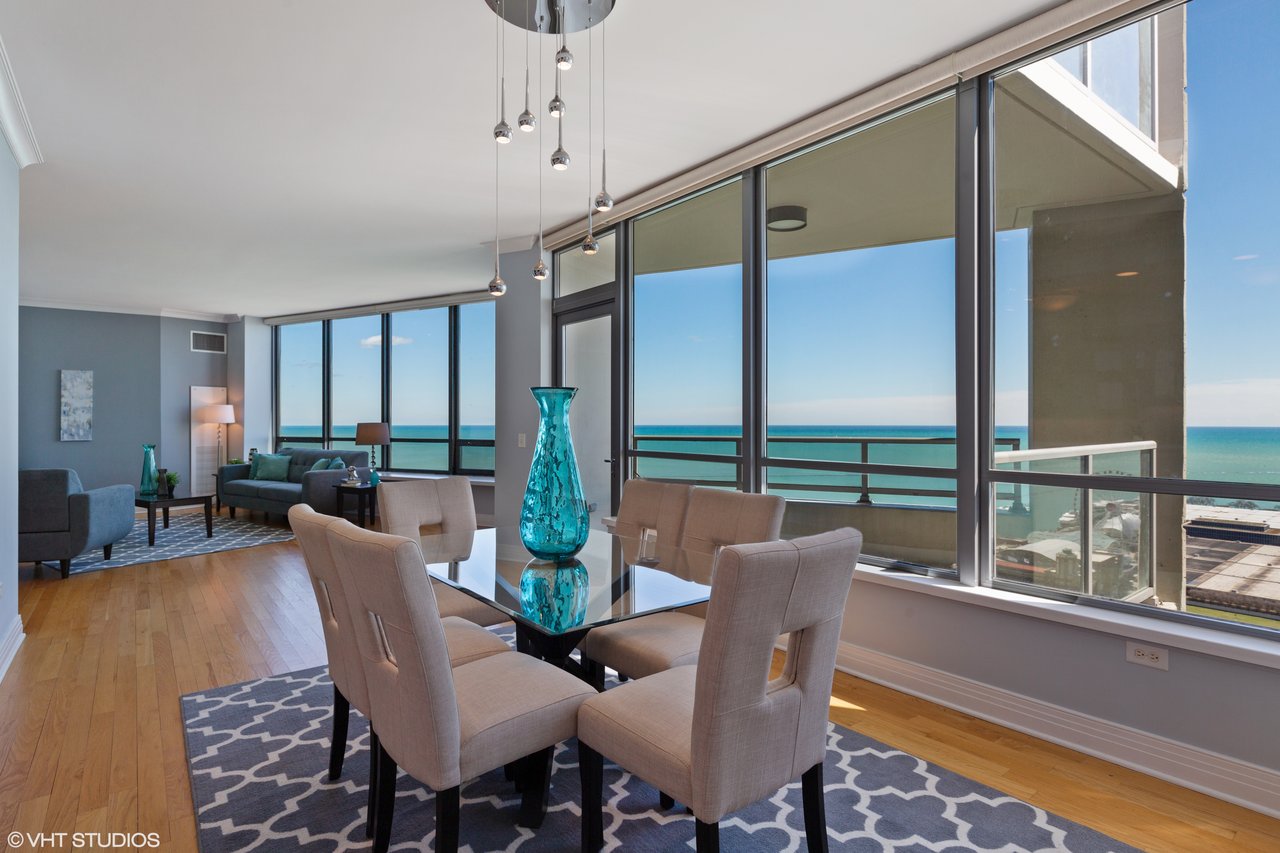
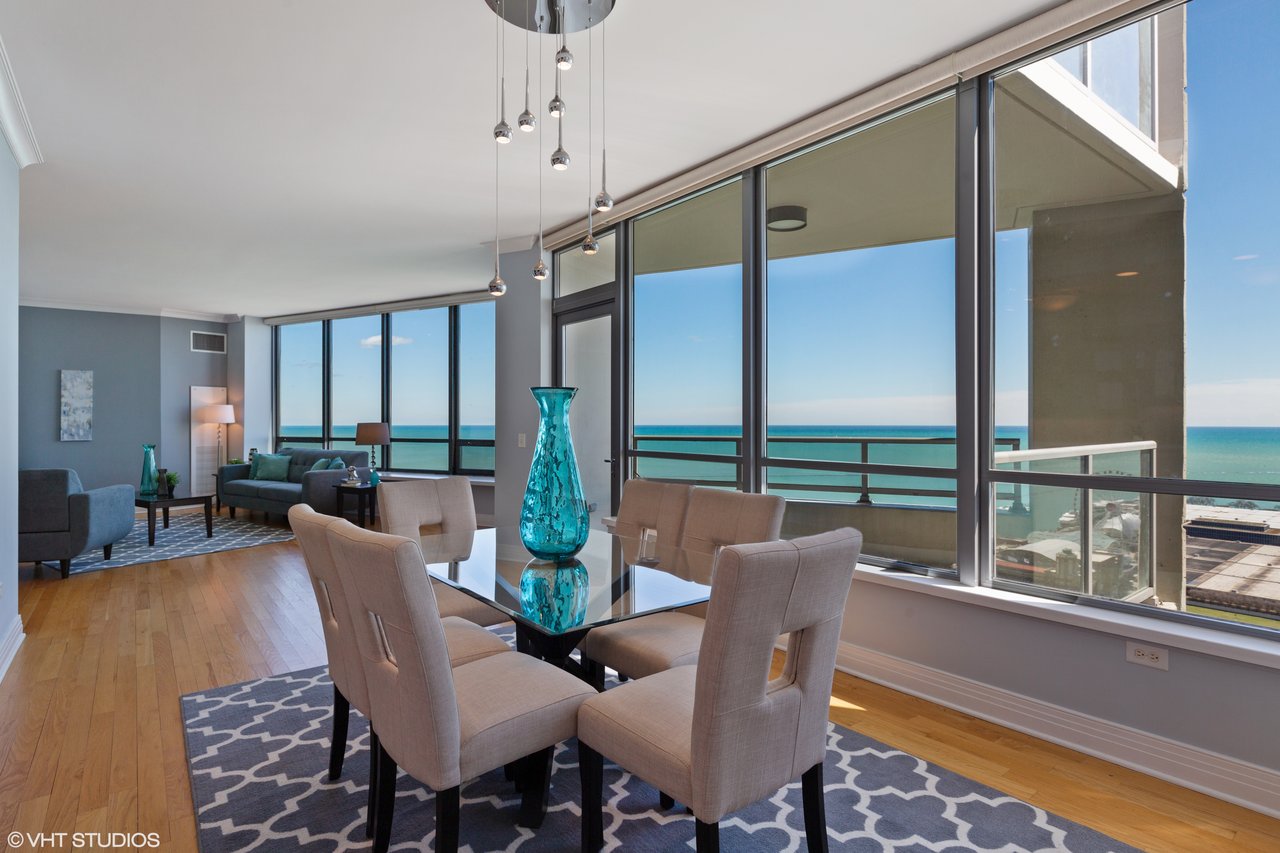
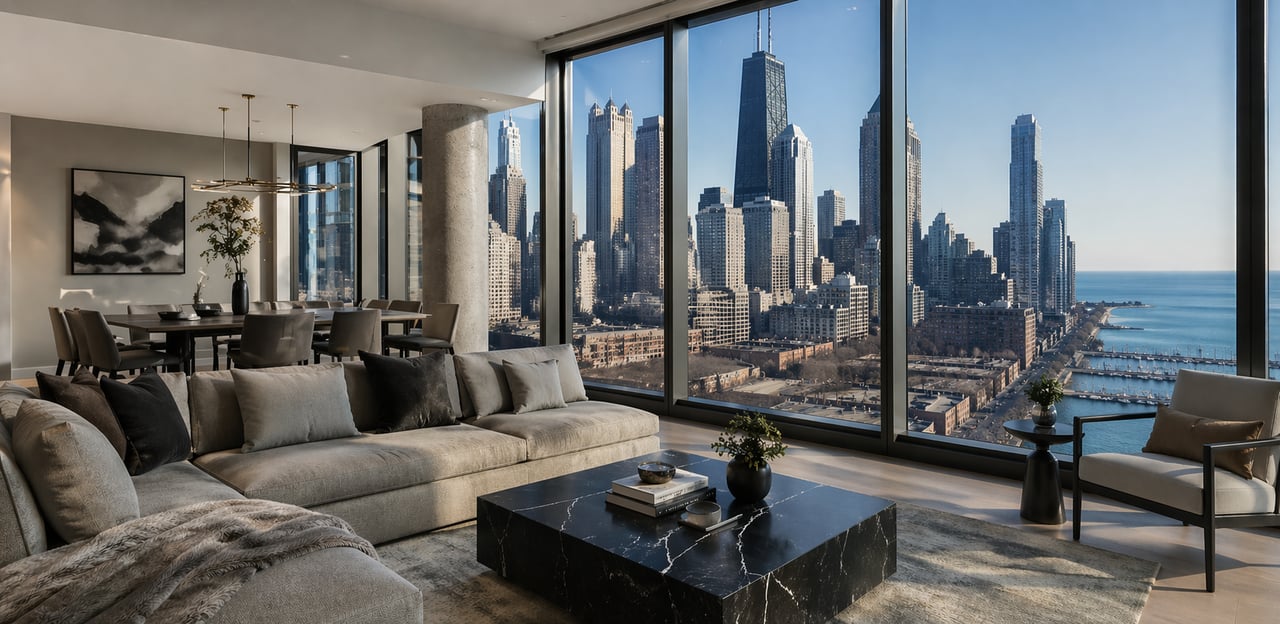
- Clear the window lines. Light and views are your headline features.
- Clean windows and light fixtures. Small job. Shows up in every photo.
- Fix the obvious. Patch, touch up, and repair before the photographer arrives.
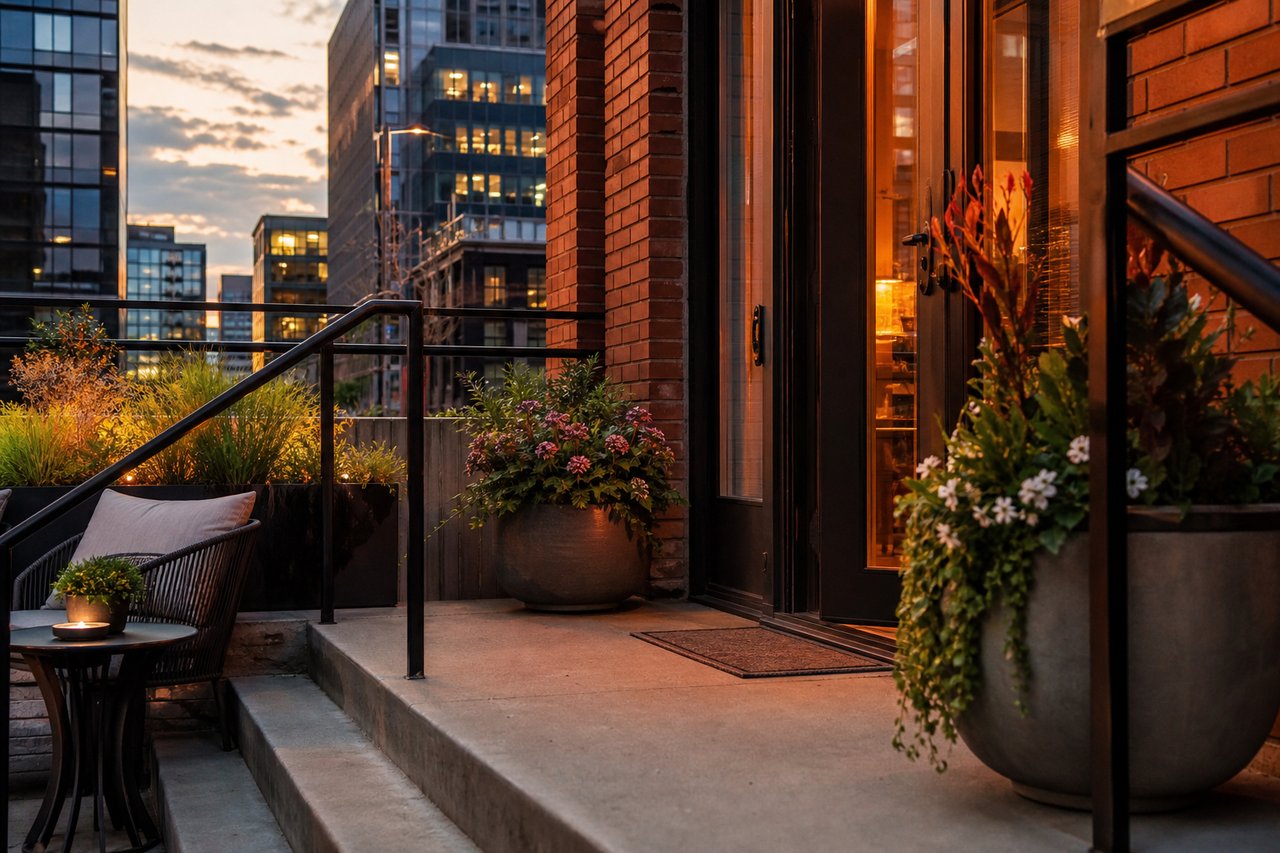
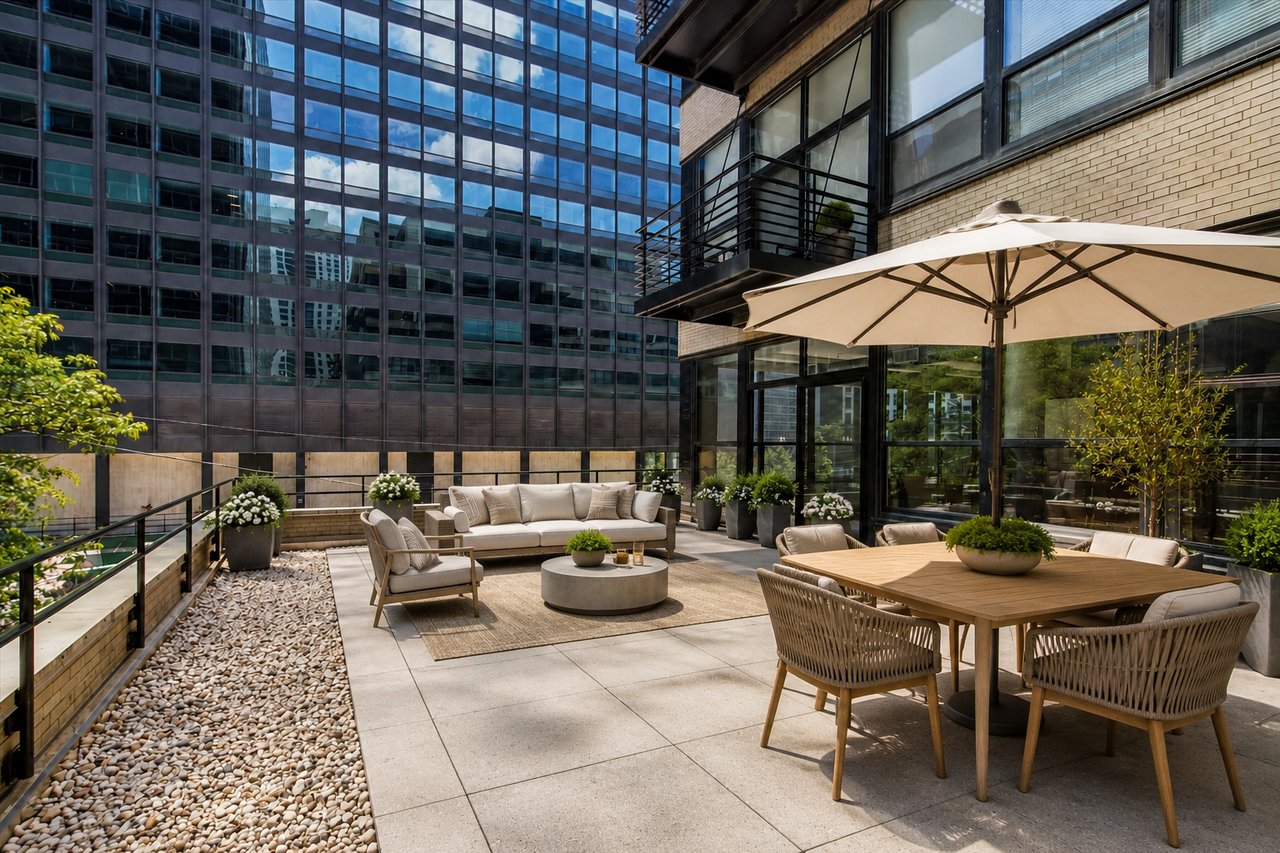
- Make the balcony usable. Show buyers how they’d spend a summer evening out there.
- Show the storage. Tidy closets tell buyers the unit works day to day.
The biggest mistake I see? Under-investing in prep. A little spent on presentation almost always costs less than the price cut after a weak launch.
Step 4: How Do You Launch So Buyers Compete?
Professional photography. A clear story about the unit. A plan for the first two weeks.
Why so much focus on the start? Because that’s when you have the most leverage. Here’s why the first two weeks matter most.
Strong marketing leads with what sets your unit apart. The view. The floor. The finishes. Building amenities like 24-hour door staff, heated garage parking, or a rooftop deck. It also sells the location, from the walk to Union Station and Ogilvie to the Blue Line and the dining on your block.
Good marketing also answers practical questions up front. That’s why Step 2 matters so much. I walk every client through the launch plan before we go live.
Step 5: How Do You Get From Offer to Closing?
In Illinois, a real estate attorney handles your closing. Bring yours in before you sign anything.
Then build your timeline around the building’s rules, not just the calendar. Before you agree to a closing date, confirm:
- Elevator reservations and move-out windows
- Any required applications or association approvals
- How and when association documents get ordered
- Buyer move-in rules
Compare offers on more than price. Financing type, contingencies, and closing timeline all decide whether a deal actually reaches the finish line.
What if the appraisal comes in low? You can renegotiate, the buyer can bring more cash, or you can support the value with stronger comparable sales.
Closing costs are specific to your sale. Your attorney or title company should verify the taxable transfer price, any exemptions, and who pays what. The City of Chicago’s Real Property Transfer Tax page explains the city and CTA portions, and the Illinois Department of Revenue covers the state side.
For the full breakdown of what you’ll walk away with, read my guide to net proceeds on a Downtown Chicago condo. I run a personalized net sheet with every client. No guessing.
FAQ
How should I price my Downtown Chicago condo against units in the same building?
Start with recent sales in your own building. Adjust for floor, view, condition, parking, storage, and timing. Then compare against competing buildings with similar amenities and assessments.
How long does it take to sell a condo in Downtown Chicago?
It depends on the submarket. In recent local market data (trailing 90 days, as of October 2026), median days on market for sold homes ranged from 37 in Streeterville to 79 in the South Loop. Your timeline depends on price, condition, and your building.
Who pays the Chicago transfer tax when a condo sells?
The City of Chicago identifies the buyer as generally responsible for the city portion and the seller as generally responsible for the CTA portion. Contract terms can change that, so confirm with your attorney. Declarations are filed electronically through the MyDec system.
What happens if my condo doesn’t appraise at the contract price?
You and the buyer decide how to close the gap. You can renegotiate, the buyer can bring more cash, or your agent can support the value with stronger comparable sales. Solid same-building pricing up front makes a low appraisal much less likely.
Ready to Sell With a Plan?
Building-level pricing. Early paperwork. Smart prep. A deliberate launch. Careful management to the closing table.
That’s the whole game. And every step depends on your building.
Call or text Christine Hancock at 312-296-9300 to talk about your unit’s value, or what it would take to get you to the closing table.
About Christine Hancock
Christine Hancock is a seller-first Broker Associate with The Hancock Group at @properties Christie’s International Real Estate. Since 2002, she has closed more than $200 million in sales, including 300+ transactions in the West Loop alone. She helps Downtown Chicago condo owners sell with building-level pricing, smart prep, and marketing that builds real demand across the West Loop, River North, South Loop, Streeterville, Gold Coast, and Old Town.
@properties Christie’s International Real Estate · 312-296-9300
Equal Housing Opportunity. Christine Hancock, Broker Associate, @properties Christie’s International Real Estate. This article is general information, not legal, tax, or financial advice. Confirm your own numbers with your real estate attorney, tax advisor, or lender.