Chicago Industrial Lofts: West Loop, South Loop & Printers Row
Where are most of the true industrial lofts in Downtown Chicago?
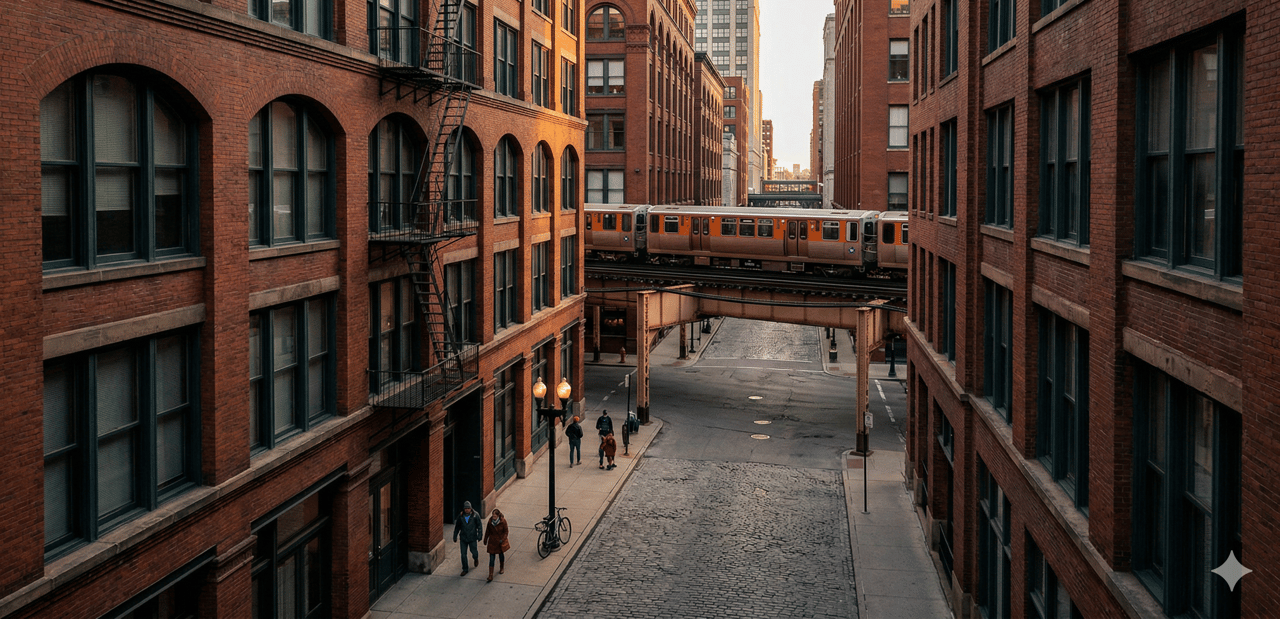
Most of them sit in three neighborhoods: the West Loop, the South Loop, and Printers Row. Why? Because that is where Chicago built its warehouses, factories, and printing plants.
The Short Answer: Chicago's authentic industrial lofts are converted warehouses, factories, and printing buildings. They cluster in the West Loop, the South Loop, and Printers Row because those neighborhoods were the city's working industrial core in the late 1800s and early 1900s. Shoppers looking for exposed brick, timber beams, and big windows will find most of the real thing there.
You want a loft. Not a "loft-style" condo. A REAL one.
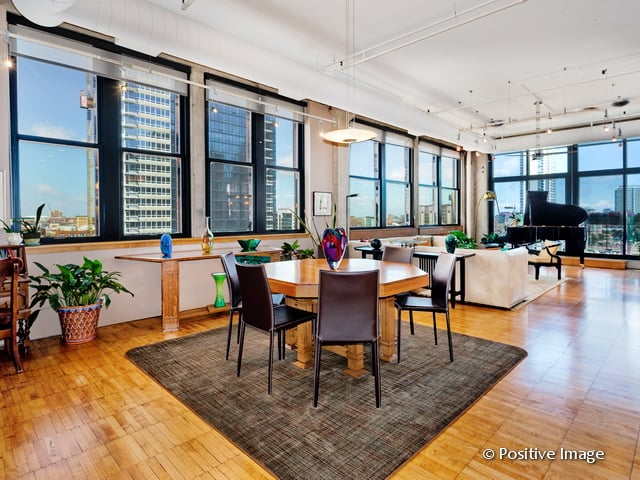
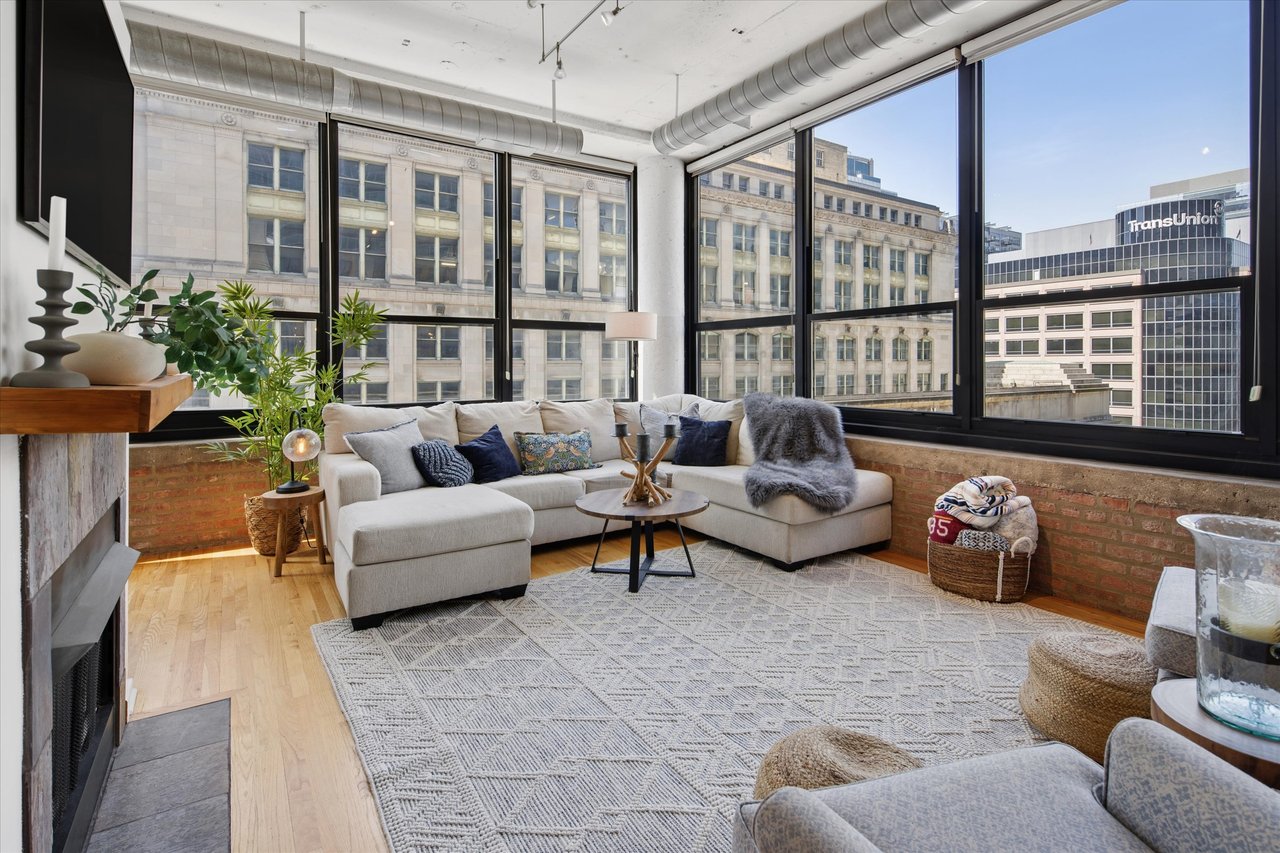
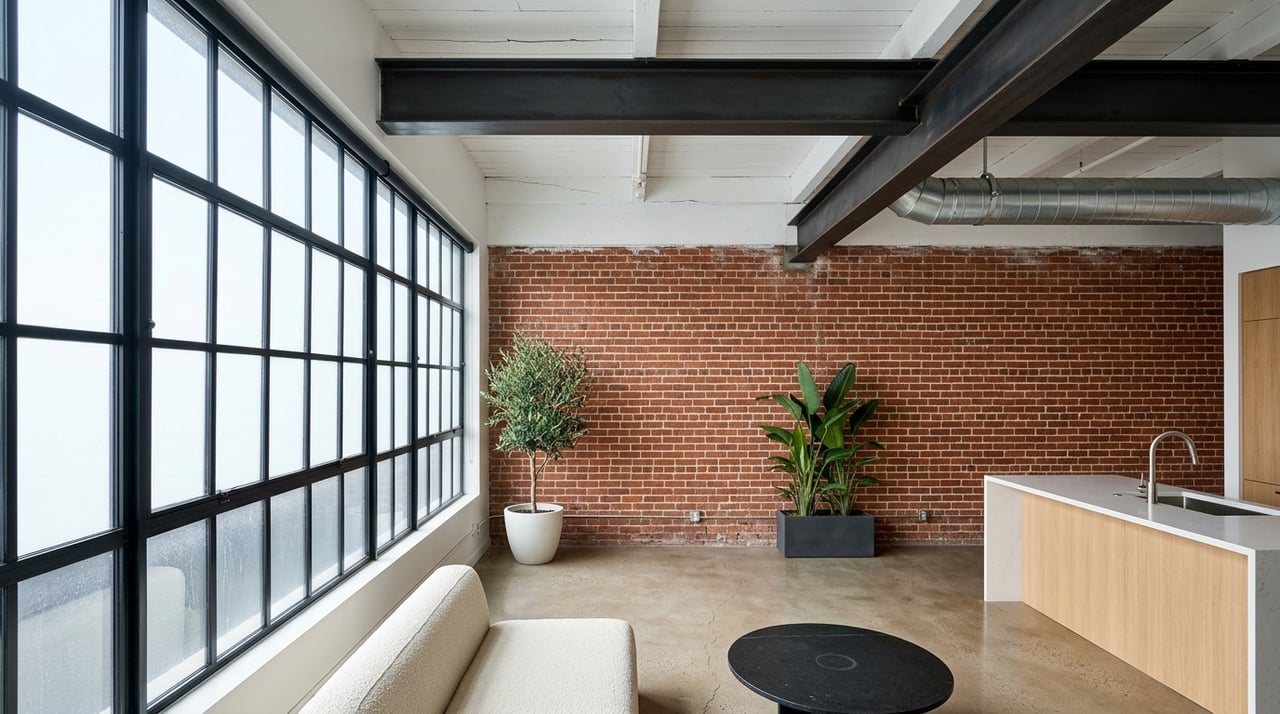
Brick that's been there for 100 years. Beams you can knock on. Windows the size of a garage door.
So where do you look? I'll show you.
What Is a True Industrial Loft?
A true industrial loft is a building that was NOT built for people to live in. It was built for work. Printing presses. Garment shops. Warehouses full of goods.
Later, developers converted those buildings into condos. That's what buyers call a hard loft.
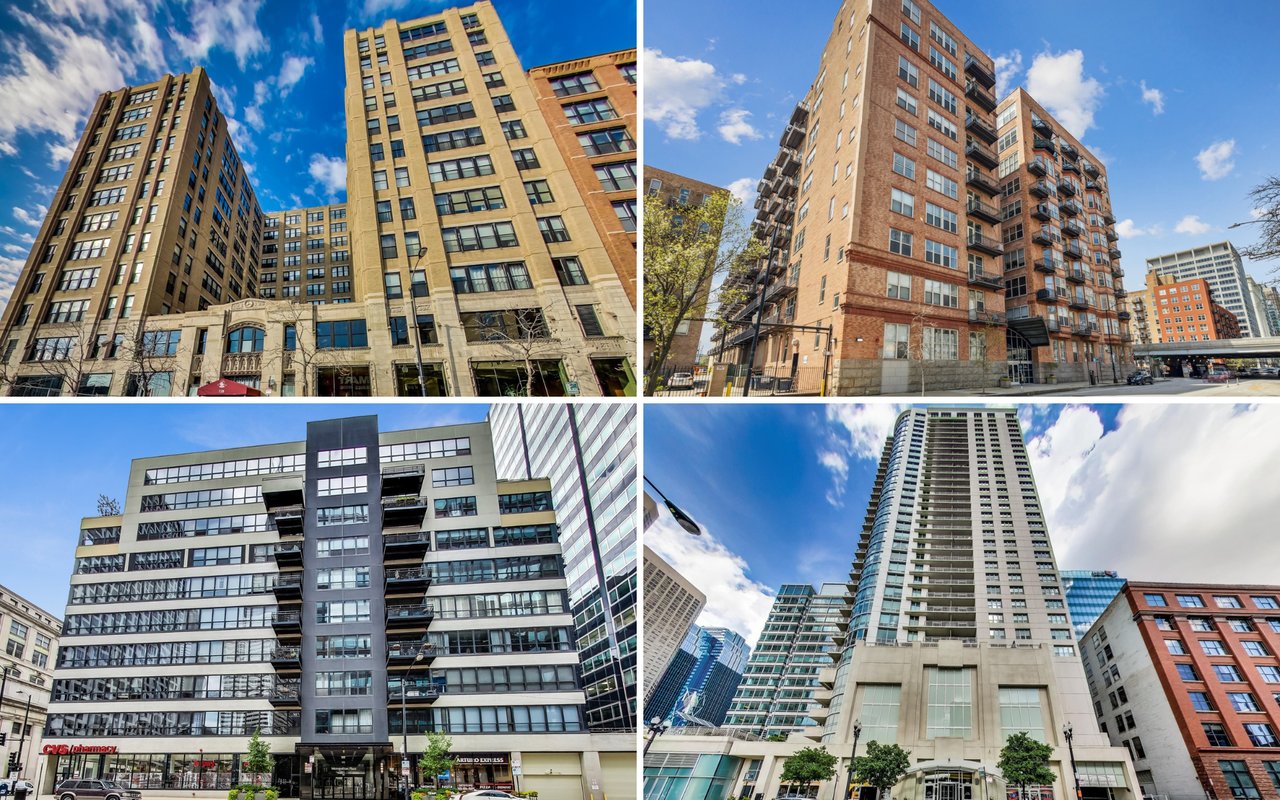
A soft loft is different. It's a newer building designed to look like a loft. Same vibe. Different bones.
Here's how to spot the real thing:
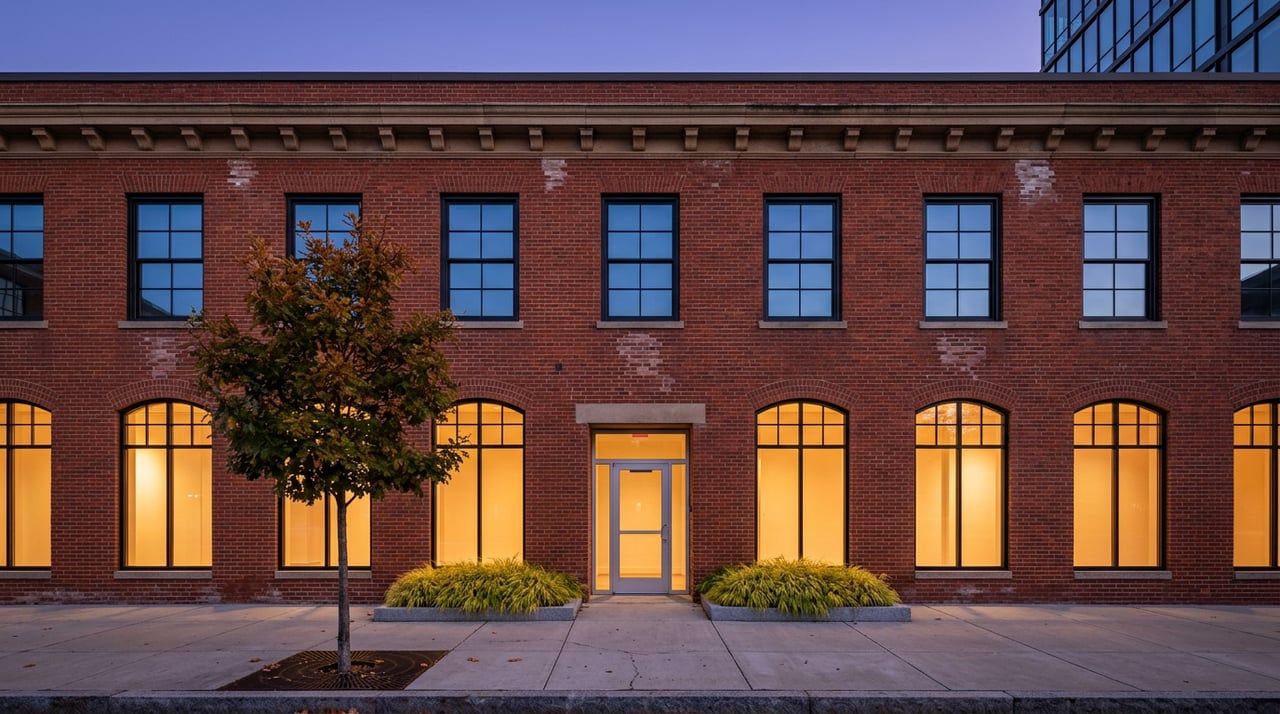
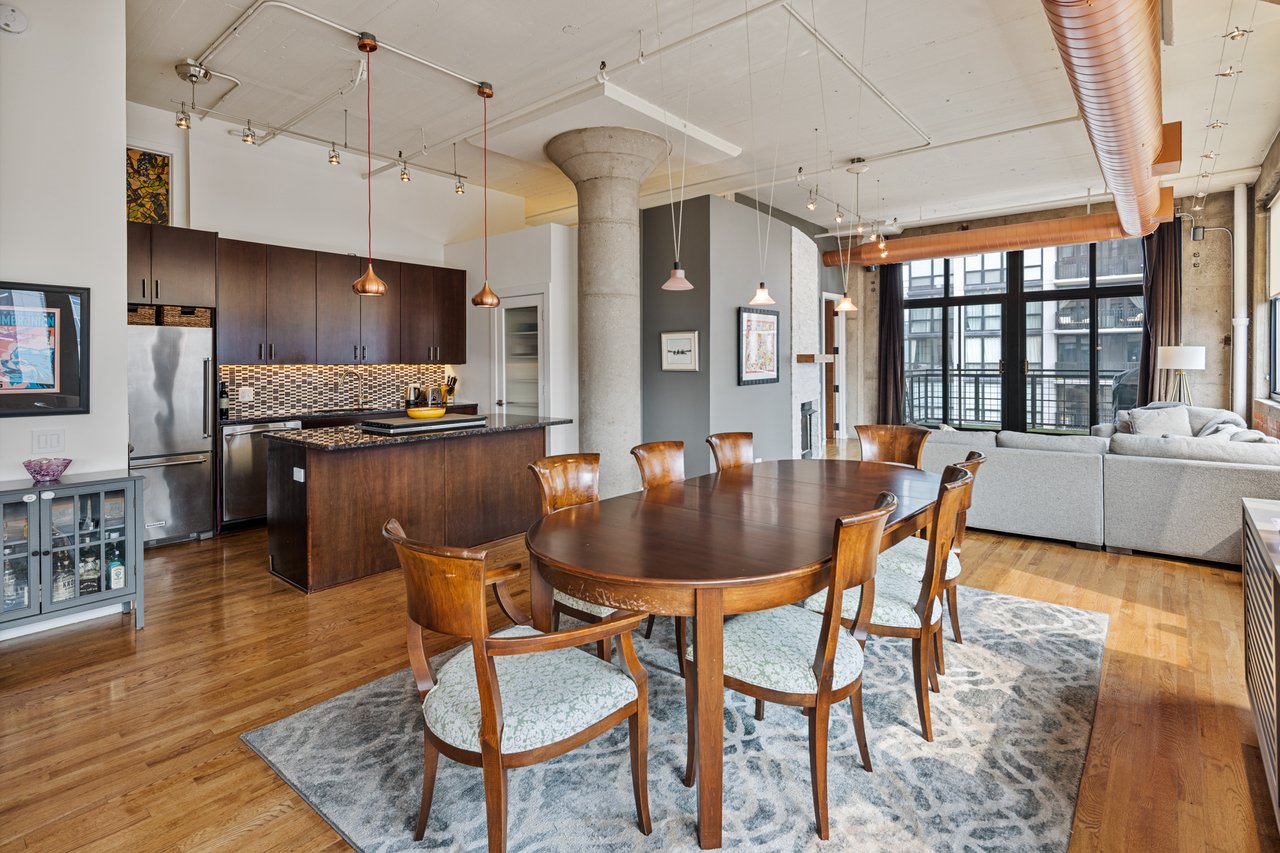
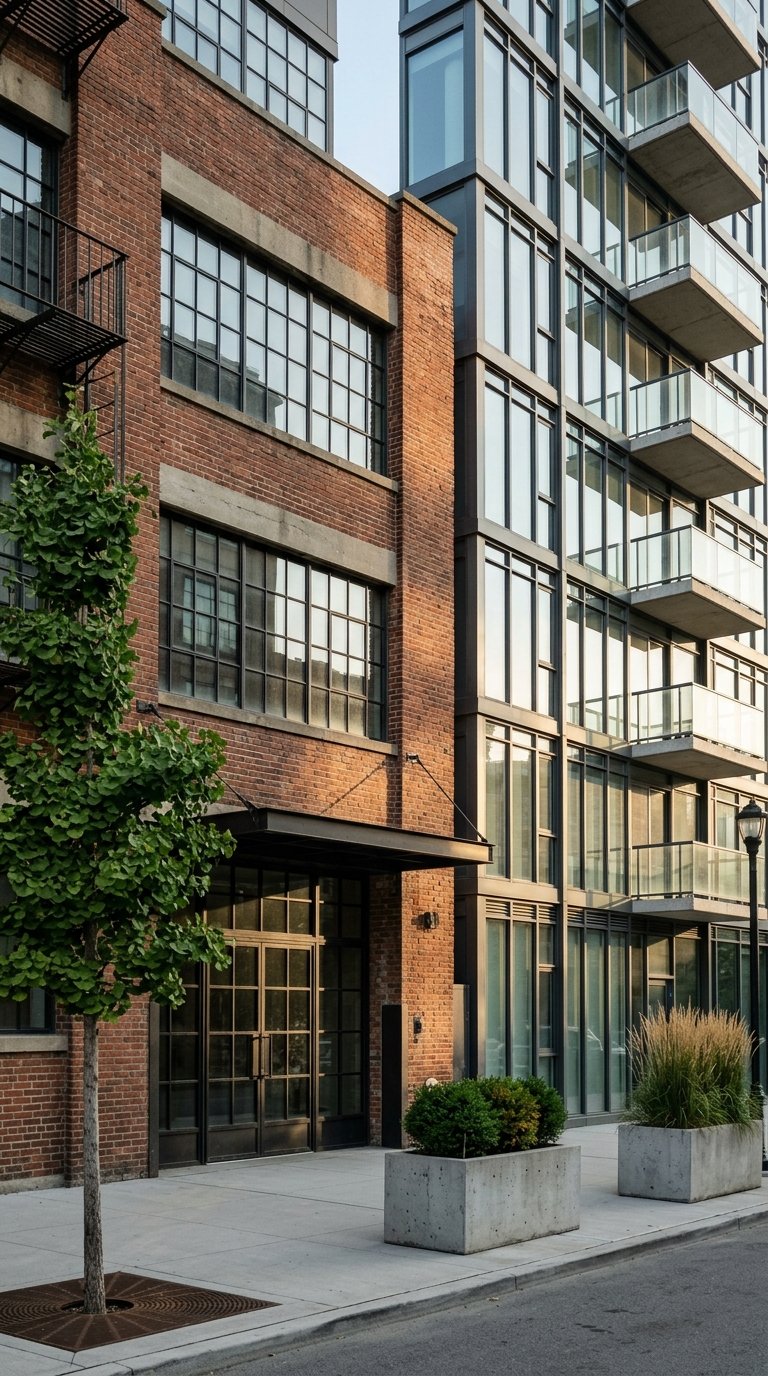
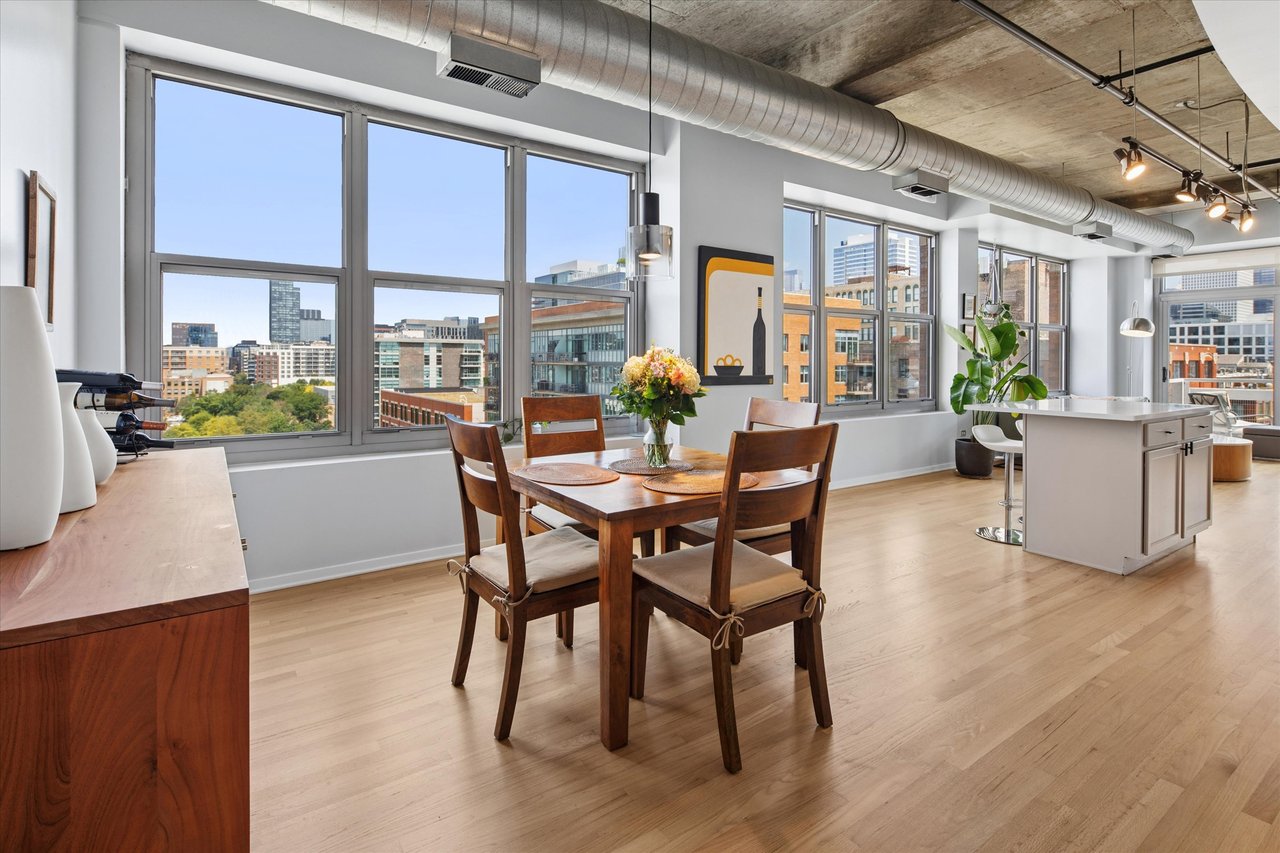
- Exposed brick that's structural, not decorative.
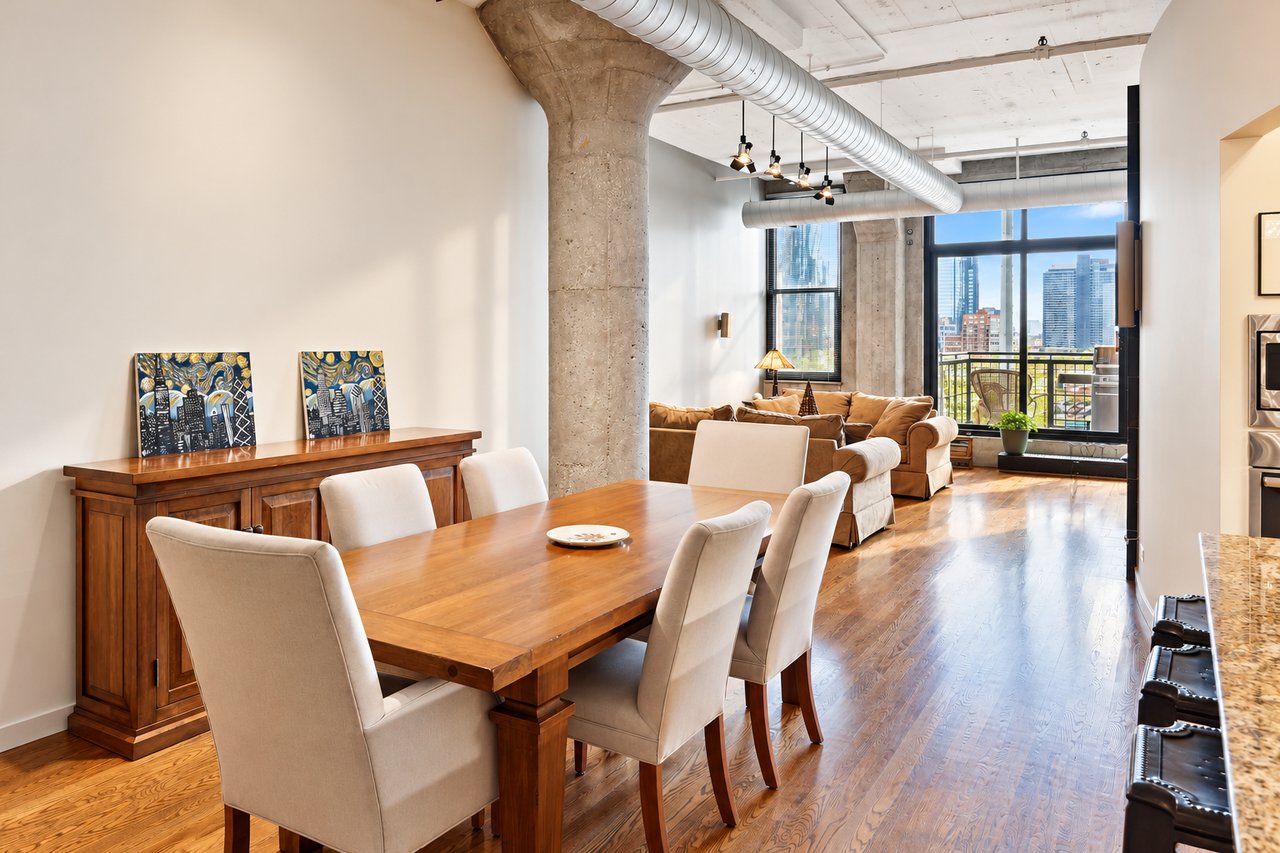
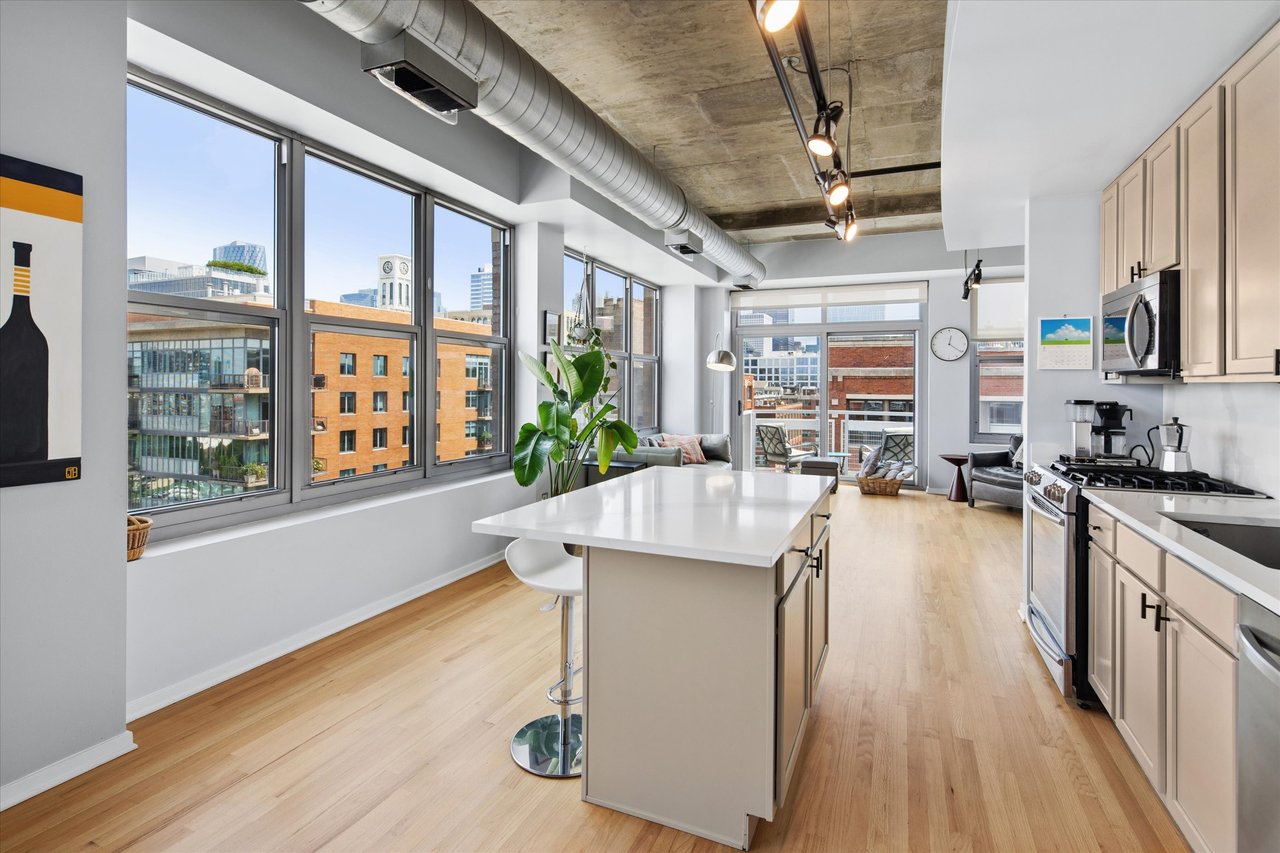
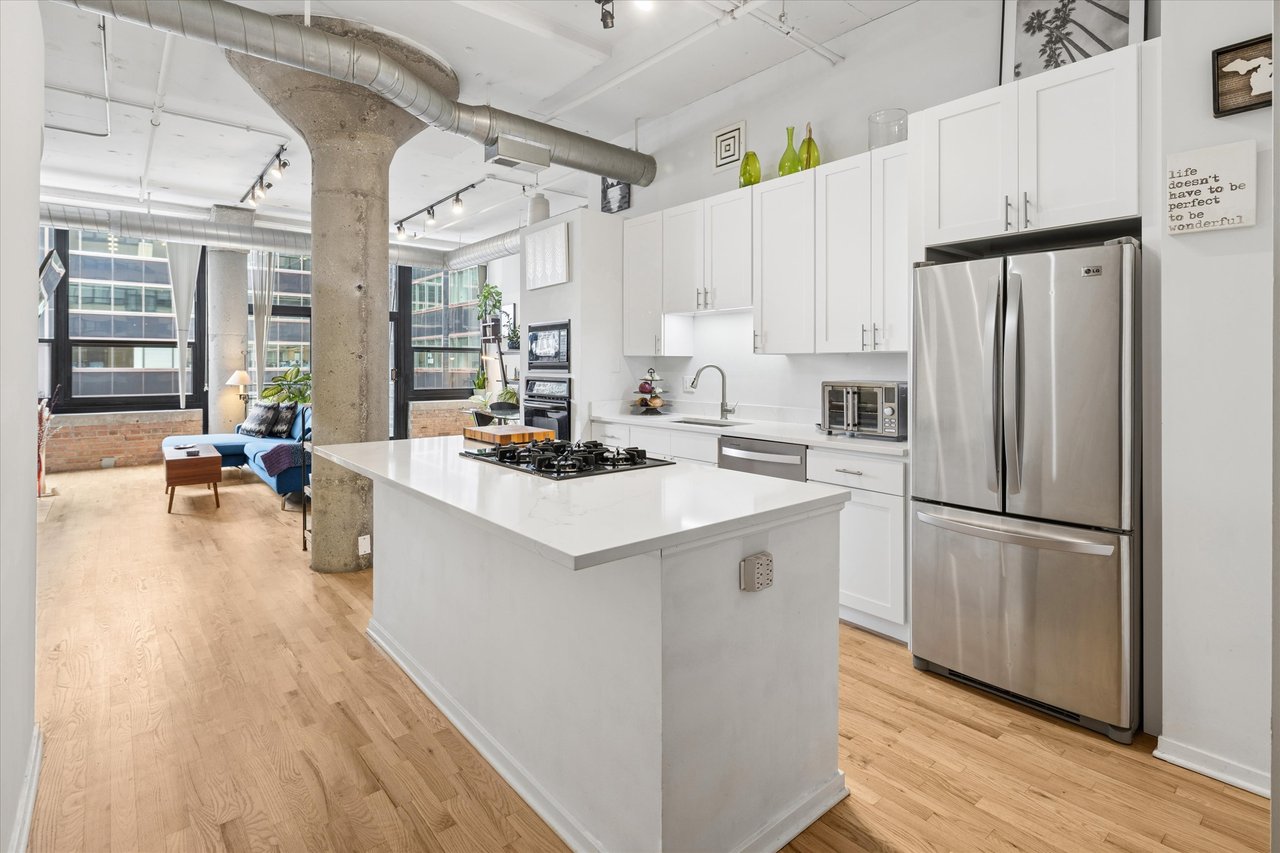
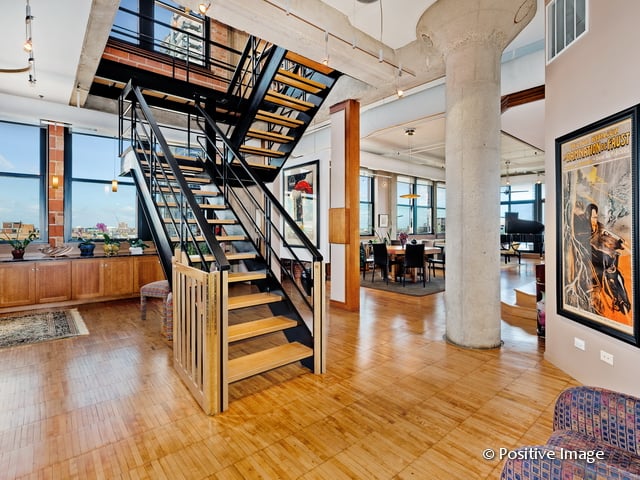
- Heavy timber beams and posts or thick concrete columns.
- Ceilings of 10 feet or more.
- Oversized windows built to light up a factory floor.
- Open floor plans with few interior walls.
Think of it like denim. A soft loft is new jeans made to look worn. A hard loft earned every scuff.
Why Are Most Chicago Lofts in the West Loop, South Loop, and Printers Row?
Follow the railroad tracks. That's the whole story.
Chicago was the country's rail hub. Warehouses and factories packed in tight around the train stations and the river. The Encyclopedia of Chicago shows that by 1930, this industrial ring wrapped the downtown business district five to eight blocks deep. The only gap was the lakefront, where Grant Park sat.
The West Loop sat on the west side of that ring. Printers Row and the South Loop sat on the south side.
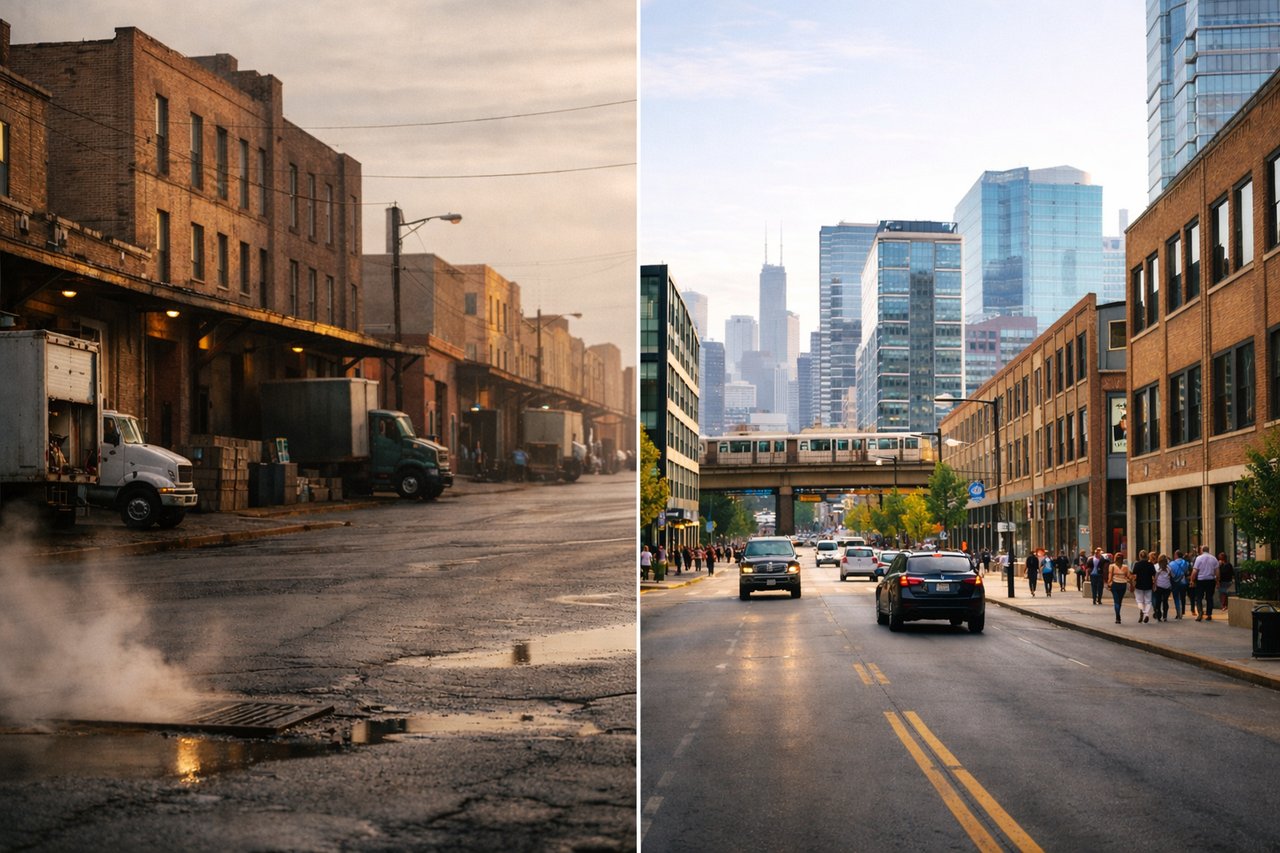
When industry left, the buildings stayed. Big, strong, and empty. PERFECT for lofts.
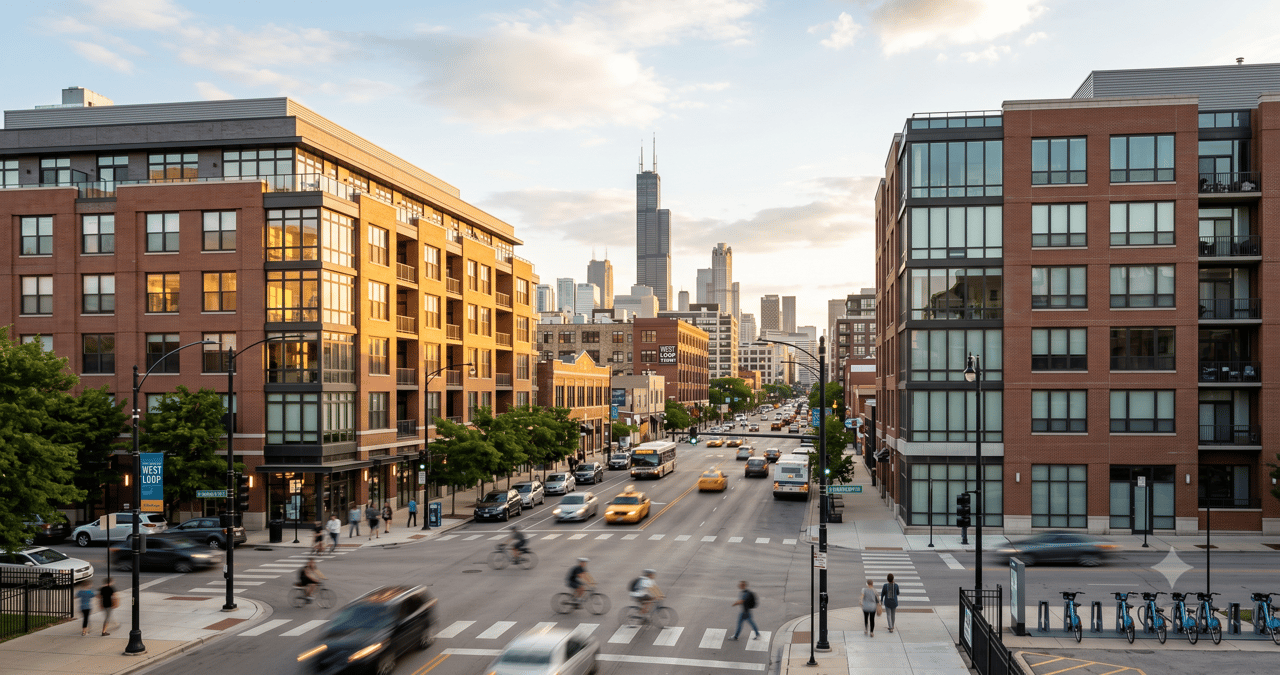
The West Loop: Factories, Markets, and the Garment District
The West Loop was a working neighborhood from day one. WTTW's Chicago by 'L' series notes the area was packed with factories, markets, and warehouses in the mid to late 1800s, including the Fulton Market wholesale district.
It was also home to one of the biggest garment districts in the country, according to the Chicago History Museum.
Today, many of those old warehouses and factories are condos. Look along Jackson, Adams, Randolph, Lake, and the streets near Union Station. That's where West Loop loft buyers find brick and timber.
Transit is a huge plus. The Blue Line at Clinton. The Green and Pink Lines at Morgan and Clinton. Union Station and Ogilvie for Metra. You can walk to the Loop in minutes.
Printers Row: Chicago's Original Loft District
Want the oldest loft scene in the city? It's Printers Row.
After Dearborn Street Station opened in 1885, this stretch of Dearborn became the printing center of the Midwest, per the Encyclopedia of Chicago. Paper came in by train. Books and catalogs went out.
Then the printers moved to the suburbs. The buildings sat empty.
In the late 1970s, developers started converting printing plants like the Donohue Building into loft homes. That makes Printers Row one of the first loft neighborhoods in Chicago.
The buildings here are a who's who of Chicago architecture. The Pontiac Building. The Transportation Building. The Donohue. These are landmark-district streets, and you can feel it.
The Harrison Red Line stop, the LaSalle Street Metra station, and the Library and LaSalle stops on the Loop and Blue Lines are all close by.
The South Loop: Wabash, Michigan, and Indiana Avenues
Printers Row started it. The rest of the South Loop followed.
The Encyclopedia of Chicago explains that wholesale houses, warehouses, and printing firms pushed south out of the Loop. Later, loft conversions spread from Printers Row to buildings on Wabash, Michigan, and Indiana Avenues. Those streets became residential again after 100 years.
You'll find old bicycle warehouses, map printers, and former car showrooms along South Michigan's Motor Row. Each building has its own story. Selling one? Start with my South Loop loft pricing and prep guide.
The WTTW South Loop profile notes that the last printer in the area, Palmer Printing, moved out in 2018. The industrial era is officially over. The lofts are what's left.
Brick and Timber vs. Concrete: Which Loft Is Right for You?
Not all hard lofts are built the same. Most fall into two camps.
Feature | Brick and Timber Loft | Concrete Loft |
|---|---|---|
Look | Warm wood beams, exposed brick | Smooth columns, industrial gray |
Era | Mostly late 1800s to early 1900s | Mostly early 1900s and later |
Sound between floors | More footfall noise | Quieter, more mass |
Ceilings | Often 11 to 14 feet | Often 10 to 12 feet |
Best for | Buyers who want maximum character | Buyers who want character AND quiet |
Which one wins? Depends on you. Love the creak of old wood? Go timber. Light sleeper? Look hard at concrete.
Data Support: What We Know About Loft Supply
Here's the simple truth. They aren't making more old factories.
The industrial buildings that ringed downtown are a fixed supply. Some were converted. Some were torn down. New construction can copy the look, but it can't copy the history.
That's why authentic lofts in these three neighborhoods hold a special place in the Chicago condo market. Buyers who want the real thing have a short list of buildings to choose from.
Want current numbers? Price per square foot, days on market, and recent sales vary a lot from building to building. I pull those for each building, not for the neighborhood as a whole. That's where the real story lives.
Practical Strategy: How to Buy or Sell a Loft the Smart Way
Lofts are not like high-rise condos. Ask these questions before you buy, and get ready for them before you sell.
- How is the building heated? One central boiler or individual electric units? This changes your monthly costs a LOT.
- What shape are the windows in? Old single-pane glass can be cold in a Chicago winter.
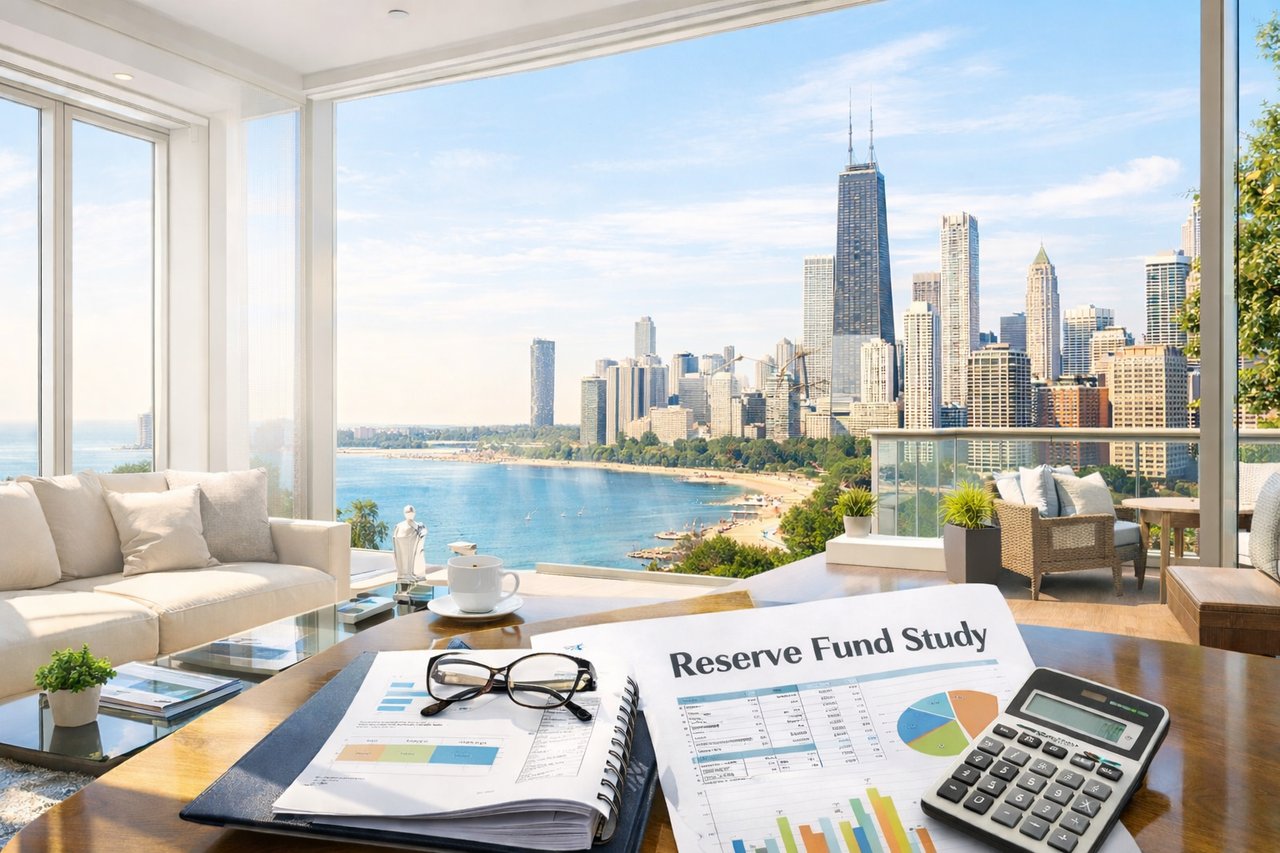
- What's the masonry plan? Old brick needs tuckpointing. Ask about reserves and any past or planned special assessments.
- How's the sound? Visit at night. Listen for footsteps from above.
- Is there parking? Many loft buildings have no garage. Deeded or rented spots nearby can matter at resale.
- Is it a true conversion? Ask for the building's original use. Buyers pay for authenticity.
Selling? Lead with the history. A loft's story is part of its value. Name the original use. Show the beams. Light it up.
Local Expertise: Why Building Knowledge Matters
I live in a loft. I sell lofts. And I know these buildings floor by floor.
I've closed 300+ transactions in the West Loop, including 87+ sales at Haberdasher Square Lofts at 728 W. Jackson. That's not a statistic. That's a front-row seat.
Here's what that teaches you. Two lofts in the same building can be worth very different amounts. A corner unit with timber ceilings and a bank of west windows is NOT the same as an inside unit with a view of a wall.
Generic online estimates miss that every time. Building-level comps catch it.
Key Takeaways
- Most authentic industrial lofts in Downtown Chicago are in the West Loop, the South Loop, and Printers Row.
- They're there because those neighborhoods formed the warehouse and factory ring around the downtown rail stations.
- Printers Row is one of Chicago's first loft districts, with conversions starting in the late 1970s.
- Brick and timber lofts deliver the most character. Concrete lofts usually deliver more quiet.
- Loft value is building-specific and unit-specific, so building-level comps matter more than neighborhood averages.
The Bottom Line
Want a REAL loft in Chicago? Start in the West Loop, the South Loop, and Printers Row. That's where the city did its heavy lifting, and that's where the best brick and timber still stands.
Own one already? Your loft isn't just square footage. It's history, light, and ceiling height. Price it like that, and buyers will notice.
FAQ
What is the difference between a hard loft and a soft loft in Chicago? A hard loft is a former industrial or commercial building converted into condos. A soft loft is newer construction designed with loft features like high ceilings and open plans.
Which Chicago neighborhood has the most authentic lofts? The West Loop, the South Loop, and Printers Row hold most of Downtown Chicago's authentic industrial lofts. Those areas formed the city's warehouse and factory ring around the downtown rail stations.
When did loft conversions start in Chicago? Conversions began in Printers Row in the late 1970s, starting with former printing buildings like the Donohue Building. They later spread across the South Loop and West Loop.
Are brick and timber lofts noisier than concrete lofts? Often, yes. Timber floors carry more footfall noise between units, while concrete adds mass that blocks sound. Always visit at different times of day before you buy.
What should I ask before buying a Chicago loft? Ask how the building is heated, what condition the windows are in, and what the masonry and reserve plans look like. Also ask about parking and any special assessments.
Ready to Talk Lofts?
Call or text Christine Hancock at 312-296-9300 to talk about your unit's value, or what it would take to get you to the closing table.
ABOUT THE AUTHOR
Christine Hancock is a Chicago Realtor with @properties Christie's International Real Estate, bringing more than 25 years of experience and over $200 million in closed sales in the downtown condo market. With 97 five-star Zillow reviews, Christine is recognized for her commitment to client satisfaction and market expertise.
She specializes in high-rise and luxury condominium sales in West Loop, South Loop, River North, and Streeterville, helping buyers and sellers navigate complex transactions with data-driven pricing strategies and deep neighborhood insight.
Christine partners with clients to evaluate market trends, position properties competitively, and make confident, informed decisions in Chicago's vibrant downtown housing market.
Call or text 312-296-9300 to discuss current market conditions or your real estate goals.