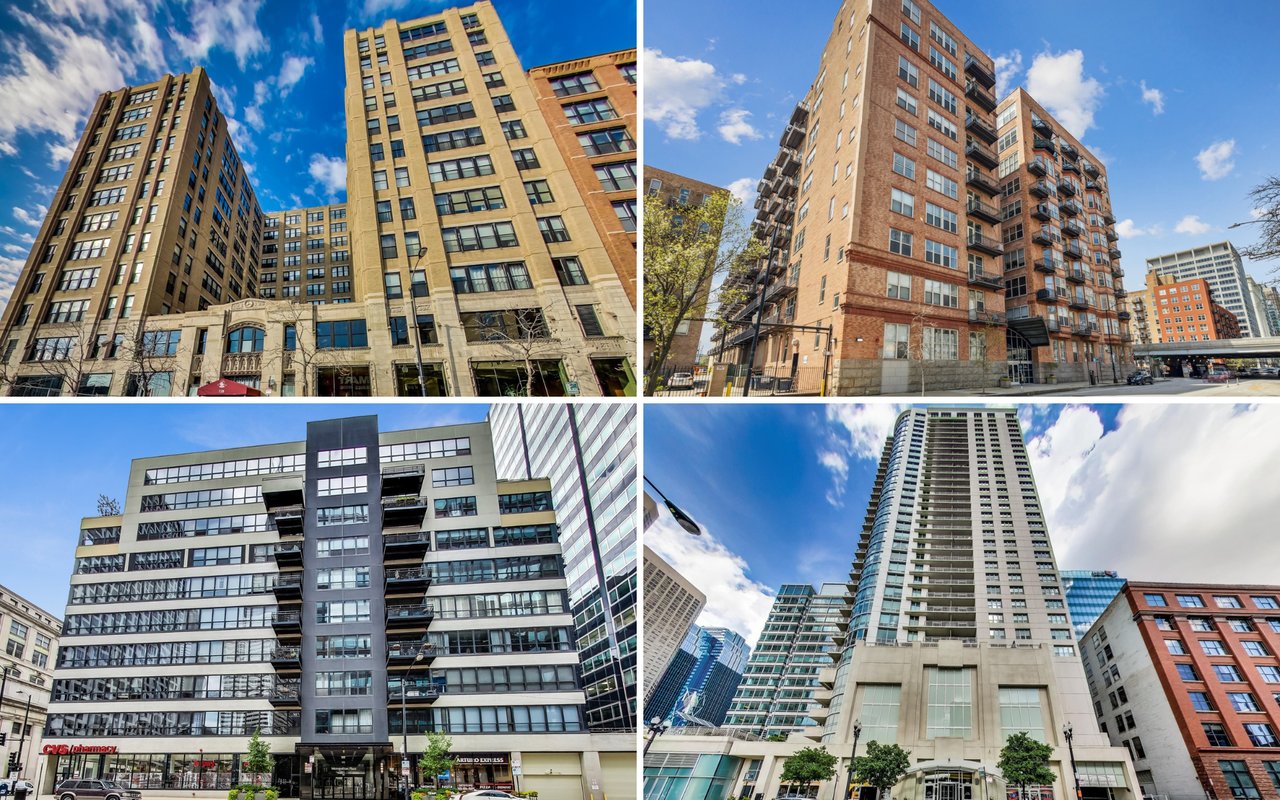
Selling a River North Condo in Chicago: 2026
River North's condo market remains active in 2026, with a median sale price around $354,000 in recent local data, roughly 60 days on market, and a wave of office-to-residential conversions reshaping the neighborhood. Sellers who understand the new supply landscape and position their units strategically can still command strong results.
Is River North still a good market for condo sellers in 2026?
I work with sellers across downtown Chicago, and River North is one of the markets where neighborhood-level context matters most right now. The citywide headline numbers don't tell the full story here. What's actually happening on the ground is more nuanced, and more interesting, than any single statistic suggests.
Why is River North changing so fast in 2026?
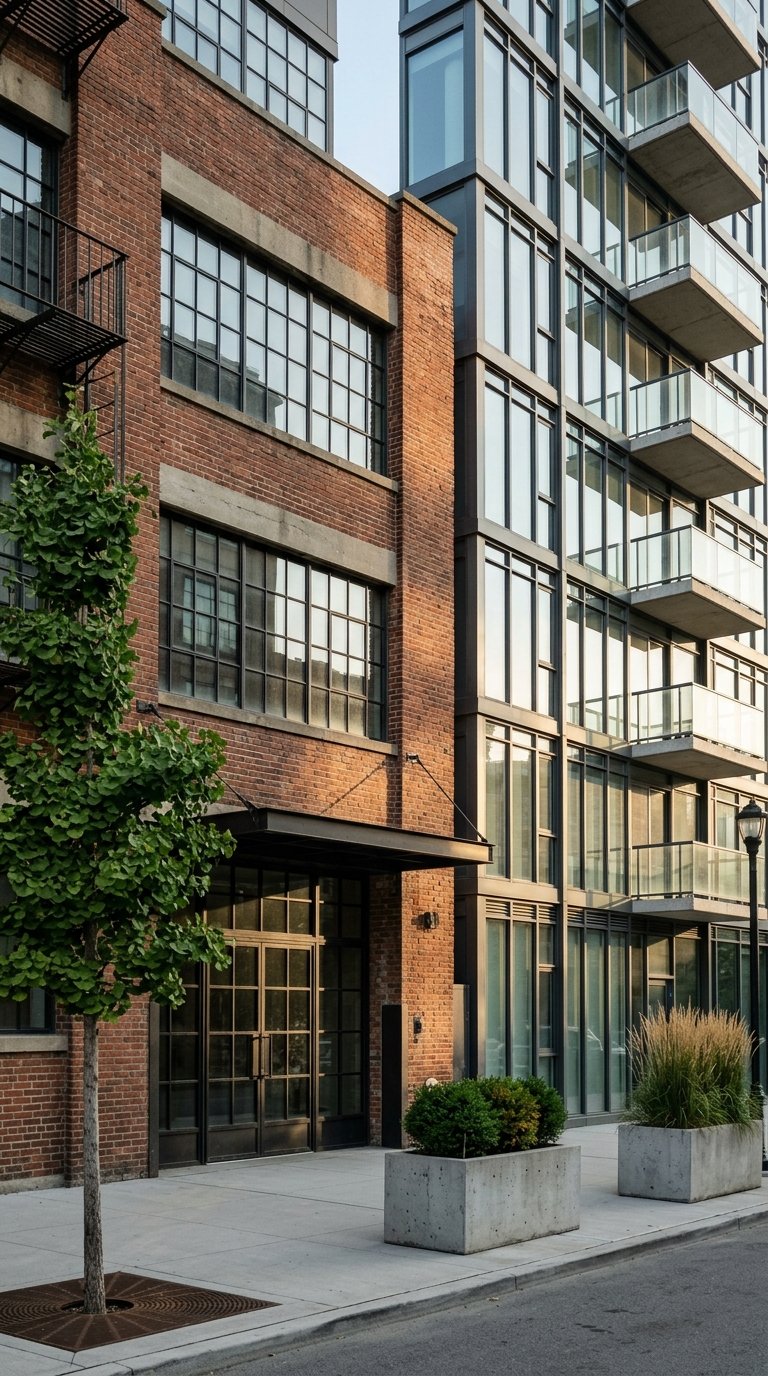
River North has always had strong bones: gallery district heritage, proximity to the Loop, easy CTA access, and a restaurant and nightlife scene that draws residents and visitors alike. What changed in 2025 and 2026? The pace. And almost all of it is old office space getting a second life.
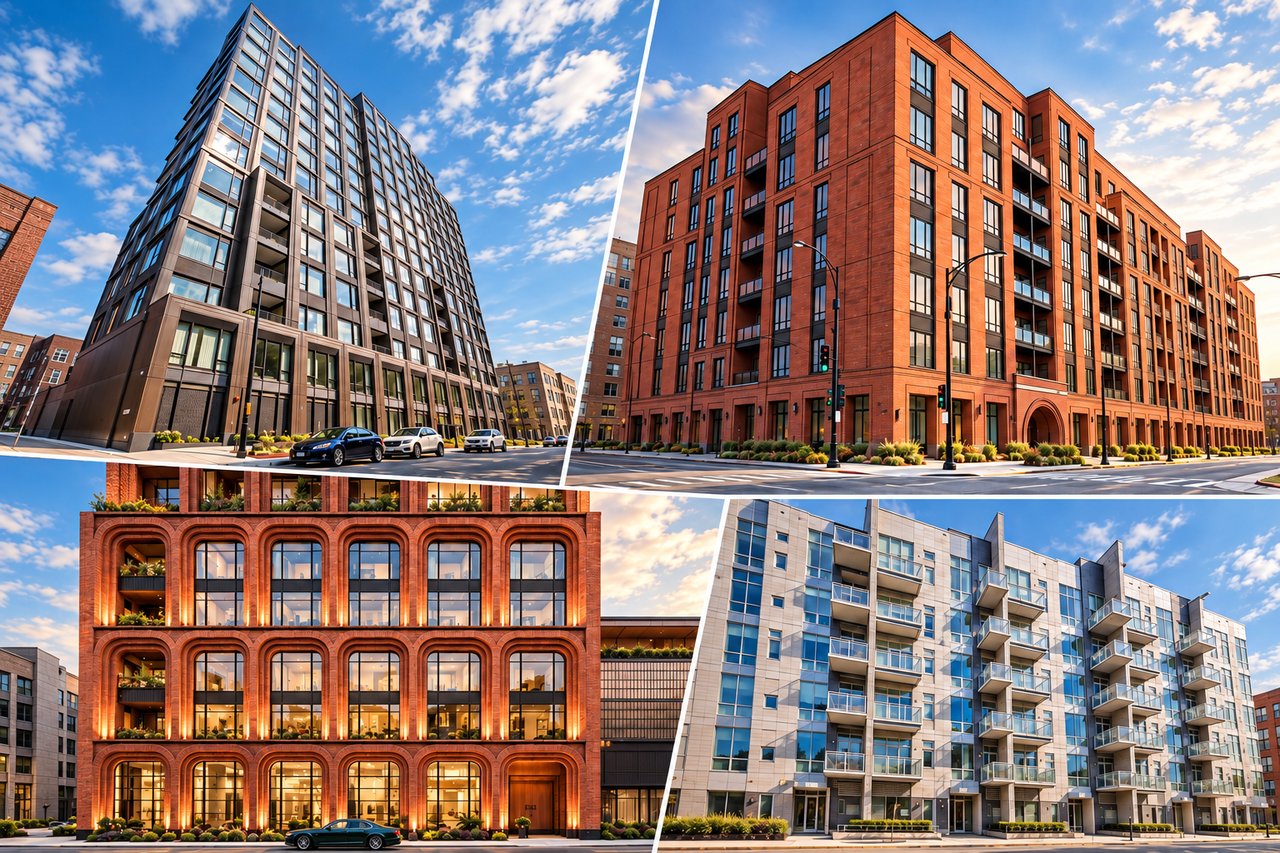
According to Urbanize Chicago, several major office-to-residential conversions are either underway or recently approved in the neighborhood:
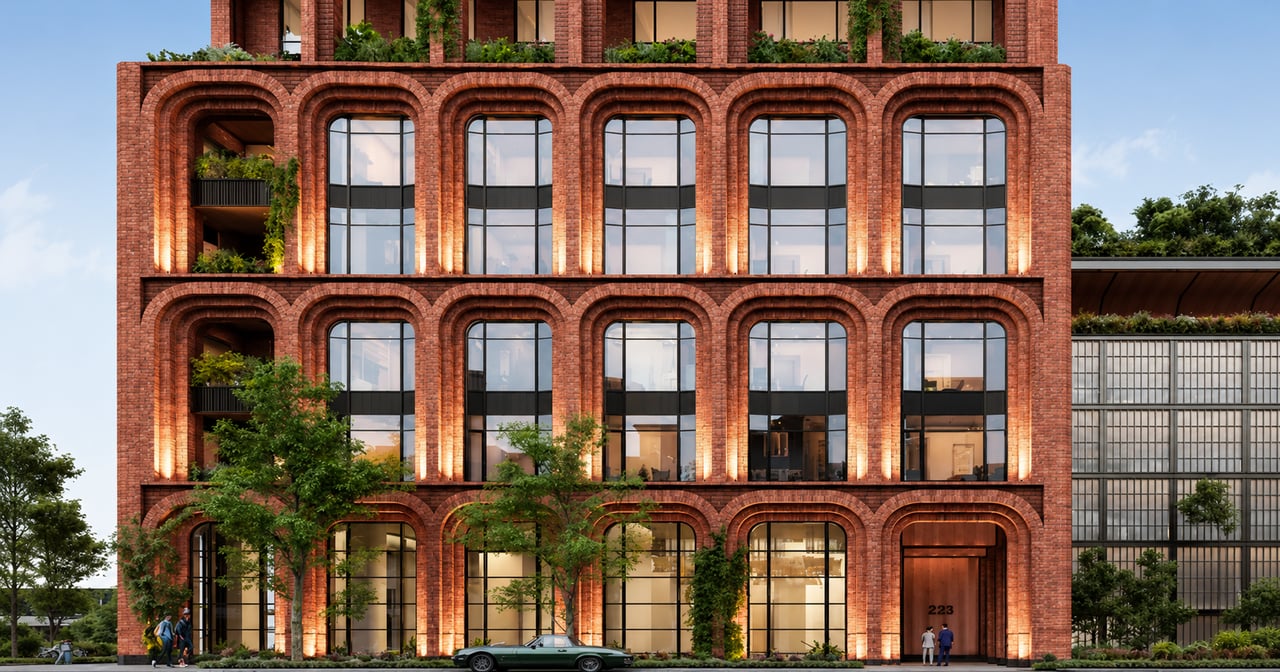
- 223 W. Erie, interior demolition permits issued to convert upper floors into 66 residential units
- 56 E. Superior, Chicago's Zoning Board of Appeals approved conversion of a seven-story building into 88 apartments
- 444 N. Wabash, renovation permit issued to convert upper floors into 34 apartments
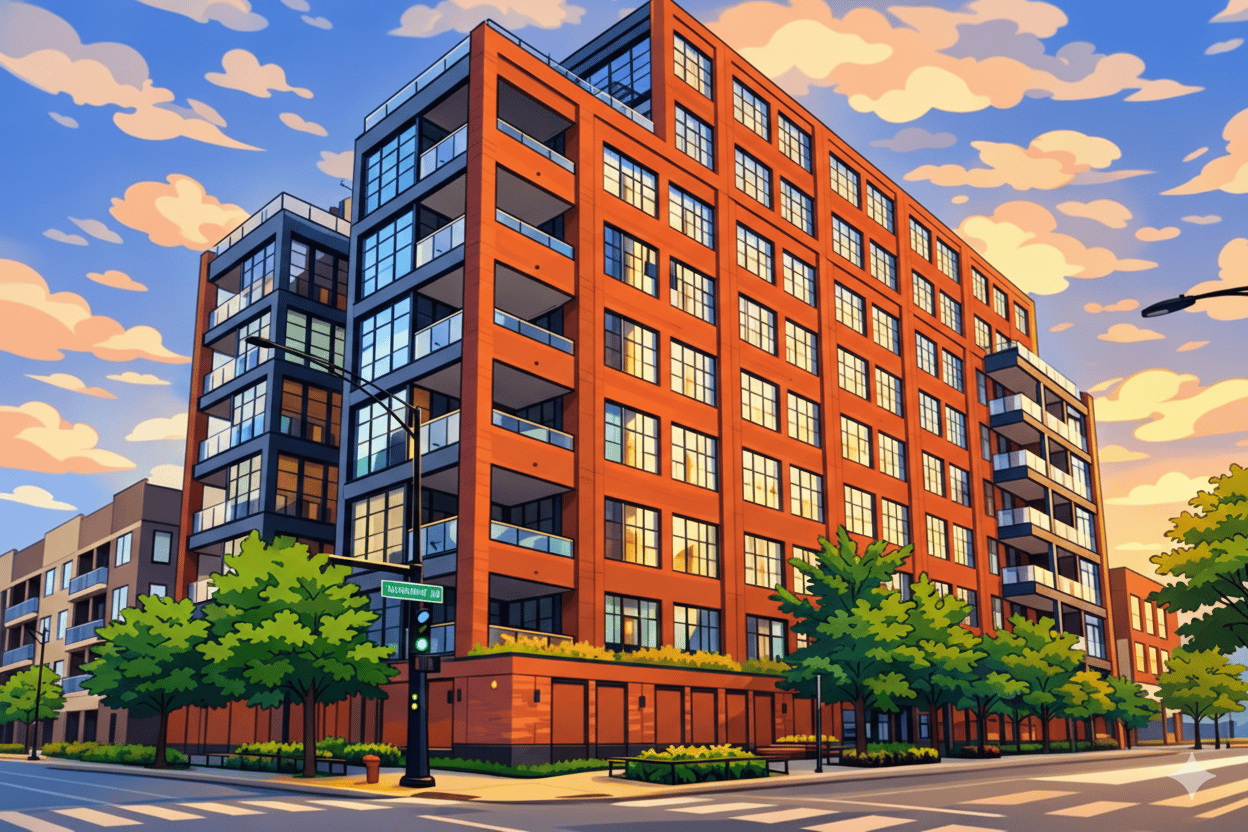
- 111 W. Illinois, a $64 million conversion of a former Salesforce-occupied office component into 153 luxury apartments, with construction beginning in mid-2025 and an opening projected for summer 2026, per Fox 32 Chicago
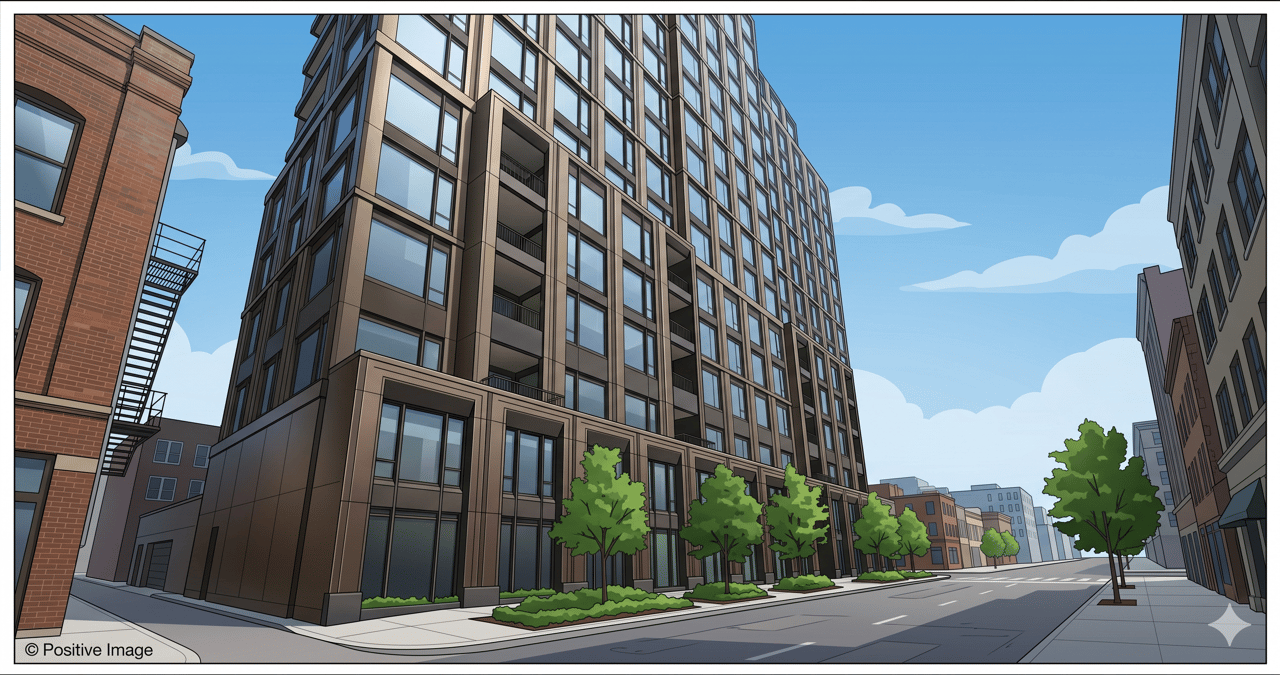
Then there's 310 W. Huron, the RiverWard project. It's a 149-unit rental building going up on a former surface parking lot. The Real Deal Chicago reported its full building permit in late 2025. Chicago YIMBY confirmed additional funding and active construction as of April 2026. That project is expected to deliver in 2027.
This pipeline matters to sellers. By 2026 and into 2027, buyers touring your condo will mentally compare it not just to other resale units, but to brand-new amenity-rich rentals with modern finishes. Three years ago, you weren't competing with that. Now you are.
The cultural side of the story is equally relevant. The Chicago River corridor through River North has become a genuine dining and entertainment destination, with continued activation along the riverfront through the summer of 2026. Proximity to that energy is a real selling point, and it's one I help my sellers communicate clearly in how we position and market the property.
How does River North compare to the rest of downtown Chicago?
Now zoom out. Illinois REALTORS® counted 13,503 home sales statewide in July 2026. Up 0.8% from last July. Small, but moving the right direction. At the city level, a July 2026 market update cited a Chicago-wide median sale price of $425,000, representing a 13% increase from July 2025. That's a citywide figure, not a River North-specific one, but it reflects a broader pricing environment that supports seller confidence heading into fall.
Realtor.com's late-2025 snapshot covered all River North home types at around $425,000. The trailing-90-day condo-only figure is $354,000. Translation? Priced right, units were moving.
For a broader sense of how River North compares to neighboring downtown areas, here's a look at recent area-level data across the Near North and downtown markets:
Area | Median Sale Price | Median Days on Market |
|---|---|---|
South Loop | $395,000 | 43 |
Streeterville | $450,000 | 47 |
Gold Coast | $490,000 | 54 |
These are area-level medians from aggregated public listing data (trailing approximately 90 days, as of September 2026). An individual home's value depends on condition, floor, building, and timing. River North's current 60-day median puts it toward the higher end of that range, which makes strategic pricing and presentation even more important, not less.
How should you price and position a River North condo in 2026?
The new development pipeline doesn't hurt every seller equally. It creates a more demanding buyer, one who expects updated finishes, functional layouts, and a compelling reason to own rather than rent. Here's how I think about positioning for sellers in this environment.
I've been pricing downtown condos since 2002. More than $200 million closed. I know exactly which updates pay you back and which ones don't.
Emphasize What New Rentals Can't Offer
New apartment buildings in River North are targeting renters. Your condo offers something they can't: ownership equity, a deeded parking space (if you have one), HOA amenities that are already priced into your association fees, and the ability to customize. I walk my sellers through exactly how to frame these advantages, because a buyer who's also considering a new luxury rental needs a clear reason to choose ownership, and price alone rarely closes that gap.
For a deeper look at which specific amenities command a premium in River North, I've covered that in detail in my post on River North luxury condo amenities buyers pay more for.
Location Micro-Differences Matter
River North isn't monolithic. A unit on a quieter residential block near the Cathedral District reads differently to a buyer than one directly above the nightlife corridor on Rush or Hubbard. Riverfront proximity, CTA access (particularly the Red and Brown line stops), and street-level character all influence how quickly a unit moves and what it commands. I use neighborhood-level data, not just citywide averages, to price and market each property based on where it actually sits.
Prepare for an Attorney-Centered Transaction
In Chicago, both buyer and seller typically retain separate real estate attorneys, and contracts customarily include an attorney review period after acceptance. For River North sellers, this means that an accepted offer isn't final until attorney review and inspection negotiations are complete. Getting ahead of this, with a pre-listing inspection, complete disclosures, and your association documents organized, reduces the chance of surprises that slow or kill deals.
Illinois sellers are required to complete a Residential Real Property Disclosure Report under the Illinois Residential Real Property Disclosure Act, disclosing known material defects. If your building was constructed before 1978, federal lead-based paint disclosure rules apply as well. Illinois also requires sellers to provide buyers with radon information and any existing test results under the Illinois Radon Awareness Act, administered by the IEMA-OHS. And for larger condo buildings subject to Chicago's Energy Benchmarking and Transparency Ordinance, buyers may request energy performance data, something your association management company can typically provide.
These aren't optional steps. Having everything organized before you go to market signals to buyers and their attorneys that you're a serious, prepared seller, and that confidence translates into smoother negotiations.
Does staging still matter in River North?
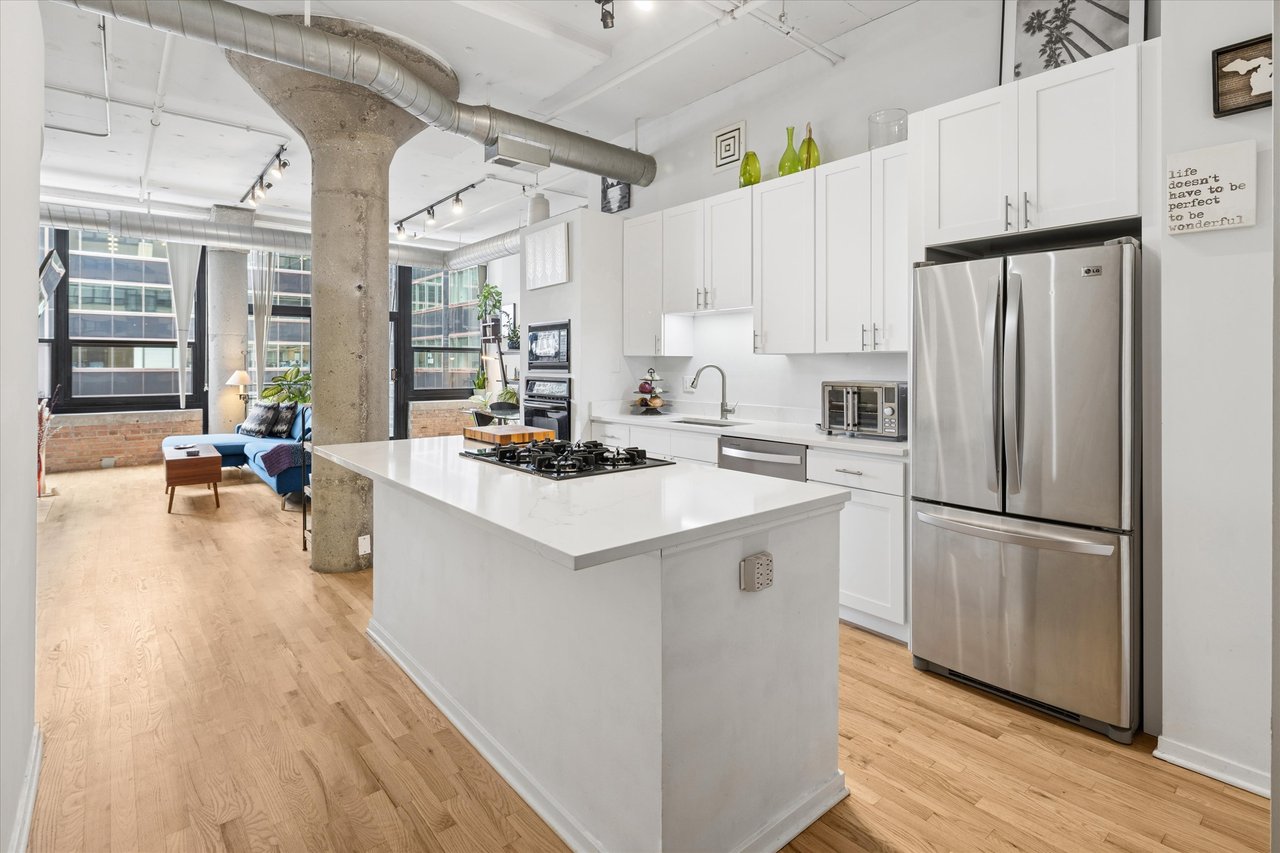
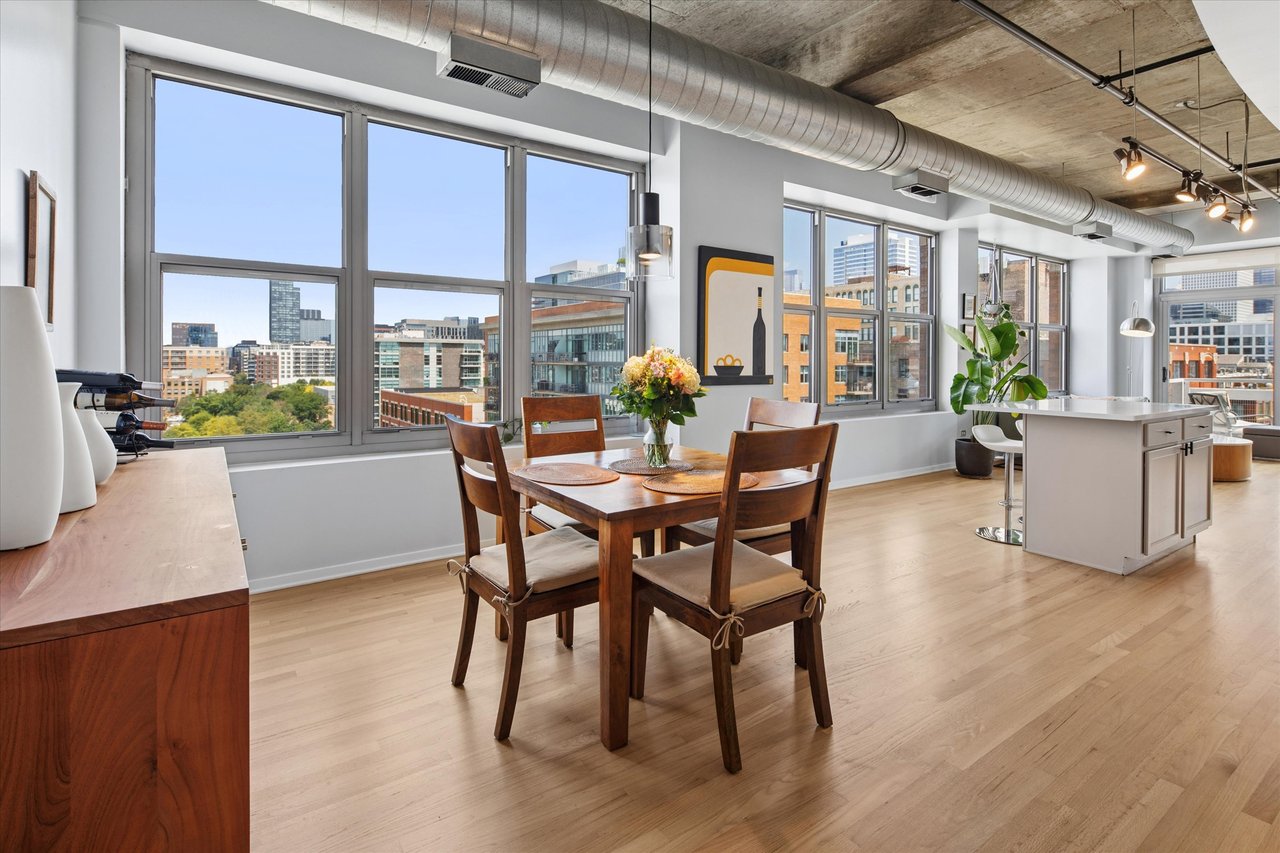
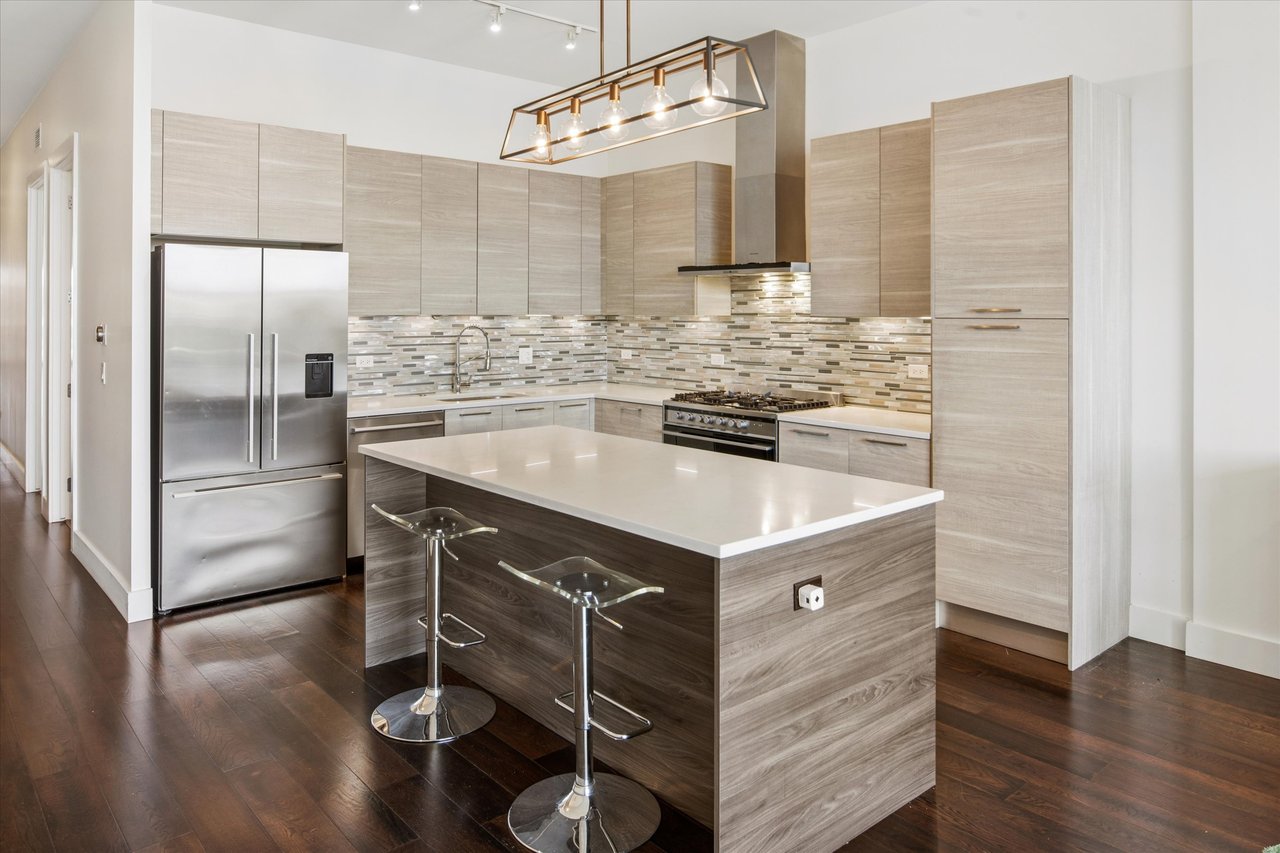
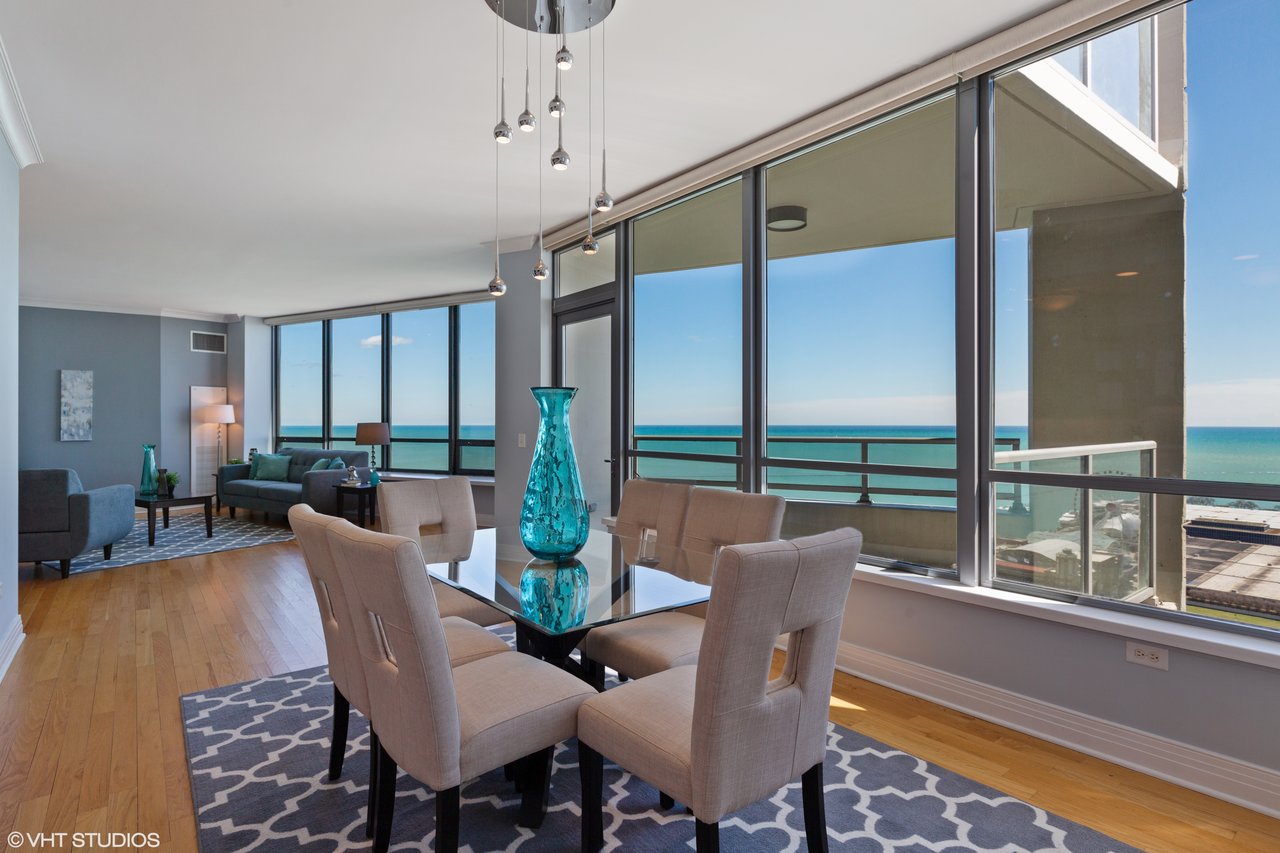
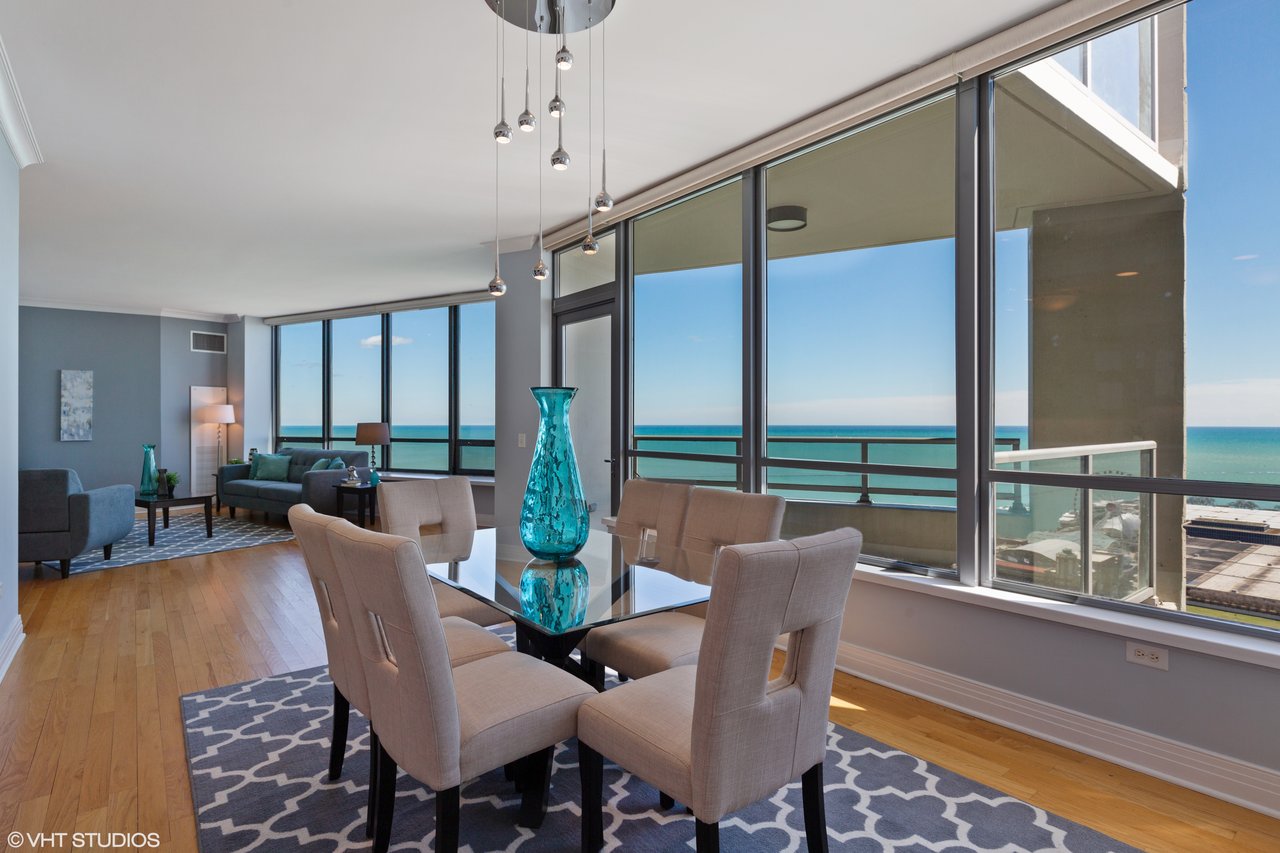
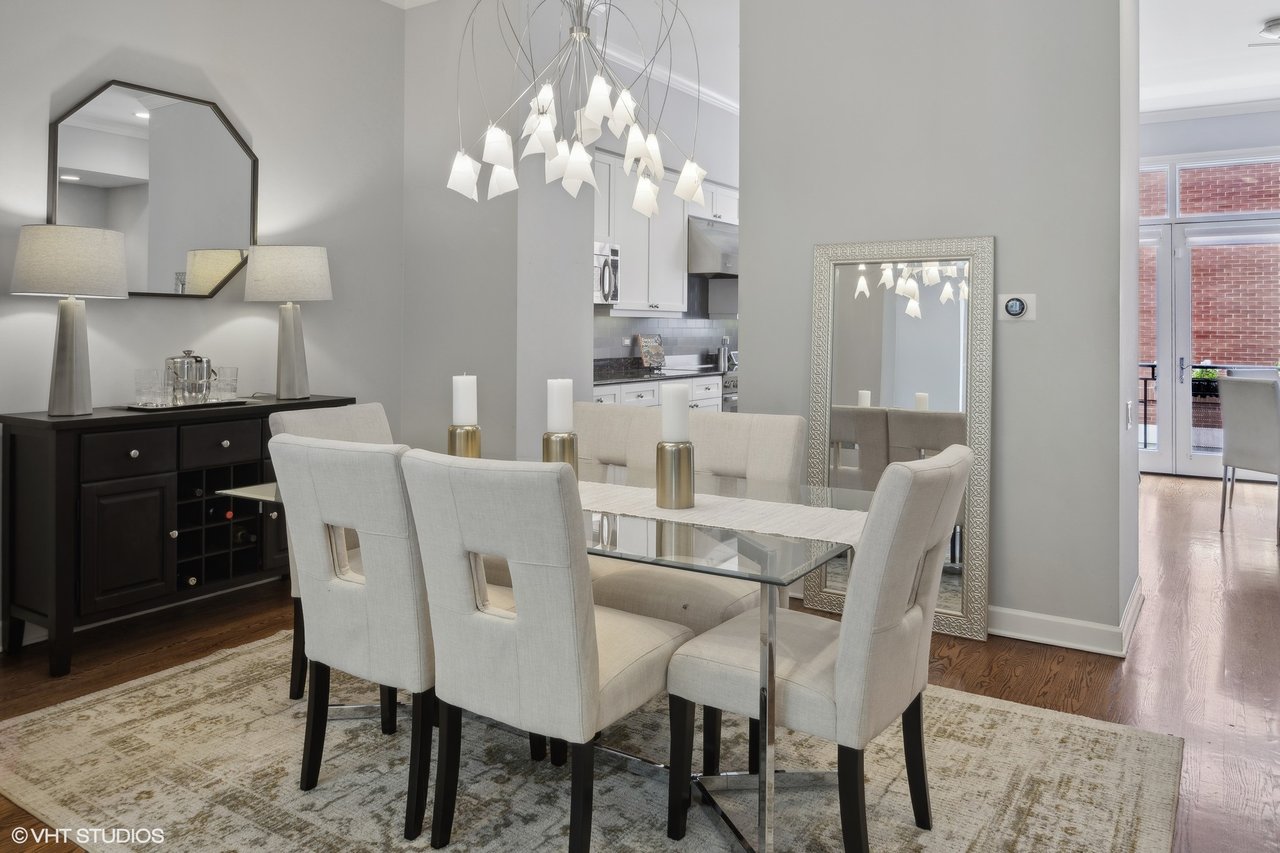
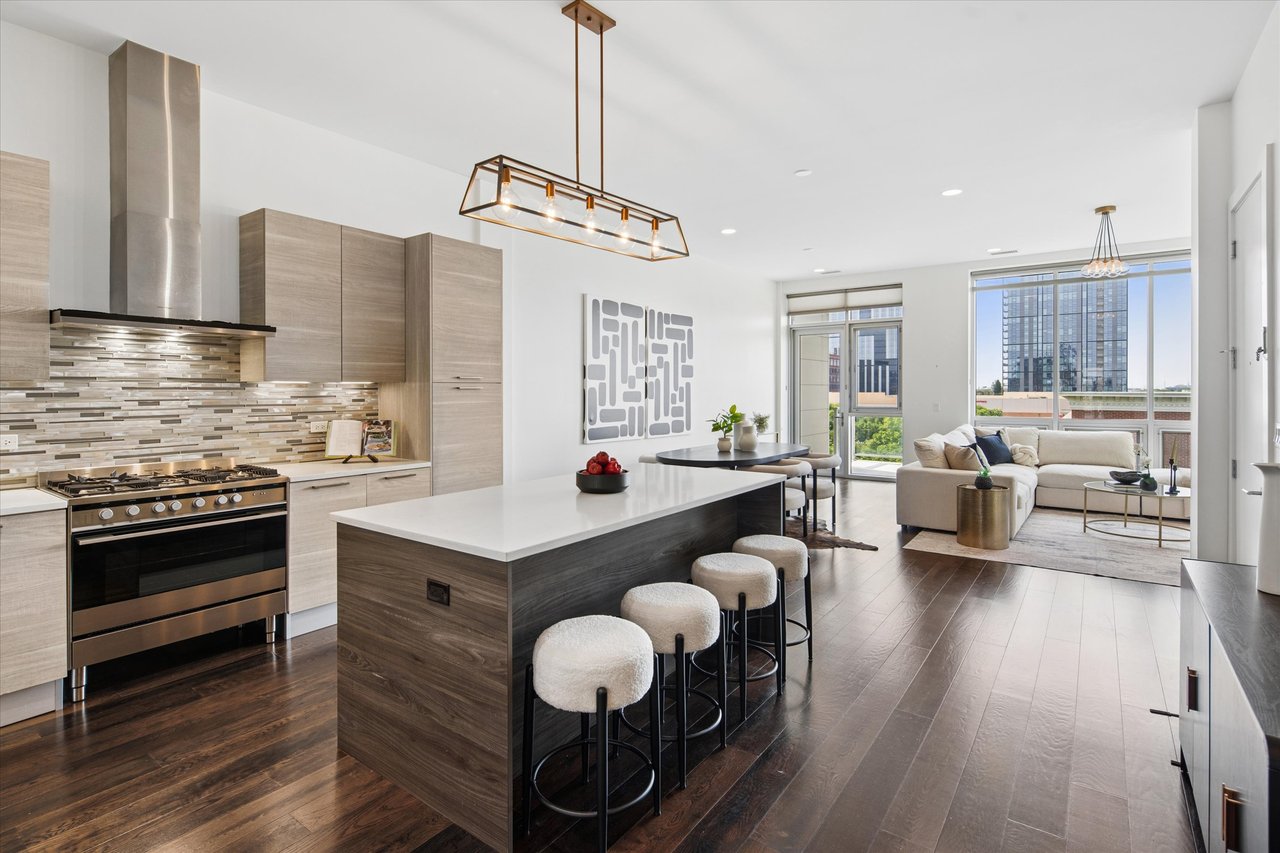
With buyers comparing your resale unit to newly converted apartments with fresh finishes, the gap between a well-prepared listing and a dated one has widened. I've seen sellers leave real money on the table by under-investing in prep, and I've seen the opposite, where focused updates and professional staging shifted a unit from sitting to sold. You don't need a full renovation. You need the right updates, presented well. That's a conversation I have with every River North seller before we ever set a price.
If you're managing this from out of town, the process has its own nuances, I've covered those specifically in my guide on how to sell a River North condo when you no longer live in Chicago.
Frequently Asked Questions
Will all these new apartments hurt my River North condo's resale value in 2026?
No. River North posted 234 condo sales in roughly the last 90 days at a median of $354,000. The new supply is rental, not resale, so it doesn't compete with you directly.
What it does is raise the bar. Buyers walk your unit after touring a brand new building with fresh finishes. Sellers who prepare and price accurately are still moving. The ones who struggle listed without accounting for that comparison.
How are projects like 310 W. Huron and 111 W. Illinois affecting days on market?
Barely, at least directly. Both are rental buildings, so they add apartments, not competing resale condos. Their real effect is on buyer expectations around finishes and amenities.
Late-2025 data showed a River North median of about 48 days on market, and that number was trending down year over year. Well-priced units were moving fast even as construction ramped up. Watch 310 W. Huron's 2027 delivery, but don't lose sleep over it.
What disclosures do I need to provide when selling a River North condo?
Illinois requires a Residential Real Property Disclosure Report covering known material defects. You'll also need radon information under the Illinois Radon Awareness Act.
Two more may apply. If your building went up before 1978, federal lead-based paint rules kick in. If your building falls under Chicago's energy benchmarking rules, buyers can request performance data from your association. Your real estate attorney will confirm the exact forms and timing.
How long are River North condos taking to sell compared to the rest of downtown Chicago?
River North's median is 60 days. South Loop sits at 43, Streeterville at 47, and Gold Coast at 54.
That doesn't make River North slow. It makes pricing and presentation matter more. Units priced accurately and shown well are not sitting for two months. The median includes every overpriced listing that needed a reduction before it finally sold.
Does the riverfront dining and nightlife scene actually matter to buyers, or is it all about price and HOA fees?
It matters, but only at a certain point in the decision. Lifestyle draws buyers to River North. Price and HOA fees close them.
So use both. Lead your marketing with the neighborhood energy to get people through the door. Then win on value once they're standing in your living room. Those aren't competing strategies. They work together.
Thinking about listing your River North condo? The right move starts with understanding exactly where your unit sits in this market, not just the neighborhood median, but your specific building, floor, and condition relative to what's competing right now. Reach out to schedule a conversation, and I'll give you a clear-eyed read on what your property is worth and what it will take to sell it well.
Equal Housing Opportunity. Christine Hancock, Broker Associate, Chicago Association of Realtors. This article is general information only and does not constitute legal, tax, or financial advice. Please confirm your specific numbers and transaction details with your real estate attorney, tax advisor, or lender.