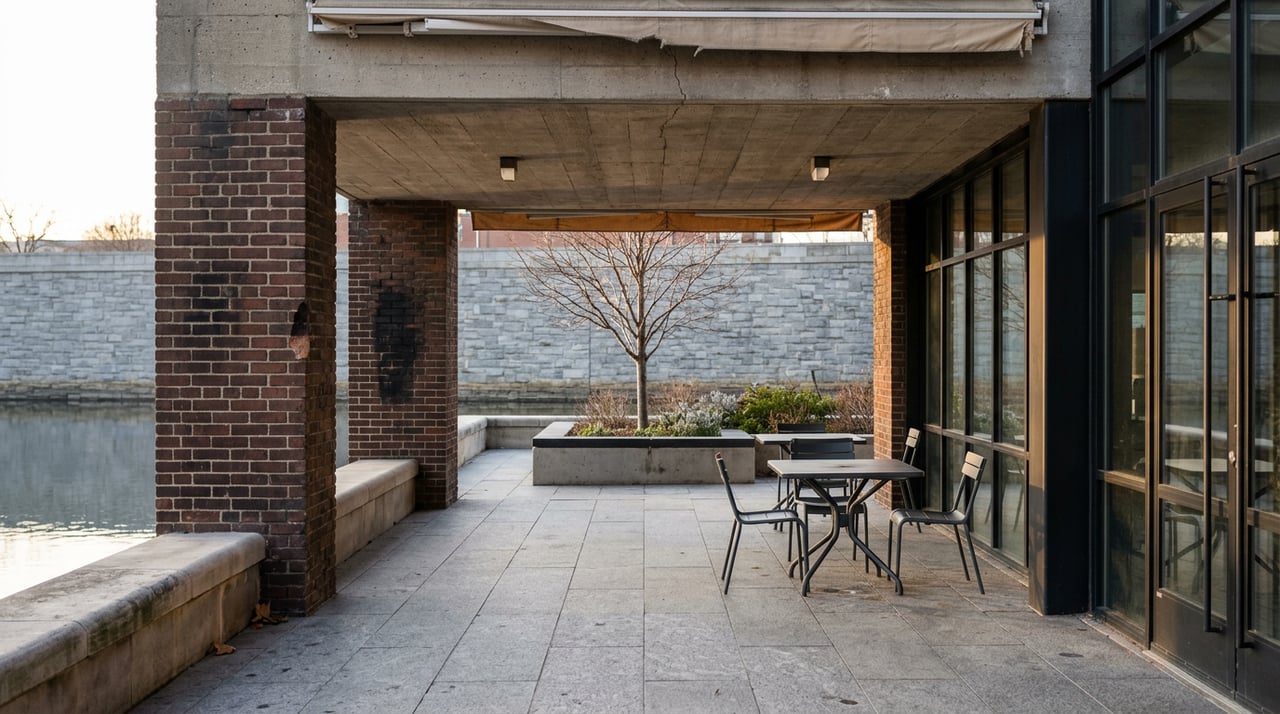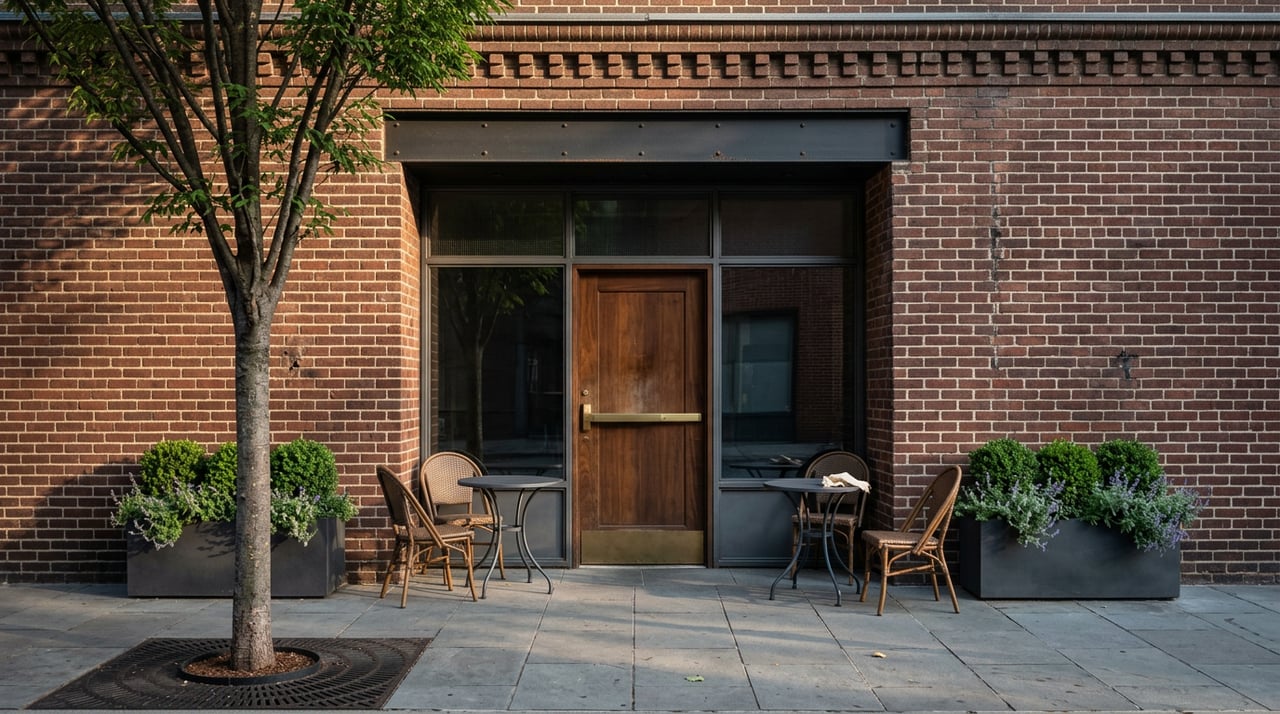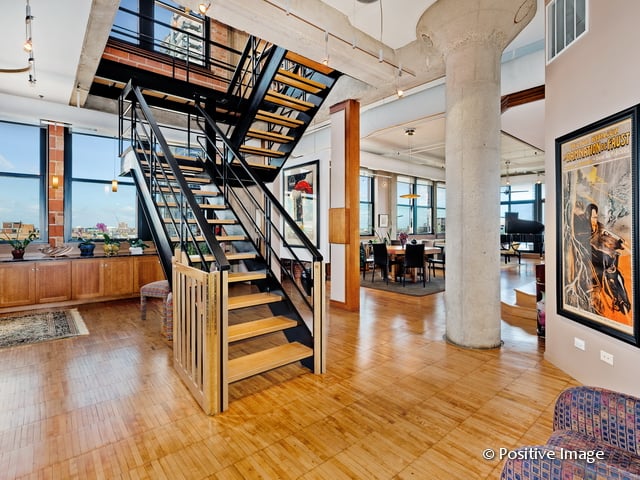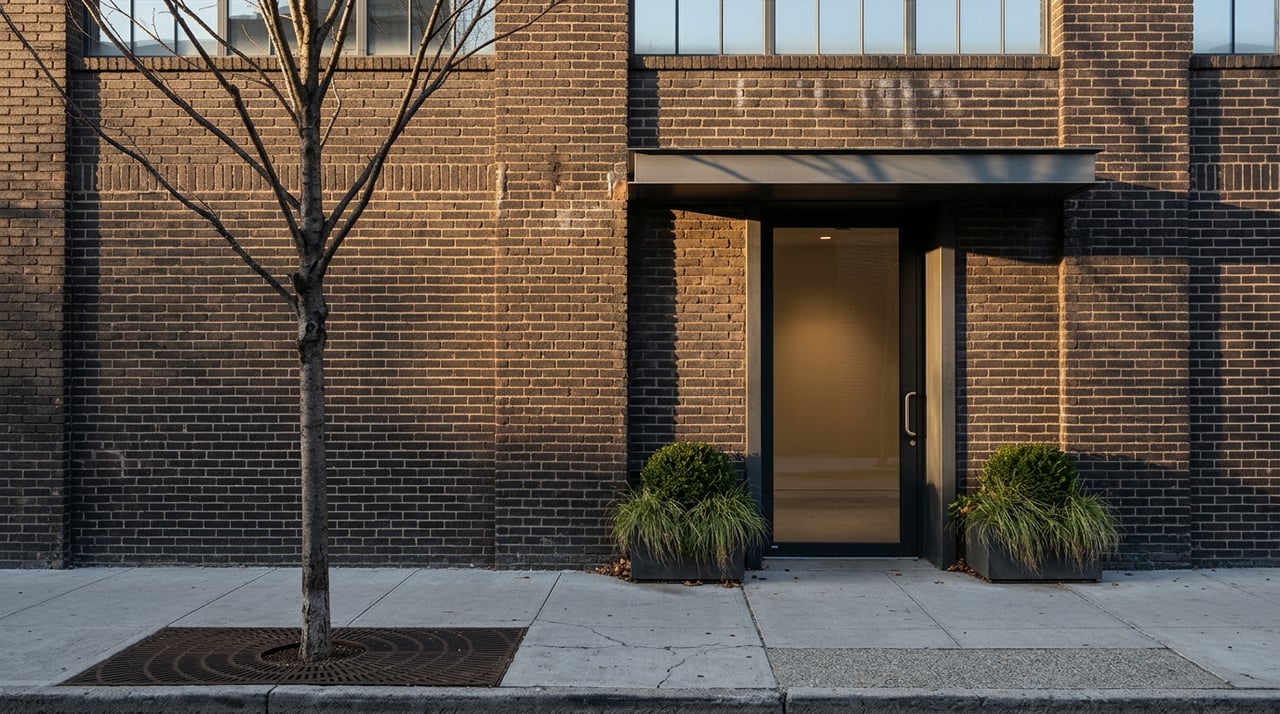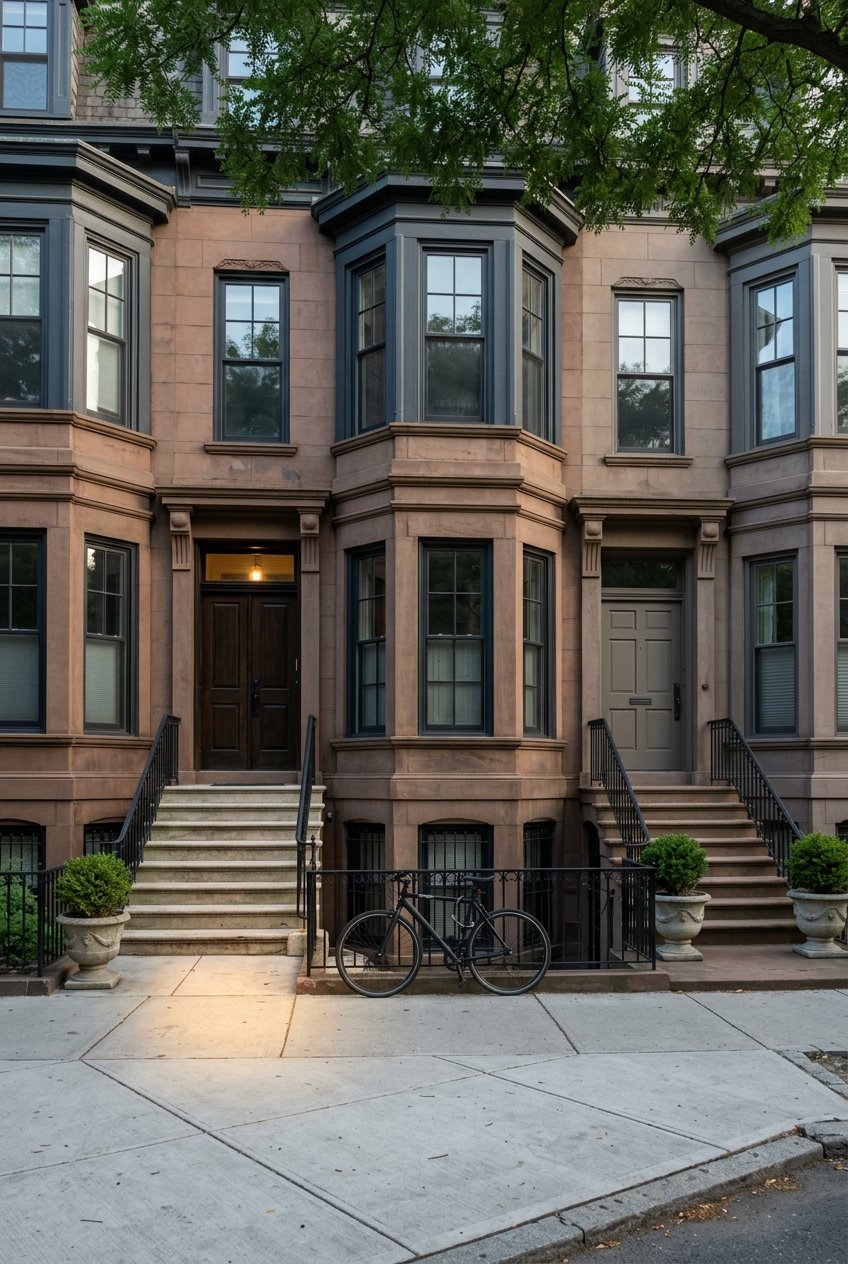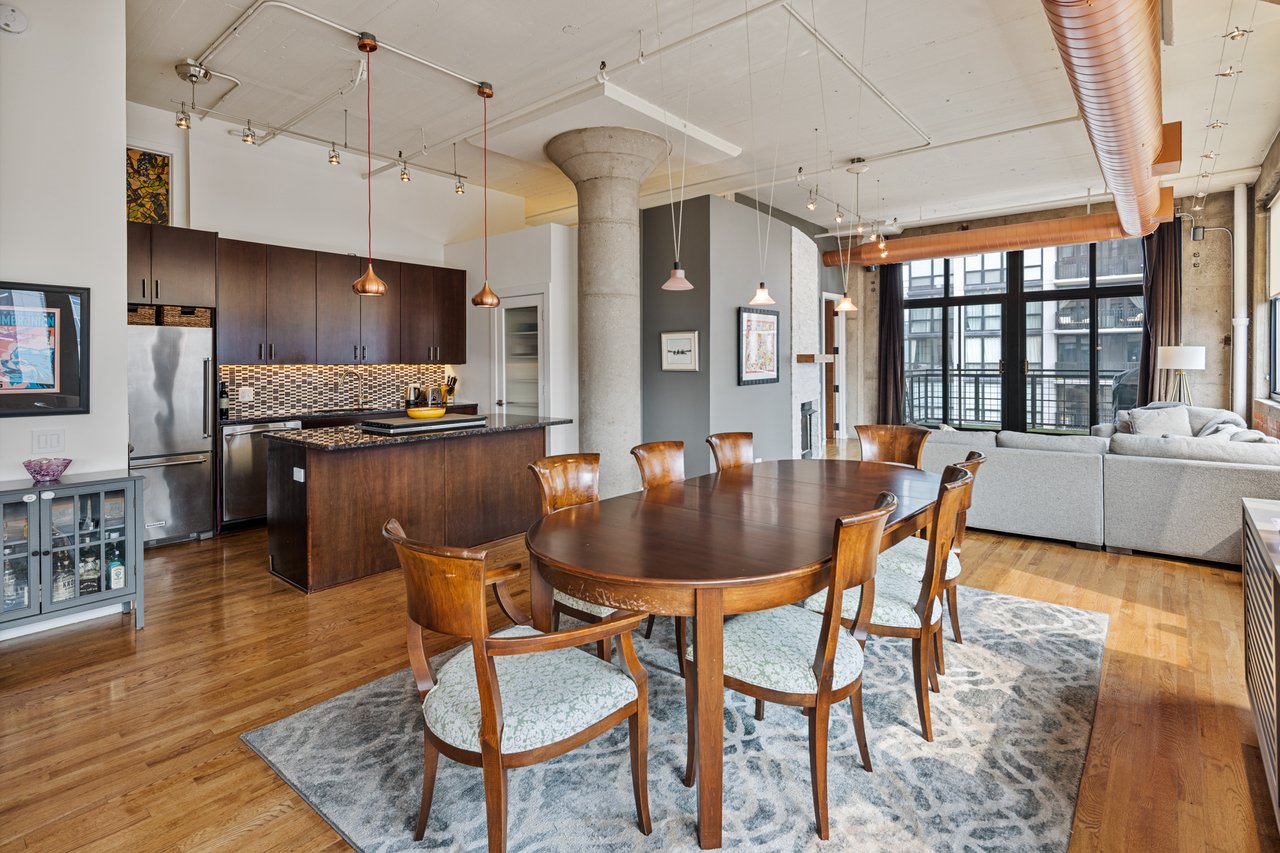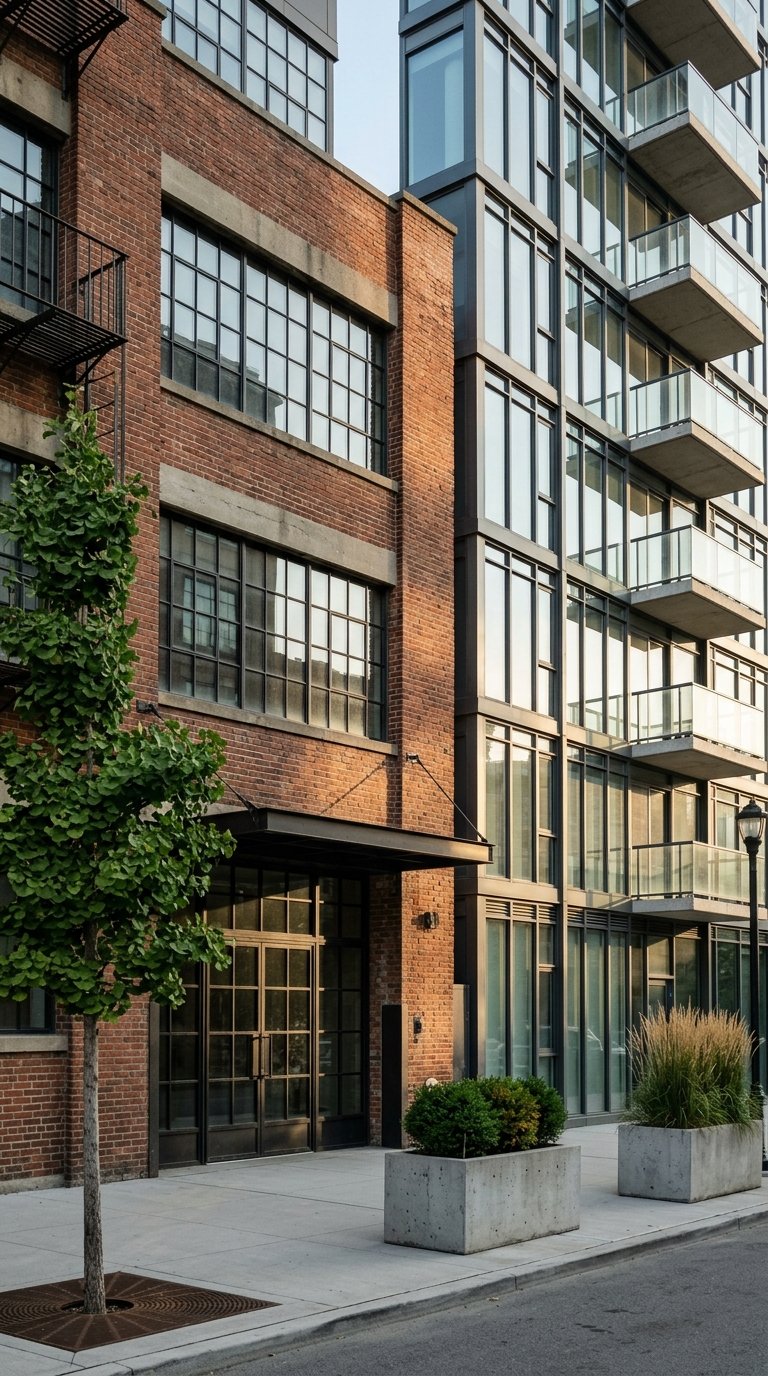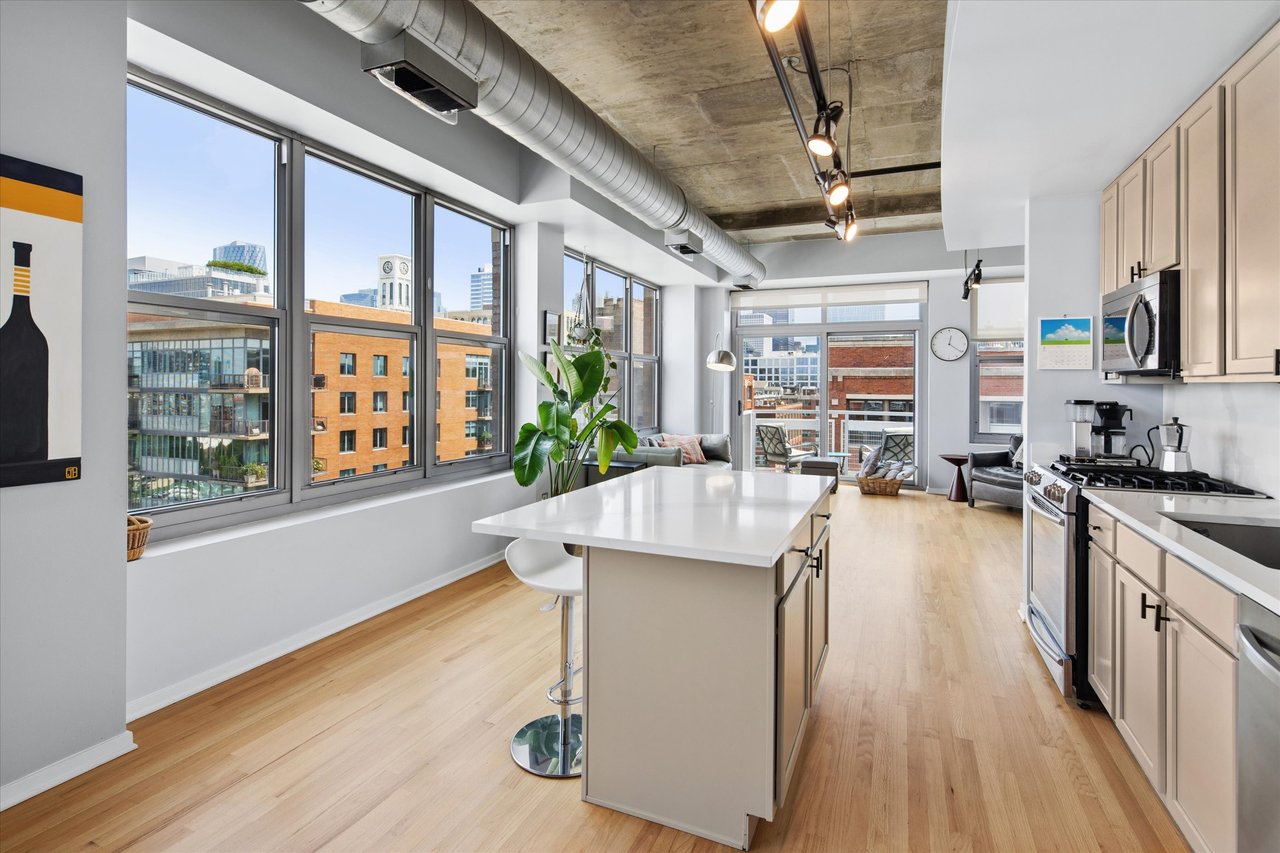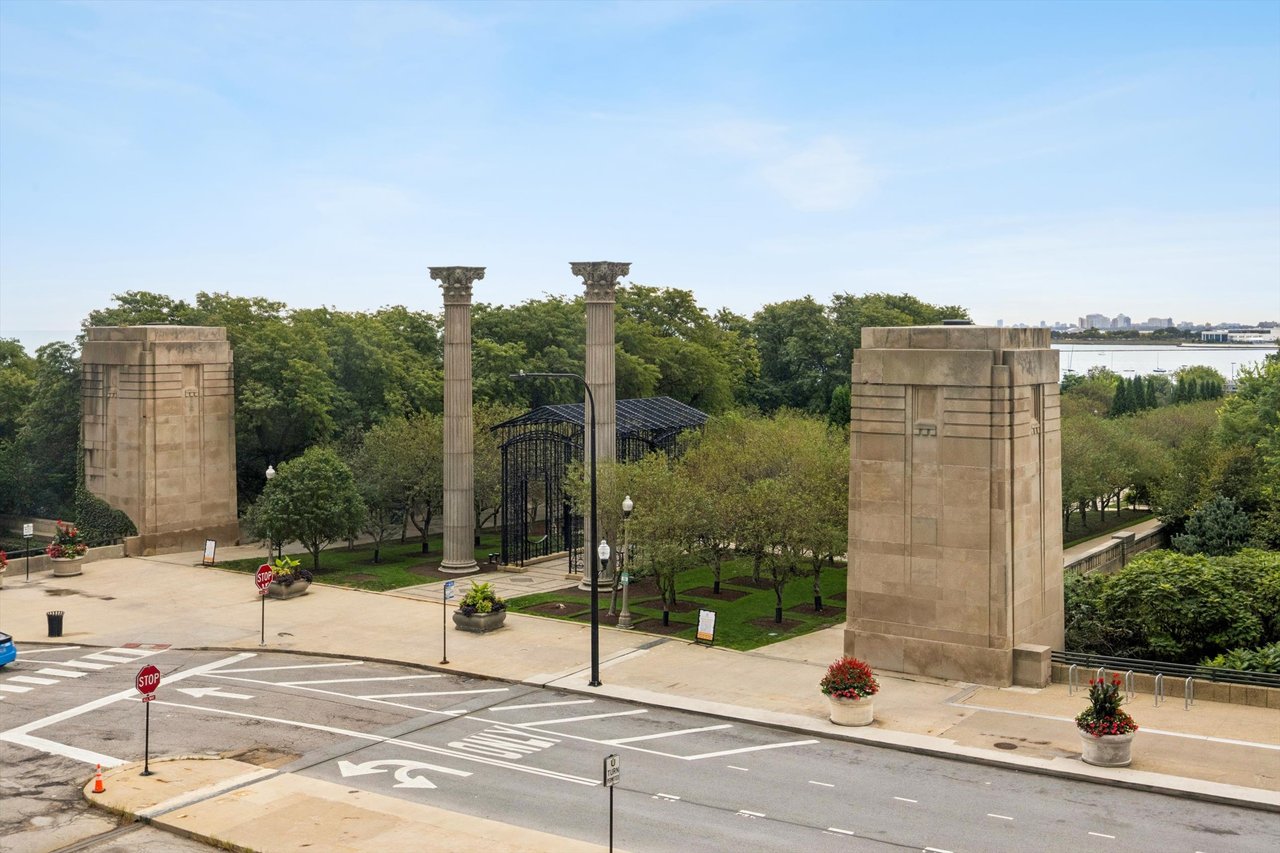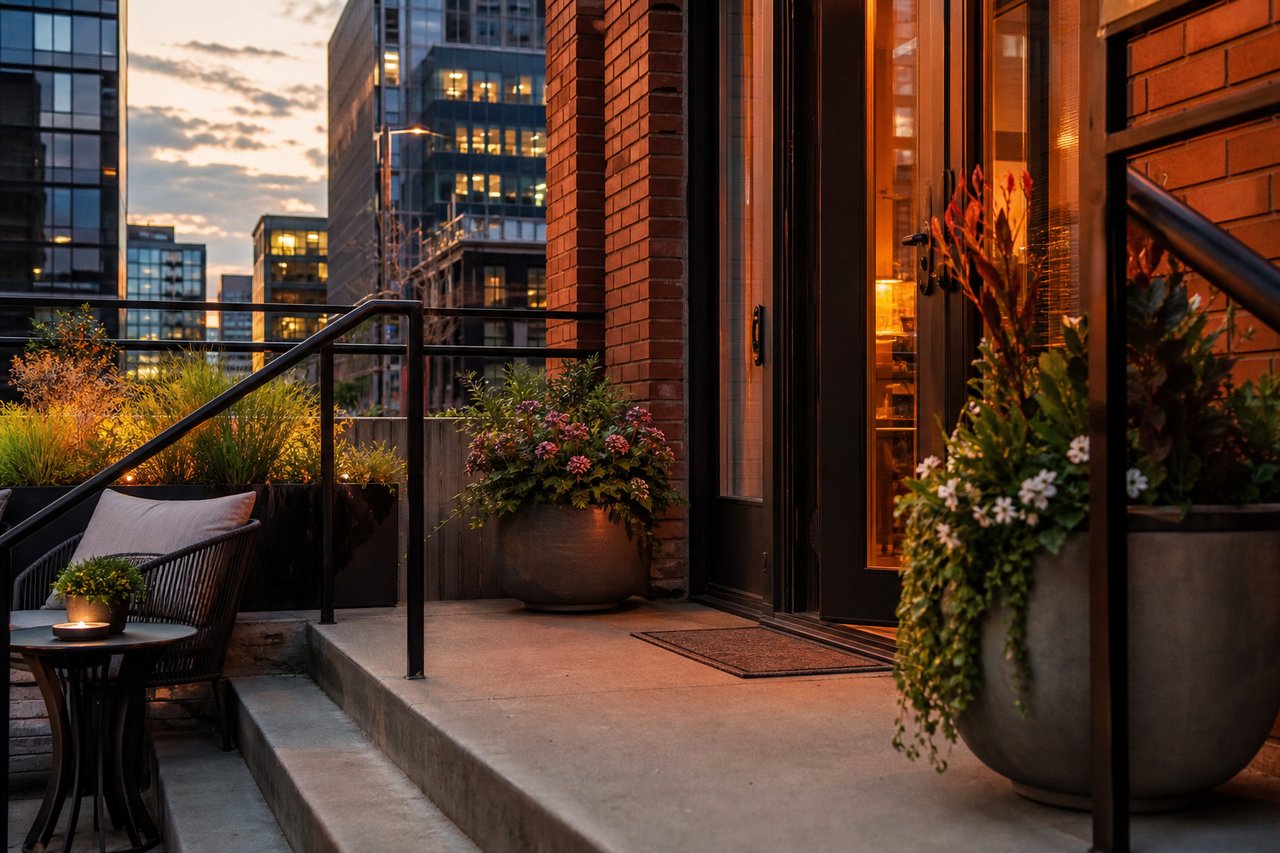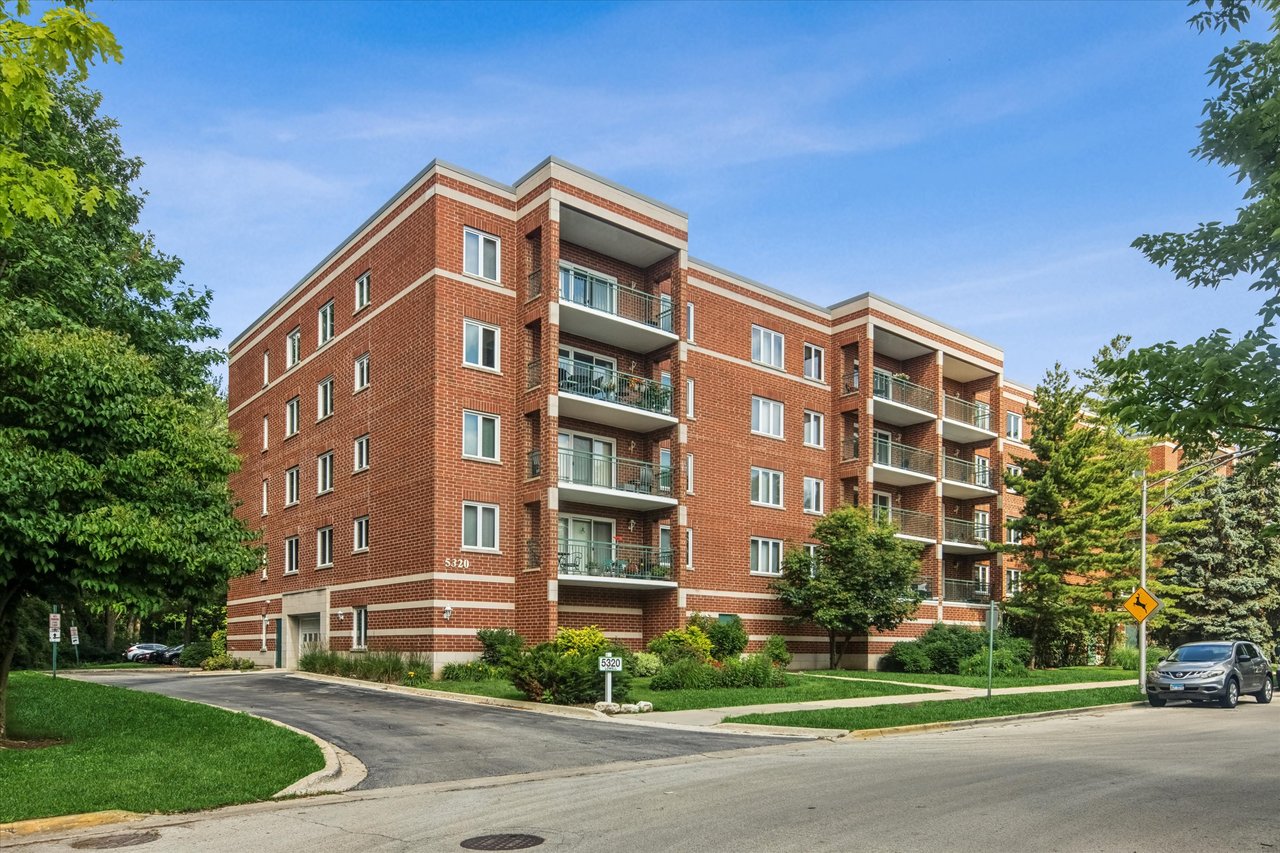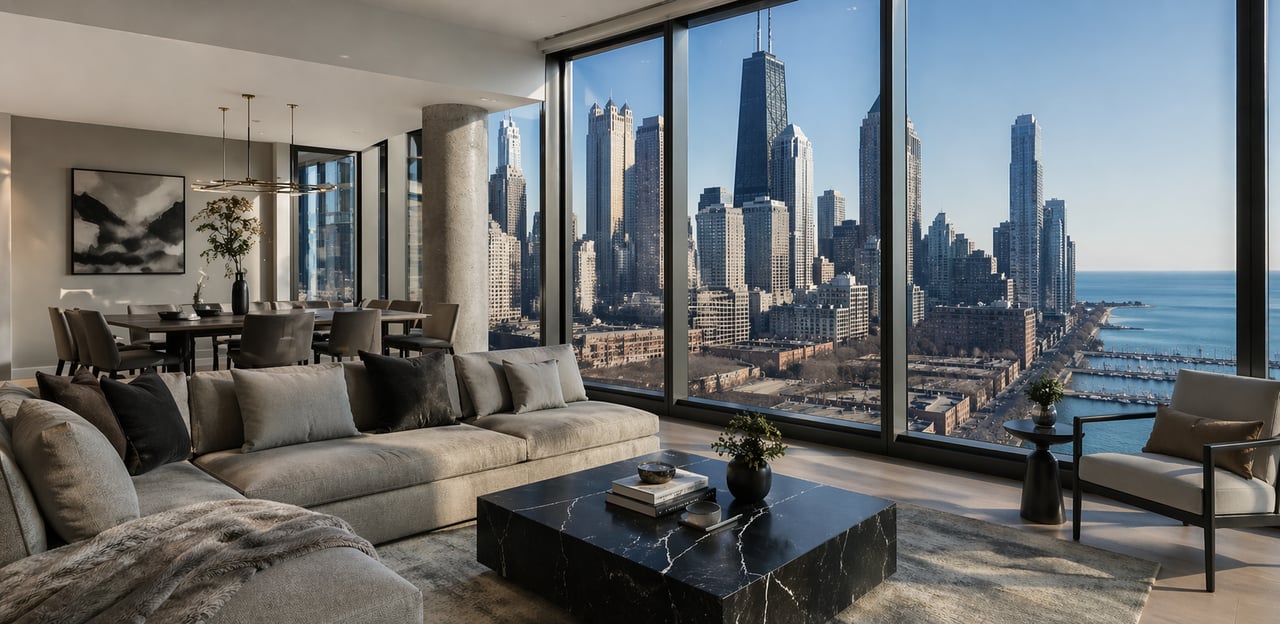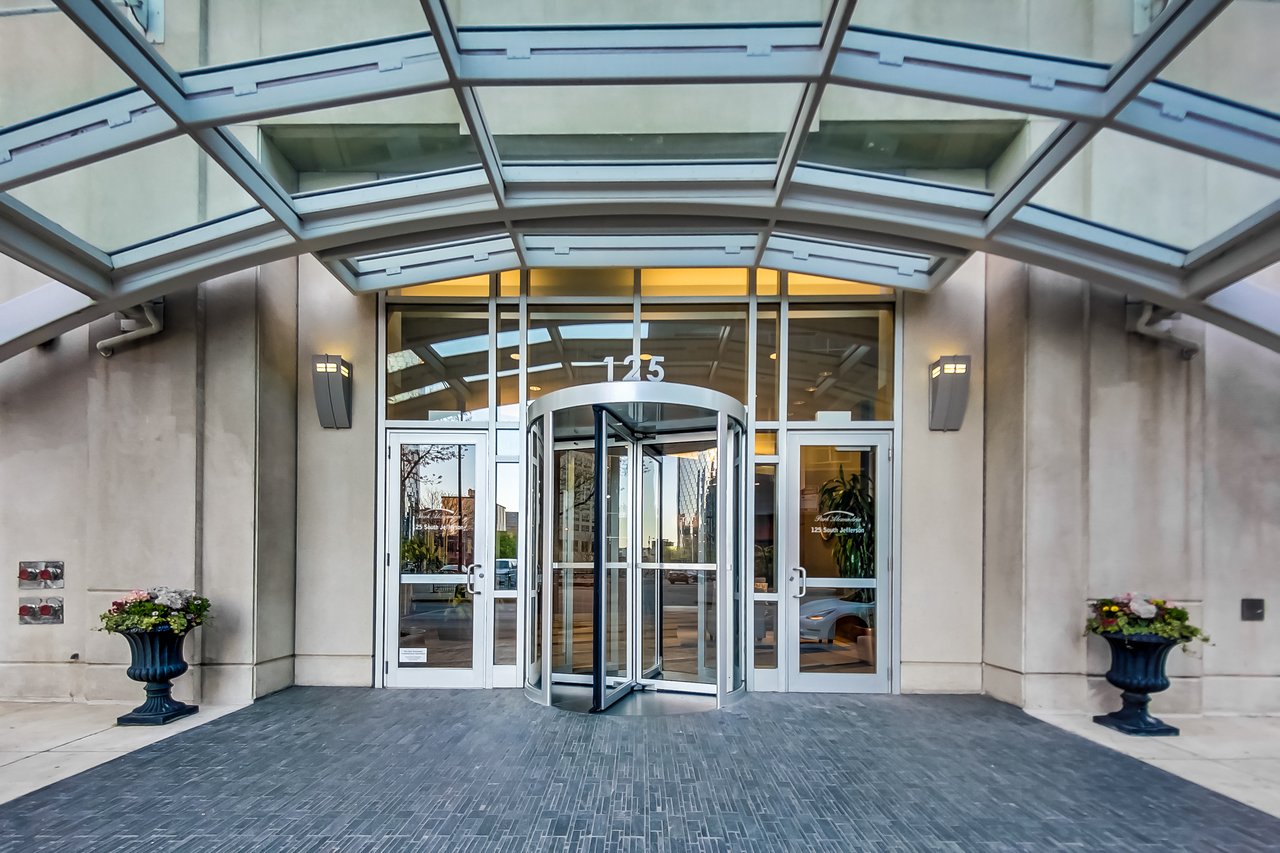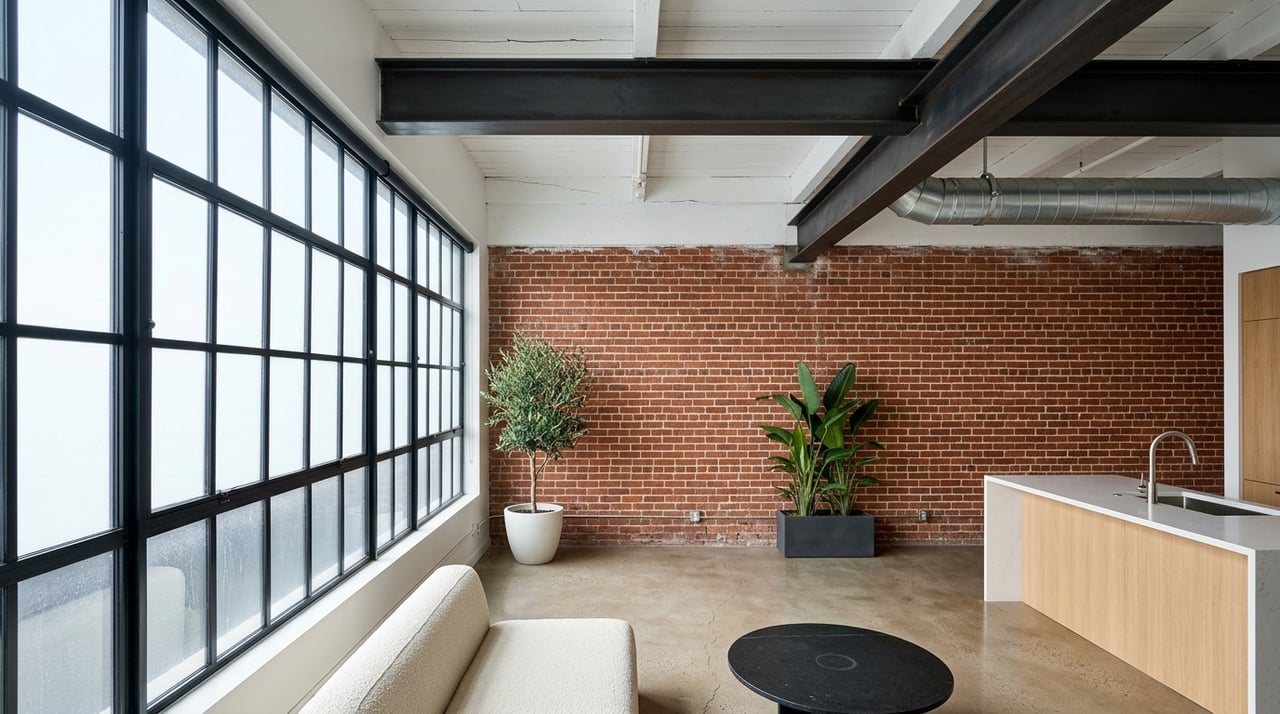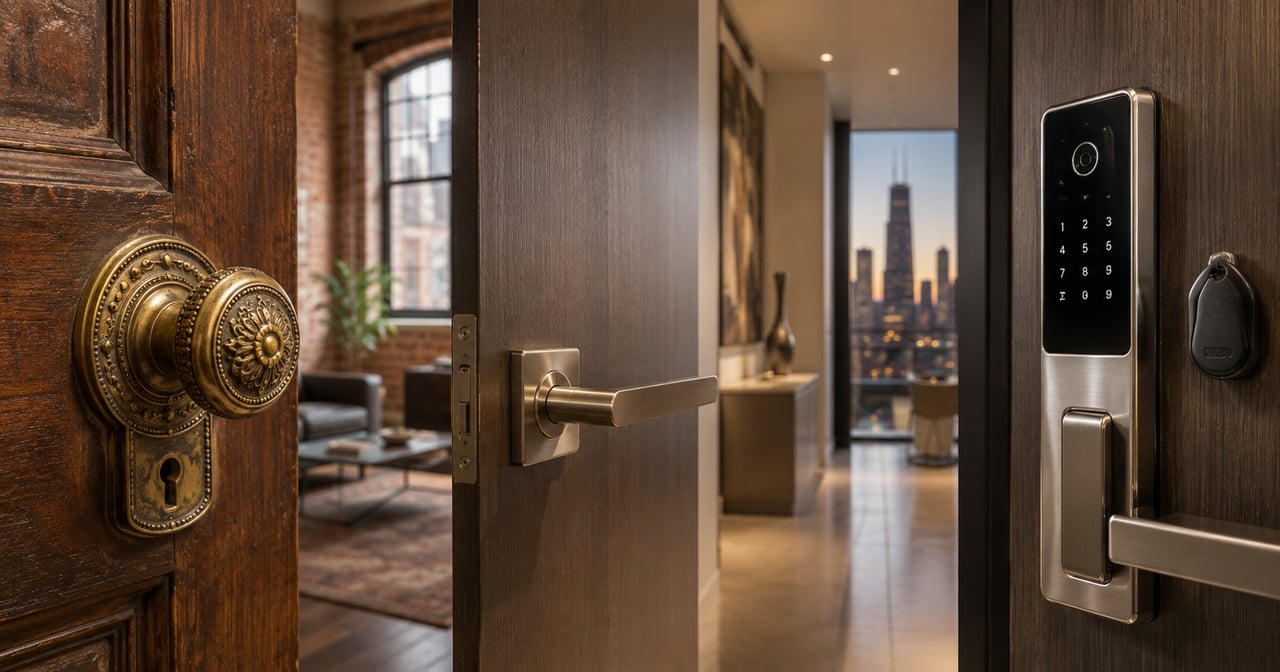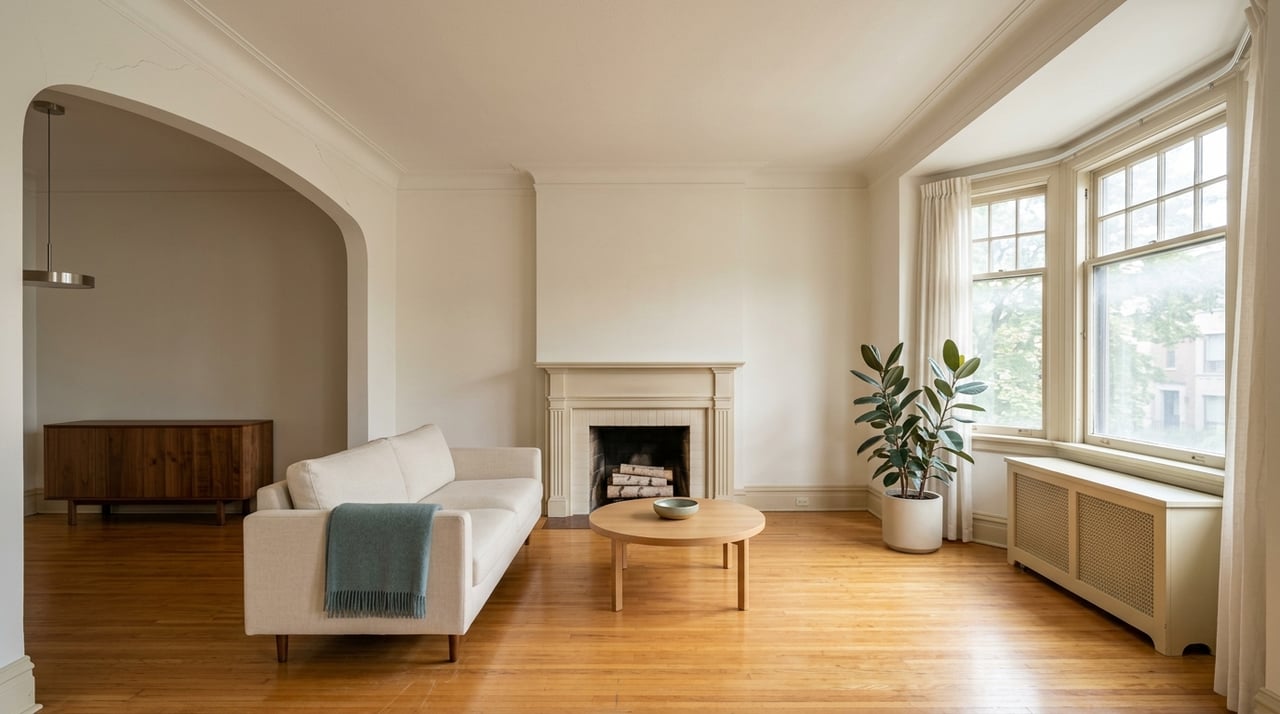
If your Old Town condo has charm but feels a little dated, you are not alone. Many sellers worry that original details, older finishes, or a lived-in layout will turn off today’s buyers, especially when online listings set such polished expectations. The good news is that smart staging can help your home feel current without stripping away the character that makes Old Town special. Here is how to stage an Old Town condo for today’s buyers and make every showing, photo, and first impression work harder for you.
Why staging matters in Old Town
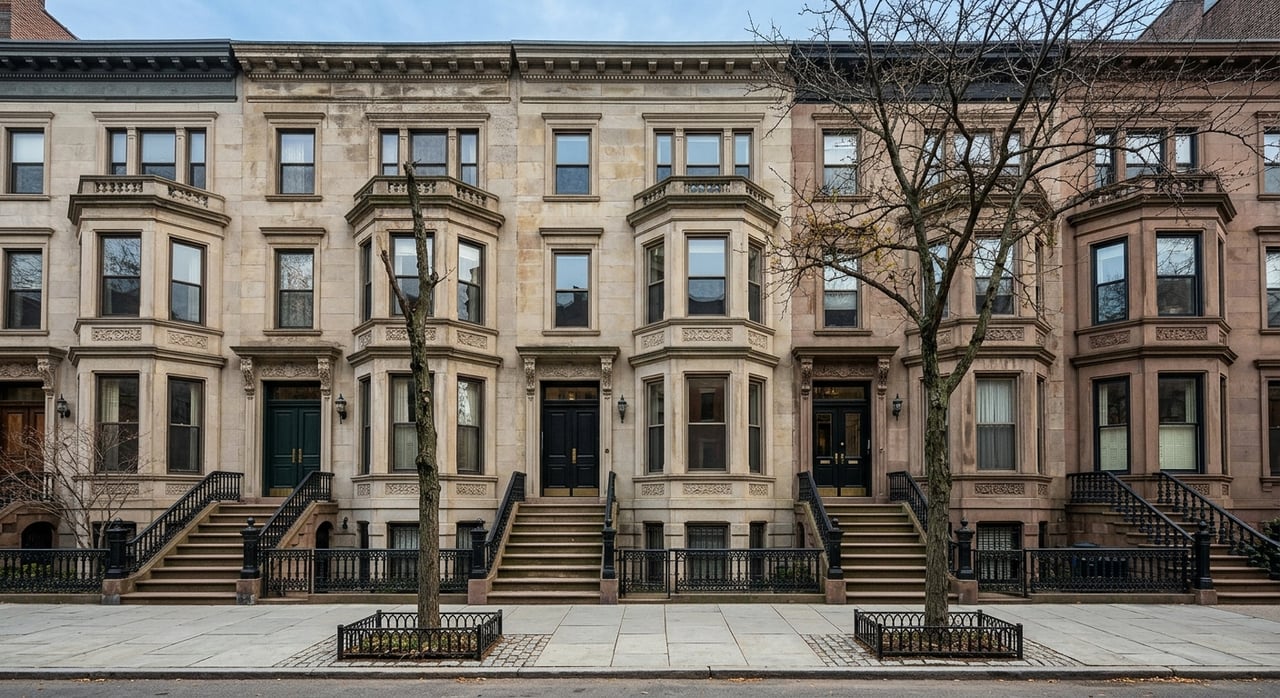
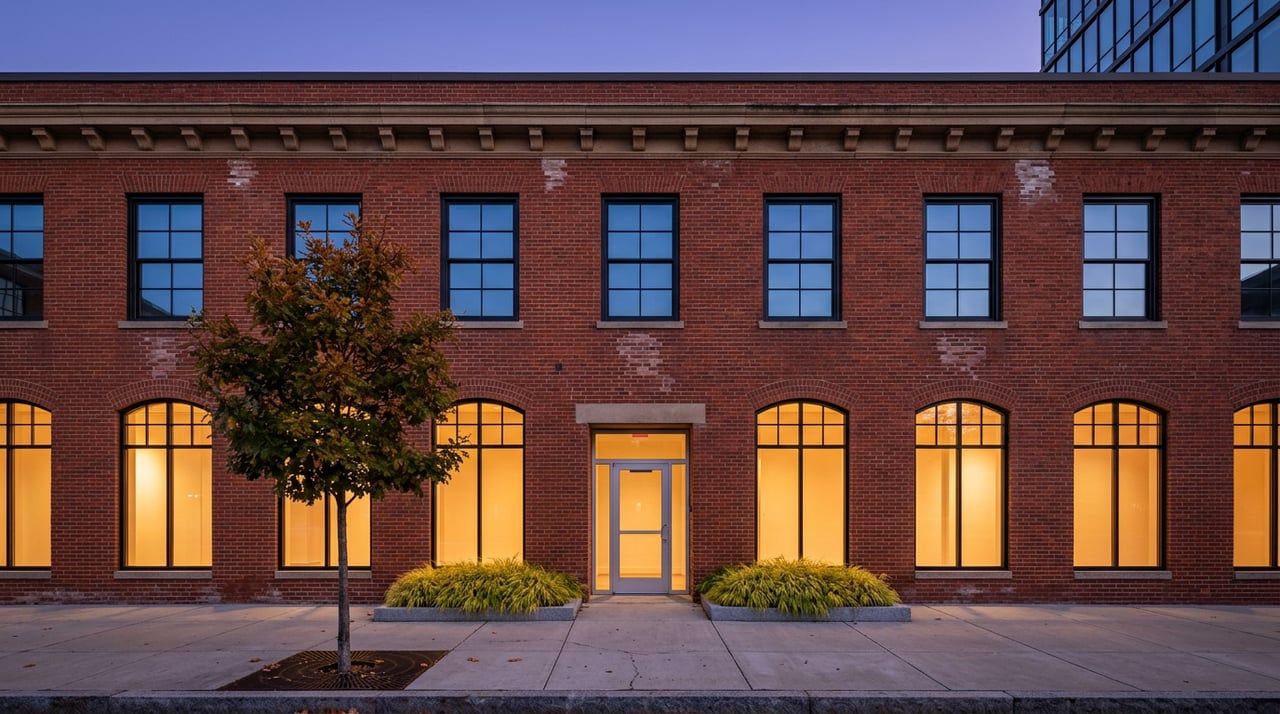
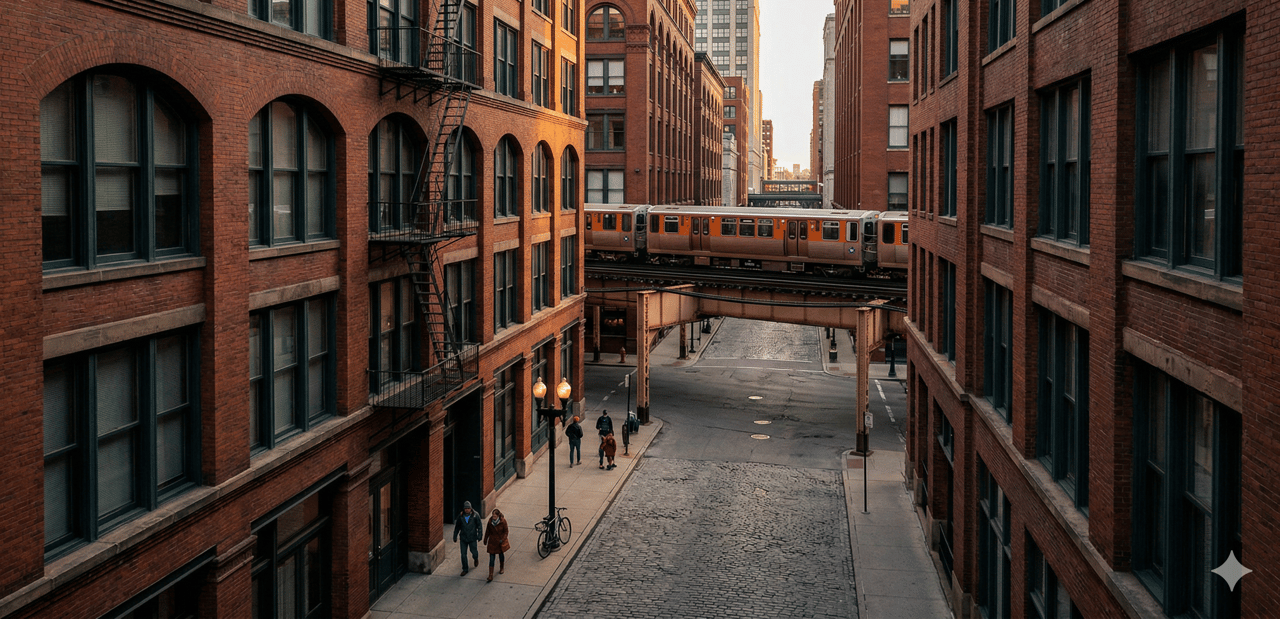
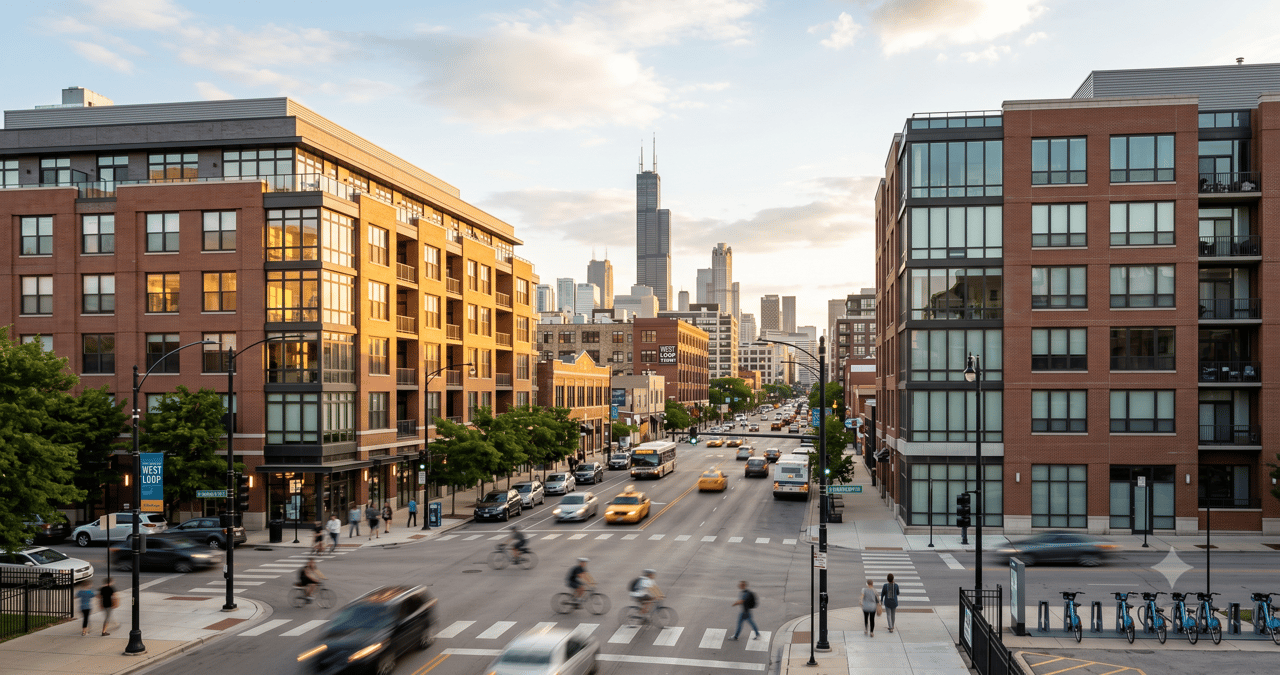
Old Town is not a one-size-fits-all condo market. Its historic streets, older buildings, and mix of vintage residences and apartments give buyers something they may not find in newer parts of the city. That character can be a real advantage, but only if your interior presentation helps buyers notice the best parts of the home.
That matters in a market where presentation still affects both value and timing. As of March 2026, Redfin reported Old Town’s median sale price at about $473,000 and median days on market at 49. For comparison, the Chicago Association of REALTORS reported a citywide median price of $350,000 and average market time of 63 days in December 2025.
Staging also has a measurable impact on buyer behavior. In the 2025 National Association of Realtors staging survey, 83% of buyers’ agents said staging made it easier for buyers to picture a property as their future home. The same report found that 49% said staging reduced time on market, and 29% reported a 1% to 10% increase in the dollar value offered.
Start with character, not camouflage
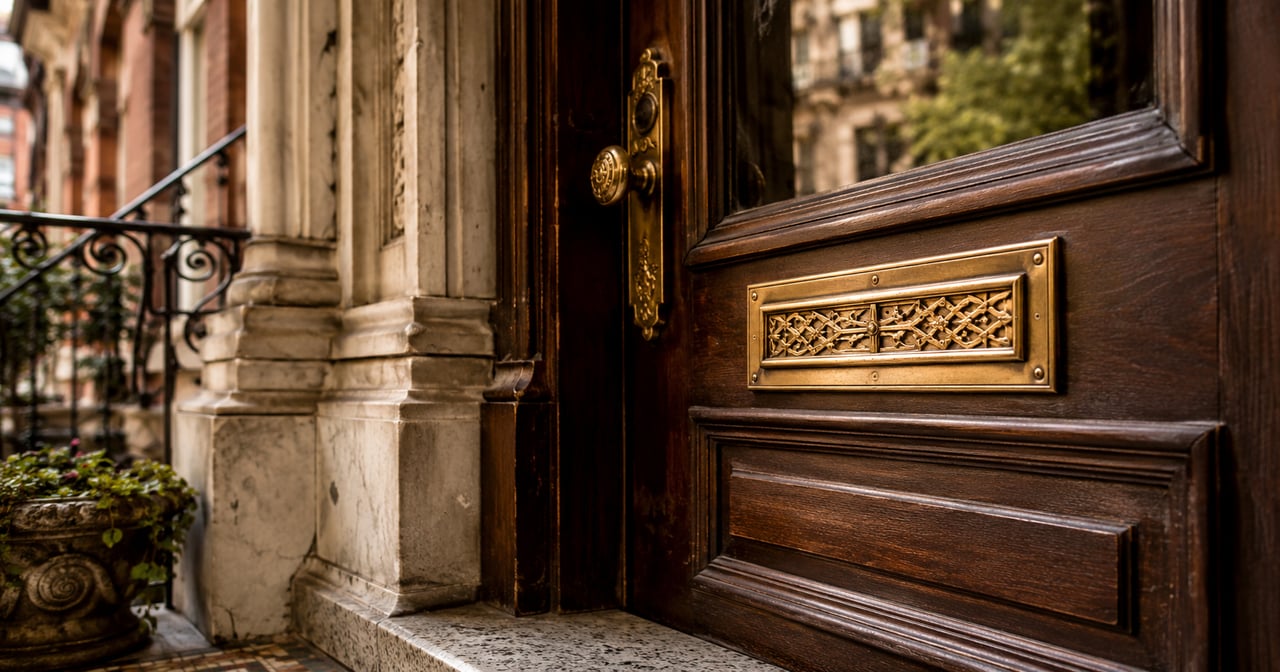
The best Old Town condo staging does not try to make a vintage home look brand new. Instead, it helps buyers see a clean, calm, updated version of the space you already have. In a neighborhood known for historic architecture and preserved streetscapes, that approach usually feels more believable and more appealing.
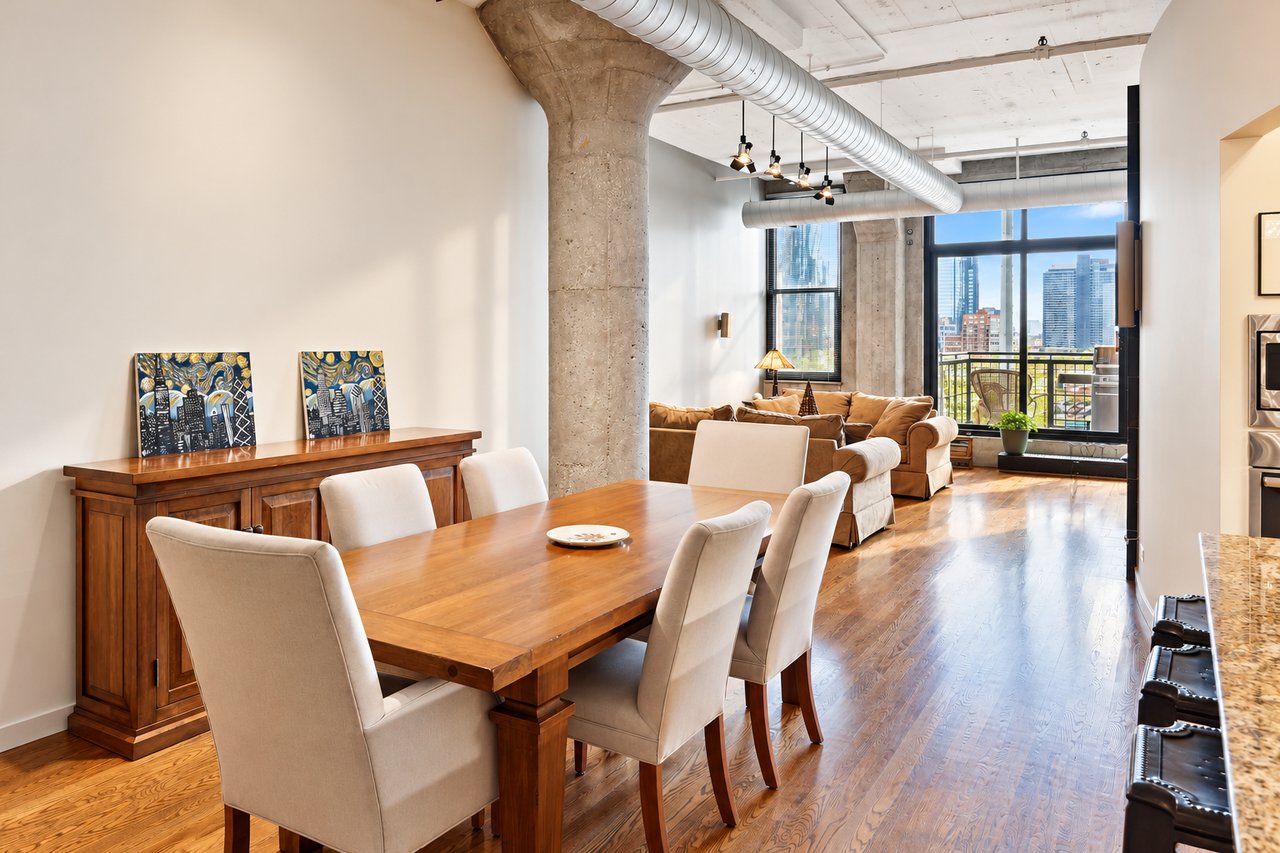
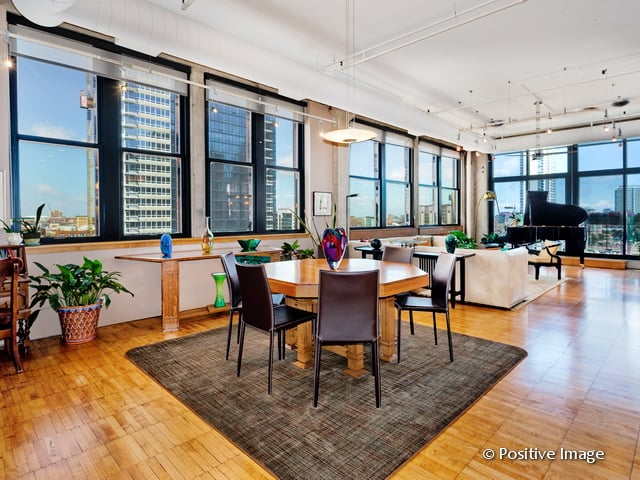
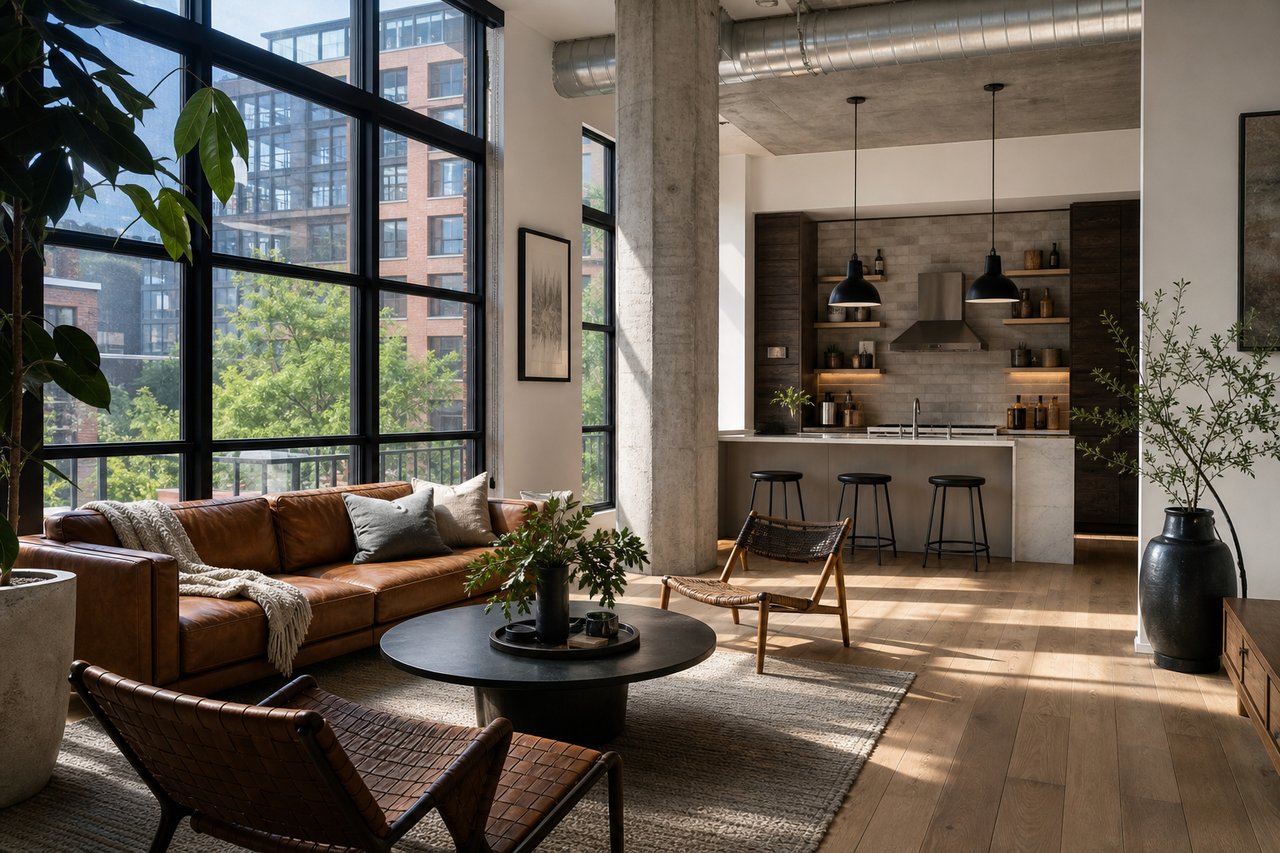
If your condo has original trim, built-ins, tall windows, hardwood floors, or interesting ceiling lines, those should be easy to see. Heavy furniture, busy décor, and too many personal items can hide the very features that make the unit memorable. Your goal is to let the architecture do part of the selling.
This is also one reason staging can be more flexible than renovation in Old Town. In Chicago landmark areas, review generally applies to exteriors and visible alterations, not interior styling. That means you can often be aggressive about cleaning, decluttering, simplifying, and refreshing the inside without affecting the historic identity of the building.
Focus on the rooms buyers notice first
Not every room needs the same level of effort. According to the 2025 National Association of Realtors staging survey, buyers’ agents ranked the living room, primary bedroom, and kitchen as the most important rooms to stage. For many Old Town condos, it also makes sense to pay close attention to an entry area, a den, or a nook that can function as flexible space.
Living room staging
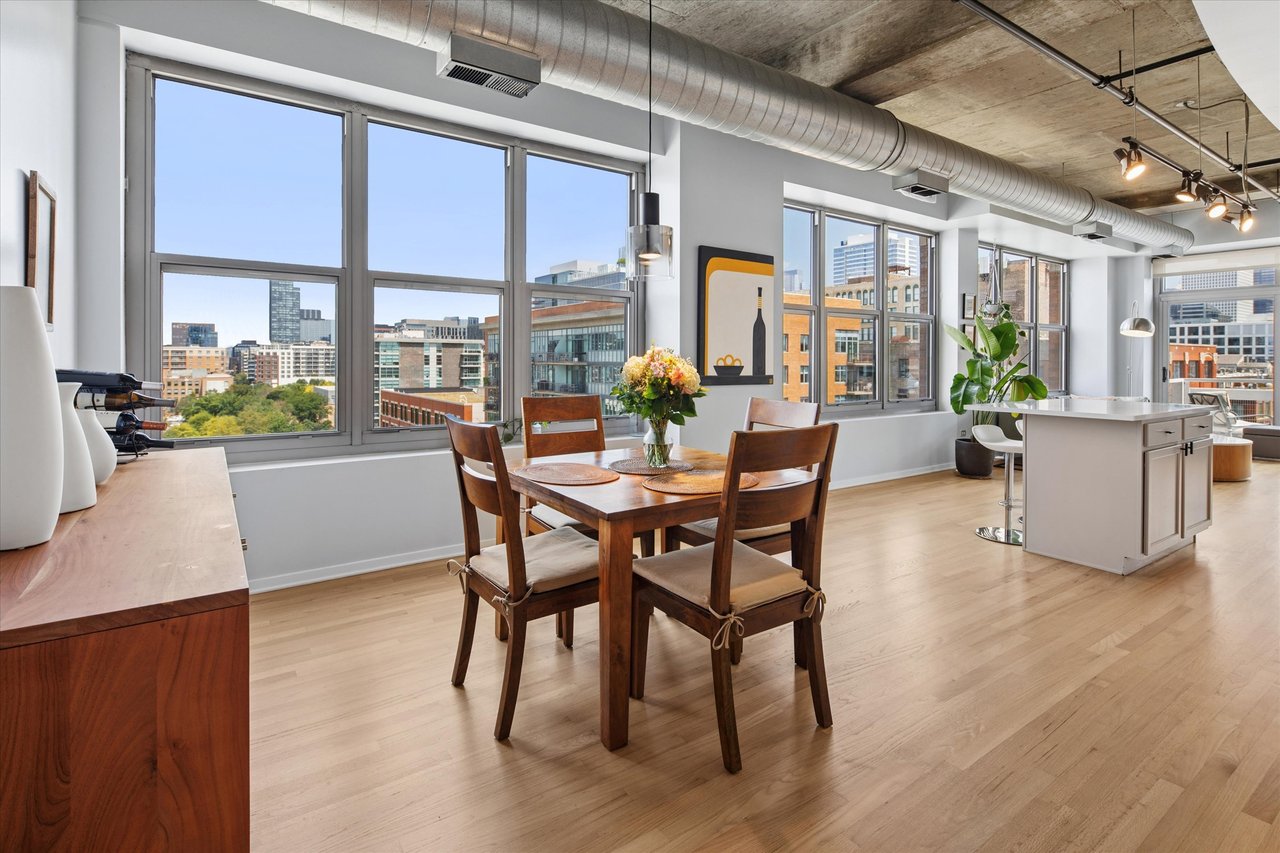
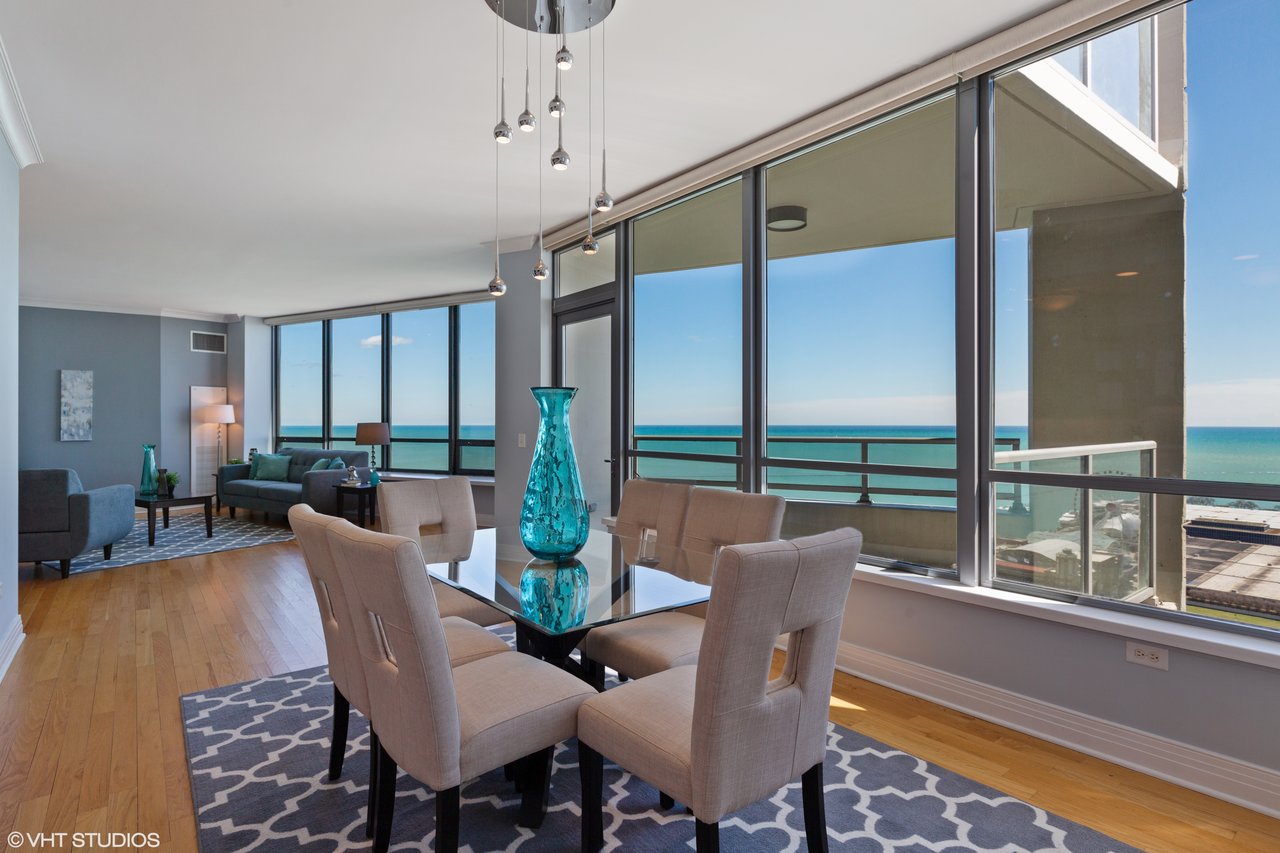
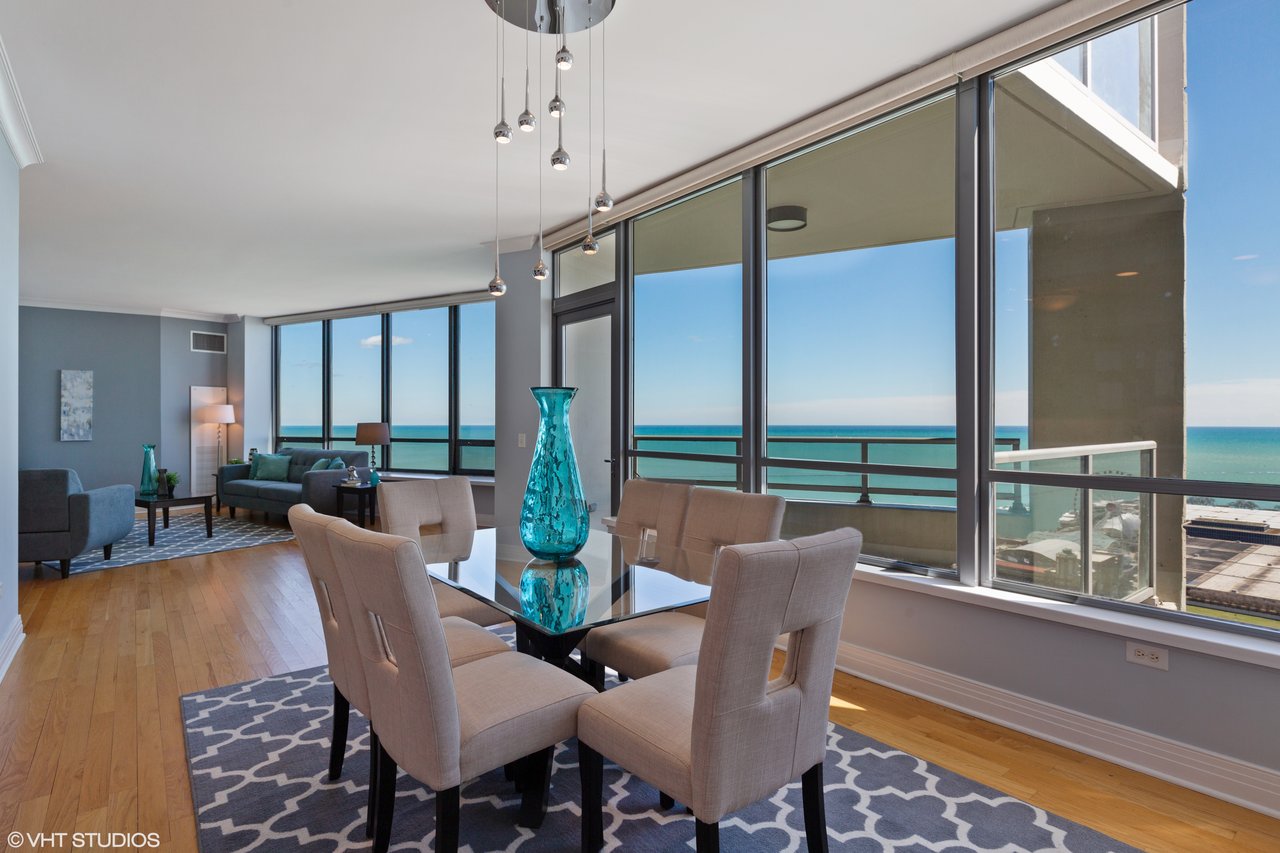
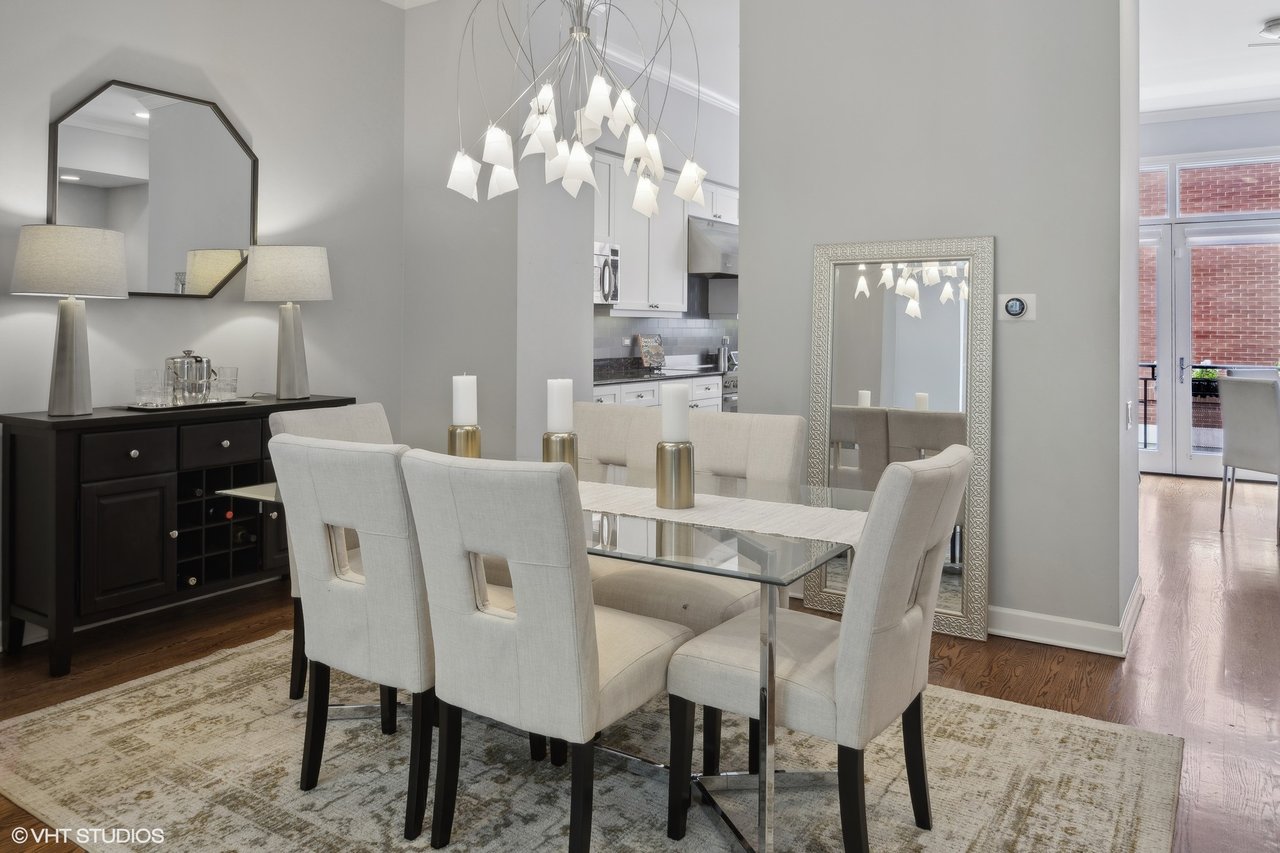
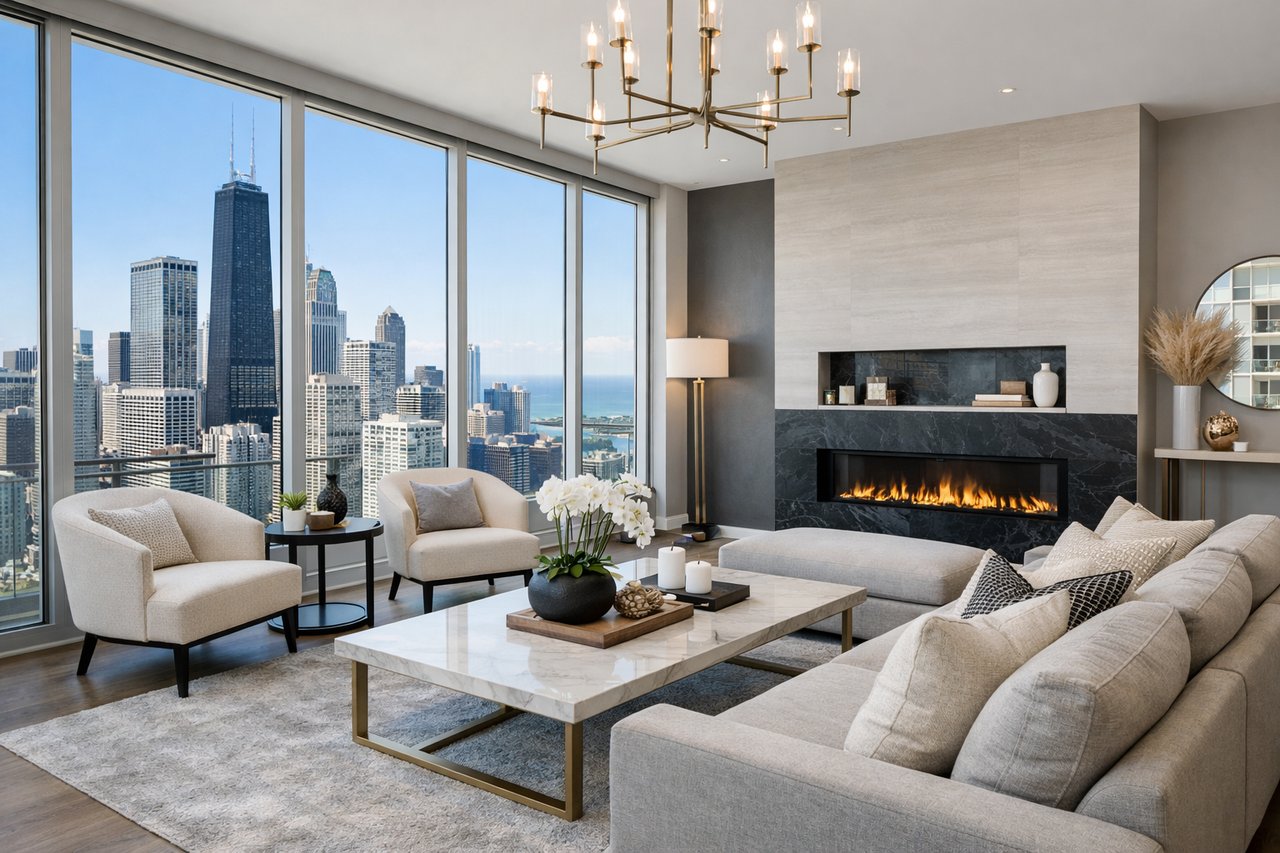
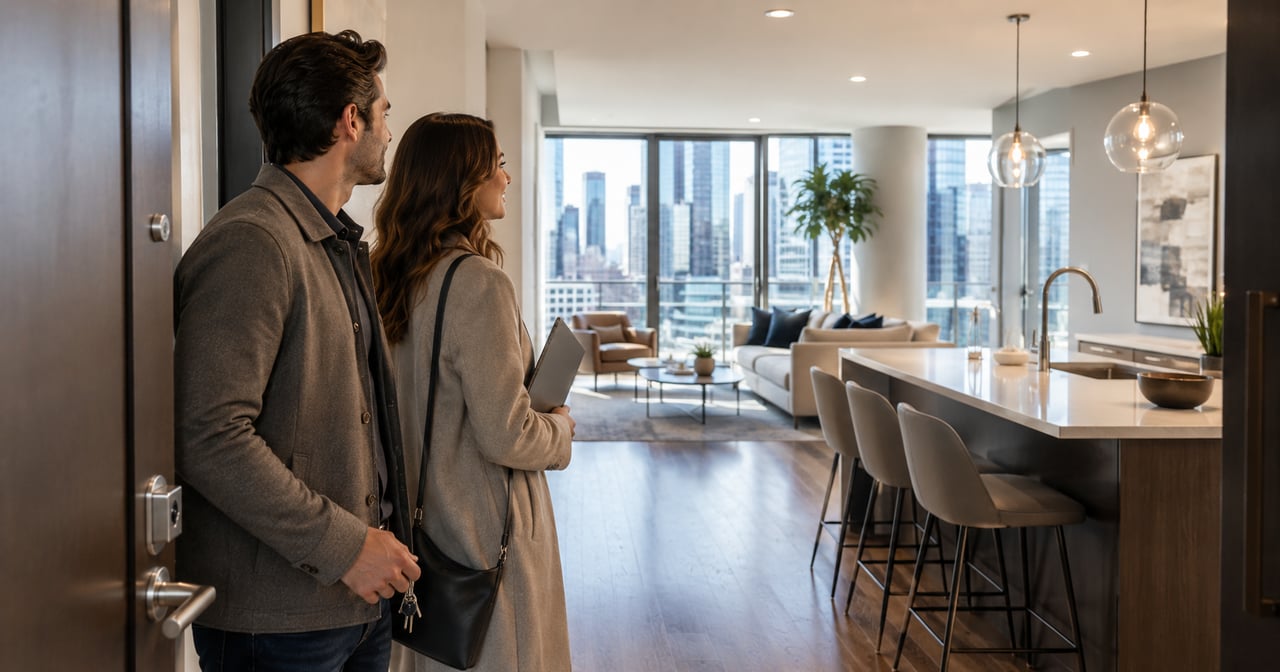
Your living room should feel open, bright, and easy to understand. If the current layout makes the room feel crowded, remove extra chairs, side tables, or oversized pieces that block circulation. A simpler furniture plan often makes a condo feel larger right away.
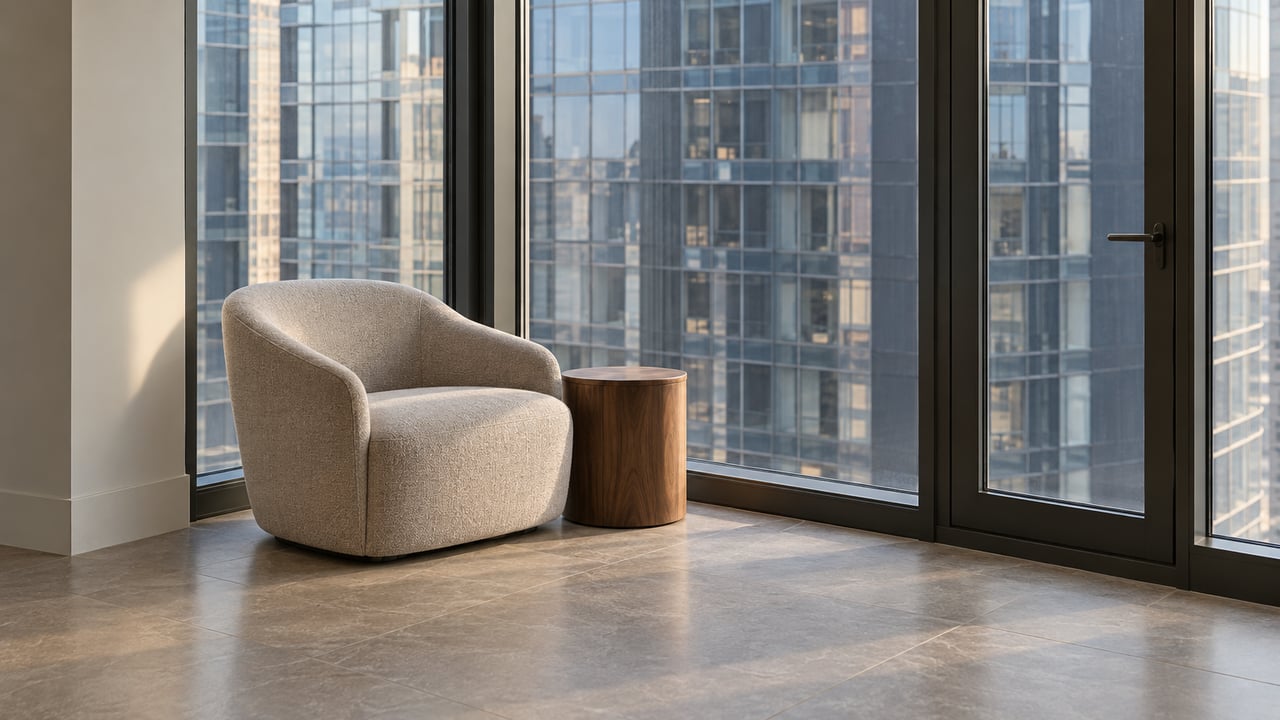
Use neutral textiles and a lighter visual palette where possible. This does not mean the room has to look bland. It means buyers should notice the room itself before they notice your style choices.
Primary bedroom staging
The primary bedroom should read as restful and spacious. Clear off dressers and nightstands, reduce excess bedding, and store away personal items that make the room feel busy. If the room is tight, right-sized furniture can make a major difference.
Buyers also respond well to a bedroom that feels finished but not overdone. Crisp bedding, soft lighting, and clear floor space can make the room look more polished in person and in photos.
Kitchen staging
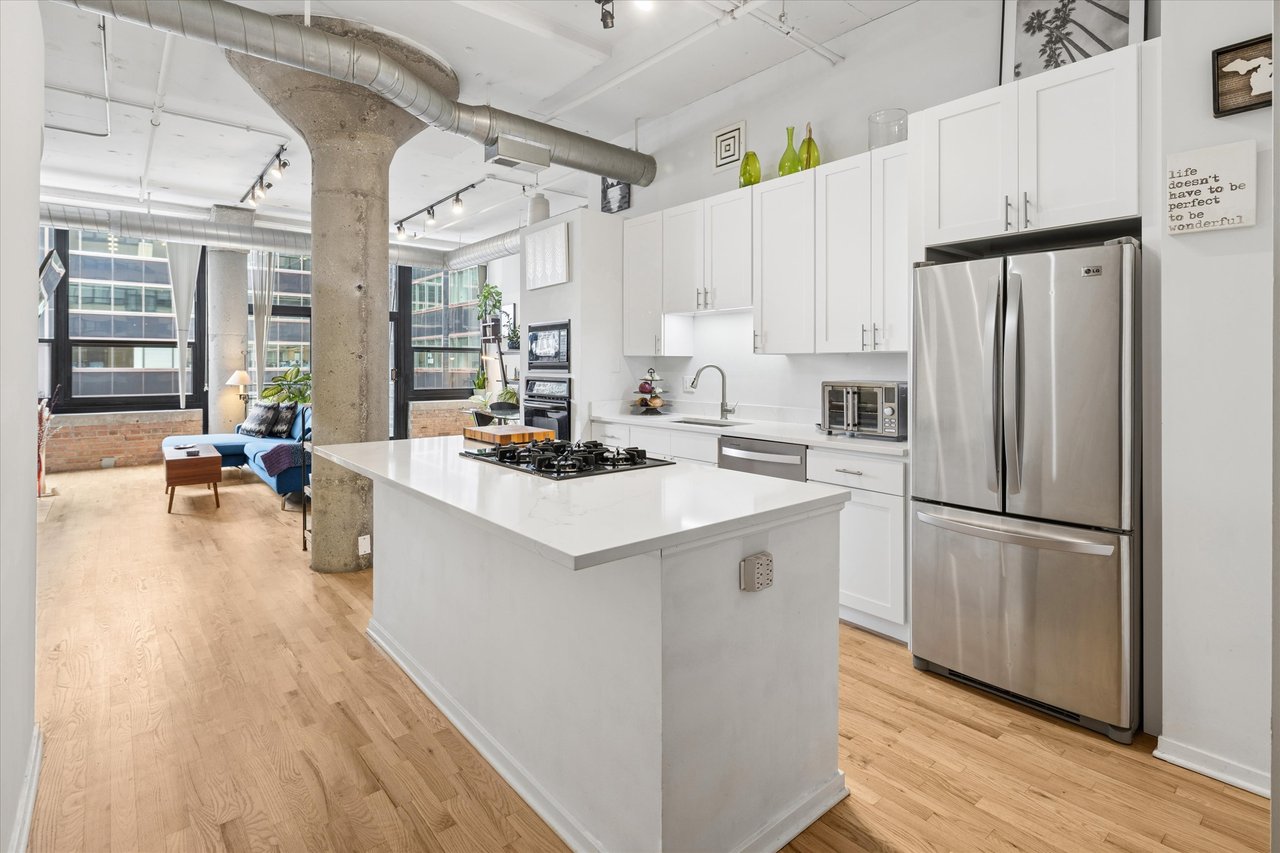
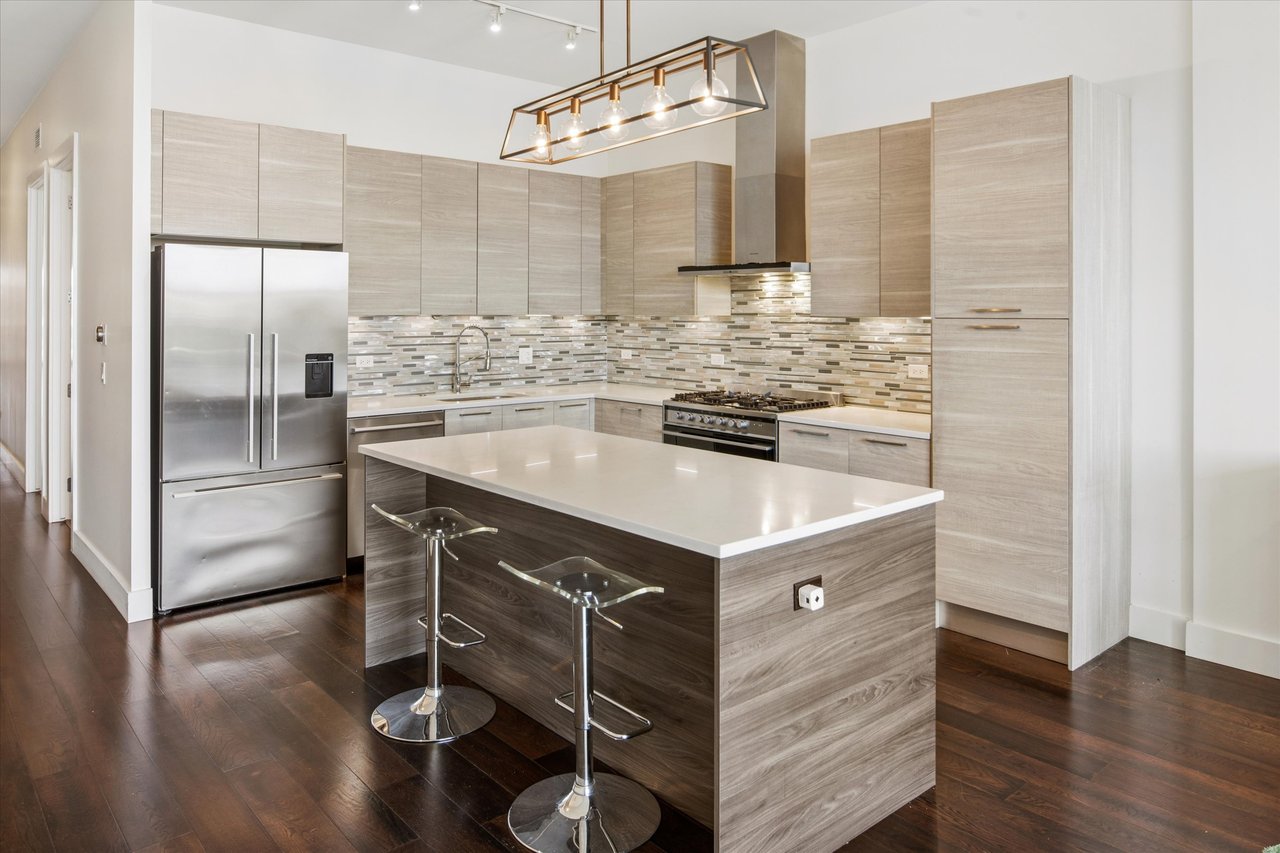
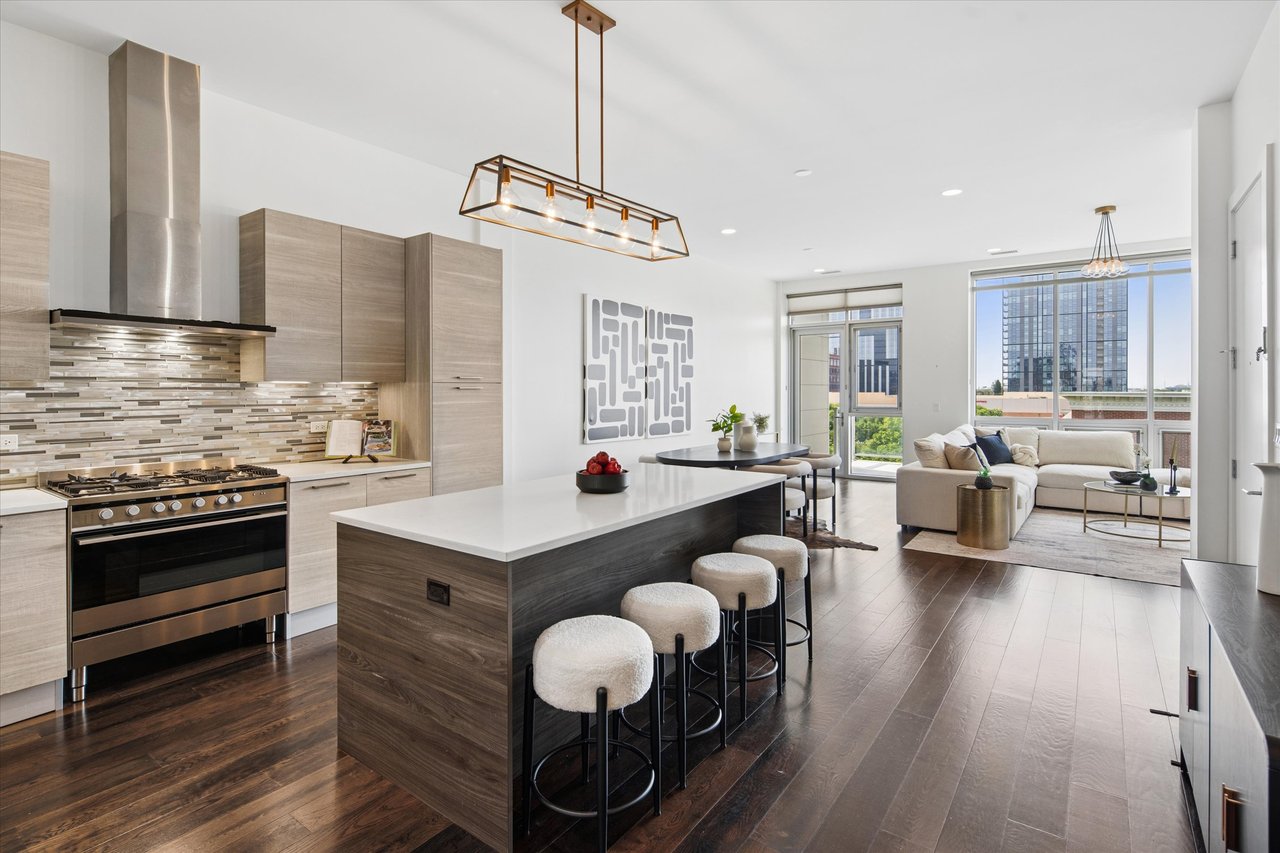
In an older condo, the kitchen does not have to be newly renovated to show well. It does need to look clean, functional, and cared for. Clear countertops, remove magnets and paper clutter, and keep only a few simple items on display.
If lighting is weak, make that a priority. Brighter bulbs and a deep clean can make older finishes feel fresher. In many cases, buyers will respond better to a spotless, well-edited kitchen than to one packed with decorative accessories.
Flex space staging
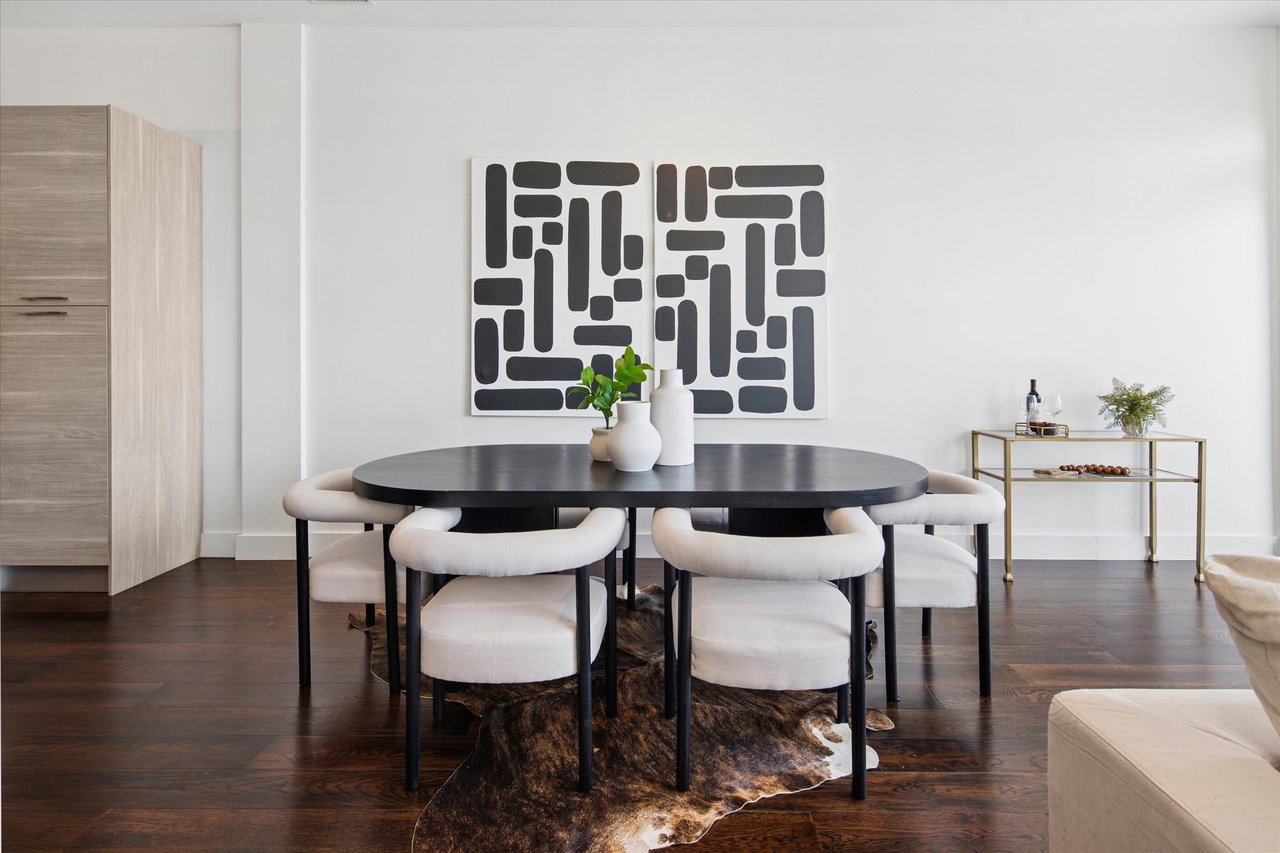
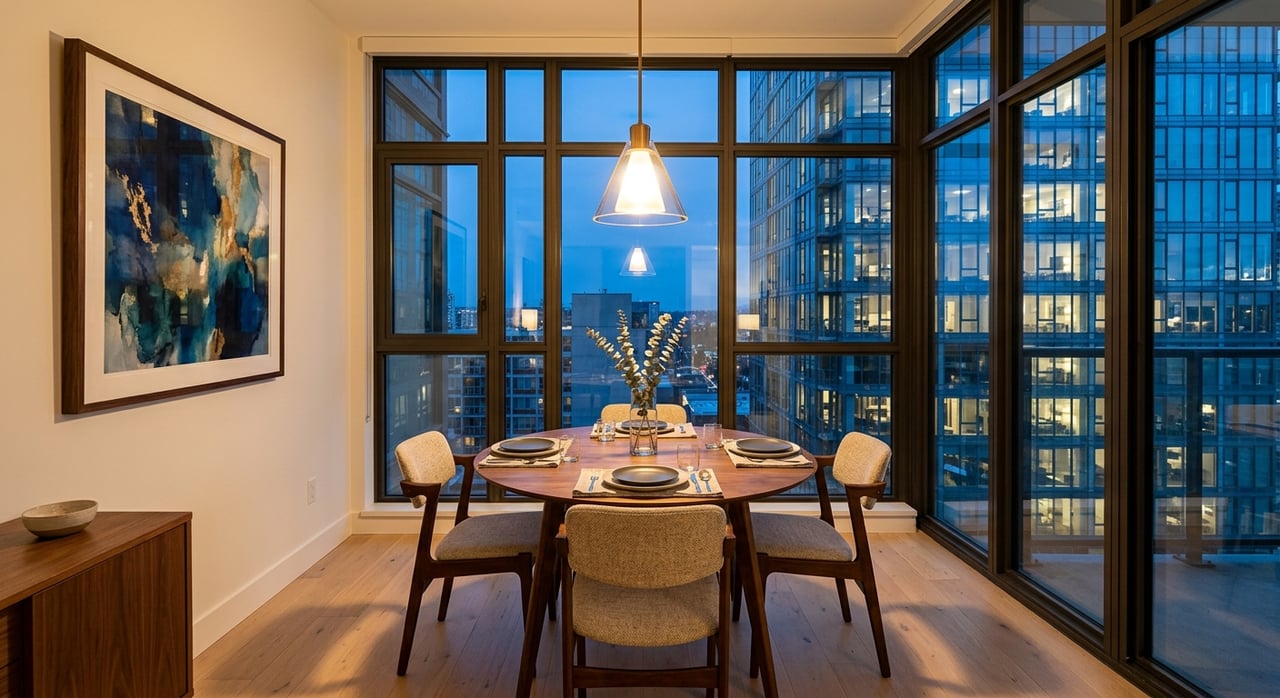
Today’s buyers often look for spaces that can do more than one job. A corner that could work as a desk area, reading nook, or guest setup may carry more weight than a room with no clear purpose. If your condo has a small den, alcove, or extra-wide landing area, stage it intentionally.
This is especially important in urban condos where square footage has to work hard. Showing flexibility helps buyers connect the home to everyday living, whether that means working from home, hosting guests, or simply having more usable space.
Edit first, spend second
For most occupied condos, the smartest staging move is not a big furniture order. It is editing. The National Association of Realtors describes staging as cleaning, decluttering, repairing, depersonalizing, and updating a home so buyers can imagine living there.
That definition matters because sellers often assume staging starts with buying things. In reality, the biggest gains usually come from removing distractions and improving flow. Seller-agent data from the same organization shows the most common recommendations were decluttering, cleaning the entire home, and improving curb appeal.
In a condo setting, your practical checklist may look like this:
- Remove extra furniture that makes rooms feel tight
- Pack away personal photos and highly specific décor
- Clear kitchen and bathroom counters
- Organize closets to show usable storage
- Repair loose hardware, chipped paint, or visible wear
- Deep-clean floors, windows, tile, and grout
- Replace burned-out bulbs and improve warm, even lighting
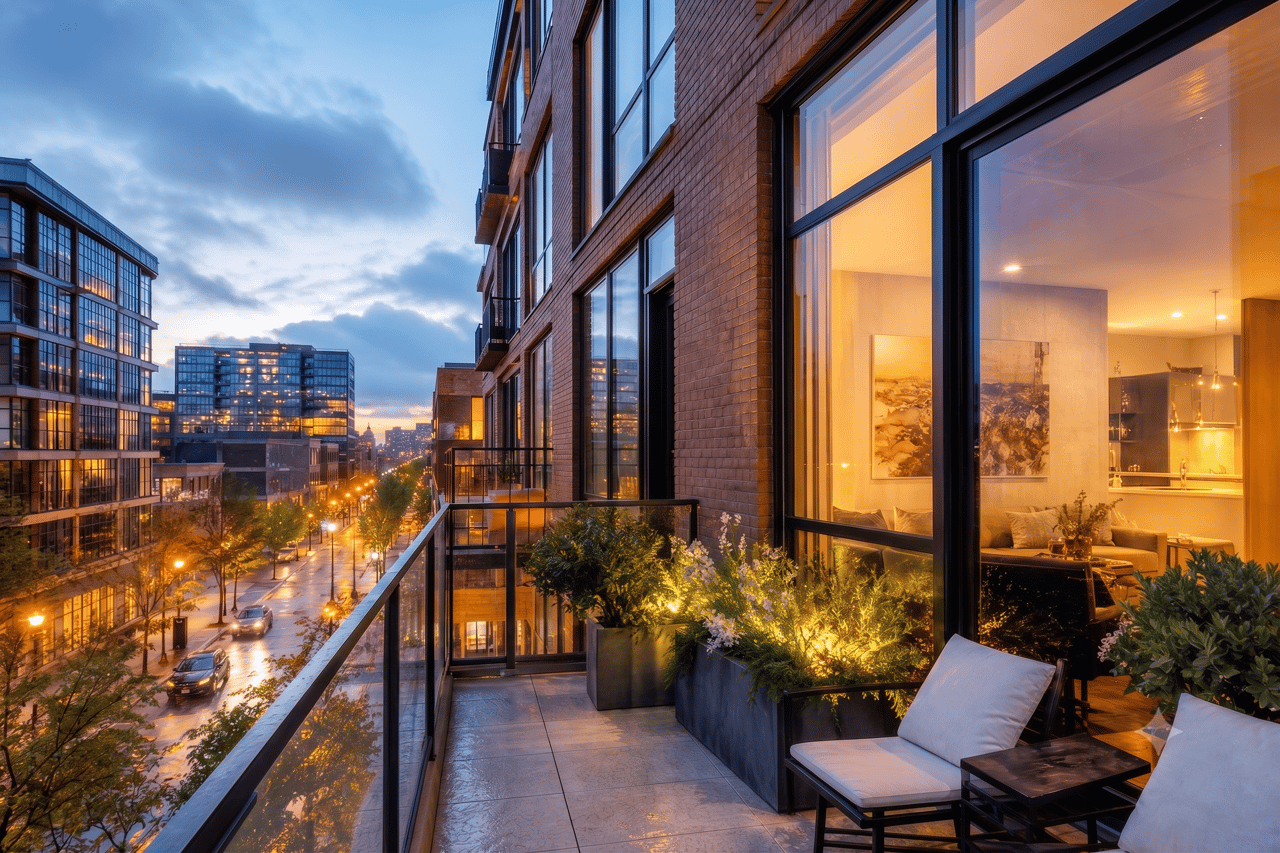
- Simplify balcony or patio furniture if you have outdoor space
For many Old Town sellers, this is where value is created. A cleaner, lighter, more open condo often looks more current without a major pre-sale investment.
Use light updates to modernize the feel
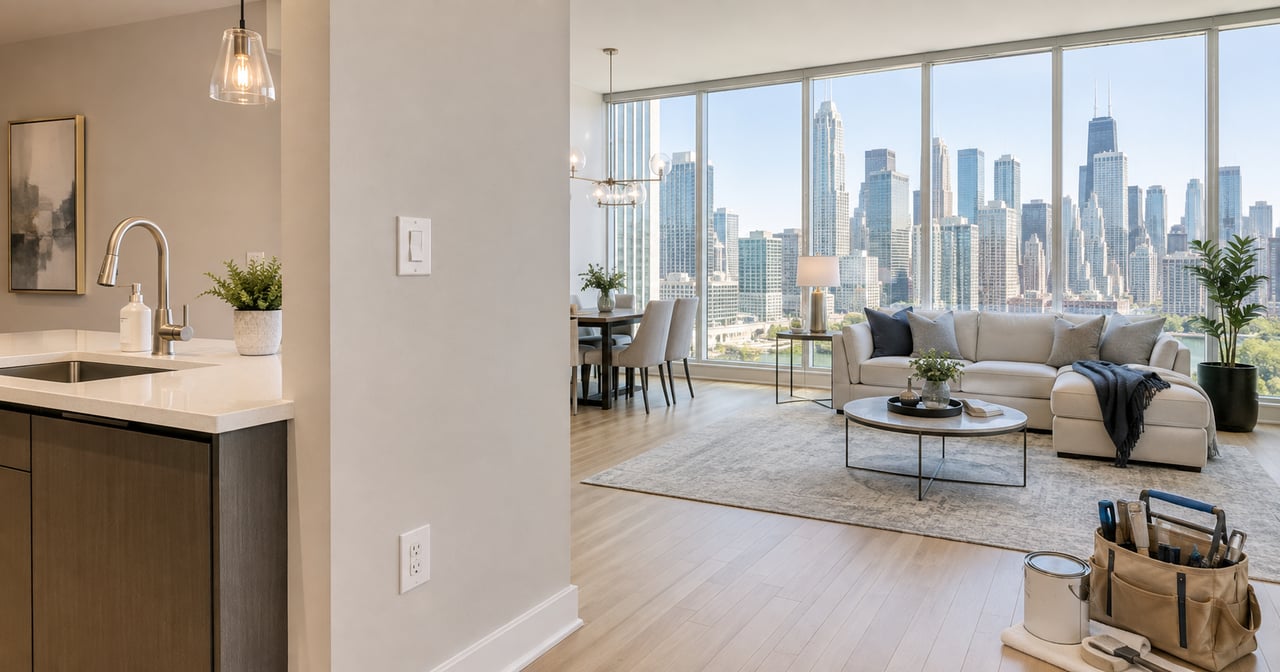
When an older condo needs help, the strongest updates are often the lightest ones. Neutral wall colors, better lighting, streamlined décor, and cleaner-looking flooring can shift the feel of a home quickly. These changes support the space instead of competing with it.
This approach works well in Old Town because buyers are often drawn to homes with personality. If you erase too much of that personality, the condo can lose its edge. If you keep too much visual noise, buyers may miss the potential.
Think of staging as selective clarity. You are not trying to reinvent the condo. You are helping buyers see the version of it that feels easiest to move into.
Stage for photos before showings
Today’s buyers often meet your condo online before they ever step inside. The same National Association of Realtors research found that 52% of buyers found the home they purchased online, and 81% rated listing photos as the most useful online search feature. That makes visual presentation a marketing issue, not just a showing issue.
It also means the listing should be camera-ready before photography begins. The lead image can shape whether a buyer clicks, and early clicks, saves, and shares can help a listing gain traction. In other words, staging and marketing work best when they are planned together.
For an Old Town condo, that usually means:
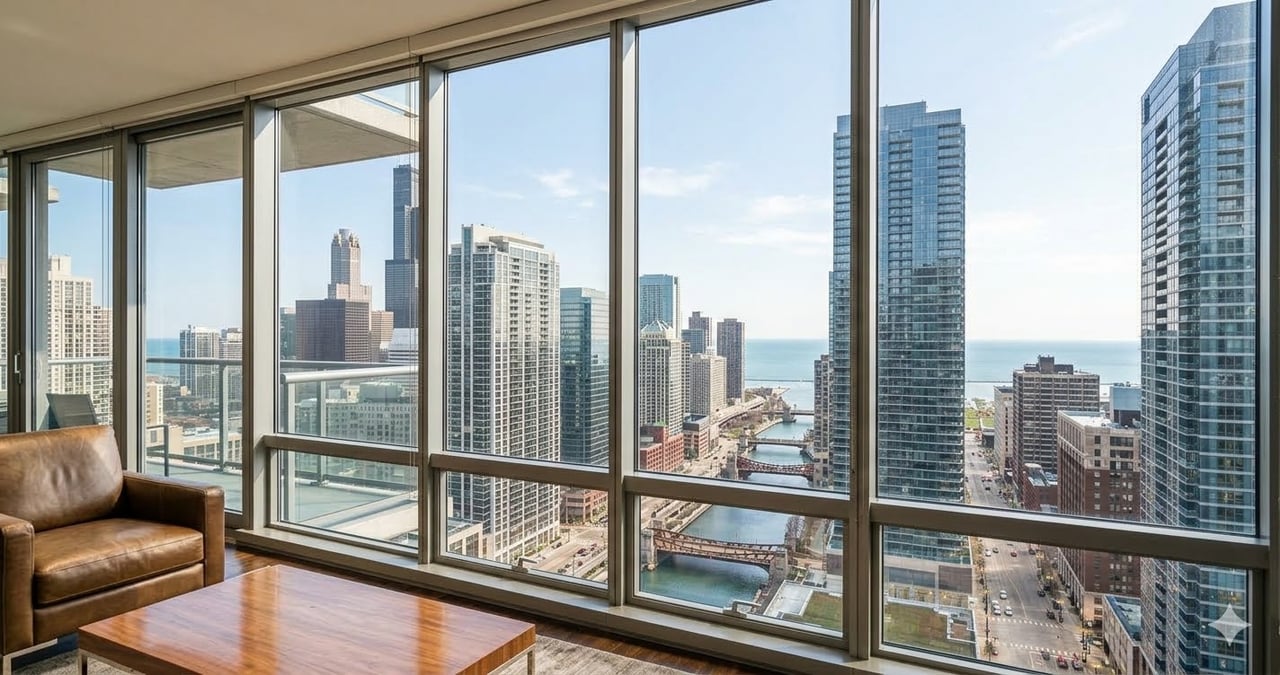
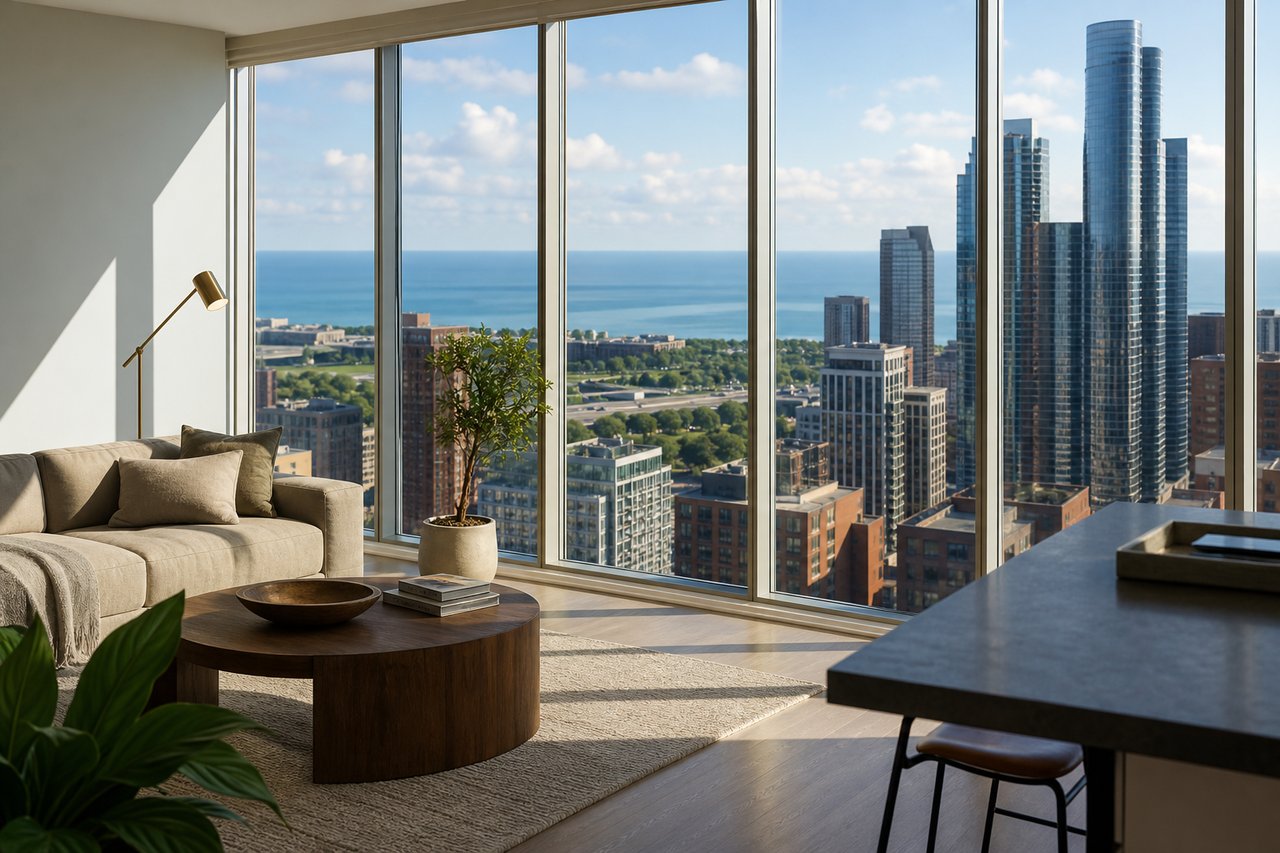
- Prioritizing natural light
- Keeping window lines clear
- Creating simple, symmetrical furniture layouts
- Highlighting period details without clutter
- Making small spaces read with a clear purpose
- Styling any balcony or outdoor area in a clean, usable way
If the home is vacant or only partly furnished, virtual staging can sometimes help buyers understand the space. It is most useful when traditional staging is impractical, but it should support honest photography rather than replace it.
Match the listing story to the staging
A well-staged condo needs listing copy that supports what buyers are seeing. If photos show an efficient layout, bright living area, flexible nook, or usable outdoor space, the property description should name those benefits clearly. Buyers respond best when the presentation and the marketing tell the same story.
For Old Town condos, that story often includes a few practical points buyers care about right away:
- What has been updated
- How the layout lives day to day
- Where storage shows up
- Whether there is flexible work-from-home space
- Whether there is outdoor space
- How the condo supports low-maintenance city living
This is where experienced seller representation can make a real difference. Strong staging gets attention, but thoughtful photography, video, pricing, and listing strategy help turn that attention into showings and offers.
Old Town staging mistakes to avoid
Sellers sometimes overcorrect when they hear the word staging. In Old Town, the goal is usually not to make the condo look trendy at all costs. It is to make it feel bright, easy, and authentic.
A few common mistakes can get in the way:
Hiding the historic details
If original trim, molding, windows, or built-ins are part of the home’s appeal, do not cover them with bulky décor or awkward furniture placement. Buyers should be able to notice those details quickly.
Over-decorating the space
Research shows many buyers expect homes to look like TV-staged homes, and many feel disappointed when reality falls short. That is exactly why realistic, polished staging works better than gimmicks. Too many accessories can make a condo feel smaller and less believable.
Ignoring storage and function
Urban buyers notice how space works. If closets are overstuffed, a den has no purpose, or the entry is chaotic, buyers may assume the condo lacks function. Show them how the home lives, not just how it looks.
Spending in the wrong places
Before you invest in larger cosmetic projects, handle the basics first. Cleaning, decluttering, repairs, and lighting usually deliver more immediate return than decorative upgrades that do not improve how the home shows.
Why seller-first execution matters
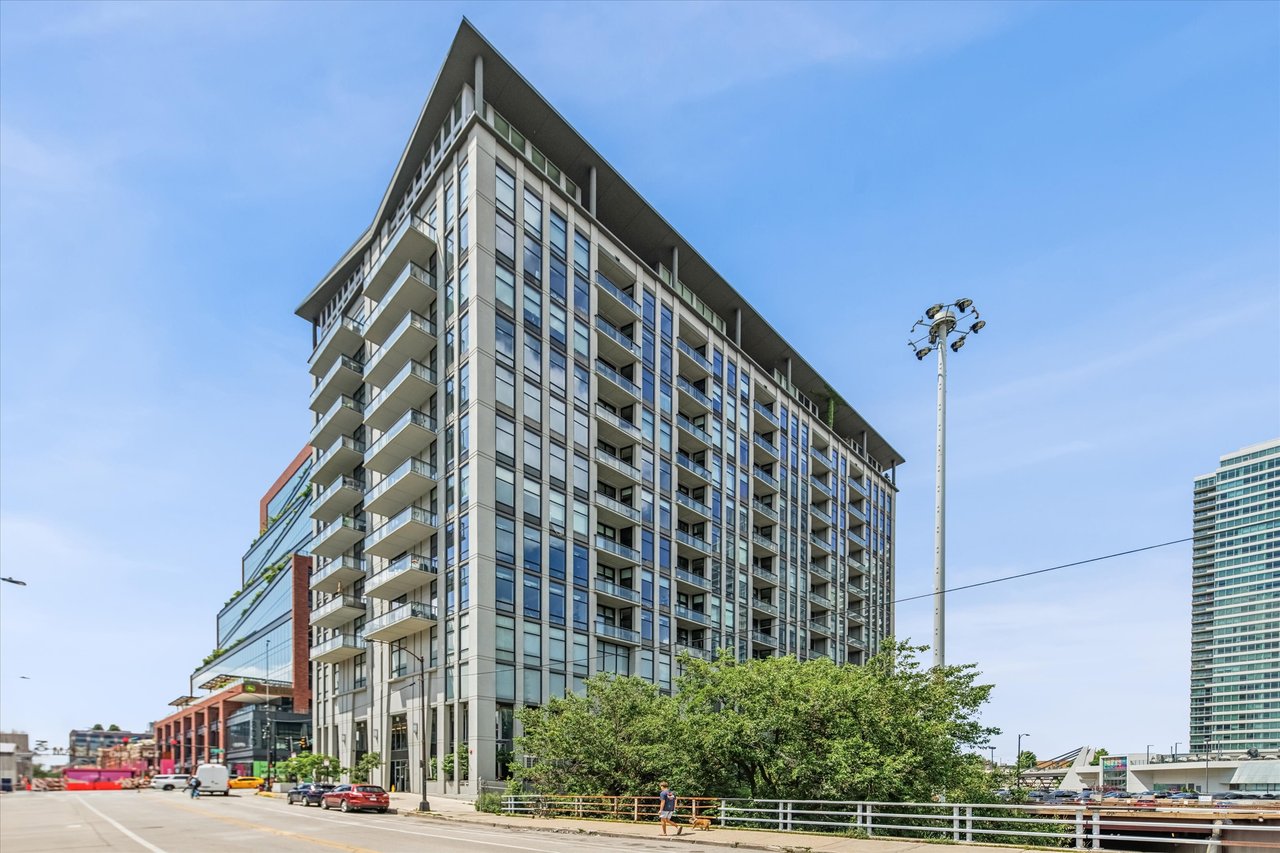
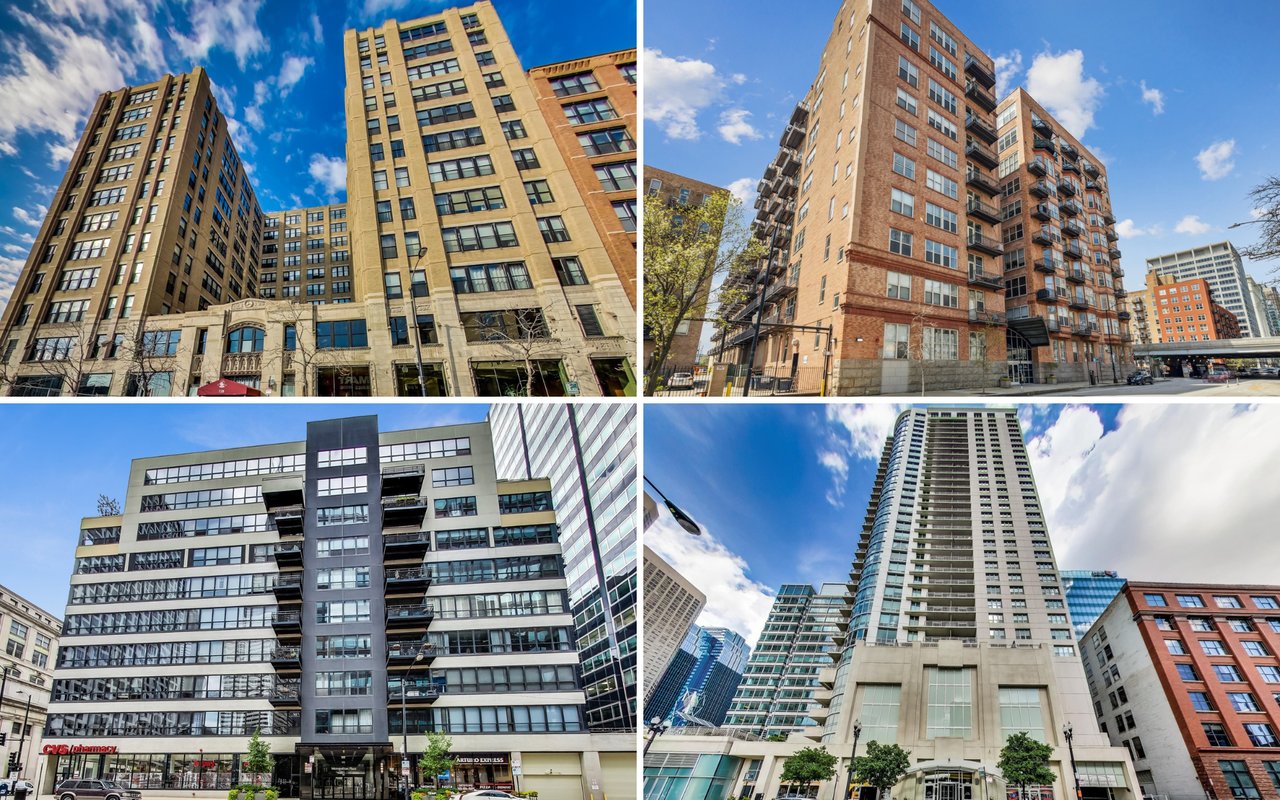
Old Town condos often need a tailored approach. A vintage walk-up, a mid-rise unit, and a more updated condo can all require different staging choices, pricing strategy, and marketing emphasis. That is why local, building-level perspective matters.
For sellers, the strongest outcome usually comes from a coordinated plan. Staging should support the price, photography should support the listing launch, and the marketing should reflect how buyers actually shop today. When those pieces work together, your condo has a better chance to stand out for the right reasons.
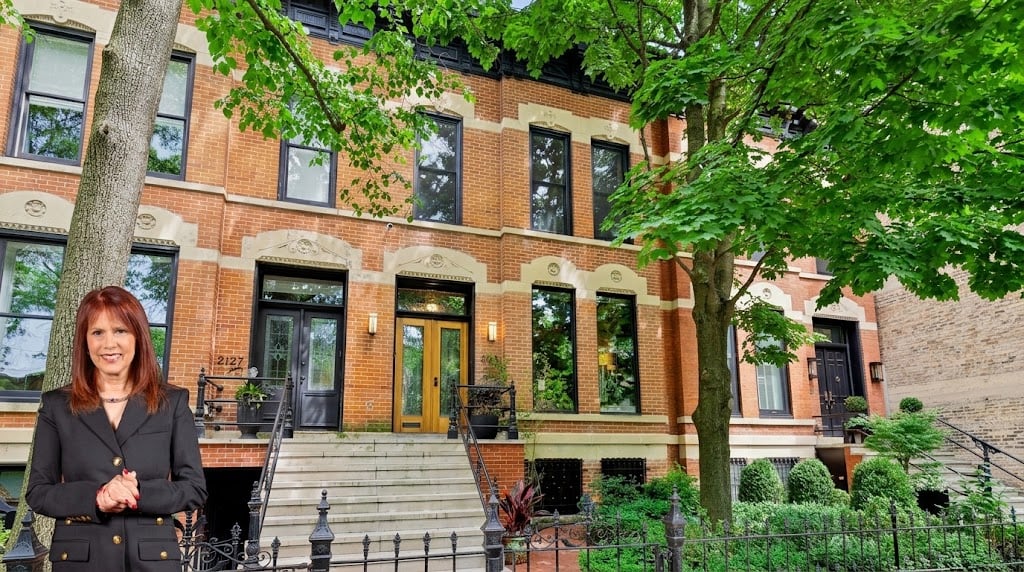
If you are preparing to sell an Old Town condo, a character-first staging plan can help you modernize the feel without losing what makes the home special. For tailored guidance on positioning, preparation, and marketing, connect with Christine Hancock - Hancock Group.
FAQs
What does staging an Old Town condo usually involve?
- Staging usually starts with deep cleaning, decluttering, depersonalizing, light repairs, better lighting, and simple furniture edits that make the condo feel more open and easier for buyers to picture as their future home.
Which rooms matter most when staging a condo in Old Town?
- The living room, primary bedroom, and kitchen are the highest-priority spaces to stage, and many Old Town condos also benefit from clearly staged entries, dens, nooks, or outdoor areas.
Should you renovate or stage an older Old Town condo before listing?
- In many cases, light updates and smart staging are the better first step because they improve presentation quickly while preserving the condo’s original character.
How important are listing photos for an Old Town condo sale?
- Listing photos are extremely important because many buyers begin online, and strong visuals can influence whether a home gets clicks, saves, shares, and showing interest.
Can you stage a condo in a Chicago landmark area without affecting historic rules?
- Interior staging is generally different from exterior alteration, so sellers can often refresh and simplify the inside while separately planning any exterior work that may require city review.
Why do Old Town condo sellers benefit from local staging strategy?
- Old Town buyers often respond to a mix of historic character, efficient layout, and polished online presentation, so a local strategy helps you highlight what matters most in this specific market.