Pricing Your Downtown Chicago Home Right From Day One
THE SHORT ANSWER
How should you price a Downtown Chicago condo when you list it? Price it to the last 90 days of closed comps in your building and your sub-neighborhood. Downtown Chicago's median days on market ran about 38 days in August 2026. Overpriced units routinely sail past 90.
Your list price is not a number. It's a signal.
Here's what most sellers get wrong.
They think the list price is a starting point. A conversation opener. Something you float high and negotiate down.
In Downtown Chicago? It doesn't work that way.
Your opening price is a signal. Buyers read it in about four seconds, right there on their phone, before they ever click a photo. Price it right and the serious ones show up in the first two weeks. Price it high and they scroll on by, and you spend the next three months chasing them down with reductions.
Same buyers. Same unit. Completely different outcome.
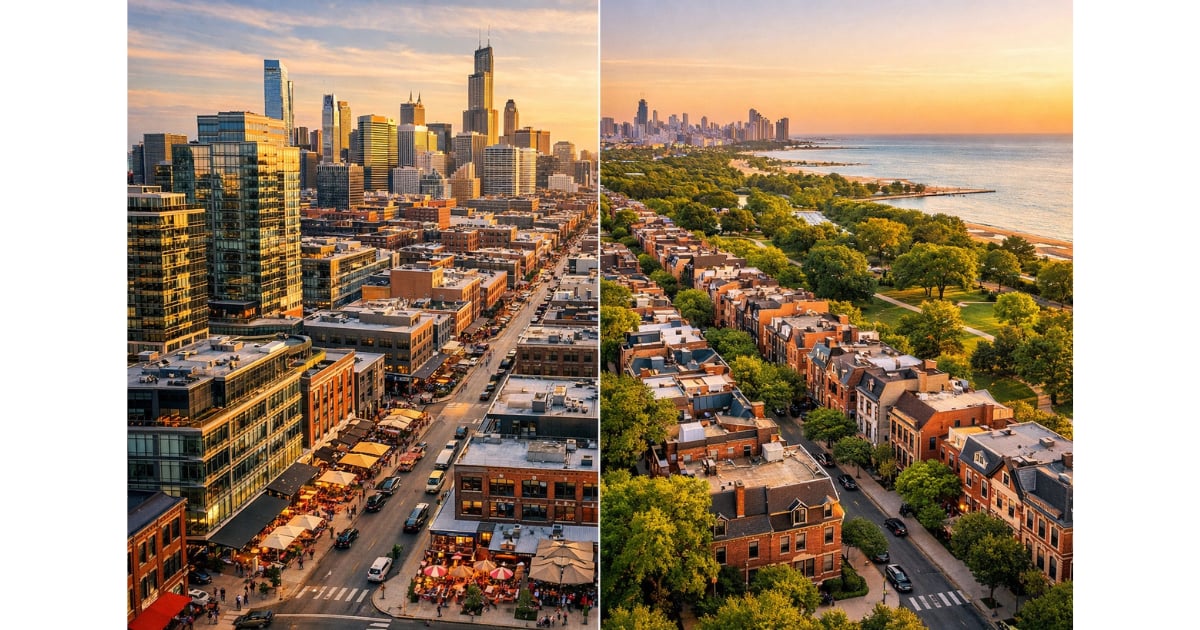
Downtown Chicago is not one market. It's a dozen.
That's the part a Zillow estimate can't see.
The Realtor.com data as of August 2026 put Downtown Chicago's median listing price near $475,000, with a median around $407 per square foot and median days on market around 38 days. Citywide? Roughly 35 days.
So downtown already runs a little slower. And it gets slower FAST when a listing is mispriced.
Wait, why do the numbers keep changing?
Because they are answering different questions.
A median listing price near $475,000 tells you what sellers are asking today. A median sale price closer to $464,800 over a trailing three months tells you what buyers actually paid. Both are true. Only one of them is money in your pocket.
Days on market works the same way. Around 38 days as a median from one source. Closer to 50 to 52 days as a broader downtown read from another. Different sources, different time windows, different math.
So before you price off any number you read online, ask one question: is this what people are ASKING, or what people PAID?
That single distinction saves sellers more money than any negotiating tactic.
Now zoom in. Look at how differently these neighborhoods behave as of September 2026:
Area | Median Sale Price | Median Days on Market |
|---|---|---|
River North | $427,500 | 75 |
Gold Coast | $490,000 | 61 |
Lincoln Park | $890,000 | 33 |
Lincoln Park moves in 33 days. River North takes 75.
That gap isn't luck. It's pricing.
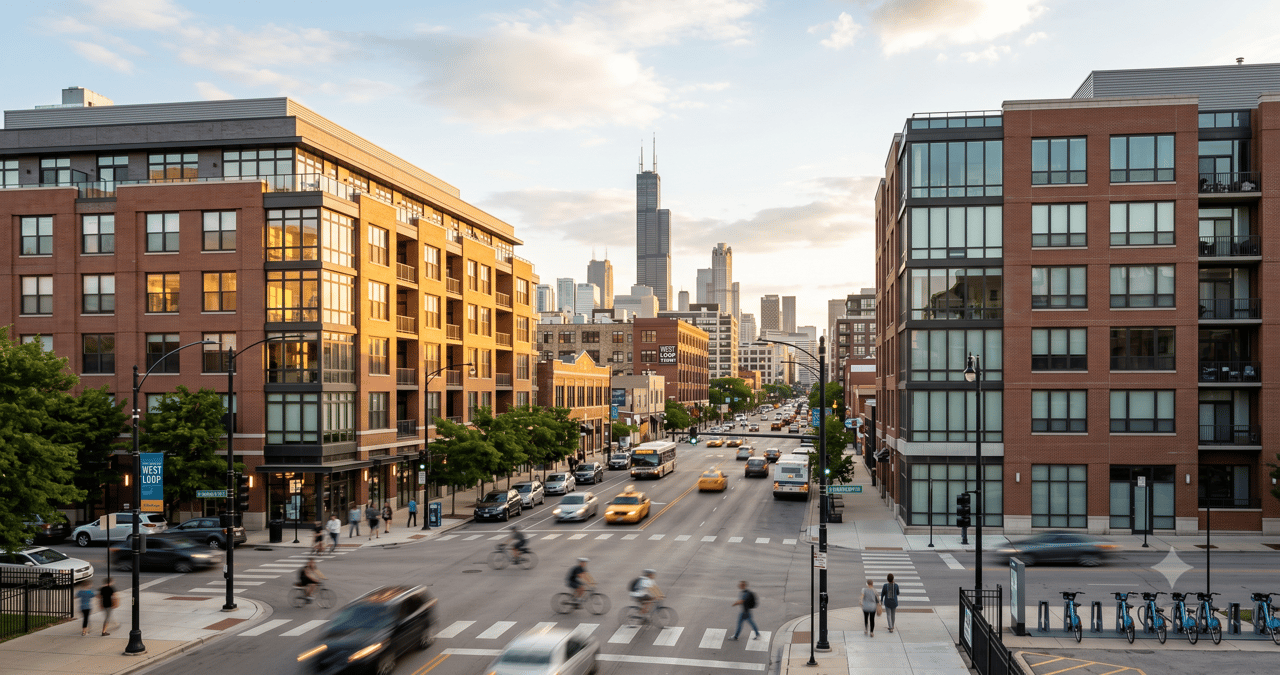
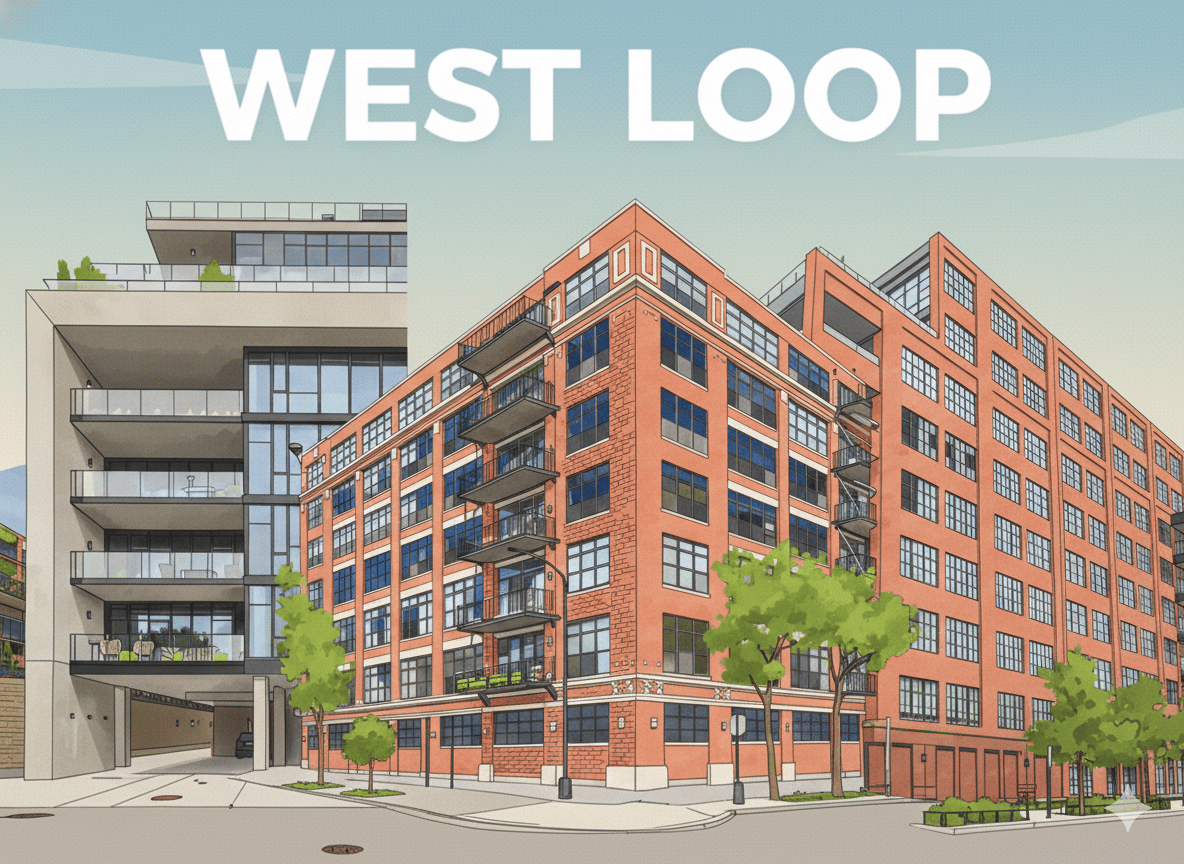
The West Loop tells the same story from a different angle. Median sale price of $350,000, median days on market of 37, and only 61 closed sales in the trailing 90 days. That's a thin pool. When there are only sixty-some closings in a quarter, every single buyer matters, and one wrong number on day one costs you a meaningful share of them.
Then there's the Near North Side. As of May 2026: median listing price around $552,500, about 33 days on market, and a sale-to-list ratio close to 99%.
Read that last one again.
Ninety-nine percent means buyers here pay right at asking when the price is right. There's no cushion built in. No room to test high and walk it back. The number you pick is very close to the number you get.
Why 2025's numbers won't save a 2026 price
This one comes up almost every week.
"But the unit down the hall sold for X last year."
Sure. And 2025 was a strong year. Chicago saw roughly 9.4% citywide appreciation over 2024 by some measures. Then early 2026 cooled off, with January median prices running notably lower year over year in some downtown segments.
That whipsaw is the whole problem.
Your buyer isn't shopping 2025. Their agent pulled the last 90 days this morning. They have fresh comps, live listings, and full visibility into what actually closed in your building.
So use the most recent comps. Not the best ones from the last 18 months.
Because that's exactly what the buyer's agent is doing.
What actually happens when you overprice
I've watched this play out enough times to write the script in advance.
- Weeks one and two: peak attention. Every active, qualified buyer in your price band is watching the market daily. Your listing hits. They compare it to everything else they've seen. They either book a showing or they don't.
- The price feels off, so they wait. Not forever. They just move to the next unit. You never even know they were there.
- The pool shrinks. What's left after that window is a smaller, less motivated group. Days start stacking up.
- You reduce. Too late. Buyers already clocked the days on market. Some wonder what's wrong with the unit. Others treat the price cut as an invitation to push harder.
- You land at or below where you could have started. Plus weeks or months you didn't plan for.
The numbers back this up. A March 2026 analysis of Downtown Chicago condos found average days on market around 91 days for units that were sitting, driven largely by overpricing relative to condition. Meanwhile, well-priced listings in tighter sub-markets were closing in under 40 days.
That's not a rounding error. That's the difference between a spring sale and a summer one.
And here's the twist: the market is actually tightening. Redfin data for Downtown Chicago as of June 2026 showed average days on market around 52 days, down from 62 the prior year.
Tightening doesn't mean buyers got less picky.
It means well-priced units are moving faster while overpriced ones sit just as long as ever. The market is rewarding precision, not optimism.
Condition and price get judged together
Downtown Chicago buyers know what "updated" is supposed to look like.
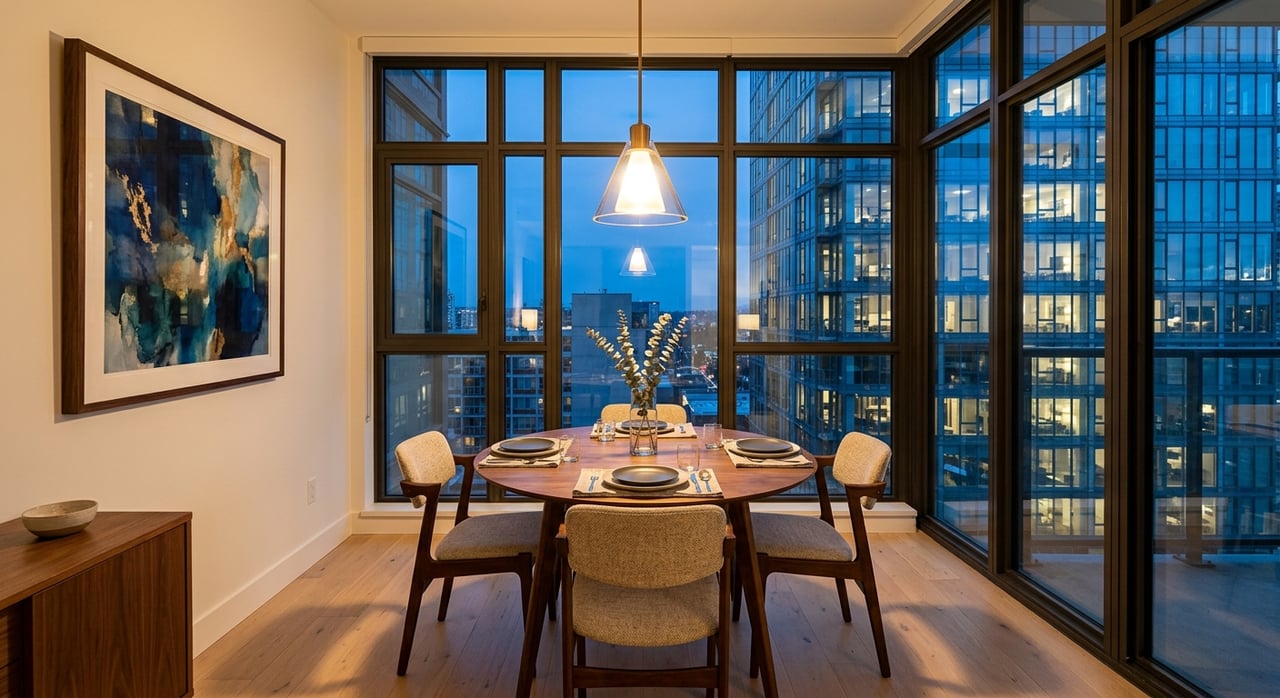
A unit marketed as updated that shows 2015 finishes, worn flooring, and older appliances will underperform at an aggressive price. Even with tight inventory. The price has to match what a buyer sees when they walk in, not what you spent eight years ago.
Local brokerage analysis as of August 2026 puts downtown core condos trading roughly in the $400 to $475-plus per square foot range, with the Loop specifically around $442 per square foot.
So here's the simple version:
- A dated unit priced at the top of that range will sit.
- A move-in-ready unit priced at the midpoint will move.
Condition is the variable that decides whether you price above, at, or below the range. Not gut feel. Not what you need to net.
What your attorney sees before the buyer does
Every Illinois residential sale runs through a real estate attorney, from contract to closing. Attorney review. Inspection negotiations. Closing documents.
But an experienced Downtown Chicago attorney brings something else: building-level knowledge.
HOA financial health. Pending special assessments. Short-term rental restrictions. Building litigation. Parking arrangements.
Every one of those affects what a buyer will pay, and what makes them walk during attorney review. These are not abstract worries. They are the exact items that surface AFTER contract and blow up deals.
Which is why we flag them BEFORE we set a price. Not after.
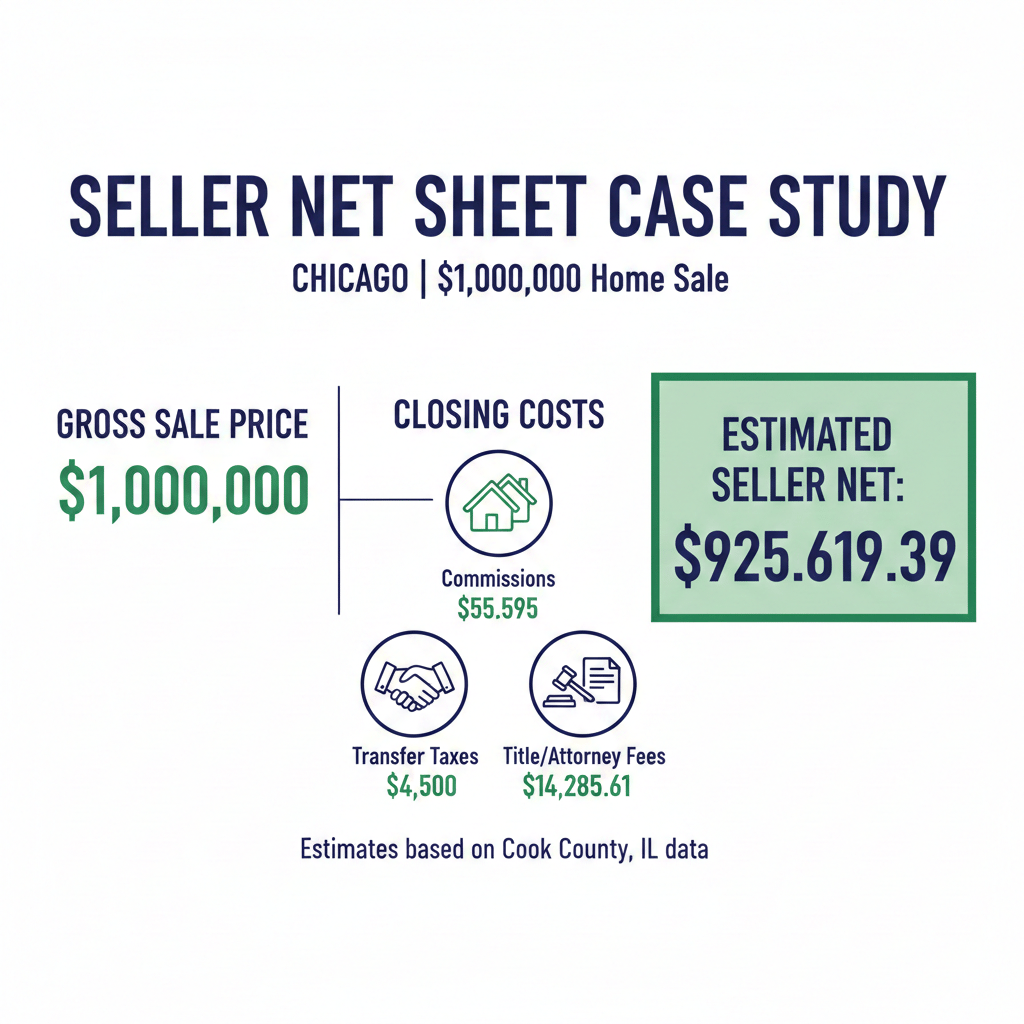
Costs in an Illinois sale split into fixed statutory items like state and county transfer taxes and recording fees, and negotiable items like repair credits, closing cost credits, and home warranties. Who pays what depends on local custom and what gets written into the contract. None of that changes your list price directly. But knowing what the buyer is absorbing lets you price strategically instead of reactively.
Frequently Asked Questions
How long are Downtown Chicago condos taking to sell in 2026 if they are priced right? Well-priced condos in competitive downtown sub-markets have been selling in the 10 to 40 day range in 2026, with the Near North Side showing a median around 33 days as of May 2026. The overall downtown average runs closer to 38 to 52 days depending on the source, but that average includes overpriced listings dragging the number up.
If I list high, won't buyers just wait for a price cut? A few will. Most won't. Active Downtown Chicago buyers compare your unit against everything else at the same price point, and when the number feels off they move on rather than wait. By the time you reduce, the first wave of attention is gone and the buyers who do engage use your price history as leverage.
How much does the specific neighborhood matter when I set my asking price? Enormously. Recent data shows Lincoln Park at a $890,000 median with 33 days on market while River North sits at $427,500 with 75 days. Those are different price points AND different market dynamics. A citywide or even "downtown" average won't give you the precision you need.
Why do some downtown listings sell in under two weeks while others sit for months? Pricing relative to condition. Units priced accurately for their sub-market, shown in move-in-ready condition, and launched with real marketing capture that concentrated first-two-weeks attention. Units priced aspirationally miss the window and slide into a much slower phase where buyer skepticism compounds.
The bottom line
Pricing right on day one is not about leaving money on the table.
It's about capturing the full value of your home by putting it in front of the right buyers at the exact moment they are paying attention.
That takes three things: current neighborhood-level comps, an honest read on condition, and a launch strategy built around the first fourteen days.
You get one shot at a first impression in this market.
Make it count.
Call or text Christine Hancock at 312-296-9300 to talk about your unit's value, or what it would take to get you to the closing table.
About Christine Hancock
Christine Hancock is a seller-first Broker Associate with @properties Christie's International Real Estate, specializing in the West Loop, River North, South Loop, Old Town, and Streeterville. She helps Chicago homeowners maximize their market position through strategic preparation, data-driven pricing, and marketing that builds real demand.
@properties Christie's International Real Estate · 312-296-9300
Equal Housing Opportunity. Christine Hancock, Broker Associate, Chicago Association of Realtors. This article is general information only and does not constitute legal, tax, or financial advice. Please confirm your specific numbers and transaction details with your real estate attorney, tax advisor, or lender.