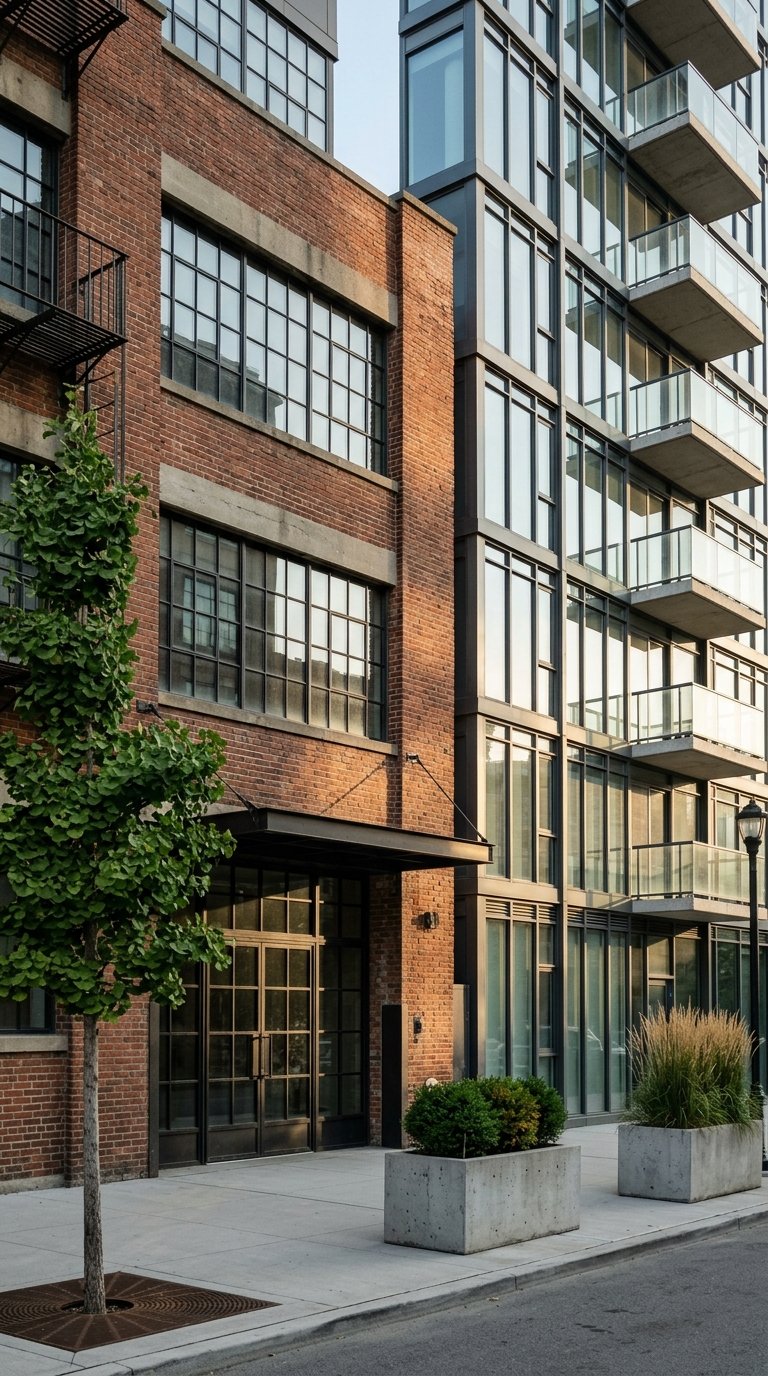
Trying to decide whether a West Loop loft or a newer condo is the better fit? You are not alone. In one of Chicago’s most in-demand condo markets, the choice often comes down to how you want to live, what monthly costs you are comfortable with, and how much value you place on character versus convenience. This guide breaks down the real differences so you can compare West Loop condos with more confidence. Let’s dive in.
Why West Loop Buyers Compare These Two
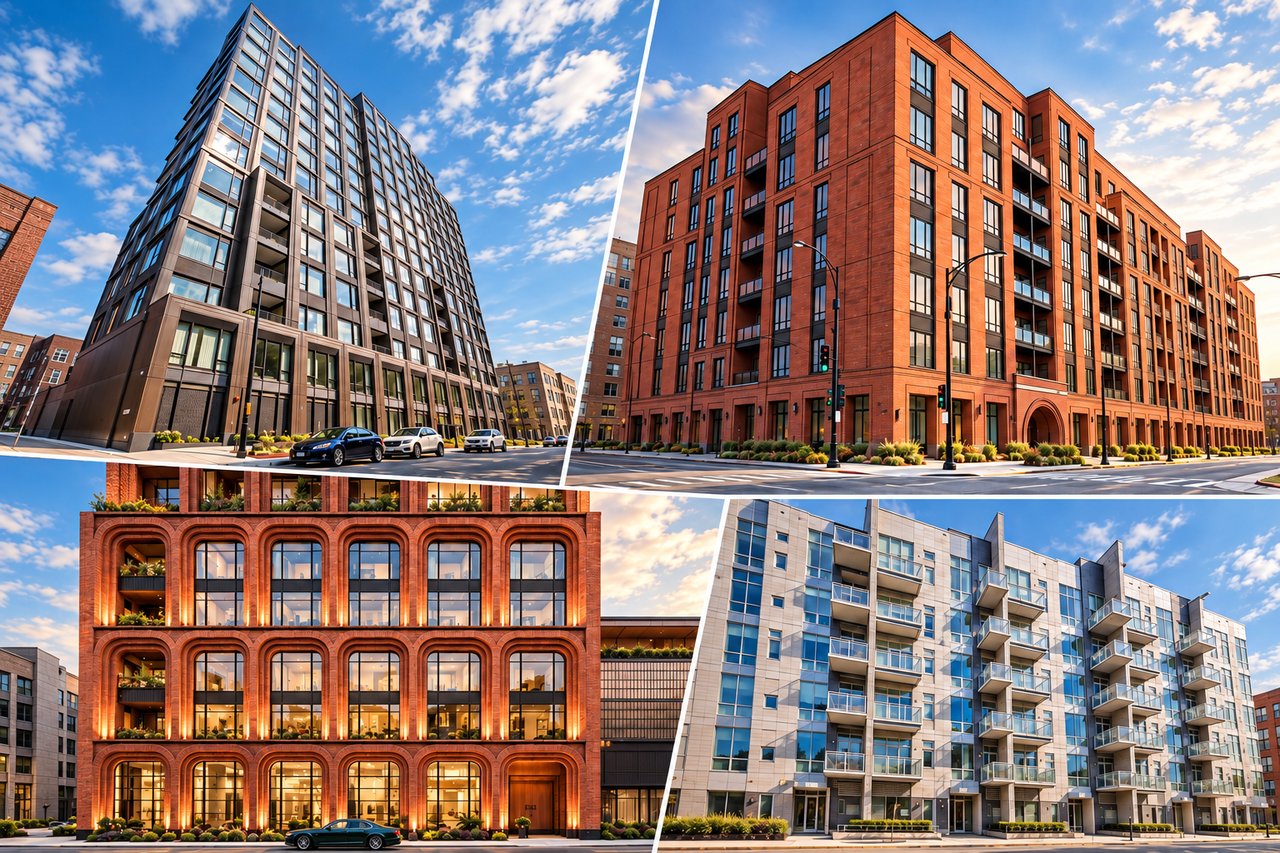
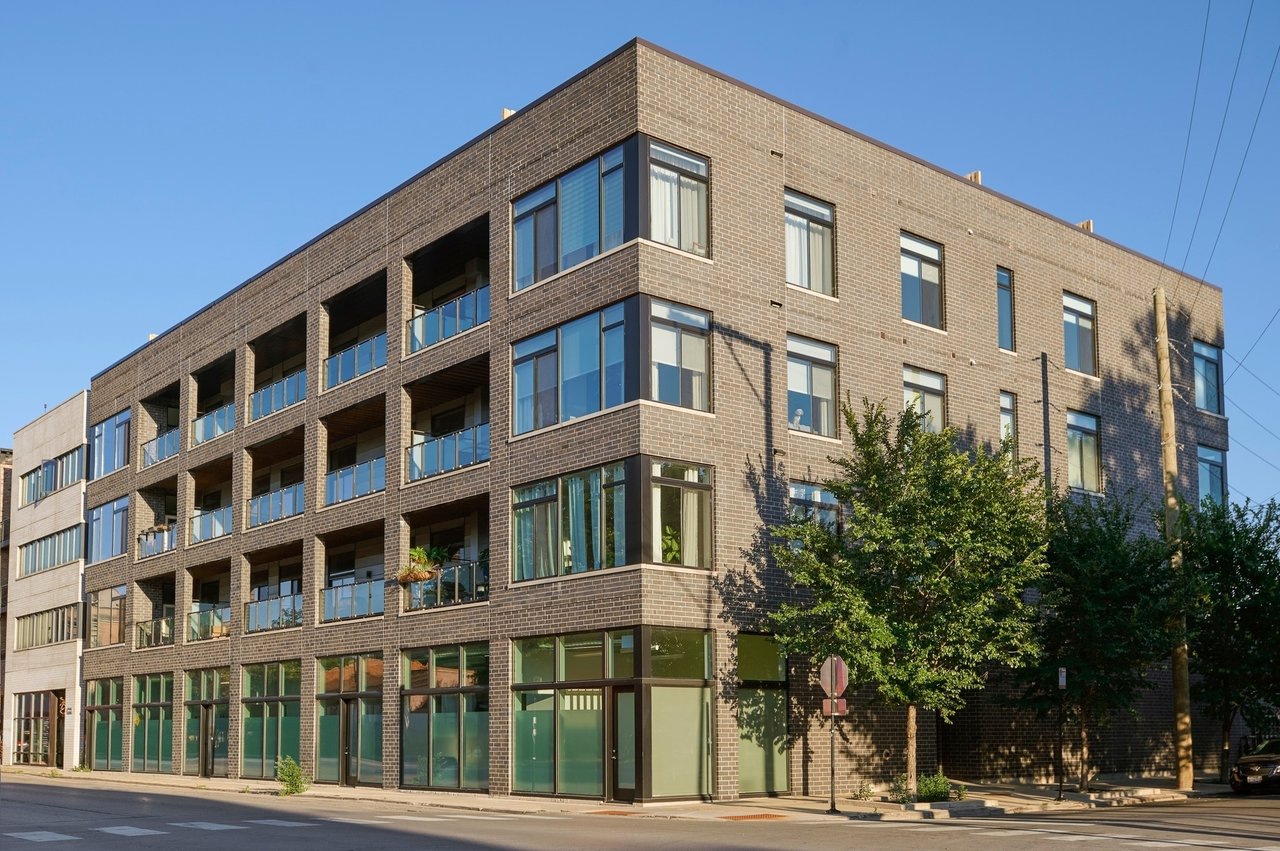
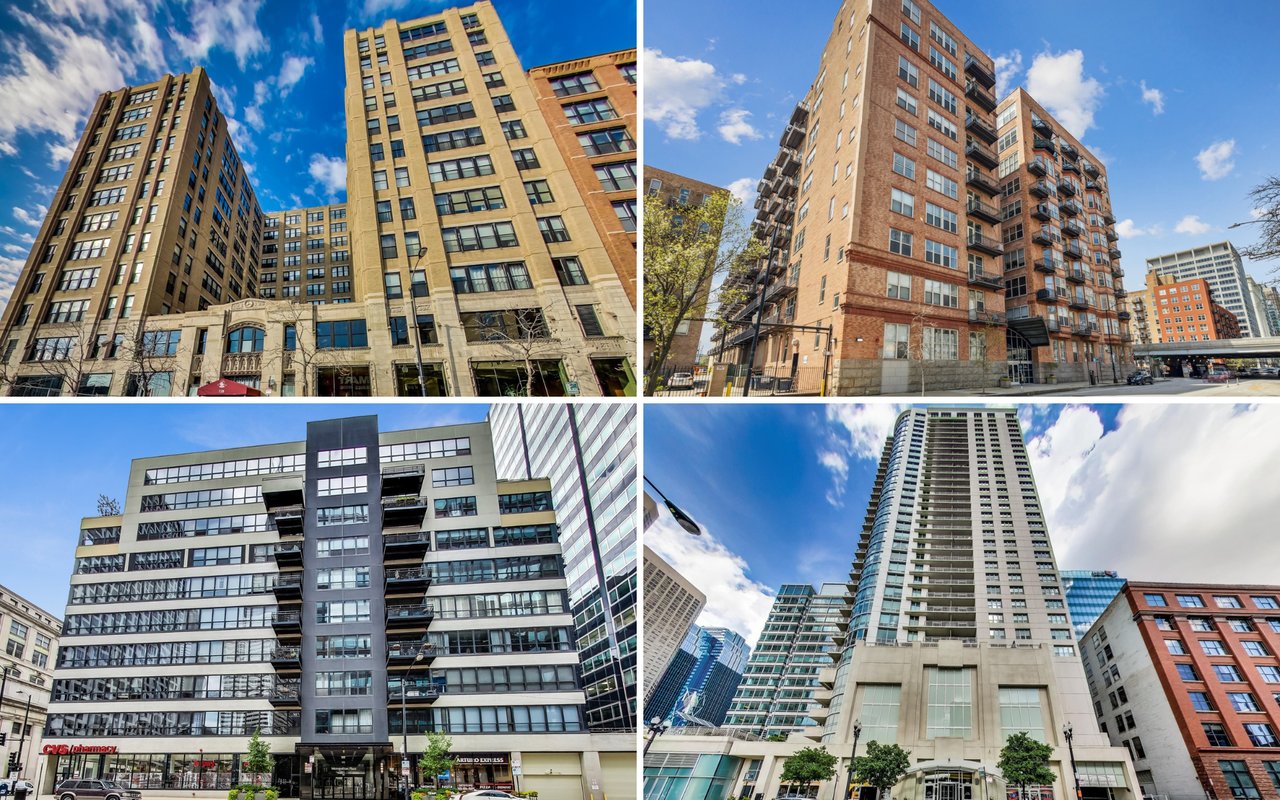
West Loop gives you a rare mix of old industrial buildings and newer residential development in the same neighborhood. That means you can tour a timber loft with exposed brick one day and a sleek full-amenity condo the next, often within a few blocks.
That contrast is a big reason this comparison matters. In West Loop, product type can shape your experience just as much as the location itself. Recent public market snapshots show a median sale price of $513K over the last three months, 122 condos for sale at a median listing price of $499K, and a Walk Score of 96.
Pricing can also vary widely from one building to another. Current public examples range from units in the mid-$400Ks to mid-$500Ks at 616 W Fulton, to around $1.3M at 1000 W Washington, to a $3.2M half-floor residence at 900 W Washington. That spread shows why it helps to compare building style, finishes, and monthly carrying costs, not just neighborhood name.
What West Loop Lofts Usually Offer
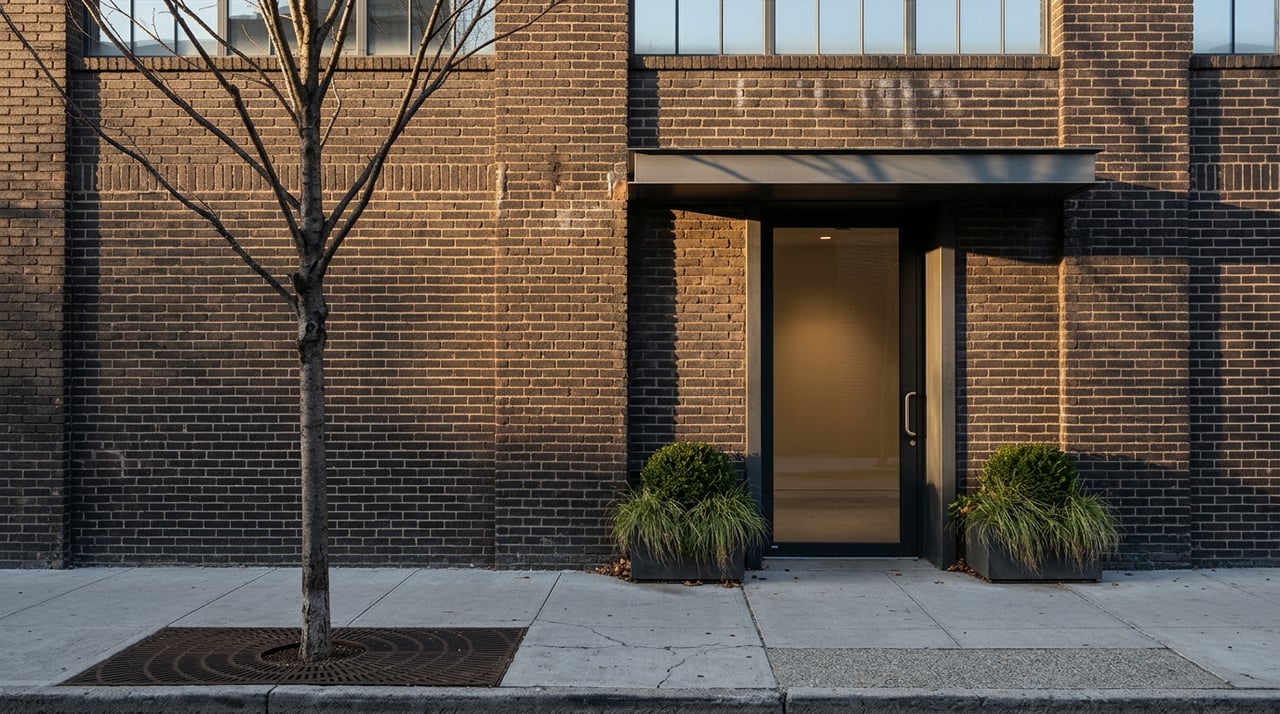
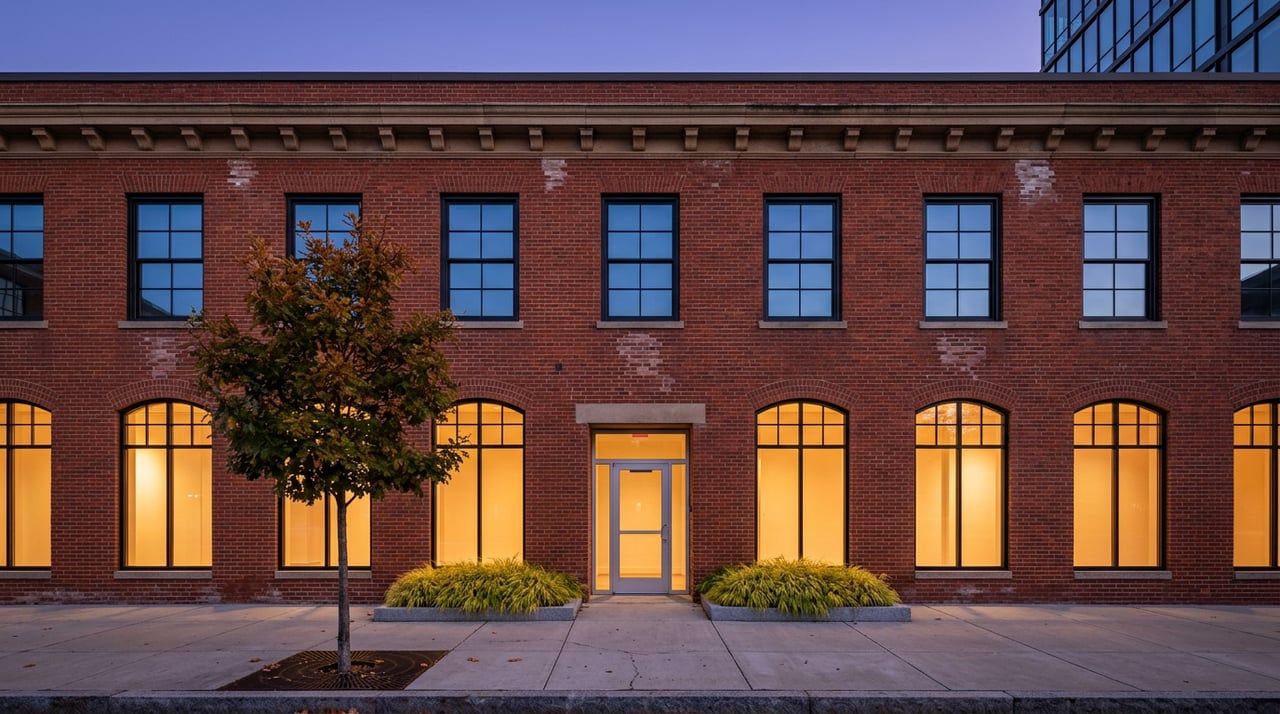
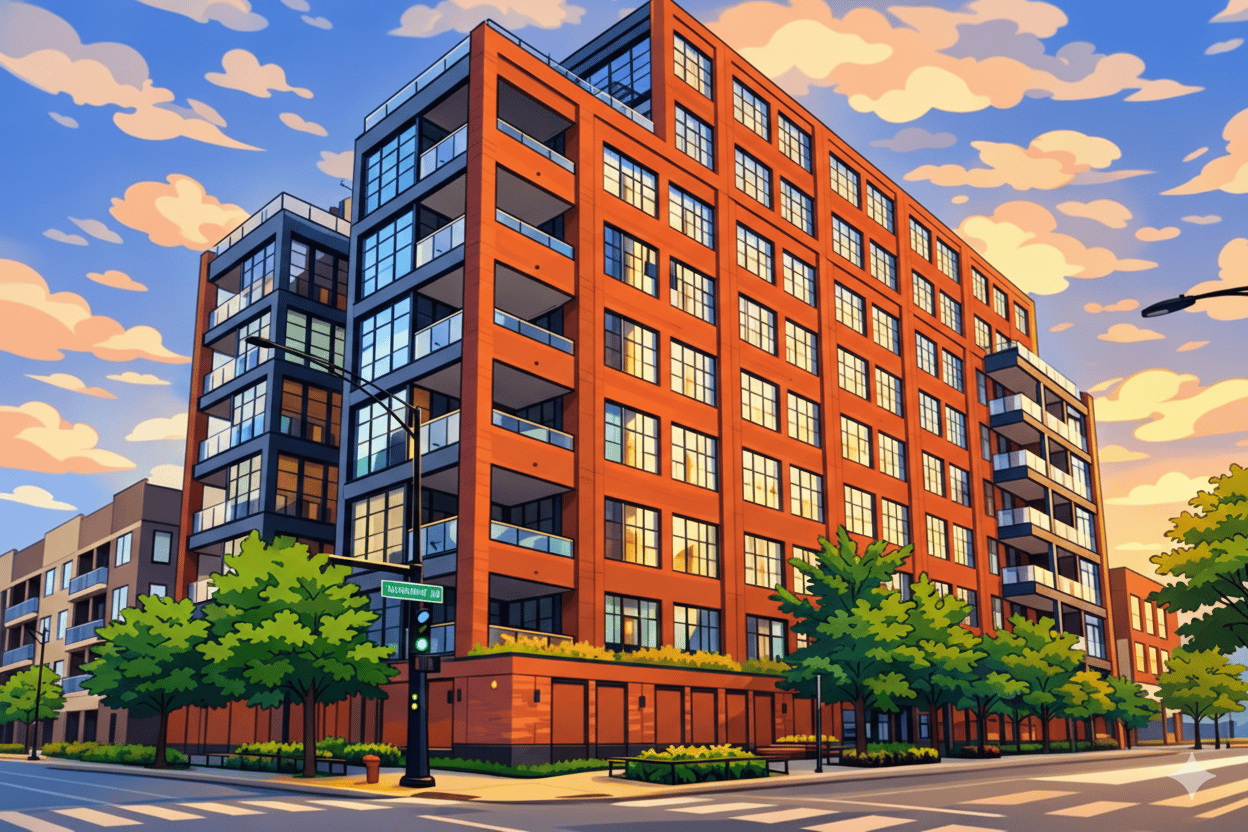
Authentic West Loop lofts often come from former warehouses or light-industrial buildings that were converted for residential use. These homes tend to stand out for their original structure and scale rather than a polished, uniform finish package.
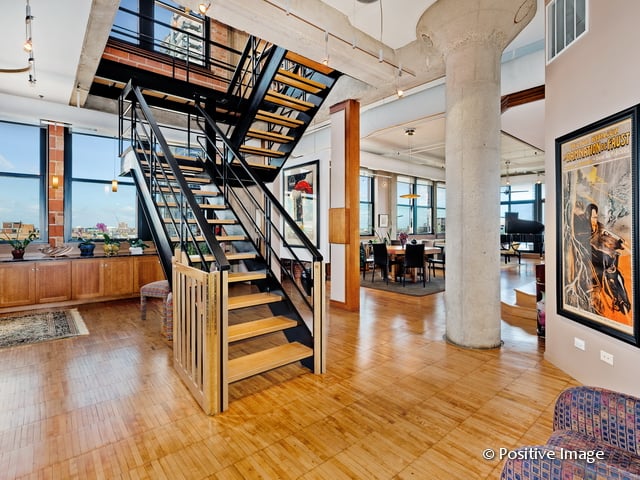
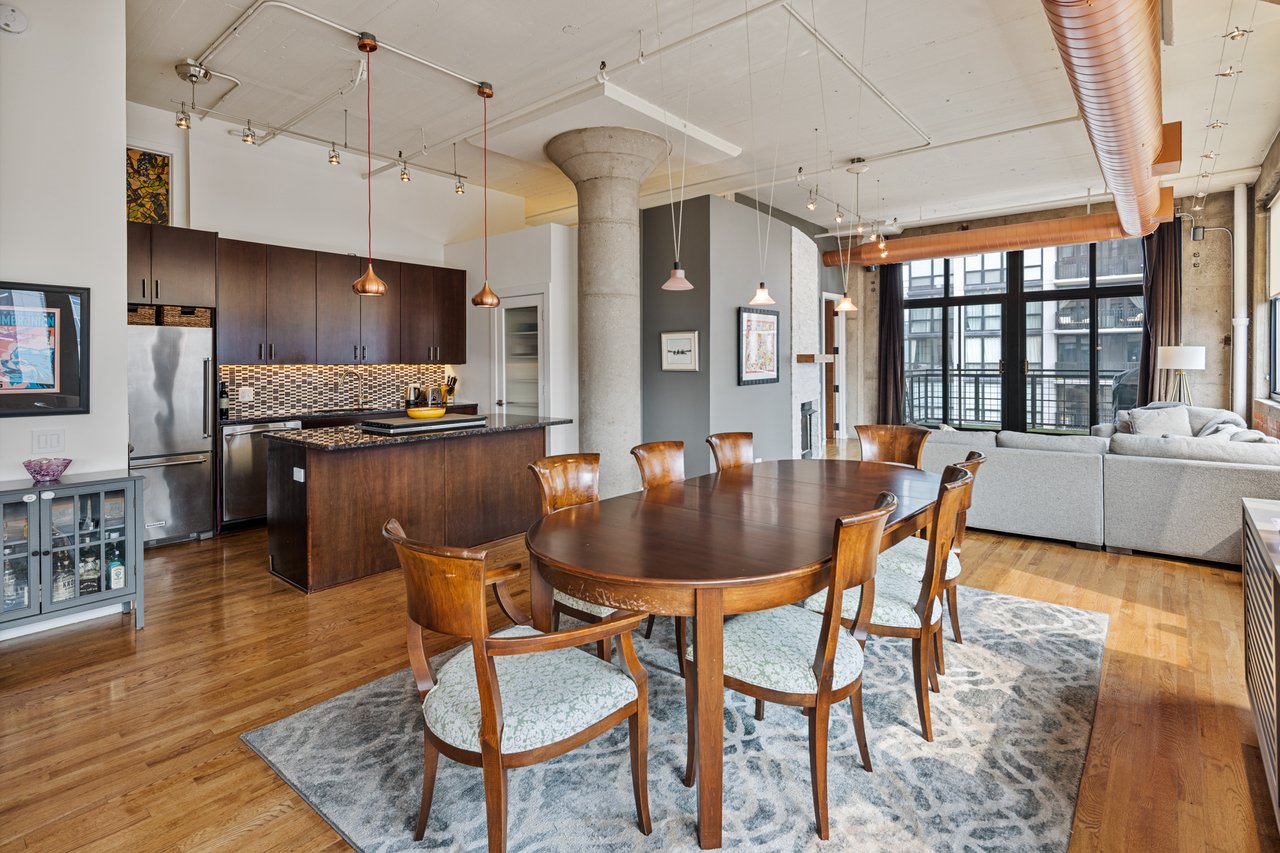
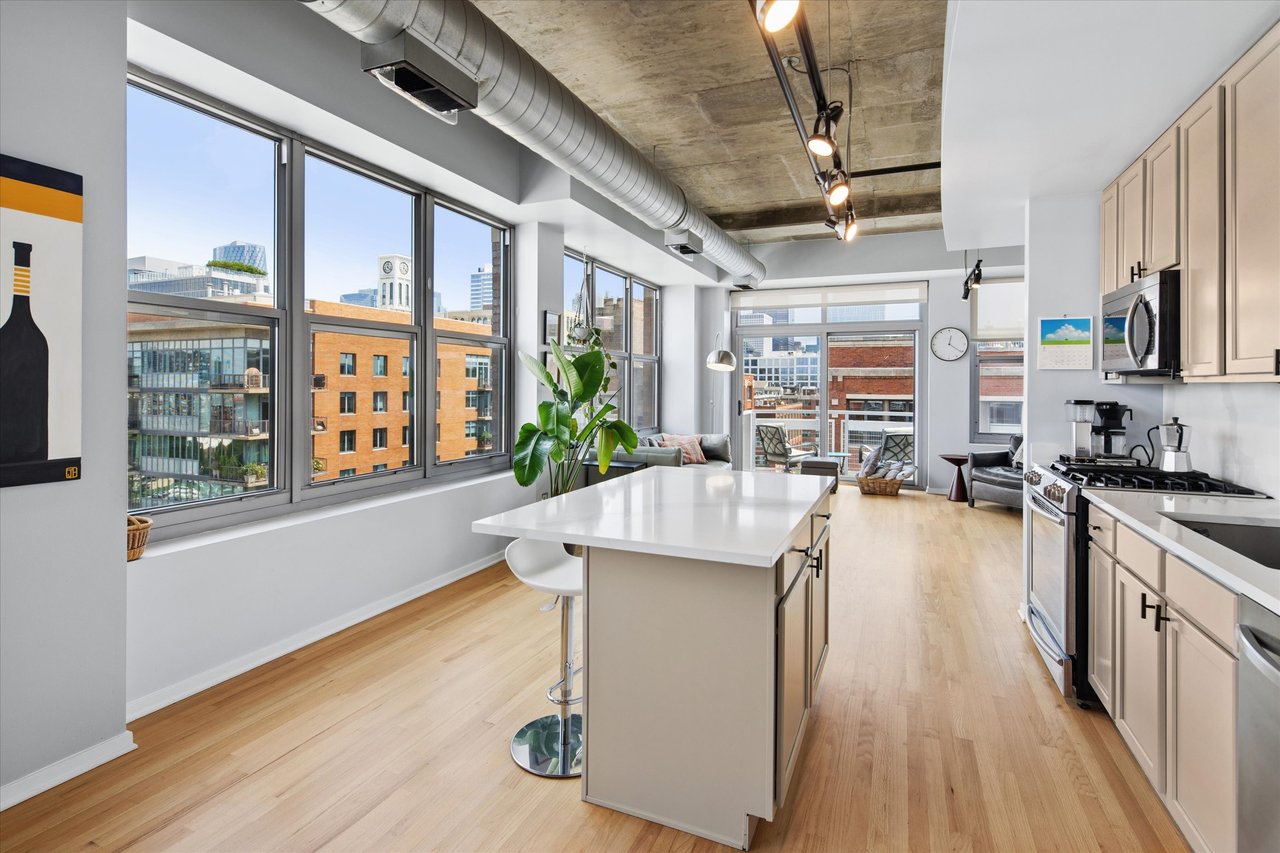
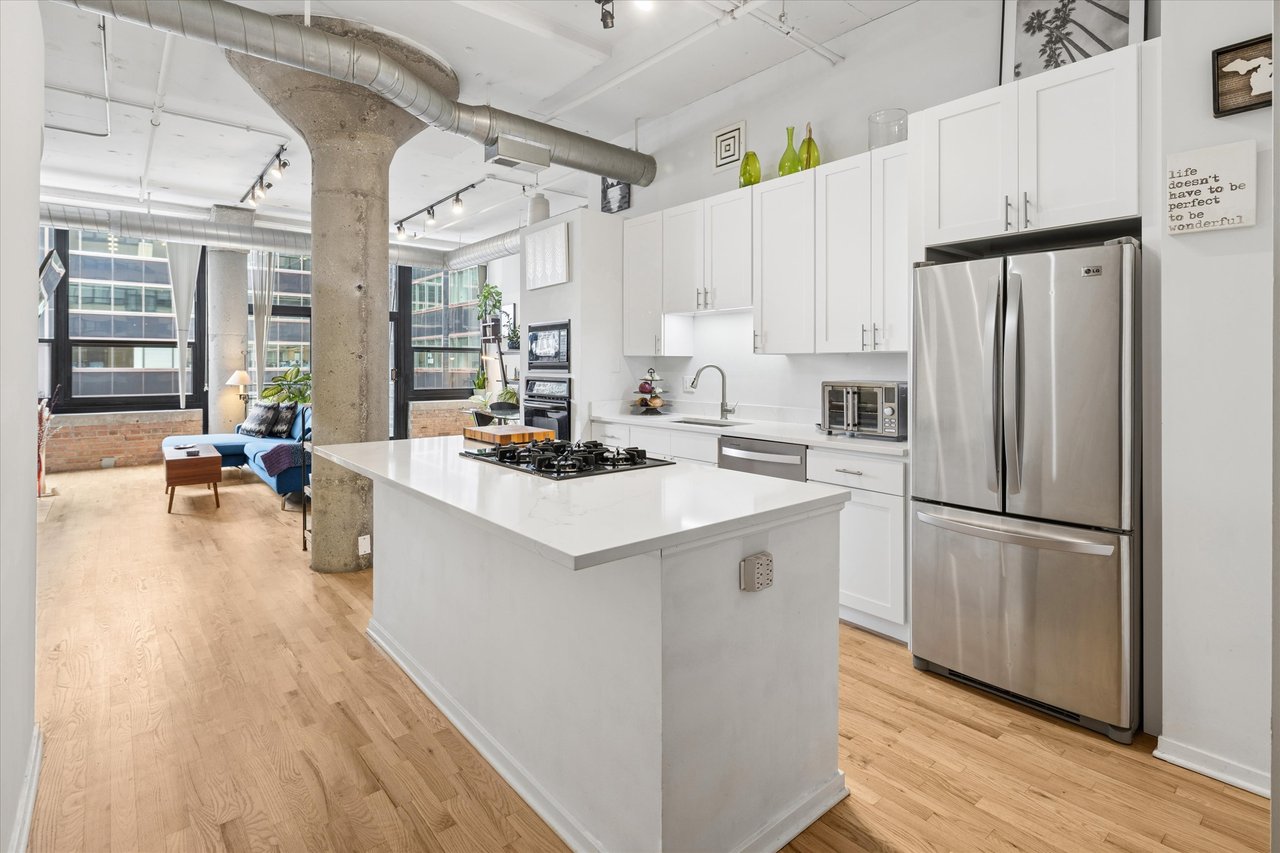
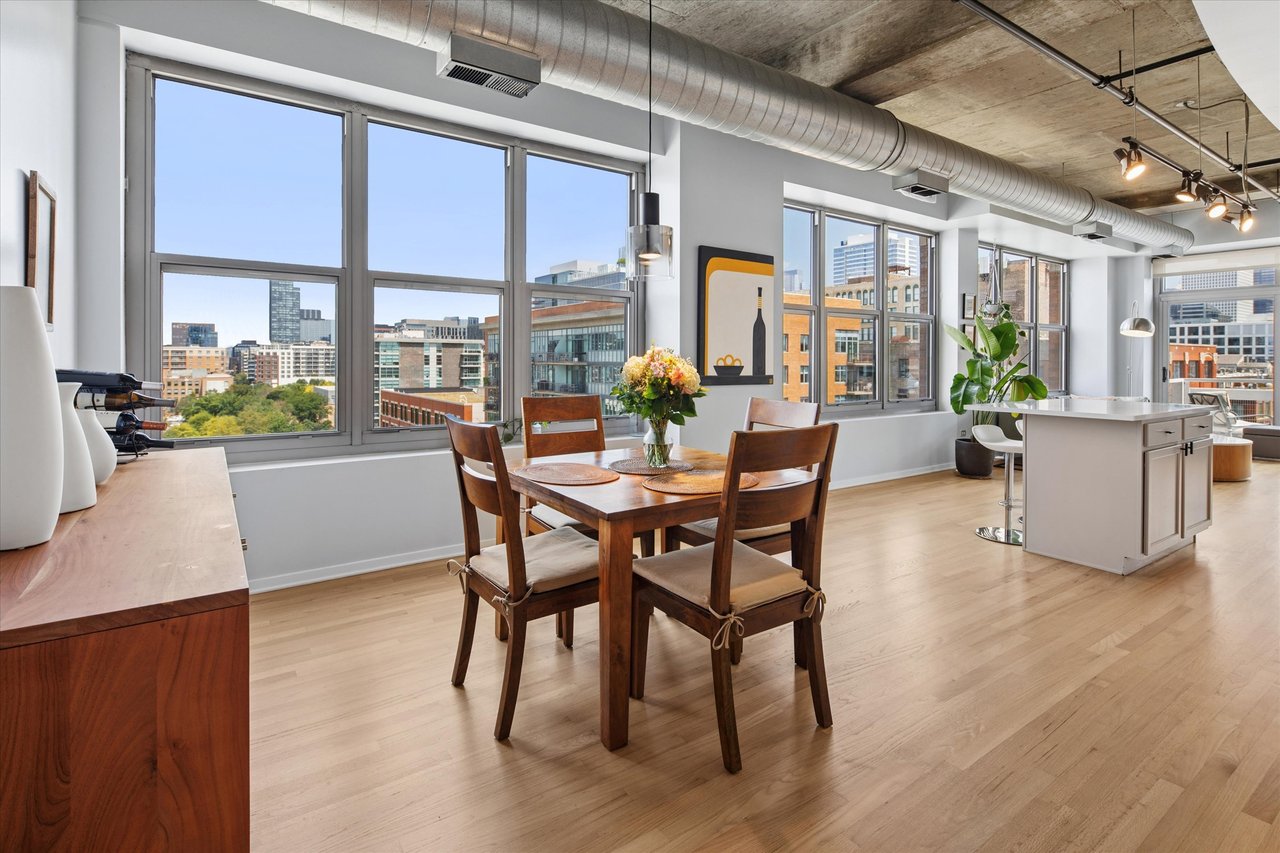
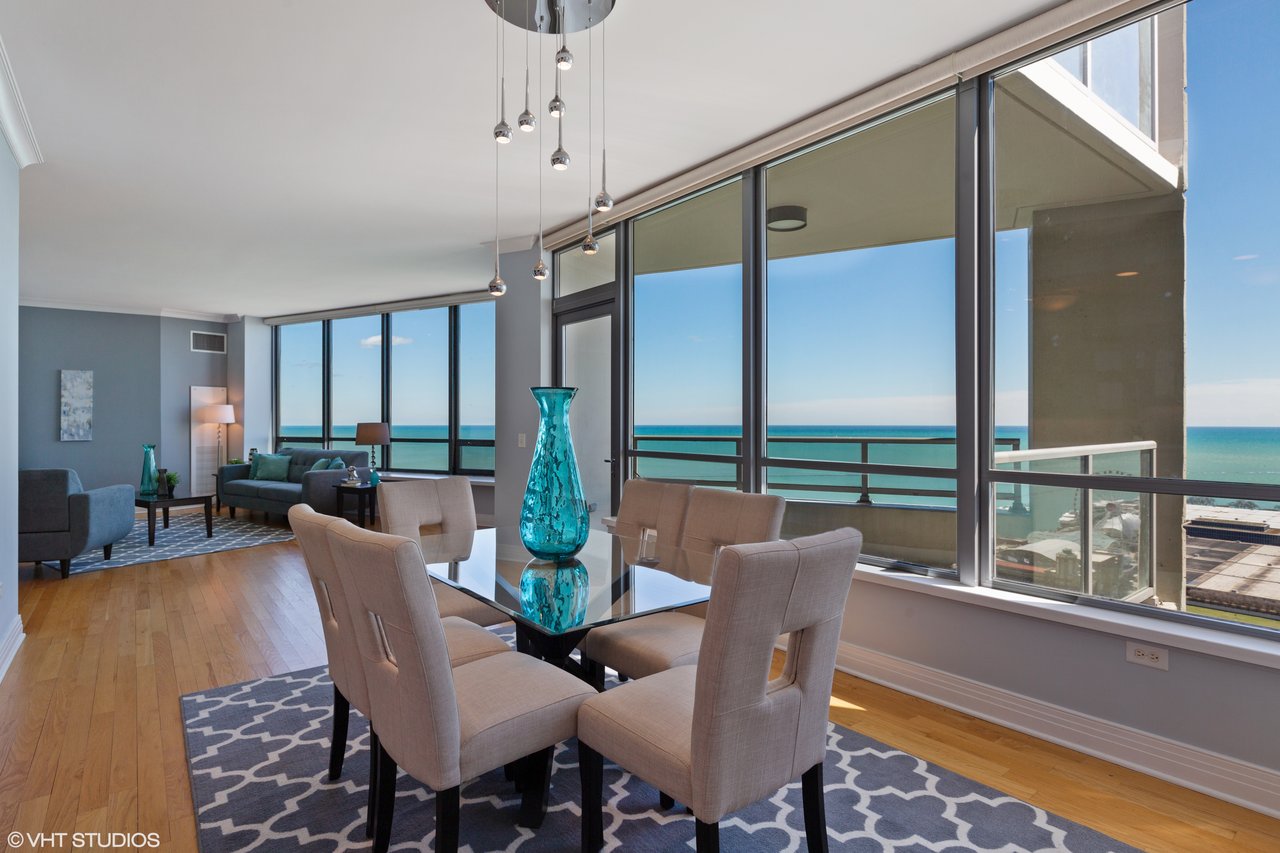
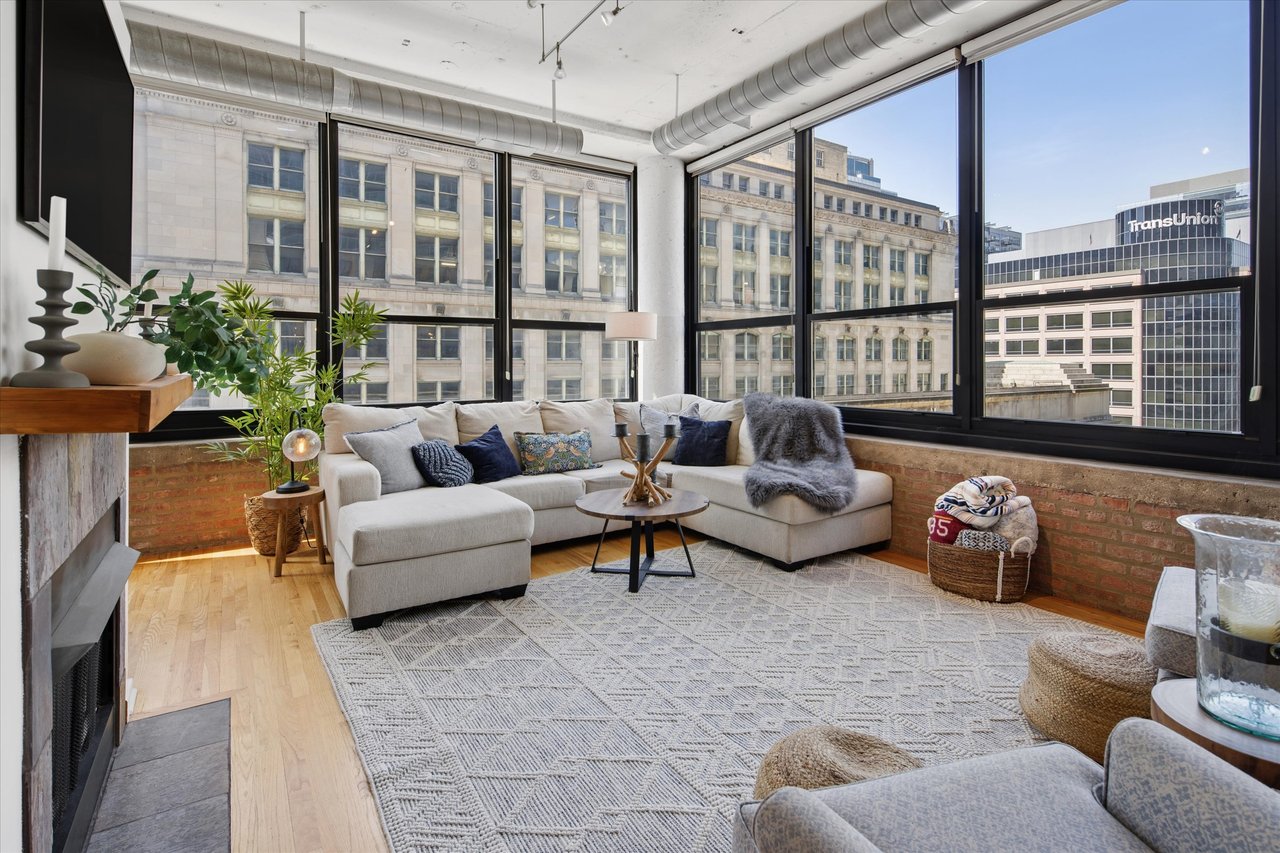
At buildings like 616 W Fulton and 1000 W Washington, public listing details highlight features such as 14-foot to 22-foot timber ceilings, exposed brick, oversized windows, hardwood floors, and open living space. Those details create the type of architectural character many buyers specifically want in the West Loop.
Loft Layouts Feel Open
One of the biggest loft advantages is space that feels less divided and more flexible. Many lofts have larger main living areas, fewer standard room separations, and floor plans that can feel more customized than what you see in newer buildings.
That can be a major plus if you want a home that feels creative, airy, or visually dramatic. It can also mean you need to be comfortable with a layout that is less conventional, especially if you prefer more separation between entertaining, working, and sleeping areas.
Loft Finishes Highlight Character
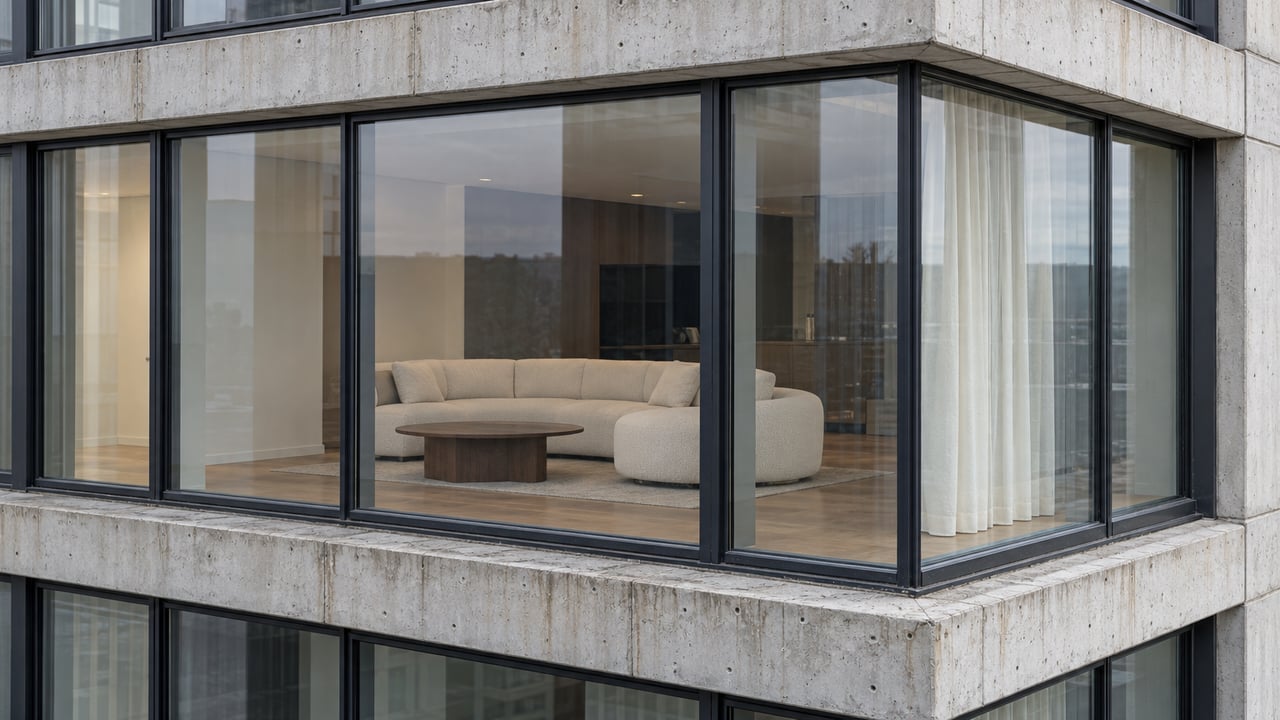
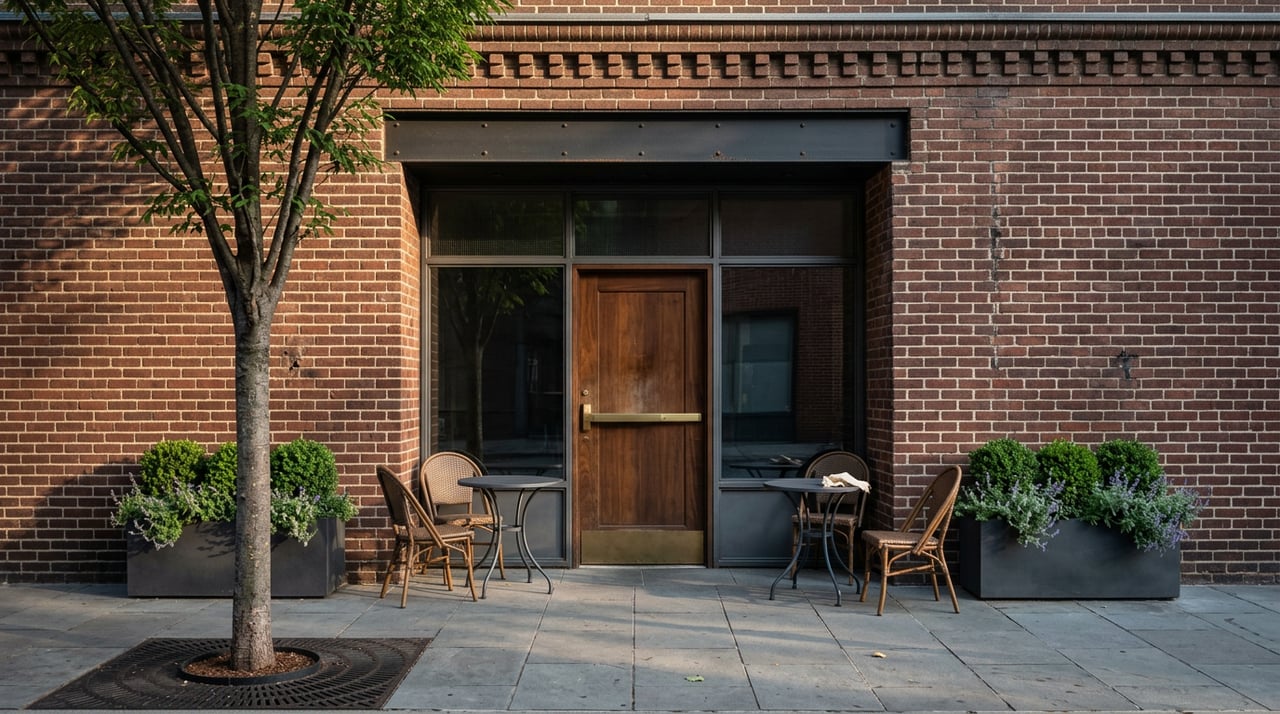
Loft finishes usually reflect the building’s industrial past. Exposed timber, brick walls, concrete elements, and factory-style windows often define the space more than a standard developer finish package.
That character is a huge part of the appeal. Even when kitchens and baths have been updated, the overall identity of the home still tends to center on architecture and authenticity.
Loft Buildings Vary More Than You Think
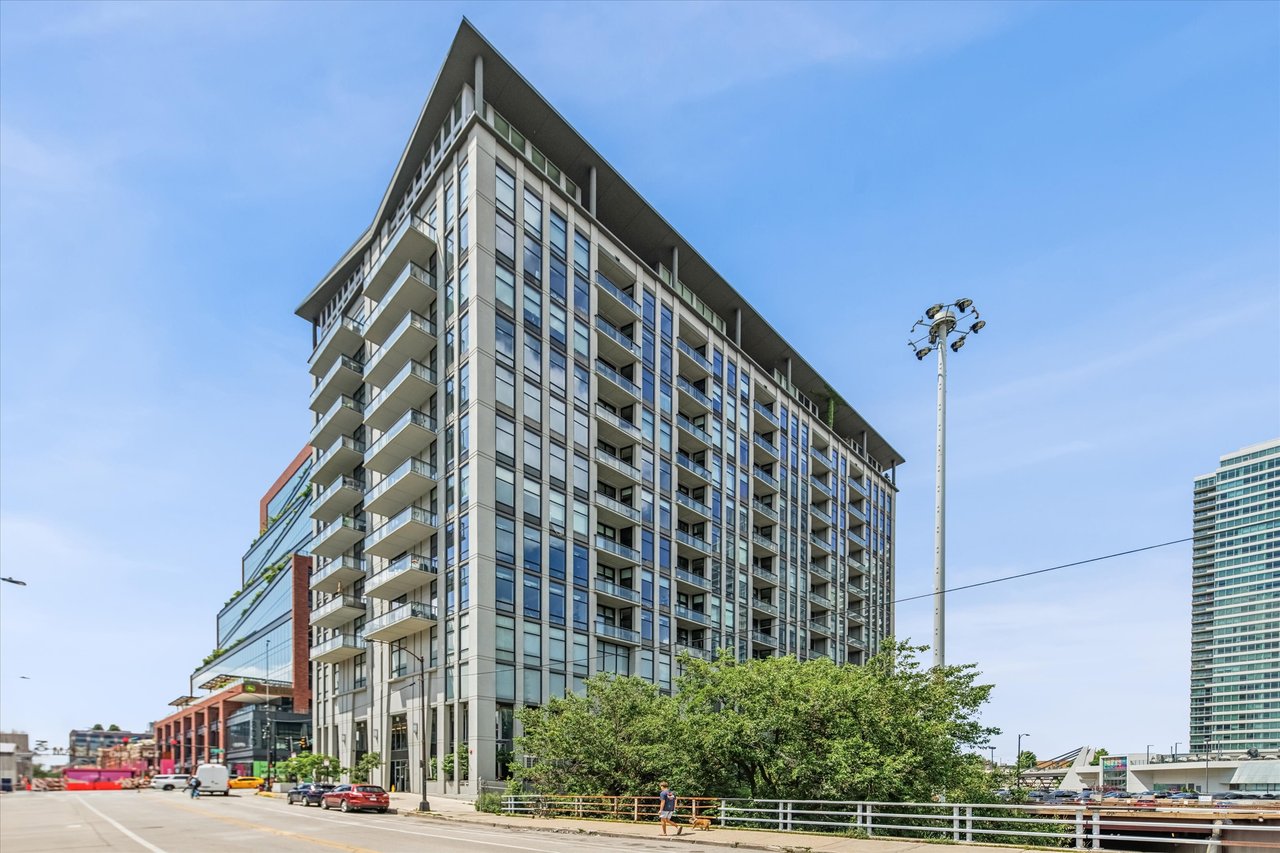
Not every West Loop loft is a classic warehouse conversion. Some buildings are better described as soft lofts, which may include loft-inspired details like concrete ceilings and open plans in a newer or more service-oriented building.
For example, a public listing at 6 S Laflin shows exposed concrete ceilings, a doorman, and HOA dues of $650 per month. That is a useful reminder that the word loft can describe a range of building types in Chicago.
What New Construction Usually Offers
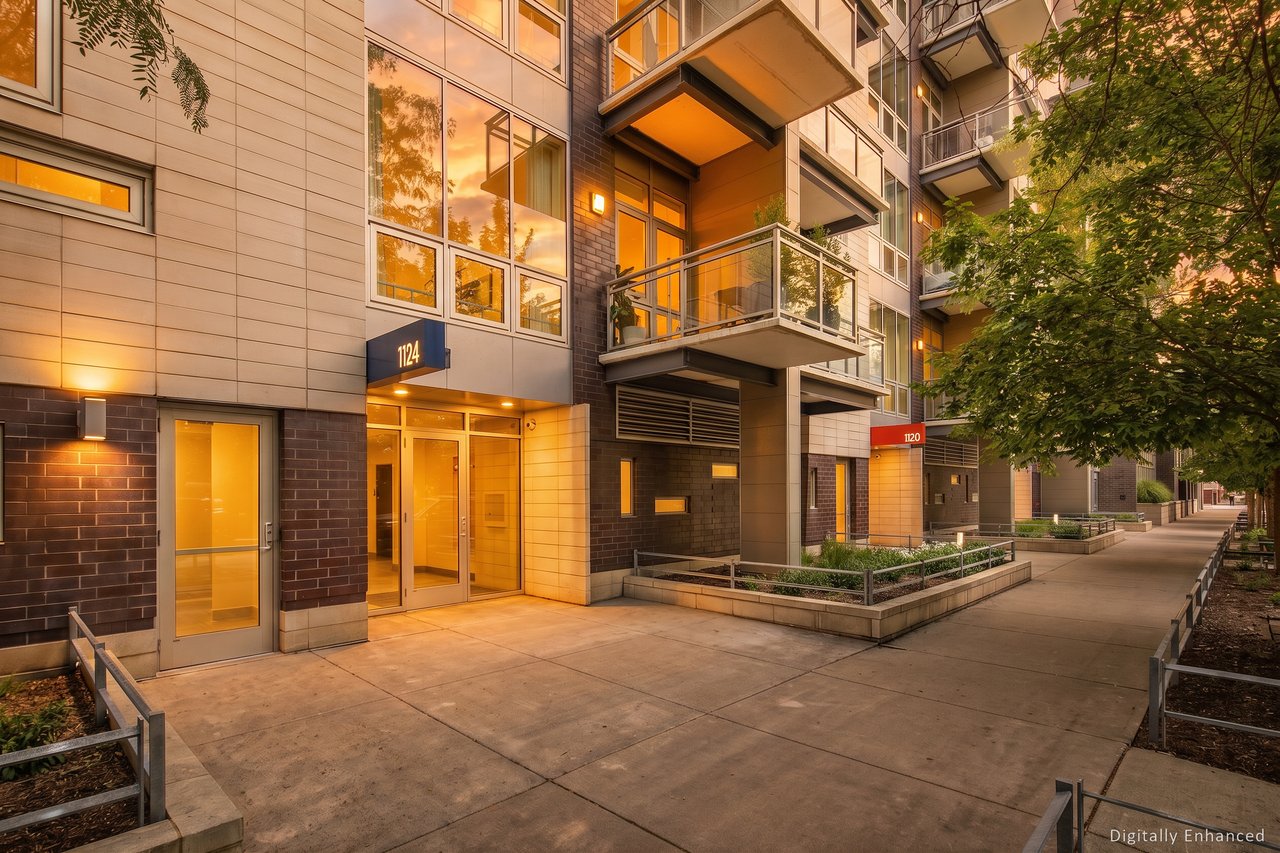
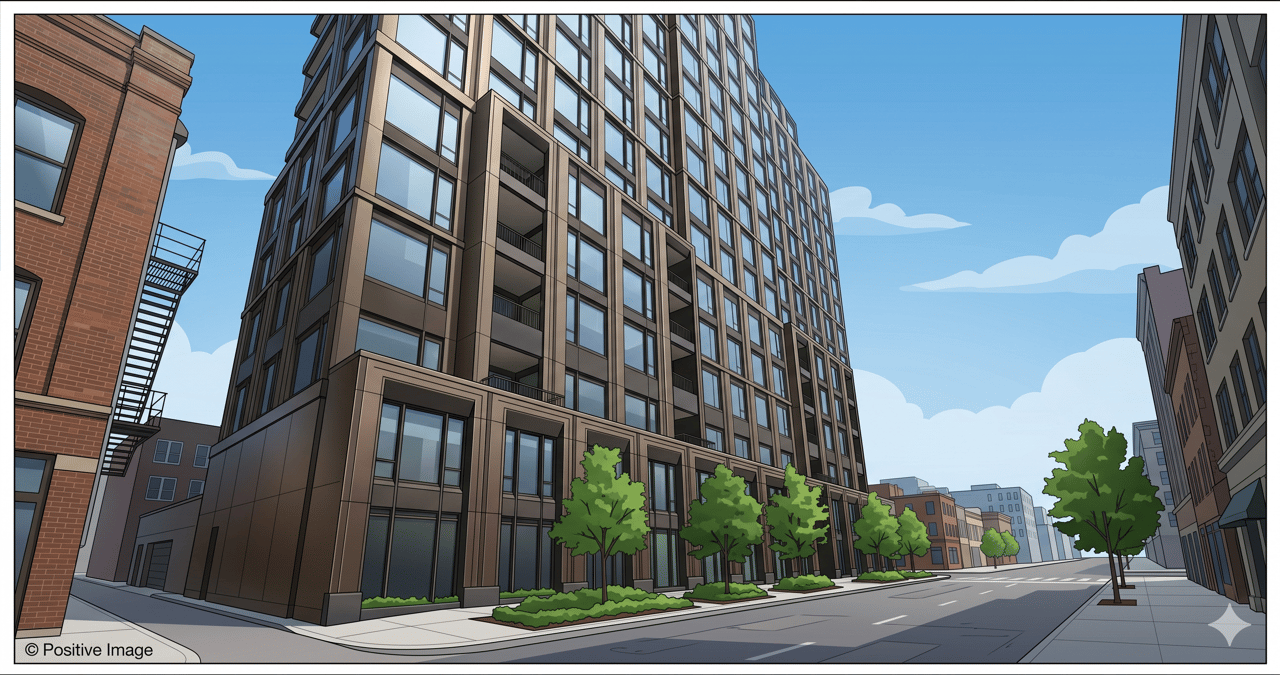
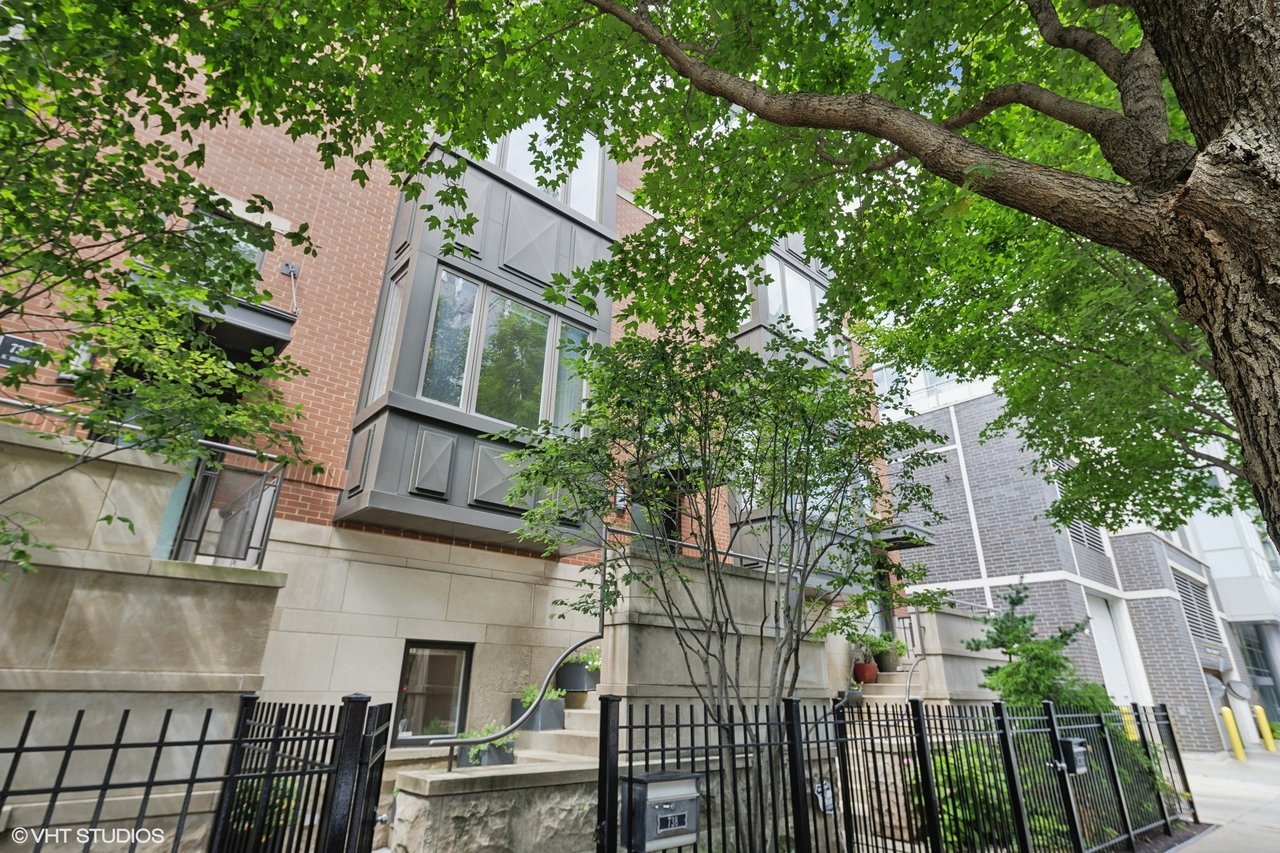
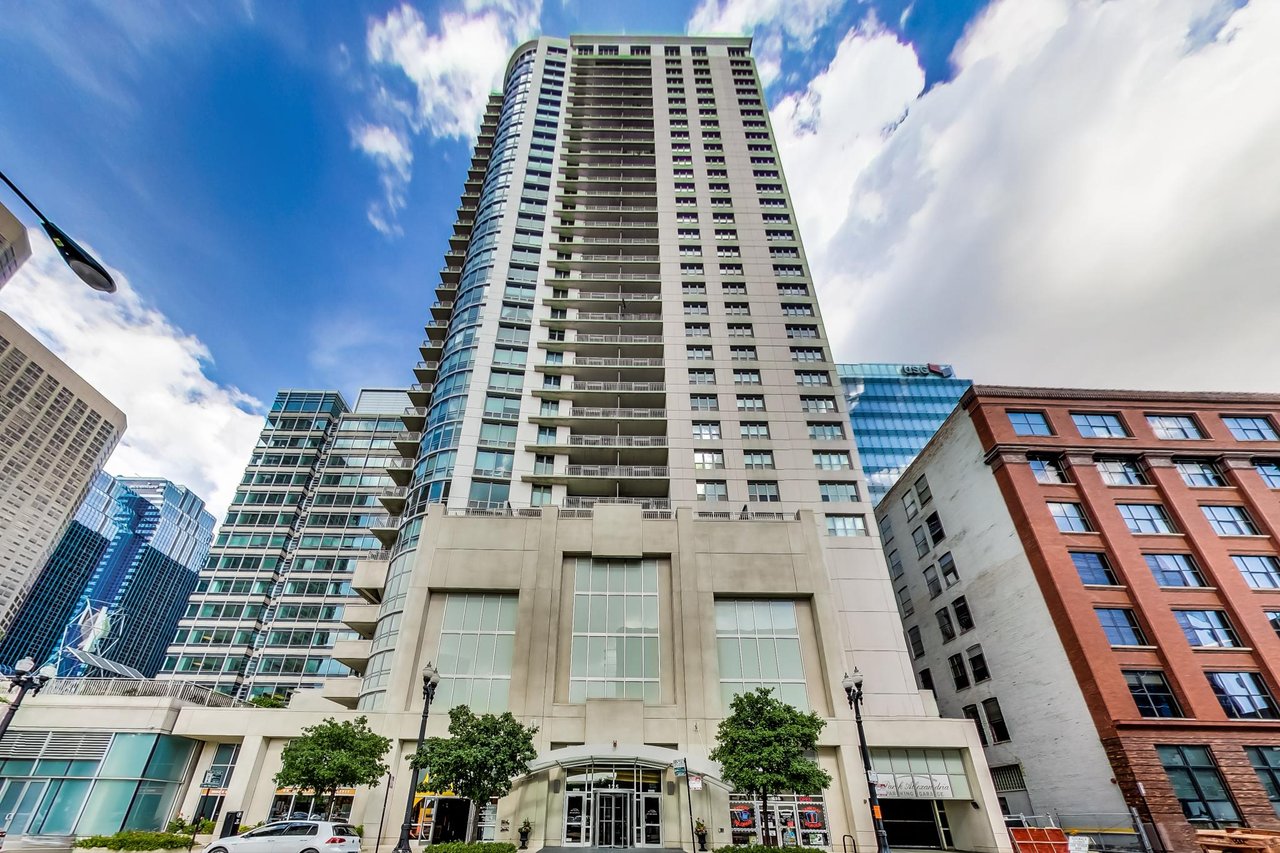
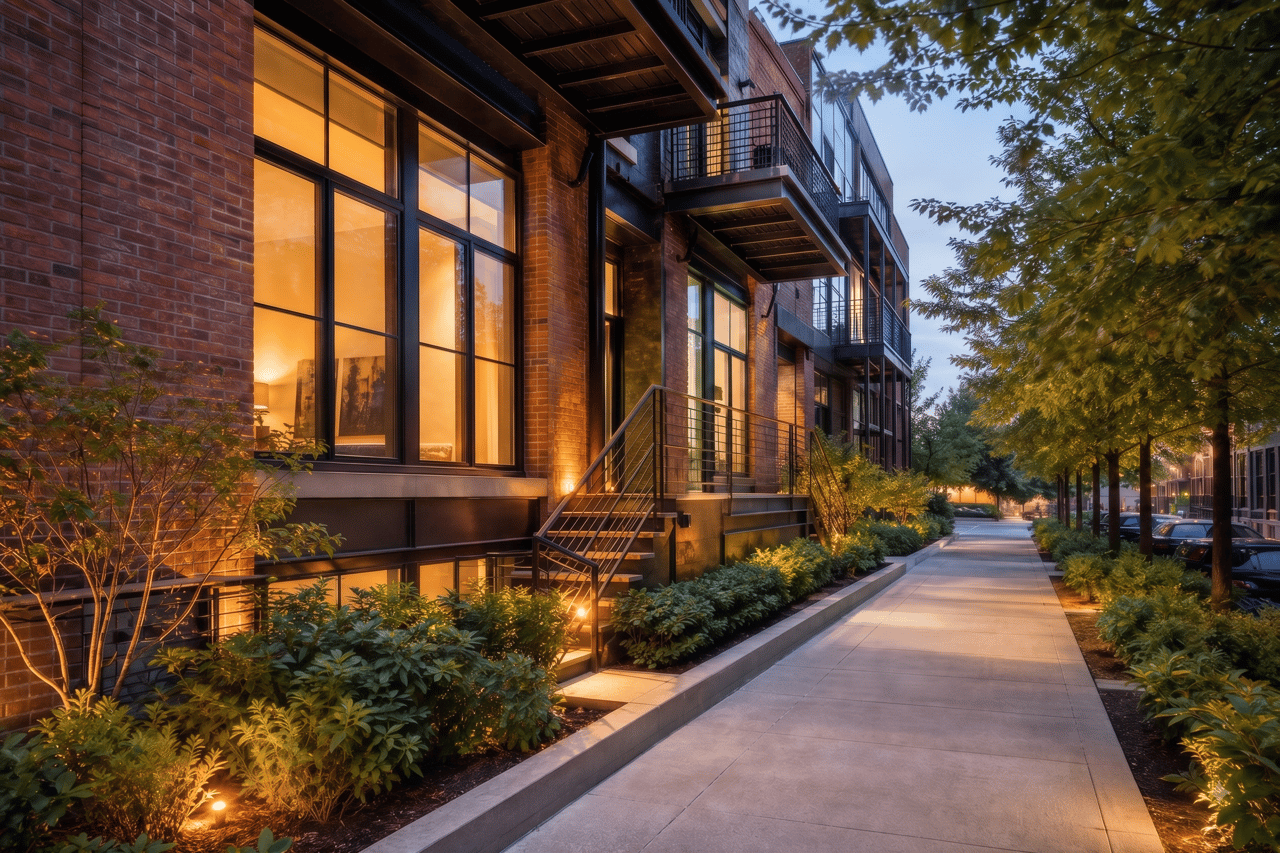
Newer West Loop condos range from boutique mid-rises to full-service towers. These homes often appeal to buyers who want a more turnkey experience, more consistent finishes, and a predictable floor plan.
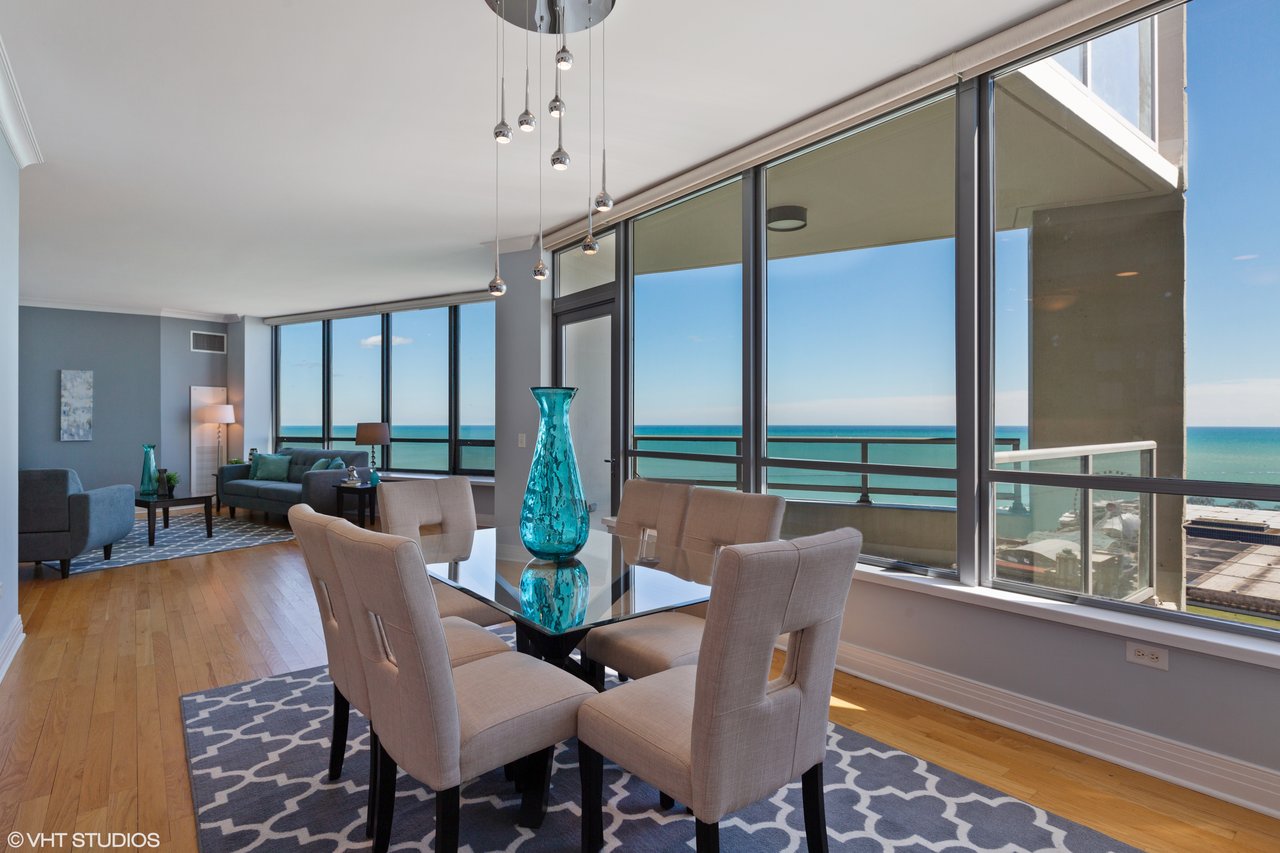
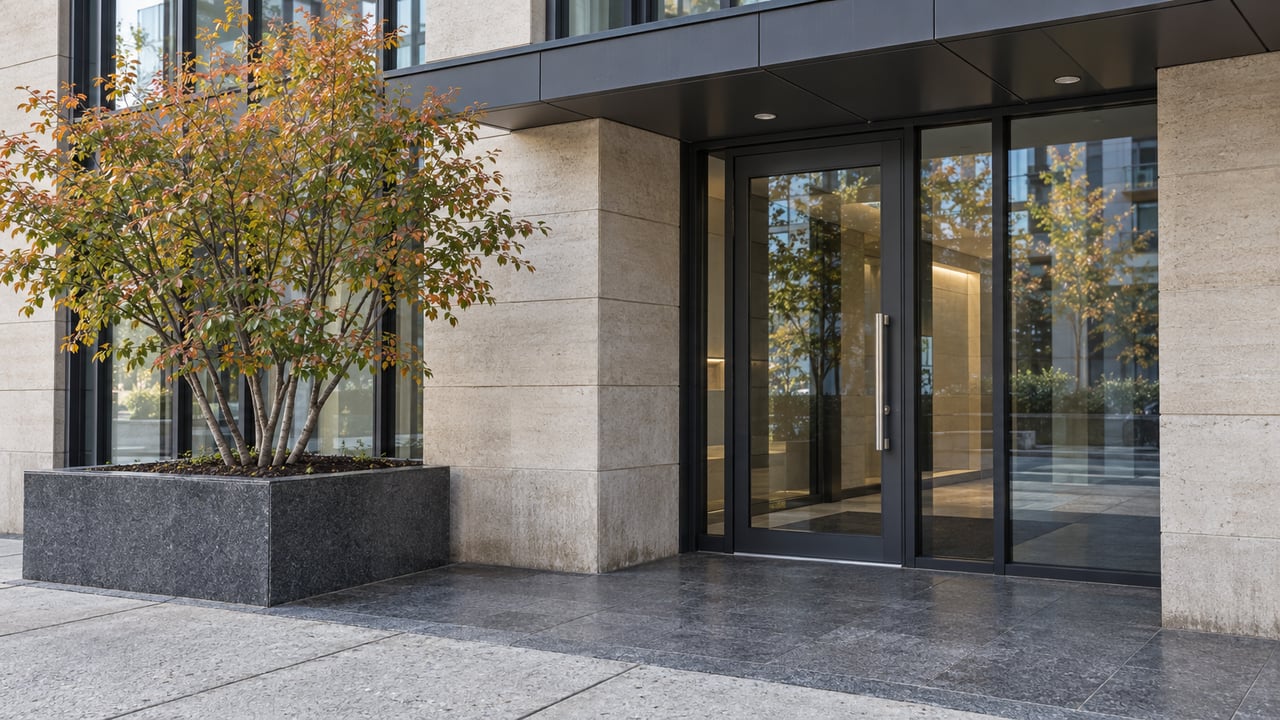
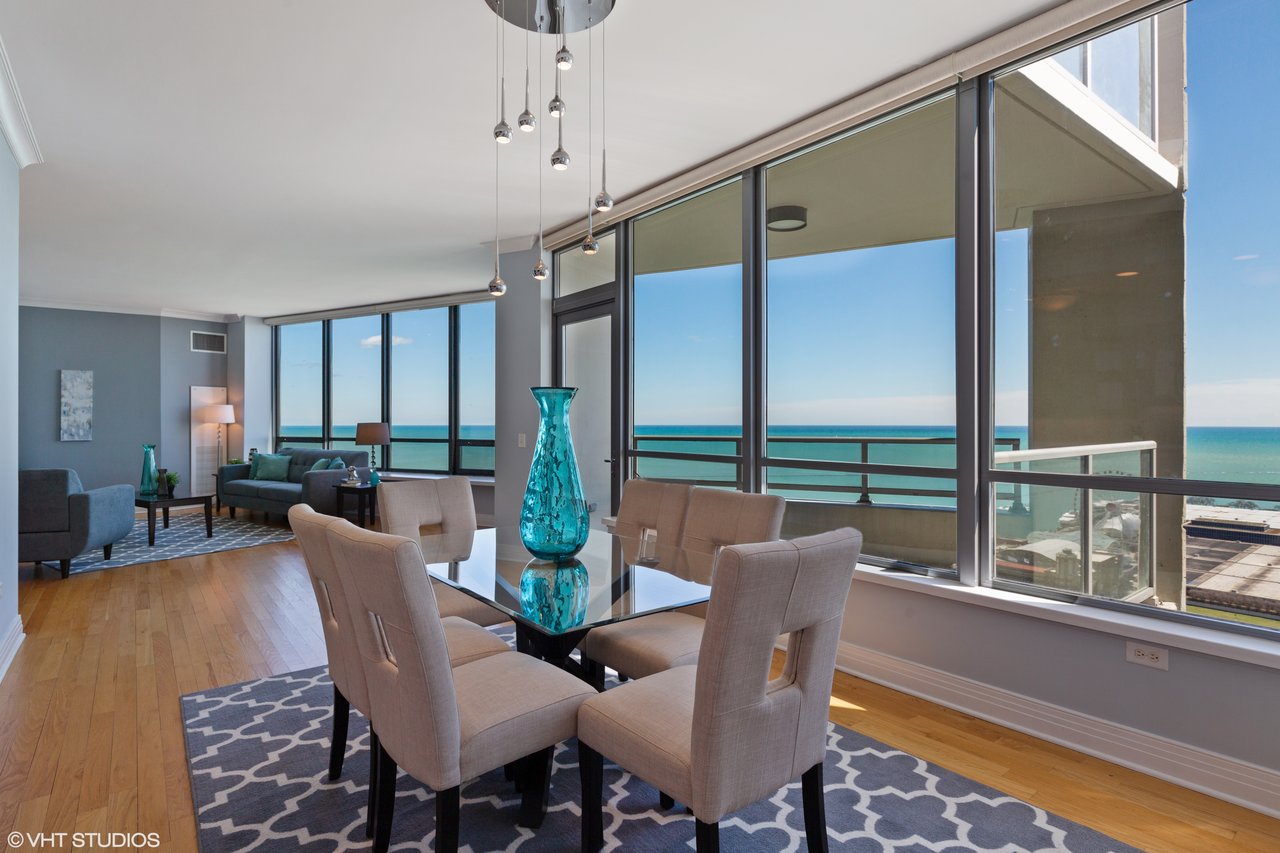
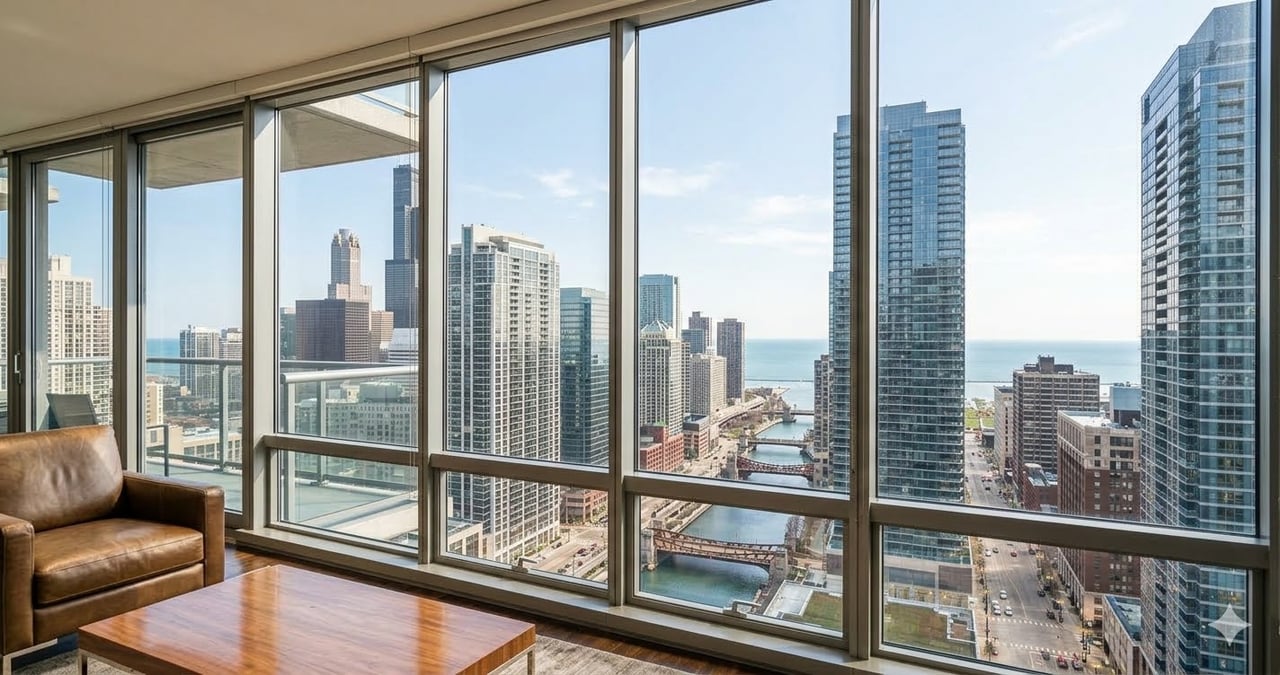
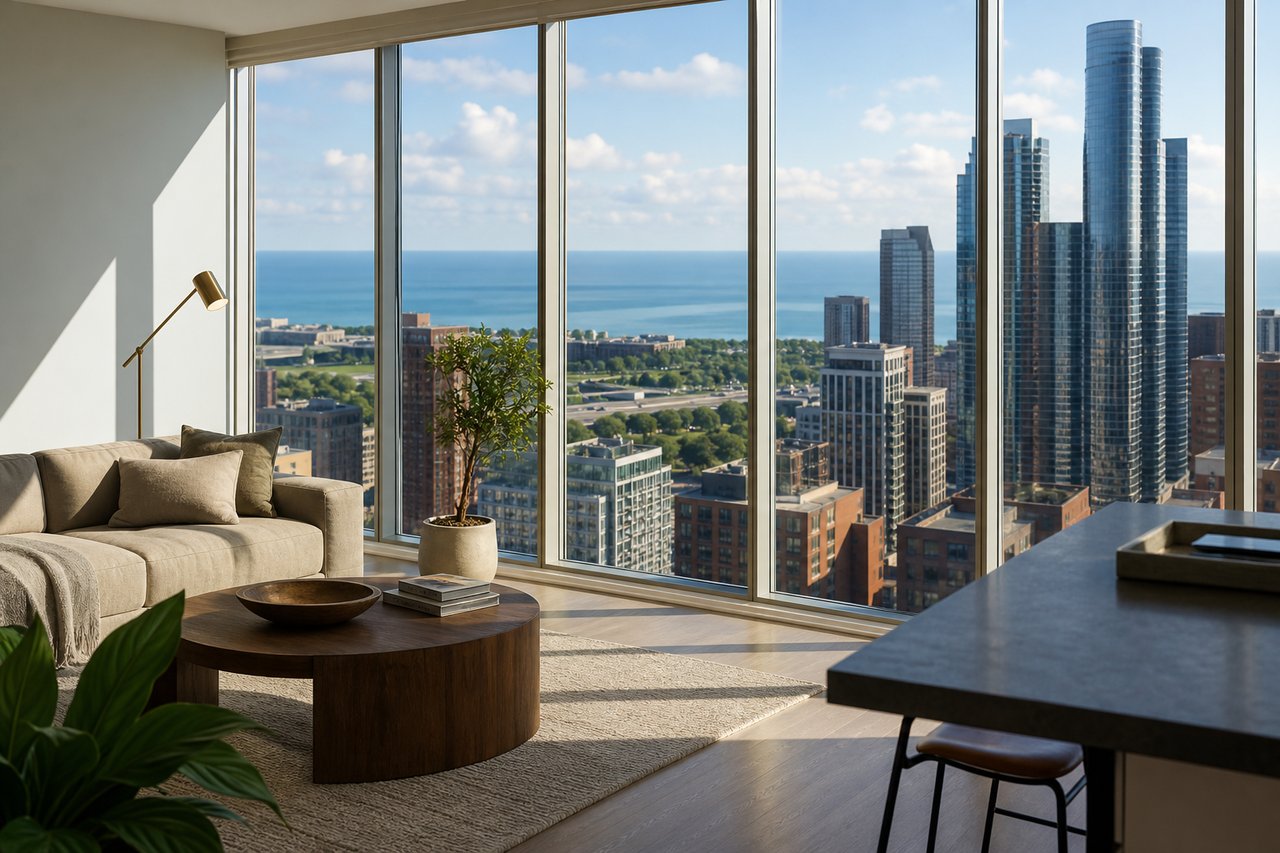
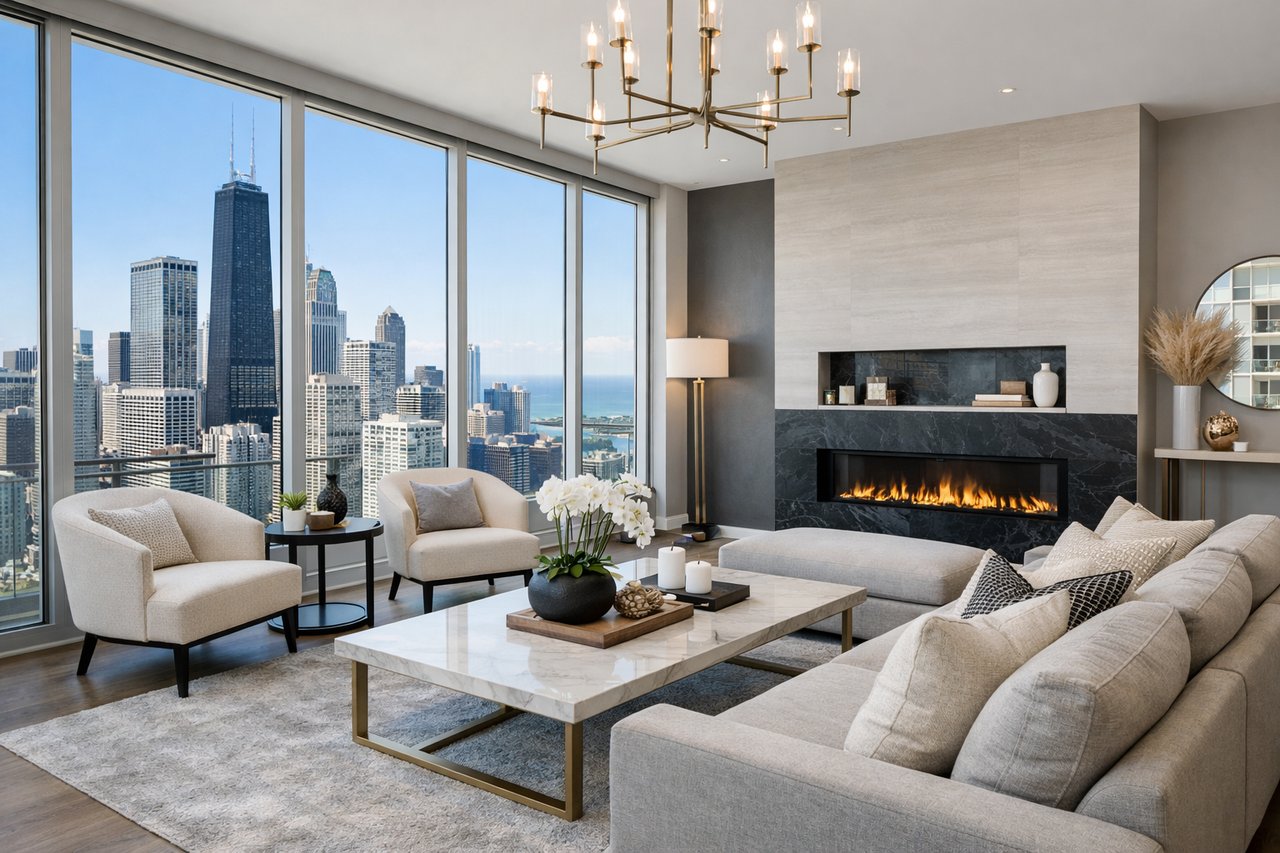
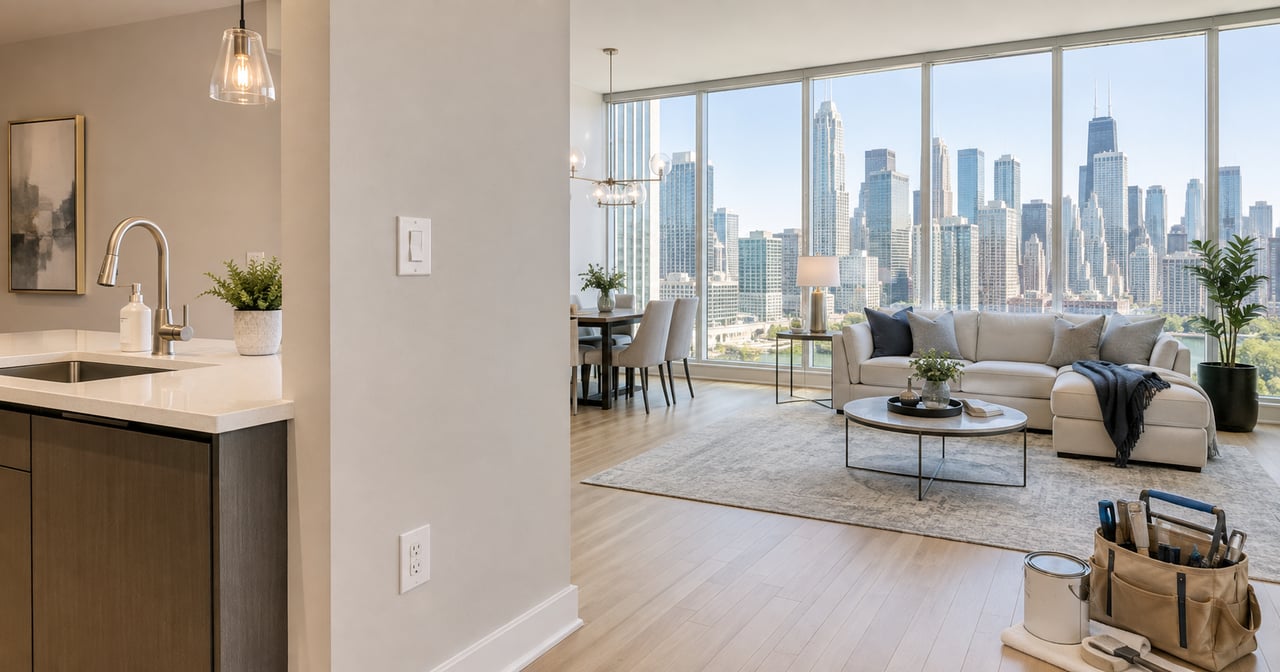
Public examples in the neighborhood show what that can look like. At 900 W Washington, listings reference private elevator access, premium stone finishes, and sound-resistant windows. Noir Residences highlights features such as floor-to-ceiling windows, smart-home integration, and heated floors.
New Layouts Feel More Defined
New-construction condos often have more regular room shapes and clearer separation between living and sleeping areas. That can make the home feel more organized and easier to furnish, especially if you prefer a more traditional day-to-day flow.
Boutique new buildings can still feel spacious, but they usually create that feeling through clean lines and efficient design rather than warehouse scale. If you want a layout that feels intuitive right away, newer construction may have the edge.
New Finishes Feel More Turnkey
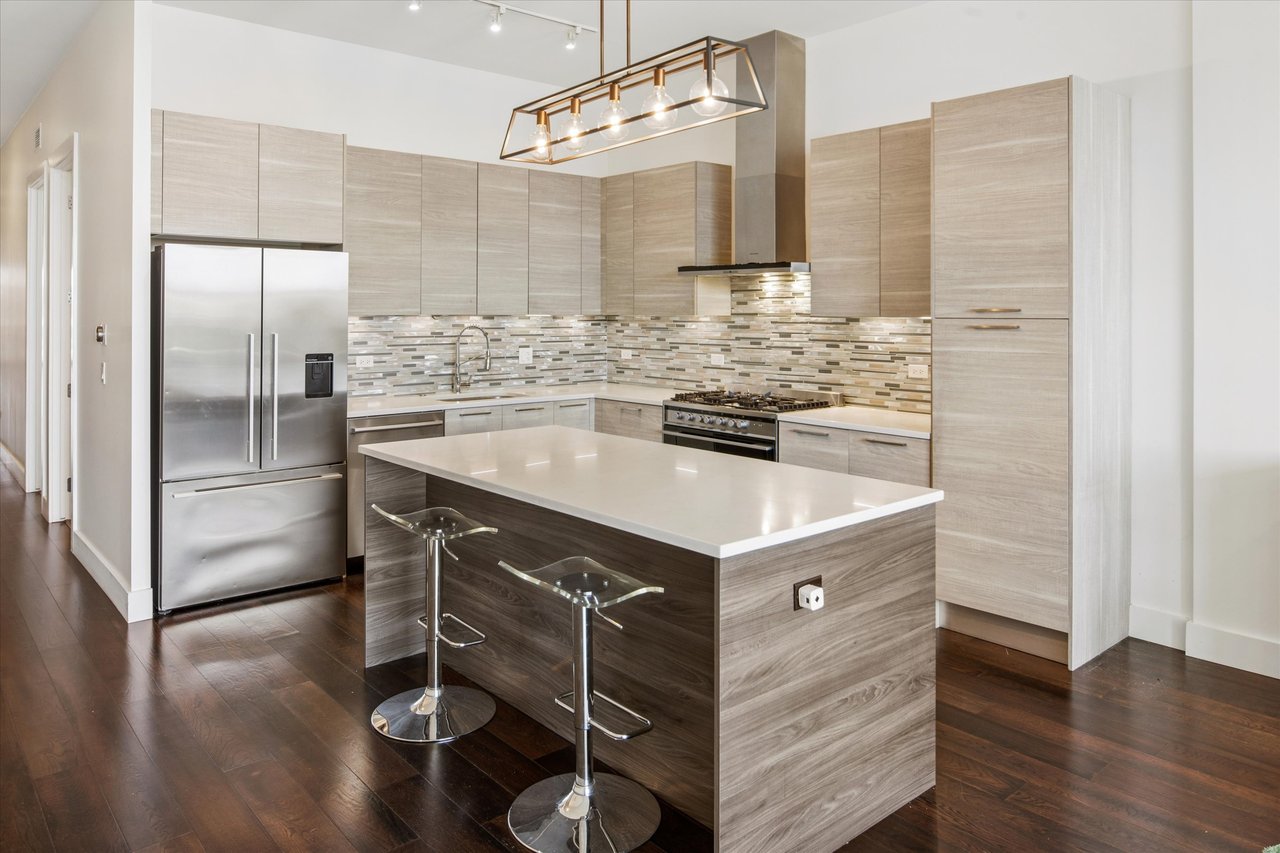
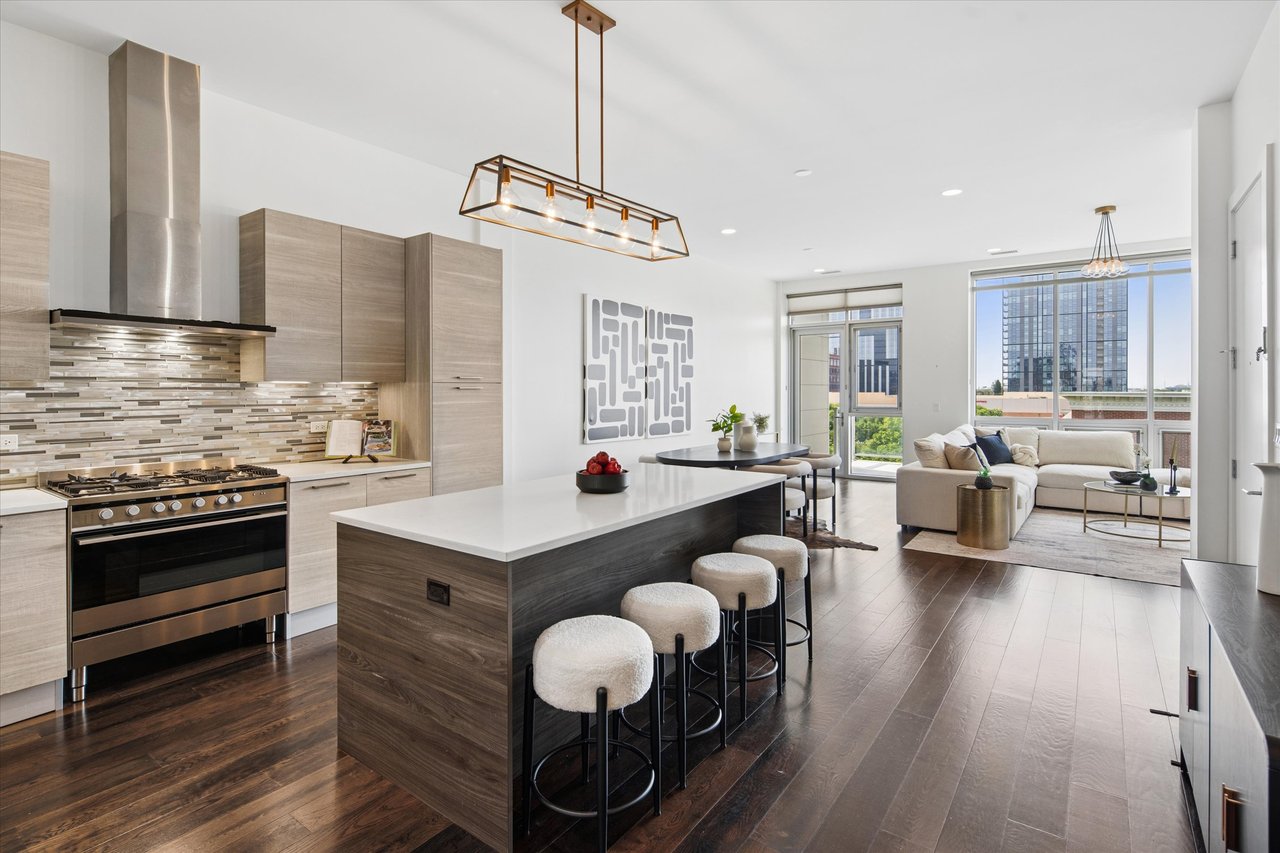
A big part of the new-construction value story is updated systems and finishes. Depending on the building, that may include stone counters, premium appliances, heated floors, smart-home features, and sound-resistant windows.
For many buyers, this lowers the chance of near-term renovation work. If your priority is moving in and enjoying the space with fewer immediate updates, newer condos may be more appealing.
Amenities Can Be a Major Draw
Amenities are one of the clearest differences between many loft buildings and newer towers. In a building like Skybridge at 737 W Washington, current public listings show features such as 24-hour door staff, a rooftop terrace, fitness center, bike room, party room, dog run, and underground Whole Foods access.
Not every new building is full-service, though. Boutique projects may offer fewer shared spaces while still delivering a newer, more turnkey living experience.
Monthly Assessments Matter More Than Labels
One of the biggest mistakes buyers make is assuming older means lower cost and newer means higher cost. In West Loop, public examples show that the reality is more nuanced.
A soft loft example at 6 S Laflin shows HOA dues of $650 per month. Larger loft buildings can run roughly $982 to $1,452 per month based on current public listings. Meanwhile, newer buildings like 900 W Washington show dues from about $850 to $1,023, while Skybridge listings range from about $815 to $2,033.
Compare What the Fee Covers
The monthly number only tells part of the story. A higher assessment may fund staffing, insurance, reserve contributions, and maintenance of shared systems and amenities.
A lower assessment may look attractive at first, but it is worth asking how well the association is funded and whether future projects could affect owners later. In other words, you want to compare value, not just cost.
Reserve Health and Disclosures in Illinois
If you are buying or selling a condo in West Loop, building financials matter. Under the Illinois Condominium Property Act, boards are directed to consider factors such as repair and replacement costs, useful life, reserve-study input, the financial impact on owners, market value of the units, and financing or refinancing ability when determining reserve levels.
For resale transactions, Section 22.1 requires the owner to obtain and make available the association’s disclosure materials. Those materials include items such as unpaid assessments and other charges, and the association may charge a reasonable fee of up to $375 for the package.
Why This Matters for Buyers
If you are choosing between a loft and a new-construction condo, the association documents can tell you as much as the finishes do. Two homes may look equally appealing online, but reserve strength, planned capital work, and the history of special assessments can change the full picture.
That is why building-level review matters in West Loop. A beautiful unit is only part of the decision.
Why This Matters for Sellers
If you own a West Loop condo and plan to sell, it helps to order the 22.1 package early. Buyers will want clarity on assessments, reserves, and any planned building projects, and strong preparation can make your listing easier to position.
That is especially true in a neighborhood where buyers often compare several product types at once. A clear story around monthly costs and building condition can improve confidence during negotiations.
Resale Positioning: Character Vs Convenience
Lofts and newer condos often attract different buyer pools, even within the same West Loop boundaries. Loft inventory is limited by the number of older industrial buildings available for conversion, while new construction can continue to enter the market.
That tends to create two different resale stories. Lofts often appeal through authenticity, architectural detail, and scale. Newer condos tend to appeal through convenience, consistency, and amenity packages.
Neither is automatically better. The key is whether the home’s strengths are easy to explain and support with the building’s monthly costs, condition, and overall buyer expectations.
How to Choose in West Loop
If you are deciding between the two, focus on the questions that affect daily life and long-term comfort most.
A Loft May Fit You Better If
- You value exposed brick, timber, and original architectural detail
- You want a more open layout with a less standard feel
- You are comfortable with some variation from building to building
- You see character as a major part of the home’s value
New Construction May Fit You Better If
- You prefer more defined rooms and a more predictable layout
- You want updated finishes and systems from day one
- Amenities like door staff, fitness space, or package support matter to you
- You want a home that feels more turnkey
Why Building-Level Expertise Helps
In West Loop, broad neighborhood knowledge is useful, but building-level insight is often what helps you make the best decision. Two condos with similar square footage and similar asking prices can offer very different value once you factor in layout, assessments, reserve health, and buyer appeal.
That is also true if you are preparing to sell. Positioning a timber loft is different from positioning a newer amenity-driven condo, and the best marketing strategy depends on what makes your specific building and unit stand out.
If you are weighing a move, planning a sale, or trying to understand how your West Loop condo fits into today’s market, Christine Hancock - Hancock Group can help you evaluate the details that matter most.
FAQs
What is the main difference between West Loop lofts and new construction condos?
- West Loop lofts usually emphasize original industrial character, open layouts, and features like exposed brick or timber, while new construction condos often offer more defined floor plans, newer finishes, and more turnkey amenities.
Are monthly HOA assessments lower in West Loop loft buildings?
- Not always. Current public examples in West Loop show that loft and new-construction assessments can overlap, so it is important to compare what the fee covers, reserve strength, and future building needs.
Do West Loop new construction condos usually include more amenities?
- Many do. Full-service buildings can include features like door staff, fitness centers, rooftop space, bike rooms, and package support, though boutique new buildings may offer fewer shared amenities.
What should West Loop condo buyers review besides the unit itself?
- You should also review the association’s financial health, reserve levels, monthly assessments, planned capital projects, and the resale disclosure materials required under Illinois condo law.
What should West Loop condo sellers prepare before listing?
- Sellers should order the Section 22.1 disclosure package early and be ready to explain assessments, reserves, any recent or planned building work, and the overall value story of the unit and building.
Looking to sell your home in Chicago's West Loop?
Check out my West Loop Real Estate Page
View my Digital Listing Presentation