Should You Renovate a Downtown Chicago Condo Before Selling?
Should you renovate your Downtown Chicago condo before selling? Usually not a full renovation. Targeted updates win for most sellers, and selling as-is can beat both when your building's recent sales show buyers aren't paying extra for new finishes.
Here's the trap.
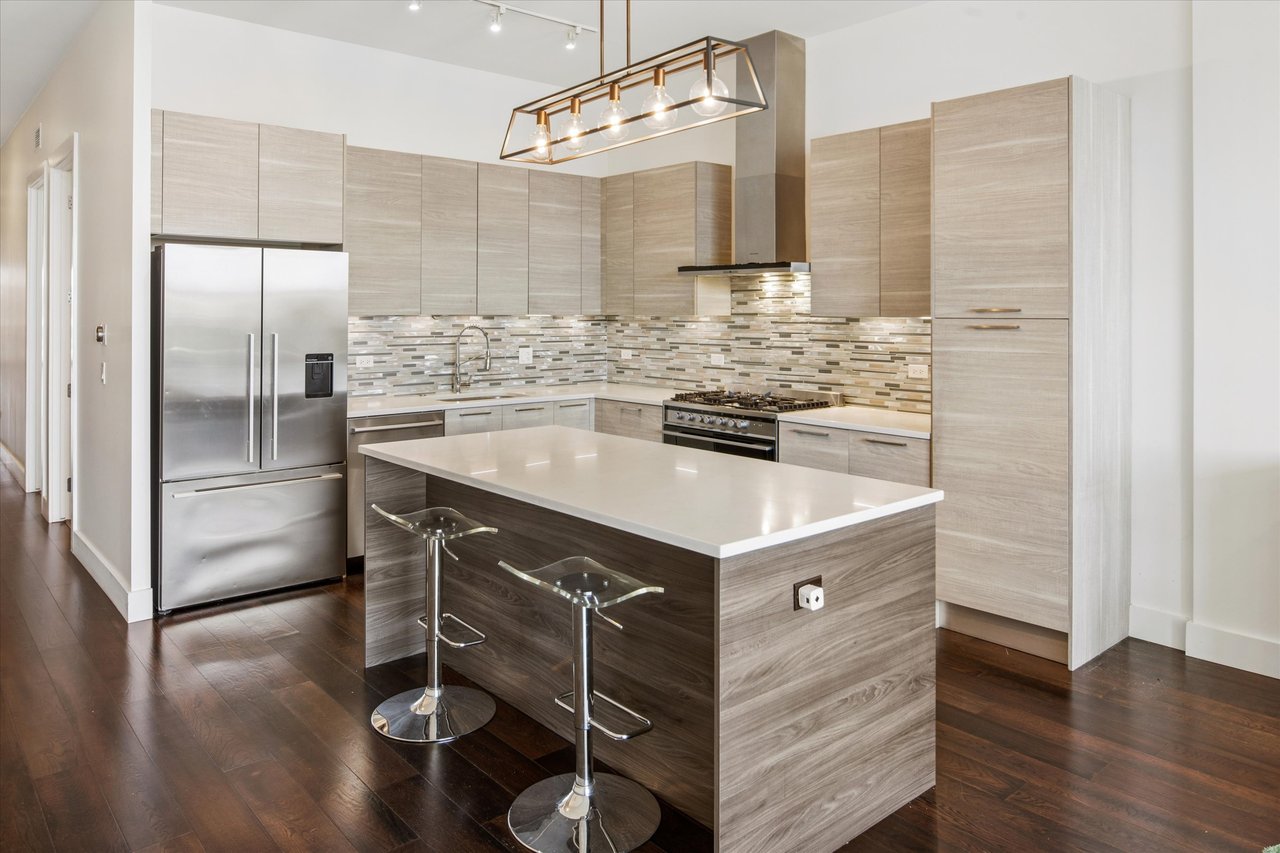
You're getting ready to list. A contractor walks through. Ten minutes later you're picking quartz samples and talking about a six-month project.
Slow down. Before you spend one dollar on a remodel, you need three answers:
- What sold in YOUR building, and at what finish level?
- What does your association require before any work starts?
- Is a special assessment coming?
Those three checks decide the answer. Not your taste. Not a contractor's pitch. Let's walk through them.
Key Takeaways
- Across the wider River North area, homes sold in the roughly 90 days through October 2026 at a median of $392,500. That's an area-wide number. It says very little about YOUR unit.
- Illinois REALTORS® forecast that Chicago condo sales from September through November 2026 would run almost 10% below the same stretch a year earlier.
- Those "65 to 85 cents back on every dollar" renovation claims? They come from companies that sell renovations. No cited Downtown sales study backs them up.
- Your building's sales, rules, and finances beat any citywide average. Every time.
Renovate, Update, or Sell As-Is: How Do They Compare?
Three paths. Different cost, different time, different risk. For most Downtown Chicago sellers, the middle path fits the calendar best.
Path | What it covers | Timeline impact | Main risk |
|---|---|---|---|
Sell as-is | List the unit in its current condition | Fastest to market | Dated finishes or deferred maintenance can bring lower offers or inspection requests |
Targeted updates | Paint, lighting, hardware, floor repair or refinishing, appliances, selective kitchen or bath work | Short, usually fits a planned launch | Spending on things your building's buyers don't care about |
Full renovation | Design, permits, association review, licensed trades, inspections, material lead times | Longest and hardest to predict | Over-improving for the building, cost overruns, and a market that moves while you build |
What does selling as-is really mean?
You skip the construction. You skip the delays. But buyers price in what they see.
In a building where most recent sales were original or lightly updated units? That trade can be perfectly fine. In a building where updated units are the norm? A dated unit can sit.
Which targeted updates fit a listing timeline?
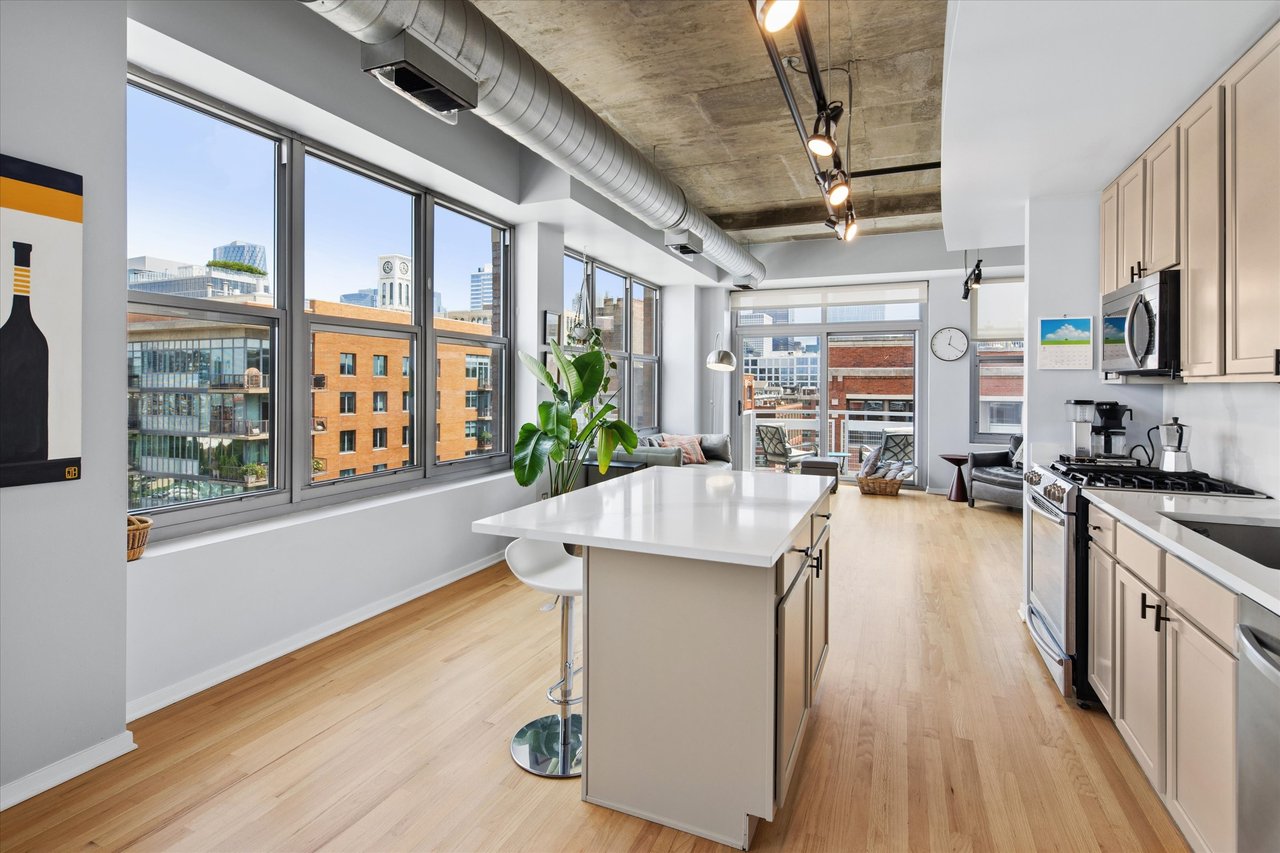
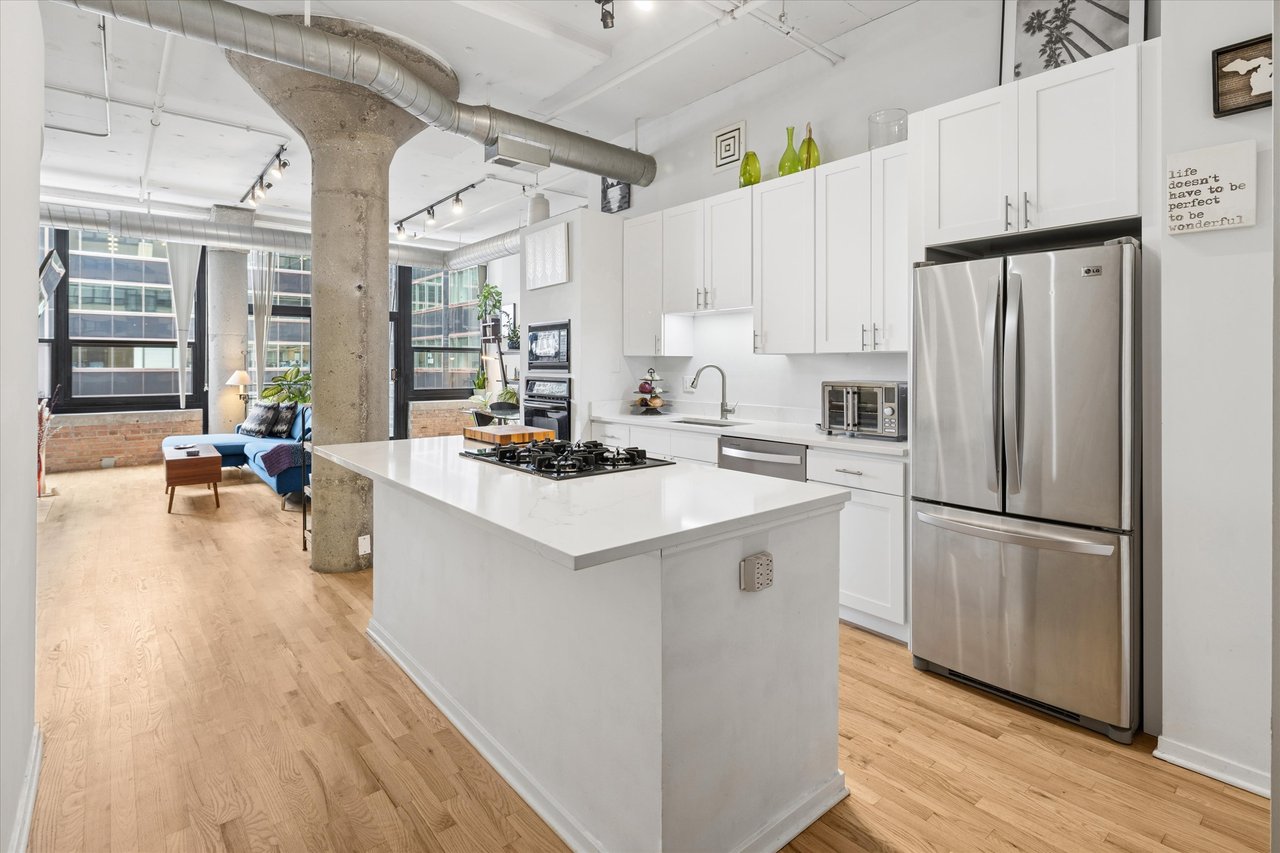
The winners finish fast and photograph well:
- Fresh paint
- Better lighting
- New hardware
- Refinished or repaired floors
- Replacing tired appliances
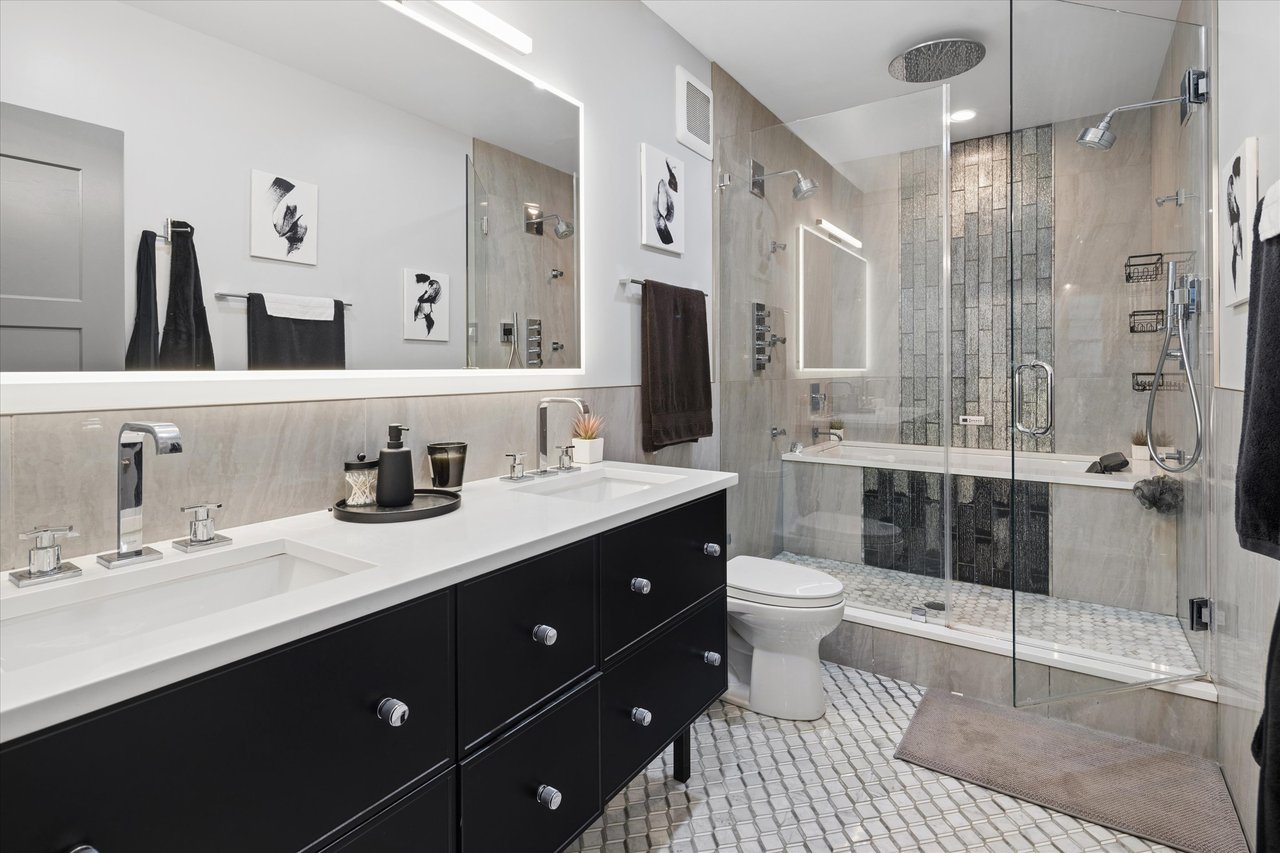
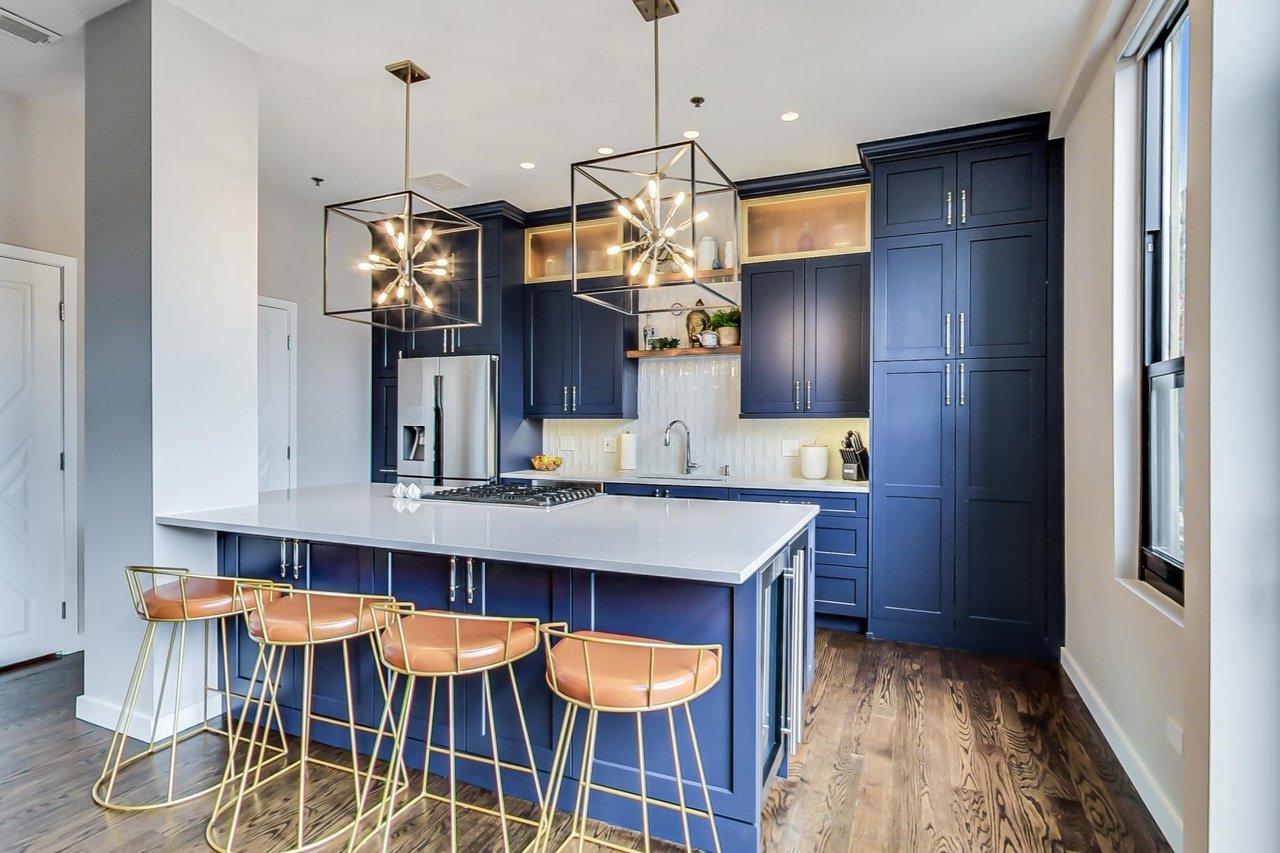
Selective kitchen or bath work can fit too, as long as the scope stays tight. I break down which projects tend to earn their keep in my guide to the highest ROI pre-sale condo upgrades.
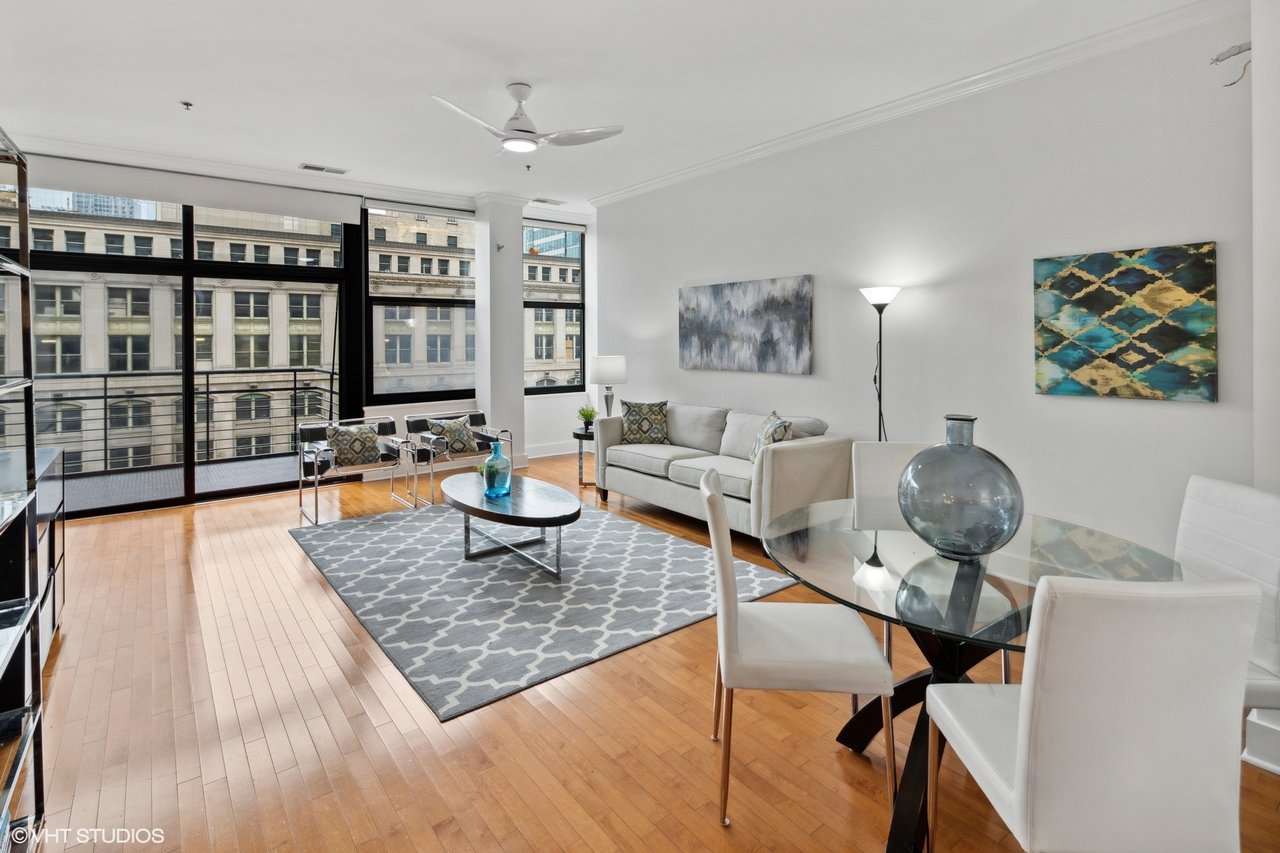
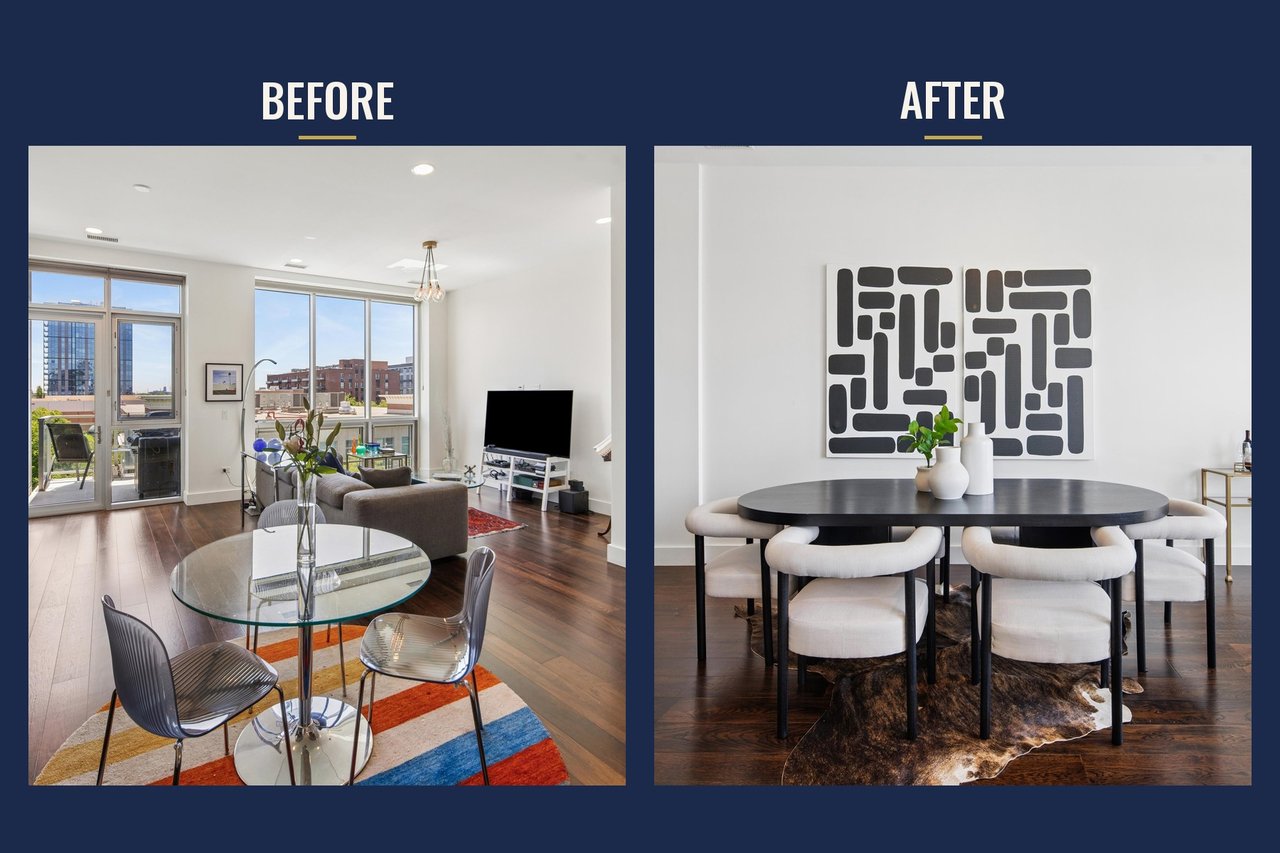
And presentation is cheaper still. Before you order new counters, look at whether staging pays off for a Downtown condo. Great staging and pro photos can do a lot of the work a remodel would.
When does a full renovation make sense?
Only when two things are true:
- Comparable units in your building sell at a finish level you can't reach any other way.
- You have the time and cash to carry the project.
Published 2026 planning ranges from Chicago contractors like Assembly Service Illinois and Quality Builders run from five figures for a cosmetic refresh to six figures for a full gut. Those are vendor estimates. Not market data. Your quote will look different.
You'll also hear payback claims. One contractor says 75 to 85 percent back at resale. Another says 65 to 80 cents per dollar. Treat those as sales pitches. Neither cites a local sales study, and I would never build a client's plan around them.
What Should You Check Before You Spend a Dime?
Three things. Any one of them can flip the answer on its own.
1. Which comparable sales matter most?
Start with your own building. Then widen out to nearby buildings with similar age, amenities, views, square footage, parking, and assessments.
Why so narrow? Because citywide averages hide huge gaps between towers on the same block. It's the same reason two condos in the same building can sell for different prices. Floor, view, and finish level change everything.
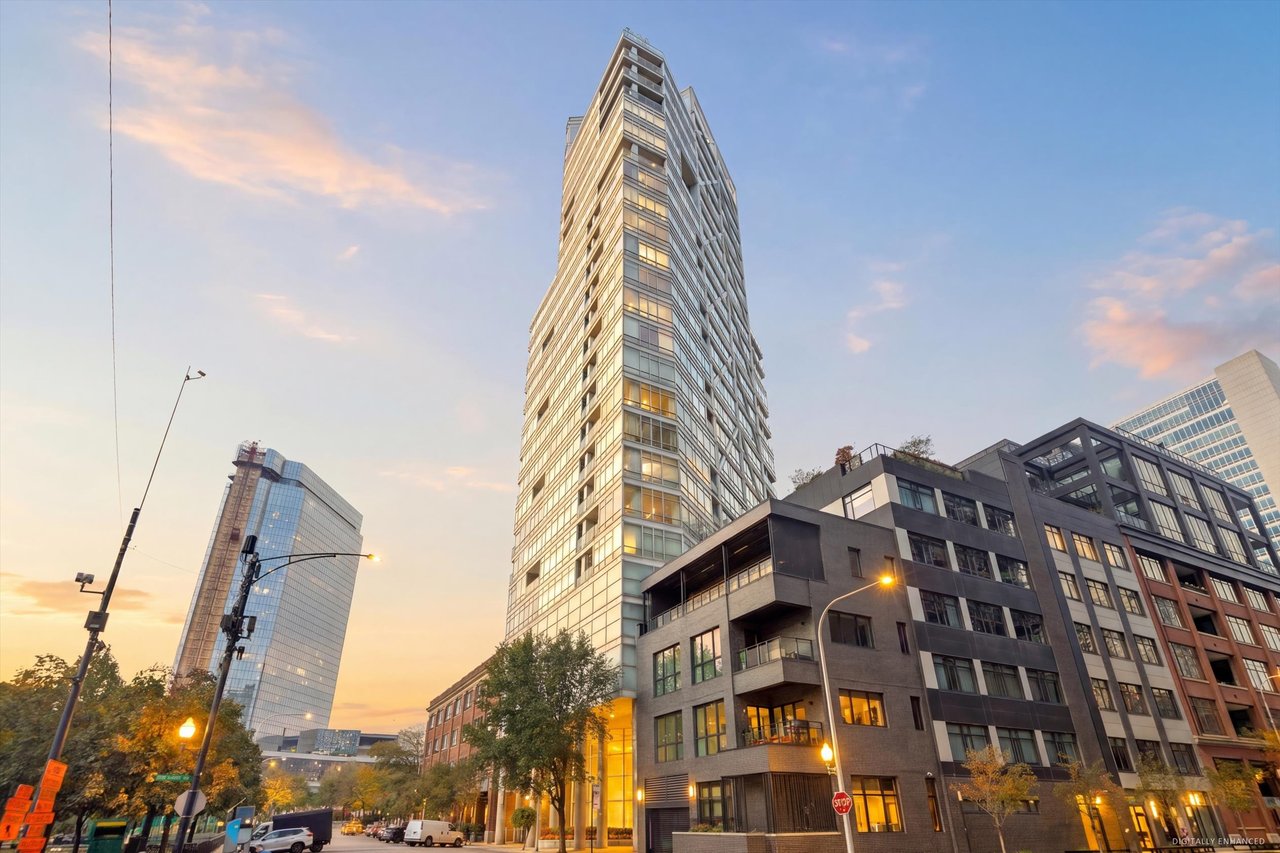
For scale, here's the area picture. Across the wider River North area, 175 homes sold in the roughly 90 days through October 2026 at a median of $392,500. Homes went under contract in a median of 19 days, and 196 homes are for sale now. If you want more on that neighborhood, see my take on River North for condo sellers in 2026.
Here's how far apart Chicago neighborhoods sit:
Area | Median Sale Price |
|---|---|
River North | $392,500 |
South Loop | $381,000 |
Gold Coast | $502,500 |
Lincoln Park | $810,000 |
Source: aggregated public listing data, trailing 90 days, as of October 2026. Area-level medians covering all home types.
Notice something? These medians cover every type of home in each area. They tell you NOTHING about your specific unit. A same-building comparison is the test that counts.
2. Do you need association approval to renovate?
Your association's rules decide that, and every building is different. In a high-rise, ask for the renovation package before you sign anything. Look for:
- Work-hour limits and noise rules
- Contractor insurance requirements
- Elevator or freight-elevator reservations
- Debris-removal procedures
- Plumbing and electrical restrictions
- Whether the work touches common elements
Permits depend on the work and where it sits in the building. Start with the City of Chicago's guide to interior alteration permits, then confirm with your licensed pros. There's no single timeline that fits every Downtown tower. Get one built for YOUR scope and YOUR building.
3. How does a special assessment change the math?
Buyers don't just buy a unit. They buy into a building's finances.
A buyer may discount even a beautifully renovated unit if the building has:
- An announced or likely special assessment
- A major capital project coming
- Thin reserves
- Litigation
- Unusually high monthly assessments
New finishes can't fix a building-level money problem. Ask your association what's planned and how reserves look. If an assessment is on the way, I'd usually rather put your money into presentation than into a gut job.
How Do You Decide What's Worth Doing?
Run this five-step check. Let building-level sales make the call.
- Pull recent sales in your building. Note which units were updated, which were original, and how each one performed.
- Match the finish level. Over-improving is the real risk. A luxury remodel is hard to justify when your neighbors sold with original or moderate finishes.
- Separate condition from style. Deferred maintenance costs you in negotiation. A dated but clean kitchen is a totally different problem.
- Watch the calendar. A long project means you list into the market as it looks when you FINISH, not when you start.
- Get a net sheet. Compare what you walk away with, with and without the work. Not just the project's price tag.
Why does timing matter so much right now? The Illinois REALTORS® September 2026 forecast reported Chicago condo inventory about 19.0% lower than in August 2025, with condo days on market one day shorter. It also estimated Chicago condo sales from September through November 2026 at almost 10% below a year earlier. Those are Chicago-wide figures, and partly a forecast. But the message is clear: the market can shift while you're still waiting on cabinets.
One more thing. I haven't seen a verified Downtown Chicago statistic that puts a percentage premium on a full renovation, targeted updates, or an as-is sale. If someone quotes you one without looking at your building's comps, be careful.
To see how each path changes what you keep, run the numbers with my breakdown of net proceeds on a Downtown Chicago condo sale. Then bring them to me, and we'll test them against your building.
FAQ
Should I renovate my Downtown Chicago condo before listing it?
Usually not a full renovation. Targeted updates and strong presentation tend to fit a listing timeline better. Selling as-is can work when your building's recent sales show buyers aren't paying extra for new finishes.
Which condo renovations add the most resale value in Chicago?
No verified Downtown figure ranks renovations by resale value, so it depends on your building. Paint, lighting, hardware, floor refinishing, and appliances fit a short timeline best. Whether a kitchen or bath pays back depends on what comparable units in your tower sold for.
Will a special assessment hurt my Downtown Chicago condo's resale value?
It can. Buyers may discount a unit if the building has an announced or likely assessment, a big capital project, or weak reserves, even when the unit is newly renovated. Find out what your association has planned before you commit to any project.
Let's Run the Numbers for YOUR Unit
Renovate. Update. Or sell as-is.
The right answer lives in your building's sales, its rules, and its finances. I'll pull those comps and walk you through every option, so you don't spend money buyers won't pay back.
Call or text Christine Hancock at 312-296-9300 to talk about your unit's value, or what it would take to get you to the closing table.
About Christine Hancock
Christine Hancock is a seller-first real estate expert with The Hancock Group at @properties Christie's International Real Estate. She helps Chicago homeowners maximize their market position through strategic preparation, data-driven pricing, and marketing that builds real demand, with deep roots in the West Loop, River North, South Loop, Old Town, and Streeterville, and a proven record across Downtown Chicago.
@properties Christie's International Real Estate · 312-296-9300
Equal Housing Opportunity. Christine Hancock, Broker Associate, @properties Christie's International Real Estate, regulated by the Chicago Association of Realtors. This article is general information, not legal, tax, or financial advice. Confirm your own numbers with your real estate attorney, tax advisor, or lender.