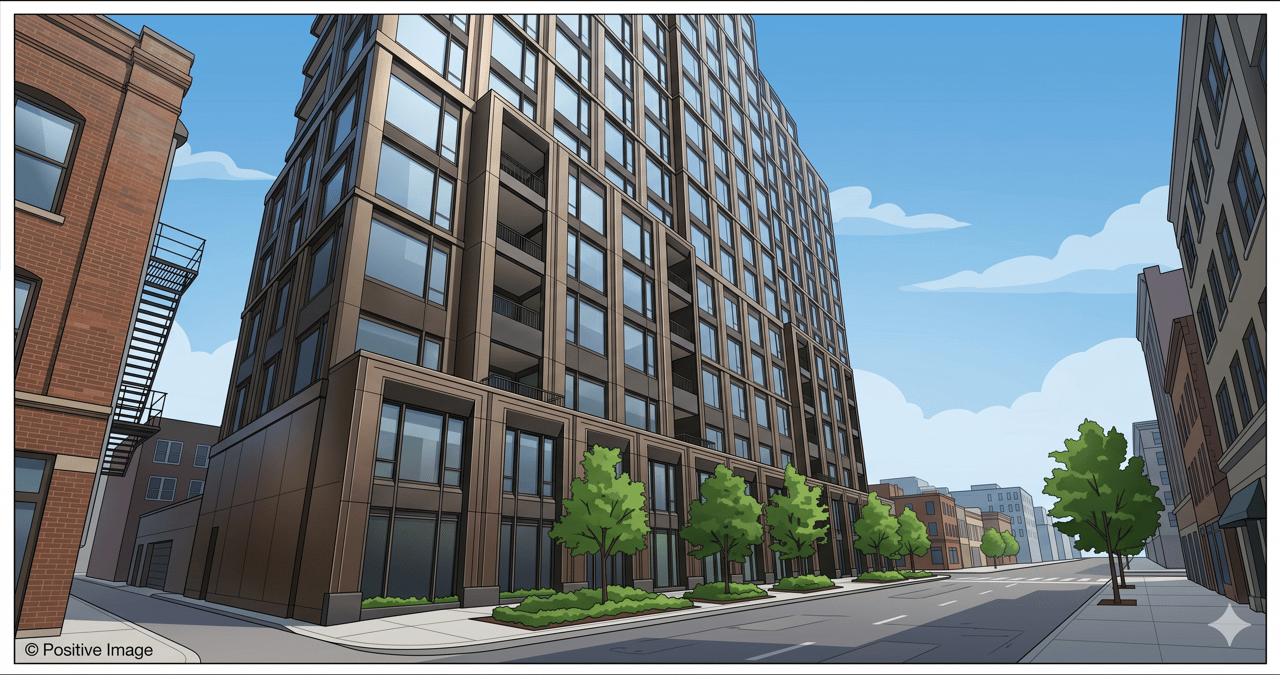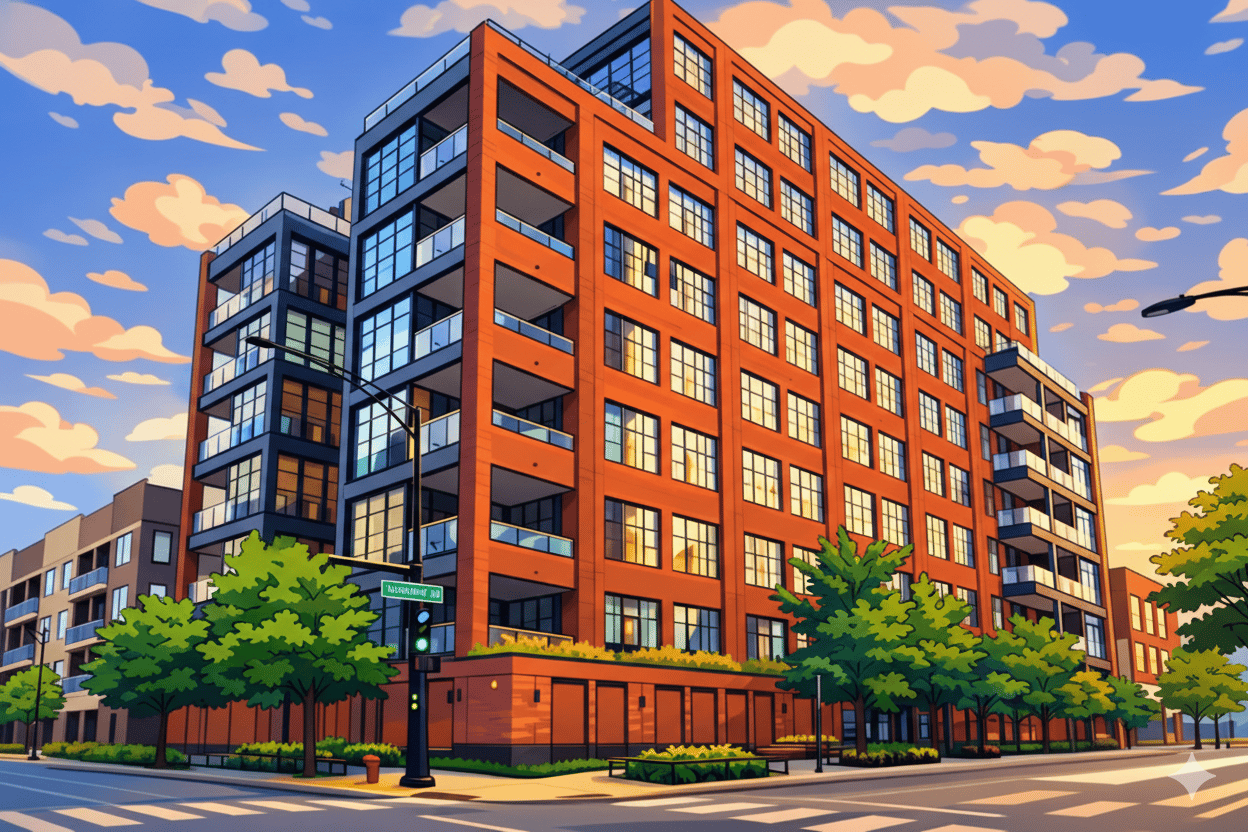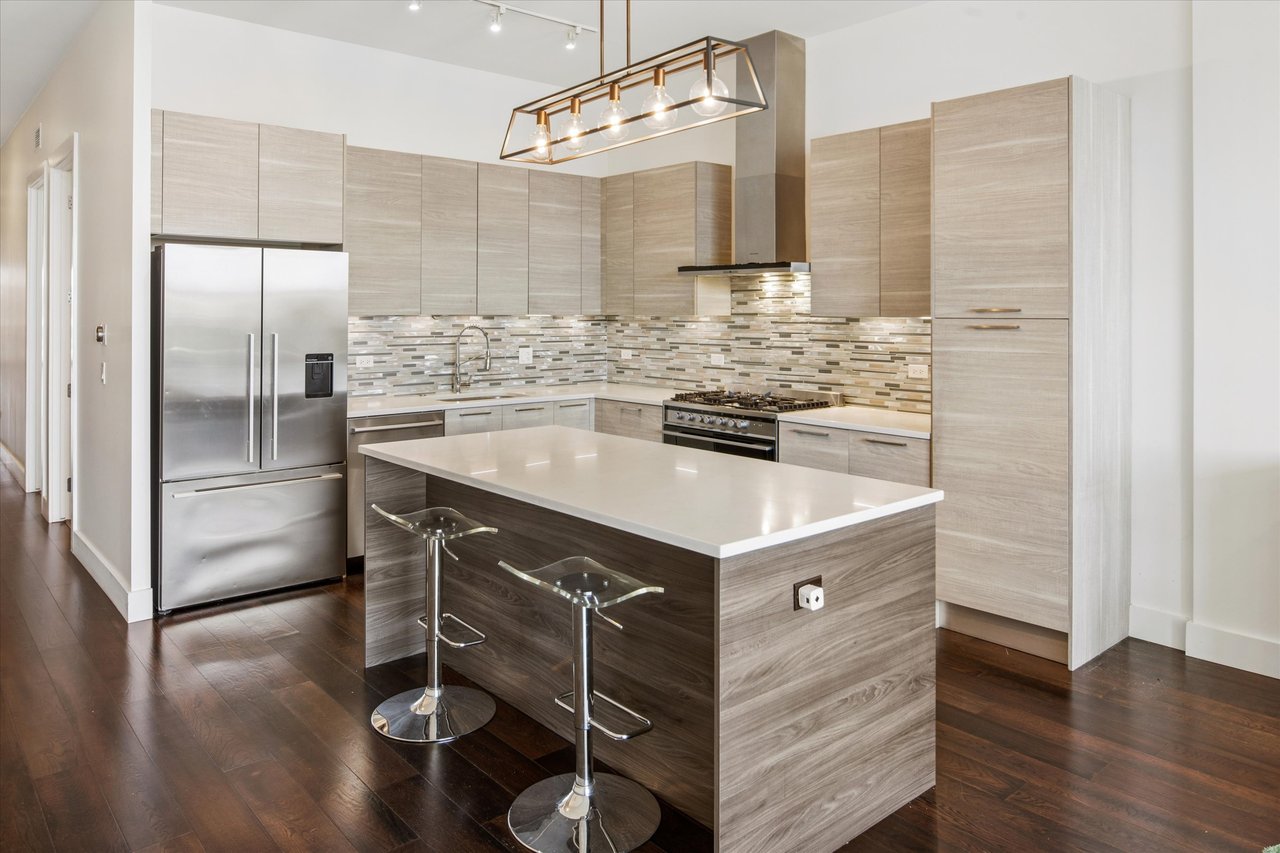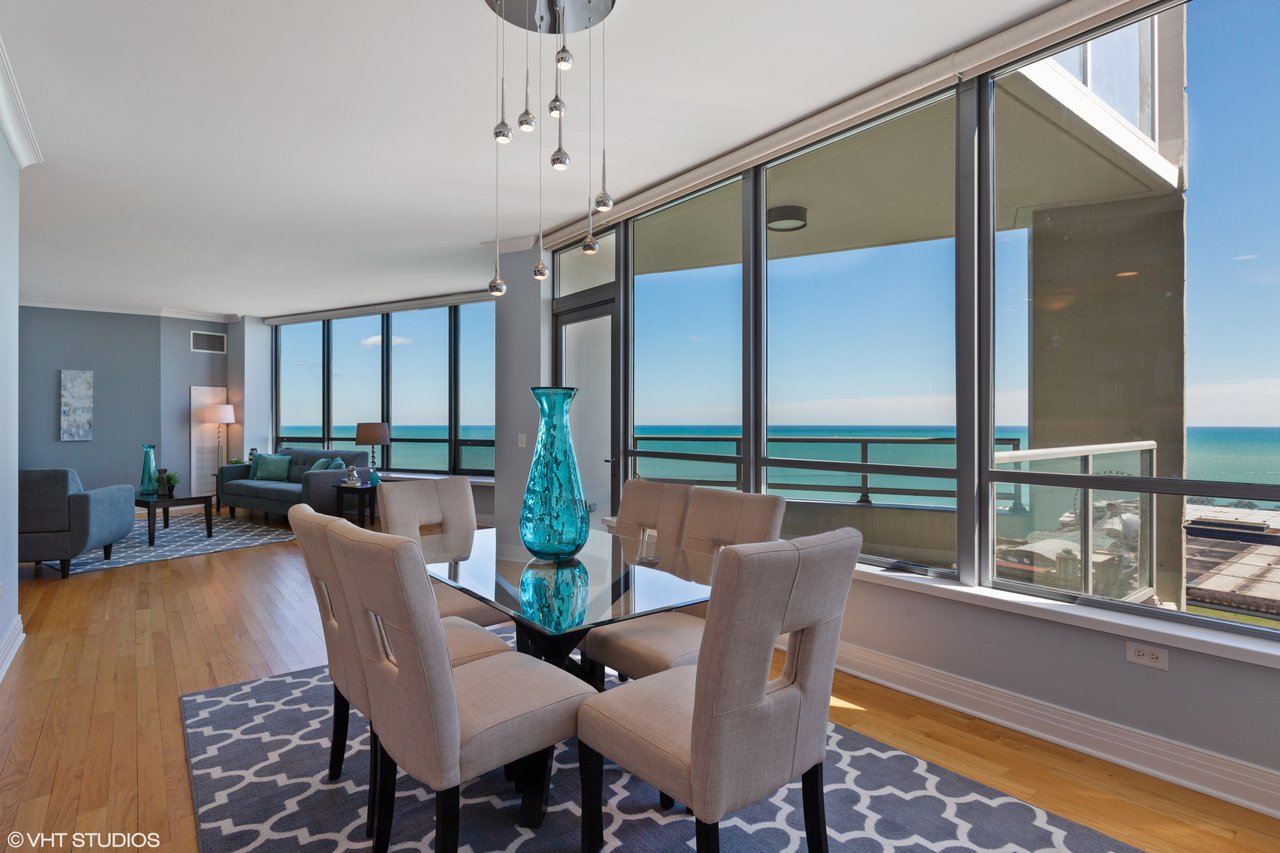
Your first decision is which sales set the ceiling. Start with closed sales in your own building, then add active competition, view, floor, condition, and assessments. Pick a number those facts support before you list, then judge it by early showings and offers, not by hope. Reductions should answer evidence, not nerves.
How do you price a Downtown Chicago condo without chasing the market?
The Short Answer: You price a Downtown Chicago condo without chasing the market by anchoring on closed sales in your own building, checking them against the active competition, and adjusting for view, floor height, condition, and assessments. Then you launch at that number and let the first weeks of showings and offers tell you if it holds. A price built on evidence rarely needs to be chased later.
Key Takeaways
- Across the wider West Loop market, recent local market data shows 30 homes for sale now and 28 homes sold in the trailing 90 days through October 2026, so buyers have real alternatives to your unit.
- Closed sales in your own building are the strongest evidence of value, and nearby buildings should only fill gaps, not replace them.
- Active listings define what buyers can choose instead of your condo, but they don't prove value until they close.
- A view, a floor, or a renovation is worth what it does in combination with the layout, exposure, and assessment, not a flat premium.
- A pending special assessment can erase an apparent price advantage, so confirm the details with the association before you set a number.
What goes into a credible asking price for a downtown condo?
A credible price starts with closed sales in your own building, gets tested against active competition, and is then adjusted for the features that truly differ. Each step narrows the range until the number is defensible to a buyer and to a buyer's attorney.
Why does your building come first?
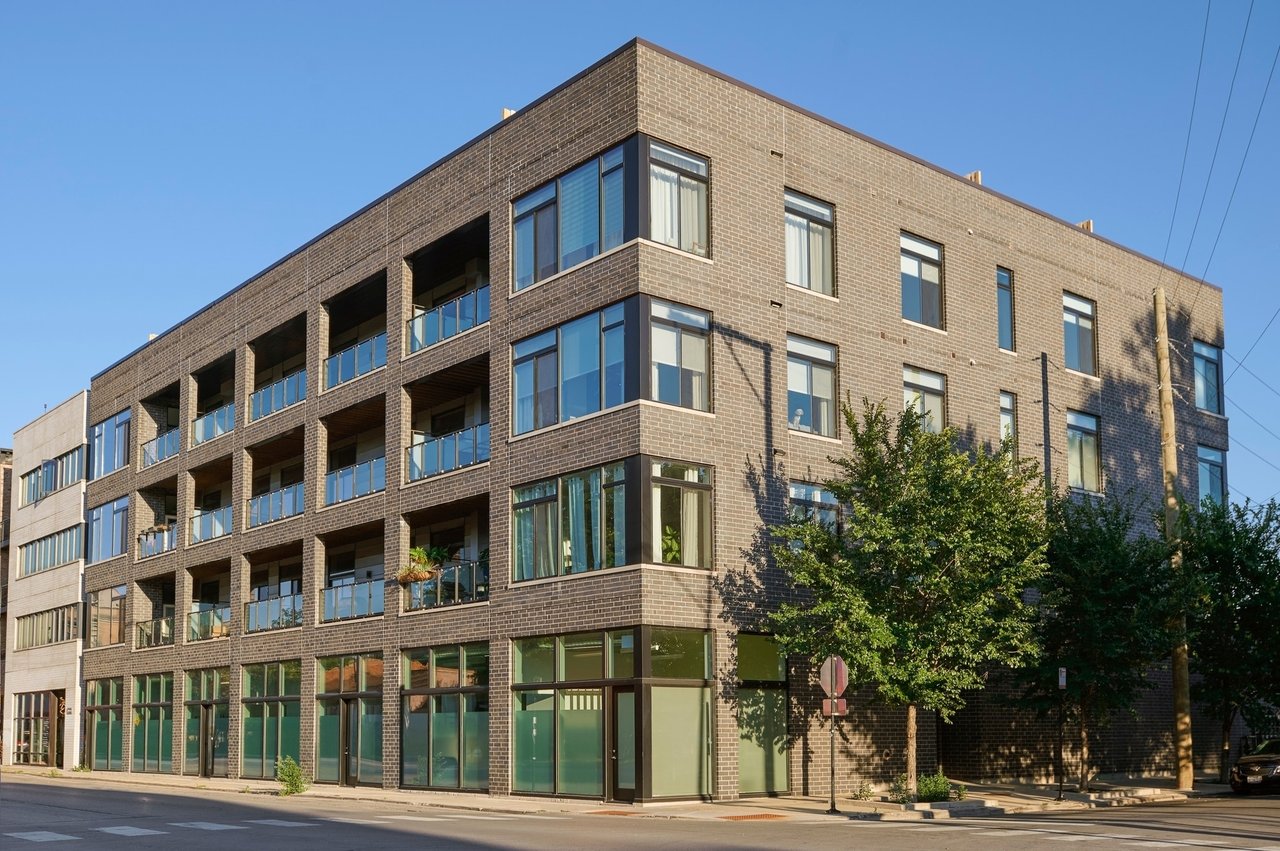
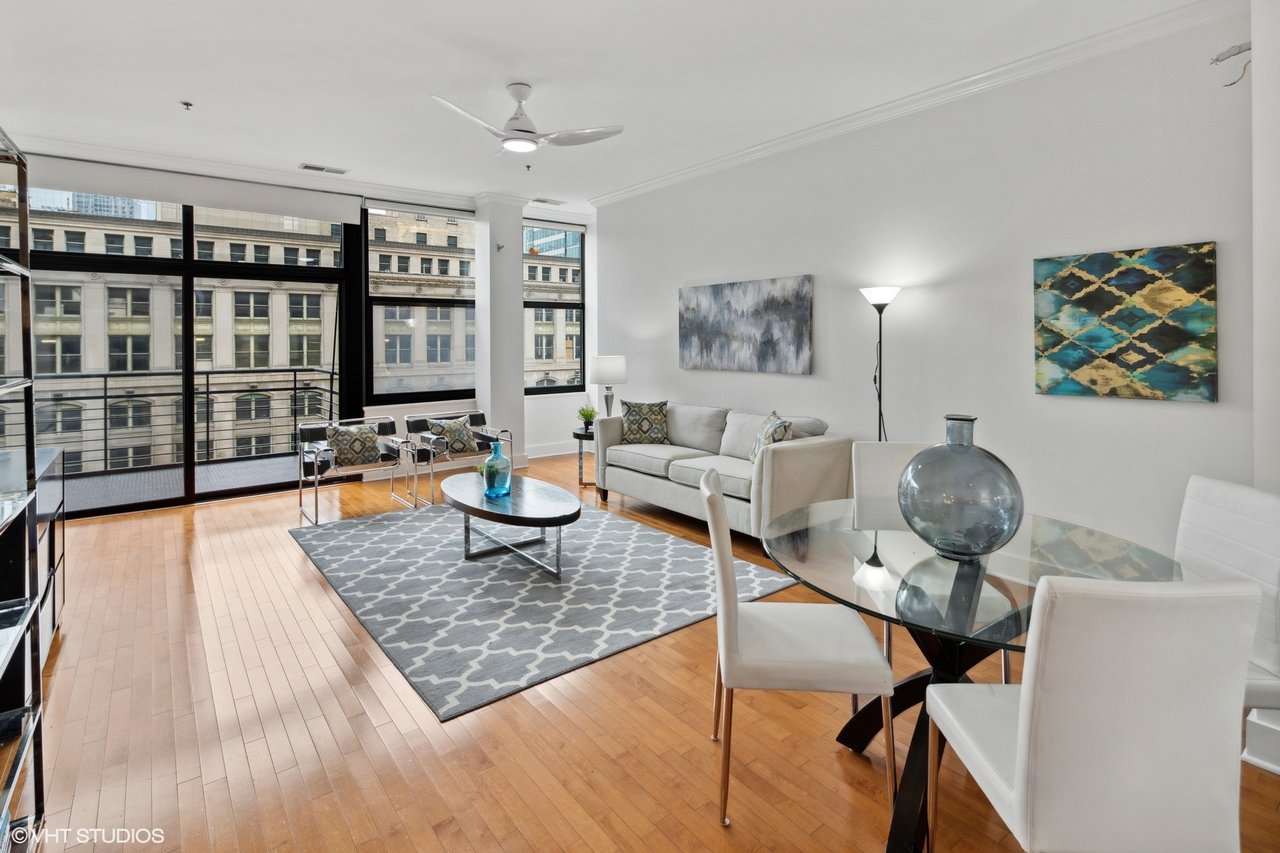
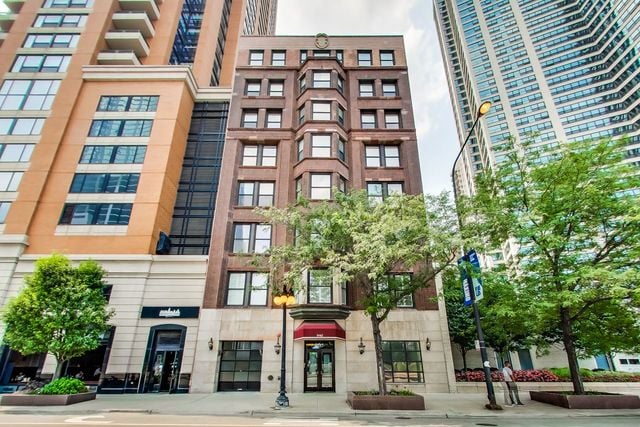
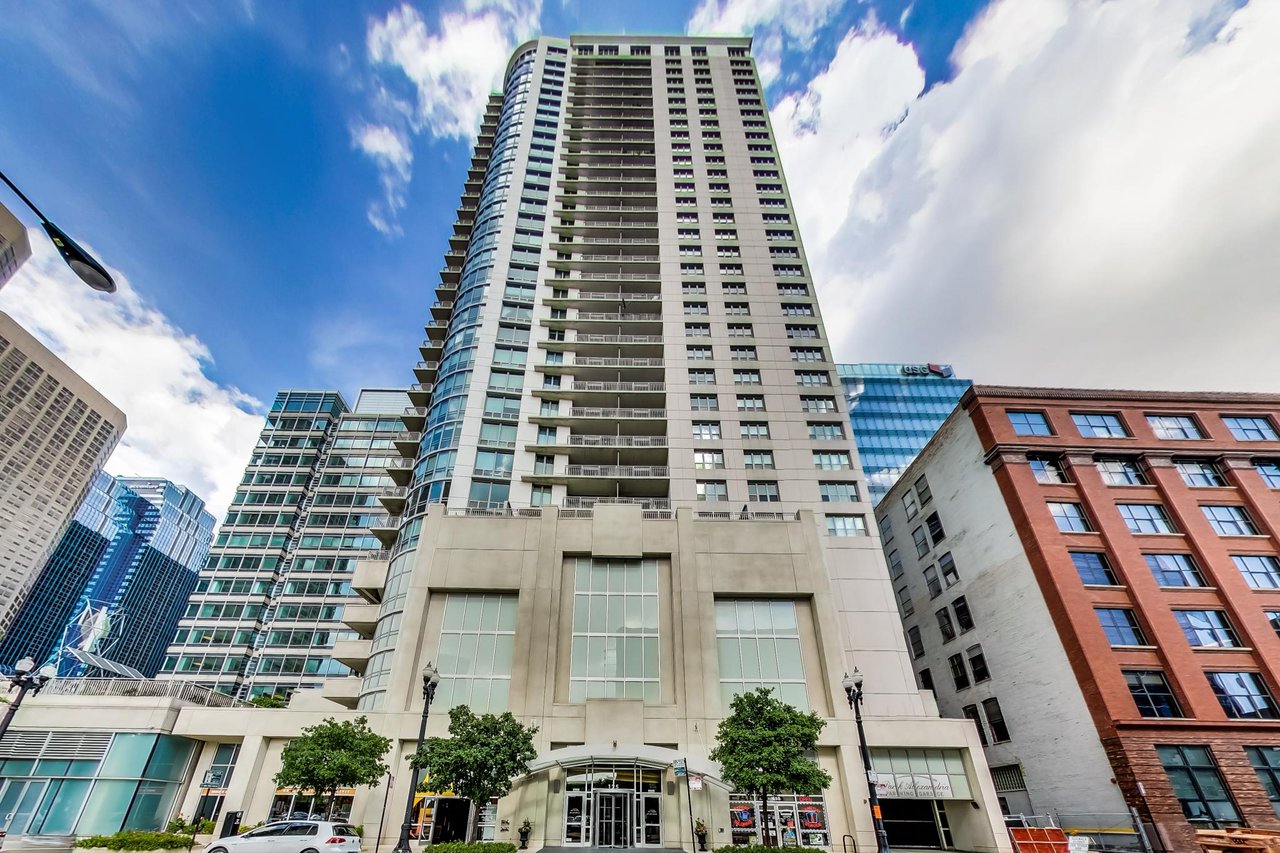
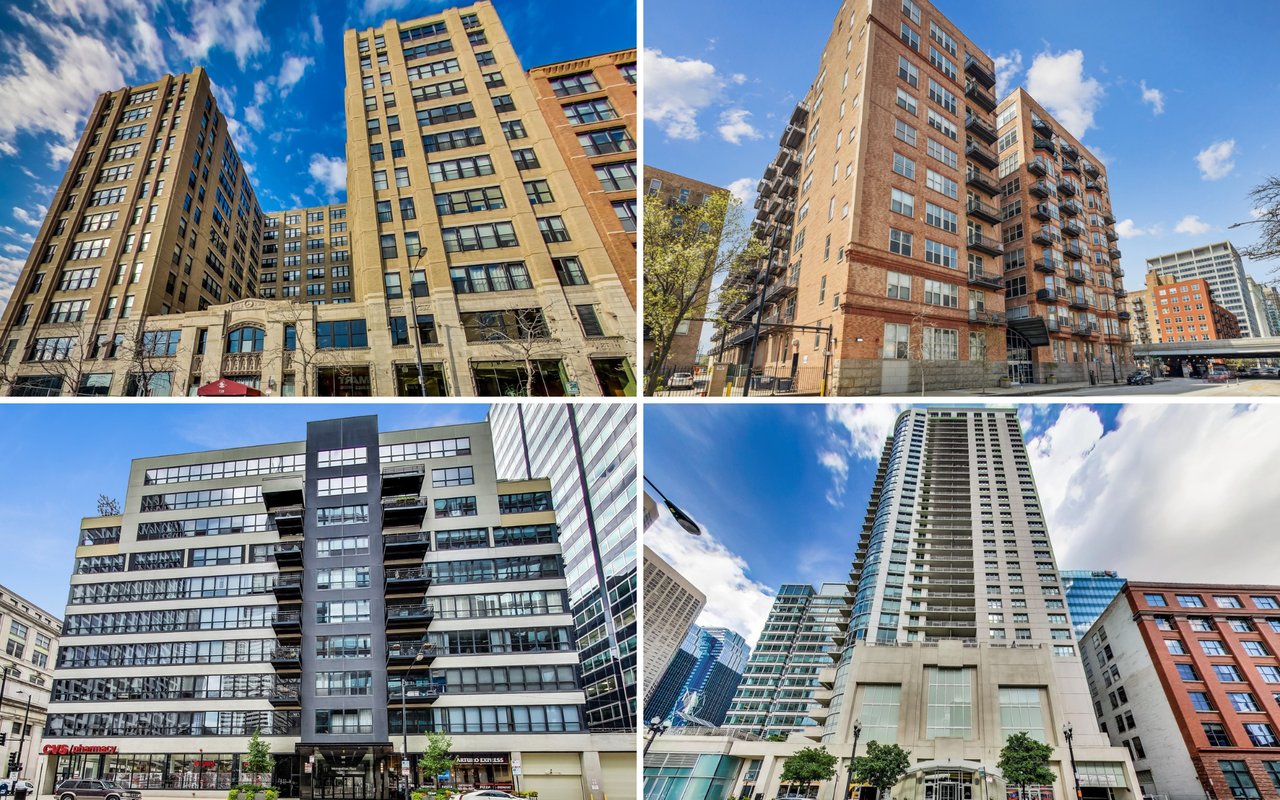
Because buyers compare your unit to the other units they can buy in your building and the buildings around it. I look first for closed sales in your condominium association with a similar floor plan, exposure, bedroom count, parking arrangement, storage, renovation level, and assessment. It's also why two condos in the same building can sell for very different prices.
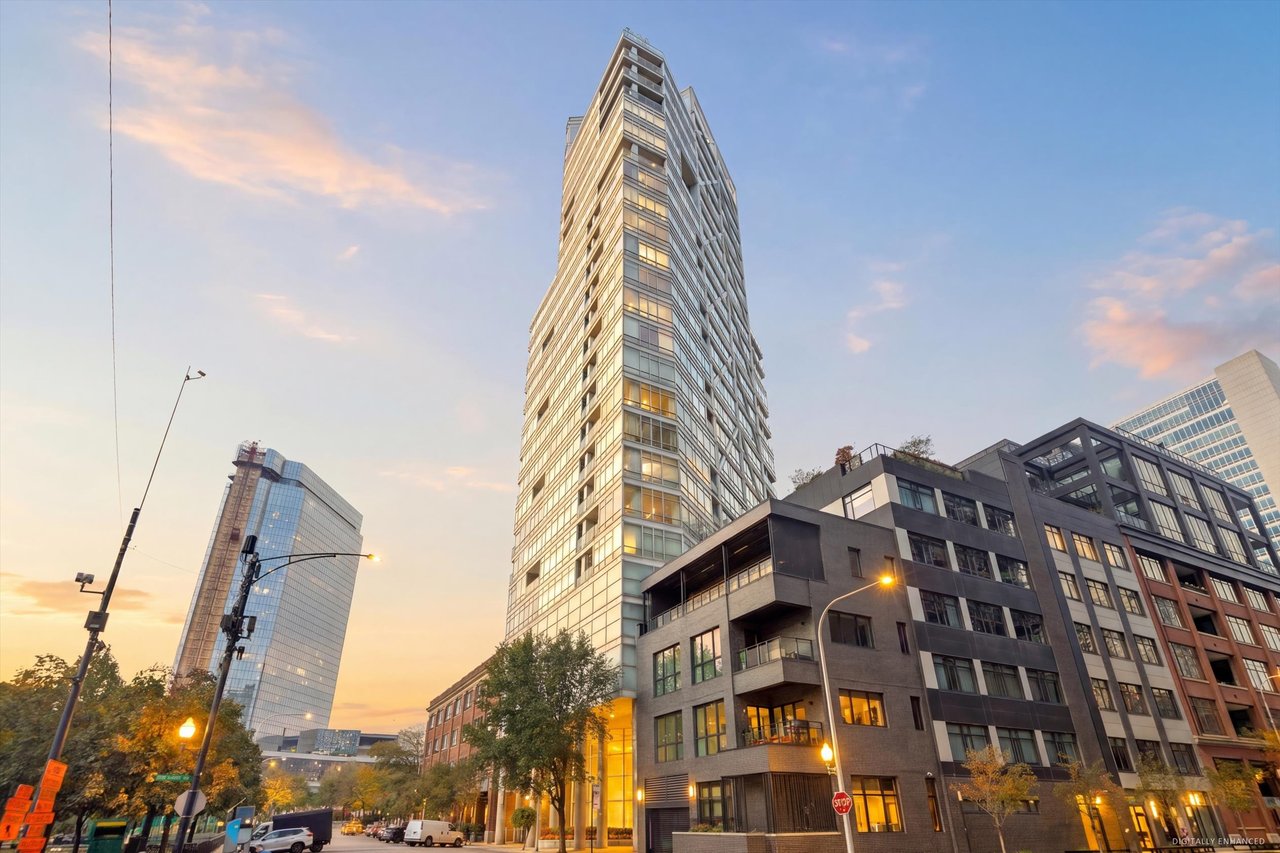
Only then do I widen the search. River North, Streeterville, Lakeshore East, the West Loop, the South Loop, and the Loop all sit in the downtown conversation, but they are not interchangeable. That's the heart of how I price a Downtown Chicago condo without chasing the market: the building's own sales history carries the most weight, and nearby buildings fill the gaps.
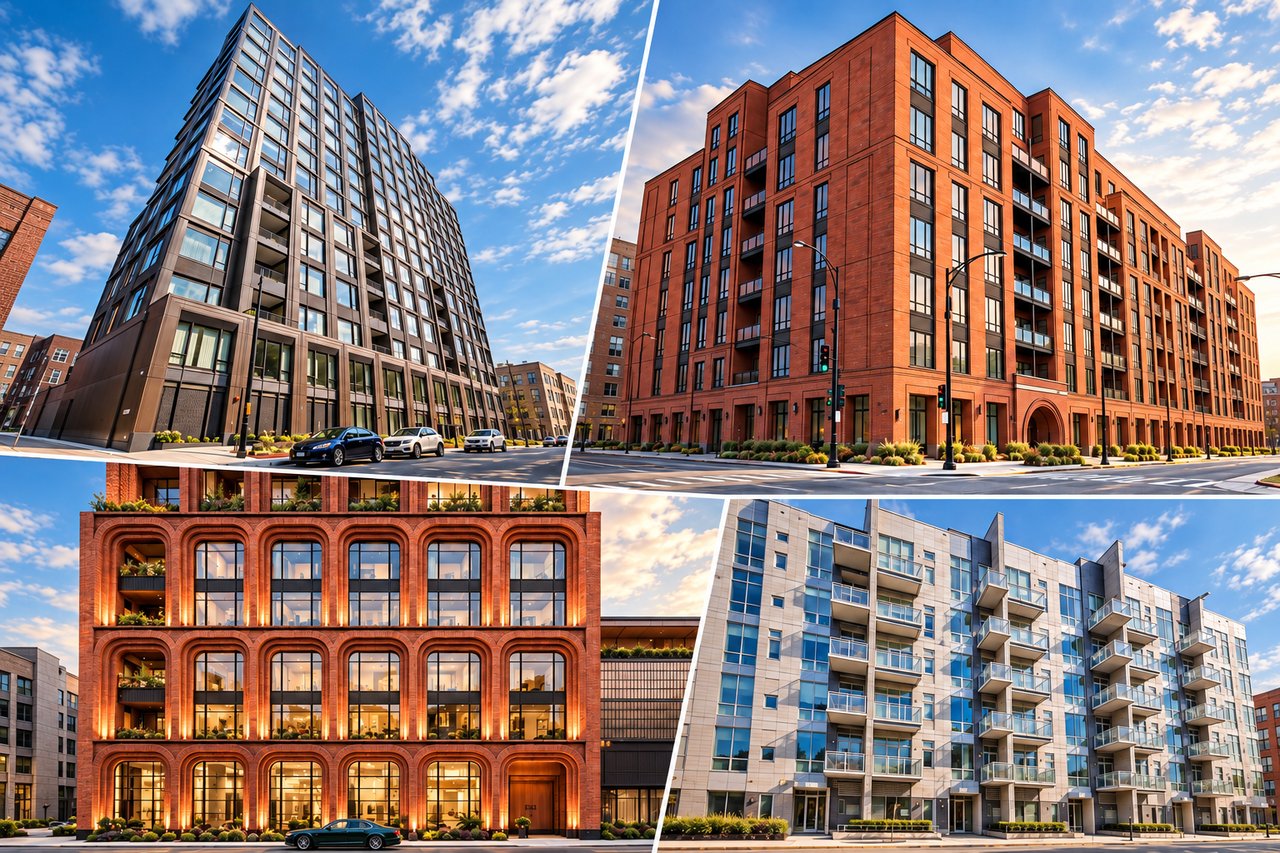
A broad Downtown Chicago median can give context. It can't substitute for a unit-specific valuation. High-rise condos vary too much by building, floor plan, view, amenities, parking, and condition.
How do closed sales differ from active competition?
Closed sales show what buyers actually paid. Active listings show what sellers are asking, which defines the buyer's alternatives, but an asking price is not a value until it closes.
For every competing unit, I record:
- List price and price per square foot
- Floor, view, and exposure
- Condition and renovation level
- Monthly assessment and any special assessment
- Parking and storage
- Days on market and any price reductions
Why does the original list price matter?
A unit that has already been reduced tells you how buyers responded to the first number. The reduction isn't proof of value, but it is useful evidence. I always look at the original and current price side by side, because a unit that sits for weeks and then drops is showing you where demand actually was.
How do views, floor height, condition, and assessments move the price?
Each feature moves the price only in combination with the others, so you adjust for the whole package instead of applying a flat premium. A high floor with a poor layout or a heavy assessment may not beat a lower floor with a better plan.
How much is a view worth?
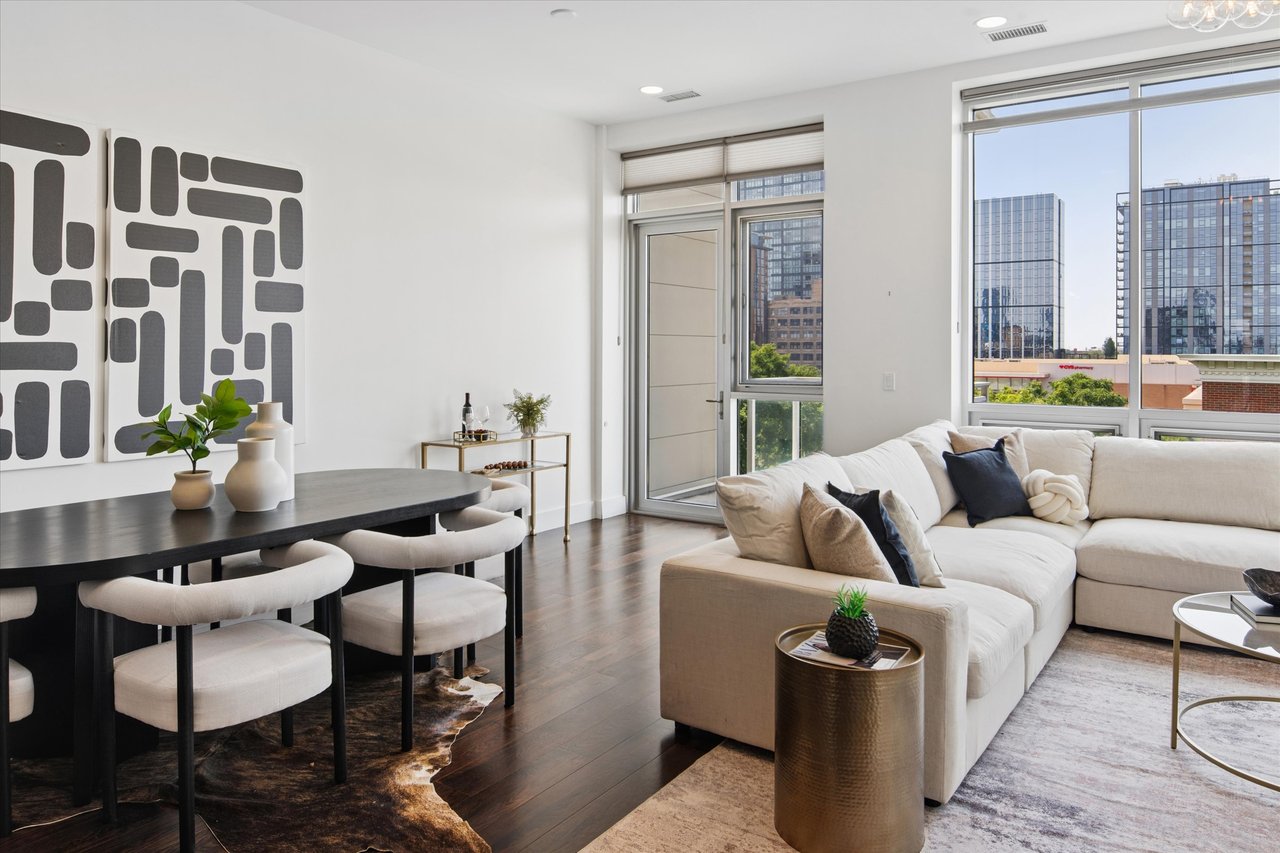
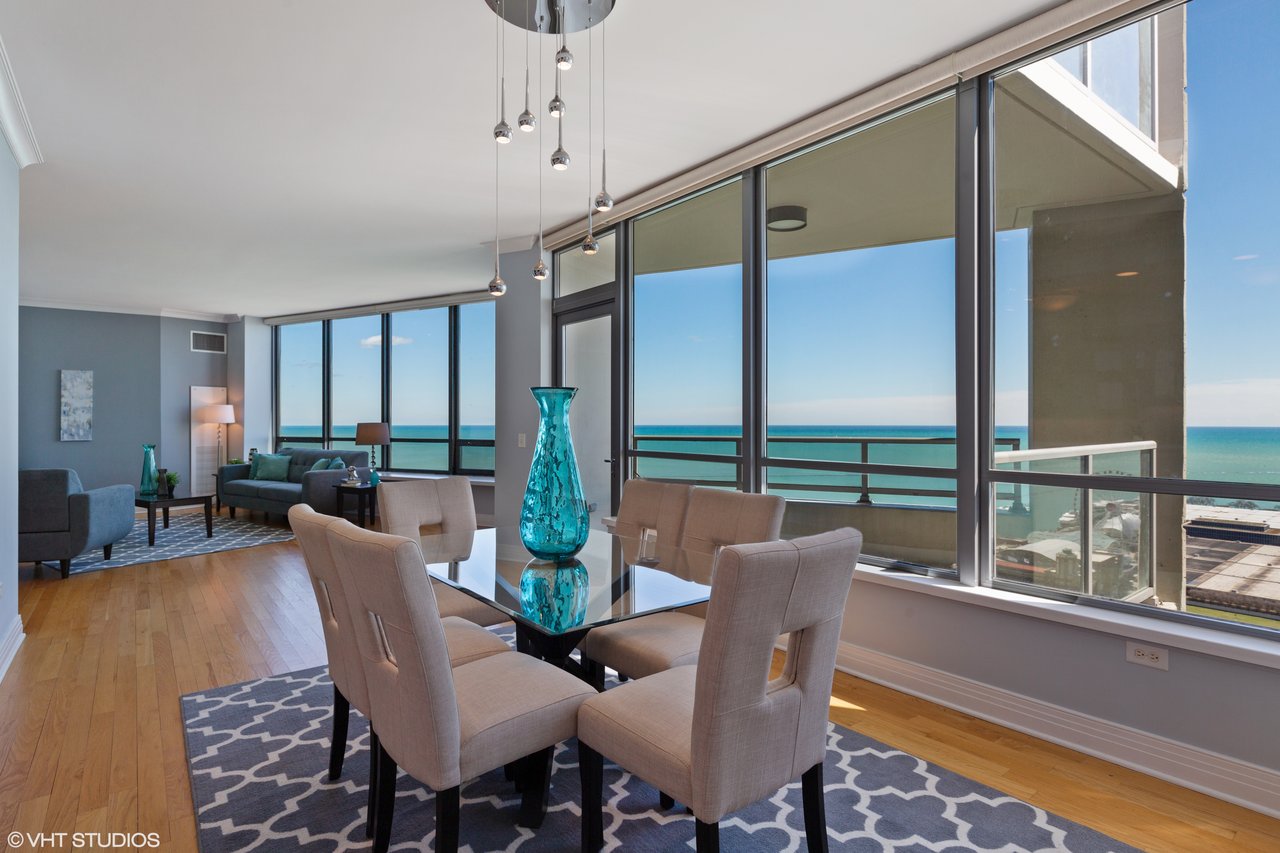
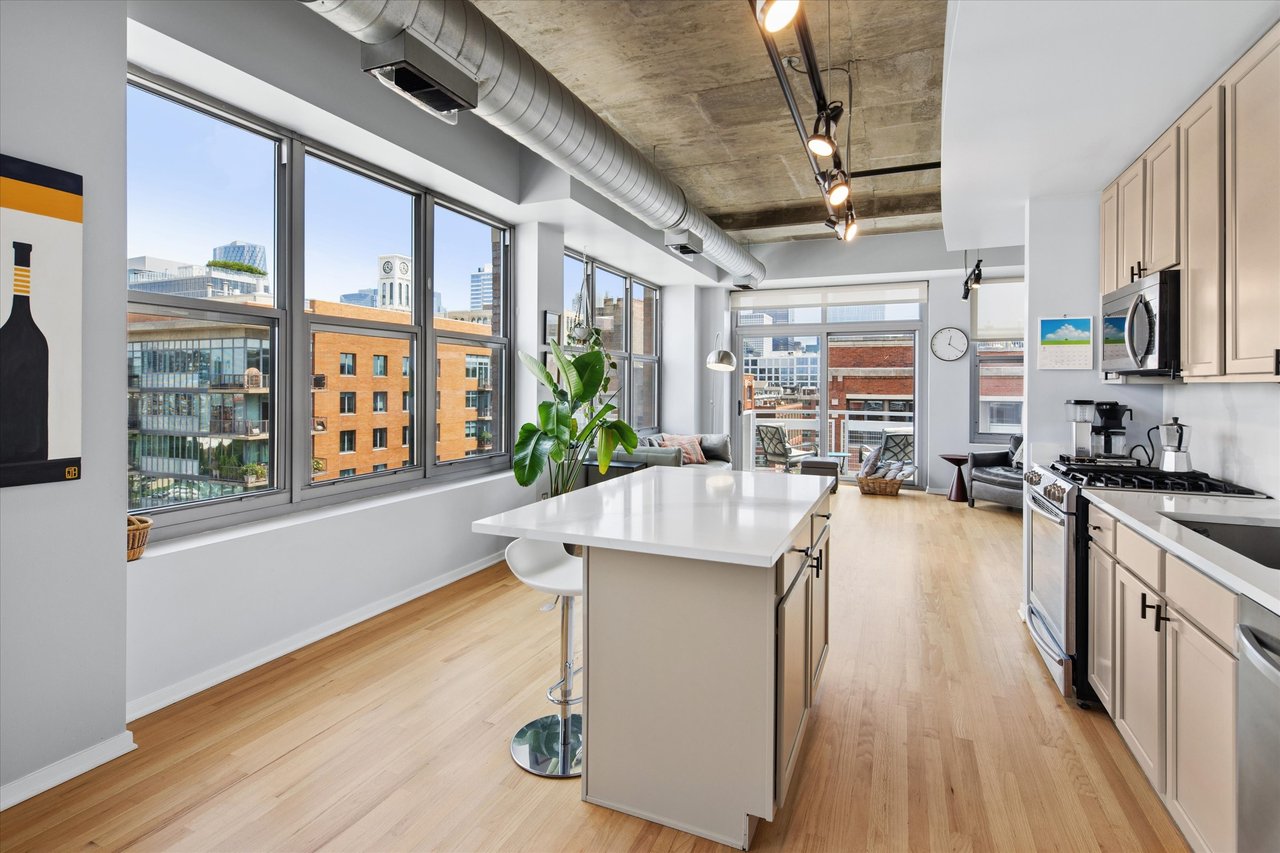
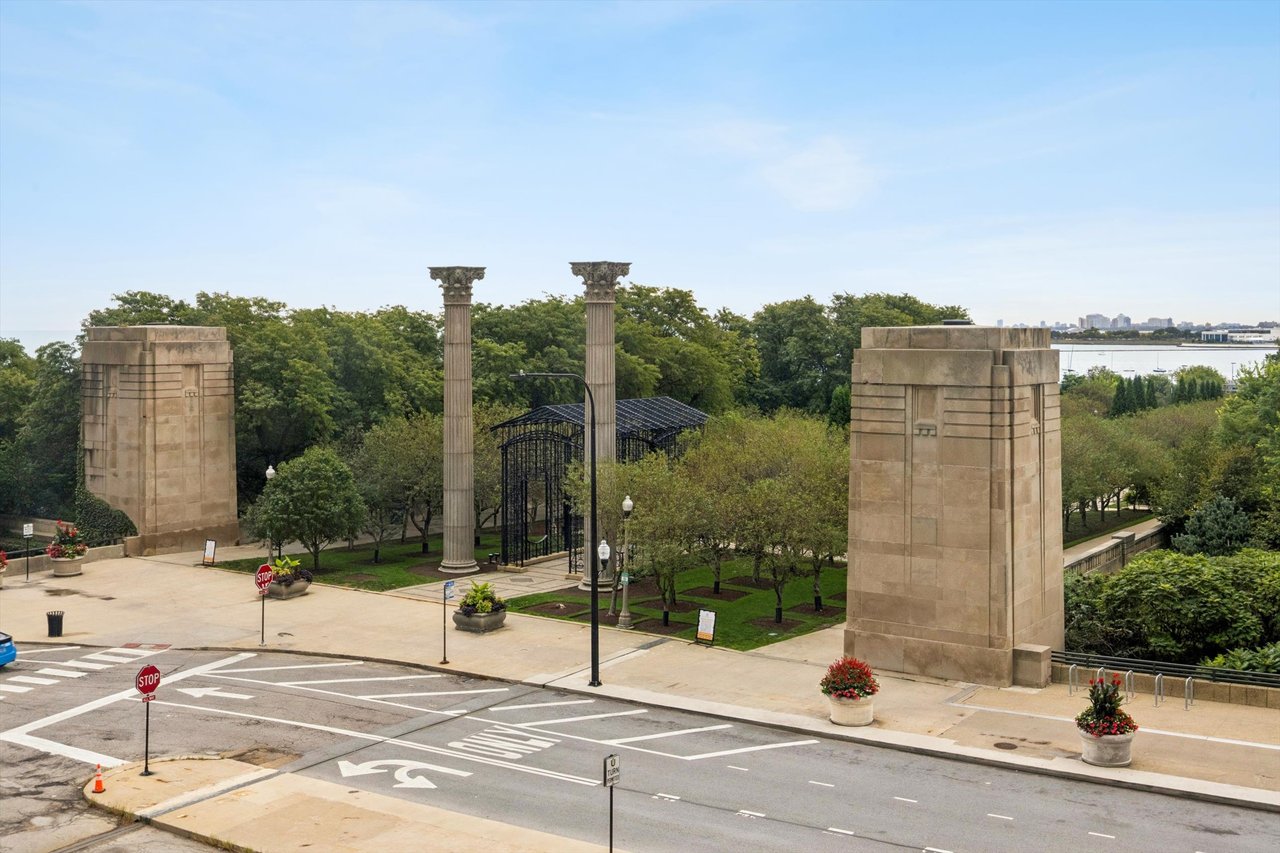
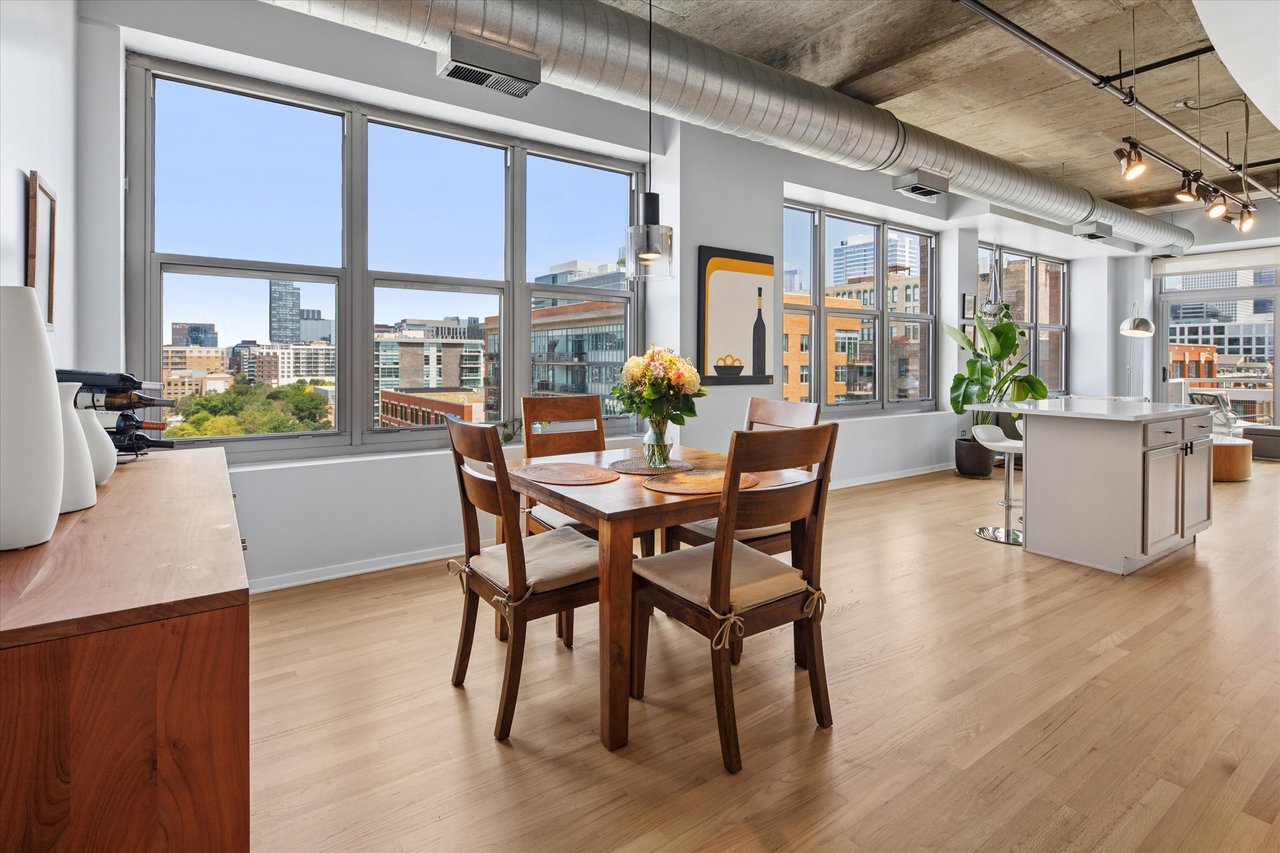
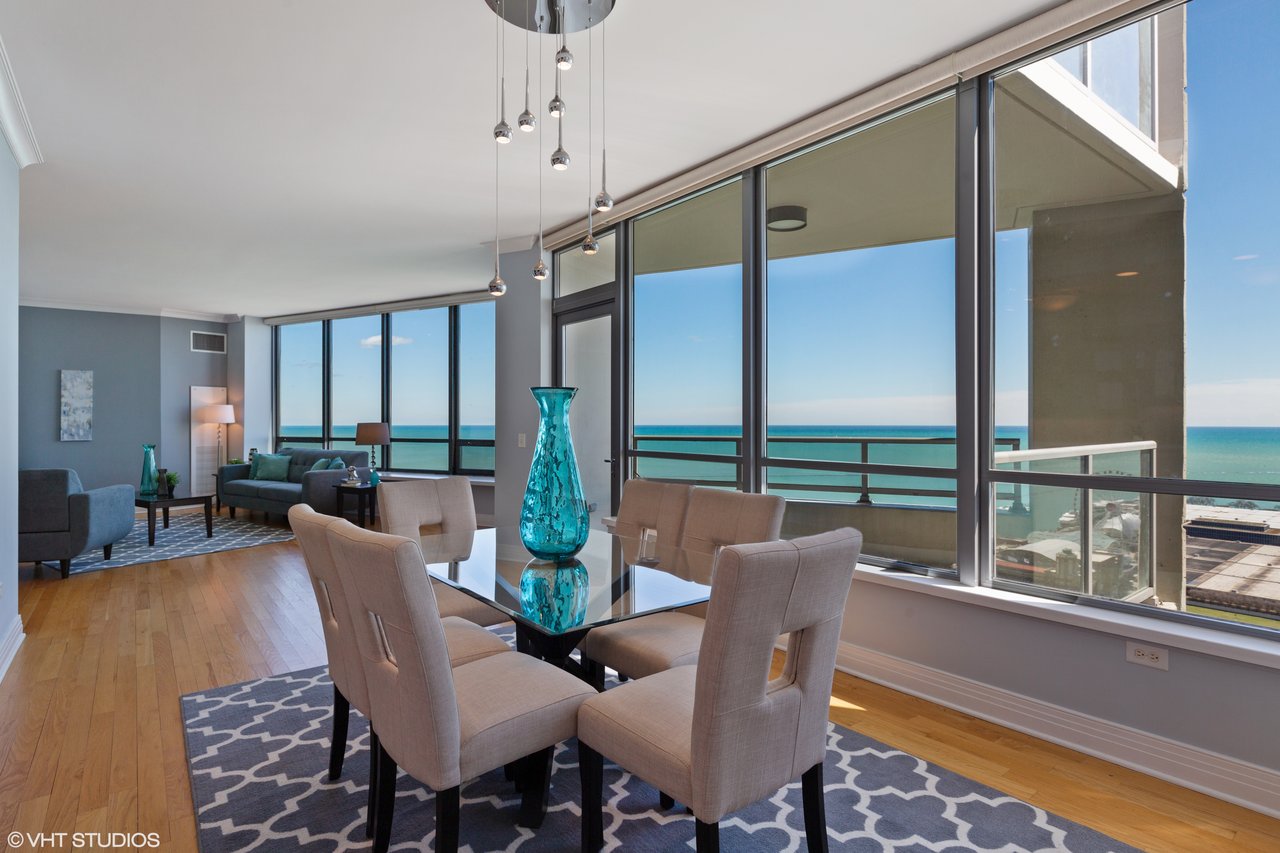
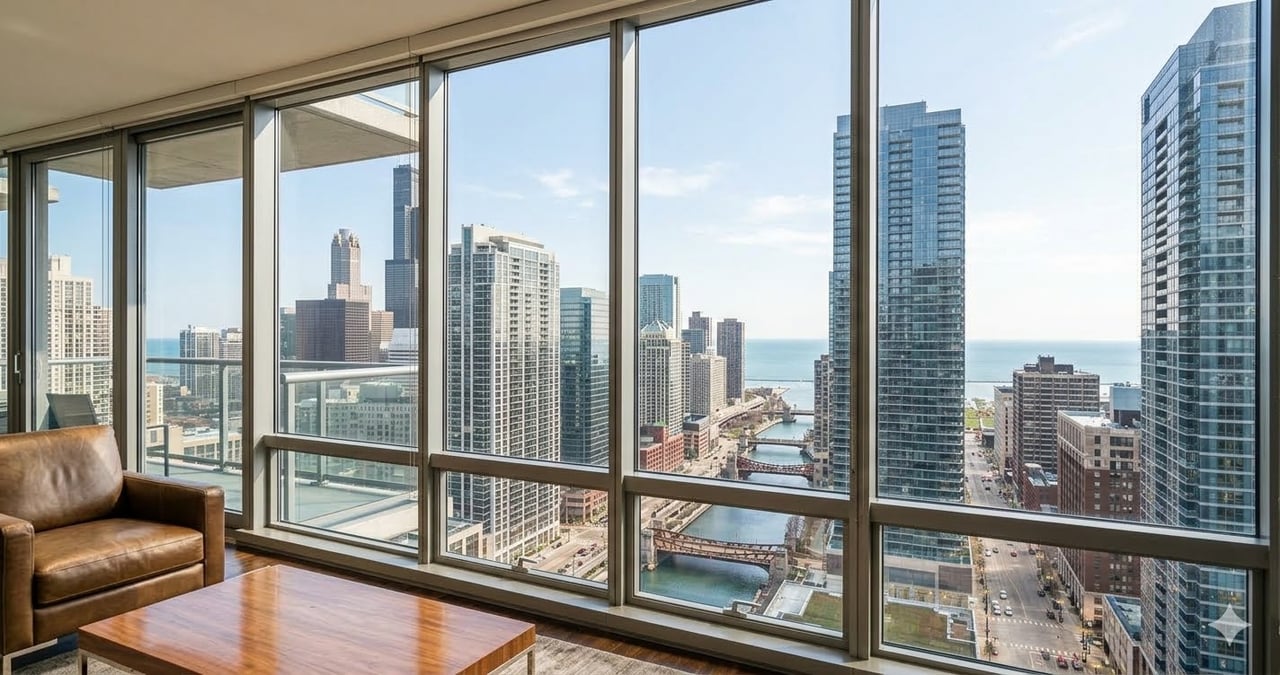
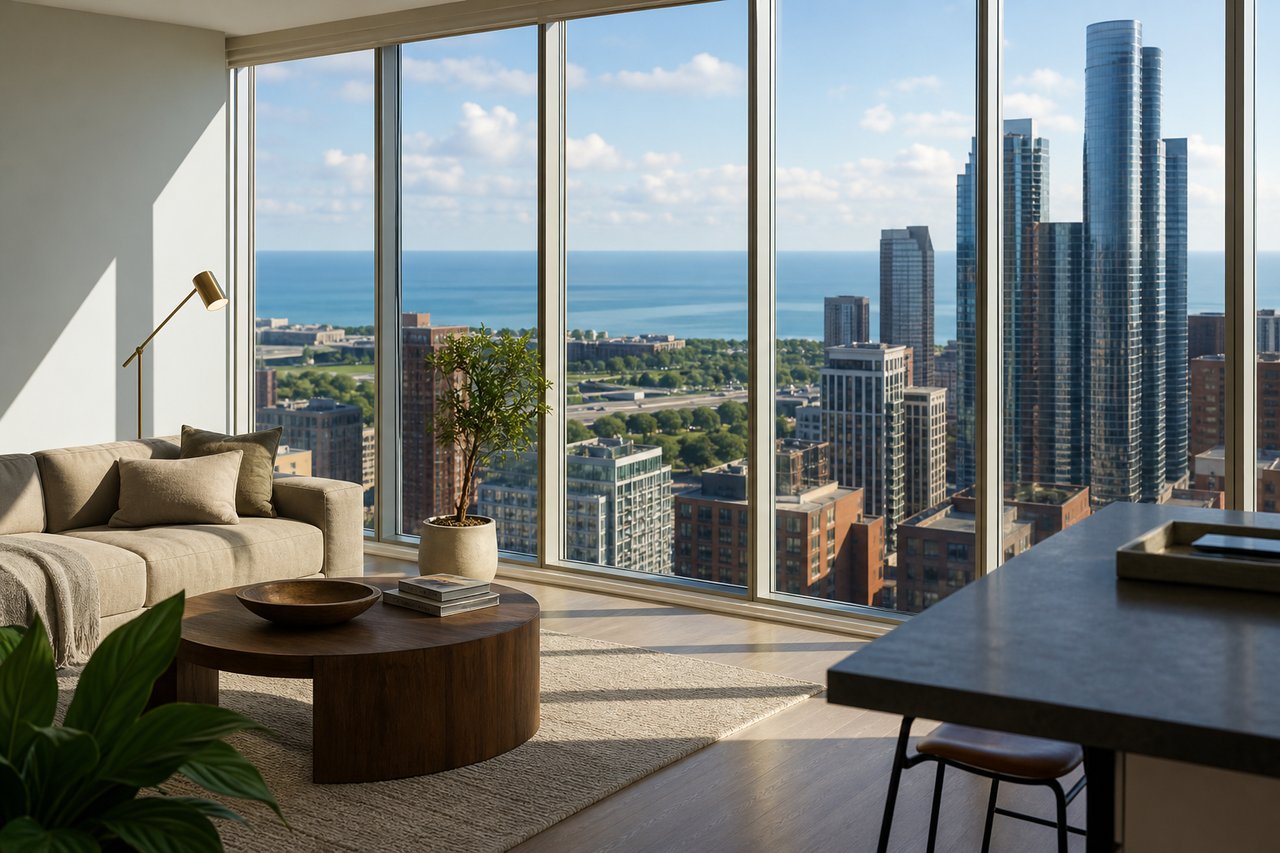
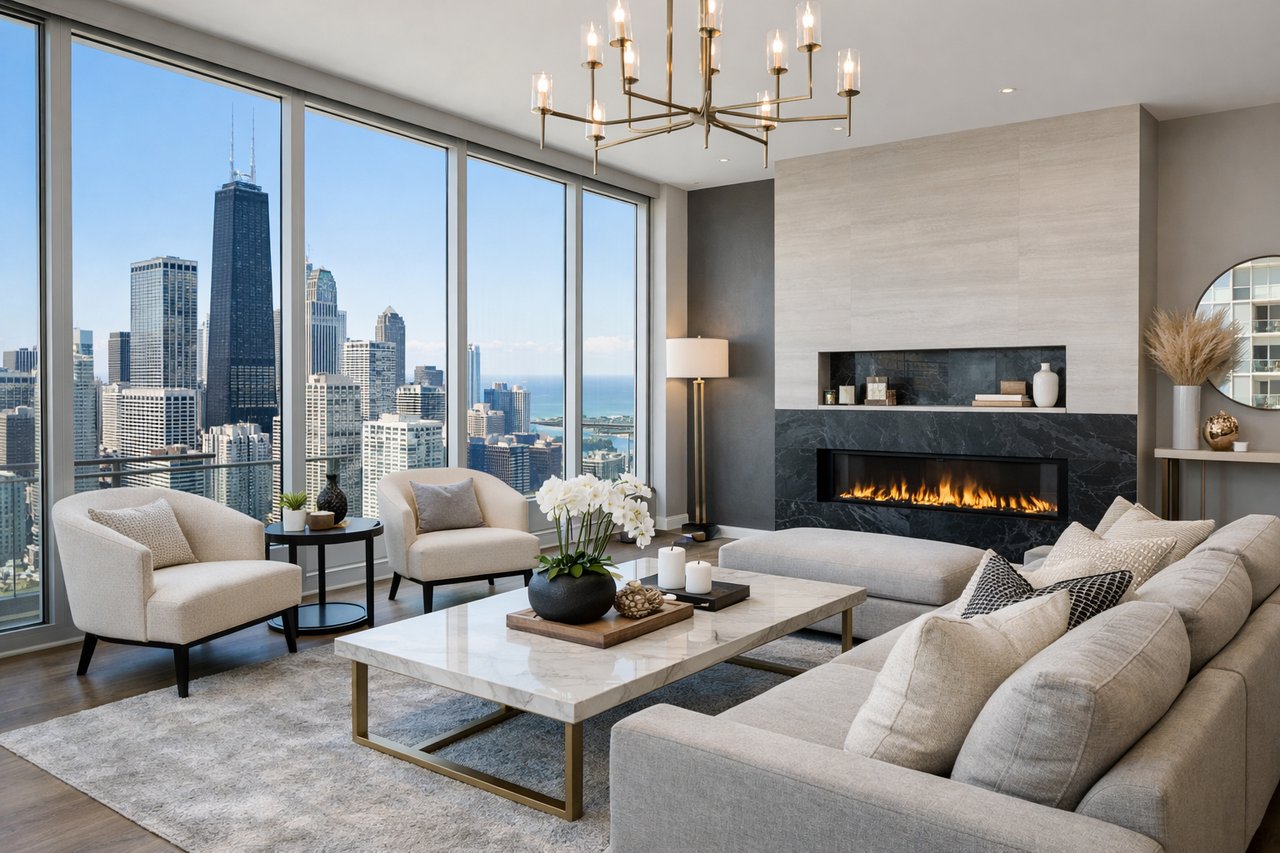
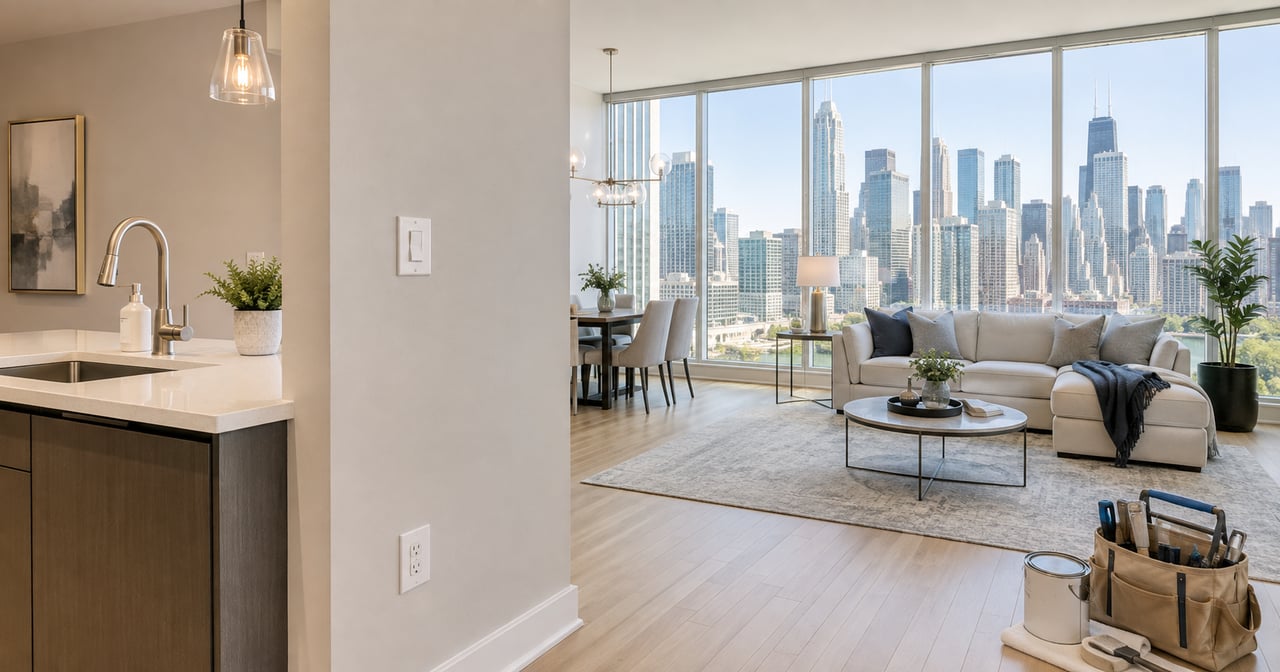
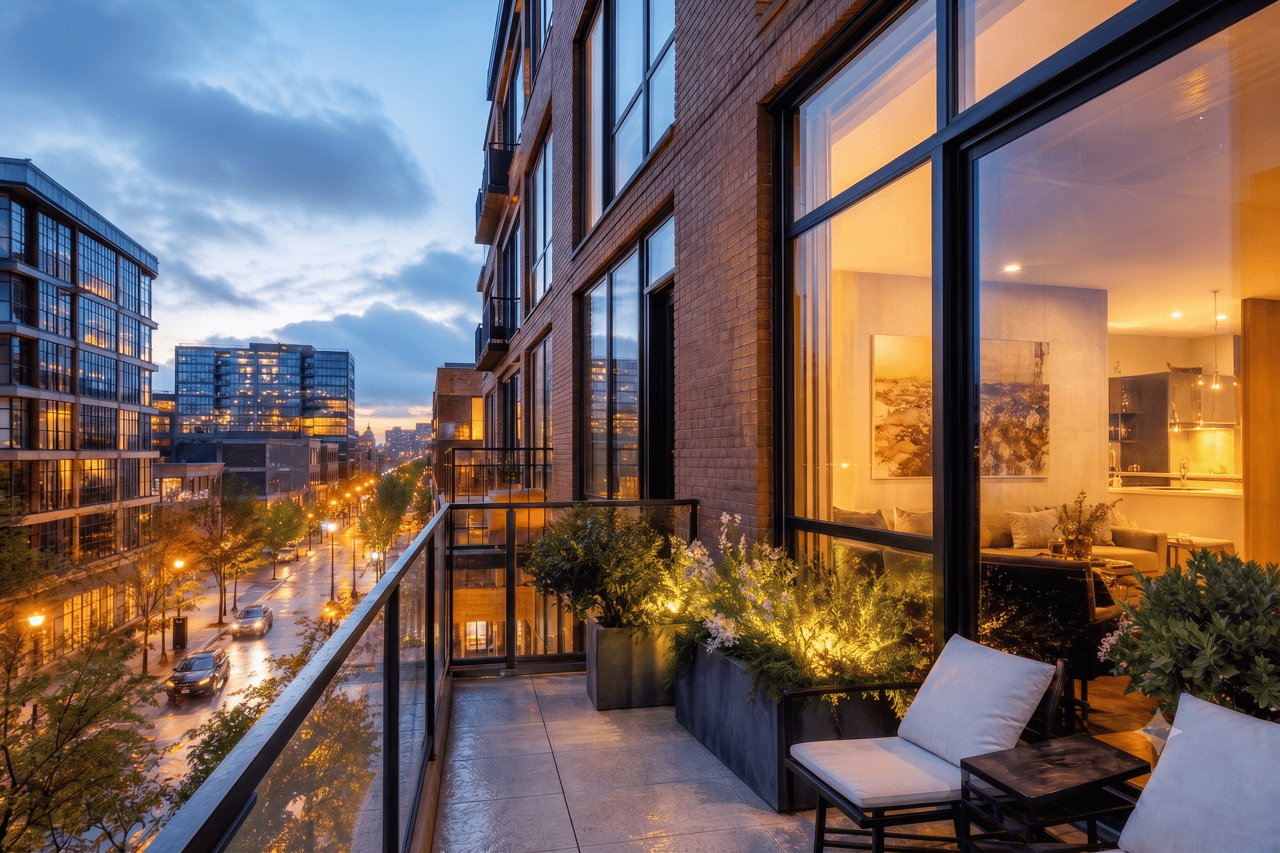
It depends on what the view really is. A protected lake, river, skyline, or park view is a different feature from a partial, oblique, or lower-floor view that a neighboring building could block. I document the orientation, the window line, balcony or terrace access, neighboring structures, and whether the view is likely to stay protected. Buyers and their attorneys will ask.
Does a higher floor always mean a higher price?
No. Floor height interacts with the view and the building. A higher floor can come with more wind, mechanical noise, a less desirable exposure, or a higher assessment. I adjust comparables for the combination of floor, exposure, view quality, privacy, noise, and natural light.
How should you describe condition?
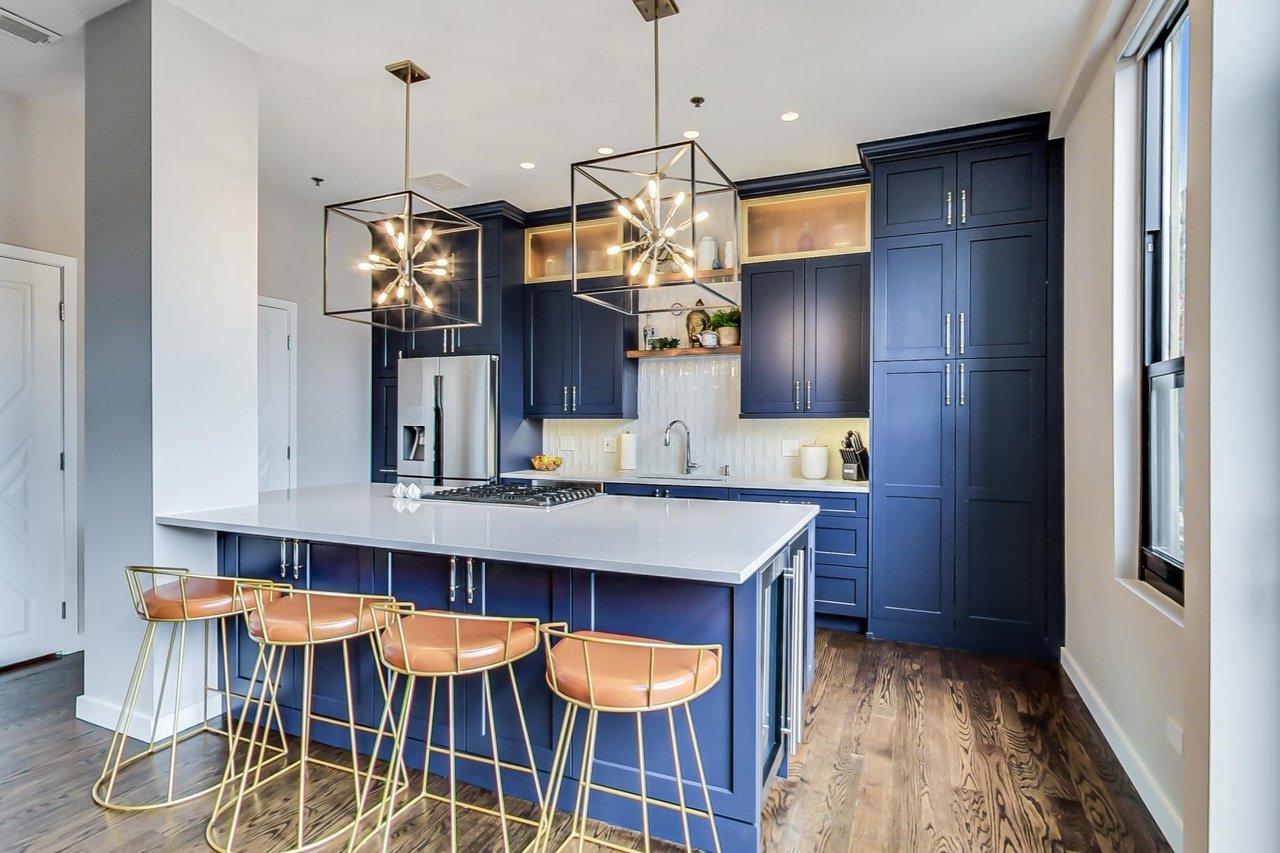
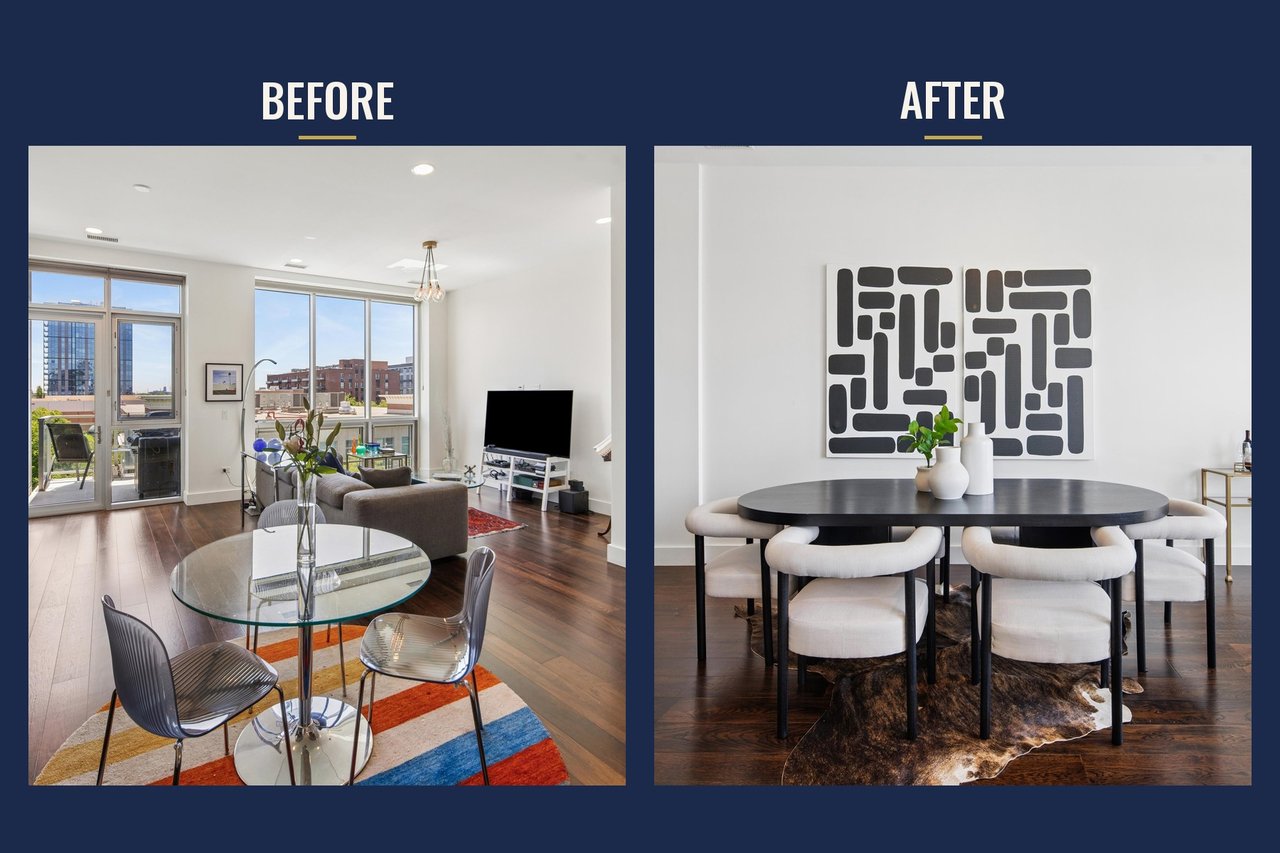
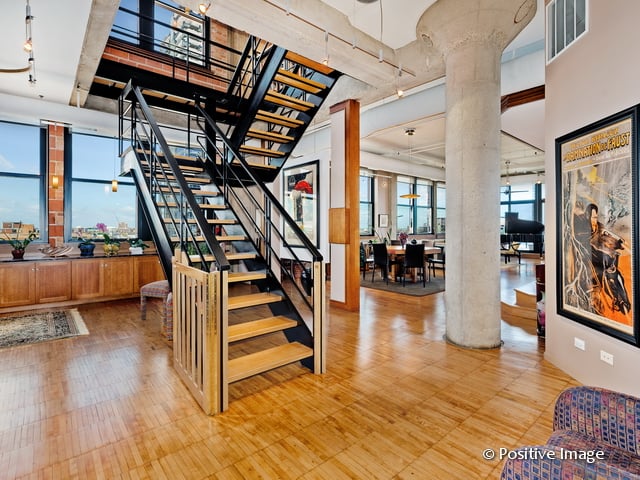
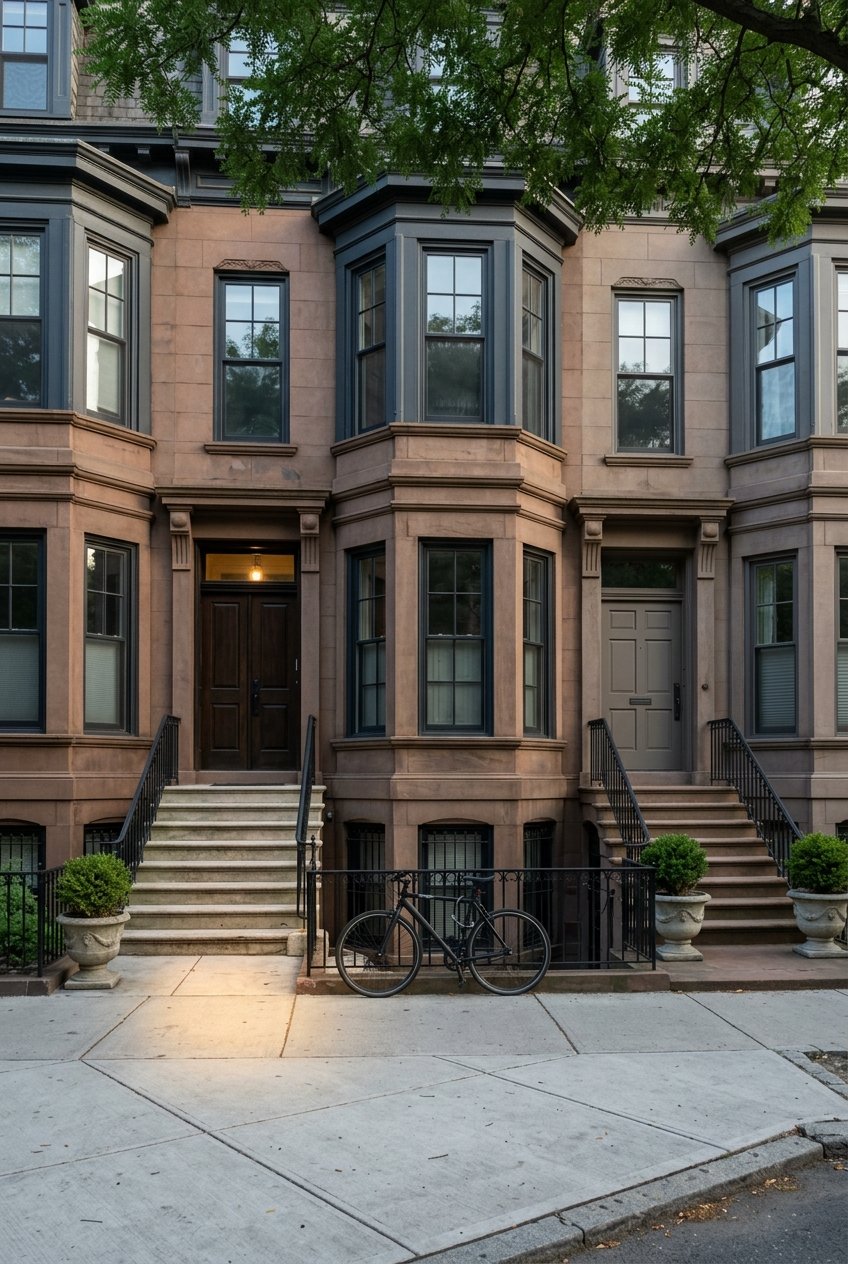
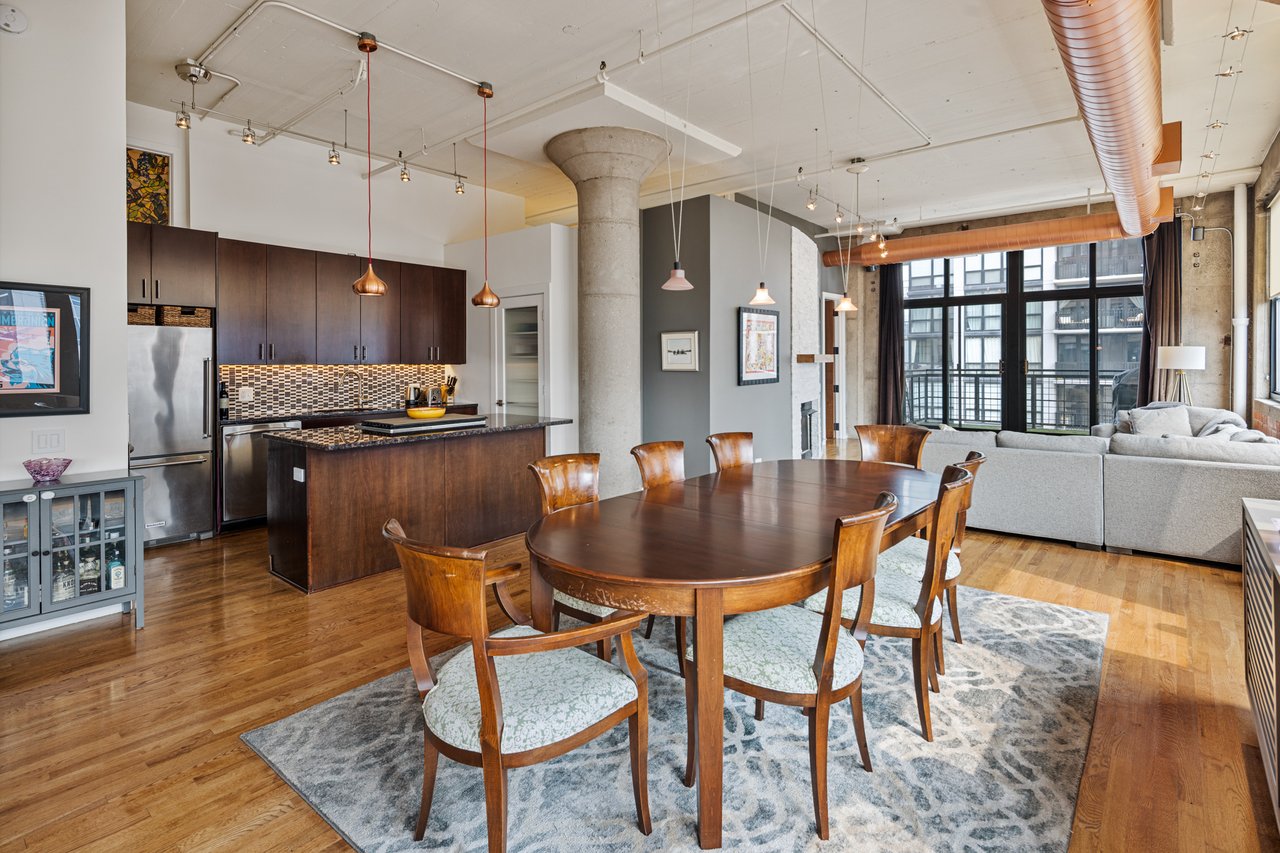
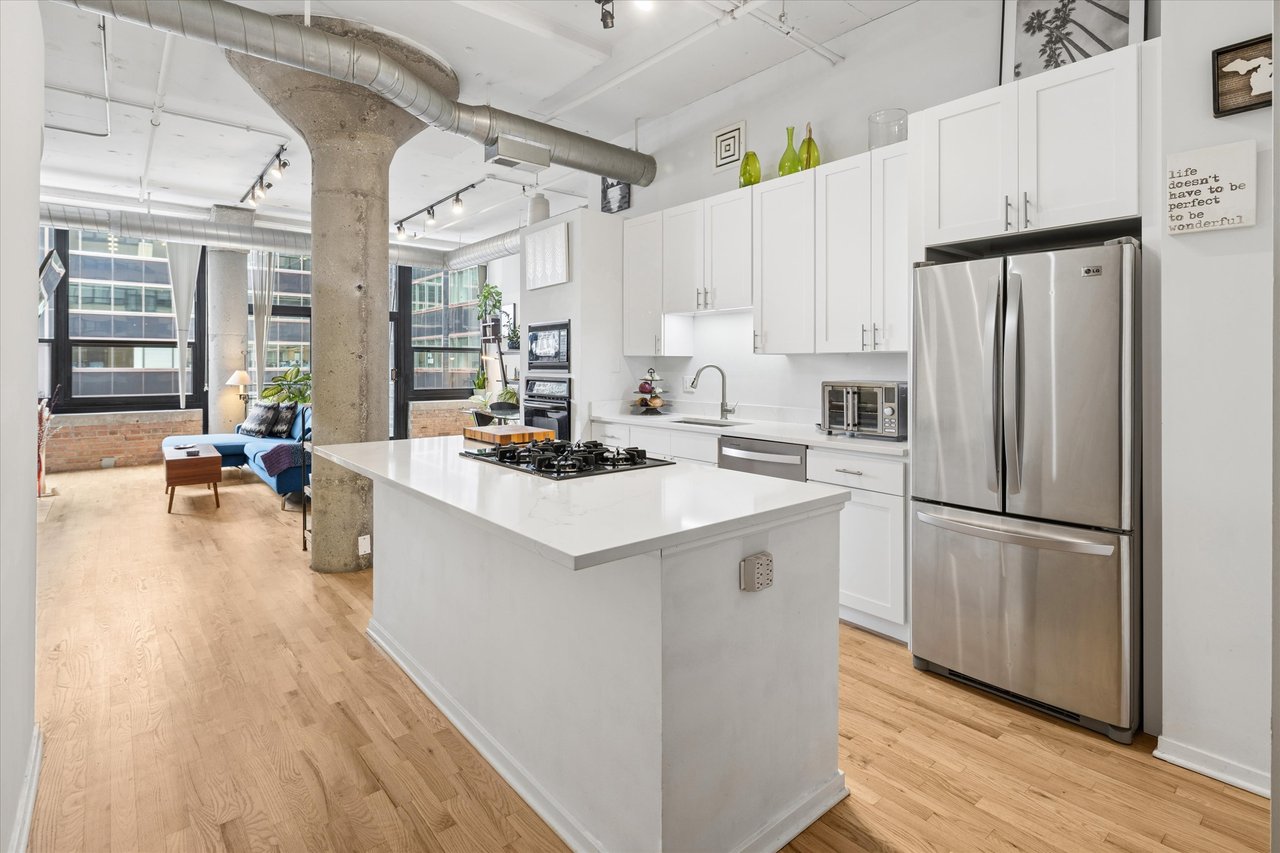
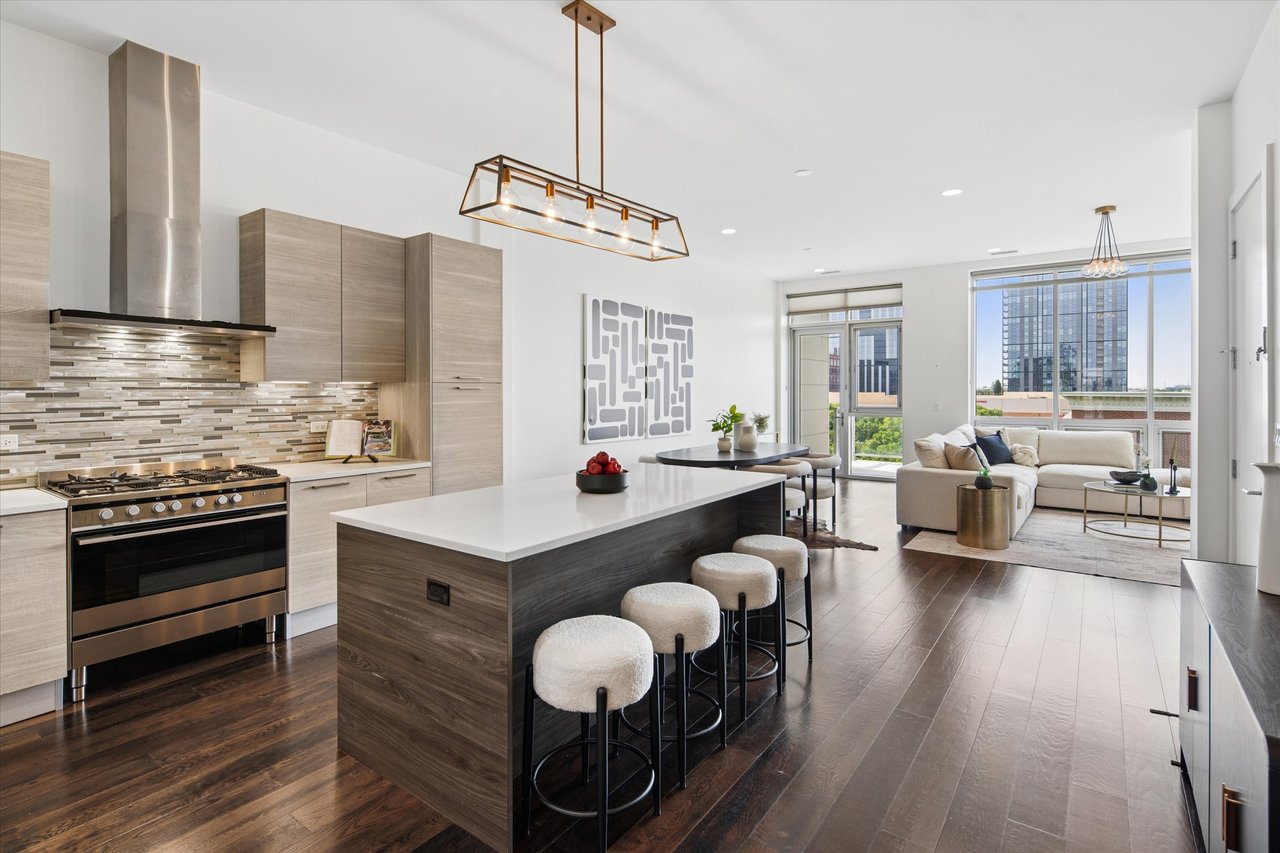
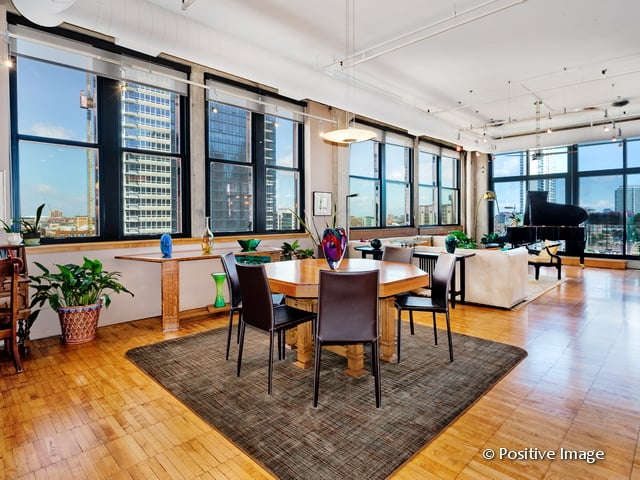
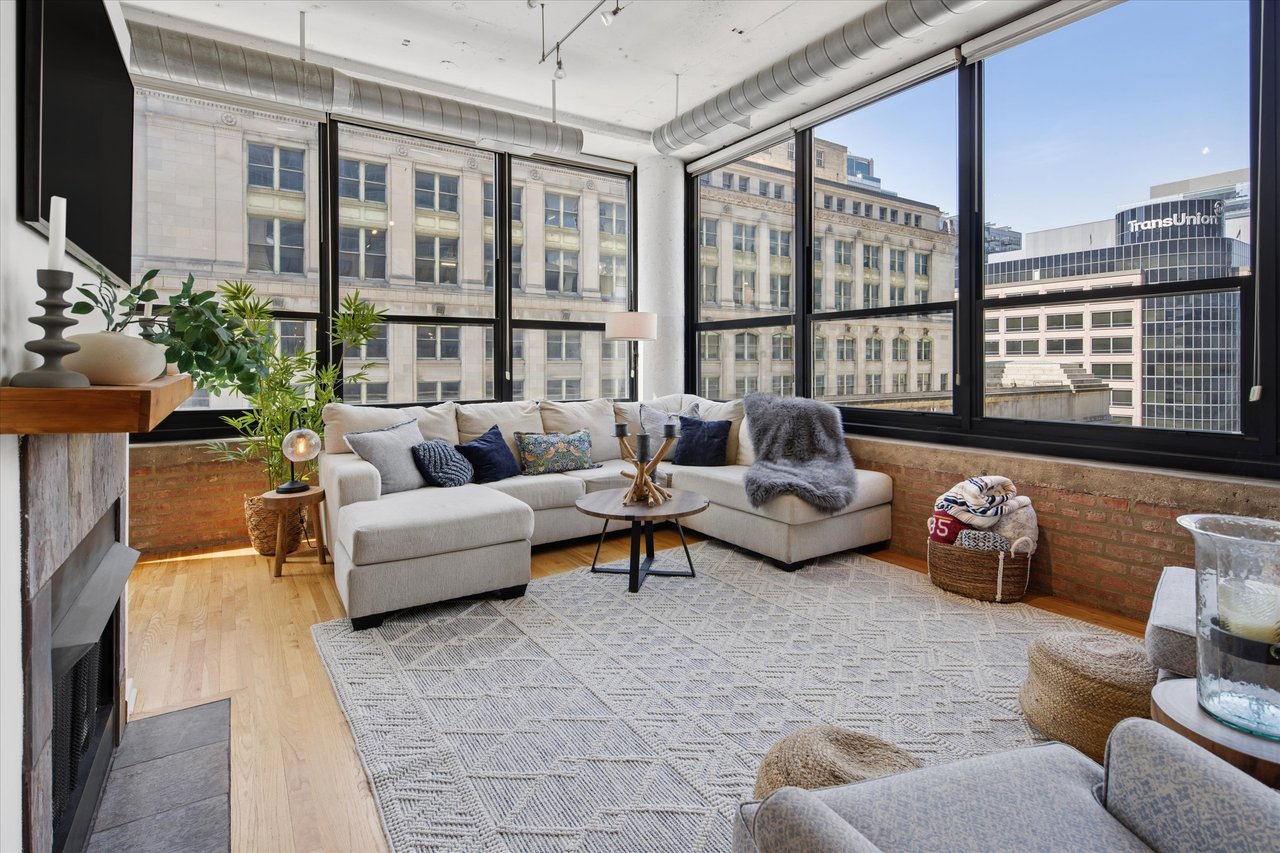
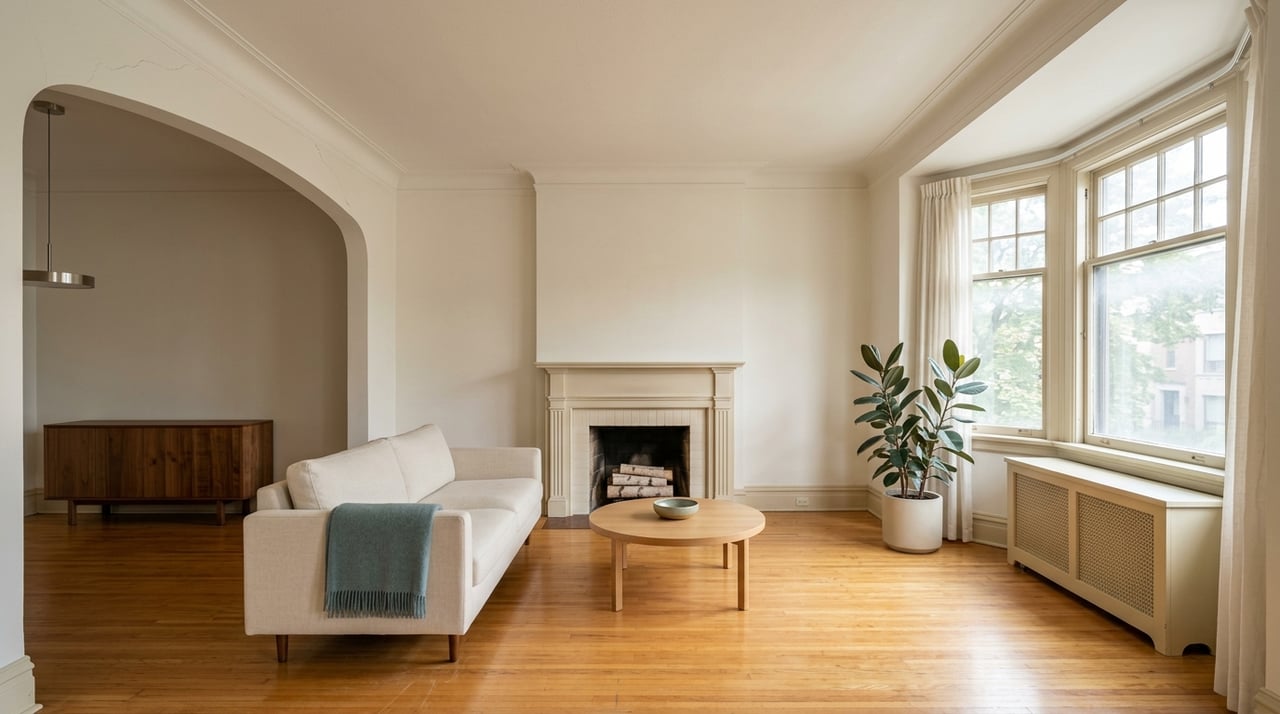
Use buyer-relevant terms: turnkey, recently renovated, partially updated, dated but functional, or in need of substantial work. In older downtown buildings, buyers also separate original features such as concrete loft construction, ceiling height, windows, millwork, or exposed brick from deferred maintenance. Original character can support a price. Deferred maintenance usually pulls it down.
How do assessments affect what buyers will pay?
Assessments change a buyer's monthly cost of ownership, so they change what a buyer will pay for the unit. Two buildings with similar asking prices can have very different monthly costs. One assessment may include heat, water, door staff, cable, or internet, while another covers little.
I compare the monthly assessment, what it includes, reserve funding, recent increases, and pending capital projects. Special assessments need their own review.
A unit that looks cheaper may not be if the building has approved a special assessment for elevators, facade work, roofs, windows, life-safety systems, or mechanical infrastructure. In Illinois, the seller's Section 22.1 disclosure includes the association's statement of planned capital expenditures and any unpaid assessments on the unit. The amount, the payment schedule, and who pays are specific to the transaction, so verify them with the association or its managing agent. The listing alone may not tell you.
Can price per square foot do the work alone?
No. It helps organize comparable sales, but only after you control for differences. Studios, one-bedrooms, larger units, duplexes, and lofts don't compare mechanically. Terraces, parking, storage, ceiling height, renovation, and views all change the math.
How do you launch a Downtown Chicago condo without chasing the market later?
You set your target price before you list, based on recent closed sales and current competition, then watch early activity against a plan. The reduction you never have to make is the cheapest one.
What does an aspirational price cost you?
It costs you your strongest weeks. A high launch can reduce early showing activity, weaken the listing's freshness, and prompt buyers and their attorneys to ask why the unit hasn't sold. I'd rather you start at a number the evidence supports than spend the first stretch of your listing explaining it. If you want the longer version, I cover it in pricing your Downtown Chicago home right from day one and in how to price your Chicago condo to get the best offer in 2026.
What does recent area data say, and what doesn't it say?
Across the wider West Loop market, recent local market data shows 30 homes for sale now, 13 new listings in the last 30 days, and 28 homes sold in the trailing 90 days through October 2026. That tells you buyers have options. It doesn't tell you what your unit is worth.
The table below shows area-level medians for homes sold in the trailing 90 days. A median blends studios with penthouses and lofts with newer buildings. Use it to see which neighborhood you're in, not to set a price.
Area | Median Sale Price |
|---|---|
West Loop | $354,800 |
River North | $395,000 |
South Loop | $382,000 |
Streeterville | $500,000 |
Gold Coast | $505,000 |
Lincoln Park | $830,000 |
Source: aggregated public listing data, trailing 90 days, as of October 2026.
Illinois REALTORS publishes monthly market statistics, including Chicago, if you want citywide context. Citywide numbers are still not building-level numbers. Your unit's competitive set and your building's own sales history do the real work.
When should you reduce the price?
Reduce when the evidence points to price, not because a week felt slow. In the first several weeks, I track showing volume, private feedback, online engagement, and offers. Then I ask what the pattern means:
- Few showings: usually a price or presentation problem, since buyers may be passing before they walk in.
- Repeated "overpriced" feedback: a price problem, tied back to the comparable set.
- Strong showings but no offers: look at condition, assessments, terms, or a price slightly above what buyers will pay once they see the unit.
- Access complaints: an access problem, not a price problem.
A reduction should answer that evidence and the competing inventory, not an arbitrary percentage. I walk through the signals in when to lower your price on a Downtown Chicago condo. Your specific number depends on your building, your floor, and your timing. That's what a local market analysis is for. For how pricing connects to what it takes to sell, see the costs and timeline of selling a downtown condo.
FAQ
How many comparable condo sales should I use before pricing my Downtown Chicago unit?
There's no magic number. I want every closed sale in your building that's reasonably comparable, then nearby buildings until the picture is clear. Quality matters more than count, so a few well-matched sales beat a long list of loose ones.
Should I compare my condo with sales in the same building or nearby buildings?
Start with your own building, then add nearby buildings with similar age, amenities, floor plans, and assessment structure. Same-building sales show what buyers paid for your exact situation. Neighboring buildings fill the gaps, but they shouldn't replace your building's own history.
Should a pending special assessment change my list price?
Usually yes, because buyers factor it into what they will pay. The amount, the payment schedule, and who pays are specific to your transaction, so confirm them with the association or its managing agent before you set a number. Who bears the cost is often negotiated in the contract.
Why did my condo get showings but no offers after launch?
Showings without offers usually mean buyers like the unit but not the number, or something in the condition, assessments, or terms is giving them pause. I look at the private feedback and the competing units before changing anything, so the next move answers the real reason.
Is it better to price slightly below competing listings to create early momentum?
It can be, when the comparable sales support it. A price that looks like a strong value against the active competition can draw early attention. I'd decide this with you against the actual comparables, not as a blanket rule.
Pricing a Downtown Chicago condo without chasing the market comes down to doing the building-level homework before you list. If you want the numbers behind my recommendation, I'll show you every comparable and every assumption. Call or text me at 312-296-9300 and we'll build your price together.
About Christine Hancock
Christine Hancock is a seller-first real estate expert with @properties Christie's International Real Estate. With 25+ years in the business, $200M+ in closed sales, and 300+ West Loop transactions, she helps Chicago homeowners strengthen their market position through strategic preparation, data-driven pricing, and marketing that builds real demand. Her focus is the West Loop, River North, South Loop, Old Town, and Streeterville.
@properties Christie's International Real Estate · 312-296-9300 · christinehancock.com
Equal Housing Opportunity. Christine Hancock, Broker Associate, @properties Christie's International Real Estate. Licensed real estate broker, State of Illinois. This article is general information, not legal, tax, or financial advice. Confirm your own numbers with your real estate attorney, tax advisor, or lender.