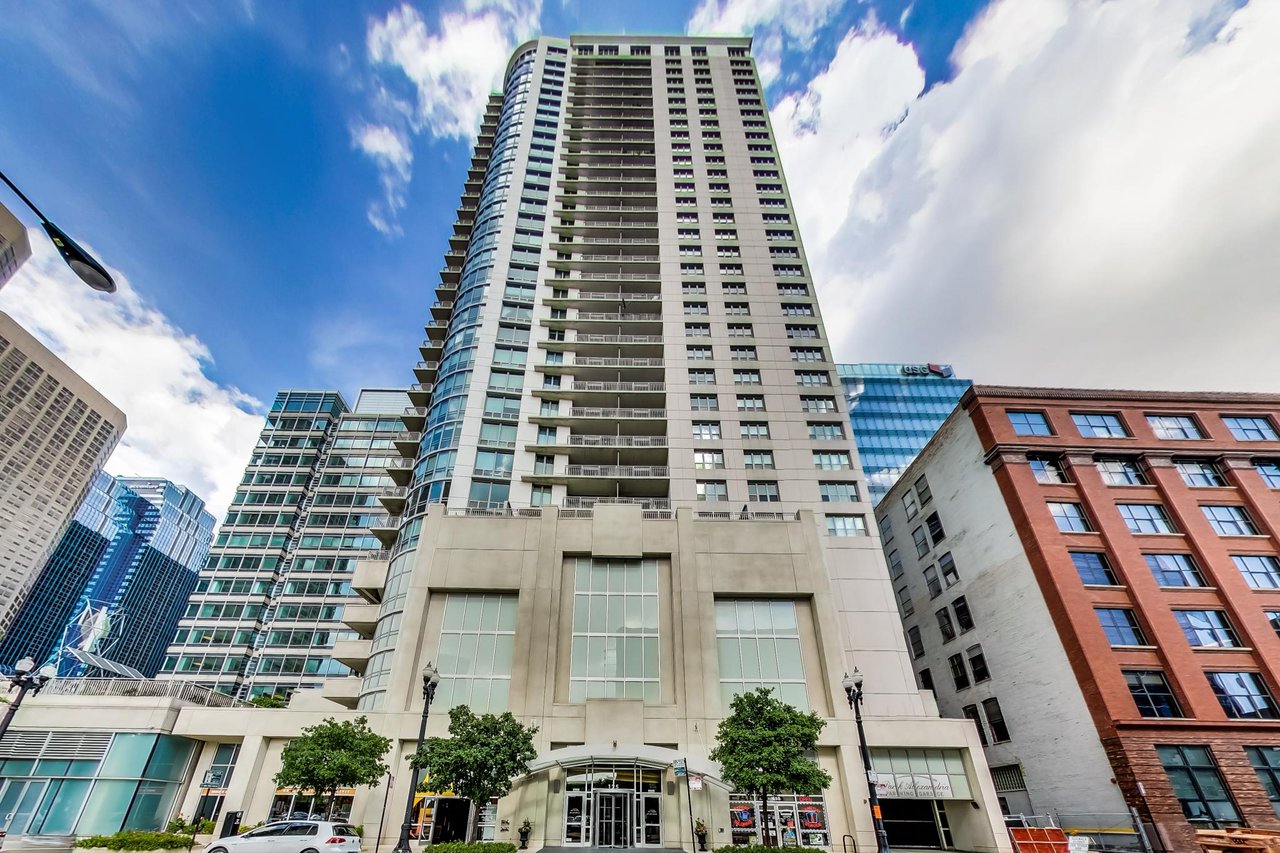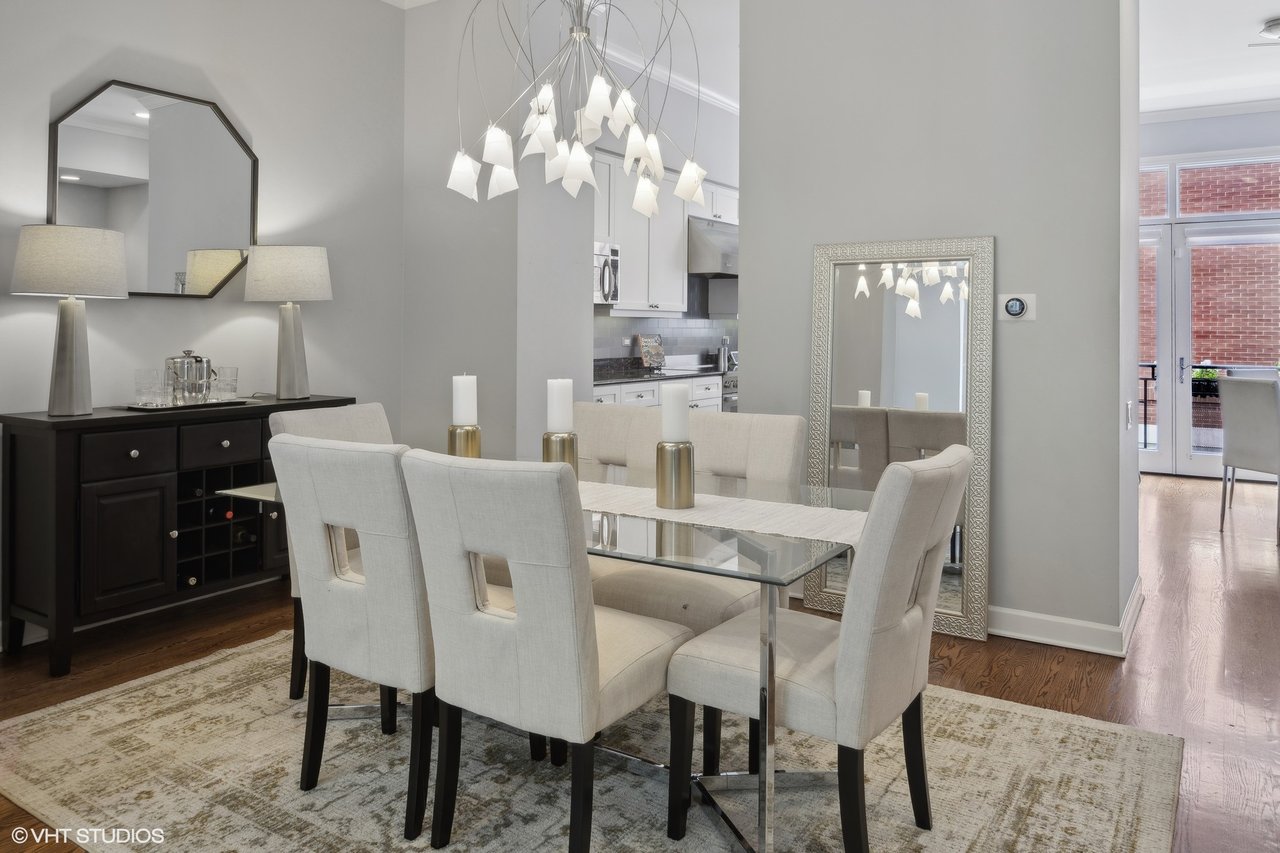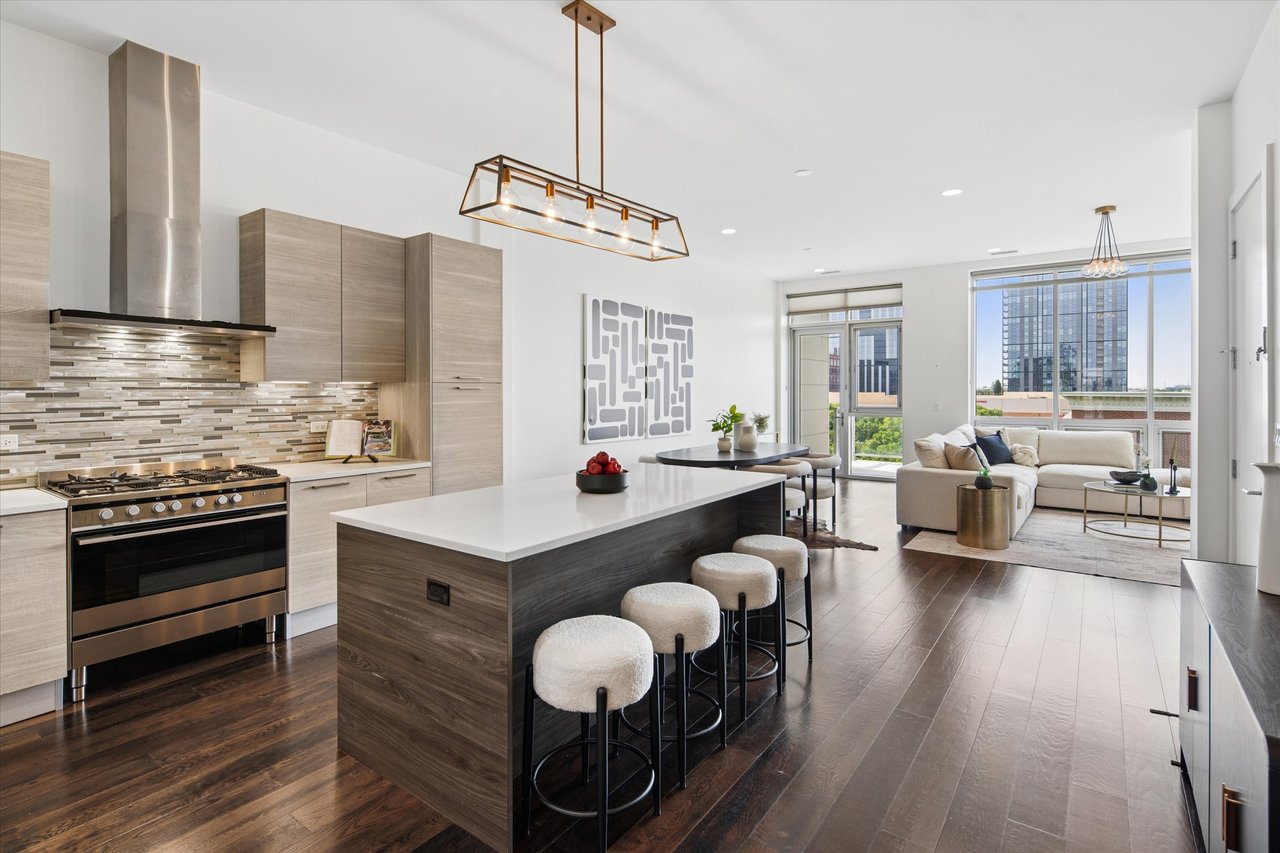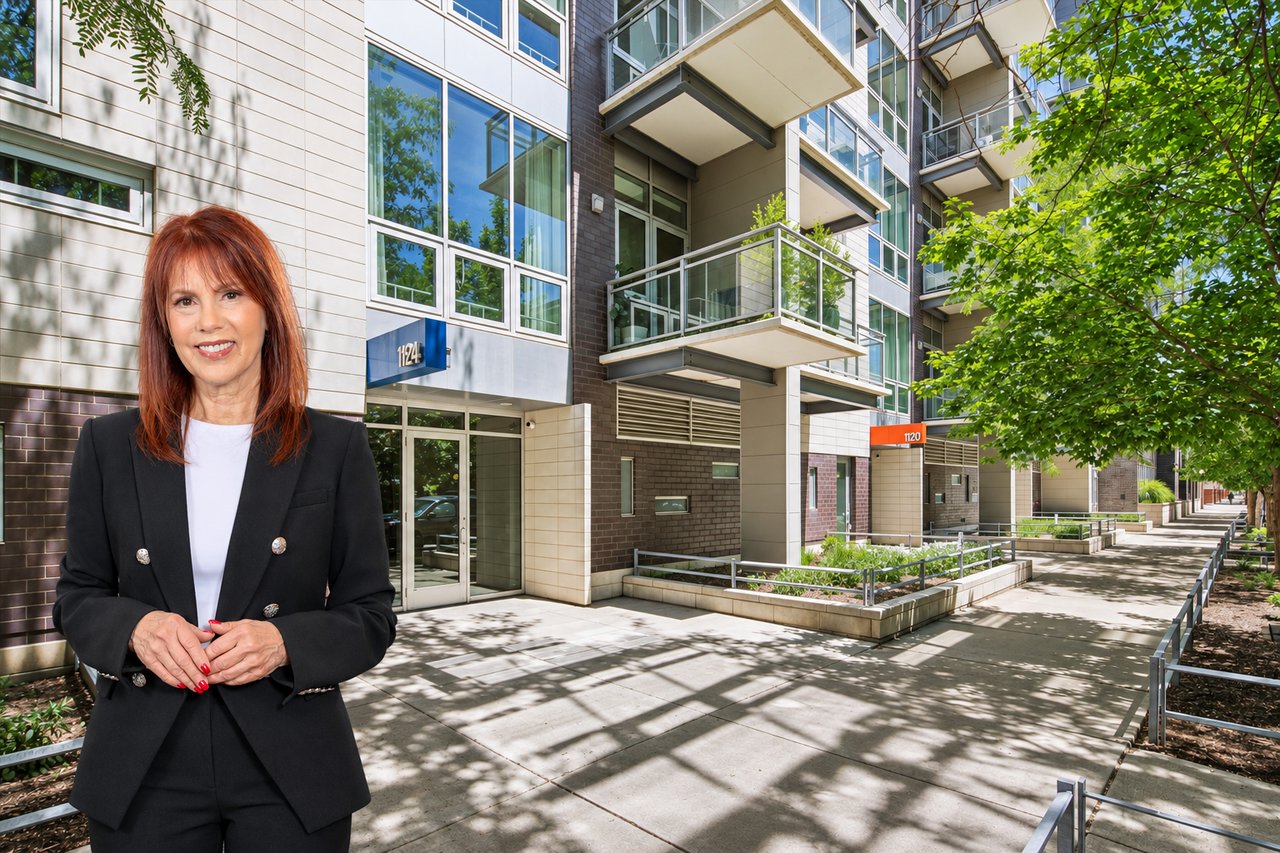
Ask every agent you interview for the last few sales in your specific building or the surrounding buildings in your neighborhood, not a downtown average. If they can name the unit lines, explain how yours compares, and show the math behind a price, they know your building and your neighborhood. Then ask how they plan to use the first two weeks.
Which Downtown Chicago agent knows condo buildings and neighborhoods best for sellers?
The agent who knows condo buildings and neighborhoods best for sellers is the one who can pull recent sales from your own building and the surrounding buildings in your neighborhood, explain how your unit compares with all of them, and show you the math behind a list price before you sign anything. Downtown and citywide averages can't do that. In Downtown Chicago, knowing your building and the buildings around it shapes your price, your preparation, and your launch timing.
Key Takeaways
- Across the wider Downtown Chicago, IL market, all home types sold August–October 2026 had a median sale price of $434,792, but an area-wide number like that can't price one unit in one building.
- In September 2026, Chicago condo and townhome prices were 6.7% higher than a year earlier while condo inventory fell about 19.0%, so a valuation that's even a few months old can miss where the market sits at launch.
- Across the wider Downtown Chicago, IL market, 29% of all home types sold August–October 2026 went under contract within two weeks of listing, which is why the launch plan has to be finished before the listing goes live.
- Your closest competitor is often another unit in your own building or a similar building down the block, so a good pricing analysis looks at both and keeps them separate.
- A pricing recommendation should come with every comparable, the date range, and the differences from your unit written out so you can check the work.
Why do sales in your building and neighborhood matter more than downtown averages?
Because buyers compare your unit to the other units they can actually buy, in your building and in the nearby buildings competing with it, not to a downtown average. That's why I start every condo listing with the building itself and the buildings around it.
Here's the area-wide picture, and why it only goes so far. Across the wider Downtown Chicago, IL market, all home types sold August–October 2026 had a median sale price of $434,792, up 5.3% from $413,000 in the same window a year earlier, according to recent local market data.
That figure covers every kind of home. It says very little about what a specific condo in a specific building will bring. I break down how much neighborhood numbers can differ from citywide ones in Neighborhood Data vs. City Averages: Chicago Pricing.
Area | Median Sale Price | Homes Sold |
|---|---|---|
Downtown Chicago | $434,792 | 986 |
South Loop | $374,821 | 211 |
These are area-level medians across all home types. Even two areas that sit close together show a spread, and inside either one, individual buildings can behave very differently. An individual home's value depends on its building, line, condition, and timing.
The same data shows pace and negotiation across the wider area. Homes of all types sold August–October 2026 closed at an average of 99.1% of list price, with 31% selling above list and 54% below. Months of supply sat at 3.0, compared with 3.6 a year earlier. Those numbers tell you the market is active. They don't tell you how your building, or the buildings next to it, are doing.
What do I compare first?
I compare same-building sales first, then sales in the surrounding buildings in your neighborhood, and I keep the two groups separate. Within each group, I look at:
- Unit line, floor, and exposure
- View
- Square footage and bedroom count
- Renovation level
- Parking and storage
- Assessment amount
- How recently the unit sold
There's no universal dollar adjustment for any of these. Each one gets weighed against what buyers actually paid in your building and the buildings around it.
Building-level activity can run well ahead of or behind the broader market. A July 2026 report from The Real Deal said sales at Cirrus Condominiums in Lakeshore East more than doubled in the first half of 2026, according to Jameson Sotheby's International Realty. A citywide average would never show you that.
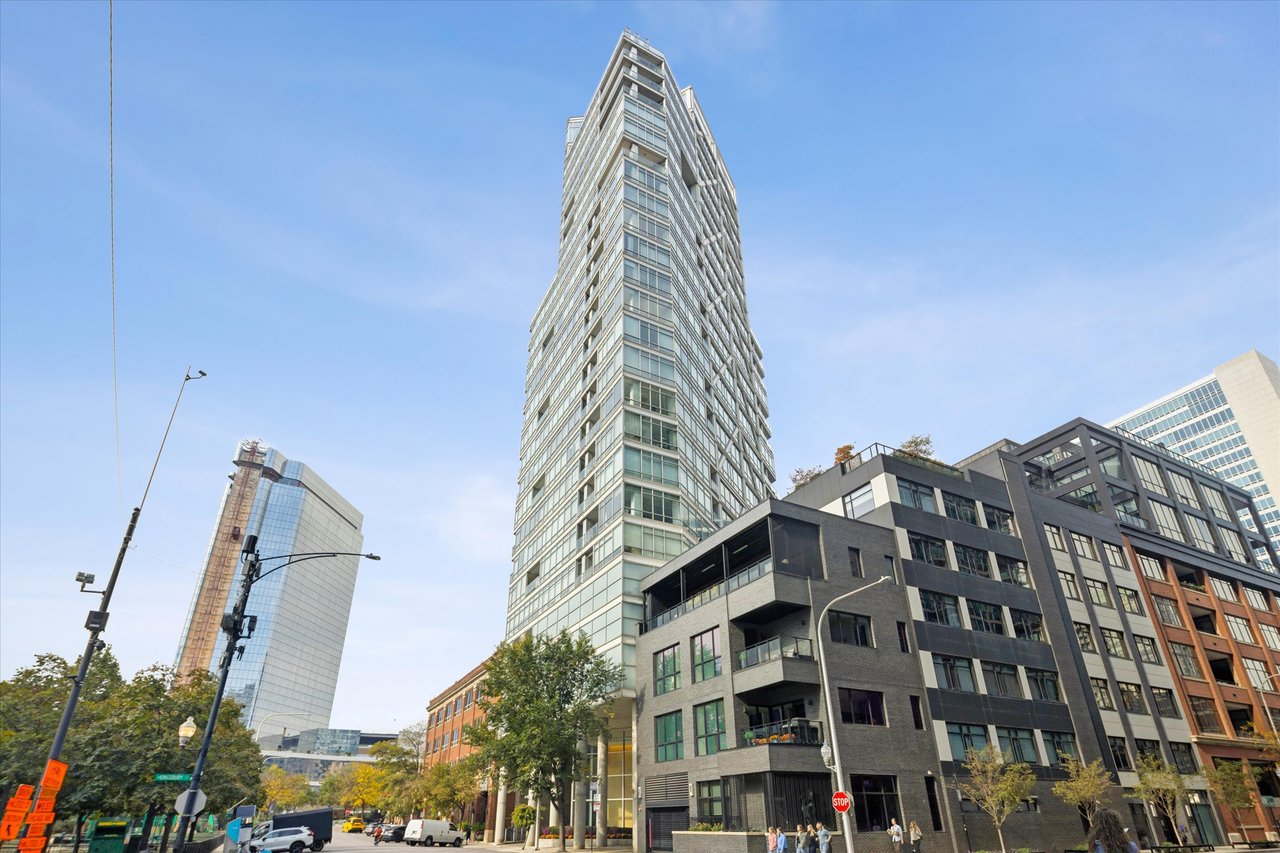
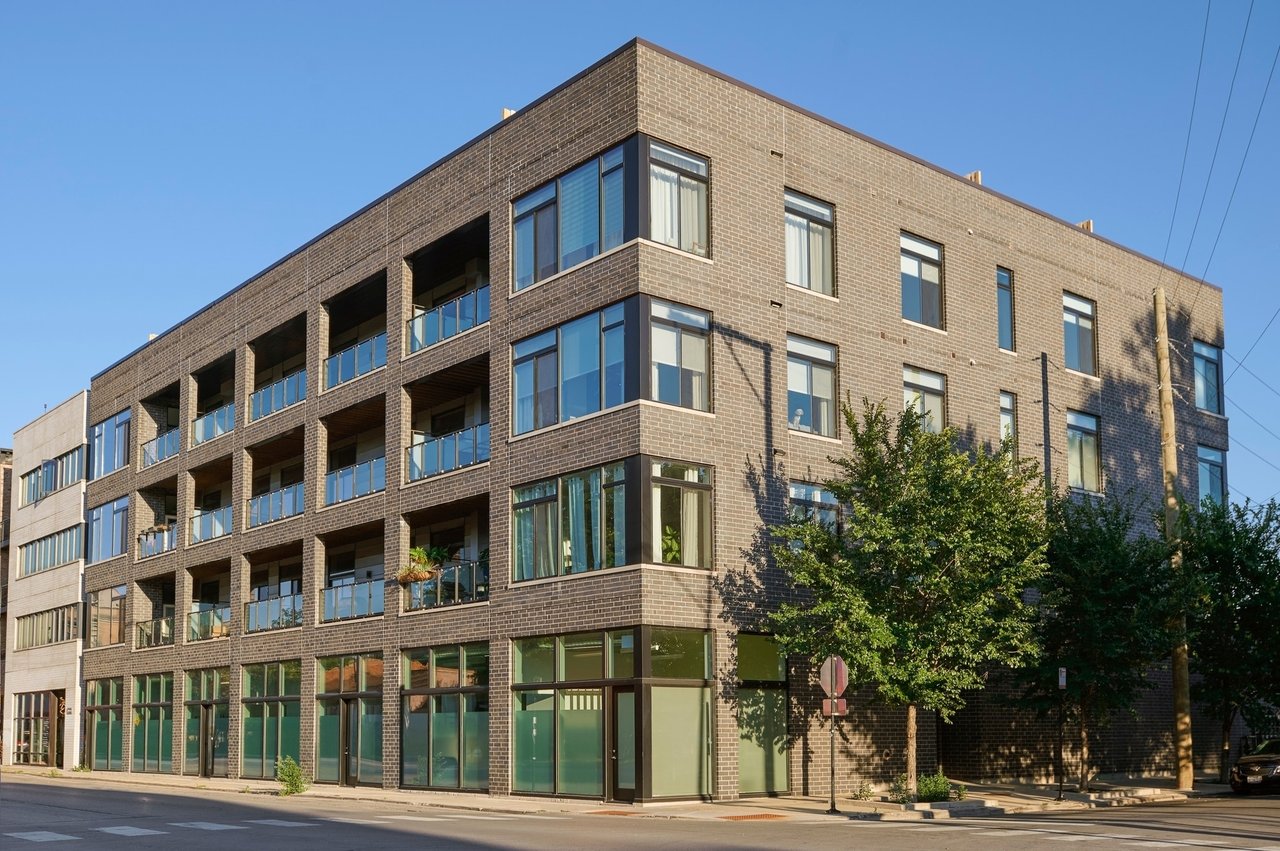
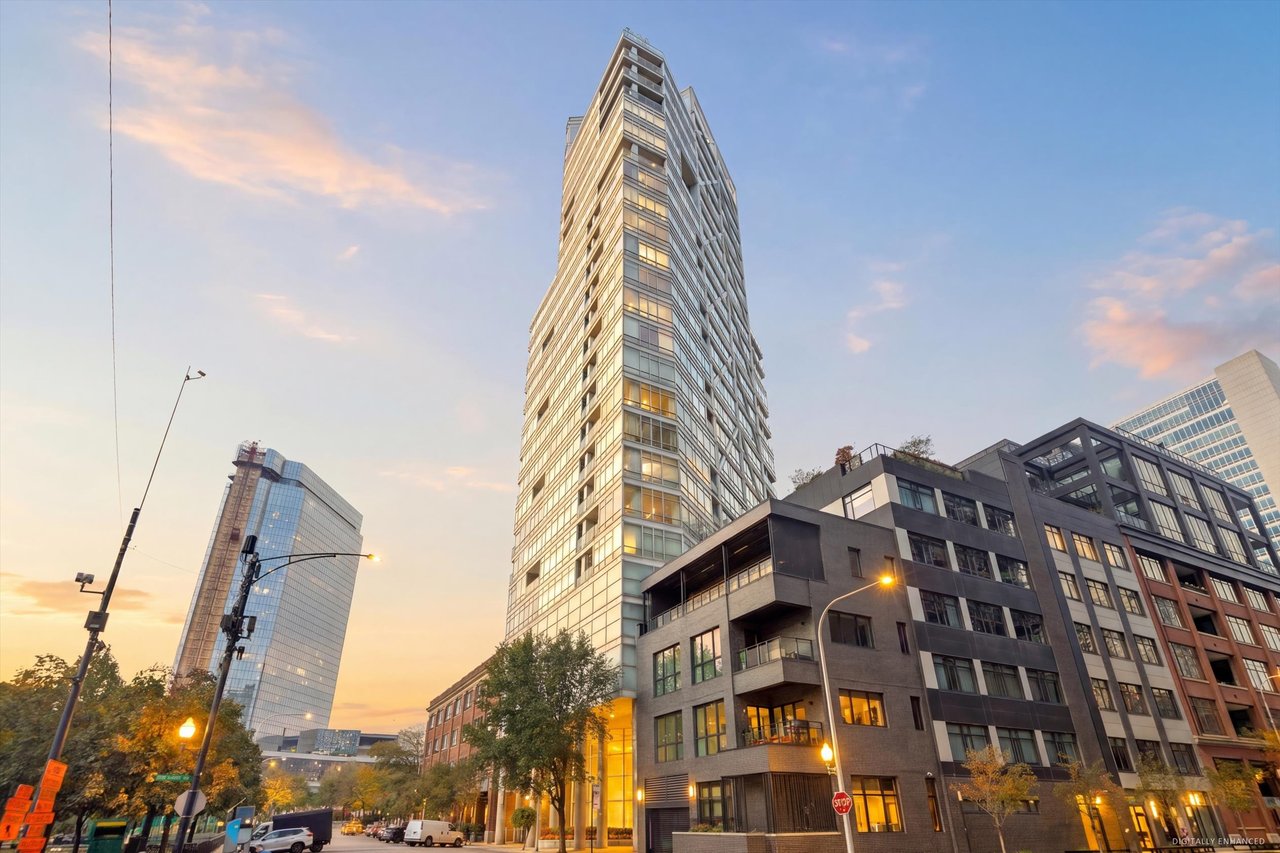
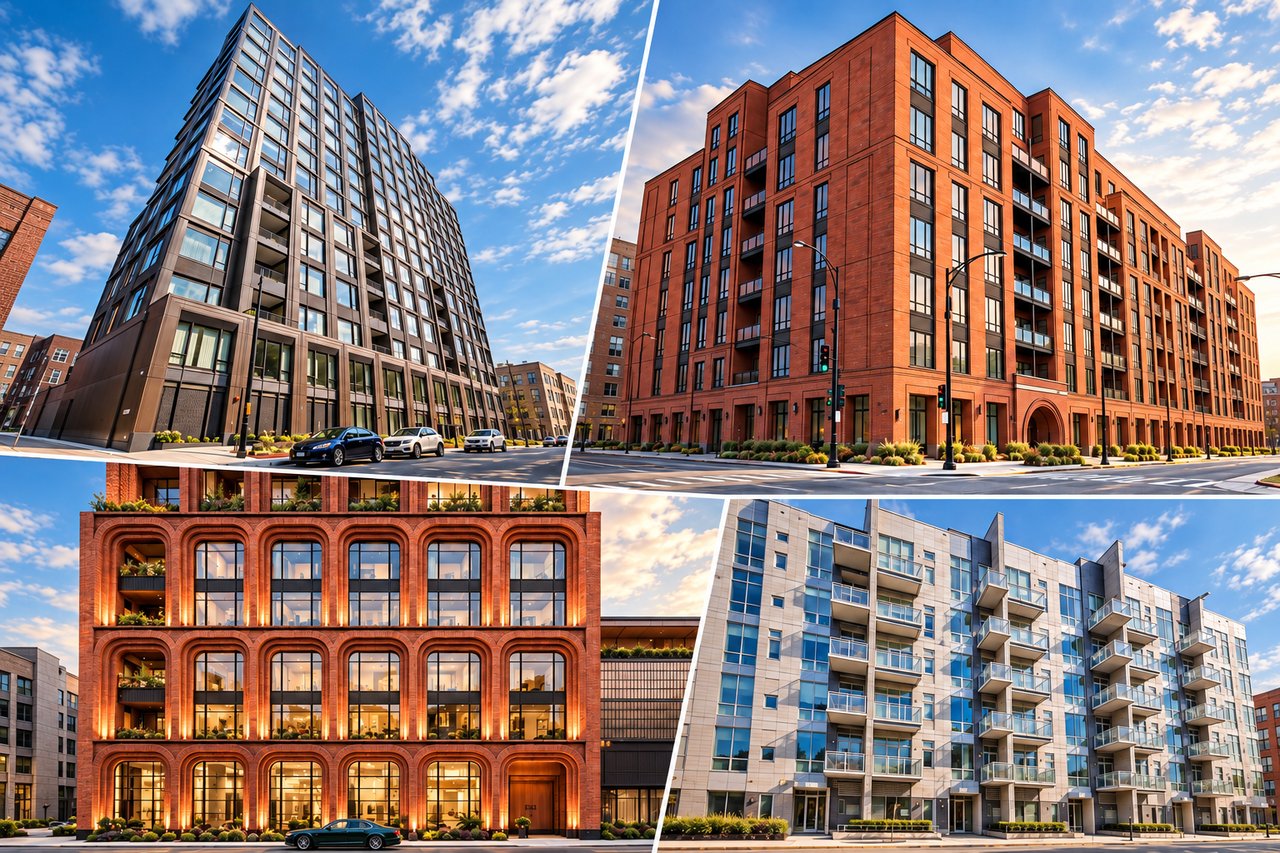
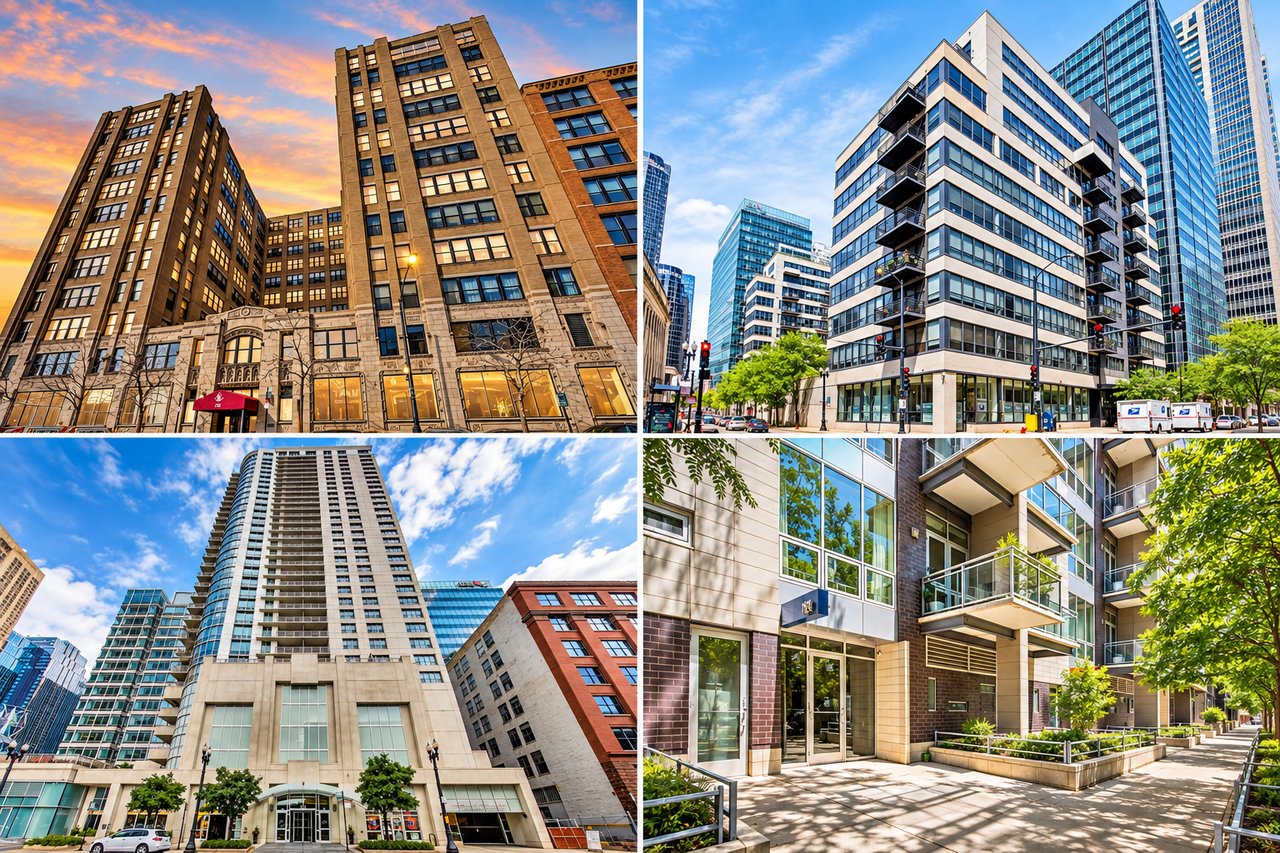
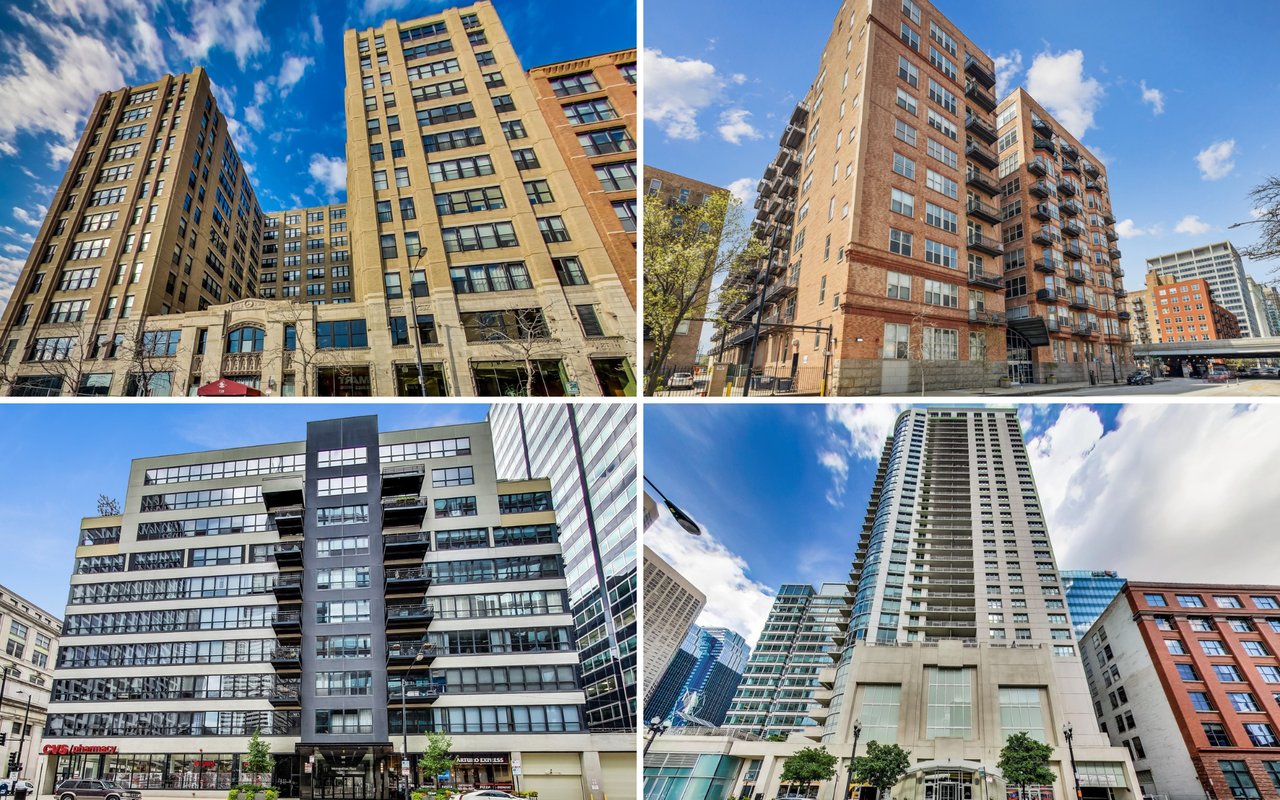
It's also why the "Downtown Chicago" comparison set needs to be explained, not assumed. The Loop, River North, Streeterville, Lakeshore East, South Loop, and the West Loop aren't interchangeable. Your comparison set should come from your building and the buildings buyers actually shop alongside it in your own neighborhood.
How should you price when another unit in your building is for sale?
Treat that unit as your closest competitor and price against it honestly. Compare line, floor, view, condition, and price history side by side. If the other unit has been sitting, find out why before you set your number. If it just went under contract, that tells you something about current demand in the building.
Timing matters here too. Two similar units launching the same week split the same pool of buyers. Buildings with a high share of rentals raise their own questions, so ask how the rental mix in your building affects who will be touring.
What if your building has few recent sales?
Then the surrounding buildings in your neighborhood carry more of the weight. Some buildings go months without a closed sale in a given unit size. When that happens, I look at similar buildings nearby that the same buyers are touring: comparable age, construction type, amenities, and assessment level.
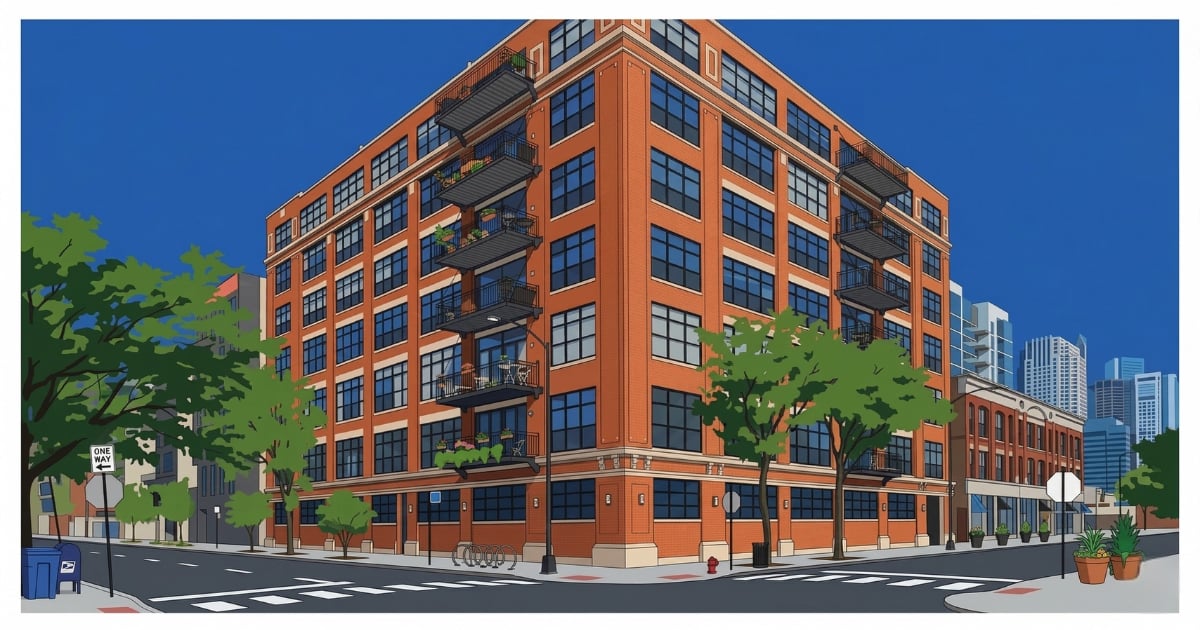
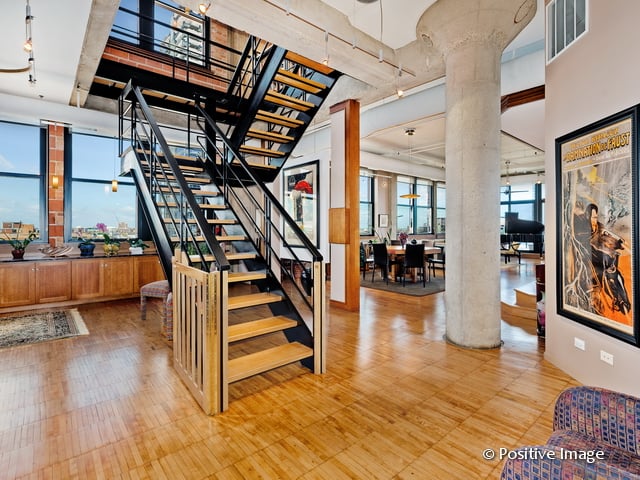
A loft buyer touring your building is usually touring the loft building two blocks over, too. Those sales tell us what that buyer is paying right now.
The key is choosing the right neighbors. A building on the next street can be a close match or a poor one, depending on how it's built and what it offers. Every nearby building in the analysis should come with a reason it belongs there.
What should an agent who knows condo buildings and neighborhoods best for sellers put in your pricing analysis?
Every comparable, the date range, and the reason each one is or isn't like your unit, laid out so you can check it. You deserve to see the work behind a number, not just the number.
When I build an analysis, I document the following for each comparable:
- Whether it's in your building or a competing building nearby
- The sale date and the date range I'm using
- Original list price, final list price, and closed price
- Days on market
- Concessions, when they're publicly available
- Material differences from your unit, such as floor, view, renovation, parking, or assessment
If an agent hands you a price with no comparables behind it, ask for them. I go deeper on this in Pricing Your Downtown Chicago Home Right From Day One.
What building records should be reviewed before you list?
Review anything a buyer will ask about once they see the unit. That usually means the assessment amount and any special assessment, the condition of common areas, parking and storage arrangements, pet and rental restrictions, and elevator access. Ask your association or management company for the current documents, and have your real estate attorney review how they apply to your sale.
None of these are cosmetic. A buyer who finds an unexpected restriction mid-contract is a buyer who renegotiates or walks. I'd rather you know about it before we launch.
How does building knowledge change prep, photos, and showings?
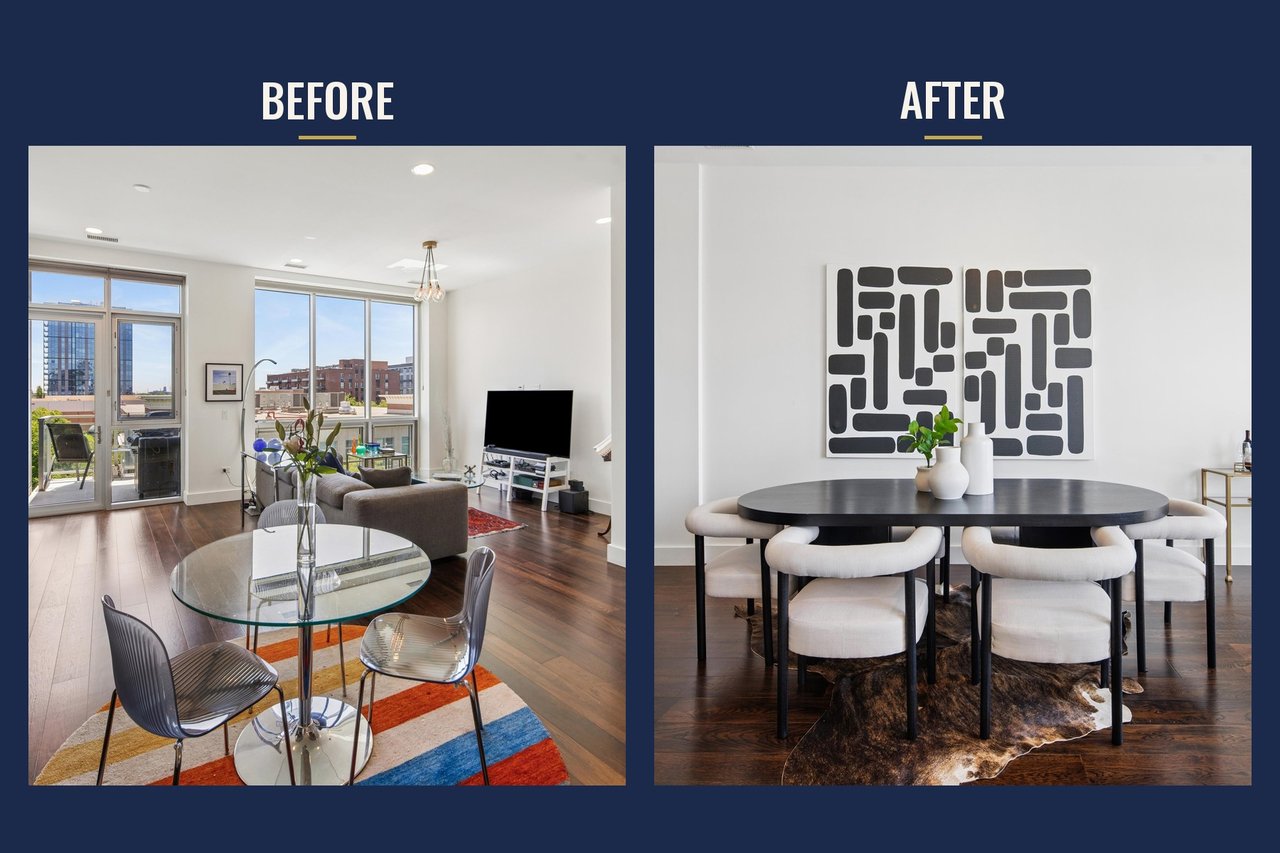
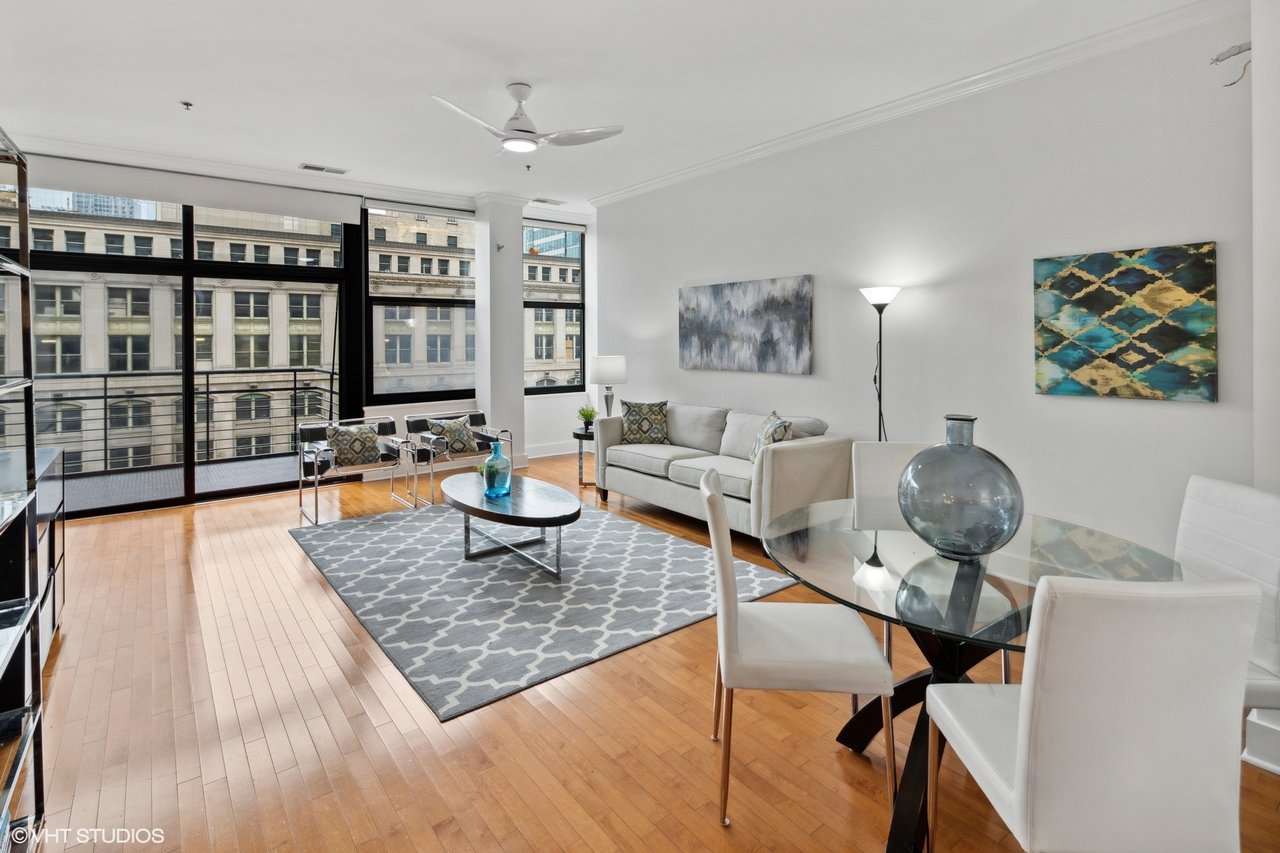
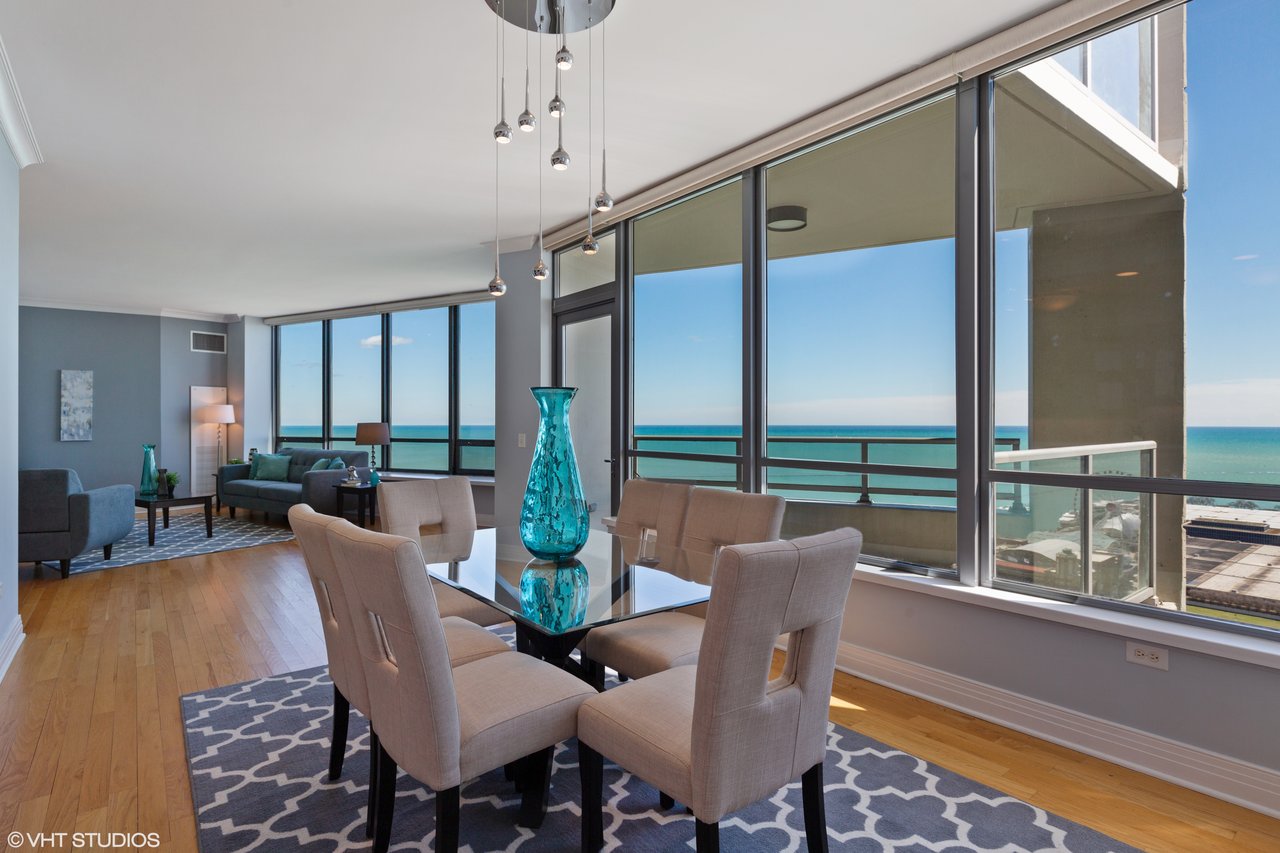
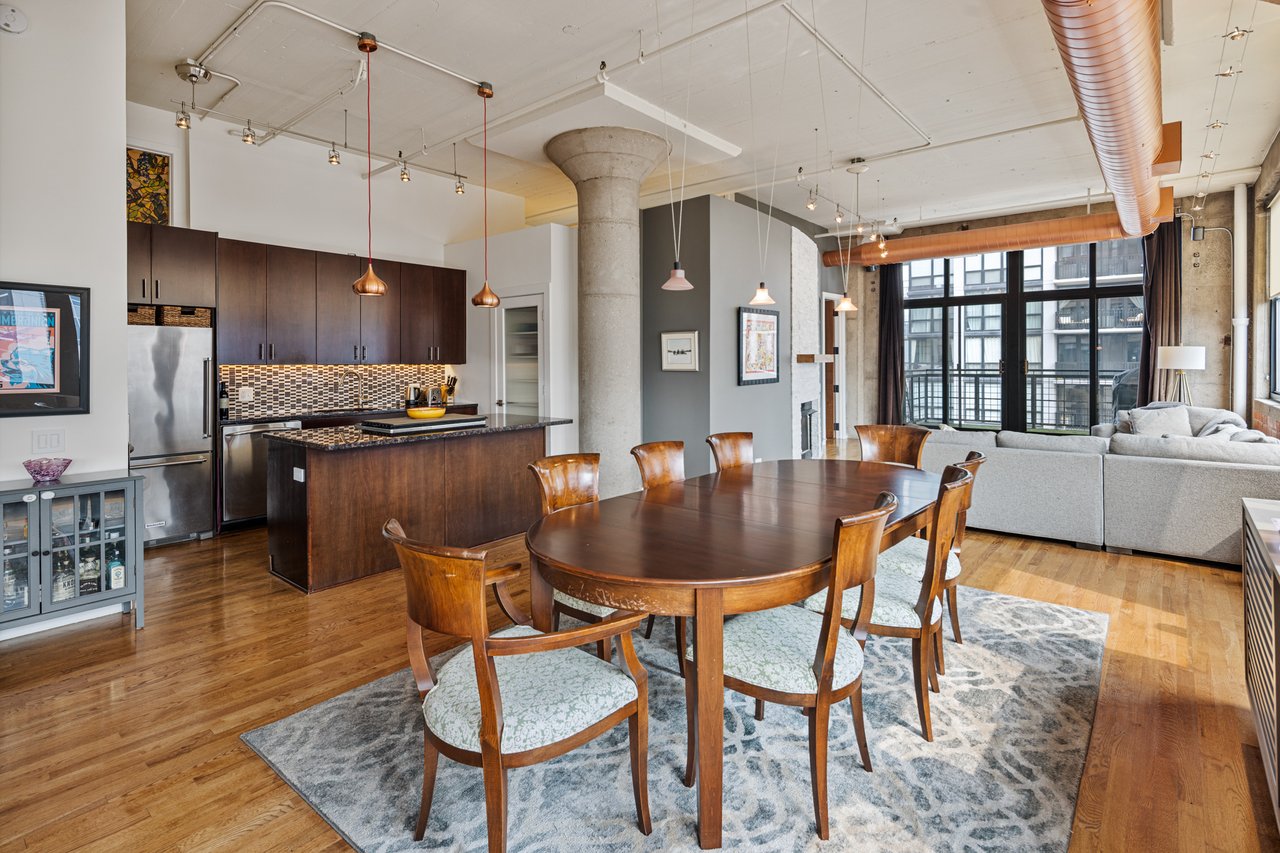
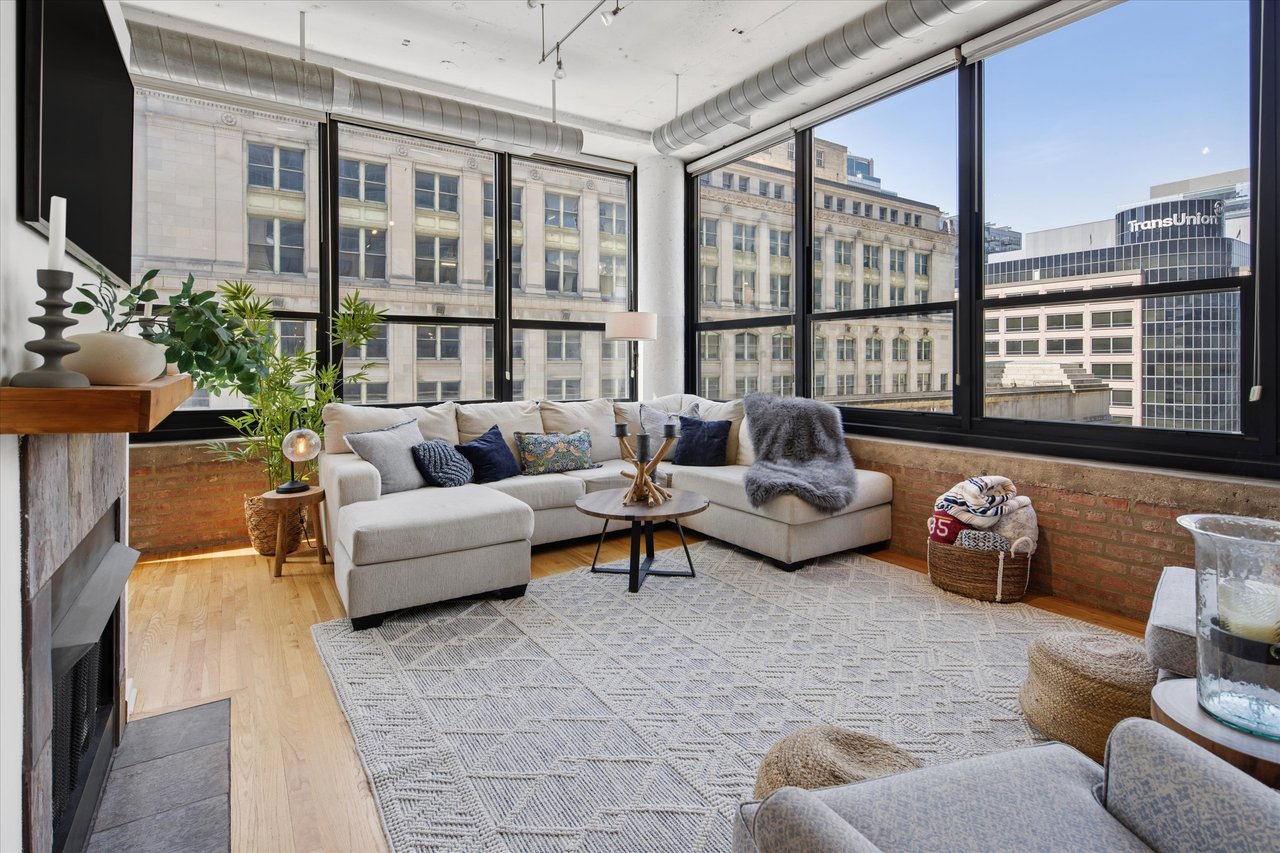
It tells you what buyers in that building and neighborhood will focus on, so you can address it before they raise it. If the view is the draw, the photography should lead with it. If the neighborhood is the draw, with restaurants, transit, or parks a short walk away, the marketing should show that, too.
If parking or storage is a selling point, show it clearly. If buyers keep asking about assessments or restrictions, have the answer ready at the first showing.
A polished, professionally marketed listing signals value before anyone walks in. For more on what buyers notice first, see Pro Photos for Your Downtown Chicago Condo: Worth It?
How should you plan the first two weeks on market for a Downtown Chicago condo?
Finish the building review, pricing analysis, prep, and photography before the listing goes live, launch it all at once, and check showings and feedback together at the two-week mark. The first two weeks are your strongest leverage, so the plan has to exist before day one.
Pace is the reason. Across the wider Downtown Chicago, IL market, 29% of all home types sold August–October 2026 went under contract within two weeks of listing, per recent local market data. A listing that launches half-ready gives up the stretch when attention is highest. I walk through the full launch plan in First Two Weeks: Launch Your Downtown Chicago Listing.
Stage | What happens | What you get |
|---|---|---|
Before launch | Building, neighborhood, and competing-listing review, comparable sales analysis | A pricing recommendation with every comparable shown |
Before launch | Preparation, staging decisions, and photography | A listing that presents the strengths of the building and the neighborhood |
Launch | Coordinated marketing and showings go live together | Maximum exposure while attention is highest |
Weeks one and two | Review showing activity and buyer feedback | A clear read on price, presentation, and exposure |
Is there a best month to launch a Downtown Chicago condo?
There's no verified best month for every building, and I won't pretend otherwise. What the data does show is that conditions move. The most recent citywide reports, from June 2026, August 2026, and September 2026, put Chicago condo and townhome prices 6.0%, 8.2%, and 6.7% above the same month a year earlier.
Condo inventory was down about 27.6% in June and about 19.0% in both August and September. Those are City of Chicago figures, not a Downtown Chicago submarket result, and the underlying data comes from Illinois multiple listing services.
The takeaway: update your analysis close to launch. Also, citywide, Chicago had 3,788 homes for sale in September 2026, down 20.9% from September 2025. Supply in your building and the nearby buildings competing with it still matters more than any of these totals.
What if the condo gets little activity in the first two weeks?
Sit down and read the showing activity and feedback together, then decide whether price, presentation, or exposure needs to change. There's no set day or percentage that fits every unit. Across the wider Downtown Chicago, IL market, 19% of listings sold August–October 2026 had a price cut, so it's a common move, but it's a decision to base on evidence from your own listing. If the first two weeks tell us something, we act on it quickly instead of waiting.
Your specific number depends on your unit, your building, and what's competing with you. That's where a local market analysis comes in. For the questions to ask before you sign, see What to Ask a Chicago Listing Agent About Pricing.
FAQ
How do I find a real estate agent who knows my Downtown Chicago condo building and neighborhood?
Ask each agent for specific sales in your building and the surrounding buildings in your neighborhood, and how those units compare with yours. A knowledgeable agent can name unit lines, explain what drove each sale, and point out who your direct competitors are, inside your building and down the street. If the answers stay at the downtown or citywide level, keep interviewing.
Why do comparable sales from my building and nearby buildings matter more than citywide averages?
Same-building sales share the same association, amenities, assessments, and rules, so they're the closest evidence of what buyers will pay for your unit. Sales in similar nearby buildings come next, because buyers tour those buildings side by side with yours. Citywide averages blend every kind of property. In September 2026, for example, Chicago condo and townhome prices were 6.7% higher year over year, but that doesn't tell you how a single building performed.
What should I ask an agent to include in a pricing analysis?
Ask for every comparable used, the date range, whether each is in your building or a nearby one, the original, final, and closed prices, the days on market, any available concessions, and how each differs from your unit. If the agent can't show the work, you can't evaluate the recommendation.
When is the best time to launch a Downtown Chicago condo listing?
There's no single best month for every building. Citywide condo conditions shifted between June, August, and September 2026, so the right move is to refresh your pricing analysis close to launch and have preparation and photography complete before the listing goes live.
How can an agent's building knowledge affect showings and buyer objections?
It lets you get ahead of the questions buyers in that building and neighborhood tend to ask, such as assessments, parking arrangements, pet or rental restrictions, and common-area condition. You can prepare answers, photograph the real selling points, and avoid surprises that stall a contract.
Choosing the agent who knows your building and your neighborhood
The best sign that an agent knows condo buildings and neighborhoods best for sellers is that they start with your building, the buildings around it, and your numbers, and they put a plan for the first two weeks on the table before you list.
I'm Christine Hancock with @properties Christie's International Real Estate. I've been selling downtown Chicago condos since 2002, including more than 300 sales in the West Loop alone. If you're thinking about selling a condo in the West Loop, River North, South Loop, Old Town, Streeterville, or anywhere else downtown, I'll walk you through the comparable sales and the pricing logic for your specific unit.
Call me at 312-296-9300 or schedule a consultation, and we'll start with your building and your neighborhood.
About Christine Hancock
Christine Hancock is a seller-first Broker Associate with The Hancock Group at @properties Christie's International Real Estate. She helps Chicago homeowners with strategic preparation, data-driven pricing, and marketing that builds real demand, with deep knowledge of the West Loop, River North, South Loop, Old Town, and Streeterville and a proven track record throughout downtown Chicago.
@properties · 312-296-9300
Equal Housing Opportunity. Christine Hancock, Broker Associate, licensed in Illinois and regulated by the Illinois Department of Financial and Professional Regulation. This article is general information, not legal, tax, or financial advice. Confirm your own numbers with your real estate attorney, tax advisor, or lender.